


A treadmill motor doesn't wait for business hours to fail, and the gym owner or facility manager staring at a dead machine searches Google within minutes, not days. That urgency is what makes paid search different from other marketing channels for exercise equipment repair services: the highest-value prospects are often invisible in a CRM until they convert, and by then a competitor may have already won the job. Google Ads lets repair providers show up at the exact moment someone needs a technician, closing the gap between a breakdown and a booked appointment while giving owners a clearer read on which leads are worth chasing.
How to Generate Exercise Equipment Repair Leads with Google Ads: A Step-by-Step Guide
Exercise equipment repair services thrive when their marketing is precise, timely, and built on actionable data. By implementing a structured Google Ads approach, service providers can move beyond basic awareness to consistently capture and convert high-value repair leads. For additional insight on budgeting and maximizing sales through PPC, explore this PPC cost guide for exercise equipment stores.
Modern revenue teams in the fitness repair sector face unique challenges: missed opportunities from generic targeting, wasted spend on irrelevant clicks, and difficulty in proving true marketing ROI. This guide outlines a tactical framework to help B2B marketers and service providers efficiently generate qualified leads, maximize their Google Ads budget for service businesses, and unify their end-to-end marketing efforts.
- Utilize data-driven approaches: Prioritize campaigns tailored specifically to exercise equipment repair, ensuring your outreach captures interest as soon as prospects begin searching for solutions. Dynamic audience segmentation, informed by real-time engagement signals, helps shift budget toward in-market accounts and away from low-intent traffic.
- Employ precise keyword and audience targeting: Build granular keyword lists focused on brand, equipment type, and urgent repair needs, such as “treadmill repair near me” or “elliptical maintenance service.” Use audience insights to identify homeowners, facility managers, or gym operators most likely to require immediate assistance, and leverage visitor identification to reveal which companies are actually engaging with your ads.
- Align landing pages and ad creatives for higher conversion: Design dedicated landing pages for each equipment type to match the searcher’s intent and streamline the booking process. Consistent messaging between ad creative and landing page content improves engagement, while advanced attribution links every conversion, online or offline, to its original click for full-funnel transparency.
- Optimize performance through continuous enhancement: Monitor conversion rates, cost per lead, and lead quality using robust tracking. Automated budget reallocation channels spend toward the highest-converting audiences, while dynamic audience management updates targeting criteria as leads progress through the funnel, reducing wasted impressions and improving Google Ads ROI for gyms and repair providers.
- Integrate cross-channel efforts for cohesive marketing: Connect Google Ads with CRM and marketing automation platforms, syncing enriched audience data and new leads directly into your sales pipeline. This unification enhances online marketing for fitness repair services by enabling seamless retargeting, accurate revenue attribution, and more personalized follow-up, driving greater efficiency and higher lead conversion.
This step-by-step guide empowers you to move from fragmented digital marketing for gyms to a unified, actionable strategy, helping your team achieve superior results in exercise equipment marketing strategies and lead generation. Ready to elevate your Google Ads lead generation? Get started for free with Sona.
Why Google Ads Matters for Exercise Equipment Repair Services
Exercise equipment repair services operate in a market where speed and precision in customer acquisition directly impact revenue. Google Ads delivers unmatched visibility at the pivotal moment consumers search for specialized repairs, ensuring high-value inquiries reach your team before competitors can respond. For an in-depth look at how to set advertising budgets for this industry, see this breakdown of PPC costs.
By capturing complex audience needs, Google Ads allows repair businesses to intercept decision-makers with clear intent, reducing the risk of losing lucrative projects due to slow follow-up or misaligned messaging. The platform’s targeting precision minimizes wasted spend and ensures outreach aligns with both commercial and residential demand cycles.
- Complex Audience Needs: Exercise equipment repairs often require immediate attention from facility managers, gym owners, or residential clients experiencing unexpected breakdowns. Google Ads targets these segments by surfacing repair offers precisely when urgency peaks, seamlessly connecting high-intent prospects to your service desk.
- High-Margin Repairs: Many repair inquiries involve expensive equipment and specialized parts. Through advanced targeting and intent signals, Google Ads enables marketers to focus budget on audiences most likely to convert into high-ticket repair jobs, addressing the challenge of qualifying and prioritizing leads with real purchase potential.
- Rapid Demand Fulfillment: The ability to activate campaigns instantly supports service providers during seasonal surges or after major equipment failures. This agility is critical for capturing demand that would otherwise be lost to manual outreach delays or slower inbound channels.
- Visibility in Growing Markets: As fitness and wellness facilities expand regionally, Google Ads provides granular control to target new markets or neighborhoods. Marketers can leverage integrated market data to identify emerging service zones, ensuring outreach adapts as the local landscape shifts.
- Integrated Data Analysis: Marketers often struggle to connect digital ad performance with offline conversions such as phone bookings or walk-in service requests. By integrating online and offline touchpoints, teams can accurately measure true ROI, optimize campaign effectiveness, and substantiate budget decisions with unified data. This level of insight supports continuous improvement and justifies investments in PPC for exercise equipment and digital marketing for gyms, reinforcing the business case for modern, data-driven online marketing for fitness repair services.
Common Types of Google Ads Campaigns for Exercise Equipment Repair
Search Campaigns: Search campaigns serve as the backbone for exercise equipment repair businesses aiming to capture urgent, high-intent traffic. When customers experience a treadmill breakdown or a malfunctioning elliptical, they turn to search engines for immediate solutions. Bidding on bottom-funnel keywords such as "treadmill repair near me" or "exercise equipment technician" directs qualified prospects straight to your service offering. Revenue teams see the highest conversion rates here because the messaging aligns precisely with user intent. When advanced platforms are integrated, marketers can identify visitors by company and role, enabling more precise ad targeting and richer lead profiles for sales follow-up.
Display Ads: Display campaigns extend brand reach beyond search, placing visual ads on fitness, wellness, and local news sites. This keeps your repair business top-of-mind for those researching equipment maintenance or considering upgrades. The true advantage arises when audience data is dynamically enriched: as new contacts or companies visit your site, the platform updates display audiences in real time. This ensures each impression is served to the most relevant decision-makers, making budget allocation significantly more efficient.
Video Ads: Video advertising allows exercise equipment repair specialists to visually demonstrate expertise, build trust, and answer common service questions before a sales call. Tutorials, before-and-after repair showcases, and technician spotlights deliver compelling content that engages audiences at every stage of the decision process. By analyzing in-market viewing behaviors, marketers can shift video ad spend toward segments that are actively researching repairs, maximizing the impact of every dollar spent.
Performance Max: Performance Max campaigns let exercise equipment repair providers combine search, display, video, and remarketing inventory into a single goal-driven campaign, useful for smaller teams that lack the resources to manage channels separately. Feeding Performance Max strong conversion signals, such as booked repairs rather than form fills alone, helps Google's bidding models prioritize the accounts most likely to become paying customers rather than simply the cheapest clicks.
Remarketing: Remarketing campaigns re-engage previous site visitors who may have requested a quote or browsed specific repair services but did not convert. These ads create persistent touchpoints, reminding prospects of your credibility and quick response times. Modern remarketing is most effective when it leverages unified intent and behavioral data. As leads progress, say, from a general inquiry to a scheduled call, remarketing audiences automatically update, ensuring messages are always relevant and personalized.
Assets: Ad assets add crucial credibility signals, such as certifications, repair turnaround times, and direct contact links, directly within your search ads. These details help differentiate your business and increase click-through rates by addressing trust and urgency concerns. When supported by advanced integration, assets can also reflect real-time service availability, technician certification status, or special offers based on the viewer's profile, further boosting response rates and improving Google Ads ROI for gyms and fitness repair services.
Identifying Growth Opportunities

Digital marketing for exercise equipment repair services requires a proactive approach to uncovering new growth channels. Identifying untapped opportunities in a crowded market delivers measurable advantages, especially for B2B revenue teams that want to maximize every marketing dollar and achieve sustainable impact. For teams looking to turn more web visitors into leads, Sona's Identity Resolution reveals which companies are browsing your site, even if they don't fill out a form.
- Targeting vertical keywords: Expanding beyond core service terms, such as “exercise equipment repair,” to include adjacent intent signals like “commercial gym maintenance” or “elliptical calibration services” captures demand that competitors often miss. This approach uncovers prospects at critical research stages and closes gaps left by overly generic keyword strategies. Revenue teams can leverage intent data to prioritize high-value terms, boosting PPC for exercise equipment and driving more qualified traffic into the funnel.
- Analyzing competitor gaps: Systematically monitoring competitor ad spend, keyword selection, and content topics uncovers niche markets underserved by others. For actionable insights into the digital ad strategies of fitness equipment businesses, review this analysis of fitness ad strategies. Predictive modeling enables marketers to assess which segments are ripe for targeted engagement, reallocating resources to areas with the highest likelihood of conversion. With unified data and real-time intent insights, teams can shift budget dynamically, ensuring ad dollars are always focused on the accounts most likely to convert.
- Utilizing placements on trade forums: Participating in industry-specific forums and online communities, such as fitness equipment maintenance boards or gym manager groups, boosts brand visibility among your ideal customers. These placements fill outreach voids by putting your services in front of decision-makers actively seeking solutions. When combined with visitor identification technology, marketers can pinpoint companies engaging with these placements, enabling timely and relevant follow-up through both digital and sales channels.
- Retargeting with premium content: Delivering segmented retargeting campaigns, such as whitepapers on preventive maintenance or explainer videos on common repair issues, nurtures leads who have shown interest but not yet converted. As audiences move through the funnel, dynamic retargeting updates segments in real time, ensuring prospects see the right content at each stage. This approach enhances advertising fitness repair services, improves Google Ads ROI for gyms, and supports local service advertising by aligning messaging with each buyer’s readiness to engage.
Using Audience Segmentation for Exercise Equipment Repair
Audience segmentation is essential in digital marketing for exercise equipment repair services. By organizing prospects into specific cohorts, businesses can avoid wasted ad spend and ensure offers resonate with each customer type. Segmenting these audiences prevents blanket advertising and allows for granular messaging based on unique needs, such as commercial contract maintenance versus urgent home repair. By leveraging Sona's Identity Resolution, marketers can identify the companies and decision-makers behind each inbound lead, reducing guesswork and sharpening targeting precision.
Overlaying real-time intent signals allows marketers to incorporate behaviors like recent searches for "emergency treadmill repair" or repeat visits to service request pages to capture urgent or planned maintenance needs. Adding these in-market signals lets ad platforms allocate budget toward high-converting accounts as soon as demand spikes, making sure high-intent opportunities are never missed due to fragmented or outdated data.
Create segment-specific ad groups for each major cohort and intent, customizing ad copy, creative, and offers. For example, commercial accounts may see ads highlighting technician certifications and preventative maintenance contracts, while homeowners receive messaging about same-day repairs. Budgets and bids are dynamically adjusted based on funnel stage, with audiences updating in real time as leads progress from awareness to scheduling a service call. For additional inspiration, see how fitness equipment businesses optimize their digital ad strategies with competitive insights.
This is also where measurement changes the economics. With Sona Marketing Measurement you can identify the companies behind your ad clicks, not just anonymous sessions, and segment audiences by which accounts actually become customers. That lets you build bid adjustments and audience signals around the segments that convert and de-prioritize the ones that don't, so you feed Google's algorithms "this click became a paying exercise equipment repair services customer" instead of just "someone filled out a form."
Keyword Strategy & Sample Target Terms for Exercise Equipment Repair Services
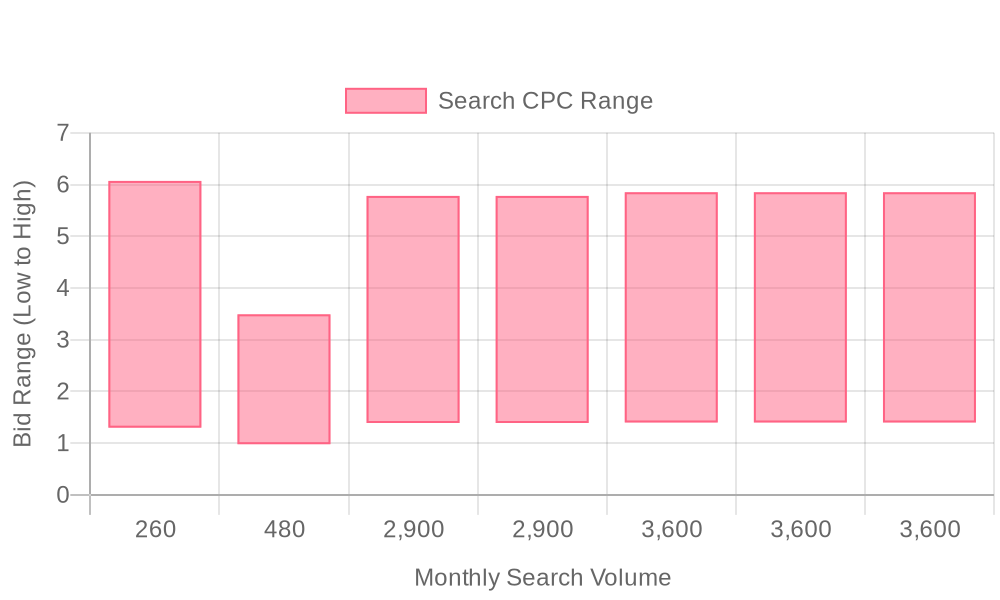
| Industry | Keyword | Monthly Search Volume | Competition Level | Low Bid | High Bid |
| Exercise Equipment Repair Services | exercise equipment repair services | 260 | LOW | 1.3 | 6.07 |
| Exercise Equipment Repair Services | exercise bike repair near me | 480 | LOW | 0.98 | 3.49 |
| Exercise Equipment Repair Services | fitness equipment repair | 2900 | LOW | 1.39 | 5.78 |
| Exercise Equipment Repair Services | gym equipment repair | 2900 | LOW | 1.39 | 5.78 |
| Exercise Equipment Repair Services | exercise equipment repair near me | 3600 | LOW | 1.4 | 5.85 |
| Exercise Equipment Repair Services | fitness equipment repair near me | 3600 | LOW | 1.4 | 5.85 |
| Exercise Equipment Repair Services | gym equipment repair near me | 3600 | LOW | 1.4 | 5.85 |
Precision targeting is central to maximizing the value of Google Ads for exercise equipment repair services. By focusing on high-intent queries, repair providers can intercept decision-makers at the exact moment they are searching for solutions, ensuring each ad impression delivers measurable impact. Data-driven campaigns eliminate wasted budget on generic clicks and instead capture leads who are ready to engage, schedule service, or request a quote.
ROI measurement sets digital marketing for fitness repair apart from outdated, one-size-fits-all approaches. With advanced conversion tracking, every interaction, from the initial ad click to the service completion, feeds back into a unified data pipeline. This approach empowers revenue teams to identify which campaigns, channels, and keywords are driving actual service appointments, not just website visits. Integrating real-time CRM data with ad platforms further closes the loop, capturing both online and offline conversions for full-funnel attribution.
A robust keyword strategy blends core service terms with local and intent-based modifiers. For example, targeting “treadmill repair service near me,” “gym equipment technician,” or “elliptical machine maintenance quotes” ensures ads are visible to those actively seeking repairs. Incorporating review-focused and comparison-based keywords, such as “best gym equipment repair services” or “treadmill repair service reviews”, captures leads deeper in the funnel, already primed for conversion.
Channel synergy amplifies campaign effectiveness. Marketers can retarget past website visitors across search, display, and social channels, synchronizing intent signals and maintaining brand visibility throughout the decision journey. Advanced platforms enable dynamic audience updates: as leads move through the funnel, audiences automatically refresh so that remarketing lists stay relevant and exclusion lists avoid wasted impressions.
Sample target terms include:
- “exercise equipment repair near me”
- “treadmill belt replacement fast”
- “commercial gym equipment maintenance”
- “certified fitness equipment repair”
- “elliptical repair service reviews”
- “emergency gym equipment repair”
- “best exercise equipment repair services”
- “fitness equipment technician local”
Step-by-Step Campaign Execution Framework
Precision in digital marketing sets the best exercise equipment repair providers apart from the competition. A data-driven, stepwise campaign approach accelerates qualified lead acquisition and maximizes every dollar spent on Google Ads for Exercise Equipment Repair Services. For a deeper dive on PPC budgeting and spend strategies, see this PPC cost guide for exercise equipment stores, and explore our marketing analytics insights for additional campaign optimization tactics.
When revenue teams connect granular search intent with seamless lead nurturing, they unlock higher conversion rates and greater customer loyalty. This framework delivers a practical, actionable process tailored for B2B teams pursuing operational excellence in exercise equipment marketing strategies.
Step 1: Build Targeted Keyword Lists
- Cluster by service type: Effective campaigns begin with meticulously structured keyword clusters such as annual maintenance, emergency repair, or commercial gym servicing. This segmentation ensures each ad group aligns with a specific customer need, reducing wasted spend and boosting relevance.
- Location modifiers: Integrating terms like "near me," city names, or neighborhood references captures local demand, a vital tactic for digital marketing for gyms and on-site repair businesses.
- Long-tail prioritization: Focusing on specific, intent-rich queries, such as "elliptical belt replacement downtown" or "24/7 treadmill repair in [city]," attracts prospects closer to purchase, often at a lower cost-per-click.
Modern platforms can now identify and map anonymous search traffic to known accounts, surfacing high-value opportunities for immediate outreach. Leveraging Sona's Identity Resolution reveals which companies and people are visiting your website, even if they don't fill out a form, helping turn anonymous traffic into qualified pipeline. By synchronizing CRM data with live keyword performance, marketers dynamically allocate budget toward clusters delivering the best Google Ads ROI for gyms and repair services.
The upgrade most exercise equipment repair services advertisers miss is going beyond raw keyword volume to layer in intent and identity signals. By connecting website-visitor data and CRM records with Sona Marketing Measurement, you can see which specific search terms bring in the accounts and customers that actually convert, and weight your keyword and bidding strategy toward those rather than the terms with the highest search volume alone.
Step 2: Develop Compelling Ad Copy
- Pain points in headlines: Headlines must address urgent needs, "Same-Day Gym Equipment Repair" or "Certified Techs for Treadmill Emergencies", to resonate with decision-makers facing downtime.
- Certifications and awards: Including proof points such as "Manufacturer-Approved" or "Award-Winning Service Team" elevates trust and differentiates your offer in a crowded ad space.
- Urgency-driven offers: Messaging like "Book by Noon for Today’s Service" or "Free Diagnostics with Repair" spurs immediate action, increasing click-through and conversion rates.
Audience engagement increases when ad messaging evolves in real time based on in-market behavior and CRM stage. Using signal-based audience segments empowers marketing teams to reach the right people at the right moment with tailored outreach. With platforms that unify online and offline data, teams personalize copy for each segment, ensuring relevance whether the lead is a new inquiry or a returning commercial client.
Step 3: Design Effective Landing Pages
- Ad group alignment: Each landing page must precisely mirror its ad group’s keywords and promises, creating a seamless path from click to conversion. For example, a page focused on "emergency repairs" should feature rapid response times and easy scheduling.
- ROI calculators and testimonials: Presenting interactive calculators for long-term maintenance savings or displaying customer endorsements instills confidence, supporting higher-value conversions.
- Mobile optimization: With over half of service inquiries coming from mobile, responsive design is non-negotiable. Quick-loading pages, click-to-call buttons, and concise forms increase lead capture rates for PPC for exercise equipment campaigns.
Integrating real-time visitor data with landing page analytics provides granular insight into engagement by device, location, and intent. This empowers ongoing optimization to meet the evolving needs of high-potential segments and maximize every ad dollar.
Step 4: Implement Data-Driven Optimizations
- Conversion monitoring and smart bidding: Track every key action, form fills, calls, quote requests, and use automated bidding strategies tuned to actual lead quality, not just clicks. This approach ensures spend remains focused on high-ROI conversions. Review digital ad strategies for fitness equipment businesses to benchmark and refine your own campaigns.
- Headlines and CTA testing: Systematically test variations in headlines, subheadings, and call-to-action placements to identify combinations that drive the highest lead-to-customer rates.
As campaigns mature, dynamic audience lists update automatically based on CRM progression, ensuring remarketing efforts are always relevant. Advanced attribution connects online behaviors to offline sales, delivering a holistic view of performance and fueling continuous improvement for advertising fitness repair services.
Sona Marketing Measurement closes the gap between clicks and revenue. It captures every ad click with first-party measurement, then ties that click through UTM capture and ad-platform APIs to the actual record in your CRM, and reports ROAS by keyword and campaign instead of by last-click form fill. Feeding that revenue signal back into Smart Bidding and Performance Max compounds over time: the algorithms optimize toward booked exercise equipment repair services revenue, not cheap leads.
Tips on Expanding Your Exercise Equipment Repair Presence
Exercise equipment repair businesses see the highest growth when they approach awareness and lead generation as a unified, data-driven initiative. Achieving a broader, more authoritative presence requires more than basic advertising: it involves cross-channel education, tailored service offers, and partnerships that extend reach beyond isolated campaigns.
- Cross-promote educational content: Publishing maintenance tips, troubleshooting videos, and service checklists not only positions your team as trusted advisors, but also nurtures prospects who may not be ready to buy. When cross-promoted via email and paid campaigns, these assets reinforce your expertise while intent signals from content engagement identify new audiences to target with Google Ads for Exercise Equipment Repair Services. Leveraging real-time audience data, marketers can dynamically update audience segments, ensuring that those who interact with high-value content are prioritized for follow-up and retargeting.
- Upsell additional services through segmentation: Generic campaigns often fail to address the varied needs of commercial gyms, home fitness owners, and corporate wellness centers. Segmenting audiences based on equipment owned, location, or prior engagement allows you to tailor upsell offers, such as preventive maintenance plans or multi-equipment discounts, that match each segment’s needs. Behavioral tracking enables marketers to update these segments as customers progress, ensuring upsell campaigns are as timely as they are relevant.
- Collaborate with industry associations: Partnering with local fitness organizations, equipment manufacturers, or wellness groups expands your reach to new audiences that may otherwise remain untapped. Such collaborations facilitate co-branded educational initiatives and referral programs, directly connecting you with high-intent leads. By syncing CRM data from these partnerships into advertising platforms, you can enrich your targeting, driving more personalized and effective campaigns.
- Use search data for content strategy: Search term analysis reveals which repair topics and equipment models are in highest demand, allowing you to create new landing pages, blog posts, or video guides that precisely match what local customers seek. Advanced analytics help tie this content performance back to lead generation, optimizing resource allocation and improving ROI. Visitor identification tools ensure even anonymous site visitors are profiled and nurtured for future campaigns.
Beyond Google Ads: Winning the AI Answers Exercise Equipment Repair Services Buyers Now Trust
Paid search captures demand at the moment someone types a query. But a fast-growing share of exercise equipment repair services buyers no longer start at Google at all, they ask ChatGPT, Gemini, or Perplexity before they ever run a search, and Google's own AI Overviews increasingly summarize an answer above the traditional results. If your business isn't referenced in those AI answers, you're invisible at the exact moment buyers build their shortlist.
Sona AI Visibility shows where your business shows up across ChatGPT, Gemini, Perplexity, Google AI Overviews, and 10+ engines, and, much like a keyword report, which prompts actually send you buyers, so you can prioritize the ones that convert. Run the two together and you cover the entire buyer path: get cited where buyers research (AI Visibility), then prove which of that demand turns into booked revenue (Marketing Measurement).
Helpful resources
Conclusion
Google Ads works for exercise equipment repair services because it meets a buyer at the one moment that matters: the machine is down and someone needs it fixed. Campaign structure, keyword precision, and landing page alignment all serve that single job.
The providers who pull ahead won't be the ones who spend the most, but the ones who can tell a booked repair from a wasted click, and who feed that distinction back into their bidding every week. That discipline, more than any single tactic here, is what turns ad spend into a durable pipeline of repair jobs.
To further enhance your marketing efforts and explore advanced insights, start for free to experience our platform's capabilities today.
FAQ
What are the best practices for Google Ads in service industries?
Best practices include utilizing data-driven approaches, employing precise keyword and audience targeting, aligning landing pages and ad creatives for higher conversion, optimizing performance through continuous enhancement, and integrating cross-channel efforts for cohesive marketing.
How can I optimize my Google Ads for exercise equipment repair?
Optimize by building targeted keyword lists, developing compelling ad copy, designing effective landing pages, implementing data-driven optimizations, and continuously enhancing your campaigns based on real-time engagement and conversion data.
What budget should I allocate for Google Ads in this niche?
The budget should be informed by a tactical framework that focuses on maximizing ROI, capturing high-value leads, and efficiently generating qualified prospects. For detailed budgeting strategies, refer to PPC cost guides specific to exercise equipment stores.
What keywords should I target for exercise equipment repair services?
Target keywords like 'exercise equipment repair near me,' 'treadmill belt replacement fast,' 'commercial gym equipment maintenance,' and 'certified fitness equipment repair' to capture high-intent inquiries.
How do I measure the success of my Google Ads campaigns for repair services?
Measure success by monitoring conversion rates, cost per lead, lead quality, and using advanced conversion tracking to link every interaction to its original ad click, ensuring a unified data pipeline for full-funnel attribution.







