


Specialty schools lose prospective students not for lack of interest but for lack of visibility at the right moment. A parent searching "Montessori programs near me" at 11pm or an adult weighing welding certification against a competing trade program is deciding now, often outside business hours, often after months of quiet research. Google Ads lets art academies, trade programs, and language institutes meet that moment directly, rather than hoping brand awareness or referrals eventually close the gap. Done well, it turns precision targeting into higher enrollment, stronger visibility in a crowded niche, and inquiries from families who already have genuine intent.
How to Generate Google Ads for Specialty Schools Leads: A Step-by-Step Guide

Specialty schools face unique enrollment challenges that require precision in digital marketing. Google Ads provides a direct channel to reach prospective students and families who are actively searching for specific educational opportunities.
A data-driven approach keeps every advertising dollar tied to measurable outcomes. Real-time insight into which keywords and audiences convert lets marketing teams put budget where enrollment intent is actually highest, rather than spreading it evenly across programs. Dive deeper into campaign measurement in our marketing strategy blog.
- Data-Driven Paid Search: Leverage analytical tools to identify high-intent searchers and forecast campaign performance. This methodology enables specialty school marketers to bypass guesswork and focus on keywords that directly correlate with increased inquiries and enrollment applications. For actionable tips, check out our playbooks.
- Targeted Keyword and Audience Selection: Build custom audience segments around prospective students, parents, and influencers relevant to your school's unique offerings. Layering keyword research with behavioral and demographic data, such as who's researching accreditation versus tuition assistance, ensures no valuable lead is overlooked. Sona's Identity Resolution further enriches these audiences by identifying the companies or households behind website visits, making every impression count.
- Landing Page and Creative Alignment: High-converting campaigns rely on seamless continuity between ads and landing pages. Consistent messaging and creative assets tailored to each audience segment drive engagement and reduce bounce rates. Automated solutions can help synchronize updates between ad creatives and landing pages, closing the gap between ad promise and landing page experience.
- Performance Optimization: Continuous monitoring matters most around enrollment deadlines and open-house windows, when a lagging ad group can miss an entire admissions cycle. Advanced platforms surface underperforming segments, flag applicants who've stalled mid-funnel, and recommend budget shifts before a deadline passes. Marketers can update audience lists as families move from inquiry to campus visit to application, keeping retargeting relevant at each stage. Enhance optimization strategies by referencing intent signal-driven campaigns.
- Cross-Channel Consistency: Integrating Google Ads with email, social, and outbound channels amplifies reach and reinforces messaging. When ad platforms sync audience data and conversions across channels, specialty schools achieve a unified view of the customer journey and unlock actionable insights. Real-time syncing of CRM and enriched lead data, as enabled by solutions like Sona, ensures every campaign touches the right audience at the right stage. Discover how to automate account research to further enhance your targeting.
This structured playbook gives revenue teams and marketers in specialty schools a way to run scalable Google Ads campaigns without guesswork. By focusing on data, targeting, creative alignment, optimization, and integration, your institution can strengthen its digital presence and convert more inquiries into enrolled students. Ready to streamline your next campaign? Get started for free with Sona.
Why Does Google Ads Matter for Specialty Schools?

Specialty schools operate in dynamic, high-value markets where clarity, targeting, and timing define success. Growth is hindered by fragmented messaging and missed opportunities, making cohesive digital strategies essential for enrollment targets and sustainable scaling.
Google Ads for Specialty Schools unlocks the ability to engage specialized audiences right when they are evaluating unique educational options. For practical, step-by-step guidance on campaign setup and optimization, this video guide for private schools demonstrates how Google Ads can drive enrollment, surfacing targeted campaigns at critical decision points to reach prospects searching for niche programs, such as trade schools, art schools, language academies, or Montessori and homeschooling offerings.
- Complex, Specialized Audience: Specialty schools cater to audiences with specific goals, from parents seeking Montessori education to adults researching trade certifications. Google Ads pinpoints these segments with precision, surfacing tailored messaging and program benefits at the exact moment of search intent, driving higher engagement and qualified inquiries. Leveraging precise audience intelligence enables schools to deliver the right message at the right time, increasing campaign effectiveness.
- Higher Margin Enrollment: With tuition costs higher for niche programs, every enrollment carries significant value. Timely, relevant ads ensure that high-intent prospects find your offerings before competitors, maximizing conversion rates among applicants who are actively seeking solutions in areas like boarding schools, international schools, religious institutions, or online-only programs. Streamlining the process with automated account identification helps schools prioritize and engage the most valuable leads.
- Rapid Demand Fulfillment: Enrollment periods and course launches can create surges in demand. Google Ads allows specialty schools to quickly scale campaigns, reach motivated candidates, and fill open seats without delay. This agility prevents missed opportunities during peak periods or when launching new, in-demand courses. For actionable steps on campaign management, explore our playbooks collection.
- Visibility in Emerging Markets: As specialty education evolves, new geographic or demographic markets emerge. Google Ads surfaces data on where interest is rising, helping schools identify underserved regions or new audience segments. This data-driven approach enables rapid expansion and targeted outreach, giving schools a competitive edge by syncing real-time data to ad platforms.
- Data-Driven Insights: Digital marketing generates a wealth of analytics that can sharpen future campaigns. Marketers can move beyond generic metrics, using data to uncover which keywords, ad creative, and audience segments yield the highest ROI. Platforms that unify ad performance with CRM and site analytics let schools identify anonymous visitors, attribute conversions to specific channels, and continuously refine lead generation strategies for growth.
Common Types of Google Ads Campaigns for Specialty Schools

Google Ads for Specialty Schools enables revenue teams to reach diverse, high-intent audiences with strategies tailored to their institution's unique offerings. Each campaign type supports a specific stage of the student journey, ensuring touchpoints align with the decision-making process and maximize ROI. For an in-depth overview of best practices and trends, explore the Sona blog.
- Search Campaigns: These campaigns capture prospective students and families searching for programs like language schools, art schools, or Montessori schools. By targeting bottom-funnel, high-intent queries, specialty schools can intercept users who are actively comparing educational options and ready to take the next step. Integrating real-time intent signals and advanced audience segmentation ensures budget is concentrated on the most engaged prospects, driving qualified inquiries or applications.
- Display Ads: Display campaigns maintain brand presence on relevant educational sites, blogs, and forums. This channel helps specialty schools, such as boarding schools, homeschooling programs, or online schools, remain top-of-mind among families evaluating multiple options. With dynamic audience updates, marketers ensure ad creative follows users as they move through research phases, reinforcing messaging and increasing the likelihood of return visits. For actionable strategies, see this guide to local search ads for private schools.
- Video Ads: Video formats allow specialty schools to express their value visually, especially for complex programs or immersive campus experiences that benefit from demonstration. Video campaigns can bring to life the unique aspects of trade schools, international schools, or religious schools, supporting broader content marketing efforts. When used with advanced visitor identification, these ads can be tailored for segmented audiences, creating personal, impactful touchpoints.
- Remarketing: Remarketing reconnects with visitors who showed interest but did not convert, such as those who started but abandoned an application for a trade or art school. By leveraging visitor-level attribution and syncing CRM data automatically, remarketing lists are constantly refreshed, ensuring outreach is timely, relevant, and persistent across devices and channels.
- Assets: Ad assets build trust and authority by highlighting student testimonials, program accreditation, and school-specific differentiators. For specialty institutions where credibility is paramount, these assets reinforce core messages and offer additional conversion paths. Data enrichment from unified go-to-market platforms allows assets to dynamically showcase the most persuasive proof points for each audience segment.
Where to Find Growth Opportunities?

Growth-driven revenue teams in the education sector consistently outperform by uncovering new, overlooked channels that connect with prospective students early in their decision journey. Precision targeting, data intelligence, and creative retargeting are essential to moving beyond saturated tactics and capturing high-value leads in competitive markets like specialty schools.
- Vertical keyword targeting: Focus on highly specific keywords that match the unique educational services offered by your institution. For Specialty Schools, this means segmenting campaigns around programs such as art schools, trade schools, or international schools to capture intent-rich searches from motivated prospects. For a step-by-step walkthrough on leveraging Google Ads to increase enrollment, this YouTube guide for private schools provides actionable strategies.
- Competitor analysis: Using platforms like SEMrush, identify market gaps in your competitors' strategies. This approach helps reveal underutilized audience segments and keywords, ensuring your campaigns reach previously untapped potential students. When integrated with unified go-to-market data, marketers can pinpoint which anonymous visitors are researching competitors with Sona's Identity Resolution, then prioritize outreach to these high-conversion accounts.
- Industry-specific placements: Position ads on academic forums, education directories, and niche platforms relevant to specialty school audiences. This tactic reconnects with anonymous traffic that has shown interest but not yet engaged directly with your site. By leveraging advanced visitor identification, teams can attribute these touchpoints and initiate personalized follow-up.
- Content retargeting: Re-engage decision-makers and potential students with tailored educational resources, such as e-books, program guides, or webinars. Using dynamic audience management, retargeting lists update automatically as leads interact with your content, ensuring timely delivery of relevant messaging and maximizing the likelihood of conversion for specialty school programs.
How to Apply Audience Segmentation for Specialty Schools

Effective audience segmentation is fundamental for specialty schools seeking to maximize their Google Ads performance. Precision targeting lets marketers align messaging with the educational journey of each prospective student, increasing both engagement and conversion rates. Schools that segment their audiences outperform those with generalized campaigns by delivering timely, relevant content at each step of the enrollment funnel. For deeper insights into optimizing campaigns, explore our latest marketing strategies blog.
- Define Segments: Start by distinguishing audiences based on program type, such as art, science, trade, or language-focused offerings. This allows for highly personalized outreach and ensures that communications speak directly to the interests and needs of each group. For example, art schools can highlight creative outcomes, while trade schools might emphasize job placement rates. Get inspired by this YouTube video, which walks through step-by-step segmentation and messaging tactics.
- Overlay Intent Signals: Evaluate the search intent of your audience, whether they are researching Montessori schools, online schools, or international programs. By tapping into real-time intent signals, marketers can prioritize budget and messaging for those displaying high enrollment readiness. This data-driven approach reduces wasted spend and improves lead quality.
- Create Ad Groups by Segment: Build separate ad groups for each identified segment and tailor your ad creative to address specific motivators and barriers. For instance, boarding schools may focus on campus life and safety, while ads for homeschooling programs might highlight flexible learning options. Leveraging dynamic audience capabilities, marketers can ensure these segments update automatically as users progress from research to inquiry to application.
- Validate Conversion Paths: Make sure every step, from ad click to inquiry or application, is tracked and attributed accurately within your CRM. By connecting online form submissions and offline interactions, specialty schools gain a unified view of the student journey. Audience and lead data can sync seamlessly with ad platforms and CRM systems, ensuring that follow-up communications remain relevant and timely, while supporting true ROI measurement from first touch to enrollment.
By applying a segmented approach, specialty schools elevate their local search ads strategy, ensuring that each student receives a tailored experience from the first search through to completed application. This structured process not only drives higher engagement but also delivers actionable insights to continuously refine audience targeting and messaging, keeping recruitment efforts agile and effective. Ready to put advanced segmentation to work? Get started for free with Sona.
This is also where measurement changes the economics. With Sona Marketing Measurement you can identify the companies behind your ad clicks, not just anonymous sessions, and segment audiences by which accounts actually become customers. That lets you build bid adjustments and audience signals around the segments that convert and de-prioritize the ones that don't, so you feed Google's algorithms "this click became a paying specialty schools customer" instead of just "someone filled out a form."
Keyword Strategy & Sample Target Terms
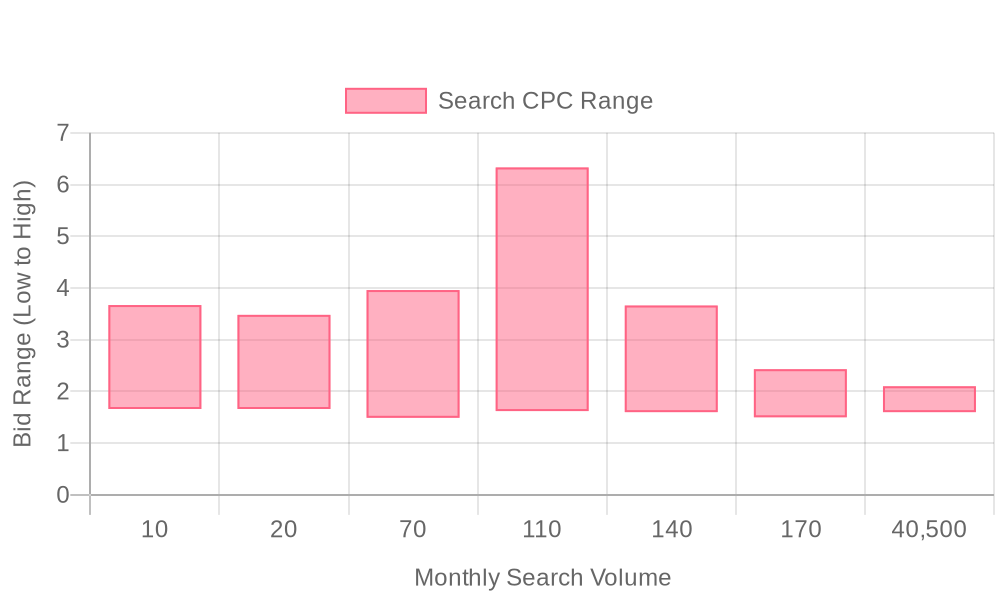
| Industry | Keyword | Monthly Search Volume | Competition Level | Low Bid | High Bid |
| Specialty Schools | schoolspecialties | 10 | LOW | 1.66 | 3.67 |
| Specialty Schools | www schoolspecialty | 20 | LOW | 1.66 | 3.48 |
| Specialty Schools | teacher specialty | 70 | LOW | 1.49 | 3.96 |
| Specialty Schools | specialty schools near me | 110 | LOW | 1.62 | 6.33 |
| Specialty Schools | www schoolspecialty com | 140 | LOW | 1.6 | 3.66 |
| Specialty Schools | schoolspecialty com | 170 | LOW | 1.5 | 2.43 |
| Specialty Schools | specialty schools | 40500 | LOW | 1.6 | 2.1 |
Google Ads for specialty schools delivers a direct pathway to reach families or individuals who have already demonstrated interest in education solutions. This approach reliably captures prospects at the moment they are evaluating options, improving both lead quality and conversion velocity. For a deeper dive into campaign best practices, you can explore how private schools are using Google Ads to increase enrollment, featuring a step-by-step walkthrough on YouTube.
A robust keyword strategy is essential for specialty schools to maximize campaign performance and budget efficiency. Focusing on high-intent terms ensures ads appear for users ready to engage, while negative keywords filter out irrelevant traffic, maintaining quality and lowering acquisition costs. For the latest tips on optimizing your ad targeting and segmentation, visit our blog.
Strategic Value
- Precision Targeting: By leveraging intent-rich keywords such as "best trade schools near me," "Montessori programs for toddlers," or "boarding schools with STEM focus," marketers can intercept decision-makers as they actively explore educational pathways. This enables specialty schools to prioritize outreach based on real-time audience signals, allowing teams to deliver relevant content and timely calls-to-action. When visitor identification tools are in place, anonymous website visits transform into actionable lead records, letting marketing and admissions teams recognize which organizations or individual prospects are demonstrating intent.
- Measurable ROI: Tracking the full journey from search click to application submission unlocks comprehensive attribution. Specialty schools can measure the effectiveness of each keyword cluster, campaign, or creative variant, attributing enrollments and inquiries to specific marketing actions. Connecting CRM data with ad platform engagement, including both online forms and offline follow-ups, ensures no high-value lead is missed. This level of unified data analysis not only tightens budget allocation but also helps optimize future keyword selection and messaging for even greater campaign impact.
Sample target terms for specialty schools include:
- "private language schools in [city]"
- "boarding schools for gifted students"
- "best art schools for teens"
- "vocational training for adults"
- "online religious schools"
- "Montessori elementary programs"
- "homeschool support services near me"
- "international baccalaureate schools"
- "trade schools for welding"
- "virtual high school enrollment"
Selecting these terms, and continuously refining them based on search term reports and audience response, allows specialty schools to capture the highest-intent prospects and maximize their Google Ads investment. Dynamic audience building, powered by real-time search and engagement data, ensures campaigns automatically evolve as prospects move through the enrollment funnel. To see the impact firsthand, get started for free with Sona and unlock actionable insights for your next campaign.
Step-by-Step Campaign Execution Framework
Step 1: Build Targeted Keyword Lists
- Keyword clustering by program: Segment keywords by program type, such as Google Ads for trade schools, online schools, art schools, or language schools. This approach elevates campaign precision, ensuring each ad group is hyper-relevant to user intent.
- Local modifiers for region-specific reach: Incorporate city, state, or neighborhood modifiers to target families and students actively searching for specialty education options in defined locations. This granular approach yields higher qualified leads and minimizes wasted spend on irrelevant audiences.
- Long-tail and inquiry-focused phrases: Integrate search queries reflecting specific interests or pain points, like "best Montessori schools near me" or "boarding school scholarships in Texas." Capturing these intent-rich queries allows schools to intercept prospects earlier in the decision journey, often before competitors appear in the funnel.
Marketers using Sona's Identity Resolution can identify not just anonymous website visitors but also the companies or households behind each click. This visibility turns ordinary keyword targeting into account-based audience building, letting teams cluster and prioritize high-value leads programmatically.
The upgrade most specialty schools advertisers miss is going beyond raw keyword volume to layer in intent and identity signals. By connecting website-visitor data and CRM records with Sona Marketing Measurement, you can see which specific search terms bring in the accounts and customers that actually convert, and weight your keyword and bidding strategy toward those rather than the terms with the highest search volume alone.
Step 2: Develop Compelling Ad Copy
- Tailored headlines with core benefits: Write headlines that address the needs of each audience segment, whether highlighting small class sizes for Montessori schools or hands-on training for vocational programs.
- Differentiators and partnerships: Feature unique aspects such as accreditation, STEM partnerships, or global exchange programs, supporting a brand narrative that stands out from generic education ads.
- Exclusive offers and incentives: Promote timely incentives, like waived application fees, trial classes, or scholarship opportunities, that motivate prospects to take the next step, particularly during high-competition enrollment periods.
With Sona's audiences, marketers can sync dynamic audience segments and real-time intent signals into their Google Ads accounts. To dive deeper into advanced tactics, visit our blog for marketing insights. This ensures ad messaging evolves alongside the user's journey, automatically presenting the right offers and creative to the right audience as they move through the funnel.
Step 3: Design Effective Landing Pages
- Consistent message alignment: Ensure the language and visuals of the landing page mirror those of the ads and keywords, creating a seamless experience that reassures prospective families they're in the right place.
- Program- or department-specific segmentation: Build distinct landing pages for different school types, such as private, international, or religious schools, so each visitor lands on content tailored to their interests, improving conversion rates.
- Integrated conversion points: Use embedded contact forms, live chat, or virtual tour sign-ups to capture leads efficiently and route them directly into your CRM. This enables rapid response and nurtures engagement in real time.
Sona's destinations make it easy to track which audiences convert and to sync enriched lead profiles back into Google Ads and sales platforms, ensuring follow-up is both timely and highly personalized.
Step 4: Implement Data-Driven Optimizations
- Conversion monitoring and bid refinement: Track each stage of the conversion funnel, form fills, event registrations, and enrollments, and adjust bids based on segments showing the strongest performance signals.
- Smart bidding for cost efficiency: Leverage automated bidding strategies to optimize for actual enrollments or qualified leads, not just clicks or impressions, refining spend allocation for maximum impact.
- Offline and online attribution: Import offline enrollment data into your Google Ads account, closing the loop between digital engagement and true ROI. This full-funnel attribution surfaces which campaigns most directly influence enrollment outcomes.
Sona's buyer journeys unify online ad performance with offline enrollment data, letting marketing teams see exactly which campaigns and audiences drive real-world results. For more strategies on optimizing your campaigns, check out the essential guide to account-based marketing. This holistic view empowers smarter budget decisions, sharper targeting, and ongoing improvement across all specialty school initiatives.
Sona Marketing Measurement closes the gap between clicks and revenue. It captures every ad click with first-party measurement, then ties that click through UTM capture and ad-platform APIs to the actual record in your CRM, and reports ROAS by keyword and campaign instead of by last-click form fill. Feeding that revenue signal back into Smart Bidding and Performance Max compounds over time: the algorithms optimize toward booked specialty schools revenue, not cheap leads.
Tips on Expanding Your Specialty Schools Presence
Specialty schools can outpace traditional marketing channels by combining digital innovation with targeted outreach, creating a sustainable pipeline of high-fit prospective students. Coordinated audience segmentation within digital campaigns ensures that marketing investments are allocated to prospects demonstrating the highest intent and likelihood to enroll.
- Cross-promote educational content in remarketing: Integrating valuable course previews or program highlights into remarketing campaigns ensures prospects stay engaged throughout the decision cycle. By tracking visitor interactions across website and ad channels, marketers can deliver highly relevant content that reinforces the value of specialized education, reducing missed opportunities and increasing application rates.
- Upsell new program enrollments with segmentation: Advanced audience segmentation allows marketing teams to detect signals of churn, such as disengaged alumni or students not progressing, and retarget them with tailored offers for new courses or certifications. Syncing enriched lead and student data from CRM systems into advertising platforms enables dynamic updates, turning at-risk contacts into new revenue streams with minimal manual intervention.
- Collaborate with educational associations: Partnering with local or national education associations facilitates broader campaign reach and consistent message delivery. Cohesive, data-driven collaboration ensures that both parties share insights on audience engagement trends, leading to more effective joint promotions and reduced prospect drop-off.
- Leverage localized campaigns for regional relevance: Specialty schools often serve niche demographics or geographic areas. Localized campaigns use intent data and real-time visitor identification to adjust messaging and offers based on region, capturing emerging student interest and maintaining competitive advantage in specific markets. For additional ideas, see how specialty schools can utilize step-by-step guidance on increasing enrollment.
By combining these strategies with precise keyword targeting and compelling creative, specialty schools can increase enrollment, optimize cost-per-acquisition, and enhance their digital marketing effectiveness. The integration of advanced data insights and unified audience management into every stage of a Google Ads strategy enables specialty schools to outperform generic outreach and achieve measurable growth. For more tactical guidance, review essential retargeting strategies for education that align with specialty school recruitment goals. To explore how these tactics can work for your institution, get started for free with Sona.
Beyond Google Ads: Winning the AI Answers Specialty Schools Buyers Now Trust
Paid search captures demand at the moment someone types a query. But a fast-growing share of specialty schools buyers no longer start at Google at all, they ask ChatGPT, Gemini, or Perplexity before they ever run a search, and Google's own AI Overviews increasingly summarize an answer above the traditional results. If your business isn't referenced in those AI answers, you're invisible at the exact moment buyers build their shortlist.
Sona AI Visibility shows where your business shows up across ChatGPT, Gemini, Perplexity, Google AI Overviews, and 10+ engines, and, much like a keyword report, which prompts actually send you buyers, so you can prioritize the ones that convert. Run the two together and you cover the entire buyer path: get cited where buyers research (AI Visibility), then prove which of that demand turns into booked revenue (Marketing Measurement).
Helpful resources
Conclusion
Specialty schools that win enrollment in a crowded field aren't the ones spending the most on Google Ads, they're the ones treating every click as a signal to be tracked, not just a cost to be justified. That means building keyword and audience strategy around programs and moments (application deadlines, open houses, licensing cycles) rather than generic education terms, and connecting ad spend to actual enrollments instead of stopping at form fills.
The schools that treat AI answer engines and paid search as one system, rather than two separate budgets, will be the ones still visible when a prospective student's first move is asking ChatGPT instead of Google.
To put these strategies to work, explore Sona's platform and see how identity resolution, intent signals, and marketing measurement fit into your enrollment funnel.
FAQ
How can specialty schools leverage Google Ads to increase enrollment?
Specialty schools can use Google Ads to precisely target and reach prospective students at the moment they are searching for educational opportunities, thereby increasing enrollment and enhancing brand visibility.
What are the best practices for setting up Google Ads campaigns for specialty schools?
Best practices include using data-driven paid search, targeted keyword and audience selection, aligning landing pages with ad creatives, optimizing performance through continuous monitoring, and ensuring cross-channel consistency.
How can specialty schools target specific demographics with Google Ads?
Specialty schools can build custom audience segments using demographic and behavioral data to ensure they reach specific prospects, such as students and parents interested in unique educational offerings.
What are the most effective keywords for specialty schools in Google Ads?
Effective keywords focus on high-intent terms related to specific programs, such as 'Montessori programs for toddlers' or 'best trade schools near me,' to capture engaged prospects.
How can specialty schools measure the success of their Google Ads campaigns?
Schools can measure success by tracking the conversion journey from ad clicks to enrollments and attributing conversions to specific keywords, campaigns, or creative variants.
How can specialty schools retarget potential students with Google Ads?
Specialty schools can use remarketing to reconnect with visitors who showed interest but did not convert, ensuring timely and relevant outreach across devices and channels.
What is the average cost per click for Google Ads in the specialty school sector?
The article does not specify the average cost per click for the specialty school sector.
How can specialty schools use Google Ads to differentiate themselves from competitors?
Schools can highlight unique aspects such as accreditation, partnerships, and exclusive offers in their ad copy to stand out from generic education ads.
How can specialty schools optimize their landing pages for Google Ads?
Optimizing landing pages involves ensuring message alignment with ads, segmenting pages by program type, and integrating conversion points like contact forms and live chat.
What are some examples of successful Google Ads campaigns for specialty schools?
Successful campaigns typically use search, display, video ads, remarketing, and ad extensions tailored to the school's offerings and audience segments.







