A snowmobile tour books up fast once the snow arrives, and the operators who fill seats aren't the ones with the prettiest brochure, they're the ones showing up when someone types "guided snowmobile tour near me" at 9pm the night before a trip. Google Ads for Snowmobile Tours puts your business in front of these high-intent travelers at the exact moment they're ready to book. The tools available now let you target precisely, track return on ad spend, and cut waste, so you're intercepting tourists mid-search rather than hoping they find you first.
How to Generate Snowmobile Tours Leads with Google Ads: A Step-by-Step Guide

Establishing a steady flow of high-quality leads is essential for snowmobile tour operators competing in a crowded, seasonal market. Effective use of Google Ads enables direct engagement with adventure-focused travelers, capturing demand precisely when intent is highest and driving bookings that otherwise might go to competitors or OTAs. For a deeper look at how paid search can increase bookings, see this Google Ads case study for Keene Adventure Services.
A multi-channel marketing approach positions Google Ads as the performance engine within a broader demand generation ecosystem. Paired with organic and social tactics, paid campaigns provide measurable lift, but the real differentiator is advanced intent data and dynamic audience management. Modern analytics platforms can now identify the companies behind anonymous website visits, using first-party data rather than individual tracking. By surfacing which businesses and high-value travelers are browsing your booking pages, operators can move those accounts into customer match lists, fueling more targeted ad delivery and cutting wasted impressions.
Audience targeting for snowmobile tours thrives when powered by behavioral insights unique to winter sports travelers. Adventure seekers often research multiple destinations, so leveraging in-market signals and search patterns enables the dynamic segmentation of prospects as they move from curiosity to purchase readiness. Real-time intent monitoring ensures that ads are prioritized for those visitors displaying high engagement, such as repeat site visits, extended session durations, or previous interactions with premium tour content. This not only boosts conversion rates but also reallocates ad spend toward the audience segments most likely to convert. To refine your segmentation, review advice on optimizing Google Ads spend for tour operators.
Landing page alignment and creative optimization remain mission-critical for snowmobile tour marketing. High-performing campaigns use landing pages tailored to each keyword group, minimizing friction and addressing the specific objections of hesitant bookers, such as equipment quality, trail safety, or group accommodations. Continuous A/B testing of copy, imagery, and CTAs, paired with granular form analytics, reveals and resolves abandonment triggers. Platforms capable of syncing enriched lead data into Google Ads and connected CRMs further enhance the post-click experience, ensuring that each qualified inquiry is nurtured through automated, personalized follow-up.
Performance optimization is not a one-time effort; it is an ongoing process of refinement. Top operators monitor which ad segments, creative assets, and geographic markets generate the most engagement and bookings, then shift budgets accordingly. Integrating conversion tracking across both online and offline channels, including phone and walk-in reservations, provides a complete picture of ROI and uncovers hidden drivers of revenue. For specific strategies, check out these Google Ads best practices for tour and activity operators.
Cross-channel integration ties these efforts together, giving marketers holistic visibility across campaigns and touchpoints. By unifying data from website analytics, CRM records, and ad platforms, marketers can orchestrate seamless retargeting, personalized nurture, and campaign-level reporting. This keeps snowmobile tour promotions cohesive, responsive to in-market behavior, and focused on the highest-value opportunities in the revenue pipeline.
Why does Google Ads matter for Snowmobile Tours
Snowmobile tour businesses operate in a landscape where intent-driven bookings are essential for profitability. With narrow seasonal windows and localized demand, operators must reach adventure seekers precisely when they're searching for a winter trip. Sona's Identity Resolution goes beyond generic website analytics to identify which companies are engaging with your site, making campaigns more precise and actionable. That insight enables dynamic audiences that update automatically based on visitors' in-market behaviors, keeping budget focused on the accounts most likely to convert.
- Capture Niche Audiences: Google Ads delivers access to high-intent audiences by intercepting searchers actively looking for snowmobile tours, rentals, and winter sports adventures. Unlike broad social marketing, this approach targets users primed to book, maximizing the value of every marketing dollar. For a practical guide on leveraging Google Ads to sell more tours, including campaign structure and targeting tips, see how to sell tours with Google Ads.
- Adapt to Seasonal Demand: The snowmobile tourism industry is defined by sharp seasonal peaks, unpredictable weather patterns, and localized surges in demand. Google Ads empowers operators to adjust their presence in real time, scaling spend during snow events or promotional periods, while pausing or shifting focus as conditions change. Sophisticated platforms can use real-time intent data to shift budget allocation instantly, capturing bookings when interest spikes. Audience segments can be refined as leads move through the funnel, responding to changes in consumer behavior and maximizing conversion opportunities during short booking windows.
- Robust Data Integration: Measuring the full impact of snowmobile tour marketing requires clear attribution across phone reservations, online bookings, and third-party agents. Google Ads integrates closed-loop conversion tracking, connecting ad engagement to revenue outcomes across every channel. Advanced solutions further bridge the gap between online and offline activity by syncing CRM and booking systems directly with advertising platforms. This enables marketers to attribute revenue to the exact campaign or keyword, optimize for true ROI, and build enriched audiences for retargeting or upsell, ensuring every touchpoint is accounted for in performance analysis.
Common Types of Google Ads Campaigns for Snowmobile Tours

- Search Campaigns: Search campaigns are essential for capturing travelers actively searching for experiences like "beginner snowmobile tours" or "luxury snowmobile packages." Sona's Identity Resolution and in-market behavioral signals help ensure ads reach high-intent prospects at the moment they're comparing options or ready to book. Unifying offline and online engagement lets you target not just anonymous web traffic but specific companies and individuals who've visited your site, called your reservation line, or submitted a form, making every search ad dollar more accountable. For a deeper dive into effective paid search tactics for tour businesses, check out this blog post on paid search for tour business.
- Display Ads: Display campaigns help maintain brand visibility across travel blogs, adventure forums, and planning websites where potential customers are researching winter sports travel. By layering dynamic audience segmentation that automatically updates as leads move from research to booking consideration, display ads can reinforce offers while filtering out cold or irrelevant prospects. To explore industry best practices for advertising as a tour or activity operator, visit this article on advertising for tour activity operators.
- Video Ads: Video ads on platforms like YouTube are powerful for showcasing the exhilaration of snowmobile adventures, especially when promoting premium or group experiences. Marketers can use real-time intent data to serve tailored video content to users demonstrating high engagement with winter sports topics or those who have interacted with previous ad campaigns. The ability to sync enriched audience data between CRM and ad platforms allows you to deliver personalized video journeys that move viewers from inspiration to booking, rather than casting a wide, generic net.
- Remarketing: Remarketing campaigns re-engage visitors who have shown interest but left without booking. Using advanced attribution and conversion tracking, you can segment audiences based on their last engagement, whether they viewed a family tour page, started a booking, or called for details, and deliver relevant reminders or incentives. Dynamic audience updates mean your remarketing pools automatically adjust as leads convert, progress down the funnel, or engage with new content, ensuring that your messaging stays fresh and appropriate for each stage of the decision process. For step-by-step basics on setting up Google Ads for tour operators, see this beginner's guide.
- Assets: Ad assets, such as sitelinks and callouts, let marketers highlight offers like "Book by December for 10% Off" or "Free Gear Rental Included." These boost click-through rates and differentiate your tours from competitors. Using real-time data on which offers convert best for each segment, you can fine-tune asset content and ensure your highest-performing promotions reach the right users at the right time, driving more revenue from your Google Ads for Snowmobile Tours investment.
Where to Find Growth Opportunities
Identifying new growth opportunities in Google Ads for snowmobile tours requires a strategic blend of vertical keyword expansion, competitive analysis, and audience-centric placements. High-performing operators consistently outperform the market by aligning their ad strategy with the intent signals and digital behaviors unique to adventure travelers. For a deeper dive into Google Ads strategies for tour and activity operators, explore this comprehensive blog post.
- Vertical keyword targeting: Focusing on niche, intent-rich queries like "family-friendly snowmobile adventures," "backcountry snowmobile expeditions," or "guided snowmobile tours for beginners" ensures campaigns reach audiences actively seeking specialized experiences. By layering these vertical keywords into campaign structures, marketers can intercept high-intent traffic that may otherwise be overlooked by broader, generic terms. Real-time intent data gathered from search and site engagement can further inform bid adjustments, allowing agile budget allocation toward the segments showing immediate booking potential.
- Competitor gap analysis: Systematically identify segments underserved by competitors, such as tours for families with young children or advanced technical rides for enthusiasts. A thorough gap analysis involves auditing competitor ad copy, landing page messaging, and keyword portfolios to find areas of low coverage or generic positioning. Marketers can then develop tailored offers and messaging to directly address these gaps, capturing incremental demand overlooked by others in the market. Dynamic audience capabilities ensure that as leads move into these niche categories, campaigns and creative assets adapt automatically, fueling higher engagement and conversion rates.
- Industry-specific placements: Placing ads on travel and adventure forums, such as regional tourism boards, winter sports communities, and experience review platforms, maximizes exposure to highly engaged, pre-qualified audiences. These platforms often attract travelers deep in the consideration phase, making them ideal for contextual brand storytelling and tailored promotions. Integrated visitor identification allows marketers to pinpoint which companies or consumer profiles are engaging with these placements, informing future targeting and messaging decisions.
- Retargeting with educational content: Retargeting users who have interacted with your site or ads by serving them educational assets, such as immersive video tours, trail safety briefings, or behind-the-scenes guide introductions, deepens interest and trust. Integrating CRM insights into retargeting workflows means content can be personalized by user segment, families see family-focused itineraries, while solo travelers receive adventure-centric inspiration. This personalized approach increases engagement and accelerates the path to booking, particularly when paired with advanced conversion tracking that captures both online transactions and offline actions, such as phone reservations or walk-ins.
By unifying audience insights, real-time behavioral data, and industry-specific placements, marketers can continuously surface and seize new growth opportunities for their snowmobile tour offerings. This improves campaign efficiency and positions brands to consistently capture high-value, high-intent travelers throughout the winter sports season.
How to Apply Audience Segmentation for Snowmobile Tours
Audience segmentation is the foundation of high-performing Google Ads for snowmobile tours. Segmenting with precise audience intelligence lets operators tailor messaging, offers, and creative to the unique motivations of each traveler, driving higher conversion rates and more efficient ad spend. This turns a traditional campaign structure into an agile, data-driven engine that aligns every impression and click with real booking potential.
- Define Segments: Successful snowmobile tour marketing starts with granular audience segmentation based on demographics and behavioral markers. Families booking a winter package want messaging focused on safety, group amenities, and child-friendly experiences, while solo adventurers and thrill-seekers respond to advanced trails, expert guides, and high-performance sleds. Segmenting further by age, income, and travel purpose (vacation, corporate retreat, local outing) lets marketers deliver hyper-relevant ad creative and landing pages. With connected data, marketers can move beyond anonymous website traffic, and Sona's Identity Resolution identifies the specific companies and individuals engaging with their offers, enabling direct outreach and tailored follow-up.
- Overlay Intent Signals: Segmentation is greatly enhanced by overlaying real-time intent signals. The search behavior of experienced riders, using terms like "backcountry snowmobile adventure" or "guided snowmobile expeditions", differs sharply from beginners searching for "first time snowmobiling" or "family friendly snowmobile tours." For a deeper dive into keyword and intent targeting, the Google Ads strategies for tour operators blog post offers actionable insights. By analyzing these intent signals, marketers can dynamically prioritize high-converting accounts and shift budget allocation towards segments that are actively in-market. Real-time interaction data, such as repeat visits to pricing or booking pages, is used to elevate lead scores and trigger personalized retargeting sequences, ensuring that marketing dollars are always working hardest where buyer intent is strongest.
- Create Ad Groups by Segment: Structuring Google Ads campaigns with dedicated ad groups for each segment enables precise messaging and creative optimization. For example, ad groups targeting families can highlight group discounts, flexible scheduling, and safety certifications, while those aimed at adventure seekers can focus on exclusive access, challenging routes, and premium gear. By leveraging behavioral data and previous engagement, marketers can deliver dynamically updated audiences where messaging evolves as leads move through the funnel. As prospects engage with content or request information, their audience status is updated in real time, triggering more relevant creative and special offers tailored to their journey stage.
- Validate Conversion Paths: Ensuring that every user action is tracked back to the CRM is critical for understanding true campaign performance and refining ad spend allocation. Advanced conversion tracking captures not only online bookings but also offline actions such as phone reservations and walk-in inquiries, providing a comprehensive ROI view. Seamless integration between CRM and ad platforms allows enriched audience and lead data to sync directly into Google Ads, HubSpot, Salesforce, and other tools, closing the loop between initial engagement and final revenue. For best practices on tracking and attribution, explore the guide to multi-touch attribution to ensure every touchpoint, whether digital or offline, contributes to ongoing optimization and smarter, more profitable campaigns for snowmobile tour operators.
This is also where measurement changes the economics. With Sona Marketing Measurement you can identify the companies and buyers behind your ad clicks, not just anonymous sessions, and segment audiences by who actually becomes a customer. That lets you build bid adjustments and audience signals around the segments that convert and de-prioritize the ones that don't, so you feed Google's algorithms "this click became a paying snowmobile tours customer" instead of just "someone filled out a form."
Keyword Strategy & Sample Target Terms
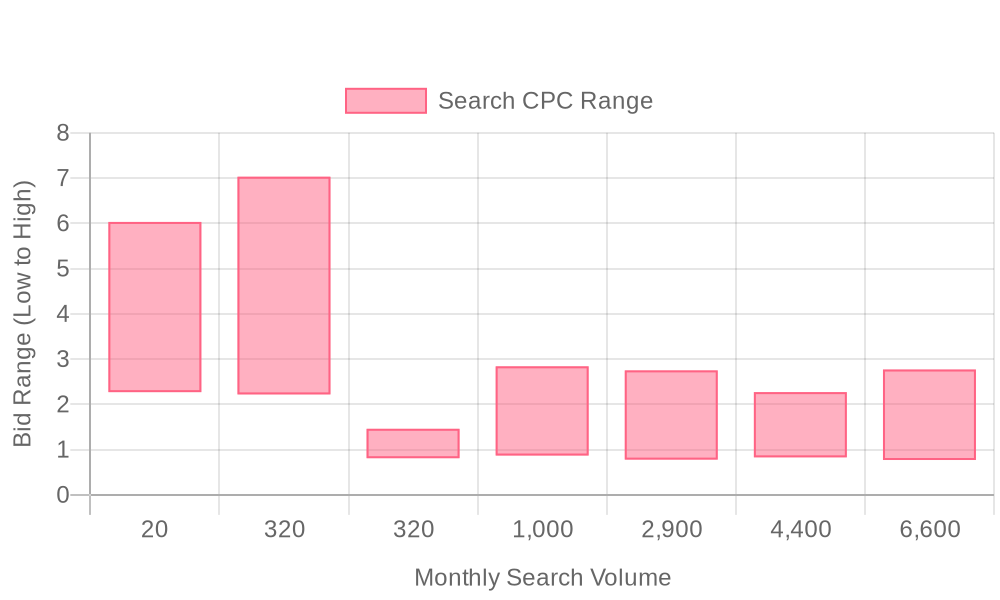
| Industry | Keyword | Monthly Search Volume | Competition Level | Low Bid | High Bid |
| Snowmobile Tours | mýrdalsjökull glacier snowmobile | 20 | HIGH | 2.27 | 6.03 |
| Snowmobile Tours | langjokull glacier snowmobiling | 320 | MEDIUM | 2.22 | 7.03 |
| Snowmobile Tours | snowmobile trips | 320 | LOW | 0.81 | 1.46 |
| Snowmobile Tours | snowmobile tours near me | 1000 | LOW | 0.87 | 2.84 |
| Snowmobile Tours | snowmobile tours | 2900 | LOW | 0.78 | 2.75 |
| Snowmobile Tours | tahoe snowmobiles | 4400 | LOW | 0.83 | 2.27 |
| Snowmobile Tours | snowmobile rental near me | 6600 | LOW | 0.77 | 2.77 |
Effective keyword strategy is the cornerstone of any successful online advertising for snowmobile tours. By approaching keyword selection with precision, marketers consistently reach high-intent adventure seekers and drive qualified traffic that is more likely to convert. The most successful campaigns start with terms directly aligned to user search habits, such as "Google Ads for winter sports," "PPC for snowmobile tours," and "advertising snowmobile rentals." For more on aligning your ad approach with industry best practices, visit this keyword strategy guide.
To maximize return on ad spend, it is critical to prioritize high-conversion phrases like "snowmobile tour promotions" and "Google Ads strategies for tourism." By focusing on these terms, campaigns align messaging with demonstrated interest and booking readiness. Incorporating long-tail variants such as "book snowmobile tours near me," "best snowmobile tours in [region]," and "guided snowmobile adventure packages" further sharpens targeting. Explore actionable frameworks for segmentation and conversion in this playbook for buying stage segmentation.
Marketers should expand keyword lists by analyzing seasonal trends and search volume fluctuations. Integrating negative keywords like "free snowmobile games," "snowmobile repair," or "used snowmobiles for sale" ensures ad spend is protected from irrelevant clicks. This targeted approach lets revenue teams capture demand during peak season and pivot as search behavior shifts. With advanced tools that identify both anonymous visitor intent and account-level engagement, teams can quickly adjust keyword priorities and messaging based on real-time audience insights, ensuring each campaign is always aligned with the most profitable opportunities.
Step-by-Step Campaign Execution Framework

A high-performing Google Ads campaign for snowmobile tours begins with strategic, data-backed planning. Success relies on granular targeting, persuasive messaging, and seamless conversion experiences at every customer touchpoint. For a deeper dive into optimizing your paid campaigns, explore this Google Ads strategy guide for tour operators.
B2B revenue teams in the winter adventure sector unlock maximum ROI by unifying their digital signals, tracking real-time buyer intent, and syncing campaign audiences with CRM data. This approach not only increases bookings but streamlines sales handoff and improves overall demand generation efficiency.
Step 1: Build Targeted Keyword Lists
Building a robust keyword list is foundational for any effective Google Ads for Snowmobile Tours initiative. Incorporating both local modifiers and nuanced long-tail search terms ensures you reach travelers searching for highly specific experiences and destinations. For example, keywords like “Jackson Hole snowmobile tours,” “guided snowmobile adventures in Yellowstone,” or “luxury snowmobile experiences with hot springs” capture regional intent and unique trip preferences. Including seasonal variations and activity-focused queries such as “family-friendly snowmobile tours December” or “backcountry snowmobile rentals after snowfall” allows campaigns to flex with demand cycles and weather-driven spikes.
By leveraging real-time visitor identification and intent signals, marketers can update their keyword portfolio dynamically. This ensures campaigns align with how potential customers are searching at any given moment, helping to prioritize spend toward high-value queries as travel trends evolve. For keyword research tailored to snowmobile tours, see this keyword analysis tool.
The upgrade most snowmobile tours advertisers miss is going beyond raw keyword volume to layer in intent and identity signals. By connecting website-visitor data and CRM records with Sona Marketing Measurement, you can see which specific search terms bring in the accounts and customers that actually convert, and weight your keyword and bidding strategy toward those rather than the terms with the highest search volume alone.
Step 2: Develop Compelling, Conversion-Focused Ad Copy
Ad copy for snowmobile adventure ads must resonate with distinct traveler motivations while addressing concerns like safety, comfort, and exclusivity. Highlighting features such as “certified guides,” “heated gear included,” and “door-to-door shuttle” builds trust and reduces friction in the decision process. Messaging that references group rates, private tours, or unique scenic routes speaks directly to both leisure and corporate audiences seeking memorable experiences.
Marketers who harness account-level data can personalize ad creative by segment. This enables delivery of highly relevant offers to adventure seekers, families, or corporate planners, increasing click-through and conversion rates across every audience tier. For inspiration, review this case study on boosting bookings with Google Ads.
Step 3: Design High-Converting Landing Pages
Effective landing pages for snowmobile tour marketing connect directly to campaign offers and reinforce the ad’s promise with strong, action-oriented CTAs. Pages should feature high-impact visuals of the experience, clear pricing, tour inclusions, and trust indicators such as real-time availability, 5-star reviews, and safety certifications. Streamlined forms and mobile-first design are critical, as most bookings originate from mobile devices.
With unified tracking and advanced attribution, marketers gain visibility into which landing pages and content blocks drive the highest engagement and bookings. This data-driven feedback loop supports continuous optimization, ensuring every visitor receives a seamless, confidence-inspiring path to purchase. Learn more about selling tours with Google Ads.
Step 4: Optimize, Track, and Unify Efforts
Optimization is an ongoing process that combines bid management, audience refinement, and performance analysis. Marketers should make real-time bid adjustments in response to booking pace, weather events, and competitive shifts. Integrating offline conversion data, such as phone bookings or walk-ins, into Google Ads and CRM systems provides a full view of ROI, not just digital attribution. Dynamic audience sync further allows for retargeting site visitors with tailored snowmobile tour promotions and for excluding those who have already booked.
By leveraging cross-platform integration tools, teams can unify online and offline buyer journeys. This ensures that Google Ads for winter sports campaigns reach the right people at the right time and deliver measurable impact across the entire sales funnel.
Sona Marketing Measurement closes the gap between clicks and revenue. It captures every ad click with first-party, company-level tracking, then ties that click through UTM capture and ad-platform APIs to the actual record in your CRM, and reports ROAS by keyword and campaign instead of by last-click form fill. Feeding that revenue signal back into Smart Bidding and Performance Max compounds over time: the algorithms optimize toward booked snowmobile tours revenue, not cheap leads.
Tips on Expanding Your Snowmobile Tours Presence
Expanding your snowmobile tour business requires strategic moves that build trust, broaden reach, and maximize every engagement. Innovative operators use a blend of educational content, precise retargeting, and local partnerships to drive measurable growth.
- Cross-promote guides and educational content: Position your brand as an authority by sharing expert trail guides, safety checklists, and planning resources across your website, email, and social channels. This approach reassures prospective adventurers, giving them the confidence to book with you while also improving organic search visibility for Google Ads for snowmobile tours and related winter sports queries. For actionable strategies, explore this blog post outlining Google Ads strategies specifically for tour and activity operators, and track which content drives the most engagement to prioritize high-performing resources in Google Ads campaigns.
- Upsell add-on experiences through segmented retargeting: Use CRM insights to identify previous guests and site visitors who engaged with specific tour types or extras like guided night rides, gear rentals, or photo packages. Segmenting these audiences enables targeted snowmobile tour promotions with Google Ads, serving personalized offers that increase average booking value. When CRM and ad platforms are synced, dynamic audiences update automatically as customers move through the buying journey, ensuring retargeting is always relevant and timely. Marketers also benefit from real-time intent signals, shifting budget to nurture accounts showing renewed interest or in-market behaviors.
- Partner with travel blogs or local tourism boards for referral traffic: Collaborating with established travel bloggers and regional tourism boards provides instant credibility and access to a broader, adventure-seeking audience. These partnerships generate qualified referral traffic, which can be identified and attributed in your analytics stack for more accurate ROI measurement. For a real-world example, see this case study showcasing how Google Ads increased bookings for Keene Adventure Services.
- Localize your approach to target growth areas: Launch area-specific campaigns highlighting the unique attractions and seasonal conditions of emerging tourist regions. Use data from your CRM and ad platforms to pinpoint locations fueling the most engagement or new search demand for snowmobile adventure ads. Sona's Identity Resolution helps marketers move beyond generic geo-targeting, letting campaigns adapt as new hotspots for winter tourism emerge and keeping every advertising snowmobile rentals effort focused on opportunity-rich markets.
Beyond Google Ads: Winning the AI Answers Snowmobile Tours Buyers Now Trust
Paid search captures demand at the moment someone types a query. But a fast-growing share of snowmobile tours buyers no longer start at Google at all, they ask ChatGPT, Gemini, or Perplexity before they ever run a search, and Google's own AI Overviews increasingly summarize an answer above the traditional results. If your business isn't referenced in those AI answers, you're invisible at the exact moment buyers build their shortlist.
Sona AI Visibility shows where your business shows up across ChatGPT, Gemini, Perplexity, Google AI Overviews, and 10+ engines, and, much like a keyword report, which prompts actually send you buyers, so you can prioritize the ones that convert. Run the two together and you cover the entire buyer path: get cited where buyers research (AI Visibility), then prove which of that demand turns into booked revenue (Marketing Measurement).
Helpful resources
Conclusion
Snowmobile tour bookings cluster into a short window each winter, and a Google Ads strategy built around that reality, precise keywords, ad copy tuned to rider type, and audience targeting anchored in actual buyer signals, wins the season's bookings before competitors and OTAs get there first.
The operators who move now, layering intent data and identity resolution onto their Google Ads accounts before their competitors do, will own the search results when the first snowfall hits. Start for free and get your campaigns ready before the season turns.
FAQ
What are the best practices for Google Ads in the tourism industry?
Best practices include leveraging real-time intent data, dynamic audience management, and multi-channel marketing to capture high-intent prospects and maximize visibility while minimizing wasteful spend.
How can I effectively target customers for snowmobile tours using Google Ads?
Use behavioral insights, in-market signals, and real-time intent monitoring to dynamically segment prospects, prioritize high-engagement visitors, and deliver hyper-targeted ads.
What budget should I allocate for Google Ads for snowmobile tours?
Budget allocation should be flexible, allowing for scaling during peak demand or snow events, and should focus on segments showing high conversion potential based on real-time data and audience insights.
What keywords should I use for Google Ads focused on snowmobile tours?
Keywords should include niche, intent-rich phrases like 'family-friendly snowmobile adventures' and 'guided snowmobile tours for beginners,' along with local modifiers to capture regional intent.
How can I measure the success of my Google Ads campaigns for snowmobile tours?
Measure success by integrating conversion tracking across online and offline channels, ensuring clear attribution to specific campaigns or keywords, and using CRM data to track revenue outcomes.