


Dog sledding tours sell in narrow windows: a family scanning dates for a Fairbanks winter trip, a couple who just booked flights to Banff and now need an excursion, a group leader hunting for something more memorable than a ski day. Google Ads can put your tour in front of these travelers at the moment they search, but many operators still work from thin, outdated customer data that blurs who's ready to book versus who's just browsing photos of huskies. Sharper targeting and cleaner tracking fix that gap, connecting the click to the actual reservation and letting you spend against the travelers most likely to show up at the trailhead.
How to Generate Google Ads for Dog Sledding Tours Leads: A Step-by-Step Guide
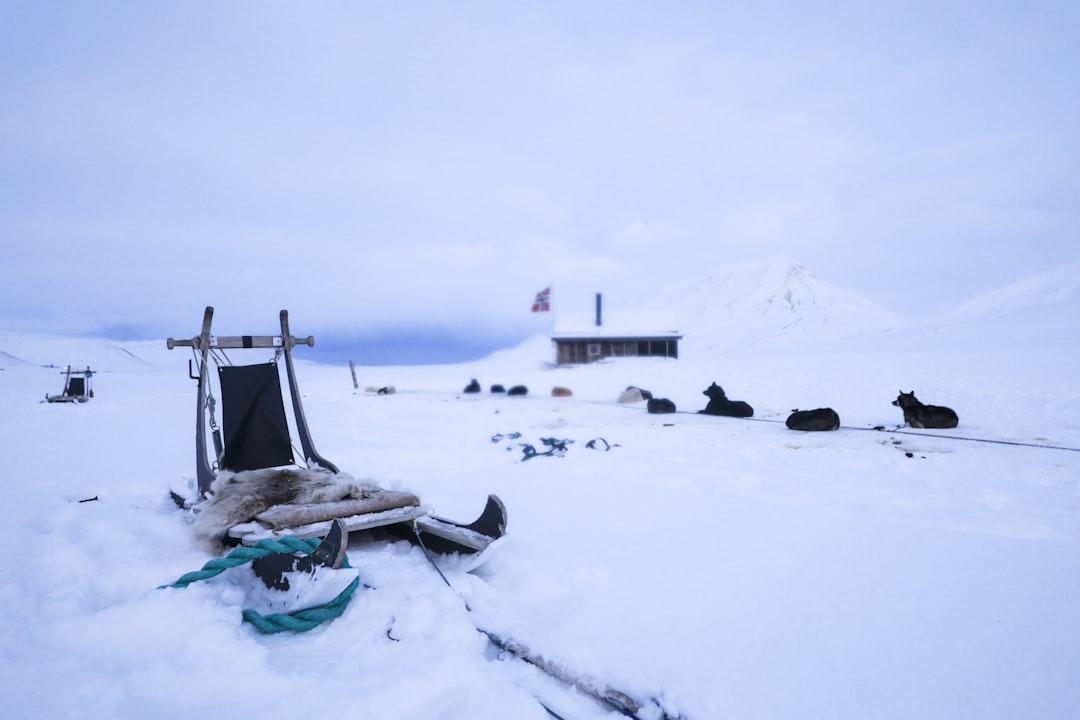
Dog sledding tour operators can capture premium leads and maximize bookings by tightly aligning Google Ads strategy with the unique buying signals of adventure travelers. Capitalizing on digital demand requires a blend of targeted keyword selection, advanced audience segmentation, and robust conversion tracking to surface high-intent prospects at the moment they're ready to book.
- Assess Buyer Intent: Analyze search queries to identify intent-rich opportunities such as "dog sledding tours near me," "Northern Lights sledding experience," and "book dog sled adventure." These high-value queries reveal users actively researching or intending to book, enabling marketers to prioritize spend for the most likely converters. By leveraging Identity Resolution and real-time behavioral analysis, revenue teams can move beyond anonymous traffic and identify which companies, such as travel agencies or corporate group planners, are signaling strong purchase intent.
- Audience Targeting: Use demographic filters and custom intent audiences to serve ads only to those who match the ideal customer profile, such as adventure seekers, family travelers, or high-income winter vacationers. Enriching audience data with advanced platforms enables marketers to fill gaps left by incomplete or fragmented customer records, updating segments dynamically as leads research, compare, and move through the buying journey. Real-time syncing ensures that Google Ads audiences are always current, reflecting CRM updates and accelerating retargeting or upsell efforts as soon as new engagement signals are detected.
- Keyword Prioritization: Focus on a blend of core keywords and long-tail, seasonal phrases to stay relevant as traveler interests shift with the calendar. Terms like "best winter dog sledding tours," "summer husky adventures," or "family sled dog tours" capture highly specific demand and typically yield lower cost-per-click rates. Monitoring offline conversions, such as phone bookings or live chat inquiries, and integrating these metrics with digital campaign data provides a true view of marketing ROI.
Ready to accelerate your tour bookings? Get started for free with Sona.
Why does Google Ads matter for Dog Sledding Tours
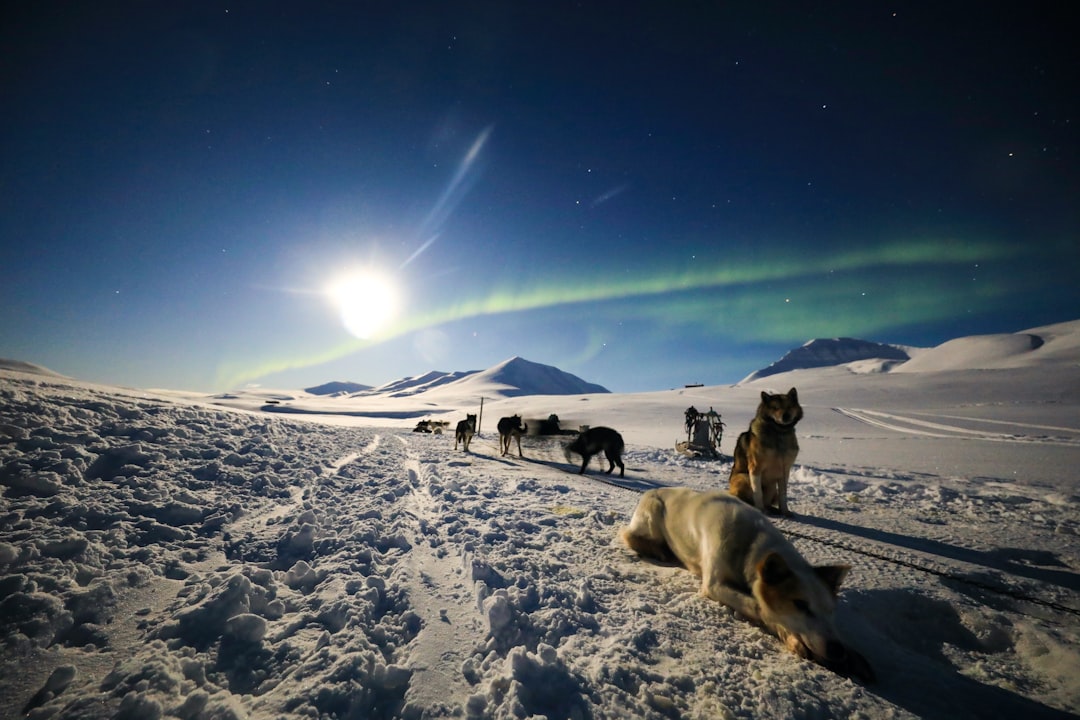
Dog sledding tours operate in a specialized travel sector where demand is highly seasonal and customer interest spikes during specific windows. Digital advertising allows tour operators to meet adventure-focused travelers where they start their journey: online, searching for unique and memorable winter experiences. Reaching this audience with precision is critical, as generic travel ads rarely convert high-value prospects interested in activities such as Arctic Circle expeditions or Scandinavian husky adventures. For inspiration on how travelers experience these tours, see this firsthand review of a dog sledding tour in Fairbanks, Alaska.
Google Ads offers the ability to segment audiences by intent and geography, ensuring ads are shown to those actively researching or ready to book dog sledding experiences. Smart geo-targeting pinpoints travelers planning trips to relevant regions, minimizing budget waste and maximizing return on every ad dollar. Forward-thinking marketers increasingly rely on real-time audience integrations to identify which visitors are genuinely in-market and which companies are engaging with their offers, allowing them to shift spend toward high-likelihood conversions.
The agility of Google Ads is unmatched in its capacity for real-time optimization. Automated bidding and dynamic audience updates help marketers adapt quickly to changes in search trends or booking windows. When platforms integrate CRM and offline sales data directly into ad campaigns, teams can attribute revenue to both digital and in-person interactions. This level of unified data ensures that campaign budgets follow true ROI, supporting smarter decisions year-round and driving sustainable business growth in the competitive world of dog sledding tours.
Common Types of Google Ads Campaigns for Dog Sledding Tours
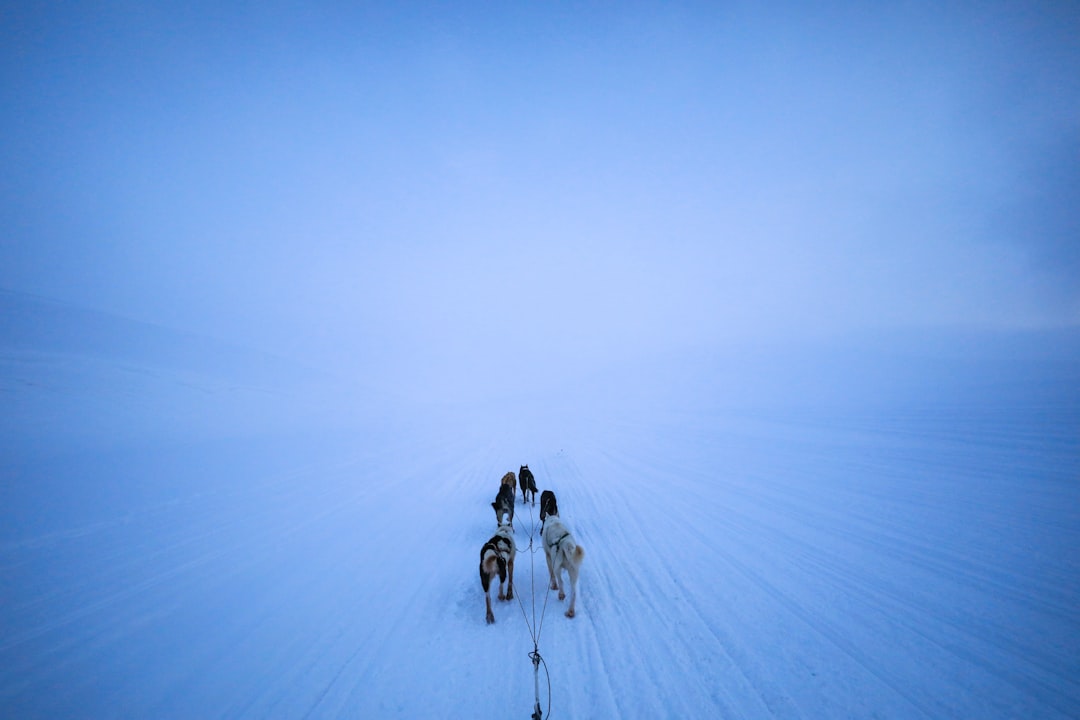
Dog sledding tour operators leverage Google Ads to capture the attention of adventure travelers at every stage of the buying journey. Modern digital strategies combine instant intent capture, visual storytelling, and persistent audience engagement to maximize bookings and brand loyalty. Revenue-focused teams benefit from campaign orchestration that adapts in real time to shifting demand across seasons and geographies, ensuring marketing budgets are always aligned with the highest-impact opportunities.
- Search Campaigns: These campaigns target travelers actively searching for dog sledding tours, winter adventures, or unique travel experiences. By bidding on high-intent keywords and using precise match types, marketers intercept prospects at the critical decision-making moment. When campaign data is unified with CRM and offline sales outcomes, teams gain full-funnel visibility, allowing them to optimize spend only on keywords that drive real bookings. Integrating visitor identification and in-market signals further empowers teams to prioritize those searches most likely to convert, eliminating wasted impressions on research-heavy or low-value queries.
- Display Ads: Display advertising builds awareness by placing visually engaging banners and rich media across travel blogs, vacation planning sites, and adventure forums. For dog sledding tours, compelling imagery and clear calls-to-action generate brand recall long before peak booking season. Advanced audience segmentation, powered by real-time audience data, enables marketers to dynamically update creative based on a visitor’s journey, first-time site visitors see inspirational content, while returning users are encouraged to book with limited-time offers. For a firsthand perspective on the effectiveness of such campaigns, explore this dog sledding tour review in Fairbanks, Alaska.
- Video Ads: Video campaigns elevate storytelling with high-impact footage of sled dogs, sweeping Arctic landscapes, and guest testimonials. These ads thrive on platforms like YouTube, reaching adventure travelers as they research destinations and activities. Real-time intent signals allow teams to fine-tune targeting, ensuring video impressions are delivered to users recently browsing winter tours or outdoor experiences. With advanced conversion tracking, marketers can directly attribute video views and engagements to downstream bookings, enabling precise ROI analysis and more accurate budget allocation.
- Remarketing: Remarketing campaigns re-engage potential customers who visited the dog sledding tour website but did not convert. By segmenting audiences based on onsite behavior, such as viewing specific tour packages, starting a booking, or downloading travel guides, marketers deploy highly personalized messages that address individual interests or objections. Dynamic audiences update automatically as leads progress through the funnel, so past visitors receive fresh incentives or tailored content at the right moment. Enhanced attribution solutions connect these remarketing touchpoints with both online and offline conversions, closing the loop between ad investment and revenue impact.
Looking to orchestrate your own high-converting Google Ads campaigns? Get started for free with Sona.
Where to Find Growth Opportunities?
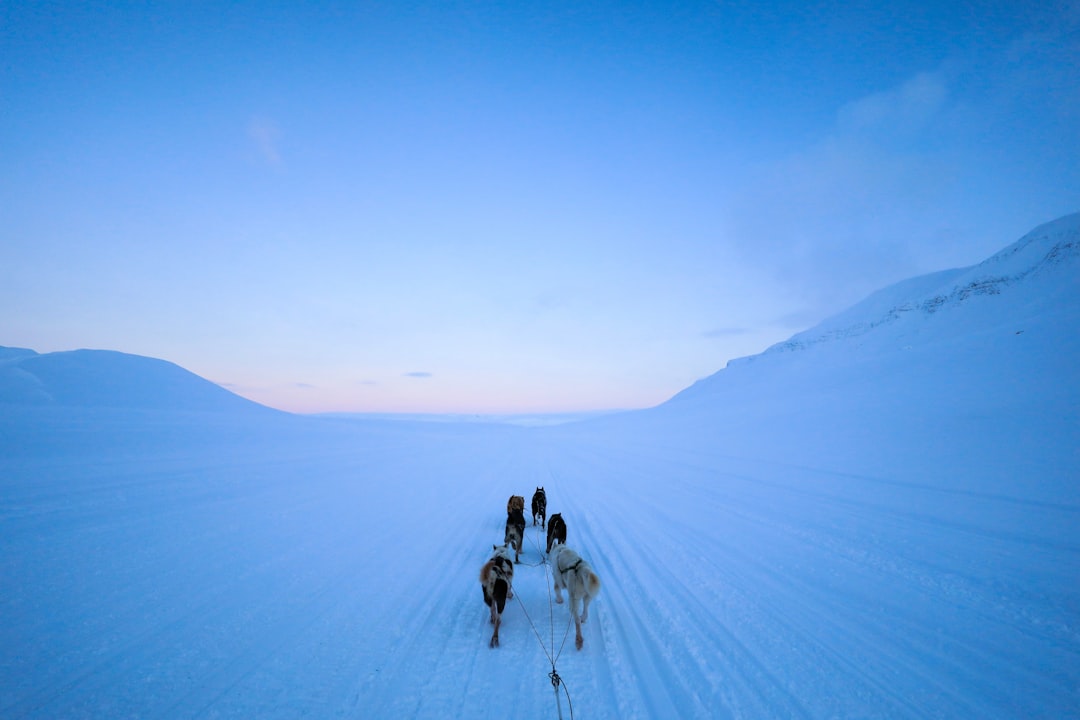
Vertical keyword targeting unlocks new segments in the dog sledding tour market, allowing operators to reach adventure seekers searching for unique experiences like "Northern Lights sledding" or "glacier husky tours." By layering in firmographic data, such as traveler origin or group size, marketers can craft tailored messaging for each audience, increasing engagement and conversion rates through precisely targeted campaigns.
Competitor analysis delivers actionable intelligence by revealing gaps in rival advertising approaches, such as underutilized seasonal keywords or missed geographic markets. With unified campaign analytics, teams can quickly identify which audience segments or offers are being overlooked, then reallocate budget to capture untapped demand and outperform less agile competitors.
Content retargeting keeps potential customers engaged by serving informative blog posts, travel guides, and behind-the-scenes content to those who have shown interest but not yet booked. Advanced tracking and audience syncing ensure that as prospects interact with website resources or download trip planning guides, they are dynamically added to remarketing lists and nurtured with personalized ads until they are ready to convert. This approach maintains top-of-mind awareness and recaptures interest before prospects fall out of the funnel.
How to Apply Audience Segmentation for Dog Sledding
Audience segmentation for dog sledding tours transforms generic advertising into targeted, high-conversion campaigns. By mapping out detailed traveler personas and leveraging real-time audience data, marketers can precisely match offers to the unique motivations of each group, leading to measurable improvements in click-through and booking rates.
- Define Segments: Segmenting begins with differentiating local adventure seekers from international tourists. Local audiences often look for quick getaways or weekend experiences, while international travelers may prioritize immersive, multi-day packages or unique, bucket-list adventures. Without clear segmentation, messaging risks being too broad, resulting in missed opportunities to engage high-intent prospects. For a deeper dive into segmenting and identifying website visitors, explore this guide on account identification.
- Overlay Intent Signals: Incorporating intent signals elevates segmentation by aligning campaign messaging with what travelers actively search. A user searching "romantic sledding tours" signals interest in a couples' experience, so ad copy can shift to emphasize privacy, special amenities, or luxury touches. This intent-driven approach lets marketers focus budget and creative on segments most likely to convert, while deprioritizing generic or low-intent audiences. Sona surfaces these signals from search and website engagement in real time, enabling dynamic campaign adjustments as user activity shifts.
- Custom Ad Groups: Once segments and intent are defined, custom ad groups can be built for each audience. Ad copy, visuals, and budget allocations are tailored to resonate with each segment’s expectations and decision factors, such as highlighting “family-friendly half-day tours” for local parents or “Northern Lights expeditions” for international adventure seekers. For inspiration on how real-life operators apply segmentation and customized group targeting, see this firsthand review of a dog sledding tour in Fairbanks.
This is also where measurement changes the economics. With Sona Marketing Measurement you can identify the companies and buyers behind your ad clicks, not just anonymous sessions, and segment audiences by who actually becomes a customer. That lets you build bid adjustments and audience signals around the segments that convert and de-prioritize the ones that don't, so you feed Google's algorithms "this click became a paying dog sledding tours customer" instead of just "someone filled out a form."
Keyword Strategy & Sample Target Terms
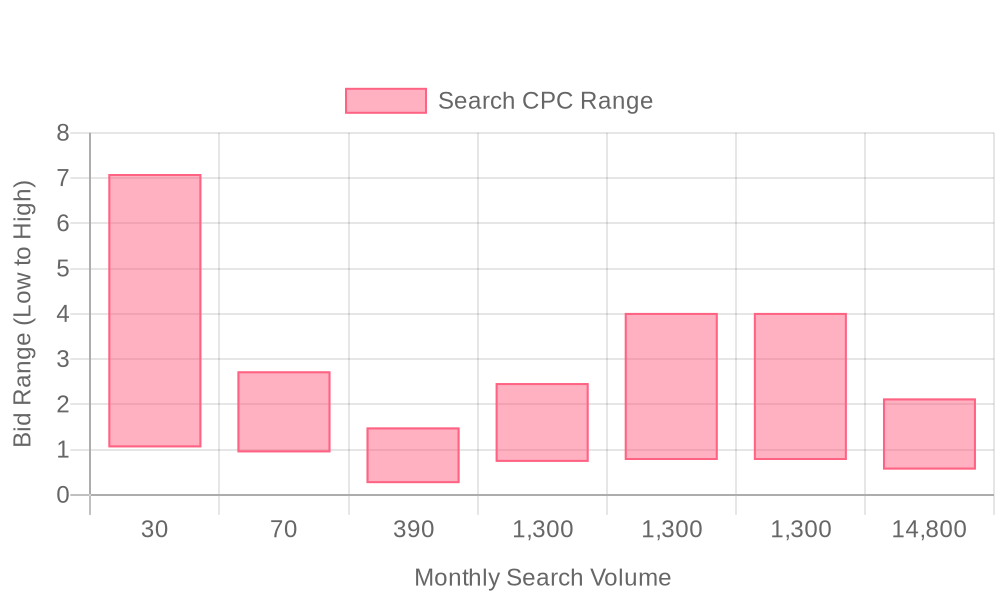
| Industry | Keyword | Monthly Search Volume | Competition Level | Low Bid | High Bid |
| Dog Sledding Tours | dallas seavey dog sled tours | 30 | LOW | 1.05 | 7.09 |
| Dog Sledding Tours | denali dog sled tours | 70 | MEDIUM | 0.94 | 2.73 |
| Dog Sledding Tours | snowy owl dog sled | 390 | LOW | 0.26 | 1.49 |
| Dog Sledding Tours | dog sledding tours | 1300 | LOW | 0.73 | 2.47 |
| Dog Sledding Tours | seavey's ididaride | 1300 | LOW | 0.77 | 4.02 |
| Dog Sledding Tours | seavey's ididaride sled dog tours | 1300 | LOW | 0.77 | 4.02 |
| Dog Sledding Tours | dog sled | 14800 | LOW | 0.56 | 2.13 |
The foundation of effective Google Ads for dog sledding tours lies in a disciplined keyword strategy tailored to the nuances of seasonal adventure travel. Targeting the right terms connects your offering with high-intent audiences and reduces wasted ad spend by aligning with what potential guests are actively searching for. By focusing on both broad and niche phrases, operators can reach customers at every stage of the decision journey, from initial inspiration to final booking. For data-driven campaign insights, visit the central blog hub.
- Primary Keywords: Selecting core phrases like "dog sledding tours," "sledding expeditions," and "husky sled adventures" captures direct demand from users ready to book or research specific tour experiences. These high-volume, transaction-focused terms serve as anchor points for your campaign structure, ensuring your ads surface to those with the strongest purchase intent. To analyze keyword opportunities in this niche, explore keyword analysis for 'dog sled tours'.
- Seasonal Variants: Incorporating search terms that reflect shifts in traveler interest throughout the year is crucial for maximizing visibility during peak periods. Examples include "winter sledding tours," "northern lights dog sledding," and "holiday sled adventures." Adjusting keyword emphasis as demand fluctuates ensures your ads stay relevant and top-of-mind as seasonal trends change. For additional tips on optimizing campaigns through the year, review Google Ads best practices.
- Geo-targeted Keywords: Regional and location-based terms like "Alaskan sledding adventures," "dog sledding in Banff," and "Canada husky tours" hone in on prospects seeking experiences in specific destinations. Geo-targeted searches often come with higher conversion rates, as users have already narrowed their options and are closer to making a decision. Integrating these keywords allows for more precise budget allocation and messaging tailored to the unique selling points of each location. Discover how to sell tours with Google Ads for actionable strategies.
Marketers who leverage Sona can further refine keyword targeting by analyzing granular behavioral signals and intent data. This approach enables dynamic campaign adjustments: as visitor profiles and audience segments shift, keyword lists can automatically update to focus spend on terms attracting the highest-value prospects. When CRM and ad audiences are kept in sync with real-time insights, campaigns stay agile and responsive, ensuring every dollar works harder to drive qualified bookings for dog sledding tours.
Step-by-Step Campaign Execution Framework
Step 1: Build Targeted Keyword Lists
Every successful Google Ads for Dog Sledding Tours campaign starts with precise keyword targeting. Segment keywords by tour type: “Alaskan dog sledding,” “family dog sled tours,” “multi-day husky adventures,” and “Northern Lights dog sled tours.” Include location modifiers and seasonal terms to capture both local and destination travelers. Negative keywords are just as important, eliminating irrelevant clicks from people searching for free events, dog grooming, or unrelated pet care. For actionable keyword planning, explore this keyword analysis for 'dog sled tours' to identify high-value terms for your campaign.
Sona's Identity Resolution extends reach beyond anonymous searchers by tying traffic data to enriched company and lead profiles, letting marketers pinpoint audience segments with the highest conversion intent and expand or exclude keywords with confidence. For more guidance, see our blog on leveraging account identification.
The upgrade most dog sledding tours advertisers miss is going beyond raw keyword volume to layer in intent and identity signals. By connecting website-visitor data and CRM records with Sona Marketing Measurement, you can see which specific search terms bring in the accounts and customers that actually convert, and weight your keyword and bidding strategy toward those rather than the terms with the highest search volume alone.
Step 2: Develop Compelling Ad Copy
Effective ad copy for dog sledding tours must stand out in a competitive space. Headlines should immediately highlight a unique selling proposition: “Experience the Thrill of Alaskan Dog Sledding,” or “Book Your Winter Adventure With Award-Winning Huskies.” Descriptions reinforce the emotional appeal, emphasizing the once-in-a-lifetime nature, expert guides, and exclusive package features. For inspiration, review this firsthand dog sledding tour experience to understand what truly resonates with adventure travelers.
For revenue teams, Sona's Intent Signals enable dynamic ad customization. Campaigns can automatically shift messaging and offers as leads progress through different funnel stages or show new in-market signals, sharpening engagement and cutting wasted impressions on low-intent audiences.
Step 3: Design High-Converting Landing Pages
Landing pages dedicated to dog sledding promotions should align tightly with ad promises, ensuring a seamless user journey from click to conversion. Essential elements include immersive imagery of sled dogs in action, clear tour descriptions, transparent pricing, and quick-access booking forms. Mobile responsiveness is critical, given that most travel research and bookings occur on smartphones. To see a real-world example of effective landing and booking flow, visit Snowy Owl Sled Dog Tours.
With Sona destinations, marketers can surface personalized landing content based on a visitor's company, industry, or prior site behavior, useful for a travel agency booking ten seats versus a family of four booking one. That relevance lifts conversion rates, especially for corporate group bookings and travel agency partners.
Step 4: Optimize for Conversions
Continuous optimization is key to profitable Google Ads for Dog Sledding Tours. Track the entire conversion path, from initial ad engagement to final booking and payment. Standard analytics often miss offline conversions, such as phone reservations or group tour contracts, which distorts actual ROI. By integrating Sona, teams can import offline conversion data directly into Google Ads, giving a complete view of campaign impact and allowing for precise budget allocation. For a comprehensive overview of best practices, consult this guide to Google Ads best practices.
Advanced attribution connects ad spend to pipeline growth. CRM sync ensures that as leads mature or move through sales stages, audience lists update automatically. This empowers marketers to instantly retarget hot prospects, pause spend on closed accounts, and maintain optimal focus on segments most likely to convert. If you’re ready to streamline your campaign management, get started for free with Sona and unlock advanced optimization capabilities.
Sona Marketing Measurement closes the gap between clicks and revenue. It captures every ad click with first-party tracking, ties that click through UTM capture and ad-platform APIs to the actual record in your CRM, and reports ROAS by keyword and campaign instead of by last-click form fill. Feeding that revenue signal back into Smart Bidding and Performance Max compounds over time: the algorithms optimize toward booked dog sledding tours revenue, not cheap leads.
Tips on Expanding Your Dog Sledding Tours Presence
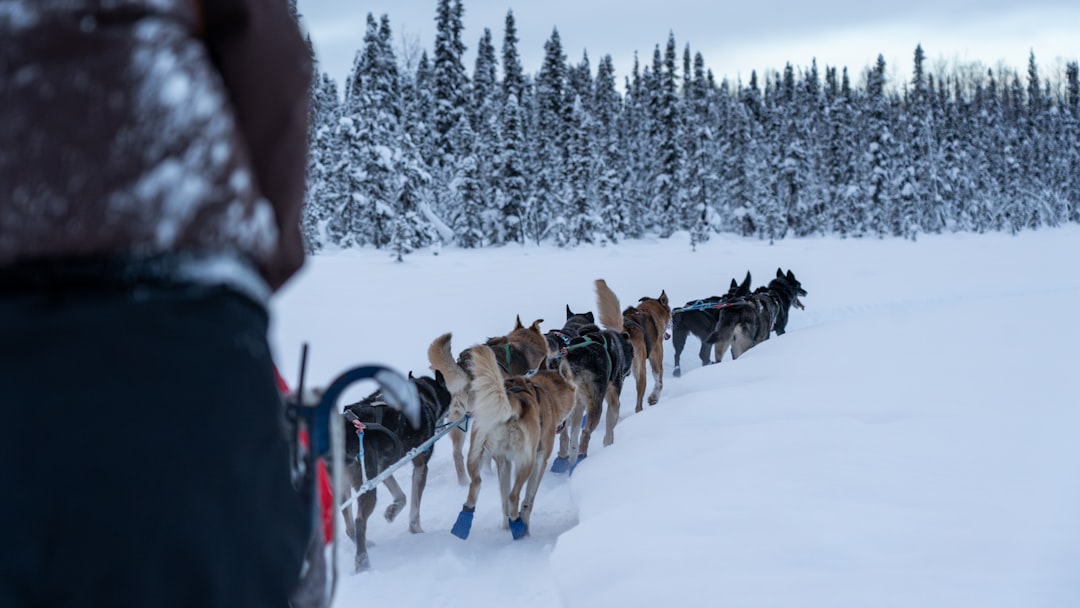
Expanding the digital footprint of a dog sledding tour business requires a blend of smart partnerships, localized messaging, and immersive content experiences. Operators who strategically diversify their outreach can consistently reach more high-value travelers while increasing qualified bookings.
- Cross-Promote Offers: Developing partnerships with travel bloggers, influencers, and adventure-focused agencies extends campaign reach to new, relevant audiences. These collaborations drive awareness among niche adventure seekers and can amplify seasonal packages, group discounts, or exclusive experiences. For inspiration on effective influencer partnerships, see this review of a dog sledding tour in Fairbanks. Integration with CRM and ad platforms ensures these new leads are engaged in tailored remarketing flows, improving nurture rates and increasing the likelihood of conversions.
- Localize Content: Adjusting ad copy and creative to reflect regional details and timely promotions gives campaigns a local edge. Highlighting unique features such as “Aurora Borealis dog sledding in Fairbanks” or “family-friendly tours in Banff” resonates with travelers searching for authentic, location-specific experiences. When audience insights and visitor identification tools pinpoint where demand is rising, marketers can automatically shift budget and messaging to the highest-converting regions, maximizing ROI during peak seasons.
- Expand via Video and Rich Media: Showcasing real tour footage, guide interviews, and behind-the-scenes moments with sled dogs brings the adventure to life for prospects still comparing operators. Rich media in display campaigns and social retargeting tends to outperform static banners for a visual, experiential product like this, especially paired with interactive elements like 360-degree tours or virtual Q&A sessions. Dynamic audience syncing ensures viewers who engage with these assets are segmented for follow-up offers, nurturing them from initial interest through to booking.
By integrating advanced data and attribution frameworks, dog sledding tour operators can measure which expansion tactics drive the most bookings. This unified approach supports agile budget allocation, audience refinement, and continuous creative optimization, empowering revenue teams to scale their presence with confidence. Ready to reach more adventure-seeking travelers? Get started for free with Sona.
Beyond Google Ads: Winning the AI Answers Dog Sledding Tours Buyers Now Trust
Paid search captures demand at the moment someone types a query. But a fast-growing share of dog sledding tours buyers no longer start at Google at all, they ask ChatGPT, Gemini, or Perplexity before they ever run a search, and Google's own AI Overviews increasingly summarize an answer above the traditional results. If your business isn't referenced in those AI answers, you're invisible at the exact moment buyers build their shortlist.
Sona AI Visibility shows where your business shows up across ChatGPT, Gemini, Perplexity, Google AI Overviews, and 10+ engines, and, much like a keyword report, which prompts actually send you buyers, so you can prioritize the ones that convert. Run the two together and you cover the entire buyer path: get cited where buyers research (AI Visibility), then prove which of that demand turns into booked revenue (Marketing Measurement).
Helpful resources
Conclusion
Search campaigns, Display, Video, Remarketing, and Performance Max each serve a different part of this journey, and Responsive Search Ads are simply the ad format most operators should default to within Search, letting Google test headline and description combinations automatically. The operators who win aren't the ones with the biggest budget; they're the ones whose data tells Google which clicks became paying customers, so the algorithm can go find more of them.
The tour operators who pull ahead this season will be the ones who can tell Google exactly which searches turned into booked sleds, not just which ones filled a form. Start for free with Sona to connect that data and put it to work.
FAQ
What are the best practices for Google Ads in the travel industry?
Best practices include using precise keyword targeting, audience segmentation, and conversion tracking to capture high-intent travelers and maximize ad spend efficiency.
How much should I budget for Google Ads for dog sledding tours?
The budget should align with targeting high-intent keywords and audience segments, taking into account seasonal demand and competitor analysis to minimize budget waste and maximize ROI.
What keywords should I target for dog sledding tours in Google Ads?
Target keywords such as 'dog sledding tours near me,' 'Northern Lights sledding experience,' and 'family sled dog tours' to capture high-intent searches.
How can I optimize my Google Ads for better performance in tourism?
Optimize by continuously tracking the conversion path, integrating offline conversion data, and using real-time audience updates to ensure ads are reaching high-likelihood converters.
What are the common mistakes to avoid when running Google Ads for tours?
Avoid broad audience targeting, failing to update audience segments in real-time, and neglecting to track offline conversions which can distort ROI.







