


A customer searching for "custom business signs near me" has usually already decided to buy, they're comparing vendors, checking turnaround times, and gathering quotes. Signage stores that show up in that moment, with the right offer and a fast follow-up, win jobs that never touch a CRM form. Google Ads gives signage retailers a way to intercept that intent directly, while visitor identification tools recover the high-value prospects who browse and leave without converting. Paired with offline sales data, this lets a signage store align its digital spend with the decision-makers actually searching for signage solutions, track the path from click to closed job, and see which campaigns are paying for themselves.
How to Generate Signage Store Leads with Google Ads: A Step-by-Step Guide

Signage stores face unique challenges in capturing and converting high-intent buyers, especially given the specialized nature of their products and the competitive landscape of digital marketing for signage stores. A data-driven Google Ads strategy provides measurable pathways to reach high-value prospects actively searching for signage solutions, while minimizing wasted spend on low-converting audiences.
The following framework details how signage store marketers can leverage Google Ads for signage business growth using targeted audience segmentation, conversion-optimized landing pages, accurate performance attribution, and seamless integration with broader marketing channels. Effective use of these tactics increases the likelihood of moving buyers from initial interest to store visits or direct purchases, supporting sustainable customer acquisition and long-term ROI.
- Execute keyword and audience targeting strategies specific to signage store buyers: Precise targeting begins with identifying transactional keywords such as "custom business signs," "outdoor signage installation," or "LED sign maker," and layering in location-based modifiers for local signage store marketing. Segmenting audiences by in-market behaviors and business intent allows marketers to prioritize spend on buyers ready to purchase or request quotes. Advanced platforms enable real-time identification of anonymous visitors, helping refine messaging and budget allocation based on true purchase intent.
- Align landing pages and creative assets for maximum conversion: High-value signage prospects expect tailored experiences at every touchpoint. Landing pages should align tightly with ad copy, featuring relevant product visuals, clear pricing, and prominent calls to action. Dynamic audience insights can inform creative iterations, ensuring repeat visitors and engaged prospects are shown updated offers or case studies as they progress through the funnel. This approach helps signage store PPC campaigns maximize conversion rates and capture demo requests that might otherwise go unconverted.
- Apply performance optimization tactics to enhance ROI: Signage retailers benefit from granular tracking of online and offline conversions, enabling accurate measurement of Google Ads ROI for signage stores. Integrating advanced attribution models ensures teams can track which channels and keywords are driving store visits, quote requests, and sales. Real-time engagement signals, such as scroll depth or onsite chat interactions, allow for dynamic budget reallocation toward high-performing campaigns or audiences, minimizing spend on low-yield segments.
- Integrate cross-channel methods to bolster your overall marketing ecosystem: Running Google Ads for local businesses in isolation limits campaign efficiency. Syncing enriched leads and custom audiences directly from your CRM into Google Ads prevents data silos and enables consistent retargeting across search, display, and social. Unifying offline store visit data with digital touchpoints provides a complete view of the buyer journey, helping signage stores avoid disconnected campaigns and maximize total marketing impact. Solutions that offer seamless CRM and ad platform sync help keep audience segments fresh, ensuring messaging evolves as prospects move through the sales cycle.
Ready to streamline your signage store lead generation? Get started for free with Sona.
Why does Google Ads matter for Signage Stores?

Google Ads unlocks direct access to decision-makers searching for signage solutions at the moment they declare intent. By precisely targeting business managers and procurement leads, signage stores can intercept high-value prospects as they research options, ensuring their brand stands out when buyers are ready to act. For an overview of how Google Ads supports business growth, explore Google Ads solutions for businesses.
Securing new, high-margin signage projects often requires visibility into anonymous website traffic that email campaigns and organic marketing can miss. With Sona's Identity Resolution, marketers can pinpoint not only the companies behind inbound interest but also dynamically adapt bids and messaging based on real-time intent signals, empowering teams to focus budgets on the most likely converters.
Seasonal demand spikes or product launches can overwhelm traditional digital marketing for signage stores. Google Ads delivers rapid, measurable results during these periods, allowing campaigns to capture engagement even if visitors do not submit forms immediately. Through online and offline attribution, teams can measure the true impact of their signage store PPC campaigns and optimize spend for maximum ROI.
Regional and local signage store marketing often suffers from inconsistent messaging and wasted impressions across channels. Google Ads' precision targeting ensures consistent brand presence in priority markets, reaching both online researchers and local buyers. When enriched audience data and CRM segments sync seamlessly into ad platforms, signage store customer acquisition strategies stay aligned, effective, and data-driven. Want to see this in action? Get started for free with Sona.
Common Types of Google Ads Campaigns for Signage Stores

- Search Campaigns: Signage stores benefit from capturing high-intent search queries. These campaigns connect your offers to buyers actively searching for signage solutions, increasing the likelihood of quality leads. By leveraging unified visitor identification, marketers can move beyond anonymous traffic and pinpoint which firms are showing intent, optimizing budget allocation to those high-conversion opportunities.
- Display Ads: Display campaigns keep your branding prominent on industry-related news sites, design blogs, and local business directories. Consistent visibility reinforces your message to potential signage buyers who previously interacted with your site but didn't convert. Real-time audience updates ensure that prospect lists dynamically evolve as users engage with your funnel, maximizing relevance. For a deeper dive into Google Ads' solutions for online reach, explore the Google Ads overview.
- Video Ads: Video placements allow signage stores to visually demonstrate installation, design capabilities, and finished projects. This immersive format captures interest from prospects with high demo intent and educates buyers about unique service offerings. Advanced conversion tracking connects video engagement to both online and offline sales, helping you measure true ROI from multimedia assets.
- Remarketing: Remarketing campaigns are essential for re-engaging visitors who explored your signage services or abandoned inquiries. By integrating enriched behavioral and CRM data, you can trigger timely ads based on deep engagement signals, ensuring that re-engagement efforts are personalized and more likely to convert. Learn how to build high-impact retargeting campaigns using first-party intent signals.
- Performance Max: Performance Max campaigns pool Google's full inventory, Search, Display, YouTube, and Maps, into a single campaign optimized toward whatever outcome you define, such as store visits or quote requests. For signage stores, this is a useful way to pick up incremental demand around seasonal pushes (storefront rebrands, event signage, holiday displays) without building a separate campaign for each channel. Automated syncing between CRM systems and ad platforms keeps offer and pricing signals current, which matters for a Performance Max campaign's automated bidding. If you want to see how these strategies can work for your signage business, get started for free with Sona.
Where to Find Growth Opportunities for Signage Stores?

Signage demand is lumpy: a retail rebrand, a new storefront buildout, or a city permit deadline can send a burst of buyers searching all at once, then demand goes quiet. Growth in this trade usually comes from catching those bursts early and from picking off the specialized jobs, ADA-compliant signage, permitted monument signs, franchise rollouts, that bigger competitors don't bother targeting. Effective digital marketing for signage stores means matching targeting and follow-up speed to that rhythm, so ad spend concentrates on the windows when buyers are actually deciding.
- Vertical keyword targeting: Signage businesses often miss out on high-value searches by focusing too broadly. Prioritizing vertical keyword targeting addresses this by zeroing in on niche services and specialized terms - such as LED sign installation or custom outdoor displays - where competition is lighter but buyer intent is strong. When these granular keywords are tracked alongside CRM data, the result is a richer view of lead quality and sales pipeline movement.
- Competitor gap analysis: SEM tools reveal which audience segments and keyword themes your competitors under-serve. By identifying these gaps, signage store marketers can capture valuable, often anonymous, traffic that competitors overlook. Platforms now allow you to go beyond standard analytics, pinpointing actual visitors and their companies to inform targeting and nurture efforts - especially critical for signage store customer acquisition and maximizing Google Ads ROI.
- Industry-specific placements: Advertising on trade forums, business directories, and signage-focused platforms connects stores with decision-makers already searching for vendors. This approach mitigates churn from high-value accounts and uncovers missed upsell opportunities. Integration of online intent data allows marketing teams to prioritize spend on placements that yield the most in-market activity, driving more qualified leads into the funnel.
- Content retargeting: Retargeting strategies that leverage whitepapers, case studies, or how-to videos keep your brand top-of-mind for prospects who have shown initial interest but need further nurturing. Dynamic audience updates ensure that as leads engage with specific content, their journey progresses with tailored messaging - boosting engagement rates and increasing the likelihood of conversion in signage store PPC campaigns. When CRM and ad platforms are fully synchronized, enriched audiences automatically flow into Google Ads campaigns, streamlining follow-up and improving attribution accuracy.
How to Apply Audience Segmentation for Signage Stores

Audience segmentation is essential for signage store marketers aiming to reach high-value prospects and optimize advertising spend. By aligning segmentation with the customer journey, each touchpoint is tailored to the needs and behaviors of target audiences, increasing the likelihood of conversion. For guidance on building effective segmentation strategies, explore our actionable playbooks for marketers.
- Define segments: Start by distinguishing key audiences such as retail stores, corporate offices, and franchise chains. For signage businesses, the challenge often lies in surfacing insights from mostly anonymous website traffic. Leveraging visitor identification solutions enables teams to pinpoint which companies are browsing your products, allowing for more precise segmentation and follow-up.
- Overlay intent signals: Integrate real-time intent data, focusing on users who display purchase-driven behavior such as downloading catalogues, requesting quotes, or frequenting pricing pages. This approach allows marketers to shift budget toward those in-market accounts that signal a higher propensity to buy, maximizing the impact of every impression and click with Google Ads solutions.
- Create ad groups by segment: Build dedicated ad groups for each segment, customizing creative and budget allocations based on prior engagement and intent. For example, accounts that have interacted with high-value products but have not yet converted can be nurtured with tailored messaging and time-sensitive offers. Dynamic audience capabilities ensure that as leads move through the funnel, they are automatically re-categorized for the most relevant targeting and creative.
- Validate conversion paths: Comprehensive tracking of each digital interaction is vital to reduce churn and capture every qualified lead. Integrating conversion tracking solutions, including both online and offline attributions, provides a true picture of campaign ROI. Additionally, seamless CRM and ad platform sync ensures that enriched audience data and lead insights are instantly available for retargeting and nurture across your marketing stack, closing the loop between initial engagement and closed deals.
This is also where measurement changes the economics. With Sona Marketing Measurement you can identify the companies behind your ad clicks, not just anonymous sessions, and segment audiences by which accounts actually become customers. That lets you build bid adjustments and audience signals around the segments that convert and de-prioritize the ones that don't, so you feed Google's algorithms "this click became a paying signage store customer" instead of just "someone filled out a form."
Keyword Strategy & Sample Target Terms
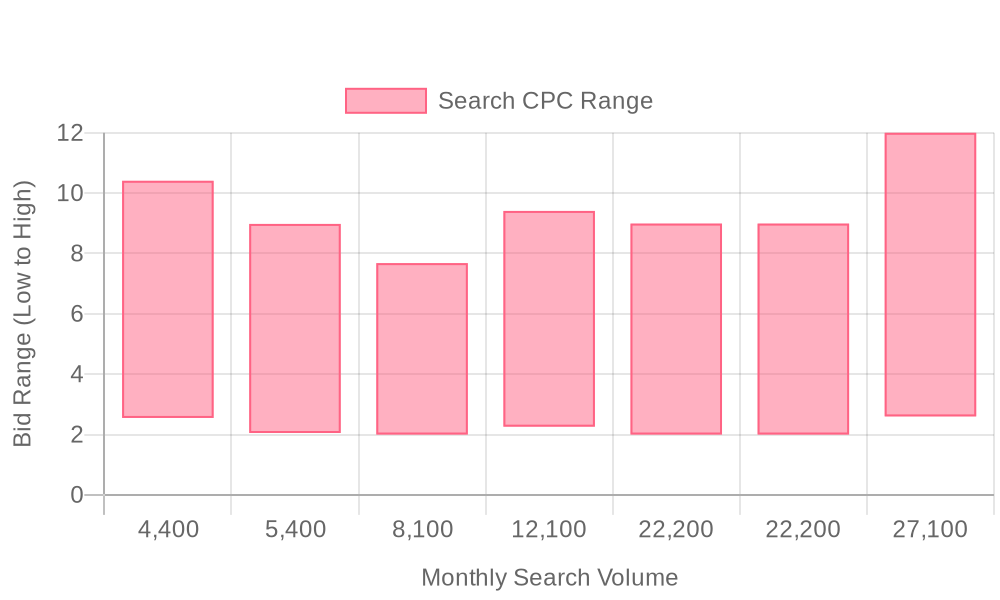
| Industry | Keyword | Monthly Search Volume | Competition Level | Low Bid | High Bid |
| Signage Store | signage store | 4400 | HIGH | 2.55 | 10.41 |
| Signage Store | business yard signs | 5400 | HIGH | 2.05 | 8.98 |
| Signage Store | custom business signs | 8100 | HIGH | 2 | 7.68 |
| Signage Store | business signs outdoor | 12100 | HIGH | 2.26 | 9.41 |
| Signage Store | sign shop near me | 22200 | HIGH | 2 | 8.99 |
| Signage Store | sign store near me | 22200 | HIGH | 2 | 8.99 |
| Signage Store | business signs near me | 27100 | MEDIUM | 2.6 | 12 |
A focused keyword strategy is essential for signage stores aiming to attract high-value leads and drive measurable outcomes from digital campaigns. By targeting specific search terms, signage businesses can reach buyers actively seeking solutions and ensure ad spend delivers quantifiable returns. For a deeper dive into digital marketing techniques, explore our latest marketing analytics content.
- High-Intent Keywords: Prioritize phrases such as "custom business signs," "signage store near me," or "retail signage solutions." These terms signal strong purchase intent and enable accurate tracking of engaged prospects. Using advanced visitor identification, marketers can connect ad clicks to real companies and decision-makers, improving lead qualification and follow-up.
- Long-tail Keywords: Integrate niche queries like "ADA compliant window decals for restaurants" or "outdoor digital signage for schools" to capture detailed searches. Long-tail targeting not only addresses specific buyer needs but also uncovers gaps in CRM data. As audience intent shifts, real-time audience data helps optimize spend by dynamically adjusting keyword focus based on current in-market activity.
- Negative Keywords: Deploy a robust negative keyword list to filter out irrelevant queries such as "DIY sign templates" or "sign language classes." This prevents wasted budget on non-commercial traffic and ensures ads appear only to users with genuine signage needs. When synced with CRM and ad platforms, negative keyword insights refine audience quality across channels, increasing campaign efficiency.
This approach to keyword selection empowers signage stores to align Google Ads with business goals, boost qualified lead flow, and improve ROI through smarter, data-driven targeting. For additional strategies that complement keyword targeting, review guidance on retargeting strategies.
Step-by-Step Campaign Execution Framework
A structured approach to digital marketing ensures signage businesses capture high-intent buyers and maximize ROI. By leveraging granular targeting, messaging, and data-driven optimizations, signage stores can consistently outperform competitors in both lead generation and conversion efficiency. For more insights on optimizing digital marketing performance, explore our marketing analytics blog.
Step 1: Build Targeted Keyword Lists
Effective Google Ads for signage stores start with keyword clusters organized by job type, custom banners, storefront signs, vehicle wraps, monument signs, ADA-compliant interior signage, then localized with precise geographic modifiers. This structure catches the two buyer types signage stores actually see: the business owner searching same-day for a quick banner or window decal, and the facilities manager or general contractor researching a permitted exterior sign weeks ahead of an installation date. Real-time account-level data, such as in-market behavior, lets you refine keyword lists as local demand and permitting cycles shift.
Platforms that unify CRM and web analytics enable marketers to go beyond anonymous traffic by identifying website visitors, including which companies and verticals are already engaging. With this insight, signage store PPC campaigns can prioritize spend on high-fit prospects, ensuring budgets focus on the segments most likely to convert. Learn more about Google Ads and its solutions for businesses looking to drive online leads and sales via the Google Ads overview.
The upgrade most signage store advertisers miss is going beyond raw keyword volume to layer in intent and identity signals. By connecting website-visitor data and CRM records with Sona Marketing Measurement, you can see which specific search terms bring in the accounts and customers that actually convert, and weight your keyword and bidding strategy toward those rather than the terms with the highest search volume alone.
Step 2: Develop Compelling Ad Copy
Ad copy must speak directly to the needs and stages of the signage store buyer's journey. Highlight unique selling propositions, such as rapid turnaround, eco-friendly materials, or professional installation, to differentiate from generic offerings. Include strong calls-to-action and incentives - like free design consultations or limited-time discounts - to increase response rates among both new and returning prospects. For practical examples, see our lead generation playbooks.
Dynamic audience data ensures messaging aligns with audience segments as they progress from awareness to decision. When synced with CRM and intent signals, marketers can automatically adjust ad copy for repeat visitors or nurture leads with tailored offers, driving higher engagement and accelerating the path to purchase.
Step 3: Design Effective Landing Pages
Every ad click should lead to a landing page that mirrors the user's original search intent. For example, searches for "custom outdoor signs near me" must land on pages showcasing relevant solutions, local testimonials, and a frictionless quote form. Optimized landing pages reduce drop-off rates and increase demo or estimate requests by streamlining the user journey.
Integrated tracking and visitor identification allow marketers to attribute each lead to its source, including both online and offline conversions. This unified view supports rapid testing of layouts, offers, and content, enabling signage stores to continuously refine landing experiences based on real conversion data, not assumptions.
Step 4: Implement Data-Driven Optimizations
Automated bidding strategies, powered by real-time data, maximize visibility among high-fit signage buyers while controlling costs. By monitoring which audiences, keywords, and creatives drive store visits or quote requests, signage stores can dynamically shift budget to the best-performing segments. Addressing inconsistencies in audience quality or conversion tracking ensures resources are always allocated for optimal ROI.
Advanced conversion tracking across all channels - including in-store visits and sales - provides a complete picture of customer acquisition. When enriched audience and lead data sync seamlessly with Google Ads and CRM platforms, signage businesses eliminate attribution gaps and gain actionable insights to improve every stage of their PPC efforts. This approach keeps digital marketing for signage stores agile, measurable, and directly tied to revenue outcomes.
Sona Marketing Measurement closes the gap between clicks and revenue. It captures ad clicks with first-party, company-level measurement rather than individual cookie tracking, then ties that click through UTM capture and ad-platform APIs to the actual record in your CRM, and reports ROAS by keyword and campaign instead of by last-click form fill. Feeding that revenue signal back into Smart Bidding and Performance Max compounds over time: the algorithms optimize toward booked signage store revenue, not cheap leads.
Tips on Expanding Your Signage Store Presence
Signage stores can accelerate growth by layering advanced digital tactics onto their marketing mix, focusing on both audience expansion and higher-value engagement. Strategies that combine educational content, precise targeting, and real-time data synchronization create a foundation for sustainable, measurable customer acquisition.
- Cross-promote educational assets: Integrating content marketing with retargeting allows signage businesses to re-engage high-intent demo visitors who did not initially convert. By identifying web visitors and segmenting them based on in-market behavior, you can deliver highly relevant messaging that increases conversion rates and maximizes the return of each content investment. Real-time audience updates ensure you capture leads as their intent signals peak, preventing missed opportunities and keeping your funnel full.
- Upsell related services: Leveraging enriched CRM data enables targeted upsell campaigns, minimizing churn and increasing average order value. Syncing CRM segments into ad platforms ensures that your ads reach existing customers with personalized offers precisely when they are most receptive. Aligning sales and marketing data also helps proactively identify accounts at risk, allowing for timely intervention with tailored messaging.
- Collaborate with industry partners: Co-branded campaigns with industry partners can unlock referral traffic and introduce your signage store to untapped market segments. By tracking the performance of joint efforts and pinpointing which partners drive the most qualified leads, you can optimize partnerships for long-term value. Unified attribution models make it easier to credit the right source, ensuring partners are incentivized and future collaborations are data-driven.
- Localize campaigns: Hyper-local targeting strengthens your presence in specific geographic markets, ensuring consistent messaging that aligns with regional preferences and events. Dynamic audience updates allow you to quickly adapt to market shifts, tailoring your PPC campaigns based on real-time performance and demographic changes. This local focus not only enhances visibility but also builds trust and customer loyalty within each community.
Effective Google Ads execution for signage stores relies on unifying fragmented go-to-market data, enabling marketers to recognize both anonymous and known visitors engaging with ads. By leveraging tools that provide real-time intent signals and advanced attribution, you can optimize budgets toward high-converting segments, elevate Google Ads ROI for signage stores, and ensure digital marketing investments drive tangible business growth. Connected data workflows reduce friction between platforms, making every campaign more efficient and actionable for revenue teams.
Beyond Google Ads: Winning the AI Answers Signage Store Buyers Now Trust
Paid search captures demand at the moment someone types a query. But a fast-growing share of signage store buyers no longer start at Google at all, they ask ChatGPT, Gemini, or Perplexity before they ever run a search, and Google's own AI Overviews increasingly summarize an answer above the traditional results. If your business isn't referenced in those AI answers, you're invisible at the exact moment buyers build their shortlist.
Sona AI Visibility shows where your business shows up across ChatGPT, Gemini, Perplexity, Google AI Overviews, and 10+ engines, and, much like a keyword report, which prompts actually send you buyers, so you can prioritize the ones that convert. Run the two together and you cover the entire buyer path: get cited where buyers research (AI Visibility), then prove which of that demand turns into booked revenue (Marketing Measurement).
Helpful resources
Conclusion
The signage stores pulling ahead are the ones treating Google Ads as one part of a connected system, where visitor identification, intent signals, and offline conversion data all feed back into the same bidding and targeting decisions. That connection is what turns a click into a tracked job, and a tracked job into a smarter campaign next quarter.
To put unified go-to-market data behind your next campaign, start for free with Sona.
FAQ
How can I set up Google Ads for my signage store?
To set up Google Ads for your signage store, start by building targeted keyword lists, develop compelling ad copy, design effective landing pages, and implement data-driven optimizations. This ensures you reach high-intent buyers and maximize ROI.
What are the best practices for Google Ads in the signage industry?
Best practices include precise keyword targeting, audience segmentation, aligning landing pages with ad copy, applying performance optimization tactics, and integrating cross-channel methods for comprehensive marketing.
How can Google Ads help increase foot traffic to my physical signage store?
Google Ads can increase foot traffic by targeting local customers and decision-makers precisely when they search for signage solutions, ensuring your store stands out at the moment of intent.
What kind of budget should I allocate for Google Ads for my signage store?
The budget should focus on high-conversion opportunities by prioritizing spend on high-fit prospects using precise targeting and audience segmentation to ensure resources are allocated for optimal ROI.
How can I track the effectiveness of my Google Ads campaign for my signage store?
Effectiveness can be tracked through granular tracking of online and offline conversions, advanced attribution models, and real-time engagement signals to measure which channels and keywords drive store visits and sales.
What are some creative ways to use Google Ads to promote my signage store?
Creative ways include using video ads to demonstrate installation, remarketing to re-engage visitors, and using ad extensions to create richer ads that prompt local action.
How do I target local customers with Google Ads for my signage store?
Target local customers by executing keyword strategies with location-based modifiers and using hyper-local targeting to align messaging with regional preferences and events.
Can Google Ads help me sell more signage products online?
Yes, Google Ads can help by intercepting high-intent prospects actively searching for solutions and aligning digital marketing strategies to target decision-makers precisely when they search for signage solutions.
What is the return on investment (ROI) for Google Ads in the signage industry?
ROI is measured by tracking conversions from clicks to sales, applying performance optimization tactics, and integrating advanced attribution models to ensure marketing efforts are optimized in real-time.







