


A store fixture buyer rarely wanders in cold. They're planning a remodel, opening a new location, or racing to replace broken shelving before a seasonal reset, and they turn to Google with a purchase already half-decided. Google Ads lets retail fixture suppliers meet that buyer at the exact moment of search, bridging online research and offline showroom visits. But the channel's precision only pays off if tracking keeps up: too many suppliers still lose high-value commercial prospects to gaps between ad clicks and CRM records. Here's how to close that gap and get more from every campaign.
How to Generate Retail Store Fixture Leads with Google Ads: A Step-by-Step Guide

Retail store fixture companies face a complex buying cycle, often dealing with high-value transactions and discerning commercial buyers. Maximizing lead generation from Google Ads requires a tailored approach that unifies data, sharpens targeting, and ensures every touchpoint is relevant and actionable. With unified analytics and intent signals, marketing and revenue teams can deliver the right message to buyers at critical decision moments.
Modern Google Ads strategies for retail store fixtures go beyond standard keyword bidding. Success hinges on integrating precise audience intelligence, optimizing landing experiences, and ensuring that sales teams receive enriched, actionable leads. When campaigns are dynamically connected to both CRM and advertising platforms, sales outreach becomes more personalized and conversion rates improve, closing the gap between marketing efforts and actual revenue. Explore this overview of Google Ads strategies for retail stores to see how advanced tactics can translate to both in-store and online lead generation.
Keyword and Audience Targeting
Effective lead generation starts with rigorous keyword research to capture the specific intent behind commercial fixture searches. High-intent terms like "buy retail shelving," "custom store displays," or "retail checkout counters supplier" reveal purchase-ready prospects. Layering in demographic, affinity, and in-market audience data filters out low-value clicks and ensures ad spend focuses on decision-makers in relevant business segments.
The most advanced marketers now enhance this targeting by integrating real-time visitor identification, moving beyond anonymous traffic to pinpoint specific companies and buying teams. When CRM and digital ad platforms are synchronized, dynamic audience updates ensure budget is always focused on accounts showing current buying intent. This approach eliminates wasted spend and helps revenue teams engage prospects who are much more likely to convert.
Landing Page Optimization

Landing pages must be tailored to commercial buyers, matching ad messaging and offering a seamless journey from click to inquiry or quote request. Clear, specific calls-to-action like "Request a Bulk Quote" or "Book a Virtual Showroom Tour" increase form submissions and drive higher-quality leads. For retail fixture suppliers, showcasing technical specifications, high-resolution images, and trust signals, such as client logos or case studies, builds credibility and shortens the consideration cycle.
Data synchronization tools now make it possible to track which companies interact with key landing pages, instantly syncing this activity into the CRM and triggering timely, relevant follow-ups. This ensures sales teams can prioritize outreach to the most engaged accounts and tailor conversations to the exact fixture types or solutions viewed. By connecting these digital signals with offline interactions, marketers gain a comprehensive view of the buyer journey, further boosting conversion rates and campaign ROI.
Ad Copy and Creative
Developing ad copy that resonates with commercial audiences is critical. Highlighting unique selling points, such as customization, durability, or rapid turnaround times, differentiates your fixtures in a crowded market. Including ad assets like sitelinks for product categories, callouts for free design consultations, and structured snippets for available materials adds credibility and guides users directly to high-value pages.
Segmenting ad content by audience or funnel stage avoids the pitfalls of generic messaging. For example, distinct campaigns can be set for retailers opening new locations versus established chains seeking upgrades. When ad platforms and CRM systems are fully integrated, campaign creative adapts in real time based on updated lead and account data, ensuring that each prospect receives messaging tailored to their current stage and interests. For additional inspiration, Shopify offers a guide to optimizing Google Shopping Ads for retail.
Performance Optimization
Continuous optimization is essential for sustaining and scaling lead generation. A/B testing of headlines, calls-to-action, and visuals uncovers what resonates best with commercial buyers. Adjusting bidding strategies, such as shifting budget toward campaigns or audiences driving verified showroom visits, helps maximize return on ad spend. Real-time analytics and unified attribution bridge the gap between online engagement and offline sales, revealing true ROI and informing smarter budget allocation.
Disconnected intent signals can undermine conversion efforts, as reps lack the context to personalize outreach. By unifying performance data and syncing conversion events from both online and offline sources, revenue teams can refine targeting, reallocate spend, and ensure that every ad dollar drives measurable business outcomes. This closed-loop approach turns Google Ads from a siloed tactic into a core engine for sustained demand generation and revenue growth in the retail store fixtures industry.
Why does Google Ads matter for Retail Store Fixtures?

Retail store fixture providers operate in a market where timing and precision dictate results. Buyers and store owners search online with immediate intent, often needing solutions for store openings, remodels, or seasonal campaigns. Google Ads enables retailers to intercept these decision-makers at the critical research phase, presenting high-visibility, relevant offers that match urgent commercial needs.
Ad campaigns deliver measurable advantages by placing fixture suppliers in front of ready-to-buy prospects based on real-time online activity. The power to launch targeted promotions during key periods, such as back-to-school resets or holiday merchandising, means suppliers never miss a window of demand. Modern digital strategies allow marketers to sync sales outreach with live ad engagement, ensuring that warm leads are nurtured before interest fades.
Precise targeting is essential in the retail fixture industry, where success often depends on reaching buyers in specific regions or verticals. Google Ads allows marketers to drill down to location, store type, and even purchase stage, ensuring budgets are spent only on qualified traffic. When combined with unified go-to-market data, teams can not only identify anonymous website visitors but also connect ad engagement to CRM records, segmenting audiences dynamically as prospects move through the buying journey.
Revenue teams gain an advantage by integrating real-time behavioral signals from in-market research directly into campaign management. This approach enables budget shifts toward accounts demonstrating high purchase intent, optimizing spend for the best possible return. With advanced online and offline conversion tracking, fixture suppliers accurately attribute in-store visits and transactions back to digital campaigns, closing the loop between digital investment and showroom sales.
Common Types of Google Ads Campaigns for Retail Store Fixtures

- Search Campaigns: Search ads connect fixture providers with buyers actively looking for shelving, displays, and in-store merchandising solutions. By targeting keywords that signal high purchase intent, retail fixture companies can prioritize budgets toward visitors most likely to convert. Advanced targeting is achievable when visitor identification technology uncovers which companies or decision-makers are behind each click, making it possible to reach procurement professionals or operations managers at the precise moment of need. For more on optimizing retail campaigns, explore Google Ads strategies for retail stores.
- Display Campaigns: Display ads provide a visual format to showcase innovative fixture designs and customization options across industry publications, trade portals, and B2B networks. These campaigns support broad brand awareness and nurture demand among retailers planning store remodels or expansion. Leveraging real-time intent signals, marketers can dynamically shift impressions to audiences showing in-market behaviors, such as repeated visits to product pages or engagement with digital catalogs, ensuring creative assets are served to prospects with the highest likelihood of moving forward. For more insights, browse our marketing strategy blog.
- Shopping Campaigns: Google Shopping Ads showcase product images, pricing, and specifications directly in search results, allowing buyers to compare fixture options side by side. For retail fixture manufacturers and distributors, this format is highly effective for driving direct conversions, particularly when feeds are well-optimized with rich product data. Integration with a unified data platform allows for continuous feed enrichment, ensuring that inventory, lead times, and custom order capabilities are always current and tailored to the commercial audience. Learn how to set up and optimize Google Shopping Ads for ecommerce.
- Remarketing Campaigns: Remarketing keeps your solutions top-of-mind as buyers research and revisit fixture providers, offering critical second and third touchpoints in the decision cycle. Using dynamic audience segmentation, marketers can deliver personalized ads that reflect the visitor’s last interaction, such as re-engaging a prospect who viewed modular shelving with a limited-time promotion or a case study relevant to their industry. These campaigns become even more powerful when audience lists automatically update as leads progress from research to active consideration, and when CRM and ad platforms remain tightly synchronized for precise follow-up and ROI measurement. If you want to experience these capabilities, get started for free with Sona.
Where to Find Growth Opportunities?
Retail fixture suppliers and distributors are positioned to accelerate digital growth by targeting untapped segments in a market that often defaults to broad, undifferentiated outreach. Unlocking these growth levers requires precise online marketing for retail, advanced Google Ads strategies for retail stores, and actionable in-market insights that adapt as buyer behaviors evolve. Teams looking for fresh ways to optimize digital campaigns can also find inspiration in our marketing strategy insights.
- Vertical Keyword Targeting: Focusing on niche modifiers and product-specific search phrases allows retail fixture companies to reach high-value prospects who are actively seeking specialized solutions. Moving beyond generic keywords like "store displays" and targeting more granular terms such as "modular shelving for boutiques" or "ADA-compliant display racks" helps capture demand from commercial buyers with urgent needs and clear purchase intent. When marketers leverage real-time visitor identification and dynamic segmentation, they can prioritize campaigns for audiences whose research patterns reveal immediate buying signals, ensuring ad spend is directed at accounts most likely to convert.
- Competitor Gap Analysis: Analyzing gaps in competitor keyword coverage and ad placements reveals overlooked opportunities within the retail store fixtures landscape. By monitoring which solution types, geographic regions, or buyer personas are underserved, teams can tailor their creative and bidding strategies to address these market voids. Integrating advanced audience and intent data helps shift budget fluidly toward high-converting segments as new gaps emerge, making every campaign iteration more efficient and responsive.
- Content Retargeting: Re-engaging prospects who have interacted with product sheets, installation guides, or industry webinars enables fixture suppliers to nurture leads with high data-driven intent. Using video demonstrations, value calculators, or downloadable checklists as retargeting hooks, marketers can reinforce their expertise and keep their solutions top of mind during long B2B buying cycles. As leads progress and their engagement deepens, dynamic audience updates and CRM sync ensure messaging adapts to each prospect’s funnel stage, maximizing the impact of every touchpoint across digital and offline experiences.
- Performance Max Campaigns: Performance Max lets retail fixture suppliers reach buyers across Search, Display, YouTube, and Gmail from a single campaign, which is useful for filling gaps left by narrower channel-specific campaigns. Feeding it with first-party audience and conversion data helps the algorithm prioritize accounts that resemble your actual customers, rather than just clicks, so budget flows toward the buyers most likely to request a quote or visit a showroom.
How to Apply Audience Segmentation for Retail Store Fixtures
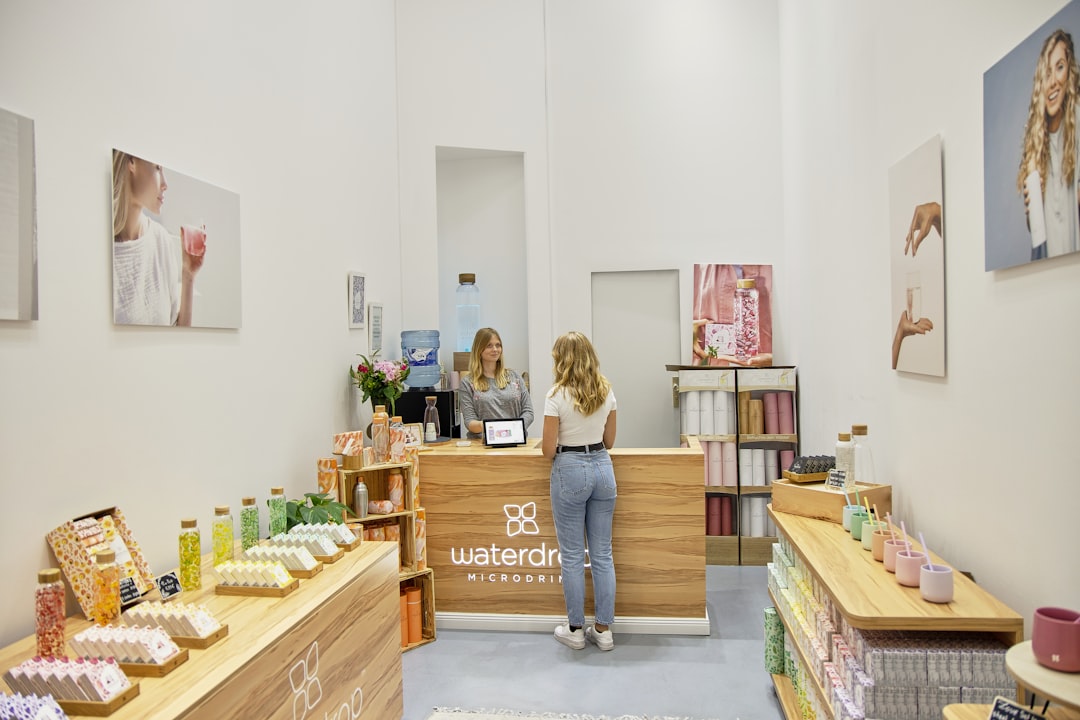
Audience segmentation is vital for retail store fixture providers aiming to maximize their Google Ads investments. Proper segmentation enables teams to direct spend toward the audiences most likely to convert, which is critical for complex B2B cycles and specialized products in retail environments. Modern digital marketing for retail requires moving beyond broad targeting to focus on the unique buyer profiles and triggers driving purchase decisions, learn more in our essential guide to account identification.
- Define Audience Segments: Segmenting by retail sector is foundational. The requirements of a clothing retailer differ drastically from an electronics store, especially when it comes to fixture type, display needs, and purchase cycles. By identifying and categorizing these segments early, marketers can ensure each group receives relevant messaging and product recommendations. For example, apparel chains may be more responsive to modular garment racks and mannequins, while tech stores prioritize locked display cases and cable management. Smart segmentation prevents wasted budget on irrelevant audiences and lays the groundwork for highly personalized outreach. For practical ideas on merchandising, browse this catalog of retail display fixtures.
- Overlay Intent Signals: Intent signals transform static segments into actionable audiences. Integrating data points such as recent store openings, renovations, or rapid expansion activity enables marketers to identify which businesses are actively researching or ready to buy new fixtures. With unified intent data, teams can tailor messaging to highlight fast shipping, custom design, or installation support for high-urgency buyers. Leveraging in-market behavior not only increases conversion rates but also allows dynamic budget allocation, ensuring that spend is optimized for the accounts most likely to generate revenue. Solutions that identify high-intent visitors and companies in real time give marketers a competitive edge, especially when shifting campaign priorities on short notice.
- Create Ad Groups by Segment: Structuring campaigns with dedicated ad groups for each audience segment allows for customized creative and offers. Ads can directly address the pain points and objectives of each segment, such as launching a seasonal store design or adhering to strict compliance regulations for franchise rollouts. Offers can be tailored, bulk discounts for expanding chains, design consultations for independent boutiques, or expedited delivery for pop-up shops. When audiences are dynamically updated as leads move through the funnel, ad groups remain relevant, and retargeting strategies automatically adapt to real-time engagement. For a step-by-step guide on leveraging Google Ads for retail businesses, refer to this Google Ads for retail guide.
Teams that unify their CRM, website, and advertising data can go beyond anonymous web traffic and segment audiences with precision. By syncing enriched audience data and lead activity directly into Google Ads and sales tools, marketers maintain up-to-date targeting, streamline follow-up, and measure the full impact of each campaign, online and offline. The result is a smarter, more agile approach to online marketing for retail, where every dollar works harder to drive in-store sales and long-term customer relationships.
This is also where measurement changes the economics. With Sona Marketing Measurement you can identify the companies behind your ad clicks, not just anonymous sessions, and segment audiences by which accounts actually become customers. That lets you build bid adjustments and audience signals around the segments that convert and de-prioritize the ones that don't, so you feed Google's algorithms "this click became a paying retail store fixtures customer" instead of just "someone filled out a form."
Keyword Strategy & Sample Target Terms
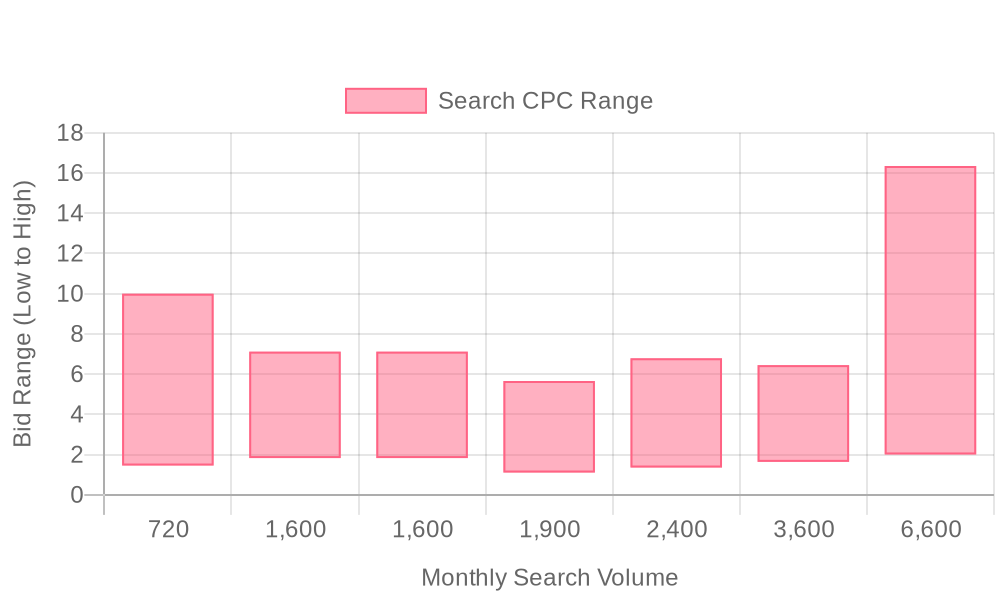
| Industry | Keyword | Monthly Search Volume | Competition Level | Low Bid | High Bid |
| Retail Store Fixtures | gondola shelving for sale | 720 | HIGH | 1.46 | 10 |
| Retail Store Fixtures | retail store fixtures | 1600 | HIGH | 1.83 | 7.12 |
| Retail Store Fixtures | retail fixtures | 1600 | HIGH | 1.83 | 7.12 |
| Retail Store Fixtures | retail display cases | 1900 | HIGH | 1.11 | 5.66 |
| Retail Store Fixtures | retail shelving | 2400 | HIGH | 1.36 | 6.79 |
| Retail Store Fixtures | store fixtures | 3600 | HIGH | 1.64 | 6.45 |
| Retail Store Fixtures | gondola shelving | 6600 | HIGH | 2.01 | 16.35 |
Success in Google Ads for Retail Store Fixtures begins with intentional keyword curation. Pinpointed search terms ensure every campaign reaches commercial buyers actively seeking display cases, shelving, or specialty store fixtures. For marketers looking to dive deeper into keyword research and reporting, explore our essential B2B marketing reports. This approach not only increases qualified traffic but also delivers greater relevance for each ad impression.
- Identify High-Intent Keywords: Retail fixture marketers generate more value by targeting high-intent phrases like "buy retail fixtures online," "store fixture suppliers," or "commercial shelving units." These terms indicate the user is in-market and ready to engage, making every ad dollar work harder. When combined with insights from Sona's Identity Resolution, advertisers move beyond anonymous clicks to prioritize accounts where decision-makers are showing purchase intent right now.
- Use Long-Tail Keywords: Long-tail search terms, such as "custom shelving solutions for boutiques" or "modular display racks for apparel stores," attract specialized audiences with clear commercial needs. This specificity lowers cost per click and increases conversion rates. Sona surfaces intent signals that let teams shift budget into these micro-segments as soon as interest spikes, enabling dynamic audience updates that keep campaigns focused on the most promising opportunities.
- Implement Negative Keywords: Filtering out irrelevant queries is a core optimization step. By adding negative keywords such as "DIY," "home use," or "free plans," retail fixture advertisers avoid wasted spend on non-commercial traffic. Performance improves further when negative lists are automatically updated as leads progress in the funnel, ensuring only the right users see highly targeted offers and promotions. For more on optimizing Google Ads in retail, see this guide to leveraging Google Ads for retail businesses. This continuous refinement is essential for maximizing ROI, especially when running large-scale digital marketing for retail or in-store sales campaigns.
Ready to put these strategies into action? Get started for free with Sona.
Step-by-Step Campaign Execution Framework
Step 1: Build Targeted Keyword Lists
Crafting targeted keyword lists is foundational for any high-performing Google Ads for retail store fixtures campaign. Focus on intent-rich terms that reflect specific service categories, such as “store fixture installation,” “commercial shelving supplier,” or “custom retail display stands.” Long-tail queries like “buy acrylic countertop displays in Dallas” capture buyers with clear purchasing intent and reduce wasted ad spend. Incorporate geographical modifiers to ensure ads appear for local and regional searches, which is critical for retailers with physical showrooms or distribution centers. For a comprehensive overview of strategies, see Google Ads for retail stores.
Integrating these keyword strategies with your CRM infrastructure enables iterative tracking and qualification of high-value prospects. Instead of treating web visitors as anonymous, Sona's Identity Resolution helps marketers pinpoint companies and individuals interacting with fixture-related pages, enabling continuous keyword refinement based on actual in-market behavior and fueling smarter budget allocation.
The upgrade most retail store fixtures advertisers miss is going beyond raw keyword volume to layer in intent and identity signals. By connecting website-visitor data and CRM records with Sona Marketing Measurement, you can see which specific search terms bring in the accounts and customers that actually convert, and weight your keyword and bidding strategy toward those rather than the terms with the highest search volume alone.
Step 2: Develop Compelling Ad Copy
Effective ad copy for the retail fixtures industry must address the unique pain points of commercial buyers. Headlines should reference challenges such as outdated displays hurting brand image or the operational inefficiency of generic fixtures. Using language like “Upgrade to Modular Display Systems,” or “Boost In-Store Engagement with Custom Fixtures,” acknowledges the need for tailored solutions, not one-size-fits-all products. For inspiration on ad messaging and campaign structure, review tips for retail Google Ads.
Trust credentials such as “Serving Retailers Since 1995” or “Certified Installation Teams” build credibility at a glance. Layer in urgent incentives, like limited-time discounts on bulk orders or complimentary design consultations, to prompt immediate action. Sona audiences can dynamically update ad targeting, ensuring your messaging remains relevant and is shown only to leads matching current funnel stages.
Step 3: Optimize Landing Pages
Landing pages for retail store fixture campaigns must be clear, high-converting, and frictionless to meet modern buyer expectations. Feature persistent calls-to-action such as “Request a Quote,” “Book a Showroom Tour,” or “Download Fixture Catalog,” making it easy for users to take the next step regardless of where they are on the page. For guidance on optimizing product showcases for ecommerce, explore Shopify’s Google Shopping Ads guide.
Integrate seamless CRM data import so every form fill, callback request, or live chat is automatically funneled into your pipeline. This synchronization ensures hot leads are not missed and supports coordinated follow-up across sales and marketing, directly impacting deal velocity and win rates.
Step 4: Data-Driven Optimizations
Continuous optimization is the engine behind profitable Google Ads for retail store fixtures. Track all conversion data, from online quote submissions to offline showroom visits, to gain a holistic view of campaign performance. For step-by-step instructions on measuring in-store sales, see Google Merchant Center store sales.
Sona surfaces intent signals that let you consolidate touchpoints across web, ads, and CRM, empowering revenue teams to shift spend instantly toward accounts showing real buying signals. As audiences evolve, automated workflows update targeting and creative assets, maximizing campaign ROI and supporting scalable growth in the highly competitive retail fixture space. To streamline your process, get started for free with Sona.
Sona Marketing Measurement closes the gap between clicks and revenue. It captures ad clicks with first-party measurement rather than relying on third-party cookies, ties that activity through UTM capture and ad-platform APIs to the matching account record in your CRM, and reports ROAS by keyword and campaign instead of by last-click form fill. Feeding that revenue signal back into Smart Bidding and Performance Max compounds over time: the algorithms optimize toward booked retail store fixtures revenue, not cheap leads.
Tips on Expanding Your Retail Store Fixture Presence
B2B retailers in the store fixtures sector can achieve measurable growth by embedding data-driven strategies into every campaign touchpoint. The most effective teams move beyond isolated tactics to create a unified digital marketing approach, capturing and nurturing high-value prospects through precisely targeted initiatives. For a comprehensive overview of strategies that drive both in-store and online traffic, explore this guide to Google Ads for retail stores.
- Cross-Promoting Assets: Integrating retargeting ads with broader content marketing enables brands to re-engage decision-makers who have shown intent but haven't converted yet. By identifying the companies behind anonymous site visits, marketers can serve highly relevant creative matched to their place in the purchase journey, connecting web engagement data with sales outreach for a seamless handoff. This approach reduces the impact of data silos, ensuring both marketing and sales capitalize on every captured signal and ultimately increase conversion rates.
- Localizing Campaigns: State and metro-specific targeting strategies are vital for fixture suppliers aiming to increase in-store foot traffic and regional brand recognition. By refining geographic parameters and layering in real-time intent monitoring, campaigns can prioritize regions or cities with the highest probability of conversion, adapting creative messaging to reflect local trends or inventory availability. To further optimize local ad performance, review these tips for running effective local AdWords campaigns.
- Partnering with Trade Associations: Strategic alliances with industry associations unlock referral opportunities and shared audience growth. Coordinated campaigns benefit from enriched audience data, enabling the automatic creation of dynamic segments as new leads are generated through association channels. With unified data and CRM integration, every trade association prospect can be nurtured with tailored messaging that reflects their interests and readiness to buy, driving higher engagement and stronger partner relationships.
A sophisticated Google Ads strategy in the retail store fixture industry is built on granular targeting, actionable analytics, and multi-channel execution. Retailers who connect real-time visitor intent, dynamic audience updates, and advanced conversion tracking can move beyond missed opportunities or generic campaigns.
Beyond Google Ads: Winning the AI Answers Retail Store Fixtures Buyers Now Trust
Paid search captures demand at the moment someone types a query. But a fast-growing share of retail store fixtures buyers no longer start at Google at all, they ask ChatGPT, Gemini, or Perplexity before they ever run a search, and Google's own AI Overviews increasingly summarize an answer above the traditional results. If your business isn't referenced in those AI answers, you're invisible at the exact moment buyers build their shortlist.
Sona AI Visibility shows where your business shows up across ChatGPT, Gemini, Perplexity, Google AI Overviews, and 10+ engines, and, much like a keyword report, which prompts actually send you buyers, so you can prioritize the ones that convert. Run the two together and you cover the entire buyer path: get cited where buyers research (AI Visibility), then prove which of that demand turns into booked revenue (Marketing Measurement).
Helpful resources
Conclusion
Retail fixture suppliers who win on Google Ads treat the channel as one input into a longer buying cycle, not a standalone lead source. Precise keyword and audience targeting fills the top of the funnel; landing pages, ad copy, and CRM sync carry that intent through to a quote request or showroom visit.
The next shift is already underway: buyers increasingly form their shortlist before they ever run a search, asking AI assistants directly and trusting Google's AI Overviews to summarize the field. Suppliers who pair tight Google Ads execution with visibility in those AI answers will reach commercial buyers earlier, and with less competition, than those still fighting solely for the top of the search results page.
Ready to take your retail store fixtures advertising further? Start for free to see how unified tracking and AI visibility work together for your campaigns.
FAQ
What are the best practices for using Google Ads in retail?
Best practices include precise audience targeting, leveraging data-driven insights, optimizing landing pages, and continuously refining ad copy and creative based on performance data.
How can I effectively use Google Ads for my retail store fixtures?
Effectively using Google Ads involves integrating precise audience intelligence, optimizing landing pages for conversion, and ensuring sales teams receive actionable leads through synchronized CRM and ad platforms.
What budget should I allocate for Google Ads in retail?
The budget should focus on high-intent keywords and audiences, dynamically adjusting spend based on real-time analytics and conversion data to maximize ROI.
How do I measure the success of Google Ads for retail?
Success can be measured by tracking conversion data from both online and offline sources, using real-time analytics and unified attribution to reveal true ROI and inform budget allocation.
What types of Google Ads are most effective for retail stores?
Effective types include Search Campaigns, Display Campaigns, Shopping Campaigns, and Remarketing Campaigns, each tailored to capture high-intent prospects and engage them at different stages of the buying cycle.







