


A laundromat's busiest hours are predictable, evenings, weekends, the days after a run of bad weather, but the customers walking in during those windows are often people who searched for a solution minutes earlier on their phones. Missing that moment costs real foot traffic. Google Ads lets self-laundry operators show up precisely when someone nearby is searching for a wash and fold drop-off or a same-day delivery pickup, turning a generic map listing into a targeted, measurable channel. Whether you run a laundromat, a wash and fold service, or a laundry delivery operation, Google Ads can put you at the top of local search results and convert nearby searchers into paying customers.
How to Generate Google Ads for Self Laundry Service Leads: A Step-by-Step Guide
Self laundry businesses thrive when they capture the attention of customers actively searching for convenient, local solutions. High-intent digital channels like Google Ads drive rapid lead generation, giving laundromats a measurable edge over competitors still relying on traditional marketing. For owners seeking a practical resource, this laundromat Google Ads checklist highlights the essential steps for campaign setup and ongoing optimization.
This step-by-step framework equips laundromat owners and B2B revenue teams with proven methods to maximize Google Ads for Self Laundry Service. By combining smart keyword targeting, creative ad strategies, ongoing optimization, and cross-channel data integration, you can unlock consistent lead flow and measurable ROI. To dive deeper into lead generation and analytics strategies, explore our expert marketing blog.
Keyword and Audience Strategies: Effective self laundry service advertising starts with keyword precision and advanced audience segmentation. Rather than bidding on broad terms, focus on high-intent search phrases like "laundry delivery service near me," "wash and fold pickup," and location-specific queries. Integrating CRM data and website visitor intelligence helps marketers identify the companies and households most likely to convert, reducing wasted spend. Platforms that unify first-party audience data with Google Ads targeting enable dynamic updates: as leads progress through the funnel, audience lists refresh in real time so you always engage the right prospects.
Creative Alignment Techniques: Ad creative should speak to both urgency and a clear point of difference. Lead with calls to action around time savings, local convenience, and specialty offerings like same-day wash and fold or contactless payment. Match visual assets and copy to your landing page to protect Quality Score and lift conversion rates. Marketers who act on Sona's intent signals can tailor messaging to match in-market buyer behavior, so ad content shifts as customer needs shift.
Performance Optimization Tactics: Continuous improvement is critical for Google Ads optimization for laundromats. Track campaign performance across all touchpoints, measuring which keywords, ads, and audience segments generate the highest ROI. Employ advanced conversion tracking to capture both online and offline actions, such as form fills and in-store visits. Real-time attribution tools help reallocate budget to the best-performing campaigns and enable rapid experimentation with bid strategies and ad formats.
Cross-channel Integration Tips: True demand generation requires more than isolated ad campaigns. Syncing CRM and marketing automation data with Google Ads ensures seamless audience handoffs and enables consistent messaging across email, social, and search. When new prospects engage with your ads, enriched data flows back into your sales pipeline, powering personalized outreach and nurturing. This unified approach prevents data silos, supports better retargeting strategies, and maximizes overall lead conversion for laundry services. For more on optimizing campaign retargeting, review our retargeting strategies guide.
Why Google Ads Matter for Self Laundry Service
Self laundry service operators face unique challenges capturing local demand and driving foot traffic in a competitive, convenience-oriented market. Google Ads, when leveraged with data-driven precision, offers a direct line to high-intent customers searching for services at the exact moment they need them.
- Targeting Specialized Audiences: Effective Google Ads strategies allow self laundry services to engage users actively searching for "laundromat near me" and related terms. This approach brings in a steady stream of customers who are motivated and ready to act, even if they are unlikely to fill out traditional lead forms. By aligning keyword targeting with real-time search intent, operators ensure their services appear in front of those most likely to convert.
- Immediate Demand Response: Self laundry demand often spikes at specific times, after work, on weekends, or during local events. Google Ads enables campaigns to dynamically adjust in response to these patterns, ensuring top-of-mind visibility exactly when customers are making decisions. Retargeting strategies further support this by re-engaging visitors who showed strong interest but did not initially take action, nurturing them toward conversion with timely, relevant messaging.
- Visibility in Niche Regions: Geo-targeting capabilities allow self laundry businesses to focus ad spend on underserved or high-opportunity neighborhoods, maximizing reach where competitors may be absent. Marketers can identify and prioritize locations showing purchase signals, tailoring creative and offers to match hyper-local needs. This improves ad efficiency and drives measurable growth in targeted areas.
- Comprehensive Analytics: Advanced analytics link online engagement, clicks, impressions, and web visits, with offline conversions like store visits and completed washes. By surfacing meaningful engagement signals, operators can uncover upsell opportunities and optimize spend for campaigns that drive actual revenue, not just digital metrics. The integration of enriched audience data and intent signals into ad platforms ensures that marketing teams have full visibility into what drives results, closing the loop between digital investment and in-store outcomes.
Common Types of Google Ads Campaigns for Self Laundry Service
Self laundry services thrive by reaching customers at critical decision points and nurturing relationships with local communities. Precision in campaign selection and execution ensures every marketing dollar directly supports business growth and brand loyalty. Marketers can maximize results by using Sona's Identity Resolution to reveal which companies and people are visiting their website, even if no form is filled out, and by learning more from this Reddit discussion on PPC targeting issues for laundromats.
- Search Campaigns: Align ad spend with real-time, high-intent queries such as "wash and fold services near me" or "laundry delivery service promotion." These campaigns capture prospects actively seeking solutions, maximizing conversions from individuals ready to make a decision. By leveraging precise audience intelligence, marketers can move beyond broad targeting to pinpoint in-market accounts and allocate budget toward those most likely to convert.
- Display Ads: Maintain top-of-mind presence by serving visually compelling ads across local news platforms, lifestyle blogs, and community sites. This approach sustains awareness among audiences who may not be ready to act but show engagement with relevant content. With dynamic audience capabilities, self laundry brands can ensure display ads continuously update as new high-value leads emerge or as customers move through different engagement stages.
- Remarketing Ads: Re-engage website visitors who previously explored your services but did not convert. Featuring personalized offers or seasonal promotions keeps your brand relevant and increases the likelihood of return visits. Integrating CRM and web analytics enables real-time syncing of enriched lead lists into ad platforms, allowing for laser-focused remarketing based on recent behaviors and intent signals.
- Video Ads: Showcase facility features, highlight convenience, and build trust with engaging video content distributed on YouTube and social platforms. Consistent messaging and visuals help reinforce your value proposition, driving higher conversion rates. Advanced conversion tracking delivers a full view of video ad performance by attributing both online views and offline visits, measuring the true ROI of creative investments.
Where to Find Growth Opportunities for Self Laundry Services
Self laundry services operate in a highly localized, intent-driven market where rapid shifts in consumer behavior present outsized opportunities for growth. Unlocking new demand requires focused digital strategies that move beyond broad, generic advertising and instead leverage data and audience insights to reach high-intent customers ready to convert.
- Vertical Keyword Targeting: Precision in keyword targeting directly impacts the effectiveness of Google Ads for Self Laundry Service. Focusing on niche phrases such as "wash and fold service advertising," "laundry delivery service promotion," and "same day laundry pickup" attracts customers with immediate needs and higher conversion likelihood. Using robust search intent data, marketers can segment and prioritize these keywords to reduce wasted spend and maximize return on ad investment. For a step-by-step approach to Google Ads in this space, see this laundromat Google Ads checklist. Integrating real-time search data with CRM insights ensures campaigns are always aligned with current market demand, keeping laundry businesses ahead of shifting customer intent.
- Competitor Analysis: Understanding how your service compares against others in the local market is essential for identifying untapped opportunities. Tools like Auction Insights can reveal which competitors are consistently outranking your ads or capturing key segments of your audience. By analyzing these insights, marketers can adjust bidding strategies, identify underserved niches, and ensure their ads remain visible to the most valuable leads. Utilizing unified analytics platforms enables attribution of specific conversions back to particular keywords or campaigns, revealing gaps in competitor coverage and informing budget reallocations for optimal visibility and performance.
- Content Retargeting: Retargeting campaigns help recapture customers who have shown interest but haven't converted, such as visitors who searched for "laundry service online visibility" or viewed pricing pages. Successful retargeting aligns ad creative and messaging with each stage of the buyer journey, increasing relevance and engagement rates. Dynamic audience syncing ensures that as leads interact with your website or ads, their profiles update in real time, enabling more personalized retargeting and nurturing sequences. Marketers benefit from unified attribution, which measures both online and offline conversions, making it possible to optimize campaigns for the highest ROI and accurately track incremental revenue generated by retargeting efforts.
These advanced tactics empower self laundry service providers to identify and act on precise growth opportunities, driving sustained demand and measurable results.
How to Apply Audience Segmentation for Self Laundry Services
Audience segmentation is essential for self laundry services seeking to maximize their digital advertising investment. By building precise audience segments that mirror the unique customer journey stages, marketers can deliver messaging that resonates with each user type, resulting in higher engagement and conversion rates. For more hands-on guidance, explore this laundromat Google Ads checklist to ensure your campaigns follow proven best practices.
- Define Your Segments: Begin by developing clear profiles for key user groups, such as college students balancing busy schedules and working professionals seeking convenience. Use historical usage data, location signals, and behavioral patterns to anticipate customer needs and identify those at risk of churn. Sona's Identity Resolution helps identify anonymous visitors and connect them to actionable profiles, ensuring your campaigns are always targeting real potential customers.
- Overlay Intent Signals: Segment users based on their readiness to purchase, distinguishing between those actively seeking a wash and fold service and those exploring options for future laundry needs. Real-time intent signals allow you to shift budget toward users showing high engagement or in-market behavior, ensuring that ad spend is allocated where it can drive immediate results. Dynamic audience updates ensure your messaging always matches the customer's stage in the funnel, from first inquiry to post-purchase loyalty.
- Create Custom Ad Groups: Tailor your creative and ad copy to each segment for more relevant engagement. For example, retarget students who abandoned a signup form with exclusive campus offers, or re-engage professionals who viewed laundry delivery service pages with time-saving promotions. Efficient audience sync with CRM and ad platforms means these segments are always up to date, allowing laundry businesses to optimize conversion rates and nurture leads more effectively.
This is also where measurement changes the economics. With Sona Marketing Measurement you can identify the companies and buyers behind your ad clicks, not just anonymous sessions, and segment audiences by who actually becomes a customer. That lets you build bid adjustments and audience signals around the segments that convert and de-prioritize the ones that don't, so you feed Google's algorithms "this click became a paying self laundry service customer" instead of just "someone filled out a form."
Keyword Strategy & Sample Target Terms
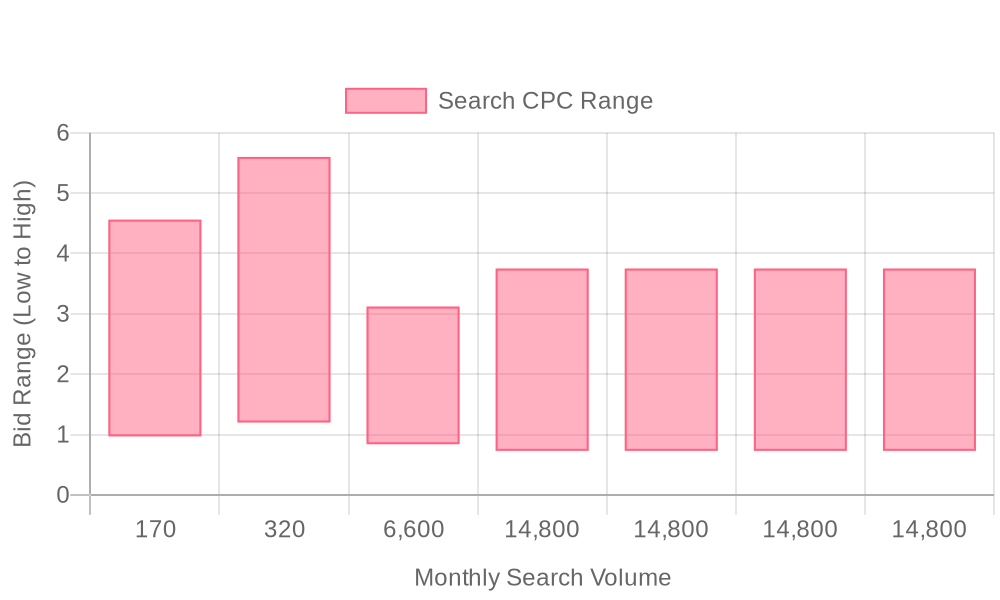
| Industry | Keyword | Monthly Search Volume | Competition Level | Low Bid | High Bid |
| Self Laundry Service | automatic laundry near me | 170 | LOW | 0.97 | 4.56 |
| Self Laundry Service | coin washing machine near me | 320 | MEDIUM | 1.2 | 5.6 |
| Self Laundry Service | self laundry service | 6600 | LOW | 0.84 | 3.12 |
| Self Laundry Service | self service laundry near me | 14800 | LOW | 0.73 | 3.75 |
| Self Laundry Service | self laundry near me | 14800 | LOW | 0.73 | 3.75 |
| Self Laundry Service | self service laundromat near me | 14800 | LOW | 0.73 | 3.75 |
| Self Laundry Service | self service launderette near me | 14800 | LOW | 0.73 | 3.75 |
Effective keyword strategy is central to driving high-value traffic for self laundry services. Prioritizing search intent enables laundromat marketers to reach customers in the decision phase, minimizing wasted spend and capturing those ready to convert.
Focus on laundromat marketing strategies that include terms like "self laundry service near me," "wash and fold service advertising," and "laundry delivery service promotion." These keywords match urgent local needs and specific service preferences, ensuring your ads are seen by motivated customers. Employ negative keywords such as "DIY laundry tips" to filter out unqualified leads, which preserves budget and improves campaign relevance. For a practical checklist on campaign setup, review this Google Ads checklist for laundromats.
Advanced solutions give marketers the ability to identify not just generic searchers, but actual visitors and companies interacting with ads. When your platform integrates real-time audience updates, spend shifts toward high-converting accounts as soon as their behavior signals readiness. This level of keyword and audience precision moves beyond basic targeting, allowing you to sync enriched lead lists directly into Google Ads campaigns for ongoing optimization and improved ROI. For actionable tactics, review retargeting strategies that align keyword focus with measurable results.
Step-by-Step Campaign Execution Framework
Self-laundry services achieve significant growth by leveraging a structured Google Ads framework that prioritizes local relevance and conversion-focused strategies. Success depends on aligning campaign execution with the specific needs and intent signals unique to laundry service customers, ensuring every ad dollar delivers measurable impact.
Step 1: Build Targeted Keyword Lists
Start by curating keyword lists tailored to the intent and location of your target audience. Use phrases such as "laundry delivery service promotion," "wash and fold service advertising," and neighborhood or city-specific terms to connect with customers ready to convert. Integrate local SEO for laundry services to increase ad visibility for nearby searches, ensuring your laundromat Google Ads checklist campaigns capture the highest-intent visitors.
With unified go-to-market data, marketers can pinpoint which keywords attract ideal accounts and customers. Real-time insights allow you to shift budget toward keywords driving the most valuable leads, while dynamic audience enrichment ensures your ads reach engaged prospects at precisely the right moment.
The upgrade most self laundry service advertisers miss is going beyond raw keyword volume to layer in intent and identity signals. By connecting website-visitor data and CRM records with Sona Marketing Measurement, you can see which specific search terms bring in the accounts and customers that actually convert, and weight your keyword and bidding strategy toward those rather than the terms with the highest search volume alone.
Step 2: Develop Compelling Ad Copy
Craft ad copy that emphasizes unique selling points such as "Convenient 24/7 access" or "Fast turnaround on wash and fold orders." Align messaging with intent data signals or website behaviors, personalizing content to drive action. Highlighting time savings, reliability, and easy payment options resonates strongly with busy consumers seeking hassle-free solutions.
Synchronized CRM and ad platforms enable you to reflect real-time audience updates in your messaging strategy. When a lead's status changes or a customer shows renewed interest, automatically adjust ad copy and offers to reflect these shifts, maximizing relevance and engagement.
Step 3: Design Effective Landing Pages
Each landing page must mirror the promise and tone of the ad copy, reducing friction and building trust from the first click. Feature clear calls-to-action, showcase service details, and provide streamlined booking or inquiry forms. Responsive design and mobile optimization are essential, as a large portion of laundry service customers initiate searches on their phones.
Advanced visitor identification connects ad clicks with underlying company or customer records, ensuring seamless tracking and enabling retargeting strategies that follow high-value leads through the decision process. For practical guidance on maximizing ad impact, explore this Google Ads guide for laundromats.
Step 4: Implement Data-Driven Optimizations
Campaign optimization is an ongoing process rooted in actionable performance data. Leverage analytics to identify top keywords and audiences, then allocate budgets and bids accordingly. Monitor not just clicks, but also downstream sales activities and customer lifetime value for a clearer view of true campaign impact.
Centralizing advertising and CRM data allows you to prevent messaging silos and disconnected audience segments. As your understanding of customer journeys deepens, sync enriched audiences and conversion events across platforms for real-time feedback loops, ensuring every adjustment is informed by comprehensive, up-to-date insights. This level of orchestration is fundamental to achieving cost-effective Google Ads for laundry businesses and maximizing overall marketing efficiency.
Sona Marketing Measurement closes the gap between clicks and revenue. It captures ad clicks with first-party measurement, ties them through UTM capture and ad-platform APIs to the matching record in your CRM, and reports ROAS by keyword and campaign instead of by last-click form fill. Feeding that revenue signal back into Smart Bidding and Performance Max compounds over time: the algorithms optimize toward booked self laundry service revenue, not cheap leads.
Tips on Expanding Your Self Laundry Service Presence
Elevating your self laundry service requires precision in digital engagement and a data-driven approach to customer acquisition. Modern laundromat marketing strategies focus on harnessing actionable insights, allowing operators to allocate resources to the most impactful channels. Explore more on leveraging data and analytics for growth in the Sona blog.
- Leverage educational content in retargeting: Retargeting campaigns move beyond generic offers by delivering tailored educational content, such as care tips for specialty fabrics or guides on maximizing laundry efficiency. This tactic not only re-engages previous site visitors but also addresses the persistent challenge of anonymous traffic. By integrating visitor identification tools, marketers can connect previously invisible website visitors to real profiles, ensuring that retargeting efforts reach high-value prospects rather than wasted impressions. For practical insights into common PPC campaign pitfalls, see this Reddit discussion on Google Ads targeting issues.
- Upsell related services by utilizing audience segmentation metrics: Segmenting audiences based on behavior and engagement data enables self laundry services to identify cross-sell and upsell opportunities, such as wash and fold service advertising or laundry delivery service promotion. When new customer segments are detected, such as frequent users who have not yet tried premium services, dynamic audience lists can be pushed directly into ad platforms. Real-time updates ensure that as customers move through the funnel, promotional offers and upsell messaging remain relevant and timely, reducing churn and increasing customer lifetime value.
- Localize strategies to dominate specific metro areas: Hyperlocal targeting is essential for increasing online visibility and driving foot traffic in competitive urban markets. Focusing on under-targeted postal codes or neighborhoods allows operators to capture demand that competitors often overlook. By syncing enriched audience data with digital ad platforms, laundromats can ensure their ads reach the right households, boosting conversion rates and maximizing ad spend. For a step-by-step approach to campaign setup, check this laundromat Google Ads checklist.
Beyond Google Ads: Winning the AI Answers Self Laundry Service Buyers Now Trust
Paid search captures demand at the moment someone types a query. But a fast-growing share of self laundry service buyers no longer start at Google at all, they ask ChatGPT, Gemini, or Perplexity before they ever run a search, and Google's own AI Overviews increasingly summarize an answer above the traditional results. If your business isn't referenced in those AI answers, you're invisible at the exact moment buyers build their shortlist.
Sona AI Visibility shows where your business shows up across ChatGPT, Gemini, Perplexity, Google AI Overviews, and 10+ engines, and, much like a keyword report, which prompts actually send you buyers, so you can prioritize the ones that convert. Run the two together and you cover the entire buyer path: get cited where buyers research (AI Visibility), then prove which of that demand turns into booked revenue (Marketing Measurement).
Helpful resources
Conclusion
Google Ads works for self-laundry businesses because it meets a customer at the exact moment they need a machine, a pickup, or a delivery slot. Get the targeting, the ad copy, and the budget discipline right, and that moment turns into steady foot traffic and repeat business, whether you run a laundromat, a wash and fold service, or a delivery operation.
The laundromats pulling ahead right now are the ones treating Google Ads as a measurement problem as much as a bidding problem, tying clicks to actual paying customers so the algorithm learns what a good lead looks like. Start for free and put that same visibility to work for your self-service laundry business.
FAQ
How can I set up Google Ads for my self-service laundry business?
You can set up Google Ads for your laundry business by following a step-by-step guide that involves keyword targeting, creative ad strategies, and continuous optimization to maximize lead generation and ROI.
What are the best practices for Google Ads in the laundry service industry?
Best practices include using precise keyword targeting, advanced audience segmentation, creative alignment with urgent needs, and continuous performance optimization.
How do I target the right customers with Google Ads for my laundromat?
Target the right customers by focusing on high-intent search phrases, integrating CRM data, and using audience segmentation to reach those most likely to convert.
How can I measure the effectiveness of my Google Ads for my laundry service?
Measure effectiveness by tracking performance across all touchpoints, using advanced conversion tracking, and reallocating budget based on the highest ROI campaigns.
What are some common mistakes to avoid when advertising a laundry service on Google?
Avoid common mistakes like bidding on broad terms, failing to integrate CRM data, and neglecting ongoing campaign optimization.
How can I make my laundromat stand out in local search with Google Ads?
Make your laundromat stand out by using geo-targeting capabilities to focus ad spend on specific neighborhoods and tailoring offers to match hyper-local needs.
What is the cost of running Google Ads for a laundry service?
The cost varies depending on factors like keyword competition and ad spend strategy but should focus on maximizing ROI through targeted and optimized campaigns.
How can I improve the conversion rate of my Google Ads for my laundry business?
Improve conversion rates by aligning ad creative with landing page content, utilizing behavioral data triggers, and refining audience targeting.
Are there any specific Google Ads features that are particularly useful for laundry services?
Yes, features like geo-targeting, real-time audience updates, and advanced conversion tracking are particularly useful for optimizing campaigns for laundry services.







