


Commercial laundry buyers rarely convert on the first click. A facilities manager comparing industrial washer installers, or a hotel operations director hunting for emergency dryer repair, will search, compare, and often disappear before filling out a form. Google Ads lets laundry equipment providers intercept these searches at the moment of intent, whether the query is 'eco-friendly laundry solutions' or 'laundry equipment rental services', but the real risk is losing track of who clicked and never came back. Pairing paid search with tools that identify and track those prospects, even anonymously, keeps digital spend connected to actual sales conversations instead of vanishing into a form-fill void.
How to Generate Google Ads for Laundry Equipment Services Leads: A Step-by-Step Guide

Commercial laundry equipment services operate in a complex B2B environment where identifying high-value prospects and engaging them at the right time can make or break pipeline growth. Precision in targeting and a unified view of prospects are vital for capturing and converting decision-makers who often move anonymously across digital touchpoints. Sona's Identity Resolution reveals which companies and people are visiting your website, even if they don't fill out a form, so you can prioritize outreach to in-market accounts.
Marketers in this trade connect anonymous web visitors and companies to their CRM, revealing in-market accounts, like a hospital system quietly researching replacement dryers, that would otherwise stay invisible. That visibility keeps outreach timely and specific to what a commercial laundry operator or facilities manager actually needs: a repair quote, a maintenance contract, or a fleet upgrade. For guidance on connecting web and CRM data for better pipeline growth, see our step-by-step playbooks.
- Data-Driven Approach: Unifying person- and company-level identity resolution with your database turns anonymous website traffic into actionable sales opportunities. It gives marketers a holistic view of which organizations are actively seeking laundry equipment services, improving both segmentation and engagement accuracy. Activate real-time audience data to sharpen segmentation and reach decision-makers at the right moment.
- Keyword and Audience Targeting: A granular keyword strategy is essential for reaching B2B decision-makers in the laundry equipment sector. Targeting phrases such as "commercial laundry machine repair," "industrial washer installation," and "laundry equipment distributor near me" focuses campaigns on intent-rich searches, the kind a facilities buyer types when equipment is already down or a lease is expiring. Layering in audience data helps distinguish facilities buyers from residential consumers, refining outreach by company size, industry, and past engagement. Discover high-performing laundry service keywords to sharpen campaign targeting.
- Landing Page Alignment: Tailored, high-conversion landing pages are crucial for capturing leads and maintaining message consistency. Landing pages should directly reflect the ad's promise, whether it is emergency repair, preventative maintenance contracts, or new equipment sales, while showcasing differentiators such as certified technicians, fast response times, or robust warranties. Use Buyer Journeys to track key touchpoints and personalize landing page content to match the visitor’s company profile or buying stage for higher conversions.
- Performance Optimization: ROI in Google Ads for Laundry Equipment Services depends on ongoing measurement, not a set-and-forget campaign. Marketers track buying-stage progression, factoring in seasonal spikes (hospitality laundry demand ahead of peak travel months, healthcare facility upgrades tied to budget cycles) to prioritize outreach and allocate spend where conversion probability is highest. Dive into Google Ads budgeting strategies for laundromat businesses to learn about cost allocation and ROI measurement. For deeper insight into connecting online engagement with offline results, explore multi-touch attribution models.
- Cross-Channel Integration: Audience data synchronized across platforms ensures consistent, effective engagement throughout the buyer journey. By integrating CRM and ad audiences, marketers can retarget visitors who engaged with laundry equipment content, nurture prospects through buying cycles, and activate promotions for specific audience segments. Sona Destinations enables seamless data syncing to keep your sales and marketing teams aligned for every stage of the journey.
Why Does Google Ads Matter for Laundry Equipment Services?
Commercial laundry equipment providers operate in a complex market where decision-makers are often hard to identify and reach at the right moment. With Google Ads, businesses can intercept key facility managers, property owners, and institutional buyers precisely when they are searching for specific equipment solutions, ensuring their brand is top-of-mind at the crucial point of research and purchase. For a detailed checklist to optimize campaign setup, see this laundromat Google Ads checklist.
The stakes are high: laundry equipment projects often involve significant capital expenditure and require technical expertise, so securing just a few high-value contracts can transform quarterly revenue. Google Ads for Laundry Equipment Services prevents wasted budget by focusing spend on prospects actively looking for commercial-grade solutions, rather than on low-intent or residential traffic. Explore more marketing analytics strategies in our marketing analytics blog.
Immediate need fulfillment is a core advantage for this industry. When a hotel laundry facility or healthcare operation faces equipment downtime, Google Ads lets providers surface emergency repair or rapid replacement services instantly, reaching buyers who need help now, not next quarter. This complements longer-term digital marketing for laundry businesses by bridging urgent demand with ongoing relationship building. For real-time insight into which companies and people are visiting your website, use Sona's Identity Resolution to reveal and score prospect intent.
Expanding into new regions or underserved markets becomes far more efficient with advanced PPC for laundry services. Google Ads’ geo-targeting and audience filters allow providers to direct their ad budget toward high-potential ZIP codes, new developments, or industrial corridors. Enhanced data integration ensures that as campaigns grow, every new impression and click feeds back into a unified analytics dashboard, enriching targeting and improving performance across all laundry equipment marketing initiatives.
Integrating Google Ads data with CRM and sales intelligence platforms lets laundry service providers move beyond basic metrics. Marketers can see exactly which companies, sectors, or locations are responding to campaigns, prioritize high-value leads, and trigger real-time follow-up. As Sona's Audiences update dynamically, revenue teams stay focused on the most promising accounts, driving measurable gains in laundry service customer acquisition and return on ad spend.
Common Types of Google Ads Campaigns for Laundry Equipment Services
- Search Campaigns: Search campaigns are the foundation for laundry equipment services seeking to capture in-market buyers at the exact moment of need. They intercept high-intent queries like "commercial washer repair near me" or "industrial laundry equipment installation," targeting facility managers and business owners ready to act. Using Responsive Search Ads, an ad format that tests multiple headlines and descriptions, alongside predictive audience modeling and historical conversion patterns, marketers can dynamically allocate budget to keywords and regions showing real purchasing signals, focusing resources on the highest-value leads. Sona enhances these campaigns by connecting keyword-level activity with real visitor identities, so teams can prioritize active accounts and personalize follow-up.
- Display Ads: Display advertising helps laundry equipment service providers maintain visibility and stay top-of-mind with commercial prospects across relevant industry sites and forums. These ads introduce or reinforce brand messaging as decision-makers research vendors or compare solutions, supporting longer sales cycles and nurturing latent demand. With real-time audience enrichment, display impressions are no longer wasted on anonymous viewers, only those fitting target firmographics or demonstrating in-market behavior continue to receive tailored creative, increasing efficiency and relevance throughout the buying journey. To implement proven tactics in this channel, review this laundromat Google Ads checklist.
- Video Ads: Video campaigns are especially effective for laundry equipment companies that need to demonstrate technical expertise, walk through product features, or explain maintenance processes. Compelling walkthroughs and case studies educate and influence prospects who aren't yet ready to book a demo or call. Pairing video engagement signals with Sona's Intent Signals enables smarter retargeting and sequential messaging, so viewers who show interest in specific solutions get the right follow-up content and offers.
- Remarketing: Remarketing campaigns re-engage previous visitors, email leads, or prospects who interacted with quotes, but did not convert. By leveraging behavioral insights, laundry equipment businesses can deliver contextually relevant ads, such as maintenance reminders, limited-time service promotions, or new product rollouts, to warm audiences. Sona dynamic audience updates guarantee that remarketing lists reflect real-time status changes, so only qualified decision-makers or companies still in the consideration phase continue to receive tailored outreach.
- Ad Assets: Ad assets (formerly called extensions) add information and credibility to laundry equipment service ads in local and national search results. These include call, location, and structured snippet assets, which highlight certifications, response times, service areas, and unique value propositions. With Sona's unified data layer, ad assets can automatically reflect granular attributes, such as the nearest certified technician or a region-specific offer, adding personalization that improves both engagement rates and qualified lead conversion.
Where to Find Growth Opportunities in Google Ads for Laundry Equipment Services
Commercial laundry equipment providers can unlock new revenue streams by identifying high-intent opportunities within digital marketing for laundry businesses. Targeted advertising delivers measurable results when campaigns focus on industry-specific needs and buying signals unique to laundry facilities, equipment suppliers, and service providers.
- Specialized Keyword Targeting: Building a robust keyword portfolio is central to effective Google Ads for Laundry Equipment Services. Prioritize terms directly tied to commercial intent, such as "industrial washer maintenance," "laundry equipment leasing," and "commercial dryer repair." These phrases reflect urgent business needs and high transaction values, creating a foundation for laundry business online advertising that converts. To supplement your core keywords with high-performing options, consider referencing laundry service keywords and explore dynamic audience targeting to reach buyers at the right moment. Continuously refine and expand the keyword set by analyzing search query reports, ensuring new service lines and seasonal promotions are always represented.
- Competitor Analysis: Strategic growth often comes from understanding where competitors are vulnerable. Use ad intelligence tools to assess competing laundry equipment marketing efforts, identifying keywords and placements they overlook or underperform on. Target gaps such as niche equipment models, underserved regional markets, or maintenance contract services. By benchmarking your share of voice and tailoring your content to outpace industry peers, you can shift budget to areas with the highest return potential. With real-time intent data integrated into your analytics stack, it’s possible to dynamically identify when prospects previously engaged with competitors are now in-market, allowing you to swiftly prioritize high-value accounts for outreach.
- Industry-Specific Placements: Expanding beyond generic search means strategically placing ads on industry portals, trade association sites, and facility management networks. These placements connect your message with decision-makers not easily reached through organic content alone, strengthening your position as a go-to provider for commercial laundry solutions. Align display campaigns with professional platforms frequented by property managers, hotel engineers, or healthcare facilities teams. By leveraging dynamic audience solutions, campaigns can automatically update messaging and targeting based on real-time engagement with these niche placements, ensuring relevance and maximizing conversion potential.
- Retargeting Content Marketing Material: Effective laundry service customer acquisition extends the sales cycle touchpoints through content-driven retargeting. Distribute whitepapers, equipment checklists, and maintenance guides to educate prospects who engaged but have yet to convert. Retargeting not only keeps your brand top-of-mind but also qualifies leads based on their content interactions, enabling sales teams to prioritize outreach to accounts demonstrating genuine purchase intent. Advanced attribution and CRM sync ensure every interaction, whether online or from an offline event, is tracked, measured, and funneled back into your Google Ads targeting for laundromats, creating a closed-loop growth engine that continuously improves with every campaign iteration.
How to Apply Audience Segmentation for Laundry Equipment Services
Precise audience segmentation is the linchpin for high-efficiency digital marketing in the commercial laundry equipment industry. With the right segmentation strategy, laundry equipment providers can move beyond generic outreach to deliver context-driven, timely offers that match the specific operational needs of each prospect. Explore more strategies in our B2B marketing playbooks to further refine your segmentation efforts.
- Define Distinct Segments: Effective segmentation starts with differentiating between commercial and residential buyers, as well as identifying prospects seeking new equipment setups versus those focused on upgrades. For example, facility managers searching for "industrial washer installation" require a different approach from laundromat owners pursuing "equipment reconditioning." By structuring Google Ads for Laundry Equipment Services campaigns around these segments, marketing dollars flow to the most relevant audiences, improving both lead quality and spend efficiency.
- Overlay Intent Signals: Segmentation deepens when layered with Sona's Intent Signals. Spotting prospects engaging with content on "eco-friendly upgrades" or "equipment maintenance agreements" flags immediate business needs, letting marketers adjust messaging and shift budget toward accounts most likely to convert. Using in-market behavior and enriched analytics, teams can prioritize outreach to customers evaluating sustainability programs or those whose current agreements are nearing renewal, keeping marketing aligned with buying cycles.
- Create Tailored Ad Groups: Once segments and intent are clear, ad group structure is customized to match. This means adjusting copy, landing pages, and budget allocation to speak directly to the pain points of each segment. For instance, ads targeting multi-housing operators may highlight volume discounts and 24/7 support, while those aimed at healthcare facilities stress compliance and uptime guarantees. Leveraging dynamic audiences that update as leads engage or move through the funnel, campaign performance improves and wasteful impressions are minimized.
- Track Conversions Precisely: Closed-loop measurement is essential for laundry equipment marketing. Integrating CRM data with digital campaigns allows teams to attribute conversions, whether online form fills or offline service calls, back to their source. Advanced conversion tracking bridges the gap between click and closed deal, capturing both digital and offline interactions to reveal true return on advertising spend. Real-time syncing of enriched leads into platforms like Google Ads and Salesforce ensures that follow-up is swift and personalized, streamlining laundry service customer acquisition and driving continuous improvement across all digital marketing for laundry businesses.
This is also where measurement changes the economics. With Sona Marketing Measurement you can identify the companies behind your ad clicks, not just anonymous sessions, and segment audiences by which accounts actually become customers. That lets you build bid adjustments and audience signals around the segments that convert and de-prioritize the ones that don't, so you feed Google's algorithms "this click became a paying laundry equipment services customer" instead of just "someone filled out a form."
Keyword Strategy & Sample Target Terms
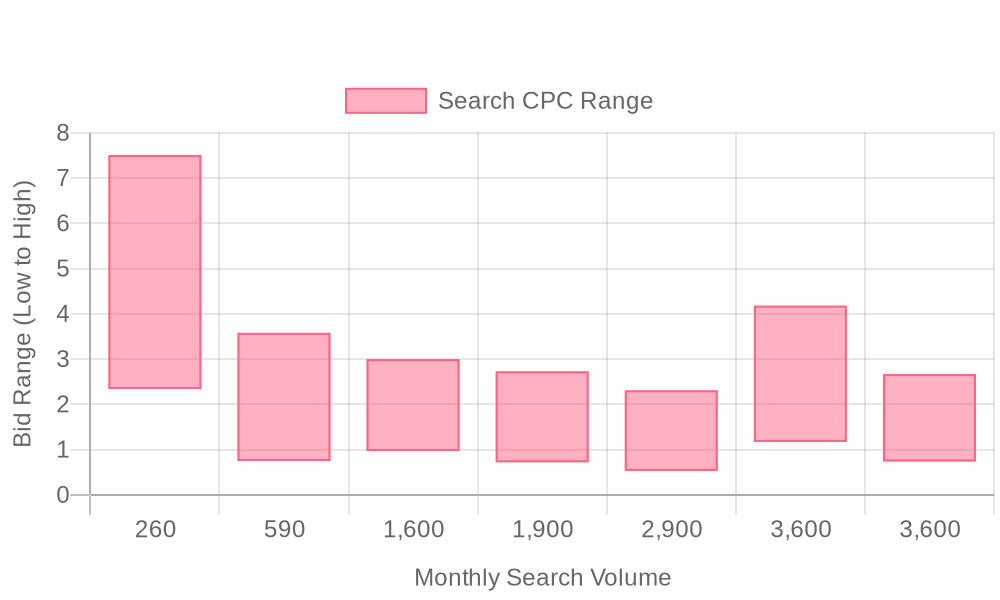
| Industry | Keyword | Monthly Search Volume | Competition Level | Low Bid | High Bid |
| Laundry Equipment Services | laundry equipment services | 260 | LOW | 2.34 | 7.51 |
| Laundry Equipment Services | coin laundry machines for sale | 590 | HIGH | 0.75 | 3.58 |
| Laundry Equipment Services | commercial laundry machine | 1600 | HIGH | 0.97 | 3 |
| Laundry Equipment Services | laundromat washing machine | 1900 | HIGH | 0.72 | 2.73 |
| Laundry Equipment Services | washing machine sales near me | 2900 | HIGH | 0.53 | 2.31 |
| Laundry Equipment Services | commercial laundry equipment | 3600 | HIGH | 1.17 | 4.18 |
| Laundry Equipment Services | laundromat machines for sale | 3600 | HIGH | 0.74 | 2.67 |
Revenue-focused teams in the laundry equipment services industry rely on targeted keyword strategies to turn high-intent searches into qualified leads. Google Ads enables direct engagement with decision-makers who are actively searching for solutions like commercial washer repair, industrial laundry equipment upgrades, or preventative maintenance for laundromats. By combining keyword intelligence with real-time audience data, marketers can dynamically adjust targeting and budget allocation to prioritize accounts showing real buying signals.
Precision targeting is essential. Savvy teams move beyond generic terms and prioritize specific modifiers that reflect actual service demand, such as "coin laundry specials," "mobile payment laundromat," or "commercial washer installation." These refined keywords help attract operators managing multi-location facilities, hospitality businesses, or healthcare laundry managers, segments that represent high contract values and recurring revenue. Integrating CRM insights enables marketers to add negative keywords that filter out low-value residential or DIY queries while ensuring campaigns reach those evaluating commercial-scale solutions.
ROI tracking becomes far more accurate when online ad clicks are attributed to offline conversions, such as in-person service consultations or equipment sales. With advanced attribution, revenue teams can see which keyword investments drive the most valuable actions, down to the specific account or facility. This level of data unification is only possible when CRM and ad platforms are in sync, enabling closed-loop reporting on campaign outcomes.
Step-by-Step Campaign Execution Framework
Step 1: Build Targeted Keyword Lists
Developing a robust keyword framework lays the groundwork for successful Google Ads for Laundry Equipment Services. By segmenting keywords based on service types, such as equipment sales, maintenance, repair, and installation, marketers can reach decision-makers with immediate, relevant needs. To streamline your efforts, consult this laundry service keywords list to identify high-performing terms, and consider incorporating Sona’s Audiences tool to ensure your targeting adapts as market demand shifts.
Advanced platforms help marketers move beyond anonymous search intent by identifying the actual companies or decision-makers engaging with specific keywords. This actionable intelligence enables revenue teams to prioritize high-value accounts and tailor messaging accordingly. With dynamic audience enrichment, keyword lists can evolve in real time as new buyer behaviors emerge, keeping campaigns aligned with the market’s current demand signals.
The upgrade most laundry equipment services advertisers miss is going beyond raw keyword volume to layer in intent and identity signals. By connecting website-visitor data and CRM records with Sona Marketing Measurement, you can see which specific search terms bring in the accounts and customers that actually convert, and weight your keyword and bidding strategy toward those rather than the terms with the highest search volume alone.
Step 2: Develop Compelling Ad Copy
Crafting persuasive ad copy is critical for capturing attention and driving meaningful engagement in the laundry equipment sector. Ads should address core pain points such as equipment downtime, regulatory compliance, and operational inefficiency, while positioning service offerings as immediate, reliable solutions. Marketers can find practical inspiration and a laundromat Google Ads checklist to ensure every ad element is optimized for conversions.
Continuous A/B testing and creative optimization are essential. By leveraging Sona's Intent Signals, teams can iterate on headlines, descriptions, and calls to action, improving click-through and conversion rates. Integrating CRM and behavioral insights allows for hyper-personalized ad content, delivering tailored value propositions to segmented audiences and increasing the likelihood of conversion.
Step 3: Design Effective Landing Pages
Seamless user experience is vital when transitioning prospects from ad engagement to conversion. Effective landing pages for laundry equipment marketing must mirror the specificity of ad copy, providing clear next steps, such as quote requests, emergency repair scheduling, or product demos. For step-by-step guidance, review this Google Ads landing page guide tailored to laundry services.
Integrating Sona’s Buyer Journeys tool enables marketers to connect online engagement with offline outcomes, such as phone inquiries or in-person consultations. This unified view of customer interactions ensures accurate measurement of ROI and highlights which landing pages yield the highest quality leads for laundry service customer acquisition.
Step 4: Implement Data-Driven Optimizations
Ongoing optimization is essential for sustaining growth in digital marketing for laundry businesses. Campaigns should be monitored daily, with adjustments based on granular performance data, including search term reports, audience engagement metrics, and conversion attribution. For a practical breakdown of Google Ads budgeting in the laundry industry, review this resource to make informed decisions on spend allocation.
Real-time intent monitoring lets teams reallocate spend as soon as high-converting trends emerge, rather than relying on lagging indicators. Audience segments update dynamically as leads progress through the buying funnel, ensuring remarketing and upsell efforts target the right contacts at the right moment. By syncing enriched lead and account data into Google Ads and connected CRMs, marketers close the loop between acquisition and revenue, streamlining PPC for laundry services and maximizing downstream sales impact.
Sona Marketing Measurement closes the gap between clicks and revenue. It captures ad clicks with first-party measurement, ties that click through UTM capture and ad-platform APIs to the matching record in your CRM, and reports ROAS by keyword and campaign instead of by last-click form fill. Feeding that revenue signal back into Smart Bidding and Performance Max compounds over time: the algorithms optimize toward booked laundry equipment services revenue, not cheap leads.
Tips on Expanding Your Presence in Laundry Equipment Services
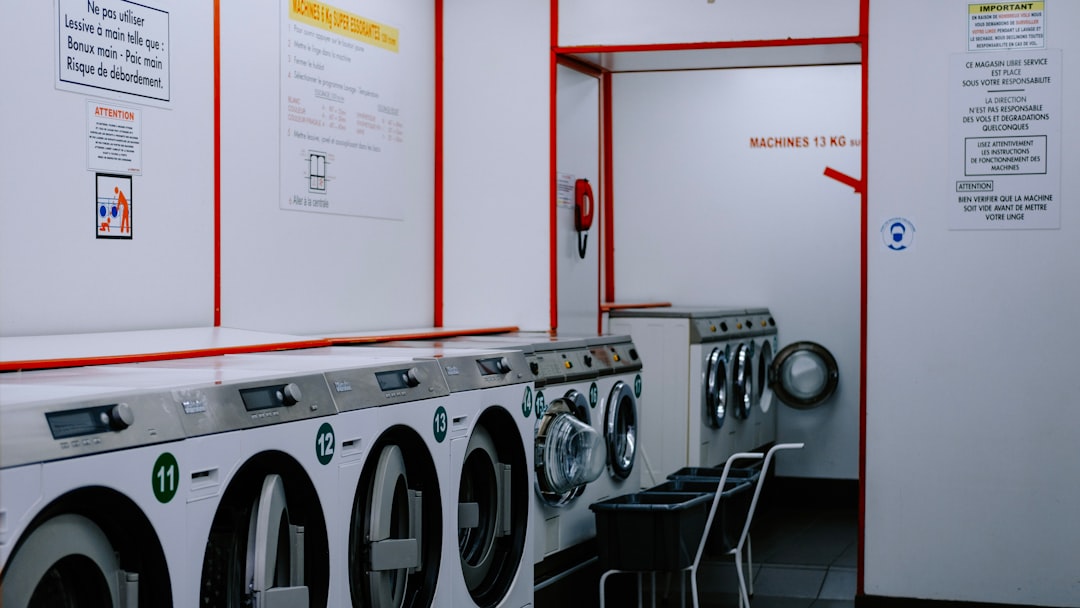
Retargeting educational content is a powerful way to keep your brand top-of-mind with prospective commercial laundry operators and facilities managers. By segmenting audiences based on specific content consumption, such as guides on preventative maintenance, marketers can trigger follow-up ads that address prospect pain points or frequently asked technical questions, encouraging deeper engagement. Sona's Identity Resolution moves you beyond anonymous web traffic, pinpointing which companies and accounts are engaging with your educational materials. That makes it possible to tailor remarketing with content that matches their buying stage and business profile, increasing relevance and speeding the path to conversion.
Upselling laundry services to existing clients requires precise CRM integration and real-time insights. Mining CRM data helps identify patterns among customers who are due for equipment upgrades, contract renewals, or expanded service packages. When leveraging platforms that sync CRM insights directly into Google Ads, you can build dynamic audiences that automatically update as client needs evolve. This ensures that promotions for advanced maintenance contracts or new machinery reach the right contacts at the right time, driving higher customer lifetime value and reducing churn by anticipating service needs before they arise. For practical tips on optimizing Google Ads for laundry businesses, review this laundromat Google Ads checklist.
Localizing your marketing strategies matters as you expand into new metro areas or target dense commercial corridors. Analyzing service call data and location-based demand signals helps prioritize ad spend where new construction, hospitality growth, or healthcare facility upgrades drive equipment demand. Integrating Sona's Intent Signals allows budget shifts toward high-converting territories, keeping campaigns agile and focused on markets with the greatest potential. This location-first approach supports both digital visibility and boots-on-the-ground sales efforts, maximizing the impact of every marketing dollar.
Discovering new content themes is critical for staying ahead in laundry equipment marketing. Ongoing analysis of search query trends and campaign performance data reveals emerging industry needs, such as increased demand for eco-friendly equipment or compliance with new safety standards. Feeding these insights back into your content and advertising strategy keeps your messaging relevant and positions your business as a thought leader. Advanced platforms that unify Google Ads data with organic search and CRM interactions provide a comprehensive view of what resonates with your audience, enabling you to develop timely resources that support both customer acquisition and long-term loyalty. For more strategies to boost your visibility, explore our latest marketing insights.
Beyond Google Ads: Winning the AI Answers Laundry Equipment Services Buyers Now Trust
Paid search captures demand at the moment someone types a query. But a fast-growing share of laundry equipment services buyers no longer start at Google at all, they ask ChatGPT, Gemini, or Perplexity before they ever run a search, and Google's own AI Overviews increasingly summarize an answer above the traditional results. If your business isn't referenced in those AI answers, you're invisible at the exact moment buyers build their shortlist.
Sona AI Visibility shows where your business shows up across ChatGPT, Gemini, Perplexity, Google AI Overviews, and 10+ engines, and, much like a keyword report, which prompts actually send you buyers, so you can prioritize the ones that convert. Run the two together and you cover the entire buyer path: get cited where buyers research (AI Visibility), then prove which of that demand turns into booked revenue (Marketing Measurement).
Helpful resources
Conclusion
Google Ads gives laundry equipment services a way to reach decision-makers exactly when equipment fails, contracts expire, or a facility expands, moments a monthly newsletter or trade show booth can't time as precisely. The strategies here, from keyword segmentation to identity resolution to closed-loop attribution, work together because they all answer the same question: which specific account, at which specific moment, is ready to buy.
The providers who win the next round of contracts will be the ones who treat every anonymous site visit as a lead worth chasing, and every ad click as a data point tied to a real account, not a vanity metric.
Ready to take your marketing strategy to the next level? Start for free to experience our platform's capabilities today.
FAQ
What are the best practices for Google Ads in the laundry industry?
Best practices include integrating CRM data for precise targeting, employing a data-driven approach to transform anonymous traffic into actionable leads, and using tailored keywords and audience segmentation to distinguish between commercial and residential prospects.
How can I effectively target local customers with Google Ads for my laundry service?
You can use geo-targeting and audience filters in Google Ads to direct your budget towards high-potential ZIP codes and synchronize audience data across platforms for consistent engagement.
What budget should I allocate for Google Ads for laundry equipment services?
Budgets should be strategically allocated based on conversion probability, using predictive analytics to prioritize high-value leads and focusing spend on prospects actively seeking commercial-grade solutions.
What keywords should I use for Google Ads in the laundry sector?
Keywords should reflect commercial intent and urgent business needs, such as 'industrial washer maintenance,' 'laundry equipment leasing,' and 'commercial dryer repair,' to attract high-value contracts.
How can I measure the success of my Google Ads campaigns for laundry services?
Success can be measured through predictive analytics, real-time audience data, and conversion tracking, linking online ad clicks to offline conversions such as service consultations or equipment sales.







