


A borrower searching "hard money lender near me" at 11pm has already decided to move; the question is which lender answers first. Google Ads occupies that exact middle-funnel moment for Real Estate Lending Services, catching decision-makers once they've moved past awareness and started comparing rates, terms, and approval speed. Done well, it bridges broader marketing efforts and the sales process by intercepting borrowers at the point of genuine intent. The harder problem is that intent signals often arrive disconnected from the accounts and people behind them; closing that gap is what keeps ad spend pointed at real buyers instead of anonymous clicks.
How to Generate Real Estate Lending Services Leads with Google Ads: A Step-by-Step Guide
Integrating Google Ads for Real Estate Lending Services into your digital marketing mix delivers a direct pipeline to borrowers actively seeking lending solutions. Precision targeting, when applied to this vertical, ensures that every marketing dollar is focused on qualified prospects, reducing waste and accelerating deal cycles. For a deeper dive into how realtors specifically leverage Google Local Services Ads to attract clients, see this overview of Google Local Services Ads for realtors.
A data-driven approach prioritizes audience segmentation, intent signals, and conversion-focused creative, which together increase both lead quality and campaign ROI. Marketers move beyond surface-level analytics by leveraging technology that connects ad engagement to account-level activity, enabling tailored outreach and follow-up strategies for each potential client; explore more tactics in our marketing attribution best practices.
Modern Keyword and Audience Targeting
Sophisticated keyword strategies are vital in real estate lending. High-intent phrases such as "commercial bridge loans," "fast property refinancing," and localized queries like "mortgage broker in Austin" consistently attract relevant traffic. Dynamic audience building further refines these efforts by adapting to users' in-market behaviors. When platforms synchronize CRM data with ad channels, marketers ensure that audiences are always fresh and reflective of their real-time pipeline. For actionable steps on setting up campaigns for hard money lenders, review this step-by-step guide on Google Ads for hard money lenders.
Marketers can now identify not just anonymous website visitors but the specific companies and decision-makers engaging with their ads. By tying ad clicks to company-level identification, teams can prioritize outreach to accounts showing the strongest intent. That matters most for commercial and hard money lending, where deal sizes are large, underwriting is relationship-driven, and a slow follow-up can cost the deal to a competitor.
Landing Page Optimization for Lending Conversions

Optimized landing pages are essential to converting ad clicks into high-value leads. Every element, from headline to call-to-action, must directly address borrower pain points, speed, approval rates, and transparency. Leveraging real-time data, marketers can personalize landing page experiences based on visitor attributes or ad campaign source, further increasing engagement. For guidance on account structure that boosts campaign results, see structuring Google Ads accounts for real estate.
Advanced platforms enable tracking of both online and offline conversions, attributing funded loans or closed deals back to specific ads and keywords. This end-to-end visibility empowers revenue teams to quickly identify which campaigns drive actual business outcomes, not just form fills, and shift budgets to their highest-performing tactics.
Performance Metrics and Cross-Channel Integration
Measuring success in real estate PPC goes far beyond click-through rates. Key metrics include cost per qualified lead, funded loan conversion rate, and account engagement depth. By integrating ad data with CRM and sales platforms, marketers can track the full journey from initial interest to closed deal, illuminating true ROI. For official requirements on ad targeting and compliance, reference geographic performance measurement and Google's advertising policies for personalized targeting.
Centralized data unification also supports cross-channel retargeting. When a prospect engages with a Google Ads campaign, their profile can be automatically added to remarketing audiences across display, video, and even email. This keeps messaging consistent, whether a borrower is comparing bridge loan terms or waiting on a rate lock, until the deal closes. Get started for free with Sona.
Why Google Ads Matters for Real Estate Lending Services
Real estate lending services compete for a narrow window: a borrower or investor researching financing options, comparing rates, and sizing up how fast an application moves from submission to funding. Google Ads lets lenders show up precisely when that research is happening, whether it's a property investor searching for fix-and-flip financing on a tight closing timeline or a commercial borrower comparing bridge loan terms. For a deeper look at how realtors use Google Local Services Ads to attract local clients, see this overview for realtors.
Digital-first lenders can move beyond raw impressions and clicks to see which companies and individuals are actually engaging with their ads. With enriched business profiles and Sona's Identity Resolution, marketers can pinpoint exactly which organizations are showing interest, enabling faster, better-qualified follow-up. That clarity changes how teams allocate resources: high-value accounts, like a developer researching multifamily financing, get timely attention instead of getting lost in a queue of form fills.
By enriching custom affinity audiences with detailed business attributes and intent signals, real estate lenders create marketing segments that update as prospects move through the funnel. This dynamic approach streamlines retargeting and messaging, ensuring that follow-up is always relevant to the buyer’s current stage. Modern platforms close the loop between online engagement and offline conversions, integrating with CRM systems to synchronize enriched audiences, attribute every conversion, and prove true ROI from click to contract. With unified data and actionable insights, revenue teams gain the agility to respond to in-market behavior as it happens, accelerating the path from initial search to signed deal. If you’re ready to accelerate your pipeline, get started for free with Sona.
Common Types of Google Ads Campaigns for Real Estate Lending Services

- Search Campaigns: Search campaigns drive bottom-of-the-funnel conversions by capturing prospects who are actively searching for real estate lending solutions. These campaigns align ad copy to high-intent keywords like "commercial bridge loans" or "hard money lenders near me," surfacing your services at the moment buyers are ready to act. Responsive search ads, a format within Search, let marketers test multiple headlines and descriptions to find which combination lands with each keyword group. Leveraging company-level identification, these campaigns narrow in on both individual borrowers and businesses, making every click more relevant.
- Display Ads: Display ads deliver sustained brand visibility across the web, targeting audiences browsing industry news, property listings, or financial resources. Strong visuals and concise calls to action raise brand recall, especially when layered with real-time audience segments that prioritize spend on users most likely to convert. For real estate professionals, structuring Google Ads accounts can lead to improved campaign performance and efficient budget allocation.
- Video Ads: Video campaigns excel at explaining complex lending products, such as multifamily financing or investment property loans. By visualizing the lending process and featuring client testimonials, these ads build trust and educate prospects at scale. When paired with behavioral analytics, marketers can prioritize budget toward viewers who engage deeply, signaling higher intent and prompting targeted follow-up.
- Remarketing Strategies: Remarketing campaigns re-engage visitors who have already interacted with your lending site but have not yet converted. Using enriched intent data, these campaigns dynamically update audiences as leads revisit loan calculators, download guides, or initiate applications. This adaptive targeting maximizes conversion rates by keeping your brand top of mind for prospects demonstrating renewed interest or progressing further down the funnel.
- Performance Max: Performance Max campaigns pool inventory across Search, Display, YouTube, and Gmail into a single goal-driven campaign, useful for lenders who want Google's bidding algorithms to find high-intent borrowers across channels without managing each one separately. Feeding it strong conversion signals, like which leads actually funded a loan, is what keeps it targeting the right audience rather than chasing volume.
A segmented approach to campaign types unlocks higher engagement and ROI by matching strategy to prospect intent and funnel stage. With real-time data unification and CRM syncing, marketers ensure every ad dollar follows the highest value opportunities, supporting both lead generation and long-term brand growth in real estate lending. To see how these strategies can work for your business, get started for free with Sona.
Where to Find Growth Opportunities in Real Estate Lending

Growth in real estate lending demands a sharp focus on specialty markets and an approach that goes beyond surface-level keywords. Vertical keyword targeting enables lenders and marketers to capture demand in niche segments, such as commercial bridge loans, multifamily refinancing, or hard money lending for property investors. This refined targeting brings campaigns closer to buyers with specific financing needs rather than casting a wide net, ensuring higher-quality leads and more efficient use of Google Ads budgets.
Identifying underserved segments begins with competitor gap analysis. By leveraging advanced analytics, revenue teams can uncover which loan products or property types competitors overlook. This insight drives content creation and campaign design, allowing you to fill whitespace in the market and position your offerings to audiences actively searching for unique lending solutions. When data is unified and analyzed in real time, marketers can shift Google Ads investment toward high-converting search terms and geographies, adapting quickly as market demand evolves.
Content retargeting further amplifies outreach by reengaging site visitors and previous leads with relevant, updated offers. Dynamic audience segments automatically adjust as companies or individuals demonstrate new intent signals, such as revisiting loan calculators or viewing updated rate sheets. By syncing enriched audience profiles and lead data directly into Google Ads and CRM systems, marketing teams keep campaigns aligned with actual buyer journeys, improving attribution and enabling personalized follow-up across both digital and offline touchpoints. This holistic approach ensures sustained pipeline growth and delivers measurable results for B2B revenue teams in the real estate lending sector. To see how these strategies can accelerate your pipeline, get started for free with Sona.
How to Apply Audience Segmentation for Real Estate Lending

Audience segmentation in real estate lending dramatically raises the relevance and effectiveness of every campaign dollar spent. By structuring segments according to lending product, such as commercial real estate loans versus residential mortgages, or investment loans versus personal home financing, marketers achieve sharper alignment between ad messaging and prospect needs. These distinctions enable teams to move beyond generic outreach and speak directly to the financial objectives of each cohort, whether that means supporting a first-time homebuyer or a seasoned property investor. For a comprehensive overview of how realtors can leverage Google Local Services Ads to attract local clients and generate leads, see this guide for realtors using Google Local Services Ads.
Customization of ad groups by segment is essential for optimizing both engagement and conversion rates. For example, an ad group targeting commercial property developers should leverage messaging about flexible bridge financing or rapid approvals, while personal home lending segments require content focused on low rates or streamlined application processes. Aligning each segment with the right intent signals ensures that campaigns surface only to the most qualified leads at the right stage of their journey. Validating these conversion paths means tracking every interaction, from initial search to application submission, and continuously refining segments as user data and market dynamics change.
Accurate and timely data is fundamental to this process. Real-time updates prevent segmentation errors caused by outdated lists and ensure the right prospects are always in the right audience. Dynamic audience management lets marketers react instantly as leads move through the funnel, such as shifting a contact from a "first-touch" nurture campaign to a "hot lead" retargeting sequence the moment they complete a loan calculator or request a quote. Integrating CRM and ad platforms facilitates seamless syncing of enriched audiences, while advanced visitor identification uncovers which companies and high-intent individuals are most likely to convert. This level of precision ensures that every dollar spent on Google Ads for real estate lending services is tracked, measured, and attributed with clarity, fueling compounding gains in both lead quality and ROI.
This is also where measurement changes the economics. With Sona Marketing Measurement you can identify the companies and buyers behind your ad clicks, not just anonymous sessions, and segment audiences by who actually becomes a customer. That lets you build bid adjustments and audience signals around the segments that convert and de-prioritize the ones that don't, feeding Google's algorithms "this click became a paying real estate lending services customer" instead of just "someone filled out a form."
Keyword Strategy & Sample Target Terms
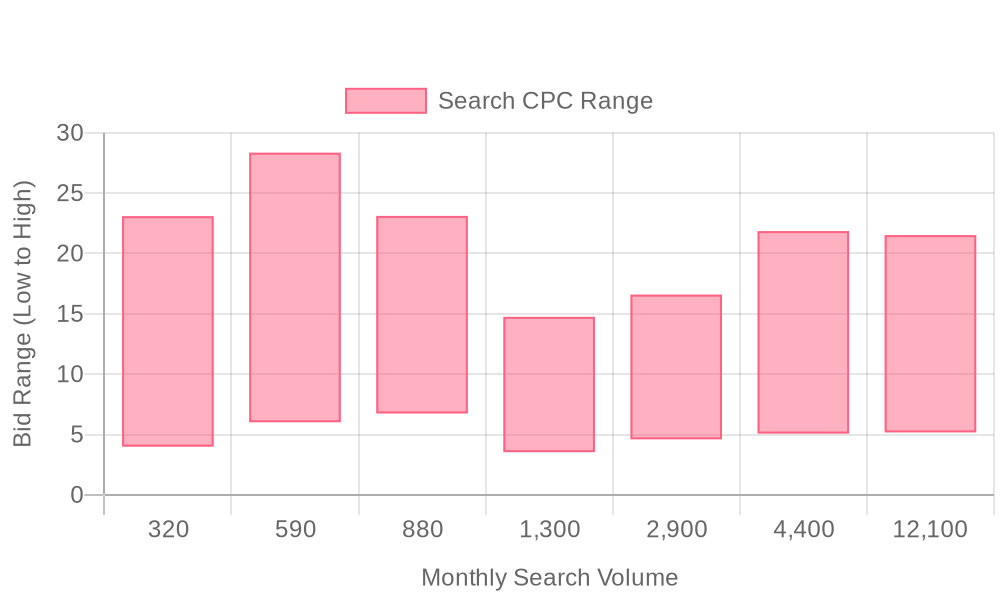
| Industry | Keyword | Monthly Search Volume | Competition Level | Low Bid | High Bid |
| Real Estate Lending Services | kiavi lending | 320 | HIGH | 4 | 23.09 |
| Real Estate Lending Services | commercial building loan | 590 | MEDIUM | 6.02 | 28.35 |
| Real Estate Lending Services | commercial real estate financing | 880 | LOW | 6.75 | 23.11 |
| Real Estate Lending Services | sba loan for commercial property | 1300 | MEDIUM | 3.54 | 14.75 |
| Real Estate Lending Services | real estate loans | 2900 | LOW | 4.61 | 16.59 |
| Real Estate Lending Services | commercial property loans | 4400 | MEDIUM | 5.08 | 21.85 |
| Real Estate Lending Services | commercial real estate loan | 12100 | LOW | 5.18 | 21.52 |
A robust keyword strategy is foundational for real estate lending services aiming to maximize ROI and consistently reach high-intent borrowers. Strategic keyword selection drives quality lead generation, targeting prospects who are actively searching for mortgage solutions, hard money loans, or commercial real estate financing. By focusing on keywords that reflect both industry trends and urgent buyer needs, revenue teams can ensure that every ad dollar aligns with meaningful search behavior. For further guidance on structuring your campaigns, explore these insights for real estate Google Ads accounts.
Geographic modifiers are essential for real estate lending, as lending regulations, property values, and borrower profiles vary significantly by region. Keywords like “commercial mortgage broker Los Angeles,” “hard money lender Miami,” or “investment property loans Dallas” capture local demand and reduce wasted impressions outside your serviceable area. Incorporating intent-based terms such as “apply now,” “fast approval,” or “best rates” further qualifies traffic, focusing spend on borrowers most likely to convert. For more tips on optimizing campaigns, review our marketing playbooks.
Negative keyword filtering is a critical safeguard against irrelevant clicks and low-quality leads. Excluding terms such as “free,” “job,” “training,” or “rentals” prevents budget waste on users seeking information unrelated to direct lending or loan origination. By continuously refining negative keyword lists and leveraging real-time search query reports, marketers can keep campaigns sharply tuned to active buyers.
Sample target terms for Google Ads for Real Estate Lending Services include:
- Transactional keywords: “get pre-approved mortgage,” “best real estate loan rates,” “bridge loan application”
- Niche lending terms: “multifamily property loans,” “fix and flip financing,” “self-employed mortgage options”
- Local intent searches: “hard money lender near me,” “commercial mortgage broker Houston,” “residential lending firm Atlanta”
Dynamic audience segmentation elevates keyword strategy by aligning search intent with a prospect's stage in the funnel. As borrowers engage with ads and move closer to application or consultation, audiences can update in real time for tailored messaging and bid strategies. When identity resolution and enriched audiences are integrated, marketers can connect anonymous search traffic to known accounts, prioritize high-value opportunities, and sync enriched audiences directly into active campaigns. That means every keyword investment is backed by data, not guesswork.
Step-by-Step Campaign Execution Framework for Real Estate Lending
A structured approach to deploying Google Ads for real estate lending services ensures efficient lead generation and maximizes the impact of every advertising dollar. By following a systematic campaign execution framework, revenue teams can unify their targeting, messaging, and follow-up across digital channels, turning raw data into actionable engagement. For more proven strategies and thought leadership, explore the marketing attribution and demand generation blog. This process not only accelerates the sales cycle for lenders but also creates a seamless experience for prospects who expect timely, relevant communication at every touchpoint.
Step 1: Build Targeted Keyword Lists
Start with a deep dive into search intent within the real estate lending market. Identify high-conversion, low-competition keywords that align with borrower pain points, loan types, and regional demand: a bridge loan borrower searching for speed, a first-time investor searching for guidance, a commercial developer searching for flexible terms. Use a mix of long-tail and geo-specific terms such as "fast bridge loans in Dallas," "commercial property refinancing," or "FHA mortgage lender near me," and revisit the list as rates shift and new loan products launch. Integrating identity resolution lets marketers see which companies and high-value prospects are engaging with specific terms, so keyword expansion follows real signal rather than guesswork. For a step-by-step guide tailored to this industry, review how to run Google Ads for hard money lenders.
The upgrade most real estate lending services advertisers miss is going beyond raw keyword volume to layer in intent and identity signals. By connecting website-visitor data and CRM records with Sona Marketing Measurement, you can see which specific search terms bring in the accounts and customers that actually convert, and weight your keyword and bidding strategy toward those rather than the terms with the highest search volume alone.
Step 2: Develop Compelling Ad Copy
Effective ad copy for real estate lending services must communicate credibility, speed, and specialization. Focus headlines on loan benefits, approval timelines, and unique value propositions like "No Upfront Fees" or "24-Hour Funding Approval." Include clear calls-to-action urging prospects to apply or request a consultation. Crafting copy based on real-time audience insights, such as recent website interactions or property search activity, enables hyper-relevant messaging that increases click-through rates. Dynamic audience segmentation ensures that ads automatically adjust as leads progress through the funnel, reflecting their latest interests and readiness to convert.
Step 3: Design Conversion-Optimized Landing Pages
Landing pages should match ad intent exactly, minimizing friction for the borrower. Use concise forms, trust signals (such as licensing and testimonials), and transparent rate and fee disclosures. Highlight core benefits and make next steps simple, schedule a call, upload documents, or start an application. Advanced tracking tags capture every engagement, from form starts to calls, feeding attribution data back into the campaign for precise ROI measurement. Integrating online and offline conversion tracking allows revenue teams to connect digital ads to actual loan closings, not just clicks or inquiries, see how CINC uses Google Ads paid search for lead generation.
Step 4: Launch and Integrate Across Channels
Activate your Google Ads campaigns in sync with ongoing social and email outreach, reinforcing the same offers and messaging. Leverage CRM-ad syncing to ensure enriched audience segments are reflected across every channel, keeping high-value prospects in view. Automate follow-up triggers based on ad interactions: for instance, a user who clicks an ad but abandons a form can receive a personalized email sequence or a retargeted display ad within minutes. This integrated approach prevents leads from slipping through the cracks and maintains momentum throughout the buyer’s journey.
Sona Marketing Measurement closes the gap between clicks and revenue. It captures ad clicks with first-party measurement, ties them through UTM capture and ad-platform APIs to the actual record in your CRM, and reports ROAS by keyword and campaign instead of by last-click form fill. Feeding that revenue signal back into Smart Bidding and Performance Max compounds over time: the algorithms optimize toward booked real estate lending services revenue, not cheap leads.
Step 5: Optimize with Data-Driven Insights
Monitor performance data daily, impressions, clicks, conversions, cost per acquisition, to see what's working and where budget should shift. Use intent signals to spot which campaigns attract the most creditworthy or ready-to-close borrowers, then reallocate spend accordingly. Audience lists should update automatically as prospects engage or disengage, keeping remarketing focused on accounts with the highest potential. Feeding these insights into the broader revenue stack closes the loop, sharpening not just Google Ads but the entire real estate lending marketing and sales operation.
Tips on Expanding Your Real Estate Lending Services Presence
Expanding your real estate lending presence requires a multifaceted approach that blends education, advanced audience segmentation, and strategic partnerships. A focus on data-driven growth enables continuous adaptation to changing market conditions, ensuring your campaigns remain relevant and impactful. For realtors, leveraging Google Local Services Ads offers an effective way to attract local clients and generate high-quality leads.
Cross-promotion of educational content positions your brand as a trusted authority and helps nurture leads through the consideration phase. Hosting webinars on lending best practices or publishing guides for first-time investors not only drives organic traffic but also fuels high-performing paid campaigns. With robust visitor identification, marketers can pinpoint exactly which segments engage most with these assets, informing both retargeting and upsell strategies.
Segmented audience upsell opportunities are essential for maximizing revenue per lead. By leveraging dynamic audiences that update in real time as prospects move from initial inquiry to application, lenders can deliver tailored offers, such as rate lock promotions or premium loan products, at the optimal moment. Integrating CRM and ad platforms ensures that every audience segment receives messaging aligned with their current stage, increasing conversion rates and lifetime value.
Partnerships with real estate agents, property tech firms, and local organizations provide valuable referral traffic and open new market segments. Structured collaboration, such as co-branded events or shared educational resources, expands your reach and builds trust across networks. Localizing campaigns with region-specific content and ad copy positions your services as the go-to choice in targeted geographies, while search data uncovers emerging topics and unmet needs for future content development.
Continuous account enrichment further strengthens campaign performance. By aggregating behavioral, demographic, and firmographic data, teams can prioritize high-intent accounts and reallocate budget toward segments showing the strongest signals. Adaptive strategies, informed by real-time intent, help lenders stay ahead of shifting borrower preferences and competitive pressure, sustaining growth in a lending market that moves with interest rates and inventory cycles.
Beyond Google Ads: Winning the AI Answers Real Estate Lending Services Buyers Now Trust
Paid search captures demand at the moment someone types a query. But a fast-growing share of real estate lending services buyers no longer start at Google at all, they ask ChatGPT, Gemini, or Perplexity before they ever run a search, and Google's own AI Overviews increasingly summarize an answer above the traditional results. If your business isn't referenced in those AI answers, you're invisible at the exact moment buyers build their shortlist.
Sona AI Visibility shows where your business shows up across ChatGPT, Gemini, Perplexity, Google AI Overviews, and 10+ engines, and, much like a keyword report, which prompts actually send you buyers, so you can prioritize the ones that convert. Run the two together and you cover the entire buyer path: get cited where buyers research (AI Visibility), then prove which of that demand turns into booked revenue (Marketing Measurement).
Helpful resources
Conclusion
The lending market keeps shifting, rate cycles, new loan products, borrowers who now start their research in an AI chat window instead of a search bar. The advantage goes to lenders who can see which keywords and campaigns actually produce funded loans, not just form fills, and who show up in both search results and AI-generated answers. That combination, tight targeting paired with real attribution, is what turns Google Ads spend into a compounding pipeline rather than a recurring cost.
FAQ
What are the best practices for using Google Ads in real estate lending?
Best practices include precision targeting of high-intent prospects, integration of CRM data for audience refinement, and optimization of landing pages to address borrower pain points such as speed and transparency.
How can I optimize my Google Ads for real estate services?
Optimize by using sophisticated keyword strategies, dynamic audience building, integrating real-time data for personalized ad experiences, and ensuring ads align with high-intent search behaviors.
What budget should I allocate for Google Ads in real estate?
Allocate a budget that allows for precision targeting and tests high-intent keywords and audience segments, ensuring every dollar targets qualified prospects to reduce waste and maximize ROI.
Are there specific keywords that work best for real estate lending ads?
Effective keywords include high-intent phrases like 'commercial bridge loans,' 'fast property refinancing,' and localized queries such as 'mortgage broker in Austin.'
How do I measure the success of my Google Ads campaigns for real estate?
Measure success through metrics like cost per qualified lead, funded loan conversion rate, and tracking the journey from ad engagement to closed deals, integrating ad data with CRM systems.







