


Propane emergencies don't wait for business hours, and neither do the searches that precede them. A cracked line or a failed regulator sends homeowners and facility managers straight to Google, often at night or on a weekend, looking for someone licensed who can respond now. Google Ads matters for propane gas plumbing businesses because it catches that exact moment of intent, then lets you follow the lead from click to signed job. Pairing that with offline channels like trade shows or referral networks only works if you can trace which touchpoint actually closed the deal. Integrating lead tracking directly into your Google Ads campaigns solves the more common problem: high-value prospects who click, call, and never show up in your attribution.
How to Generate Google Ads for Propane Gas Plumbing Leads: A Step-by-Step Guide

Propane gas plumbing companies win or lose leads in the first few minutes after a search, so precise targeting and real-time optimization matter more here than in categories with longer consideration windows. Advanced digital advertising lets teams put spend behind the moments that count, gas leak calls, tank installations, seasonal fill-up reminders, and match creative to what the searcher actually needs through intent signal tracking.
Integrating Google Ads into your propane gas plumbing marketing strategy takes a unified approach to audience identification, keyword optimization, and ongoing performance tracking. Modern platforms turn anonymous website visitors into actionable contacts, syncing campaigns directly with CRM and sales systems for lead management and remarketing.
A strong Google Ads playbook for propane gas plumbing addresses a visibility problem specific to the trade: many searches come from people who don't yet know which company serves their address, or whether their provider even handles emergency line repairs versus routine tank swaps. Tools that reveal which companies are engaging with your content help close that gap. Focusing on intent-based targeting lets you refine ad groups, messaging, and bids to lift lead quality and revenue, and automated audience updates keep prospect lists current as leads move from inquiry to scheduled job, supporting cost-effective retargeting; explore more in this account-based marketing guide.
With the right infrastructure in place, propane gas plumbing businesses can capture high-value prospects and import them directly into Google Ads customer match lists. This direct sync keeps ad spend focused on verified decision-makers, whether that's a homeowner ready to schedule a tank refill or a facility manager sourcing a commercial installer, so every dollar works toward measurable growth. To see these strategies in action, get started for free with Sona.
Why Does Google Ads Matter for Propane Gas Plumbing
Propane plumbing marketing runs on speed and precision. A cracked regulator or an empty tank in freezing weather doesn't leave room for a slow callback, so Google Ads earns its keep by reaching decision-makers at the exact moment they need a licensed technician, when intent is highest and patience is lowest. For plumbing businesses seeking tailored strategies, this guide to Google Ads campaigns outlines practical approaches for optimizing results.
Traditional outreach, print ads, door hangers, word of mouth, delays lead capture and misses customers who are ready to act now. Google Ads fixes this with real-time audience targeting, so a business can respond to an urgent gas leak or failed installation and secure the job before a competitor's ad even loads.
Integrating Google Ads with CRM and remarketing workflows lets lead data sync instantly, triggering timely follow-ups and dynamic audience updates. Plumbing companies expanding into new service areas benefit from closed-loop analytics, connecting every click to downstream revenue and optimizing spend based on which leads actually convert into jobs.
Common Types of Google Ads Campaigns for Propane Gas Plumbing Services

- Search Campaigns: Search campaigns deliver high-intent leads for propane gas plumbing services by targeting people actively searching for a fix, whether that's an emergency regulator repair, a new tank installation, or a required gas line inspection ahead of a home sale. Enhanced with advanced attribution and visitor identification, marketers can connect keywords to real business outcomes and prioritize spend on search terms that yield the highest-value jobs.
- Display Campaigns: Display campaigns expand reach by visually engaging prospects across relevant websites and apps. For propane gas plumbing, this format builds brand awareness before a potential customer is ready to engage. Dynamic audience syncing ensures display ads automatically update as new leads enter or exit the sales funnel, allowing for timely messaging based on real-time intent signals and recent site activity.
- Video Campaigns: Video ads educate customers on complex propane gas plumbing solutions, such as safety upgrades or energy-efficient installations. Video formats work well for retargeting site visitors who have interacted with service pages but have not yet converted. Integrating CRM and ad data, marketers can serve personalized content to segmented audiences, increasing engagement and demonstrating expertise in niche services.
- Local Service Ads: Local campaigns position propane gas plumbing businesses directly in front of nearby searchers, focusing on immediate service needs and geographic relevance. By leveraging real-time location data and syncing offline conversion events, marketers can attribute walk-in appointments or phone calls to specific ad interactions, ensuring accurate ROI measurement and optimized local budgets.
- Remarketing Campaigns: Remarketing brings back visitors who previously explored propane gas plumbing offerings but did not take action. By identifying and segmenting these audiences based on web activity and past engagement, remarketing campaigns deliver tailored messages to re-engage leads. Utilizing enriched lead data, advertisers can craft offers and content that address each prospect's last point of interest, leading to higher conversion rates and improved cost efficiency. For a detailed guide on campaign best practices tailored to plumbing businesses, see this Google Ads strategies resource.
Looking to streamline your propane gas plumbing ad campaigns and boost ROI? Get started for free with Sona.
Where to Find Growth Opportunities in Propane Gas Plumbing Marketing

Growth in propane gas plumbing marketing starts with finding gaps in current targeting and segments competitors haven't bothered to chase. Vertical keyword targeting around urgent, specific queries, "emergency propane gas line repair" or "commercial propane plumbing installation", pulls in leads with pressing needs or specialized requirements that generic plumbing campaigns overlook. Refining keyword lists with industry terms and local intent modifiers, seasonal spikes around winter heating season are especially telling, captures demand competitors miss. For a deep dive on optimizing Google Ads for home services, see this guide for plumbing Google Ads campaigns.
Competitor gap analysis remains essential for isolating opportunities where other propane gas plumbing providers underinvest. Reviewing ad copy, landing page experiences, and keyword coverage across competitors reveals areas where messaging, offer, or audience targeting can be improved. Teams with unified account and campaign data can quickly spot these lapses and adjust their strategy, putting budget towards segments competitors overlook. Explore more strategies in our library of actionable marketing playbooks.
Account data often limits personalization if it is incomplete or outdated. Enriching audience lists with firmographic and technographic insights enables more precise targeting, ensuring messaging resonates with the right buyers. Using platforms that connect CRM data, website visitor identification, and advertising platforms, propane gas plumbing marketers can dynamically update audiences as prospects move through the funnel. This allows for real-time retargeting, such as serving whitepapers, customer stories, or installation guides to buyers showing in-market signals, expanding reach without wasted spend.
Industry-specific placements, like trade publication sites or localized service directories, further boost visibility among qualified buyers. Integrating these placements into a broader content strategy ensures that retargeting efforts reinforce core messaging and drive engagement with decision-makers. By unifying campaign analytics and real-time intent data, teams can continuously allocate resources toward the most responsive audience segments, driving higher conversion rates and more efficient lead generation for propane gas plumbing services. Ready to turn these insights into action? Get started for free with Sona.
How to Apply Audience Segmentation for Google Ads in Propane Gas Plumbing

Audience segmentation is a critical lever for Google Ads success in the propane gas plumbing industry. Segmenting enables precision targeting, maximizing ad spend by aligning messaging and offers with each group's specific needs, see this guide for Google Ads strategies tailored to plumbing businesses for actionable tips.
Start by defining clear audience groups based on buyer type: residential customers typically seek emergency repairs, home upgrades, or safety inspections, while commercial clients prioritize reliability, compliance, and volume pricing. Layer intent signals, such as recent website interactions or request-for-quote activity, to further refine these segments. This approach minimizes wasted impressions and ensures relevant ads surface when prospects are most receptive.
Dynamic audience segmentation offers even greater value as leads move through the funnel. By using real-time audience data, such as pages viewed, form submissions, or service inquiries, marketers can automatically update Google Ads audiences, shifting budget toward those showing high purchase intent. For example, a visitor who downloads a commercial service guide can be placed into a high-value retargeting group, increasing the likelihood of conversion.
Integrating advanced segmentation with CRM platforms ensures every touchpoint is tracked and attributed correctly. Solutions that enrich company profiles in systems like HubSpot allow marketers to sync audience lists and engagement data directly into both Google Ads and the CRM. This creates a seamless feedback loop: conversion paths are validated and high-intent leads are routed to sales teams in real time, reducing churn risk and boosting close rates for propane gas plumbing services. For B2B revenue teams, this results in measurable lift in campaign ROI and pipeline velocity. Ready to improve your segmentation and targeting? Get started for free with Sona.
This is also where measurement changes the economics. With Sona Marketing Measurement you can identify the companies and buyers behind your ad clicks, not just anonymous sessions, and segment audiences by who actually becomes a customer. That lets you build bid adjustments and audience signals around the segments that convert, and de-prioritize the ones that don't, so you feed Google's algorithms "this click became a paying propane gas plumbing customer" instead of just "someone filled out a form."
Keyword Strategy & Sample Target Terms
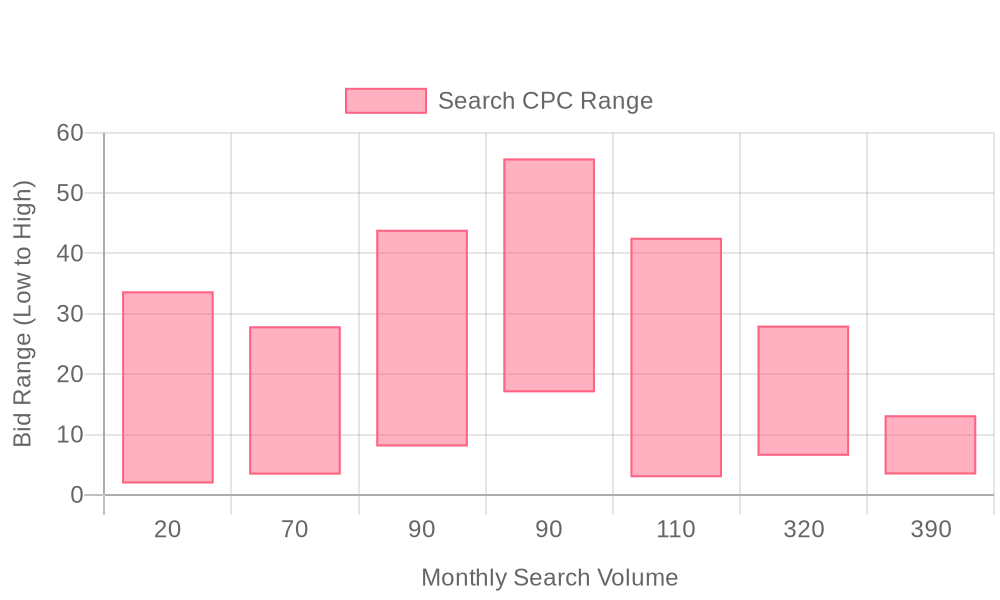
| Industry | Keyword | Monthly Search Volume | Competition Level | Low Bid | High Bid |
| Propane Gas Plumbing | propane gas plumbing | 20 | MEDIUM | 1.9 | 33.72 |
| Propane Gas Plumbing | propane gas line repair near me | 70 | MEDIUM | 3.37 | 27.93 |
| Propane Gas Plumbing | propane line repair near me | 90 | HIGH | 8.03 | 43.93 |
| Propane Gas Plumbing | propane gas plumber near me | 90 | MEDIUM | 17 | 55.74 |
| Propane Gas Plumbing | propane gas line installation near me | 110 | HIGH | 2.93 | 42.6 |
| Propane Gas Plumbing | propane plumbing | 320 | MEDIUM | 6.49 | 28.04 |
| Propane Gas Plumbing | propane gas installers near me | 390 | MEDIUM | 3.39 | 13.18 |
Effective keyword strategy is the backbone of high-performing Google Ads for propane gas plumbing. Prioritizing high-volume, high-intent keywords ensures ads appear in front of users actively searching for propane gas plumbing services in their area. Local modifiers such as city names, service areas, or neighborhood references further refine targeting, increasing the likelihood of reaching customers ready to take action. For a deeper dive into campaign setup and targeting, review this Google Ads guide for plumbers.
Negative keywords play a critical role in filtering out unqualified traffic, minimizing wasted ad spend, and improving lead quality. By excluding irrelevant queries, such as "DIY propane plumbing" or "propane gas parts for sale", campaigns focus budget only on prospects most likely to convert. Advanced data tools that surface live search queries and user intent allow revenue teams to adjust keyword lists on the fly, keeping campaigns aligned with the latest audience signals.
Sona's integration with Google Ads makes keyword strategy more dynamic and actionable. Real-time intent signals show which companies are in-market for propane gas plumbing, enabling marketers to shift spend toward high-converting accounts as they emerge. Audience lists update automatically as leads move through qualification stages, ensuring keyword targeting always aligns with the most relevant prospects. For B2B teams managing large geographies or diverse service offerings, this unified approach turns keyword data into a competitive advantage, boosting efficiency and ROI for every propane gas plumbing PPC campaign. Ready to take your campaigns further? Get started for free with Sona.
Step-by-Step Campaign Execution Framework

Modern B2B revenue teams need digital campaigns that deliver quantifiable results and maximize every dollar invested. Precision targeting and real-time feedback loops are central to outperforming competitors in the propane gas plumbing market. By building campaigns with unified, actionable data, such as intent signals, marketers can drive higher conversion rates and consistently identify high-value opportunities.
The following framework outlines a best-in-class approach for propane gas plumbing PPC, spanning Search campaigns (with Responsive Search Ads as the primary format), Performance Max, and Local Services Ads. Each stage leverages advanced data unification, intent-based targeting, and dynamic optimization to ensure continuous improvement and measurable ROI.
Step 1: Build Targeted Keyword Lists
- Service Type Clustering: Segment keywords by core propane gas plumbing services such as installations, repairs, inspections, and emergency response. This enables more granular control over messaging, budget allocation, and bid adjustments.
- Localization: Integrate geo-modifiers to align with target service areas, ensuring ads reach homeowners or commercial entities actively searching for local propane gas plumbing solutions. Combining first-party intent signals and enriched CRM data helps surface in-market accounts for each locale.
- Negative Keywords: Exclude irrelevant or low-intent search terms to reduce wasted spend and focus impressions on qualified prospects.
By connecting CRM and visitor data, marketers can identify exactly which companies are searching for propane gas plumbing services in each region. This unified approach enables the creation of dynamic audiences that update automatically, supporting PPC for propane gas services with higher intent precision.
The upgrade most propane gas plumbing advertisers miss is going beyond raw keyword volume to layer in intent and identity signals. By connecting website-visitor data and CRM records with Sona Marketing Measurement, you can see which specific search terms bring in the accounts and customers that actually convert, and weight your keyword and bidding strategy toward those rather than the terms with the highest search volume alone.
Step 2: Develop Compelling Ad Copy
- Pain Point Messaging: Reference common industry challenges such as leak detection, compliance requirements, or rapid emergency response. This immediately aligns ad copy with buyers' urgent needs, increasing relevance scores and click-through rates.
- Value Proposition: Highlight unique service advantages, such as certified technicians or 24/7 availability, for stronger differentiation in crowded local markets.
- Call-to-Action: Use direct, actionable phrasing to drive engagement, such as "Book a Safety Inspection" or "Schedule Emergency Service Now."
Integrating real-time behavioral data lets marketers adjust ad messaging based on where accounts sit in the buying process. As leads progress, ad copy can shift from awareness-oriented to decision-focused, using Responsive Search Ads to test multiple headlines and descriptions automatically as the campaign learns what converts.
Step 3: Design Effective Landing Pages
- 1:1 Keyword Mapping: Develop dedicated landing pages for each major keyword cluster, ensuring ad relevance and improved Quality Scores. This structure directly addresses specific needs, such as propane gas line repairs or safety upgrades, matching the intent behind each search.
- Frustration Reduction: Anticipate and resolve typical buyer frustrations, such as unclear pricing or response times, with transparent content and easy-to-complete forms.
- Conversion Triggers: Use testimonials, trust badges, and clear service guarantees to build confidence and drive form submissions or calls.
When audience and account data are unified, landing pages can be personalized at scale. Marketers can tailor content in real time based on the visitor's company, service history, or recent interactions, improving lead capture for both residential emergency requests and commercial installation inquiries.
Step 4: Implement Data-Driven Optimizations
- Smart Bidding: Activate automated bidding strategies that prioritize conversions based on historical performance and real-time intent signals. This ensures budgets are allocated to the highest-value clicks, not just the highest volume.
- Offline Conversion Imports: Sync closed-won deals and pipeline progress back into Google Ads, allowing for true ROI measurement and campaign refinement.
- Continuous Audience Refresh: Update retargeting and lookalike audiences as contacts move through the funnel, ensuring spend is focused on accounts most likely to convert.
- A/B Testing: Systematically test ad copy, landing page variants, and offer types to drive ongoing performance improvements.
By connecting ad, CRM, and website data, marketers can measure the full impact of every campaign. This enables sophisticated attribution for plumbing service PPC and ensures that every interaction, online and offline, contributes to smarter budget allocation and better business outcomes.
To experience how unified data and automation can amplify every stage of your Google Ads campaigns, get started for free with Sona.
Sona Marketing Measurement closes the gap between clicks and revenue. It captures ad clicks with first-party, company-level identification rather than individual tracking, ties that click through UTM capture and ad-platform APIs to the actual record in your CRM, and reports ROAS by keyword and campaign instead of by last-click form fill. Feeding that revenue signal back into Smart Bidding and Performance Max compounds over time: the algorithms optimize toward booked propane gas plumbing revenue, not cheap leads.
Beyond Google Ads: Winning the AI Answers Propane Gas Plumbing Buyers Now Trust
Paid search captures demand at the moment someone types a query. But a fast-growing share of propane gas plumbing buyers no longer start at Google at all, they ask ChatGPT, Gemini, or Perplexity before they ever run a search, and Google's own AI Overviews increasingly summarize an answer above the traditional results. If your business isn't referenced in those AI answers, you're invisible at the exact moment buyers build their shortlist.
Sona AI Visibility shows where your business shows up across ChatGPT, Gemini, Perplexity, Google AI Overviews, and 10+ engines, and, much like a keyword report, which prompts actually send you buyers, so you can prioritize the ones that convert. Run the two together and you cover the entire buyer path: get cited where buyers research (AI Visibility), then prove which of that demand turns into booked revenue (Marketing Measurement).
Helpful resources
Conclusion
Google Ads works for propane gas plumbing because it puts your business in front of someone the moment they need a licensed technician, not weeks earlier when they're still comparing brands. Getting there means treating keyword selection, ad targeting, and budget as one connected system rather than three separate tasks.
The next shift is already underway: propane gas plumbing buyers increasingly ask AI tools before they ever open Google, which makes AI visibility as important as ad placement. Pair that visibility with revenue-based measurement, so every dollar chases booked jobs instead of clicks, and start for free with Sona to put both in place.
FAQ
How can propane gas plumbing businesses improve their Google Ads performance?
Propane gas plumbing businesses can improve their Google Ads performance by using precise targeting, real-time optimization, integrating lead-tracking mechanisms, and continuously refining ad groups and messaging based on intent signals.
What are the most effective keywords for propane gas plumbing Google Ads?
Effective keywords for propane gas plumbing Google Ads include high-volume, high-intent terms such as 'emergency propane gas line repair' or 'commercial propane plumbing installation,' along with local modifiers like city names.
How much should a propane gas plumbing business budget for Google Ads?
The article does not specify an exact budget, but suggests focusing spend on capturing prospects with high intent and aligning ad spend towards verified decision-makers to optimize marketing ROI.
What are the best practices for running a Google Ads campaign in the propane gas plumbing industry?
Best practices include precise audience segmentation, using intent-based targeting, integrating CRM data for ad syncs, and employing real-time bidding strategies to prioritize high-value conversions.
How can a propane gas plumbing business track and measure the success of their Google Ads?
Success can be tracked by integrating Google Ads with CRM systems, using intent signals for audience updates, syncing offline conversion events, and measuring ROI through closed-loop analytics.
How do I set up a Google Ads campaign specifically for propane gas plumbing services?
Set up a campaign by building targeted keyword lists, developing compelling ad copy, designing effective landing pages, and implementing data-driven optimizations such as smart bidding and A/B testing.
What is the average cost per click for propane gas plumbing Google Ads?
The article does not provide an average cost per click but emphasizes focusing spend on high-intent prospects and verified decision-makers for better ROI.
How can I target local customers with Google Ads for my propane gas plumbing business?
Target local customers by using geo-modifiers in keyword targeting, running local service ads, and syncing offline conversion events to track geographic relevance.
What are some successful case studies of Google Ads campaigns in the propane gas plumbing industry?
The article does not provide specific case studies but suggests integrating CRM and ad data to enhance campaigns and improve engagement and conversion rates.
How can I optimize my Google Ads for better lead generation in propane gas plumbing?
Optimize Google Ads by using precise targeting, intent-based audience segmentation, integrating CRM data, and continuously updating audience lists for real-time retargeting.







