


Plastering contractors lose bids not for lack of skill but for lack of visibility at the moment a facilities director or homeowner starts searching for repair or restoration work. Google Ads fills that middle-funnel gap: it catches buyers already typing "ceiling crack repair" or "plaster restoration quote" into a search bar, at the exact point their intent is highest. The persistent problem is that many of those searchers visit a contractor's site, look around, and leave without filling out a form, invisible to the CRM even though they were genuinely in-market. Newer tools can match that anonymous traffic back to real companies and contacts so ad spend follows actual decision-makers rather than cold clicks. Paired with industry-specific keyword targeting and tracking that follows a lead from click to quote to signed contract, Google Ads becomes a channel you can hold accountable for pipeline, not just impressions.
How to Generate Plastering Contractor Leads with Google Ads: A Step-by-Step Guide

A well-executed Google Ads strategy gives plastering contractors immediate access to prospects who are actively searching for specialized services. Effective paid search campaigns enable teams to focus budget and messaging on high-intent buyers, translating digital attention into measurable pipeline growth. For an in-depth look at how plastering businesses can use paid ads to generate more leads, see this overview of Google Ads for plasterers.
This playbook provides a structured approach for integrating Google Ads into a robust plastering business advertising program. Revenue teams benefit from actionable tactics that unify company-level visitor insights, audience targeting, and campaign performance, delivering qualified leads while making every ad dollar accountable to ROI.
Identifying anonymous website visitors is a core challenge for contractors. Real-time company identification turns web traffic into actionable firmographic and contact data, letting marketers build granular audiences based on real in-market behavior. With these enriched insights, teams can prioritize Google Ads spend toward the organizations and buyers already showing purchase intent, sharpening the relevance of every campaign.
Modern plastering contractor PPC strategies demand more than basic keyword bids. By integrating dynamic audience segmentation, marketers can automatically update target lists as leads progress through the funnel. This ensures that ads are always shown to accounts most likely to convert, while excluding those already engaged or closed, maximizing budget efficiency and driving higher conversion rates.
Precise conversion tracking is essential for accurate Google Ads ROI for contractors. Advanced attribution measures both online and offline actions, capturing not just form fills but also phone calls, booked estimates, and the sales that follow. For a unified view of the customer journey, track buyer journeys to optimize spend and iterate campaign tactics faster.
Seamless CRM and Google Ads sync closes the loop between lead generation and sales enablement. By enriching CRM records with real-time ad engagement data, sales teams gain context on which prospects are most engaged, while marketing can retarget existing opportunities with personalized offers.
Why Does Google Ads Matter for Plastering Contractors?

Plastering contractors operate in a competitive, project-driven environment where missing even a single high-value opportunity can have a significant impact on revenue. Capturing decision-makers such as plant managers and facilities directors at the exact moment they are searching for specialized plastering solutions is crucial for driving consistent business growth, see how Google Ads for plasterers can generate more leads and clients.
Google Ads solves a core challenge for plastering businesses by ensuring every qualified lead, from commercial installations to urgent repairs, enters the pipeline and is attributed accurately. The platform’s closed-loop measurement capabilities allow contractors to track the entire journey from ad click to signed contract, unifying marketing analytics and eliminating gaps in lead tracking. Unlike traditional email marketing, which primarily nurtures existing relationships, Google Ads targets and acquires new prospects who are actively in-market for plastering services.
When advanced data platforms are integrated, marketers can move beyond anonymous web traffic and identify which companies and buying roles are interacting with their ads. This level of granularity supports precise budget allocation, focusing spend on accounts with the highest purchase intent. As leads progress through the funnel, dynamic audience updates ensure ongoing relevance, and enriched account data can be synced into both Google Ads and CRM systems. This unified workflow enhances targeting, accelerates response times, and maximizes the return on every advertising dollar spent by plastering contractors.
Common Types of Google Ads Campaigns for Plastering Contractor Services

- Search Campaigns: Search campaigns are essential for plastering contractors aiming to capture urgent, high-intent leads. These ads appear directly in search results when prospects look for services such as "plaster repair near me" or "emergency ceiling plaster." Segmenting accounts by firmographic data lets marketers align messaging to the needs of residential property managers, commercial facility directors, or restoration specialists. Sona identifies not only the keywords driving engagement but the companies and decision-makers behind those queries, so teams can shift budget toward the segments showing the strongest in-market intent. For an industry-specific overview, see how plastering businesses can use Google Ads to generate more leads.
- Display Campaigns: Display ads provide broad brand visibility across relevant industry sites, trade publications, and renovation blogs, building awareness among both homeowners and B2B buyers. For a plastering business, visuals of finished projects or before-and-after transformations attract attention and drive top-of-funnel interest. With real-time audience capabilities, Sona updates targeting lists as new leads enter the funnel or as existing contacts show renewed interest, ensuring that display ads are seen by prospects most likely to convert.
- Video Campaigns: Video campaigns allow plastering contractors to demonstrate expertise and trustworthiness through project walkthroughs, client testimonials, and educational snippets about different plastering techniques. These campaigns are powerful for differentiation, showcasing craftsmanship in ways static images cannot. By connecting intent signal data, marketers can prioritize video placements for accounts identified as being in the decision or research phase, maximizing engagement with highly relevant audiences.
- Remarketing Campaigns: Remarketing re-engages site visitors who previously explored service pages but did not convert. For plastering contractors, this means staying top-of-mind with property owners comparing quotes or researching repair options. Sona’s advanced visitor identification tracks both anonymous and known visitors, automatically syncing high-value leads into remarketing audiences and updating segments as prospects move closer to booking a service. This ensures your ads follow the right prospects at every stage, increasing conversion rates and reducing wasted spend.
- Ad Assets: Ad assets (formerly called extensions) add essential trust signals to your search and display ads, such as call buttons, sitelinks to service areas, review ratings, and contractor certifications. These elements validate your expertise and make it easier for prospects to take direct action. With enriched company and contact profiles, Sona streamlines the process of surfacing the most compelling assets based on the visitor's segment or buying stage, increasing the odds of driving a qualified lead from every impression. To see how these capabilities work in practice, get started for free with Sona.
Where to Find Growth Opportunities

Growth in the plastering contracting space is frequently limited by outdated outreach and a narrow view of potential leads. By actively broadening channel strategies and optimizing data flows, contractors can capture demand that competitors overlook and scale more efficiently.
- Vertical keyword targeting: Expanding beyond basic search terms such as “plaster repair” or “ceiling crack fix” enables contractors to reach decision-makers researching related renovation, restoration, or commercial build-out projects. By analyzing intent signals and trending queries, revenue teams can dynamically shift budgets to high-conversion verticals and ensure messaging aligns with the most urgent market needs, leveraging real-time data rather than assumptions.
- Competitor gap analysis: Proactively mapping competitor keyword portfolios and ad placements reveals untapped audiences. Identifying areas where rivals are either underinvested or absent allows B2B teams to claim these high-value segments. Integrating visitor identification and intent data enables marketers to recognize in-market companies that previously went unnoticed, supporting more targeted outreach and better budget allocation. To see how contractors can generate more leads through Google Ads, explore this overview of Google Ads for plasterers.
- Industry forum and publication placements: Running ads or sponsored content on construction and property management forums introduces your plastering brand to niche audiences who may not respond to mainstream search. These placements, when tracked with advanced attribution, provide insight into which content and channels drive the most qualified inquiries, informing smarter Google Ads budget for contractors.
- Content retargeting with educational assets: Distributing whitepapers, case study videos, or technical guides through retargeting campaigns keeps your brand top-of-mind for those evaluating options. As prospects consume these assets and move through the funnel, dynamic audience syncing ensures your messaging, offers, and nurture sequences adjust in real time. This approach increases engagement and accelerates the transition from research to inquiry, maximizing the ROI of every touchpoint and supporting sustained plastering business advertising growth.
How to Apply Audience Segmentation for Plastering Contractors

Plastering contractors lose revenue when leads sit idle, often due to generic marketing or delayed follow-up. Audience segmentation ensures that every inquiry is routed to the right sales flow, enabling contractors to prioritize hot prospects and match offers to customer needs in real time.
To maximize lead conversion, start by defining segments that mirror your core service lines. Residential and commercial clients often require distinct messaging, bidding strategies, and follow-up experiences, segmenting by property type enables tailored ad groups and landing pages. Overlaying intent signals, such as urgent repair search terms or repeat visits to pricing pages, helps identify which prospects are closest to booking. For an overview of how plastering businesses can leverage Google Ads for more leads, see this Google Ads guide for plasterers.
Modern contractors benefit from integrating audience segments with their CRM and campaign management platforms. With seamless audience syncing, for example, enriched lead profiles can flow directly from your website or ad platform into tools like HubSpot or Salesforce. This automation ensures that new inquiries trigger targeted workflows: emergency repair leads receive instant callbacks, while larger commercial project inquiries are routed to senior estimators. Dynamic audience lists automatically update as contacts move through the buying cycle, so remarketing and nurture sequences always reflect the latest engagement level.
Advanced segmentation also extends to attribution and measurement. By tracking both online and offline conversions, such as tracked calls, form fills, and in-person consultations, contractors gain a complete view of ROI for each segment. This granular attribution enables smarter budget allocation, shifting spend toward the segments and channels that deliver the highest value. The result: faster response times, higher close rates, and a measurable lift in Google Ads ROI for contractors scaling their plastering business advertising.
This is also where measurement changes the economics. With Sona Marketing Measurement you can identify the companies and buyers behind your ad clicks using first-party data, not just anonymous sessions, and segment audiences by who actually becomes a customer. That lets you build bid adjustments and audience signals around the segments that convert and de-prioritize the ones that don't, so you feed Google's algorithms "this click became a paying plastering contractors customer" instead of just "someone filled out a form."
Keyword Strategy & Sample Target Terms
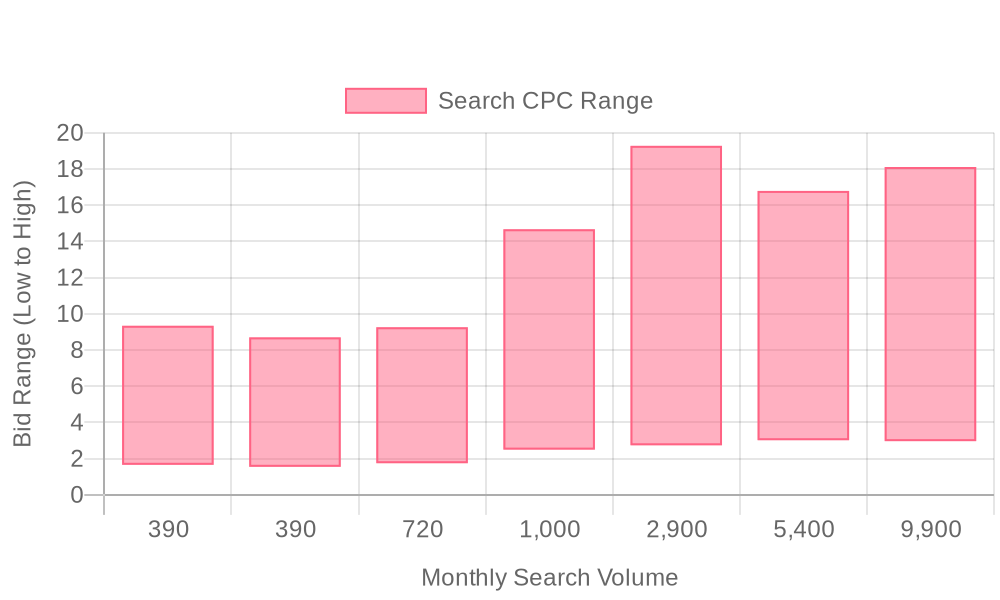
| Industry | Keyword | Monthly Search Volume | Competition Level | Low Bid | High Bid |
| Plastering Contractors | plastering contractors near me | 390 | LOW | 1.66 | 9.34 |
| Plastering Contractors | drywall hangers near me | 390 | LOW | 1.55 | 8.7 |
| Plastering Contractors | plastering contractors | 720 | LOW | 1.75 | 9.26 |
| Plastering Contractors | plastering companies near me | 1000 | LOW | 2.5 | 14.67 |
| Plastering Contractors | stucco company | 2900 | MEDIUM | 2.74 | 19.28 |
| Plastering Contractors | stucco contractors | 5400 | LOW | 3.02 | 16.79 |
| Plastering Contractors | stucco contractor near me | 9900 | MEDIUM | 2.97 | 18.11 |
An effective keyword strategy for Google Ads in the plastering contractor space starts with a deep understanding of how intent and service specificity impact lead quality. Plastering businesses that capture high-intent, service-aligned searches consistently see stronger Google Ads ROI for contractors, especially when campaigns are designed to intercept urgent, location-sensitive inquiries.
Precision in keyword selection means going beyond generic phrases like “plastering services” and instead focusing on modifiers that signal commercial intent and location. Examples of high-value terms include “emergency plaster repair experts,” “ceiling crack repair near me,” and “water damaged plaster fix [city].” By layering these with geo-specific and buyer-intent cues, contractors can better match searchers who are ready to hire immediately, minimizing wasted spend on research-driven or irrelevant clicks. For further strategies on aligning keywords with specific buying stages, explore our account-based marketing guide.
For advanced teams, leveraging real-time audience data enables targeting segments actively demonstrating buying signals. When platforms can identify which companies or individuals are repeatedly searching for “commercial plastering contractor quotes” or “insurance repair plastering,” marketing teams can adjust budget allocation dynamically to prioritize those in-market accounts. The ability to combine this data with CRM and offline lead sources means keyword audiences can be refined on the fly: as leads move through the funnel, campaigns automatically shift to nurture, retarget, or suppress based on their true buying stage.
Incorporating negative keywords such as “DIY plaster repair,” “plaster supplies,” or “training courses” is equally critical to eliminate non-converting traffic. Regular search term audits keep budgets focused on keywords proven to convert, while A/B testing with audience overlays and device-level targeting further improves cost efficiency. When audience segments and keyword lists are synced directly with enriched CRM data, every Google Ads campaign for contractors aligns messaging and bids to the most valuable prospects, dramatically increasing conversion rates and reducing CPA for the entire funnel.
Step-by-Step Campaign Execution Framework
Step 1: Build Targeted Keyword Lists
Precision in keyword selection is essential for plastering contractor campaigns. Start by identifying long-tail queries that align with specific service offerings, such as "emergency plaster repair in [city]" or "heritage plaster restoration experts." Incorporate local terms to ensure ads reach homeowners or facilities managers searching within relevant geographies. Negative keyword filters remove irrelevant traffic from searches like "DIY plaster kits," preventing wasted spend and improving lead quality. With unified go-to-market data, marketers can pinpoint which visitors and companies actually convert, updating keyword lists as search trends and intent shift.
The upgrade most plastering contractors advertisers miss is going beyond raw keyword volume to layer in intent and identity signals. By connecting website-visitor data and CRM records with Sona Marketing Measurement, you can see which specific search terms bring in the accounts and customers that actually convert, and weight your keyword and bidding strategy toward those rather than the terms with the highest search volume alone.
Step 2: Develop Ad Copy
Effective ad copy for plastering services must speak directly to the pain points of missing high-value prospects or suffering from subpar workmanship. Highlighting trust markers, such as decades of experience, certified specialists, or fast response times, builds confidence and helps ads stand out against generic competitors. By leveraging real-time audience insights into in-market behavior, marketers can tailor messaging to reflect urgent needs or capitalize on seasonal demand, ensuring every impression counts. For a practical overview of how plastering businesses can use Google Ads to generate more leads and clients, see this Google Ads guide for plasterers.
Step 3: Design Effective Landing Pages
A seamless user experience on landing pages drives higher conversion rates for plastering contractors. Align keyword themes from the campaign with page content, ensuring users immediately see the value promised in the ad, be it free assessments or guaranteed repairs. Remove distractions and streamline the path to conversion with clear calls to action and trust signals, such as testimonials or insurance details. Unified analytics platforms allow for enriched visitor identification, enabling tailored follow-up and ensuring leads remain engaged after their initial interest, reducing lead decay and maximizing every click. If you’re ready to transform your campaign performance, get started for free with Sona.
Step 4: Implement Data-Driven Optimizations
Optimizing campaigns for plastering businesses means monitoring conversion metrics, running A/B tests to refine ad creative, and integrating both online and offline conversion data. This holistic measurement approach captures leads from web forms, phone calls, and even in-person consultations, providing a full picture of ROI. By syncing CRM data and enriched audience segments into Google Ads, marketers can update retargeting lists in real time as leads move through the funnel. For a detailed roundup of Google Ads best practices to increase conversions and lower costs, check out these Google Ads best practices. This ensures budget is allocated to high-converting accounts and messaging is always relevant, supporting sustainable growth and superior Google Ads ROI for contractors.
Sona Marketing Measurement closes the gap between clicks and revenue. It captures every ad click with first-party tracking, ties that click through UTM capture and ad-platform APIs to the actual record in your CRM, and reports ROAS by keyword and campaign instead of by last-click form fill. Feeding that revenue signal back into Smart Bidding and Performance Max compounds over time: the algorithms optimize toward booked plastering contractors revenue, not cheap leads.
Tips on Expanding Your Plastering Contractor Presence
Plastering contractors looking to expand their market presence benefit from a multi-layered approach that goes beyond traditional lead generation. Success relies on unifying campaign data, segmenting real-time audiences for personalized engagement, and using intent signals to prioritize high-value prospects.
Cross-promoting educational content within retargeting campaigns helps capture and nurture leads who have shown early interest but have not converted. By leveraging visitor identification, marketers can pinpoint which companies or individuals are revisiting the site, allowing them to serve targeted educational resources such as “Understanding Plaster Repair Options” or “What to Expect in a Plaster Restoration Project.” For a practical overview of how plastering businesses can use Google Ads to generate more leads, explore this guide to Google Ads for plasterers.
Upselling related plastering services through segmented audiences increases engagement and conversion rates. Contractors can use behavioral insights and CRM data to create dynamic audience lists based on previous interactions or service categories viewed, such as “ornamental plaster,” “ceiling repairs,” or “venetian plaster.” As leads move from research to decision-making, automated audience updates ensure that new offers and upsell messages are delivered at the right moment, maximizing relevance and cross-sell opportunities. For more actionable playbooks on boosting demand generation, browse our marketing and sales playbooks.
Localizing campaigns is essential for plastering contractors aiming to dominate specific regions. By analyzing search query data and integrating signals from both online and offline sources, marketers can refine geographic targeting and adjust budget allocation to focus on high-converting service areas. Real-time intent data allows contractors to identify which neighborhoods or business districts are showing increased demand for plastering services, making it possible to shift spend and creative assets to those hot spots. This strategic approach prevents wasted budget and ensures your ads reach the prospects most likely to convert.
Regularly mining search query reports and web analytics helps identify new content topics that address evolving segment needs. For example, if data reveals a spike in searches for "historic plaster restoration" or "emergency water damage repair," developing fresh educational content and ads around these themes can capture untapped demand. Feeding these insights into both campaign strategy and content production keeps a plastering business's online marketing agile, relevant, and positioned for sustained growth.
Beyond Google Ads: Winning the AI Answers Plastering Contractors Buyers Now Trust
Paid search captures demand at the moment someone types a query. But a fast-growing share of plastering contractors buyers no longer start at Google at all, they ask ChatGPT, Gemini, or Perplexity before they ever run a search, and Google's own AI Overviews increasingly summarize an answer above the traditional results. If your business isn't referenced in those AI answers, you're invisible at the exact moment buyers build their shortlist.
Sona AI Visibility shows where your business shows up across ChatGPT, Gemini, Perplexity, Google AI Overviews, and 10+ engines, and, much like a keyword report, which prompts actually send you buyers, so you can prioritize the ones that convert. Run the two together and you cover the entire buyer path: get cited where buyers research (AI Visibility), then prove which of that demand turns into booked revenue (Marketing Measurement).
Helpful resources
Conclusion
The contractors pulling ahead right now aren't just running more ads, they're closing the loop between the click and the signed job, and using that data to stop paying for traffic that never converts. As AI tools increasingly shape where buyers start their search, the plastering businesses that show up in those answers, and can prove which ones led to booked work, will set the pace for the trade over the next several years.
FAQ
What are the best practices for Google Ads for plastering contractors?
Best practices include targeting high-intent keywords, using dynamic audience segmentation, and integrating advanced conversion tracking to measure ROI effectively.
How can I create effective Google Ads for my plastering business?
Create effective Google Ads by aligning keyword themes with ad copy and landing pages, leveraging audience insights for targeting, and incorporating trust signals like certifications and testimonials.
What budget should I set for Google Ads as a plastering contractor?
The budget should focus on high-intent buyers and be dynamically adjusted based on real-time audience data and conversion rates to maximize ROI.
Are there specific keywords I should target for plastering services?
Target specific keywords like 'emergency plaster repair experts' and 'ceiling crack repair near me' to capture high-intent, location-sensitive inquiries.
How do I measure the success of my Google Ads campaigns for plastering?
Measure success by tracking both online and offline conversions, integrating CRM data, and using advanced attribution to gain a complete view of ROI.







