


Building contractors lose winnable projects in the gap between a click and a callback. A general contractor searching for a commercial build-out partner, or a homeowner who needs a roof fixed before the next storm, rarely leaves a phone number on the first visit, and by the time a form finally comes in, a competitor has often already returned the call. Google Ads closes that gap by putting your business in front of decision-makers at the exact moment they're searching, whether that's a facilities manager sourcing bids after a trade show or a homeowner typing an urgent repair query at 11 p.m. Paired with ROI tracking from click to signed contract and messaging that stays consistent across channels, it turns scattered digital traffic into a pipeline you can actually forecast. Here's how building contractors can put Google Ads to work for lead generation.
How to Generate Google Ads for Building Contractors Leads with Google Ads: A Step-by-Step Guide
Building contractors who prioritize digital marketing gain a measurable edge in lead generation, pipeline velocity, and revenue predictability. Leveraging Google Ads for Building Contractors creates a scalable acquisition engine, delivering qualified prospects directly when they are searching for construction services.
A high-performing contractor advertising strategy requires more than just launching ads. It demands precise keyword selection, tailored landing experiences, and continuous optimization guided by actionable data. When digital efforts align with broader marketing and sales objectives, revenue teams can focus budgets on high-converting segments while accelerating deal flow.
- Data-Driven Approach: Integrate paid search strategies aligned with broader marketing goals to ensure high-value prospects converting. Modern digital marketing for contractors thrives on data unification, connecting web traffic signals, CRM data, and campaign analytics. When enriched audiences and lead scores sync seamlessly into Google Ads and other channels, teams can prioritize real-time intent and adapt spend dynamically for maximum ROI.
- Keyword and Audience Targeting: Avoid missing prospects by using precise phrases related to contracting services to reach your ideal buyers. Success with Google Ads tips for builders depends on identifying high-intent keywords, then mapping them to dynamic audience segments that update as prospects move through research and decision phases. By pinpointing visitors and their companies, marketing teams can retarget in-market accounts, ensuring no qualified lead slips through.
- Landing Page and Creative Alignment: Coherence from ads to landing pages mitigates the impact of delayed follow-ups by ensuring that hot leads are nurtured immediately. Message match from ad to landing experience is crucial for conversion: dedicated contractor PPC landing pages, compelling project portfolios, and trust signals drive immediate action. Advanced systems identify company visits in real time, triggering personalized follow-up and increasing close rates.
- Performance Optimization: Continuously refine based on analyzing company interactions for timely ad delivery, maximizing ROI. B2B revenue teams benefit from advanced conversion tracking that connects online actions with offline events, revealing which keywords and creatives lead to closed projects. This end-to-end attribution empowers marketers to double down on high-value campaigns and cut wasted spend.
- Cross-Channel Integration: Strengthen marketing efforts by incorporating Google Ads insights across platforms for cohesive communication. Construction marketing performance improves when engagement data flows freely between platforms, enabling synchronized messaging and nurture sequences. Unifying Google Ads with CRM and sales systems ensures that every touchpoint is informed by the latest account activity, moving prospects swiftly from click to contract.
Ready to build a predictable contractor pipeline? Get started for free with Sona.
Why Google Ads Matters for Building Contractors

Building contractors face a unique challenge: reaching specialized decision-makers when traditional networking and broad digital marketing channels fall short. Google Ads bridges this gap by targeting high-intent buyers and procurement professionals precisely at the moment they are researching solutions, enabling contractors to connect with lucrative opportunities that otherwise remain undiscovered.
The platform empowers construction businesses to bypass geographic and referral limits, securing high-value projects outside their immediate circles. By surfacing in urgent searches for services like emergency repairs or commercial build-outs, contractors capitalize on immediate demand, ensuring valuable leads are not lost due to slow response or limited reach. For additional guidance on refining digital efforts, explore our actionable marketing playbooks.
For firms looking to grow in emerging or underserved markets, Google Ads offers pinpoint targeting that breaks through regional barriers. By combining campaign data with advanced analytics, contractors gain a holistic view of what drives real results, helping them justify marketing investments and prioritize follow-up on leads that show the strongest purchase signals. When Sona's Identity Resolution is integrated, marketers can identify not just anonymous clicks but the companies behind them, along with the individual visitors who can be matched to a known contact, further refining outreach and nurturing high-value prospects throughout the sales funnel. This data-driven approach transforms marketing from guesswork into a strategic growth engine for contractors aiming to dominate their niche. If you're ready to see these capabilities in action, get started for free with Sona.
Common Types of Google Ads Campaigns for Building Contractors

- Search Campaigns: Search campaigns are the foundation for contractor lead generation, targeting high-intent keywords that match urgent needs such as "emergency roof repair," "commercial build-out contractor," or "kitchen renovation near me." Because so many construction searches are seasonal or storm-driven, and because commercial buyers often research licensing and bonding before requesting a bid, these campaigns put a contractor in front of prospects at the exact moment they start looking for a solution rather than months earlier. Leveraging Sona's Intent Signals, revenue teams can shift budget toward search terms and accounts showing strong buying signals, spending less on browsers and more on the accounts ready to request a quote.
- Display Ads: Display campaigns reinforce brand awareness by visually representing a contractor’s unique value across industry blogs, real estate platforms, and related content hubs. For building contractors, this approach keeps your brand top-of-mind throughout the research and planning phases, especially for prospects who may not be ready to submit a request but are mapping out future projects. With visitor intelligence, display targeting can be refined to prioritize companies and individuals demonstrating pre-purchase behaviors, ensuring that impressions are never wasted on disengaged or irrelevant audiences.
- Video Ads: Video campaigns offer a dynamic way to explain complicated construction processes, showcase past projects, or highlight specialized services through compelling visual storytelling. Contractors can use short project walkthroughs, client testimonials, or educational content to engage both residential and commercial segments. By analyzing viewer engagement and intent signals, marketers can optimize video placements and creative assets in real time, focusing resources on audiences most likely to convert.
- Remarketing: Remarketing strategies are essential in contractor advertising, as they enable ongoing engagement with website visitors who previously showed interest but did not convert. This approach multiplies touchpoints and nurtures leads through longer sales cycles, which are common in construction and renovation projects. By dynamically updating remarketing lists as prospects interact with your brand, revenue teams ensure that messaging always aligns with a lead’s stage in the decision process, resulting in higher conversion rates and lower acquisition costs. Learn more in this guide to Google Ads for contractors.
- Assets: Ad assets (formerly called extensions) increase the effectiveness of every campaign by adding credibility, convenience, and urgency to your message. Call assets, location details, service highlights, and review snippets help contractors build trust and streamline the path from ad click to conversion. For teams aiming to prove advertising ROI, advanced conversion tracking measures both online and offline actions, directly attributing client calls, form fills, and even in-person consultations to specific campaigns, giving business leaders clear insight into what drives measurable business success.
Where to Find Growth Opportunities with Google Ads

Building contractors unlock new pipelines for growth by strategically leveraging Google Ads’ advanced segmentation and targeting tools. Digital channels now allow for pinpoint engagement with buyers as they search for highly specific construction services, making it possible to capture demand before competitors even notice emerging trends. For a deeper dive on how contractors are using Google Ads to generate more leads, explore this comprehensive guide for contractors or browse our marketing analytics blog for additional growth strategies.
- Vertical Keyword Focus: Identifying niche keywords tied to specialized construction services enables contractors to tap into markets with little competition. For example, focusing on terms such as “modular office build-outs” or “ADA-compliant renovations” uncovers project opportunities that generic campaigns miss. As contractors monitor shifts in search intent and seasonality, they can quickly adjust their keyword mix to align with new areas of demand. Modern platforms streamline this process by correlating live search trends with intent signals, so revenue teams can swiftly reallocate budget to in-demand services.
- Competitor Analysis: By using competitive intelligence tools, contractors can map gaps in their rivals’ strategies, discovering keywords and audiences left underserved. This approach not only captures new leads but also improves efficiency by reducing wasted spend on saturated segments. Marketers who integrate enriched data from web traffic and lead databases can pinpoint which companies are actively researching construction solutions, enabling highly targeted outreach. Automatic syncing of audience data ensures campaign focus always reflects the most engaged, high-value prospects with tools like Sona Destinations.
- Industry-Specific Placements: Securing ad visibility on business directories, trade journals, and industry portals is crucial when organic reach is limited. Google Ads facilitates these placements, helping contractors extend their digital footprint into trusted environments where decision-makers seek solutions. Tying campaign targeting to real visitor identity data allows for more precise placement, so ads reach verified buyers as they browse industry resources.
- Content Retargeting: Contractors can reinforce their brand and expertise by retargeting website visitors with informative guides, project case studies, or cost calculators. This approach nurtures prospects over longer sales cycles, ensuring repeated exposure to key selling points. Dynamic audience updates allow marketers to automatically tailor follow-up messaging as leads advance through research and evaluation, maintaining relevance at every touchpoint. Connecting retargeting audiences with CRM data further aligns ad content with pipeline status, driving higher engagement and conversion rates.
By focusing on intent, competitive gaps, and smart content delivery, Google Ads for Building Contractors helps firms capture demand, drive qualified leads, and optimize marketing investments for measurable, scalable growth. To experience these advantages firsthand, get started for free with Sona and unlock new growth opportunities today.
Applying Audience Segmentation for Building Contractors

Applying sophisticated audience segmentation enables building contractors to maximize the impact of Google Ads investments. By moving beyond broad targeting, contractors can identify and prioritize high-value segments based on project type, urgency, and readiness to engage. This approach ensures budget is focused on prospects most likely to convert, significantly improving both lead quality and pipeline efficiency.
- Define Target Segments: Start by segmenting potential clients based on specific project types such as residential remodels, commercial build-outs, or specialty installations. Each group has distinct needs and timelines, so mapping these segments allows contractors to customize messaging and offers, addressing unique pain points for every client profile. Leveraging Sona's Identity Resolution, teams can track historical engagement, project value, and service preferences, ensuring the most promising segments are always targeted with relevant campaigns. With enriched company and contact data, marketers can pinpoint not just anonymous website traffic but real decision-makers and firms actively evaluating construction services.
- Overlay Intent Signals: Contractors benefit when audience segmentation goes beyond surface demographics and incorporates real-time intent. Integrating behavioral signals, such as recent searches for “emergency roof repair” or downloads of bid request forms, empowers teams to spot in-market prospects with immediate needs. Dynamic intent overlays let marketers shift ad spend toward audiences showing signs of active planning, increasing conversion rates while minimizing wasted impressions. By syncing these insights directly into campaign platforms, contractors can react instantly to surges in demand, ensuring timely, high-impact outreach. For further insights on leveraging Google Ads to generate more leads as a contractor, review this guide for contractors.
- Create Specific Ad Groups: Structuring ad groups around well-defined audience segments prevents message dilution and maximizes relevance. For example, dedicated groups for healthcare facility renovations, multifamily projects, or green building upgrades allow for tailored creative, keywords, and calls-to-action that resonate with each segment’s priorities. As audience data evolves, real-time updates keep these groups aligned with where prospects are in their buying journey, making it possible to deliver personalized offers or project case studies at exactly the right moment. This level of customization reduces missed opportunities and aligns every campaign with the client’s current decision context.
- Ensure Conversion Path Validation: Effective segmentation is only valuable if it results in conversions. Seamless integration between ad platforms and CRM systems is essential, ensuring that every qualified lead is immediately recognized, tracked, and nurtured. When a prospect requests a quote or schedules a site visit, their journey is automatically mapped and enriched within the CRM, enabling sales teams to follow up while interest is still high. This closed-loop approach also supports advanced attribution, capturing both online and offline interactions so that marketers can measure the true ROI of each segment and continuously optimize for the highest-performing audiences. As leads progress or change status, audience lists update dynamically, keeping campaigns laser-focused on those most likely to close.
Ready to unlock more qualified leads from your Google Ads campaigns? Get started for free with Sona.
This is also where measurement changes the economics. With Sona Marketing Measurement you can identify the companies behind your ad clicks, not just anonymous sessions, and segment audiences by which accounts actually become customers. That lets you build bid adjustments and audience signals around the segments that convert and de-prioritize the ones that don't, so you feed Google's algorithms "this click became a paying building contractors customer" instead of just "someone filled out a form."
Keyword Strategy & Sample Target Terms
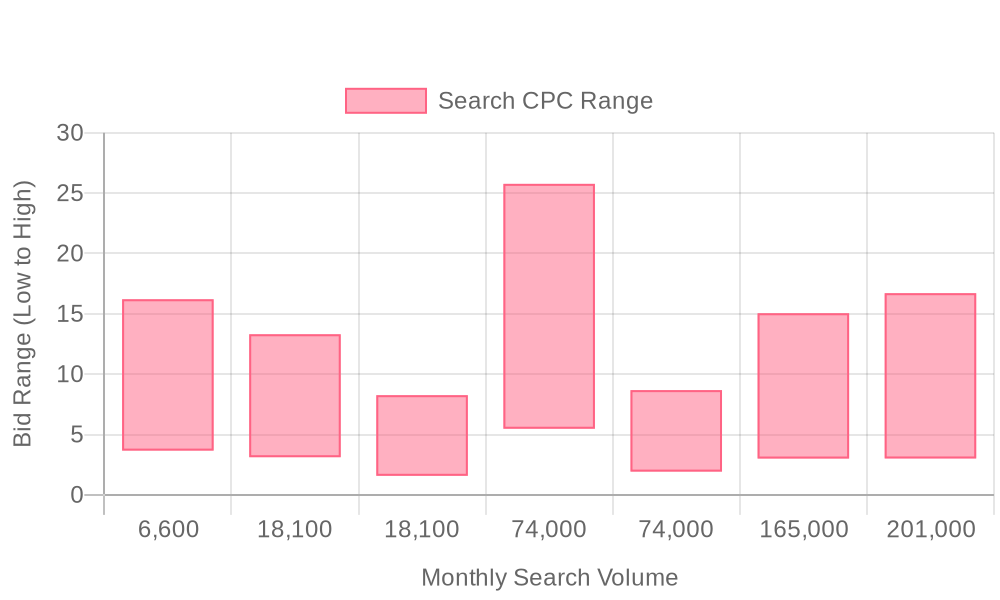
| Industry | Keyword | Monthly Search Volume | Competition Level | Low Bid | High Bid |
| Building Contractors | building contractors | 6600 | LOW | 3.67 | 16.21 |
| Building Contractors | builders near me | 18100 | MEDIUM | 3.12 | 13.31 |
| Building Contractors | garage builders near me | 18100 | MEDIUM | 1.58 | 8.26 |
| Building Contractors | deck builders near me | 74000 | LOW | 5.48 | 25.77 |
| Building Contractors | home builders near me | 74000 | MEDIUM | 1.93 | 8.68 |
| Building Contractors | construction companies near me | 165000 | MEDIUM | 3.01 | 15.05 |
| Building Contractors | fence builders near me | 201000 | MEDIUM | 3.02 | 16.71 |
Developing a data-driven keyword strategy is fundamental to maximizing results in Google Ads for building contractors. Success begins with understanding the intent behind each search and shaping your keyword lists to match how real prospects inquire about construction services. By differentiating between exact queries and research-based terms, advertisers ensure their campaigns prioritize buyers with immediate needs over window shoppers. For practical keyword targeting and campaign setup tips, explore this comprehensive guide for contractors on Google Ads. You can also visit our blog for insights on optimizing paid search strategies for B2B growth.
Local modifiers are essential for turning broad visibility into actionable local demand. Incorporating city names, neighborhoods, or even zip codes into keywords enables building contractors to capture high-intent searches within their operating areas. For example, targeting "commercial contractor in [city]" or "home addition builder near [suburb]" means appearing precisely when prospects are searching for services you can deliver. This geo-focused approach not only increases conversion rates but also sharpens reporting, revealing which regions are most responsive to your offers.
Long-tail keywords anchor your campaigns in the reality of client needs. Phrases like "emergency roof repair after storm," "ADA-compliant office renovation," or "custom deck builder with design services" attract users who are ready to act and have specific requirements contractors can address. These keywords deliver higher conversion rates and often face less competition, making them cost-efficient for lead generation.
Negative keywords serve as your budget’s safeguard. By regularly updating your exclusion lists to filter out irrelevant queries such as "DIY," "free estimates," or "apartment repair," you prevent wasted clicks and ensure every ad dollar targets qualified prospects. For more keyword optimization tactics, check out our playbooks for actionable guides on maximizing PPC efficiency.
Modern B2B teams benefit from platforms that unify keyword performance data with Sona's Identity Resolution. By moving beyond anonymous clicks to pinpoint actual companies and decision-makers engaging with high-intent terms, marketers can prioritize follow-up and personalize outreach. This unified approach also feeds dynamic audience creation, syncing enriched segments directly into Google Ads and connected CRMs.
Step-by-Step Campaign Execution Framework for Building Contractors
Step 1: Build Targeted Keyword Lists
Effective contractor advertising strategies begin with precise keyword targeting. Professional builders and construction firms benefit from aligning keyword lists by service line and geographic reach, ensuring ads reach prospects actively searching for offerings in their specific market. Instead of generic, broad-match terms, high-performing Google Ads for Building Contractors campaigns focus on granular phrases such as "commercial roofing contractor in Dallas" or "custom home builder Boston." These targeted lists reduce wasted spend and capture users with immediate intent, providing a foundation for measurable contractor lead generation.
For construction marketing teams working across multiple regions or specialties, segmenting keywords by both vertical and location streamlines budget allocation and improves ad relevance. When leveraging platforms that unify go-to-market data, marketers can move beyond anonymous website traffic and identify which companies are visiting your website, enabling real-time adjustments to bidding strategies. This integration allows digital marketing for contractors to prioritize spend on in-market accounts, unlocking higher conversion rates and more predictable pipeline growth.
The upgrade most building contractors advertisers miss is going beyond raw keyword volume to layer in intent and identity signals. By connecting website-visitor data and CRM records with Sona Marketing Measurement, you can see which specific search terms bring in the accounts and customers that actually convert, and weight your keyword and bidding strategy toward those rather than the terms with the highest search volume alone.
Step 2: Develop Compelling Ad Copy
Success in PPC for construction hinges on ad copy that directly addresses the unique pain points of building industry decision-makers. High-converting Google Ads for contractors feature headlines and descriptions that highlight differentiators, such as fast project turnaround, safety certifications, or warranty guarantees, and reinforce them with trust signals like testimonials or industry awards. For builders targeting commercial clients, messaging should be tailored to address specific concerns such as minimizing operational downtime or meeting regulatory compliance. For a deeper dive into advanced campaign tactics, explore this blog post sharing effective Google Ads tactics for construction companies.
Dynamic audience segmentation enables marketers to adapt ad creative based on the visitor’s position in the buying cycle, ensuring prospects see messaging that resonates with their current needs. When platforms auto-sync real-time audiences with ad platforms, ad copy can reflect recent engagements or project inquiries, making outreach more personalized and timely. This approach not only drives better click-through rates but also fosters stronger brand authority in competitive markets.
Step 3: Design Effective Landing Pages
The most successful Google Ads campaign setup for construction companies pairs targeted ads with landing pages that maintain message continuity and reduce friction. Every click from a Google Ads for Building Contractors campaign should land on a page specifically designed for that service or offer, featuring clear headlines, concise benefit statements, and calls-to-action that align with the original ad promise. Mobile responsiveness, fast load times, and visible trust elements, such as client logos or project galleries, help reassure visitors and facilitate conversions. See how effective landing pages can maximize your ad spend.
Integrating enriched audience data with landing page experiences allows marketers to dynamically adjust content based on visitor intent. For example, returning commercial leads might see case studies tailored to their industry, while first-time residential prospects receive introductory offers. These personalized experiences, powered by unified go-to-market insights, directly increase both form completion rates and sales-qualified leads, making every advertising dollar more accountable.
Step 4: Implement Data-Driven Optimizations
Continuous optimization is essential for maximizing ROI from Google Ads for Building Contractors. By actively monitoring analytics and conversion tracking, marketers can identify which keywords, ads, and landing pages deliver the highest quality leads. Real-time performance data enables rapid testing of new headlines, adjusting bid strategies based on in-market behavior, and reallocating budget to high-converting geographies or services. This approach ensures resources are constantly focused where they have the greatest business impact. For a holistic approach to campaign structure and optimization, consult this comprehensive guide for contractors on Google Ads.
Advanced conversion tracking and CRM integration provide a holistic view of both online and offline performance, allowing revenue teams to attribute closed deals to specific campaigns, keywords, or audience segments. As a result, construction industry PPC programs can move beyond proxy metrics like clicks or impressions and measure true revenue contribution. Automated audience sync between CRM and ad platforms ensures that as leads progress through the funnel, remarketing and nurture sequences remain timely and relevant, supporting higher close rates and more efficient growth.
Ready to take your contractor marketing to the next level? Get started for free with Sona.
Sona Marketing Measurement closes the gap between clicks and revenue. It captures every ad click with first-party measurement rather than third-party cookies, then ties that click through UTM capture and ad-platform APIs to the actual record in your CRM, and reports ROAS by keyword and campaign instead of by last-click form fill. Feeding that revenue signal back into Smart Bidding and Performance Max compounds over time: the algorithms optimize toward booked building contractors revenue, not cheap leads.
Tips on Expanding Your Google Ads Presence as a Building Contractor
Building contractors can achieve measurable growth by leveraging advanced digital strategies that go beyond basic pay-per-click. Applying a disciplined approach to campaign expansion, retargeting, and audience engagement opens new pipelines for qualified leads and sustainable project volume. For a comprehensive guide on maximizing ROI from Google Ads PPC campaigns in the construction industry, explore this best practices resource. To further strengthen your digital playbook, review actionable insights in the Sona marketing playbooks.
- Retargeting Educational Resources: Retargeting is critical for maintaining momentum with prospects engaging your educational content. As visitors interact with your site, deploying retargeting ads ensures those researching construction topics continue to see your expertise. By utilizing company and visitor identification, you can prioritize retargeting for users showing high intent. When paired with dynamic audience segmentation, these efforts are even more effective, as audiences update automatically based on real-time behaviors and funnel progression.
- Upsell Complementary Services: Using CRM insights, contractors can identify existing clients or engaged prospects ready for complementary services like remodeling, maintenance, or specialty installations. By syncing enriched audience data with Google Ads, it becomes possible to launch targeted upsell campaigns that surface relevant offers at optimal moments. Integrating Sona Destinations ensures your messaging aligns with each prospect’s recent activity and project stage, maximizing cross-sell opportunities and driving repeat business efficiently.
- Partnerships for Enhanced Traffic: Collaborating with industry associations, suppliers, or local business organizations can rapidly expand your reach and improve campaign performance. By integrating partnership-driven audiences into your targeting, you gain access to new segments and trusted referral traffic. For an example of building contractor lead generation success through digital marketing, see this lead generation portfolio. Additionally, you can leverage real-time intent signals to identify which partner segments are most active, allowing for dynamic budget allocation and stronger professional relationships.
- Localized Targeting: Establishing a prominent local presence is essential for construction marketing. Geographically focused strategies ensure your ads reach high-intent prospects within your core service areas, reducing wasted spend and boosting relevance. Advanced location targeting paired with Sona Buyer Journeys enables you to pinpoint neighborhoods and reflect changes in local demand. This approach allows for hyper-personalized messaging and positions your firm as the top choice for nearby clients.
By combining these advanced strategies, retargeting educational content, upselling through CRM data, building strategic partnerships, and executing precise localized targeting, building contractors can create a resilient, high-performing Google Ads presence. The result is a continuous pipeline of qualified leads, improved conversion rates, and a brand reputation that stands out in the construction sector.
Beyond Google Ads: Winning the AI Answers Building Contractors Buyers Now Trust
Paid search captures demand at the moment someone types a query. But a fast-growing share of building contractors buyers no longer start at Google at all, they ask ChatGPT, Gemini, or Perplexity before they ever run a search, and Google's own AI Overviews increasingly summarize an answer above the traditional results. If your business isn't referenced in those AI answers, you're invisible at the exact moment buyers build their shortlist.
Sona AI Visibility shows where your business shows up across ChatGPT, Gemini, Perplexity, Google AI Overviews, and 10+ engines, and, much like a keyword report, which prompts actually send you buyers, so you can prioritize the ones that convert. Run the two together and you cover the entire buyer path: get cited where buyers research (AI Visibility), then prove which of that demand turns into booked revenue (Marketing Measurement).
Helpful resources
Conclusion
Google Ads works for building contractors because it meets buyers at the moment they decide to act, not months earlier when they're still comparing options in the abstract. A contractor who treats paid search as a precision tool, tight keyword lists, message-matched landing pages, and follow-up triggered the instant a hot lead shows interest, turns clicks into signed contracts instead of just traffic reports.
The contractors who win the most work over the next few years will be the ones who can prove which campaigns actually produced signed contracts, not just form fills, and who show up in the AI answers buyers now consult before they ever call a contractor. Start for free and connect that picture to your own pipeline.
FAQ
What are the best practices for Google Ads for contractors?
Best practices include precise keyword selection, tailored landing experiences, continuous optimization guided by actionable data, and aligning digital efforts with broader marketing and sales objectives.
How can contractors optimize their Google Ads campaigns?
Contractors can optimize their campaigns by integrating paid search strategies with broader marketing goals, using precise keyword and audience targeting, aligning landing pages with ads, refining performance based on analytics, and ensuring cross-channel integration.
What keywords should contractors target in Google Ads?
Contractors should target high-intent keywords related to specific contracting services, use local modifiers for geographical targeting, and focus on long-tail keywords like 'emergency roof repair' or 'custom deck builder with design services' to attract ready-to-act users.
What budget should contractors allocate for Google Ads?
The budget should focus on high-converting segments and adjust dynamically based on real-time intent and campaign performance to maximize ROI while minimizing wasted spend.
How do Google Ads compare to other advertising methods for contractors?
Google Ads offer precise targeting of high-intent buyers at the moment they are researching solutions, enabling contractors to bypass geographic and referral limits and capitalize on immediate demand, unlike traditional networking and broad digital marketing channels.







