


Drywall contractors win jobs by being the name that shows up when someone types "drywall repair near me" at 9pm after a pipe bursts. Effective B2B marketing for this trade blends online and offline channels: social media and SEO build ambient awareness, email nurtures past clients into repeat business, while trade shows, direct mail, and industry publications build the reputation that gets a contractor onto a property manager's shortlist. Google Ads sits in the middle of that mix, catching prospects at the exact moment they're searching for a solution, whether that's a homeowner with water damage or a GC bidding a commercial buildout. For Google Ads for Drywall Contractors campaigns, precision matters: targeting needs to reflect the technical vocabulary and licensing realities of the trade, not generic home-services language. Too often, high-value prospects slip through because they never get tracked in the CRM; tools that identify the companies behind anonymous site visits help align spend with real decision-makers, and tying ROI tracking from click to quote to closed deal connects digital spend to actual signed contracts.
How to Generate Drywall Contractors Leads with Google Ads: A Step-by-Step Guide

Generating leads for drywall contractors takes more than basic keyword bidding. Pairing data-driven paid search with a broader multi-channel approach lets revenue teams systematically find local leads for drywall projects and get more out of every ad dollar. This guide lays out a step-by-step process for folding Google Ads for Drywall Contractors into a full-funnel strategy, turning visibility into measurable growth. To see how targeted advertising elevates results in the home services space, explore these PPC project results for painting contractors. For more detailed insights on B2B marketing and attribution, visit our blog.
Integrating Google Ads with other marketing channels enables contractors to maintain consistent pipeline velocity, even as customer journeys become more fragmented. Unified data from digital channels helps clarify which searchers are most likely to convert, allowing for precision audience intelligence and budget allocation. Leveraging real-time engagement insights ensures that follow-up is timely and relevant, which is critical for contractors where delayed responses often mean lost revenue.
- Integrate Google Ads into your multi-channel marketing strategy: Combining paid search with social media, email, and outbound channels lets drywall businesses reach prospects across every digital touchpoint. When audience and engagement data flow seamlessly between platforms, teams can identify in-market accounts, target them with coordinated messaging, and nurture them through the buying cycle. For example, integrating visitor identification technology lets marketers move beyond anonymous traffic, identifying the companies visiting landing pages from ads and feeding that intelligence into ongoing multi-channel outreach.
- Use a data-driven approach to paid search within your broader marketing mix: Campaigns perform best when grounded in real-time performance analytics, not guesswork. By monitoring which keywords, ads, and landing pages drive the highest quality drywall leads, teams can continuously optimize spend and creative for maximum effect. Advanced buyer journey tracking automatically updates audience segments as leads progress through the funnel, ensuring that remarketing budgets focus on those most likely to convert.
- Implement keyword and audience targeting strategies specific to Google Ads for contractors: Effective drywall advertising strategies start with isolating high-intent commercial search terms such as "drywall repair near me" or "office drywall installation." For a curated list of drywall contractor keywords for Google Ads, reference this resource to jumpstart your campaign planning. When campaign data is unified with CRM systems, contractors can sync enriched audiences into Google Ads, ensuring follow-up efforts remain focused on the hottest prospects, minimizing wasted spend on low-fit leads.
- Optimize landing pages and creative alignment for maximum conversion: Every click must arrive at a landing page tailored to the searcher’s context and intent. For drywall service ads, this means building pages specific to repair, installation, or specialty projects, with clear calls to action and proof points like licenses and testimonials. When visitor analytics are tied directly to ad performance and CRM records, teams can quickly identify which creative and offers drive conversions, enabling rapid A/B testing and continuous improvement.
- Delayed follow-up can be costly; timely intent-based audience segmentation can keep your leads hotter: In the drywall industry, speed of response often determines who wins the business. Real-time intent signal tracking enables instant routing of high-intent leads to sales, reducing lag and increasing close rates. Automated workflows can segment audiences based on recent search activity, ensuring that contractors re-engage only the prospects most likely to move forward with a project.
- Ensure cross-channel integration methods to strengthen your entire marketing ecosystem: Cross-channel data integration lets contractors see the full customer journey, from initial search to final project booking. When ad engagement, website activity, and offline conversions are tracked in a single platform, marketing and sales teams gain total visibility into what drives drywall business growth. If you're ready to streamline and unify your marketing efforts, get started for free with Sona.
Why Does Google Ads Matter for Drywall Contractors?

Drywall contractors work within a highly specialized market where every inquiry represents a potential high-value project. Google Ads enables contractors to engage prospects at the precise moment they search for tailored drywall services, overcoming the limitations of generic outreach and outdated audience data. For more insights on optimizing B2B marketing strategies, explore our latest guides.
Capturing higher-margin opportunities, such as large-scale commercial installations or urgent remediation jobs, is vital for maximizing revenue per engagement. With Google Ads, contractors can reach prospects who have not yet entered their marketing funnel, ensuring no lucrative project slips through the cracks. By integrating real-time intent signals, marketers can dynamically adjust campaign focus to prioritize accounts demonstrating strong purchasing behavior, reducing wasted spend and accelerating deal cycles.
Immediate demand spikes, triggered by events like storm damage or construction booms, require agile response. Google Ads offers rapid campaign deployment and message updates, allowing drywall businesses to capitalize on time-sensitive opportunities. When paired with unified analytics, contractors can measure which ads drive the most profitable jobs, enabling smarter resource allocation and more responsive service delivery.
Expanding visibility in emerging metros or underserved localities requires precision targeting and consistent brand messaging. Google Ads makes it possible to reach growing neighborhoods and new developments without spreading efforts too thin. By syncing enriched audience segments directly into Google Ads, contractors ensure personalized, relevant messaging and avoid the fragmentation common in siloed campaigns.
Closed-loop measurement, from initial click to signed contract, empowers drywall contractors to attribute revenue accurately and optimize every channel. With advanced tracking, including both online form fills and offline call conversions, teams gain clear insight into which strategies deliver the highest ROI. When CRM and ad data are connected, contractors can nurture leads at every stage, moving seamlessly from digital engagement to on-site project initiation. Ready to accelerate your lead generation? Get started for free with Sona.
Common Types of Google Ads Campaigns for Drywall Contractors

- Search Campaigns: Drywall contractors achieve immediate visibility with search campaigns, targeting high-intent prospects actively seeking repair or installation services. By ensuring campaigns are tightly themed around urgent service queries, businesses avoid message confusion and maximize relevance for local leads. When integrated with advanced visitor identification, contractors can pinpoint not only anonymous website traffic but also the companies behind inquiries, allowing for more informed follow-up and campaign refinement. For hands-on examples of PPC project outcomes in the home service industry, see this PPC project showcase.
- Display Ads: Display ads enable contractors to reinforce their brand across industry publications and home improvement content, keeping their services top-of-mind for potential clients. Using dynamic audience segmentation, these campaigns update in real time as leads progress through the sales funnel, ensuring that only engaged prospects see reminder ads. For additional strategies tailored to drywall contractors, explore this drywall contractor marketing solution.
- Video Ads: Video ads provide a visual platform to showcase expertise, demonstrate before-and-after project results, and build trust with both residential and commercial audiences. Contractors can leverage detailed intent data to shift budget toward viewers who exhibit in-market signals, such as watching how-to repair videos or searching for emergency drywall solutions, ensuring that spend targets the most conversion-ready prospects. This media-rich format is particularly effective for demonstrating unique service differentiators and capturing attention in competitive markets. For inspiration on ad content, browse these Google ad examples.
- Remarketing: Remarketing strategies re-engage website visitors who requested estimates or explored service options but did not convert. By building dynamic remarketing cohorts, contractors can deliver personalized follow-up ads that address common objections, reinforce credentials, or introduce seasonal offers. CRM and ad sync capabilities enable these remarketing audiences to update automatically as leads book consultations or move deeper into the sales process, streamlining ongoing nurturing and conversion tracking. For actionable marketing tips for drywall businesses, visit this drywall business marketing guide.
- Assets: Ad assets (formerly known as extensions) add credibility and ease of contact to every campaign by displaying business location, phone numbers, and service highlights directly in the search results. These features help validate marketing claims and establish trust with property owners comparing local providers. When combined with advanced conversion tracking, including both online form fills and offline phone calls, contractors can attribute ROI precisely and optimize for the highest-performing assets, fueling steady drywall marketing success.
Where to Find Growth Opportunities
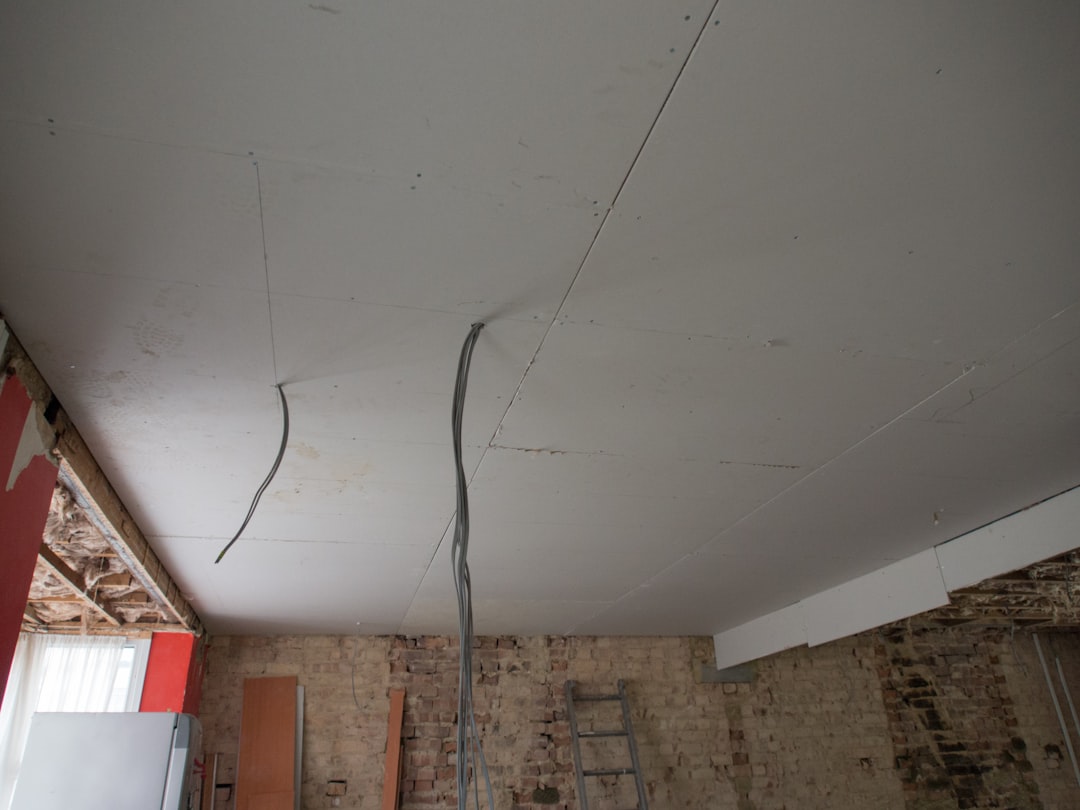
Drywall contractors can unlock new growth by refining their keyword strategy and expanding beyond the standard service-related terms. Vertical keyword targeting enables the discovery of high-value prospects who may not appear in existing CRM data, such as property managers, restoration specialists, or commercial developers seeking niche drywall solutions. By identifying and prioritizing these specialized keywords, teams can leverage top-performing drywall keywords for greater campaign reach while ensuring real-time audience segmentation delivers relevant messaging to every segment with purchase intent.
Competitor gap analysis is essential for finding underserved market segments. Advanced research platforms help pinpoint areas where competitors have limited presence or overlook certain keywords. By analyzing historical ad performance, search impression share, and ad copy trends, contractors can identify service gaps, such as acoustic drywall installation or emergency repair, that are not being actively targeted. For actionable steps, consult our lead generation playbooks and consider specialized PPC services like PPC ad management for drywall contractors to drive higher-quality local leads by targeting overlooked segments.
Industry-specific placements further boost drywall business growth by targeting potential clients where they actively research solutions. Listing ads or sponsored content on trade forums, construction directories, and regional builder associations places the brand in front of decision-makers at the point of need. These placements also serve as valuable touchpoints for retargeting audiences, and with Sona Destinations, you can automatically sync high-quality audience data for seamless retargeting and improved follow-up.
Content retargeting amplifies drywall advertising strategies by leveraging assets like whitepapers, before-and-after project videos, and how-to guides. Integrating these resources into ad campaigns keeps messaging consistent and nurtures prospects across channels. Platforms with unified audience management can automatically update retargeting lists as prospects download content or engage with specific topics, enabling dynamic segmentation and more relevant follow-up messaging.
How to Apply Audience Segmentation for Drywall Contractors
Audience segmentation is essential for drywall contractors who want to maximize Google Ads ROI and efficiently scale their pipeline. By clearly defining customer segments, contractors can eliminate guesswork around buying readiness and deliver more relevant messaging that matches each client’s needs. Segmenting audiences ensures resources are allocated toward the most valuable leads and helps minimize wasted ad spend on low-intent prospects. Explore additional audience segmentation strategies to sharpen your campaign focus.
- Residential vs. commercial segmentation: Start by separating audiences based on their core market: residential homeowners and commercial property managers have different priorities and timelines. Residential clients are often driven by urgent repairs or renovations, while commercial buyers may focus on larger-scale installations or property upgrades. By building distinct segments, contractors can address unique pain points, such as rapid response for home repairs or compliance expertise for office builds, within dedicated ad groups. See how PPC project results for painting contractors can inspire segmentation approaches tailored to the home services industry.
- Intent signal overlays: Go beyond static segmentation by incorporating intent signals like recent searches for "drywall repair near me" or "commercial drywall installation." These indicators reveal in-market buyers actively seeking solutions, allowing for real-time budget shifts toward high-converting opportunities. Solutions that identify the companies visiting your site, alongside the roles typically involved in a drywall buying decision, give a sharper picture of the buying committee, refining targeting and ensuring your sales team pursues verified, high-value accounts.
- Custom ad group strategies: Build ad groups that tailor creative, offers, and budgets to each segment. For example, promote emergency response and free estimates for homeowners, while highlighting safety certifications or project management expertise for commercial clients. This approach keeps campaign messaging consistent and relevant, driving higher engagement and conversion rates across each segment. Dynamic audience updating ensures that as leads move through the funnel, from initial research to project scoping, ads automatically adjust to reflect their stage and interests.
- Conversion path validation and CRM integration: Ensure every conversion path, from ad click to lead form or call, is clearly tracked and integrated with your CRM. This avoids the pitfalls of fragmented, manual data management that slows down follow-up and makes ROI measurement unreliable. Advanced tracking links online actions to offline results, giving you a full view of performance across all channels. Syncing audience and lead data between your ad platform, CRM, and sales tools streamlines the handoff and ensures no high-potential lead is missed.
Implementing audience segmentation with this level of detail transforms Google Ads campaigns for drywall contractors from basic lead generators to precision-targeted growth engines. By continuously refining segments, overlaying live buying intent, and automating data flows between systems, contractors gain the agility to engage the right prospects, at the right moment, with the most relevant offer.
This is also where measurement changes the economics. With Sona Marketing Measurement you can identify the companies behind your ad clicks, not just anonymous sessions, and segment audiences by which accounts actually become customers. That lets you build bid adjustments and audience signals around the segments that convert and de-prioritize the ones that don't, so you feed Google's algorithms "this click became a paying drywall contractors customer" instead of just "someone filled out a form."
Keyword Strategy & Sample Target Terms
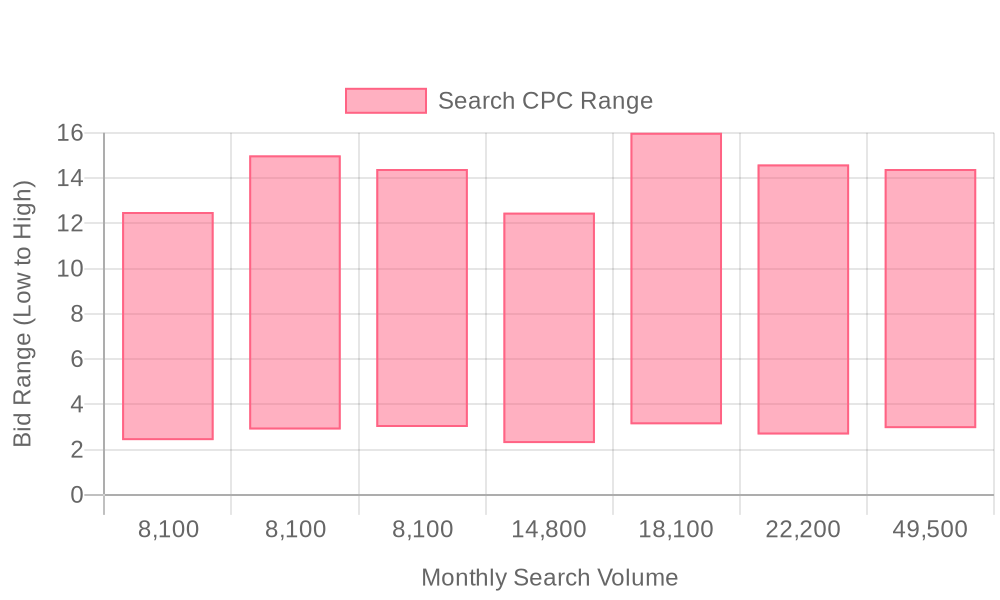
| Industry | Keyword | Monthly Search Volume | Competition Level | Low Bid | High Bid |
| Drywall Contractors | drywall installation near me | 8100 | MEDIUM | 2.42 | 12.5 |
| Drywall Contractors | drywall company near me | 8100 | MEDIUM | 2.89 | 15 |
| Drywall Contractors | drywall company | 8100 | LOW | 3 | 14.4 |
| Drywall Contractors | drywallers near me | 14800 | MEDIUM | 2.29 | 12.47 |
| Drywall Contractors | drywall contractors | 18100 | LOW | 3.12 | 16 |
| Drywall Contractors | drywall contractors near me | 22200 | LOW | 2.67 | 14.6 |
| Drywall Contractors | drywall repair near me | 49500 | MEDIUM | 2.95 | 14.4 |
A well-architected keyword strategy is the cornerstone of Google Ads for Drywall Contractors. High-performing campaigns rely on carefully selected terms that surface your services to homeowners and property managers at the exact moment demand peaks. By focusing on keywords with clear commercial intent, you capture prospects who are primed to engage and convert, reducing wasted budget and increasing both lead quality and volume. For actionable inspiration, review this list of drywall-related keywords to guide your initial targeting.
- High-Intent Keyword Prioritization: Craft lists around phrases such as "drywall repair near me," "commercial drywall contractor," and "emergency drywall patch." These terms align closely with urgent customer needs, ensuring your ads appear where and when service demand is highest. Integrating long-tail variations, like "water damage drywall repair in [city]" or "licensed drywall installer for offices", further refines targeting, reaching buyers with specific project requirements. For additional keyword tactics, explore our essential guide to intent data.
- Negative Keyword Management: Filter out irrelevant searches such as "DIY drywall tips" or "how to mud drywall," so your spend is dedicated to prospects seeking professional services. This step is critical for PPC for drywall contractors, as it channels ad budget toward genuine opportunities rather than casual browsers or non-commercial researchers.
- Strategic Volume and Readiness Analysis: Leverage industry keyword intelligence to identify terms balancing search volume and conversion readiness. Avoid static segmentation; instead, refresh your keyword lists as seasonal trends and service demands shift. For instance, during storm seasons, include event-driven modifiers like "storm damage drywall repair" to capitalize on timely demand spikes.
When deploying advanced platforms, marketers gain an edge by identifying not just what users search, but who is behind each query. Features like visitor identification and real-time audience segmentation allow you to dynamically build and sync audiences into your Google Ads campaign for contractors. As leads progress through your funnel, audience segments update instantly, ensuring your drywall service ads remain relevant and personalized. This continuous alignment between search intent and campaign targeting drives measurable improvements in Google Ads ROI for contractors, fueling steady drywall business growth and a predictable pipeline of local leads for drywall services. If you’re ready to enhance your keyword strategy and campaign performance, get started for free with Sona.
Step-by-Step Campaign Execution Framework
The following four steps take a Google Ads for Drywall Contractors campaign from keyword research through to ongoing optimization.
Step 1: Build Targeted Keyword Lists
Effective Google Ads for drywall contractors starts with strategic keyword list development. Group keywords by service type, such as drywall repair, installation, finishing, or texture removal, to ensure each ad group is closely aligned with an audience’s specific needs. Localize your lists using geo-modifiers, include neighborhood names, city references, and nearby commercial zones, to capture high-intent searchers looking for drywall solutions in their immediate area. For inspiration on high-performing keyword choices, review this curated list of drywall contractor keywords.
Aligning keyword clusters with your ongoing content strategy closes the gap between search demand and the information prospects find on your site. Integrating real-time visitor identification technology surfaces which companies are landing on your website, so you can prioritize budget and messaging for those showing active buying intent. This prevents wasted spend on generic or out-of-market searches and gets more value from every click.
The upgrade most drywall contractors advertisers miss is going beyond raw keyword volume to layer in intent and identity signals. By connecting website-visitor data and CRM records with Sona Marketing Measurement, you can see which specific search terms bring in the accounts and customers that actually convert, and weight your keyword and bidding strategy toward those rather than the terms with the highest search volume alone.
Step 2: Develop Compelling Ad Copy
Ad copy must speak directly to the pain points of your target market. Headlines should focus on urgent needs, like “Get Fast, Local Drywall Repair”, and include specific incentives such as free estimates or limited-time offers to prompt immediate action. Messaging consistency across search, display, and retargeting channels ensures potential customers recognize your brand and understand your expertise in drywall services. To see how top-performing painting contractors leverage PPC ad messaging, explore these project results for painting contractors.
Advanced audience segmentation powered by real-time intent data enables you to dynamically update ad messaging as leads move through the funnel. By tailoring copy based on recent engagement or previous website visits, you address the unique concerns of both first-time searchers and returning prospects. This approach maintains engagement and drives higher conversion rates across all segments.
Step 3: Design Effective Landing Pages
A successful Google Ads campaign for contractors relies on seamless alignment from keyword to ad to landing page. Each landing page should reinforce the promise made in the ad, feature a clear and compelling call-to-action, and showcase proof points such as project photos, verified reviews, or industry certifications. Service-specific landing pages, such as those for water damage repair or new construction drywall, improve quality scores and ensure searchers land on the information most relevant to their needs. For more detailed guidance, visit our playbook library for B2B marketers.
Integrating your landing page forms with your CRM system eliminates follow-up delays, drastically reducing lead attrition. Real-time data sync means every qualified inquiry is immediately routed to sales or project teams, allowing for rapid response while prospects are most engaged. Enhanced conversion tracking bridges the gap between online form submissions, phone calls, and in-person consultations, providing a full view of campaign ROI.
Step 4: Implement Data-Driven Optimizations
Continuous improvement is central to maximizing Google Ads ROI for contractors. Monitor every conversion event, segment performance by service type, location, or audience intent, and regularly A/B test headlines, descriptions, and extensions. Use insights from ad platform reporting to uncover trends in search behavior or creative performance, then apply these learnings to refine not only Google Ads but also website content, email campaigns, and outbound sales strategies.
Advanced attribution tools enable you to connect online clicks to offline outcomes, such as booked jobs or in-person consultations, offering a true measure of return on ad spend. Unified audience data allows for dynamic retargeting, reaching decision-makers who engaged but did not convert, and ensuring your drywall business growth is built on measurable, repeatable success.
Sona Marketing Measurement closes the gap between clicks and revenue. It captures ad clicks with first-party measurement, then ties that activity through UTM capture and ad-platform APIs to the actual record in your CRM, and reports ROAS by keyword and campaign instead of by last-click form fill. Feeding that revenue signal back into Smart Bidding and Performance Max compounds over time: the algorithms optimize toward booked drywall contractors revenue, not cheap leads.
Tips on Expanding Your Google Ads for Drywall Contractors Presence
Drywall contractors achieve stronger market penetration by cross-promoting educational content in retargeting campaigns. Sharing how-to guides or FAQ videos with previous site visitors reinforces trust and keeps your brand front-of-mind as customers move closer to hiring a contractor. When these assets are delivered precisely to in-market audiences, especially those previously identified through advanced visitor identification, the retargeting effort becomes highly efficient and relevant.
Segmenting audiences based on CRM insights allows you to upsell related services, such as painting or acoustic treatments, after initial drywall inquiries. By dynamically updating these audience segments as leads progress through your sales funnel, you ensure that offers align with each prospect’s current needs. This reduces wasted ad spend and increases conversion rates, particularly when CRM data is synced in real time with ad platforms to reflect the latest engagement signals.
Partnering with trusted industry associations brings an additional layer of credibility and access to new audiences. Co-branded campaigns or resource sharing with local or national drywall associations can drive qualified traffic, provided that your messaging remains consistent across all outreach. For examples of PPC project results in the home service industry, explore PPC project results for painting contractors. Consistency is further supported by using integrated campaign management tools that ensure branding and value propositions are uniform from ad impression to landing page.
Localizing your Google Ads campaigns is essential for drywall contractors who depend on regional business. Tailoring ad copy and targeting by city, neighborhood, or zip code grows visibility with homeowners and businesses searching nearby, while also preventing wasted impressions outside your service area. Advanced campaign management platforms can automate localization at scale, helping maintain messaging coherence across hundreds of micro-campaigns.
Search query data from active campaigns provides a steady stream of new content topics and emerging service trends. By analyzing these queries, contractors can quickly identify shifts in demand, such as increased searches for soundproofing or moisture-resistant drywall, and develop targeted landing pages or blog articles. This agile approach to content strategy ensures your marketing stays relevant and continues to attract high-intent leads, supporting ongoing drywall business growth and helping to maximize Google Ads ROI for contractors.
Beyond Google Ads: Winning the AI Answers Drywall Contractors Buyers Now Trust
Paid search captures demand at the moment someone types a query. But a fast-growing share of drywall contractors buyers no longer start at Google at all, they ask ChatGPT, Gemini, or Perplexity before they ever run a search, and Google's own AI Overviews increasingly summarize an answer above the traditional results. If your business isn't referenced in those AI answers, you're invisible at the exact moment buyers build their shortlist.
Sona AI Visibility shows where your business shows up across ChatGPT, Gemini, Perplexity, Google AI Overviews, and 10+ engines, and, much like a keyword report, which prompts actually send you buyers, so you can prioritize the ones that convert. Run the two together and you cover the entire buyer path: get cited where buyers research (AI Visibility), then prove which of that demand turns into booked revenue (Marketing Measurement).
Helpful resources
Conclusion
Drywall contractors compete for jobs that often get decided within hours, whether it's a homeowner comparing three quotes after a leak or a GC filling out a bid list for a commercial buildout. Google Ads earns its place in that competition by putting a contractor in front of exactly the searchers who are ready to hire, and by measuring which of those clicks actually turn into signed work.
The contractors pulling ahead right now are the ones connecting their ad spend to what actually closes: which keywords produce booked jobs, not just form fills, and which searchers are showing up in AI answers before they ever type a query into Google. Building that connection now, while most competitors are still bidding blind, is what turns a Google Ads account into a durable source of drywall leads rather than a line item you have to keep justifying. Start for free to see how unifying that data changes what your ad spend can do.
FAQ
Do Google Ads work for contractors?
Yes, Google Ads are highly effective for contractors as they capture high-intent prospects at the exact moment they are searching for services, bridging the gap between awareness efforts and the sales process.
How should a drywall contractor advertise using Google Ads?
Drywall contractors should integrate Google Ads into a multi-channel marketing strategy, using precise keyword targeting and audience segmentation to reach high-intent prospects and optimize spend.
What are the best practices for Google Ads in the construction industry?
Best practices include integrating Google Ads with other marketing channels, using data-driven keyword targeting, optimizing landing pages for conversion, and ensuring timely follow-up based on real-time engagement insights.
How much should a drywall contractor spend on Google Ads?
The article does not specify an exact amount but suggests aligning ad spend with high-intent prospects and using tools to track ROI to optimize budget allocation.
What keywords should drywall contractors use in Google Ads?
Drywall contractors should target high-intent keywords such as 'drywall repair near me' or 'commercial drywall installation,' and use negative keywords to filter out non-commercial searches.







