


A family searching "adopt a dog near me" tonight is often ready to fill out an application this week, not browse for months. Google Ads lets pet adoption organizations meet that urgency head-on, putting shelters in front of would-be adopters at the exact moment of search intent, then following through with the kind of tracking that shows which clicks actually became finalized adoptions rather than abandoned forms. Many shelters lose good prospects simply because inquiries never reach the CRM in a usable form; connecting ad spend to real outcomes fixes that.
How to Generate Pet Adoption Services Leads with Google Ads: A Step-by-Step Guide
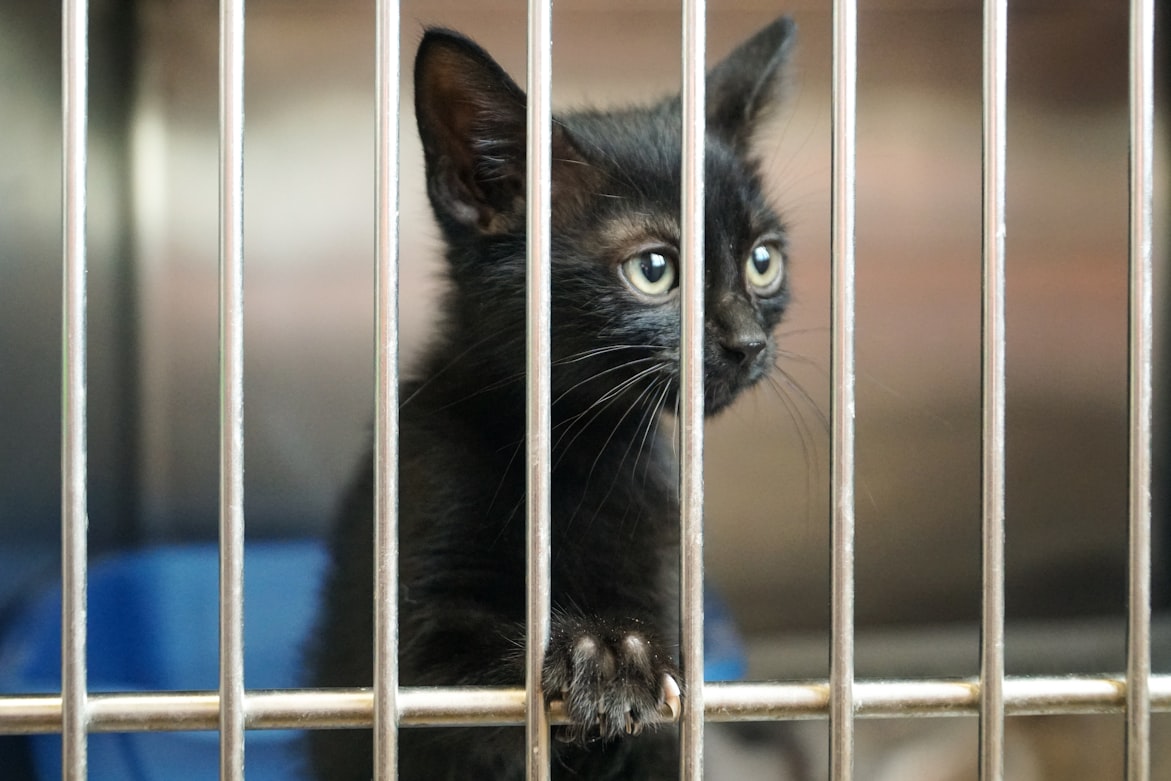
Digital marketing has become essential for pet adoption organizations striving to connect the right families with animals in need. By leveraging a data-driven Google Ads strategy for animal shelters in 2023, animal shelters and adoption services can significantly increase their reach, cultivate high-quality leads, and accelerate adoption rates.
A well-orchestrated Google Ads campaign enables precise targeting of local adopters, donors, and volunteers by aligning keyword intent with specific search behaviors. Rapid lead engagement, powered by audience insights and automated workflows, ensures that every inquiry receives a personalized response, converting interest into action before momentum is lost.
- Roadmap for Google Ads Integration: Successful lead generation begins with a clear, stepwise approach to integrating Google Ads into your pet adoption marketing strategy. This roadmap covers campaign structure, keyword research, audience targeting, and conversion tracking, all tailored to the unique goals of pet adoption services. By mapping out each phase, marketing teams can ensure optimal budget allocation, sustained ad performance, and measurable ROI.
- Keyword Targeting and Audience Segmentation: Identifying high-intent keywords such as "adopt a dog near me" or "local pet adoption" drives qualified traffic to your site. Advanced audience segmentation goes beyond generic demographic filters by factoring in behavioral signals and recent search activity. Modern platforms enable marketers to identify the companies behind anonymous site visitors and shift budgets toward prospects demonstrating active adoption intent. This reduces wasted spend and delivers more relevant messaging at the right time.
- Crafting Engaging Ad Creatives: Compelling ad copy and visuals are critical to resonate with potential adopters. Messaging should emphasize the unique personality of available pets, the impact of adoption, and urgent needs within your shelter. By dynamically updating creative assets based on audience engagement and lifecycle stage, campaigns remain fresh and tailored, supporting both emotional connection and strong conversion rates.
- Cross-Channel Integration for Maximum Impact: Integrating Google Ads with other digital channels, such as social media, email, and direct CRM workflows, amplifies your marketing reach and reinforces key messages across touchpoints. Solutions that sync enriched audience data directly into Google Ads and CRM platforms empower teams to build dynamic, intent-based segments that update automatically as leads progress. This approach keeps your pipeline warm and ensures that each ad dollar supports the highest-value prospective adopters, donors, or volunteers.
Delayed follow-up is a common pitfall in pet adoption advertising, leading to missed connections and lost opportunities. By leveraging intent signals and unified lead data, shelters can deliver relevant, personalized ads and engagement at the precise moment of interest, driving more successful outcomes and building long-term relationships with their community. If you're ready to take your pet adoption lead generation to the next level, get started for free with Sona.
Why Does Google Ads Matter for Pet Adoption Services?

Pet adoption organizations face mounting pressure to match animals with the right adopters quickly, especially as shelter populations rise and community expectations for transparency and responsiveness grow. Google Ads addresses these challenges by connecting shelters directly with high-intent adopters at the exact moment they are searching for a new pet, dramatically reducing the gap between awareness and adoption. For a real-world example, see how Cat Care Society leveraged Google Ad Grants to increase donations and ad performance in this case study.
Traditional mass marketing often leads to wasted spend and low engagement, but Google Ads for Pet Adoption Services allows organizations to tailor messaging based on user behavior, location, and adoption urgency. This level of precision ensures that each campaign reaches individuals most likely to take action, whether they are motivated by a specific breed, age, or cause such as rescue or special needs animals. For more digital marketing insights, visit the Sona blog.
With the ability to deploy targeted ads within hours and adjust campaigns in real time, animal shelters can respond rapidly to emergencies, surges in intake, or urgent fundraising needs. Data integration from marketing and CRM systems transforms every click and application into actionable insights, allowing teams to optimize their campaigns and measure which strategies actually drive successful adoptions and donations. To streamline this process, Sona Destinations enables automatic syncing of high-quality audience data into your CRM and ad platforms for seamless activation.
By unifying pet adoption advertising and audience data, organizations can identify which visitor profiles convert at the highest rates and allocate budget accordingly. Marketers move beyond guessing at anonymous website traffic, pinpointing the companies and individuals expressing real interest, and syncing enriched audiences back into their online pet adoption marketing campaigns for improved retargeting and engagement.
Google Ads lets animal shelter marketing teams deliver the right message to the right person at the right time. Paired with platforms that unify CRM, web, and ad data, shelters gain a clearer read on efficiency and impact, more lives saved, less operational strain, and a measurable improvement in ROI for local pet adoption ads and pet services PPC initiatives.
Common Types of Google Ads Campaigns for Pet Adoption Services
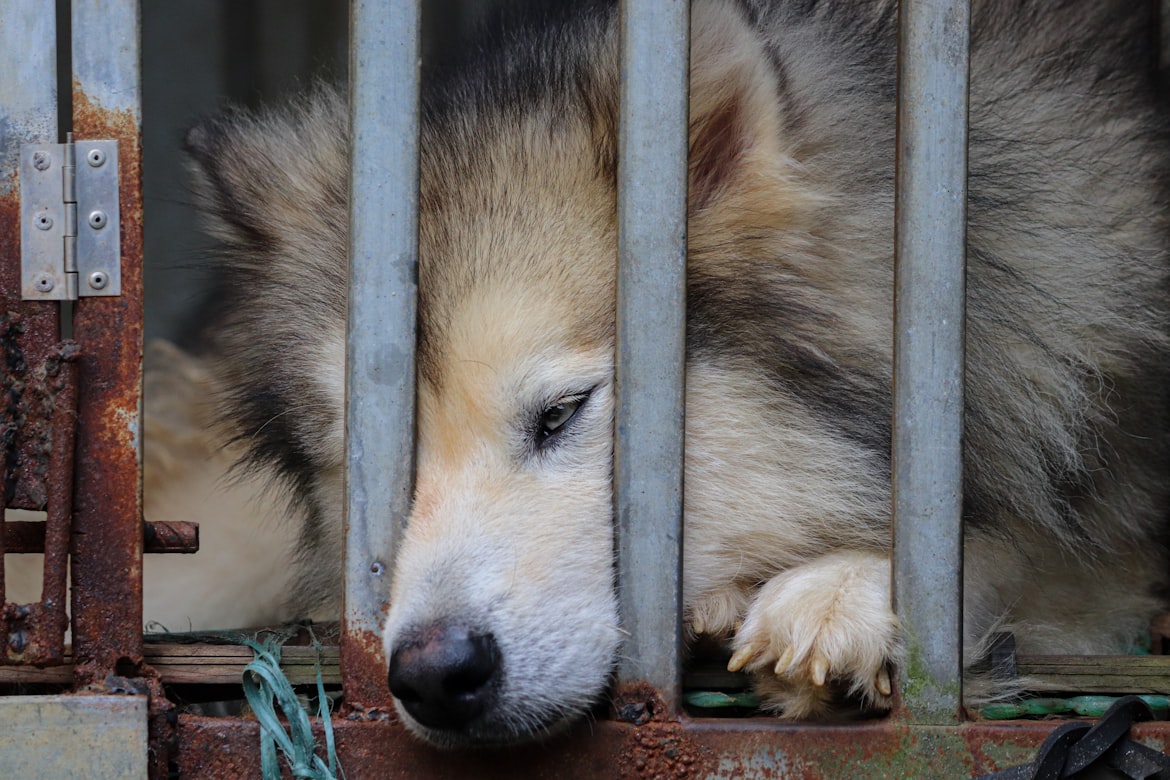
- Search Campaigns: Search campaigns target users actively seeking pet adoption, rescue services, or related resources. By harnessing keyword-driven intent, shelters can connect with individuals ready to take action, such as “adopt a dog near me” or “cat adoption [city].” Marketers can pinpoint the actual organizations visiting high-value pages, moving beyond anonymous traffic by using Sona's Identity Resolution to prioritize prospects with demonstrated interest. Leveraging real-time behavioral insights allows budget shifts toward accounts most likely to convert, resulting in higher adoption application rates and more efficient use of grant funding.
- Display Ads: Display ads maintain ongoing visibility across pet-centric websites, forums, and blogs, supporting both awareness and consideration. These visual placements help keep the shelter top-of-mind as potential adopters progress along their decision journey. When audience data and engagement signals are unified across platforms, display retargeting can focus on users who engaged with specific animals or filled out partial applications, ensuring follow-up is timely and relevant.
- Video Ads: Video formats, such as YouTube campaigns, enable shelters to tell compelling stories and showcase adoptable pets in action. Video campaigns can increase emotional engagement, improving both adoption and donation outcomes by illustrating the shelter’s impact. When advanced tools track the full viewer journey, from ad view to website visit to application submission, marketers can attribute true ROI and optimize creative for audiences with the highest adoption likelihood. For in-depth strategies on video and digital tactics, see this online pet adoption service case study.
- Remarketing: Remarketing campaigns re-engage previous site visitors, incomplete applications, or lapsed donors with tailored messaging. By dynamically updating audiences as users move through the funnel, these campaigns keep engagement relevant, reminding prospects about specific pets, upcoming adoption events, or new arrivals matching their interests. Syncing enriched audience segments between the shelter’s CRM and ad platforms ensures that remarketing targets only the most qualified leads, reducing wasted impressions and improving conversion rates.
- Ad Assets: Utilizing assets such as sitelinks, callouts, and structured snippets builds trust and provides valuable context, showcasing certifications, physical locations, and unique services. For local pet adoption ads, location and call assets streamline the path from search to shelter visit or inquiry. When interaction data is captured at the account level, teams can prioritize outreach to those who have meaningfully engaged with these key touchpoints, creating a seamless bridge between digital and offline efforts.
Where to Find Growth Opportunities in Pet Adoption Advertising
Growth in pet adoption advertising comes from tightening targeting rather than casting a wider net. By refining targeting strategies and tapping into data-driven insights, shelters and pet services can lift both adoption and donor conversion rates while working within tight budgets.
- Vertical Targeting for Specific Pet Types: Segmenting campaigns by pet type, dogs, cats, or exotics, enables more relevant messaging and higher engagement. For example, shelters can tailor creative and ad copy around the unique needs and emotional triggers of families looking for hypoallergenic dogs or seniors adopting adult cats. With unified intent and behavioral data, revenue teams can dynamically update audiences as prospects express interest in specific breeds or pet categories, ensuring every dollar spent is directed to the highest-value segments.
- Competitive Analysis for Untapped Segments: Systematic competitive research helps identify where demand exceeds supply in the pet adoption sector. Monitoring keyword gaps and analyzing competitor ad placements reveal hidden niches, such as senior pet adoption or bonded pairs, that few shelters actively bid on. Centralized data platforms further enrich this process by surfacing in-market accounts and giving visibility into which geographies or demographics are underserved, allowing for precise budget shifts toward less competitive, high-conversion segments. For a comprehensive guide to optimizing Google Ads campaigns for animal shelters, explore this 2023 Google Ads strategy resource.
- Industry-Specific Placements on Forums and Directories: Placing ads on pet-focused forums, adoption directories, and breed-specific communities connects shelters to audiences with high adoption intent. Marketers can leverage Sona's Identity Resolution to see not only traffic volumes but also the companies behind those visits. This clarity allows teams to expand retargeting lists and build richer audience profiles for future outreach across Google Ads and other paid channels.
- Content Retargeting for Educational Resources: Nurturing undecided adopters with retargeted ads for educational content, such as pet care guides or adoption process explainers, keeps the brand top-of-mind while moving leads down the funnel. When platform data is synced in real time, disconnected intent signals become actionable: sales and adoption counselors gain context on each visitor’s interests and can personalize follow-up. This results in higher engagement, better conversion rates, and a seamless experience for potential adopters and donors.
Growth in this sector hinges on connecting the right message to the right audience at the right time. Blending vertical targeting, ongoing market analysis, strategic placements, and dynamic retargeting opens new paths to sustainable expansion for shelters and pet adoption services.
How to Apply Audience Segmentation for Pet Adoption Services
Audience segmentation is crucial for driving efficient growth in pet adoption services. Modern shelters that segment their audiences see higher engagement, more targeted messaging, and a measurable lift in both adoption applications and donor conversions. To explore more strategies for expanding donor outreach in animal nonprofits, check out these actionable strategies for animal nonprofits.
- Segment by Adopter Profiles: Begin by defining key adopter categories, families seeking companion animals, singles looking for low-maintenance pets, or senior citizens interested in older, calmer companions. Each group has distinct needs and motivations. For example, families might respond to ads highlighting kid-friendly breeds or adoption events, while singles may engage better with messaging around flexible adoption processes and pet compatibility with apartment living. Grouping audiences this way lets shelters deliver ads that resonate on a personal level.
- Intent Signals and Pet Preference Alignment: Beyond surface demographics, leverage behavioral signals to align campaigns with real adopter interests. Monitor site behavior, such as time spent on dog versus cat profiles or return visits to specific animal pages. Advanced platforms can identify not just which pets users view, but also how deep their engagement goes, enabling marketers to prioritize in-market adopters and serve ads that feature similar breeds, age groups, or special needs animals. This adaptive approach ensures marketing spend is focused on those most likely to convert, increasing adoption rates and reducing wasted impressions.
- Custom Ad Groups for Diverse Needs: Generic website analytics often lack the granularity needed to fine-tune pet adoption advertising for every segment. Instead, use real-time audience mapping to build ad groups that reflect each buyer’s stage, from first-time visitors researching adoption, to returning users comparing pets, and warm leads ready to apply. As leads move through these stages, synced audience lists update in real time, powering campaigns that evolve alongside the adopter journey. For a step-by-step process on using Google Ads to generate leads for animal rescue organizations, explore this guide for animal rescue services.
- Optimized and Tracked Conversion Paths: Every campaign must have a seamless conversion path, tracked through an integrated CRM. Online applications, inquiry forms, or event registrations should be frictionless and mapped to the exact audience segment that drove the initial engagement. When platforms sync enriched visitor profiles and conversion data into both ad accounts and CRMs, revenue teams gain a full-funnel view of attribution, including offline adoptions. This unified data approach empowers shelters to measure ROI accurately, continuously refine segmentation, and direct resources toward their highest-performing adopter segments.
This is also where measurement changes the economics. With Sona Marketing Measurement you can identify the companies and buyers behind your ad clicks, not just anonymous sessions, and segment audiences by who actually becomes a customer. That lets you build bid adjustments and audience signals around the segments that convert and de-prioritize the ones that don't, so you feed Google's algorithms "this click became a paying pet adoption services customer" instead of just "someone filled out a form."
Keyword Strategy & Sample Target Terms
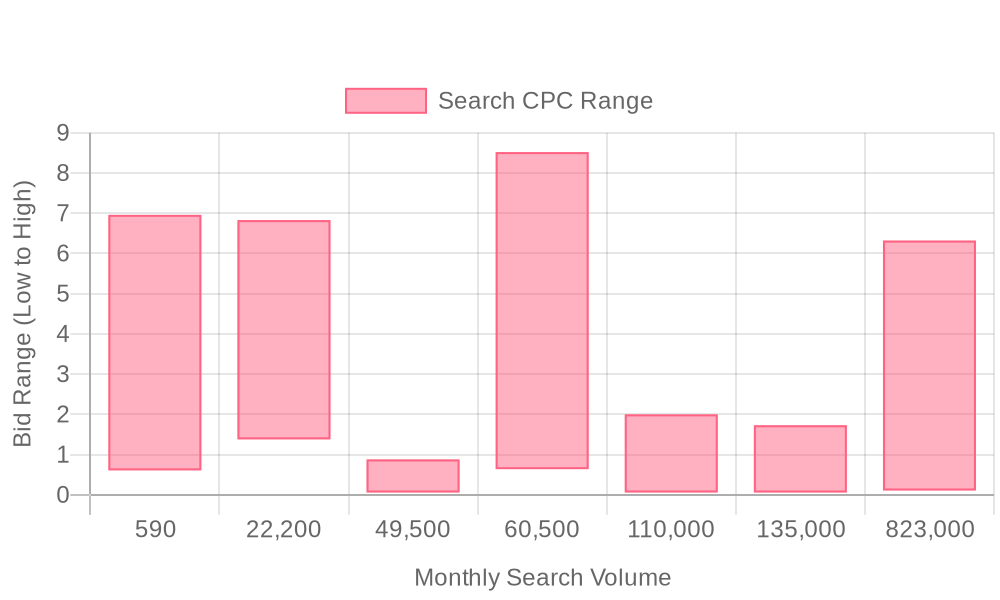
| Industry | Keyword | Monthly Search Volume | Competition Level | Low Bid | High Bid |
| Pet Adoption Services | pet adoption services | 590 | LOW | 0.61 | 6.96 |
| Pet Adoption Services | adoption center | 22200 | LOW | 1.38 | 6.83 |
| Pet Adoption Services | puppies for adoption near me | 49500 | LOW | 0.06 | 0.88 |
| Pet Adoption Services | animal rescue near me | 60500 | LOW | 0.64 | 8.52 |
| Pet Adoption Services | cat adoption near me | 110000 | LOW | 0.06 | 2 |
| Pet Adoption Services | pet adoption near me | 135000 | LOW | 0.06 | 1.73 |
| Pet Adoption Services | animal shelter near me | 823000 | LOW | 0.11 | 6.32 |
A focused keyword strategy is essential for driving qualified adoption inquiries, donor interest, and volunteer signups in pet adoption services. Precision in keyword selection connects high-intent searchers, those ready to adopt, foster, or support, with the right shelter offerings, ensuring marketing budgets generate measurable outcomes. With digital adoption rising, organizations that master search intent and local relevance consistently outperform peers in generating awareness and conversions. For organizations seeking tactical guidance on optimizing their campaigns, the collection of B2B marketing playbooks offers actionable frameworks.
Successful campaigns balance broad, high-volume keywords like "pet adoption" with localized, high-intent terms such as "adopt a dog in Austin" or "cat shelter near me." This dual approach captures both early-stage researchers and those actively seeking to adopt or donate within a specific community. Including event-based keywords like "pet adoption event this weekend" enables organizations to elevate time-sensitive opportunities and boost turnout at community gatherings. Explore this comprehensive guide to optimizing Google Ads campaigns for animal shelters in 2023 to refine your keyword selection and campaign structure.
Negative keywords play a critical role in refining traffic quality. Filtering out searches for "pet stores," "stuffed animals," "dog grooming," or "pet supplies" reduces wasted spend and ensures that ad impressions focus on users genuinely interested in adoptions, fostering, or nonprofit involvement. Regularly updating negative keyword lists keeps campaigns efficient as new irrelevant trends emerge.
Keyword coverage should extend to specialized adoption categories to address the diverse needs of searchers:
- Dog adoption: Target "adopt a dog near me," "puppy adoption [city]," and breed-specific terms for popular or hard-to-place breeds.
- Cat adoption: Include "kitten adoption near me," "senior cat adoption," and terms reflecting shelter initiatives for older or special-needs cats.
- Small animal adoption: Use "rabbit adoption," "guinea pig rescue," and related queries to reach niche audiences.
- Volunteer and donation intent: Integrate "animal shelter volunteer," "donate to pet shelter," and "foster a pet" to capture wider community support.
Organizations leveraging unified data platforms can move beyond generic search data to identify which keywords correlate with high-value actions, such as completed adoption applications or recurring donations. By analyzing audience signals, marketers dynamically adjust keyword bids and allocate budget toward audiences demonstrating active intent. As leads engage, identity resolution and CRM audience sync ensure that keyword-driven traffic is nurtured through every stage of the funnel, from first search to successful placement or donation. This results in higher conversion rates and a measurable increase in campaign ROI for shelters and rescue organizations seeking to maximize impact.
Step-by-Step Campaign Execution Framework
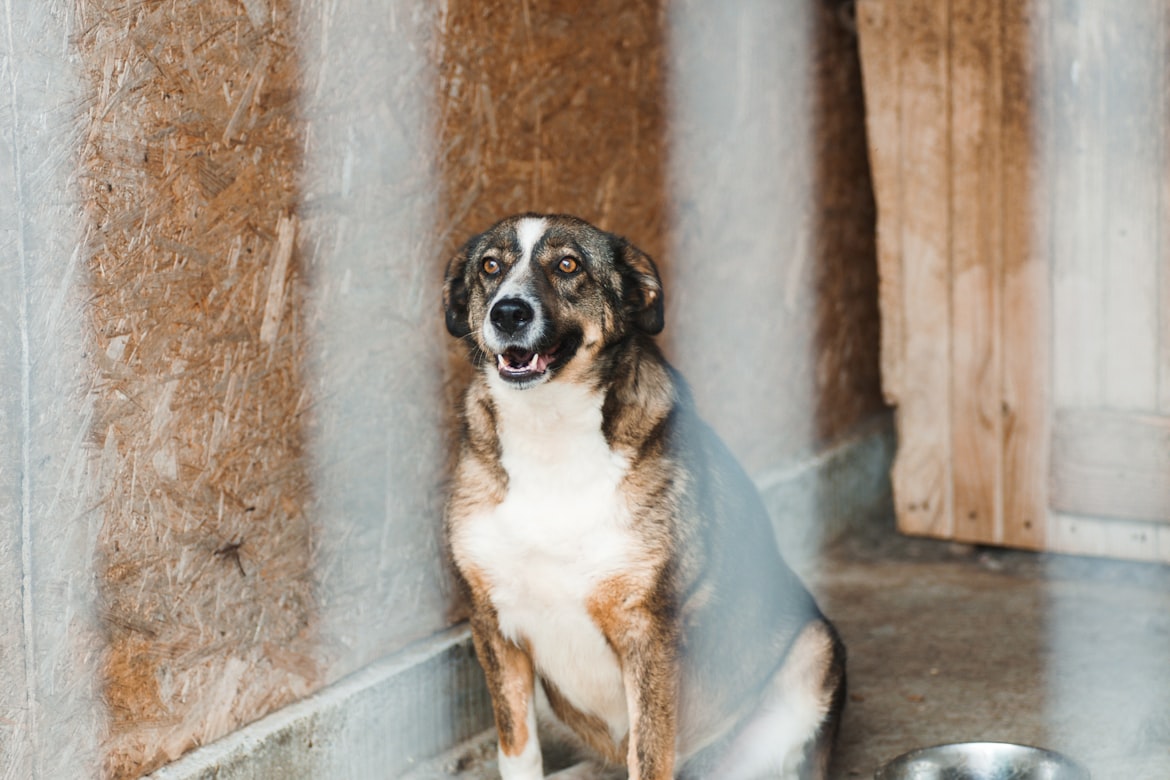
A precise, strategic framework is essential for pet adoption organizations aiming to maximize returns from Google Ads. Each step, from keyword research to ongoing optimization, compounds the impact of your outreach and streamlines engagement between shelters and prospective adopters. For more on revenue attribution and campaign impact, explore our B2B marketing blog.
Expert teams now leverage unified data and automation to orchestrate every aspect of digital marketing for animal shelters. Unifying campaign intelligence ensures that every ad dollar works harder, targeting the right user at the right moment and simplifying attribution.
Step 1: Build Targeted Keyword Lists
Effective Google Ads for Pet Adoption Services start with a robust keyword architecture, built around intent-driven search terms. Focus is placed on hyper-local and thematic keywords such as “adopt a dog in [city],” “rescue kittens near me,” and “animal shelter volunteer opportunities.” By identifying these mission-critical phrases, organizations ensure they intercept people at key decision points. For actionable advice on optimizing keyword strategies, see this comprehensive guide to Google Ads for animal shelters.
Keyword targeting is vastly improved when organizations move beyond guesswork. Marketers who unify their CRM and website data pinpoint which terms convert best, allowing for live adjustments. Real-time audience segmentation and feedback loops close the gap between on-site behavior and ad performance, letting teams shift budget to high-intent search queries as new adoption interests emerge.
The upgrade most pet adoption services advertisers miss is going beyond raw keyword volume to layer in intent and identity signals. By connecting website-visitor data and CRM records with Sona Marketing Measurement, you can see which specific search terms bring in the accounts and customers that actually convert, and weight your keyword and bidding strategy toward those rather than the terms with the highest search volume alone.
Step 2: Create Engaging Ad Copy
Pet adoption advertising thrives on emotional resonance and urgency. Effective ad copy addresses both the heart and the head, showcasing individual pet stories, noting time-sensitive adoption drives, and clarifying next steps. Messaging is tailored to speak directly to the motivations of local adopters, donors, or volunteers, whether that’s compassion, convenience, or community impact. See our tactical playbooks for tips on crafting ad copy that converts.
With access to unified visitor intelligence, marketers can segment audiences by engagement level, then dynamically serve relevant messaging. For instance, returning visitors who previously explored “senior dog adoption” can be shown tailored ads for older pets needing homes. Dynamic audience updates ensure every ad aligns with current user intent and increases conversion rates.
Step 3: Optimize Landing Pages
Conversion-focused landing pages are pivotal in online pet adoption marketing. The best pages load quickly, spotlight adoptable animals with compelling images, and streamline the application or donation process. Each page maintains clear, direct calls-to-action, reducing friction and increasing follow-through rates. For inspiration, review a case study on digital advertising for pet adoption.
Advanced teams connect Google Ads data with deeper on-site behavior, refining landing page elements in real time. By tracking which page layouts and calls-to-action generate the most applications or donations, teams can rapidly iterate on messaging and design. This approach also facilitates seamless handoffs between ad engagement and offline adoption, ensuring every lead is attributed to its original source for true ROI visibility.
Step 4: Implement Data-Driven Optimizations
Ongoing optimization separates high-performing animal shelter marketing campaigns from average ones. Machine learning tools automatically adjust bids and targeting based on live conversion data, seasonality, and user behavior patterns. This ensures your ads are shown to the most engaged, in-market audiences at the times they are most likely to take action. Dive deeper into best practices for Google Ad Grants to further optimize campaign efficiency.
By integrating real-time CRM and ad data, marketers can identify which campaigns drive not just clicks, but completed adoptions and donations. Automated data syncing pushes budget toward top-performing campaigns and pulls back on underperformers without manual intervention. As a result, shelters achieve higher efficiency, better predictability, and a measurable lift in both adoption rates and donor engagement. To see these results firsthand, get started for free with Sona.
Sona Marketing Measurement closes the gap between clicks and revenue. It captures every ad click with first-party measurement, ties that click through UTM capture and ad-platform APIs to the actual record in your CRM, and reports ROAS by keyword and campaign instead of by last-click form fill. Feeding that revenue signal back into Smart Bidding and Performance Max compounds over time: the algorithms optimize toward booked pet adoption services revenue, not cheap leads.
Tips on Expanding Your Pet Adoption Services Presence
Expanding the impact of pet adoption services in a crowded digital landscape requires tailored audience engagement and seamless, data-driven campaign orchestration. By strategically aligning educational resources, service upsells, and local partnerships, organizations can maximize every touchpoint and accelerate adoption outcomes.
- Integrate cross-platform educational content within retargeting: Delivering educational content across search, display, and social channels builds trust and keeps prospective adopters engaged throughout their journey. By unifying real-time audience data and retargeting signals, marketers can ensure that users who have shown interest in specific pets or adoption resources receive timely follow-ups with relevant guides, FAQs, and success stories. Dynamic audience segmentation updates in real time as intent shifts, allowing campaigns to deploy the right message on the right platform, whether it's an in-depth article on responsible pet ownership or a quick video on the adoption process. This level of data integration also enables teams to identify website visitors and match them to high-priority adoption lists, ensuring every engagement is tracked and attributed properly.
- Upsell adoption-related services based on audience segmentation: Once a potential adopter engages with a pet profile or completes an application, targeted ads and email workflows can introduce value-added services like training packages, pet insurance, or first-time pet owner kits. By syncing CRM and online engagement data, teams can trigger upsell campaigns only for those who've reached specific conversion milestones, optimizing spend and increasing lifetime value. Advanced conversion tracking attributes both online and offline purchases, such as in-person training or wellness visits, back to the original ad interaction, giving a full-funnel view of ROI.
- Partner with animal welfare organizations for co-marketing opportunities: Collaborations with local rescues, veterinarians, or pet supply retailers amplify reach and build community trust. Joint campaigns can pool audience data for expanded targeting, while co-branded content and offers increase credibility. Marketers can leverage real-time intent signals to identify overlapping high-value segments, dynamically updating partner audience lists as users engage with new content or attend events. For a closer look at the impact of digital marketing in this space, see this online pet adoption case study.
- Leveraging geo-targeting to attract adopters within desired locales: Precision location targeting ensures that ads for available pets reach users most likely to convert based on proximity and willingness to travel. By layering behavioral intent signals with geographic filters, campaigns can prioritize high-converting zip codes and adjust budgets dynamically as adoption demand shifts. Real-time reporting highlights which locations are driving the most engagement, allowing rapid pivoting between local, regional, or national campaigns. This approach not only increases adoption rates but also streamlines logistics for meet-and-greets and home visits, enhancing the overall experience for both adopters and staff.
Through strategic audience alignment, intent signals can be aggregated and activated dynamically, ensuring each ad reflects the latest buyer journey stage. Marketers gain a unified view of engagement across all channels and can rapidly adapt creative, offers, and targeting as leads progress from initial interest to completed adoption. This holistic approach turns disconnected data points into decisions, driving sustainable growth for pet adoption services.
Beyond Google Ads: Winning the AI Answers Pet Adoption Services Buyers Now Trust
Paid search captures demand at the moment someone types a query. But a fast-growing share of pet adoption services buyers no longer start at Google at all, they ask ChatGPT, Gemini, or Perplexity before they ever run a search, and Google's own AI Overviews increasingly summarize an answer above the traditional results. If your business isn't referenced in those AI answers, you're invisible at the exact moment buyers build their shortlist.
Sona AI Visibility shows where your business shows up across ChatGPT, Gemini, Perplexity, Google AI Overviews, and 10+ engines, and, much like a keyword report, which prompts actually send you buyers, so you can prioritize the ones that convert. Run the two together and you cover the entire buyer path: get cited where buyers research (AI Visibility), then prove which of that demand turns into booked revenue (Marketing Measurement).
Helpful resources
Conclusion
The shelters winning at digital marketing right now aren't the ones with the biggest budgets, they're the ones that connect every click to an outcome: an application, a donation, an adoption finalized. Google Ads, built around keywords, creative, and audience signals suited to this trade, gives you the mechanism to do that.
What's changing next is where adopters start looking. As AI tools take on more of that early research, the shelters that show up in those answers, and that can prove which campaigns actually produced adoptions rather than clicks, will pull further ahead of the ones still guessing.
To put these strategies to work and connect your ad spend to real adoption outcomes, start for free with Sona.
FAQ
How can I effectively use Google Ads for pet adoption?
To effectively use Google Ads for pet adoption, you should leverage precise targeting of local adopters, use keyword-driven intent, and integrate cross-channel strategies to maximize reach and engagement.
What are the best practices for advertising pets for adoption?
Best practices include using high-intent keywords, crafting engaging ad creatives, integrating cross-channel marketing, and ensuring rapid lead engagement with personalized responses.
How much should I budget for Google Ads in pet adoption services?
Budget allocation should be optimized by targeting high-intent keywords and audiences, reducing wasted spend, and ensuring each ad dollar supports high-value prospective adopters.
What keywords should I target for pet adoption ads?
Target high-intent keywords such as 'adopt a dog near me,' 'local pet adoption,' and event-based terms like 'pet adoption event this weekend' for maximum engagement.
How do I measure the success of my Google Ads for pet adoption?
Success is measured by tracking conversion rates through integrated CRM systems, analyzing behavioral signals, and adjusting campaigns based on real-time data to ensure high engagement and adoption rates.







