


A dent left by a shopping cart or a summer hailstorm is a decision most car owners want made quickly, and increasingly they start that decision with a Google search. Paintless dent repair shops that show up first capture that urgency, but many still let high-intent searchers slip away for lack of a fast follow-up, and few can say which companies or fleet accounts are actually browsing their service pages. Google Ads closes both gaps: it puts your shop in front of drivers the moment they search for a fix, and it gives you the targeting tools to prioritize the leads worth chasing.
How to Generate Paintless Dent Repair Leads with Google Ads: A Step-by-Step Guide

Paintless dent repair companies succeed when they capture and convert local vehicle owners searching for immediate solutions. Google Ads provides a direct path to these high-intent buyers, turning search demand into steady lead flow through precisely targeted campaigns.
Effective paintless dent repair marketing minimizes wasted spend by aligning ad creatives with intent signals, ensuring every click leads to a relevant experience. Leveraging unified datasets and real-time behavioral insights sharpens targeting, allowing marketers to focus budgets on audiences most likely to convert. ROI strategies for PDR provides a deeper look at maximizing results in this space.
Adopting a data-driven approach tailored to paintless dent repair services eliminates the guesswork from customer acquisition. High-performing teams monitor every touchpoint, combining online and offline conversion tracking to reveal which keywords, ads, and landing pages actually drive bookings. With a single view of account-level engagement, marketers can identify decision-makers behind each inquiry, enabling personalized follow-ups that accelerate deal velocity.
Keyword and audience targeting strategies help capture local auto service buyers efficiently. Dynamic audience management ensures that as leads progress through the funnel, campaign targeting stays up to date, keeping messaging and offers relevant to each prospect’s stage. Enriched CRM data synced with Google Ads enables seamless retargeting and nurtures leads even after initial inquiries, improving both engagement and close rates.
Aligning landing pages and ad creatives with the specific needs of dent repair customers improves engagement and conversion rates. Fast, mobile-friendly experiences that showcase before-and-after results and enable instant quote requests meet the expectations of today’s decision-makers. Sona's Identity Resolution reveals real-time visitor and intent data, letting teams respond quickly to hot leads and provide the timely follow-up that paintless dent repair buyers demand.
Continuous performance optimization is vital for maximizing Google Ads ROI. Advanced conversion tracking, including offline attribution, provides a full-funnel view of campaign impact, helping marketers allocate budget to the highest-performing channels and audiences. For more strategies on enhancing your campaigns, see the Google Ads ROI Guide.
Cross-channel integration strengthens overall digital marketing for auto services by unifying touchpoints and enabling marketing and sales teams to operate in sync. As leads move from initial search to booking, seamless data sharing facilitates coordinated outreach, personalized messaging, and accurate ROI measurement, fueling PDR business growth and increasing the effectiveness of every advertising dollar.
Why Does Google Ads Matter for Paintless Dent Repair Services
Digital advertising for auto repair demands precision and speed, especially in the rapidly evolving market for paintless dent repair services. The ability to reach high-intent customers in real time directly impacts lead quality, repair volume, and profitability.
- Complex, Specialized Audience: Paintless dent repair marketing targets a unique segment: car owners seeking fast, affordable dent solutions, often after a hailstorm or a parking-lot ding they want fixed before it affects resale value. Google Ads empowers marketers to pinpoint these searchers at the moment they signal need, while identity resolution tools let teams recognize the companies behind anonymous website visits and re-engage prospects who abandon a quote form, reducing wasted spend and surfacing genuine demand. Intent signals help businesses recognize these high-intent behaviors and surface actionable opportunities.
- Higher Margin Services: For PDR businesses, acquiring customers for high-value services like large dent removal or fleet contracts is crucial for sustained growth. Google Ads campaigns, when powered by unified audience insights, reveal which leads are most likely to convert and spend more. This prioritization ensures that follow-up efforts are focused on the highest-margin opportunities, helping teams accelerate deal velocity and lift average order value. Google Ads ROI tips shares industry benchmarks for how PDR companies can optimize Google Ads ROI.
- Faster Demand Response: Paintless dent repair is often a need-driven purchase, especially during peak periods like hail season. Real-time intent data within Google Ads enables marketers to dynamically adjust spend and messaging to capture surging demand as it happens. Automated workflows can surface hot leads to sales instantly, minimizing lost opportunities from cooling-off periods and driving rapid revenue from urgent repairs.
- Visibility In Emerging Regions: Expansion into new neighborhoods or underserved markets requires granular targeting and measurement. Google Ads location targeting, combined with data on post-click actions, lets teams track campaign effectiveness from initial click through to repair completion. This approach uncovers which regions offer the best growth potential and ensures marketing budgets are allocated to the most promising territories.
- Integrated Data Analysis: Tracking conversions from ad click to final repair has traditionally been a challenge in PDR customer acquisition. Modern attribution connects online activity with offline outcomes, providing a true picture of ROI. For more insights on optimizing revenue attribution, check out our guide on revenue split guide. With the ability to sync enriched lead data seamlessly into CRM and advertising platforms, marketing and sales can act on unified insights, refine strategy, and prove the impact of every campaign on PDR business growth.
Common Types of Google Ads Campaigns for Paintless Dent Repair Services

- Search Campaigns: These are the backbone of digital marketing for auto services, capturing urgent queries such as “paintless dent repair near me” or “hail damage repair today.” By pairing search campaigns with identity resolution, marketers can move beyond anonymous clicks and uncover which companies and individuals are actively seeking dent repair. Sona's Identity Resolution pinpoints high-intent leads and syncs enriched audience data with your CRM, enabling immediate follow-up and precise outreach as customers progress from inquiry to booking.
- Display Ads: Effective for brand visibility, display ads promote dent repair expertise across automotive blogs, local news, and DIY sites. These campaigns are most impactful when connected to real-time intent signals: for example, shifting budget to display placements when a surge in local searches or visits to hail repair pages is detected. Targeting Strategies provides a deeper look at maximizing engagement while minimizing wasted impressions.
- Video Ads: Video campaigns demonstrate the value and process of paintless dent repair, building credibility through before-and-after footage and customer testimonials. By aligning video ad delivery to the behaviors of highly engaged visitors, such as those who have requested quotes or viewed service pages, advertisers can push compelling visuals exactly when prospects are considering their options. Integration with advanced conversion tracking allows for attribution of both online inquiries and in-shop visits back to specific video placements, giving a full view of ROI.
- Remarketing: Remarketing keeps your PDR business top of mind for visitors who have shown interest but not yet converted. These campaigns benefit from dynamic audience management, ensuring that messaging evolves as prospects move through the funnel: for instance, switching from general service reminders to limited-time offers as a lead nears a decision. This builds on the strategies outlined in the Retargeting Guide, which details how connecting CRM and ad platforms can suppress ads for those who have already booked, improving efficiency and customer experience.
- Assets: Ad assets play a crucial role in highlighting unique selling points, such as certified technicians, insurance approval, or rapid turnaround times, directly within search results. Location, call, and sitelink assets make it easy for users to learn more or take action immediately. When these assets are informed by unified customer data, they automatically showcase the most relevant credentials and promotions based on the user’s profile and stage in the buying journey. To see how data-driven automation can boost your campaign results, request a demo.
Where to Find Growth Opportunities?

Growth in the paintless dent repair (PDR) sector requires more than simply running standard digital campaigns. Businesses that thrive are those that identify overlooked markets, leverage high-intent data, and align their strategies with measurable outcomes.
- Target Niche Keywords: Focus on terms tied to specific car models, damage types, or urgent repair scenarios. Rather than only bidding on general phrases like "dent repair," prioritize search queries such as "paintless dent repair for Tesla Model 3" or "hail damage repair for trucks." This approach captures demand beyond what generic analytics reveal and minimizes wasted ad spend. With advanced visitor identification, you can determine which keywords bring in decision-makers from high-value companies, giving you a granular view of ROI for each segment. Keyword Trends provides a deeper look at this trend.
- Analyze Competitors For Hidden Markets: Use platforms like SEMrush to uncover which keywords or geographies competitors are missing. This analysis highlights untapped opportunities, whether it's a city with minimal service coverage or a trending service such as mobile PDR. By prioritizing follow-ups based on real-time prospect intent, you can shift resources to segments with the highest conversion potential, ensuring that every dollar reaches the most engaged prospects.
- Leverage Ad Placements On Automotive Media: Place ads within automotive blogs, forums, and communities where car enthusiasts and potential customers actively seek advice. Aligning ad placements with high-engagement content allows you to reach users with a demonstrated interest in auto repair. Real-time audience enrichment ensures these high-value visitors are dynamically added to your remarketing pools, so campaigns evolve as users progress from research to purchase. For more insights, check out our guide on Intent Retargeting.
- Use Content Retargeting With Educational Resources: Promote repair guides, how-to articles, or video walkthroughs to visitors who have shown intent but haven't yet converted. This strategy provides value while keeping your brand top of mind during the consideration phase. Enhanced conversion tracking, paired with seamless CRM and ad platform sync, ensures that both online interactions and offline inquiries are attributed accurately, allowing for refined measurement of true PDR customer acquisition costs.
By consistently scanning for new keyword gaps, unclaimed audiences, and intent signals, PDR businesses can uncover growth opportunities before competitors. This unified approach to data and engagement ensures that marketing investments are both targeted and scalable, driving long-term PDR business growth.
How to Apply Audience Segmentation for Paintless Dent Repair
Audience segmentation unlocks precise targeting in paintless dent repair marketing by aligning campaign messaging with the specific needs of each customer profile. Modern PDR businesses that leverage segmentation see higher engagement, as every interaction reflects the unique priorities and context of the recipient.
- Define Segments: Successful segmentation starts by distinguishing between key audience groups, such as DIY enthusiasts and car dealerships. DIY customers often seek tips, tools, or low-cost fixes, while dealerships require scalable, reliable service partnerships. By mapping these segments, marketers ensure that budget and creative are focused on prospects most likely to convert, increasing efficiency in digital marketing for auto services. See keyword examples by audience type in the auto repair space.
- Overlay Intent Signals: Granularity in segmentation deepens when layering intent signals, identifying users searching for immediate solutions versus those exploring comprehensive, long-term repair plans. Real-time intent data allows PDR companies to prioritize spend on high-value leads, optimizing Google Ads for paintless dent repair services to attract those ready to book services now. This approach ensures smarter allocation of ad budgets, reducing wasted impressions and capturing peak buying moments. For more insights on maximizing Google Ads ROI, check out our guide on Google Ads ROI.
- Create Segment-specific Ad Groups: Each audience segment requires dedicated ad groups with tailored messaging that addresses their unique pain points, such as fast turnaround for fleet managers or cost-saving options for retail customers. Marketers who personalize creative and offers for each segment see improved relevance scores and click-through rates, resulting in lower cost-per-acquisition and higher PDR customer acquisition rates. Sona Audiences supports dynamic audience list updates, ensuring your ad targeting adapts as prospects move through the customer journey.
- Validate Conversion Paths: Ensuring robust integration between paid campaigns and CRM systems enables marketers to track conversions across all lifecycle stages. With advanced conversion tracking, both online inquiries and offline appointments are attributed correctly, providing a complete view of ROI. Automated syncing of enriched audience data and leads between CRM and ad platforms ensures that every campaign reflects the current state of the customer journey, mitigating financial risk from incomplete or misleading reporting. This unified approach empowers PDR businesses to make informed decisions, scale successful tactics, and drive sustainable business growth through targeted online advertising for auto repair. To explore how segmentation drives results, start your onboarding with Sona Labs.
This is also where measurement changes the economics. With Sona Marketing Measurement you can identify the companies and buyers behind your ad clicks, not just anonymous sessions, and segment audiences by who actually becomes a customer. That lets you build bid adjustments and audience signals around the segments that convert and de-prioritize the ones that don't, so you feed Google's algorithms "this click became a paying paintless dent repair services customer" instead of just "someone filled out a form."
Keyword Strategy & Sample Target Terms
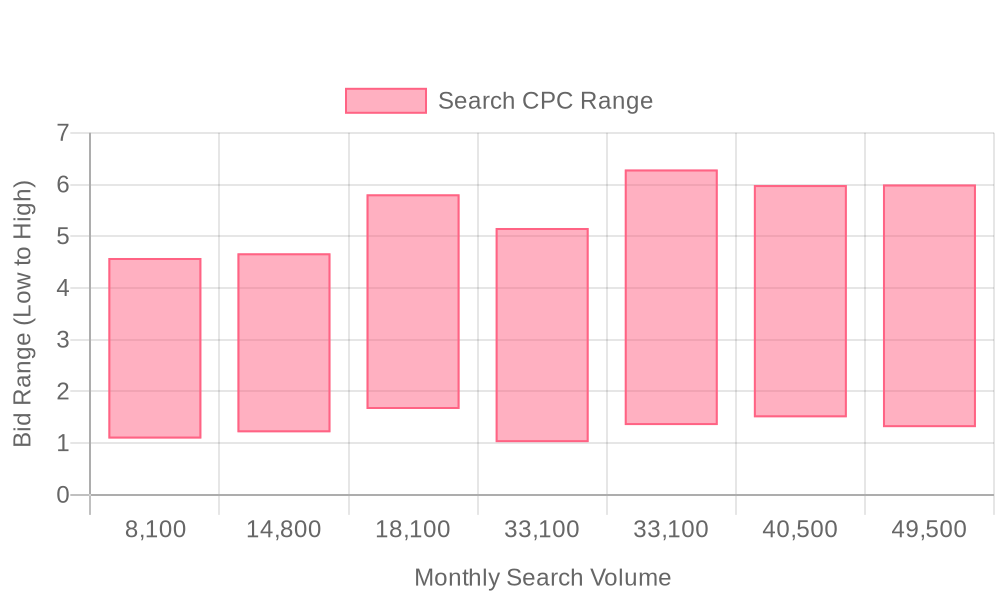
| Industry | Keyword | Monthly Search Volume | Competition Level | Low Bid | High Bid |
| Paintless Dent Repair Services | dent removal | 8100 | MEDIUM | 1.09 | 4.58 |
| Paintless Dent Repair Services | car dent repair | 14800 | MEDIUM | 1.21 | 4.67 |
| Paintless Dent Repair Services | dent repair | 18100 | MEDIUM | 1.66 | 5.81 |
| Paintless Dent Repair Services | paintless dent removal | 33100 | LOW | 1.02 | 5.16 |
| Paintless Dent Repair Services | paintless dent repair near me | 33100 | LOW | 1.35 | 6.29 |
| Paintless Dent Repair Services | dent repair near me | 40500 | LOW | 1.5 | 5.99 |
| Paintless Dent Repair Services | paintless dent repair | 49500 | LOW | 1.31 | 6 |
A high-performing keyword strategy for paintless dent repair services demands precision, segmentation, and continuous refinement. Targeting high-intent searchers with relevant terms ensures that every dollar spent on Google Ads produces measurable value and qualified leads, especially in a competitive local market.
- High Volume, Low Competition: Seek terms that offer substantial search volume but have less saturation from competitors. These keywords present an opportunity for maximum ROI, allowing paintless dent repair businesses to achieve greater visibility without driving up costs. By leveraging unified market data and real-time intent signals, marketers can quickly surface these hidden gems, aligning spend with the audiences most likely to convert. Auto body keyword ideas provides a practical list for this approach.
- Negative Keywords: Avoiding wasted ad spend is as crucial as targeting the right audience. Implementing negative keyword lists, such as “DIY dent removal,” “home dent repair kit,” or “auto body paint shop”, keeps budgets focused on commercial prospects rather than information seekers. This approach filters out low-value clicks, improving both efficiency and campaign profitability.
- Long-tail Keywords: Long-tail phrases like “quick dent repair near me,” “hail damage PDR specialists,” or “same day door ding removal” capture buyers with immediate needs and strong intent. These searchers are more likely to become customers, and long-tail targeting provides a natural entry point for dynamic audience building. As leads engage and move through the funnel, platforms with advanced visitor identification and CRM syncing can update audiences in real time, ensuring that follow-up messaging and retargeting are always relevant to the prospect’s current buying stage. Tools like Sona Audiences help segment and refresh target audiences based on these evolving behaviors.
Utilizing these keyword segmentation tactics not only increases conversion rates but also provides actionable insights for digital marketing optimization. For more insights on measuring and attributing digital ad impact, check out our guide on revenue attribution. When keyword data is unified with broader go-to-market analytics, revenue teams can quickly spot trends, attribute leads to specific terms, and continually refine their paintless dent repair marketing programs for sustained growth.
Step-by-Step Campaign Execution Framework
Step 1: Build Targeted Keyword Lists
Precision in keyword selection establishes the foundation for successful google ads for paintless dent repair services. Start by clustering keywords around core service offerings, such as "hail dent removal," "mobile paintless dent repair," and "auto dent removal near me," while layering in geographic qualifiers to maximize local relevance. Expanding into question-based queries like "how much does paintless dent repair cost?" helps capture high-intent prospects actively researching solutions, connecting your business with customers who are ready to engage.
Implement negative keyword filters to systematically exclude irrelevant searches, such as DIY or unrelated collision repair terms. This prevents wasted spend and ensures only qualified leads enter your funnel. By leveraging advanced visitor identification, marketers can move beyond anonymous click data to pinpoint which companies and buyers are engaging, further refining keyword lists using real-world conversion signals instead of guesswork. Auto Body Keywords provides a useful reference for building keyword sets in this niche.
The upgrade most paintless dent repair services advertisers miss is going beyond raw keyword volume to layer in intent and identity signals. By connecting website-visitor data and CRM records with Sona Marketing Measurement, you can see which specific search terms bring in the accounts and customers that actually convert, and weight your keyword and bidding strategy toward those rather than the terms with the highest search volume alone.
Step 2: Develop Persuasive Ad Copy
Effective ad copy for PDR advertising addresses customer pain points immediately, think about the frustration of unsightly dents, unexpected hail damage, or the need for fast insurance-approved repairs. Use headlines that directly speak to these needs, such as “Fast Paintless Dent Repair Near You” or “Restore Your Car’s Value Today.” Incorporate certifications, insurance partnerships, and authentic customer testimonials to reinforce your service’s credibility and build trust with new visitors.
Urgency is a powerful motivator in digital marketing for auto services. Adding time-sensitive offers like “Book This Week for 10% Off” or “Same-Day Service Available” encourages prospects to act before leaving your site, which matters most right after a hailstorm or a fleet's insurance deadline. Sona surfaces intent signals to show which visitors are exhibiting the highest purchase intent, enabling smarter ad optimizations and faster follow-up.
Step 3: Create Engaging Landing Pages
Landing pages must be tightly aligned with ad copy and targeted keywords, reflecting each visitor’s search intent and previous interactions. Integrate ROI calculators, before-and-after repair galleries, dynamic CTAs, and comprehensive FAQs to answer objections and guide decision-making. Collect both online and offline lead data by offering callbacks, appointment scheduling, and mobile-friendly forms, ensuring every prospect is captured regardless of their preferred engagement channel.
A high-performing landing page seamlessly connects with your CRM, enabling real-time sync of enriched lead data. This lets you track which channels and campaigns are driving the most valuable conversions, fueling smarter retargeting and follow-up. As audiences move through the funnel, dynamic segmentation ensures messaging and offers evolve based on their buying stage, delivering a more personalized experience and increasing overall Google Ads ROI. This builds on the strategies outlined in Buying Stage Segmentation.
Step 4: Pursue Data-Driven Optimizations
Ongoing optimization is essential for PDR business growth. Monitor key conversion metrics, from impression share to offline bookings, and deploy smart bidding strategies that automatically adjust to maximize ROI as market conditions shift. Run A/B tests on ad creatives and landing page layouts, prioritizing learnings from segments that show the strongest engagement, such as users who requested quotes or viewed pricing tools. One analysis in Google Ads Bidding explores how to maximize returns through advanced bidding strategies.
Integrate offline conversion data, such as closed deals or phone bookings, back into your analytics ecosystem for a full-funnel view of campaign effectiveness. Unified attribution across web, phone, and in-person touchpoints reveals the true impact of each marketing dollar, helping you refine budget allocation and audience targeting for even higher efficiency. This closed-loop measurement approach is vital for sustaining online advertising for auto repair businesses in a competitive, data-driven environment.
Sona Marketing Measurement closes the gap between clicks and revenue. It captures ad clicks with first-party measurement, identifies the companies behind them, then ties that activity through UTM capture and ad-platform APIs to the actual record in your CRM, and reports ROAS by keyword and campaign instead of by last-click form fill. Feeding that revenue signal back into Smart Bidding and Performance Max compounds over time: the algorithms optimize toward booked paintless dent repair services revenue, not cheap leads.
Tips on Expanding Your Paintless Dent Repair Presence
Maximizing your paintless dent repair (PDR) business in a competitive market requires a coordinated approach across digital channels. Leaders in PDR marketing consistently analyze campaign data, adjust targeting, and personalize outreach to capitalize on every qualified opportunity.
- Retargeting For Educational Content: Amplify your expertise by retargeting visitors with educational content that demonstrates the range of paintless dent repair applications. This approach keeps your brand visible and top-of-mind for prospects still considering their repair options. By identifying returning visitors and mapping their journey, marketers can serve content that matches their evolving research intent, ultimately speeding up conversion cycles. Solutions such as Sona Audiences support segmenting and retargeting high-value website visitors based on their actual engagement.
- Upselling Through Segmented Ad Campaigns: Leverage CRM insights to segment your audience and deliver upsell offers for related services such as windshield chip repair or detailing. Dynamic audience updates, synchronized across CRM and ad platforms, ensure that your campaigns reach customers at the optimal stage of their lifecycle, driving higher engagement and lift in average order value.
- Partnerships With Industry Organizations: Collaborate with reputable industry organizations to boost referral traffic and reinforce your credibility. Featuring third-party endorsements or trust badges in your ads and landing pages builds confidence among new visitors, increasing the likelihood of appointment bookings. Auto shop marketing provides additional ideas on leveraging partnerships for automotive business growth.
- Geotargeting For Market Share: Use geotargeting to focus ad spend on high-potential neighborhoods or regions, prioritizing areas with proven account engagement and service demand. Real-time intent signals allow for agile budget allocation, letting you shift resources toward markets where you’re seeing active interest from qualified prospects.
- Content From Search Queries: Analyze search query reports to identify trending topics and common concerns among your audience. This data-driven content strategy ensures your educational resources and ad messaging reflect real-time market needs, positioning your PDR brand as an authoritative source. For more on using intent signals to inform content and ad strategies, check out our guide on intent-driven retargeting.
Effective Google Ads for paintless dent repair services relies on precise keyword targeting, relevant audience segmentation, and impactful creative that speaks directly to high-intent prospects. Optimizing campaigns by addressing issues like fragmented intent data or incomplete attribution provides a clearer view of ROI and informs smarter budget decisions. PDR Google Ads ROI explores ROI strategies for PDR Google Ads campaigns. When seamlessly integrated into a multi-channel strategy, Google Ads supports ongoing business growth, enhances local presence, and keeps your PDR services at the forefront of customer consideration.
Beyond Google Ads: Winning the AI Answers Paintless Dent Repair Services Buyers Now Trust
Paid search captures demand at the moment someone types a query. But a fast-growing share of paintless dent repair services buyers no longer start at Google at all, they ask ChatGPT, Gemini, or Perplexity before they ever run a search, and Google's own AI Overviews increasingly summarize an answer above the traditional results. If your business isn't referenced in those AI answers, you're invisible at the exact moment buyers build their shortlist.
Sona AI Visibility shows where your business shows up across ChatGPT, Gemini, Perplexity, Google AI Overviews, and 10+ engines, and, much like a keyword report, which prompts actually send you buyers, so you can prioritize the ones that convert. Run the two together and you cover the entire buyer path: get cited where buyers research (AI Visibility), then prove which of that demand turns into booked revenue (Marketing Measurement).
Helpful resources
Conclusion
Google Ads works for paintless dent repair shops when it's treated as a system, not a set of keywords: precise targeting, honest ad copy, and a landing page built to convert someone who's already decided they want the dent gone.
The shops pulling ahead now are the ones pairing that search demand with identity resolution and closed-loop measurement, so every dollar spent can be traced to a booked repair rather than a guess. As buyers increasingly ask AI tools where to get a dent fixed before they ever open Google, showing up in those answers will matter as much as ranking in search.
FAQ
What are the best Google Ads strategies for paintless dent repair services?
The best strategies include targeting high-intent keywords, aligning ad creatives with customer needs, using audience segmentation, and leveraging CRM data for retargeting.
How can paintless dent repair businesses maximize their ROI with Google Ads?
Businesses can maximize ROI by using data-driven optimizations, monitoring conversion metrics, and integrating offline conversion data to refine budget allocation and audience targeting.
What is the average cost of Google Ads for paintless dent repair?
The article does not specify the average cost, but emphasizes targeting high-intent keywords to ensure a cost-effective spend.
How do I create effective Google Ads for my PDR business?
Create ads by addressing customer pain points, using urgency in offers, integrating real-time intent data, and ensuring landing pages are aligned with ad copy and targeted keywords.
What are common mistakes to avoid in Google Ads for paintless dent repair?
Common mistakes include not using negative keywords to filter out irrelevant searches, lacking alignment between ad creatives and landing pages, and failing to integrate online and offline conversion data.







