


Classic car owners rarely browse casually, they search with intent, usually after a specific problem surfaces: a seized engine, hail damage, a barn find that finally needs attention. Google Ads lets restoration shops meet that intent head-on, showing up the moment someone searches for a rotisserie restoration, rust repair, or a shop that handles a specific marque. Paired with the right targeting, it turns a narrow, high-value search into a booked estimate rather than a lost inquiry.
How to Generate Car Restoration Services Leads with Google Ads: A Step-by-Step Guide

Precision targeting is what separates a profitable restoration campaign from a wasteful one. Data-driven strategies ensure ad spend reaches prospects with real intent, whether that's a collector planning a multi-year rotisserie build or someone who just cracked an oil pan and needs a shop this week. For a practical overview of how Google Local Services Ads can boost local customer acquisition, this video guide for local businesses is a useful starting point.
A unified approach to audience segmentation and campaign customization delivers measurable results in a competitive market. By focusing on actionable insights and seamless data flow between platforms, car restoration shops can optimize every stage of their lead generation funnel.
- Define Objectives & Customize Campaigns: Before launching a campaign, decide what you're actually optimizing for: appointment bookings, phone calls, or walk-in estimates. A shop that does full frame-off restorations needs a different funnel than one focused on quick cosmetic touch-ups, so structure campaigns around those distinct outcomes and use segmentation to concentrate budget on the audiences most likely to book. Technology that imports high-value leads directly into your CRM cuts down on manual follow-up, so a call about a Mustang restoration or a walk-in inquiry about paint correction gets logged and routed without anything slipping through.
- Integrate Sona for Enhanced Data Alignment: Restoration shops often lose revenue simply because leads go untracked and audience lists go stale. Modern platforms can synchronize real-time insight at both the individual and company level, sharpening ad delivery. Dynamic audience syncing keeps CRM segments current, so a campaign still finds the collector who requested a quote last month but hasn't booked yet. That continual refresh raises the odds of reaching high-intent leads and cuts spend wasted on people who already converted or dropped off.
- Leverage Keyword Insights: Accurate keyword targeting forms the foundation of effective Google Ads for car restoration services. Prioritize high-intent search terms like "car restoration services near me," "classic car restoration," and related long-tail phrases that signal active interest. Balancing these core terms with niche-specific keywords allows marketers to reach both broad audiences and specialized enthusiasts. Advanced platforms can further segment these audiences, identifying decision-makers and aligning ad creative to their unique motivations, which accelerates conversions and increases campaign profitability.
Ready to maximize your campaign ROI? Get started for free with Sona.
Why Google Ads Matter for Car Restoration Services Businesses

Restoration shops win business by showing up first when a serious buyer starts researching, not by casting the widest possible net. Competition for high-value jobs, full restorations, rare-part sourcing, concours-level paint, has intensified, and buyers researching a five-figure restoration expect a fast, informed response. Sona's Identity Resolution reveals which companies are visiting your website even before they fill out a form, so you can follow up while their interest is still active.
- Intercept High-Intent Queries: Google Ads allows car restoration providers to appear at the exact moment potential clients search for services like "PPC for automotive restoration businesses" or "vintage car restoration advertising." Capturing these high-intent searches ensures that your business is positioned in front of prospects when their buying intent peaks, reducing the risk of losing valuable opportunities to competitors. To see digital strategies tailored for auto restoration, visit this article on effective marketing for automotive restoration shops.
- Optimize for Cost Efficiency: Bidding strategies in Google Ads empower restoration shops to allocate their budgets with precision, focusing spend on the most engaged and profitable audiences. By leveraging real-time audience insights, marketers can dynamically shift budgets toward accounts demonstrating in-market behavior, increasing ROI with data-backed decisions and minimizing wasted spend.
- Measure Impact and Adjust in Real-Time: Conversion tracking, predictive analytics, and unified attribution let restoration businesses see what's actually working, not just what's clicking. That means real-time adjustments and accurate measurement of both online form fills and offline booked appointments, since a phone call about an engine rebuild is worth more than a page view. Integrating CRM and audience data directly into ad platforms strengthens reporting, tying ad spend to actual revenue and tightening the marketing-sales feedback loop.
Common Types of Google Ads Campaigns for Car Restoration Services

Reaching high-intent restoration prospects requires precise targeting and a deep understanding of their digital journey. Effective campaign types, when mapped to each stage of the funnel, can deliver both immediate results and long-term brand equity. By leveraging unified data and advanced audience insights, revenue teams can refine their approach to maximize engagement and conversion.
- Search Campaigns: Targeting users actively searching for restoration services is one of the most efficient ways to capture demand. Intent-driven keywords like "classic car restoration near me" or "vintage auto paint repair" reach clients who've already decided they need help, not people still browsing. Within Search, responsive search ads let you test multiple headlines and descriptions to see which combination of craftsmanship, turnaround time, or specialty parts sourcing resonates. Enhanced visitor identification goes beyond anonymous clicks, pinpointing the companies and decision-makers behind each inquiry for tailored follow-up.
- Display Ads: Display campaigns keep your brand visible to relevant prospects across a vast network of automotive and lifestyle sites. Visually engaging banners remind users who may have browsed your website without converting, reinforcing your expertise and enticing them back into the funnel. With dynamic audience segmentation, display ads automatically update who sees your content as leads progress or disengage, ensuring every impression is relevant and timely.
- Video Ads: Video campaigns provide a platform to showcase your craftsmanship and restoration process, capturing attention where static ads may fall short. Sharing before-and-after transformations or behind-the-scenes footage builds trust and can rekindle interest among previously engaged viewers. Real-time intent data helps allocate budget to video placements that attract visitors with a higher likelihood of requesting a quote or scheduling a consultation. For inspiration, explore this video guide on Google Local Services Ads.
- Remarketing: Remarketing campaigns are designed to re-engage website visitors or prospects who didn't initially convert. By analyzing user behavior and journey stage, you can deliver highly personalized follow-up ads, such as offers on specialty services or reminders about past inquiries. Integrating CRM and ad platforms ensures these audiences stay synchronized, so messaging reflects the most recent interactions, driving higher conversion rates and accurately attributing both online and offline engagement.
- Performance Max: Performance Max campaigns pull from Search, Display, YouTube, and Google's other inventory in a single campaign, letting Google's bidding algorithms find restoration prospects wherever they're most likely to convert. It's particularly useful for shops with enough conversion history to feed the algorithm reliable signals, such as booked estimates or completed restorations, since Performance Max optimizes toward whatever outcome you define as valuable rather than a single channel.
Curious how these strategies could work for your auto restoration business? Get started for free with Sona.
Where to Find Growth Opportunities?
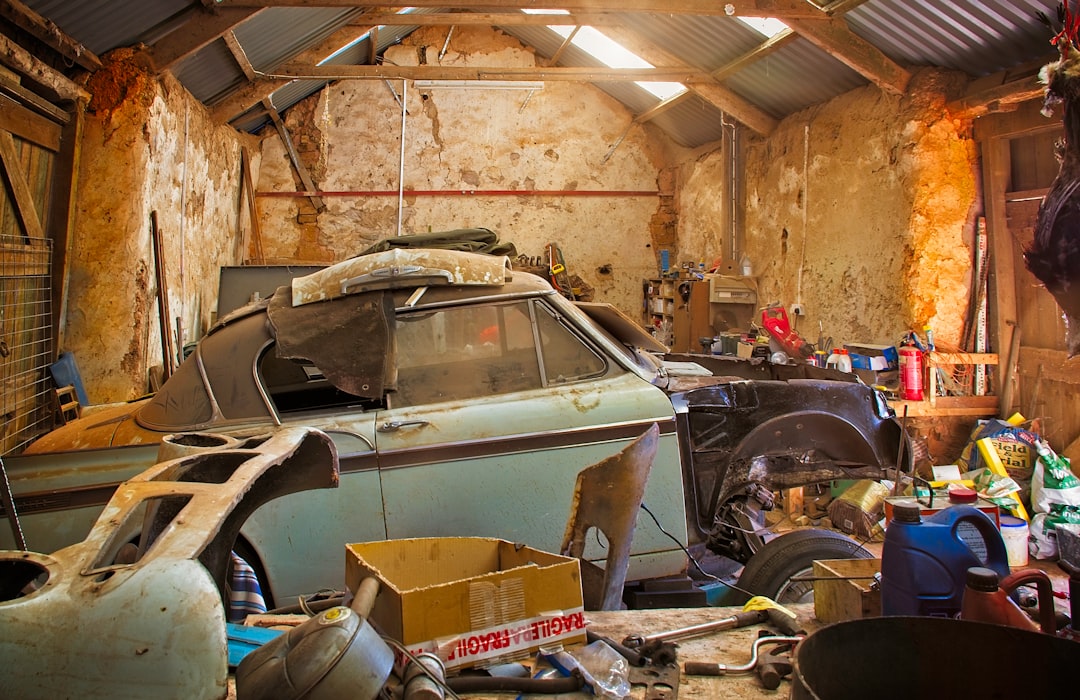
Identifying new avenues for growth in car restoration services hinges on a combination of precision targeting and data-driven optimization. Revenue teams that leverage nuanced insights from their digital campaigns are able to uncover profitable segments and scale results more efficiently than competitors relying on broad, generic tactics.
- Vertical Keyword Targeting: Using highly specific keywords tied to particular car models, restoration techniques, or rare parts ensures that ads reach enthusiasts seeking those exact services. This approach minimizes wasted spend on irrelevant clicks and increases the likelihood of connecting with in-market buyers. When keyword strategies are aligned with real-time intent signals from website visitors, marketers can dynamically shift budgets to segments displaying the highest conversion potential, resulting in a more agile and profitable campaign.
- Competitor Analysis: Analyzing peer campaigns reveals underserved regions, unique service niches, or missed audience segments. By identifying areas where competitors underinvest or overlook demand, revenue teams can deploy targeted budgets to capture that market share. With unified data from multiple touchpoints, such as CRM, ad platforms, and website analytics, teams can attribute new leads to specific campaign moves, ensuring that every strategic decision is backed by measurable outcomes.
- Content Retargeting: Engaging site visitors who have interacted with blog posts, galleries of restored vehicles, or instructional videos creates opportunities for re-engagement at crucial decision points. Retargeting strategies that leverage these content signals, coupled with dynamic audience building tools, keep messaging relevant as prospects move through the funnel. Integrating offline and online activity data allows marketers to track the full customer journey, from initial engagement to completed restoration service, providing a granular view of ROI and next-best-action opportunities.
Combined, these approaches move a restoration shop past guesswork, toward growth that's targeted and repeatable. If you're ready to put them into action, get started for free with Sona.
How to Apply Audience Segmentation for Car Restoration Services
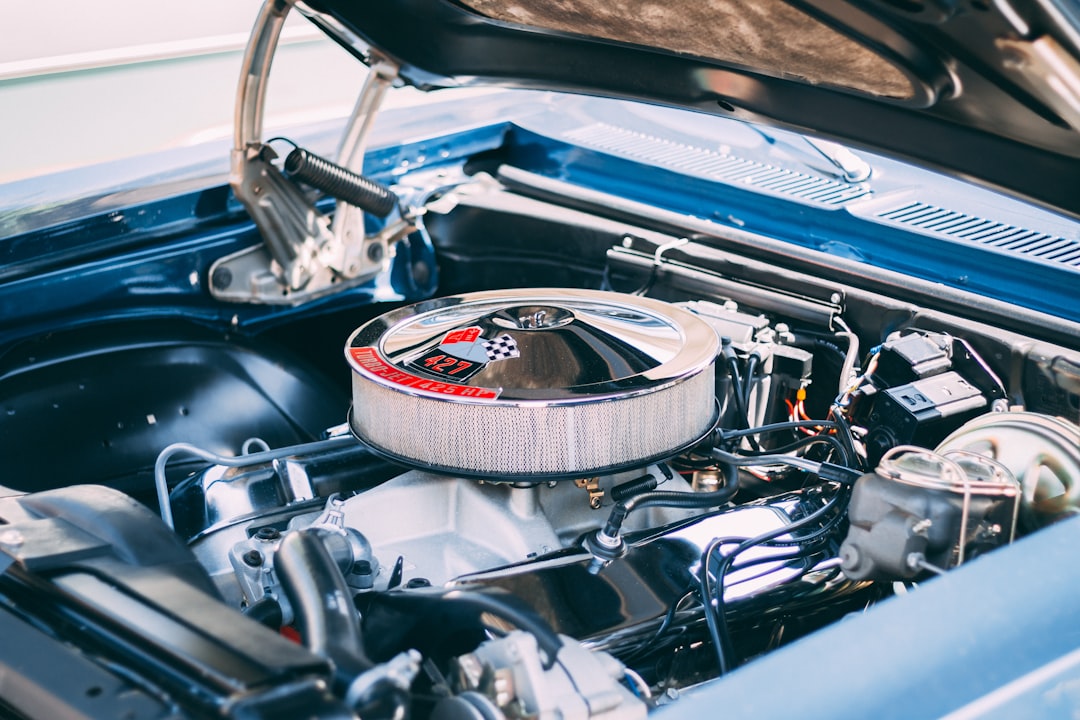
Precision audience segmentation is vital for car restoration businesses aiming to maximize advertising ROI and grow a loyal client base. By grouping prospects according to unique vehicle interests and ownership profiles, marketers can deliver relevant messaging that addresses specific restoration needs. Explore how real-time audience segmentation can help refine your targeting and drive engagement.
- Define Segments: Successful segmentation begins by categorizing potential clients, such as vintage car enthusiasts versus modern vehicle owners. Vintage seekers often respond to messaging that highlights authenticity, rare parts, or heritage craftsmanship, while modern car owners may prioritize technology integration or cosmetic upgrades. Segmenting this way ensures each audience receives communications that speak directly to their expectations and aspirations. For more inspiration, see this digital marketing strategies for auto restoration resource.
- Overlay Intent Signals: Sona surfaces intent signals that show which prospects are actively researching restoration services right now, not just people who match a demographic profile. Layering that signal onto existing segments means a shop can match urgency to offer, someone who just requested a quote on a rusted quarter panel is a different conversation than someone still browsing restoration galleries. Prioritizing spend on prospects showing real buying signals closes the gap between anonymous traffic and sales-ready leads.
- Custom Ad Groups: Creating distinct ad groups around key customer pain points, such as classic engine rebuilding, custom paintwork, or interior restoration, ensures messages remain highly relevant throughout the decision process. Each group can be aligned with specific keywords, creative assets, and calls-to-action, improving click-through rates and downstream conversions. By dynamically updating these audiences as leads engage across web and offline channels, marketers maintain accurate targeting and can nurture high-value relationships with both new inquiries and repeat clients.
This is also where measurement changes the economics. With Sona Marketing Measurement you can identify the companies and buyers behind your ad clicks, not just anonymous sessions, using first-party data tied to your own CRM records, and segment audiences by who actually becomes a customer. That lets you build bid adjustments and audience signals around the segments that convert and de-prioritize the ones that don't, so you feed Google's algorithms "this click became a paying car restoration services customer" instead of just "someone filled out a form."
Keyword Strategy & Sample Target Terms
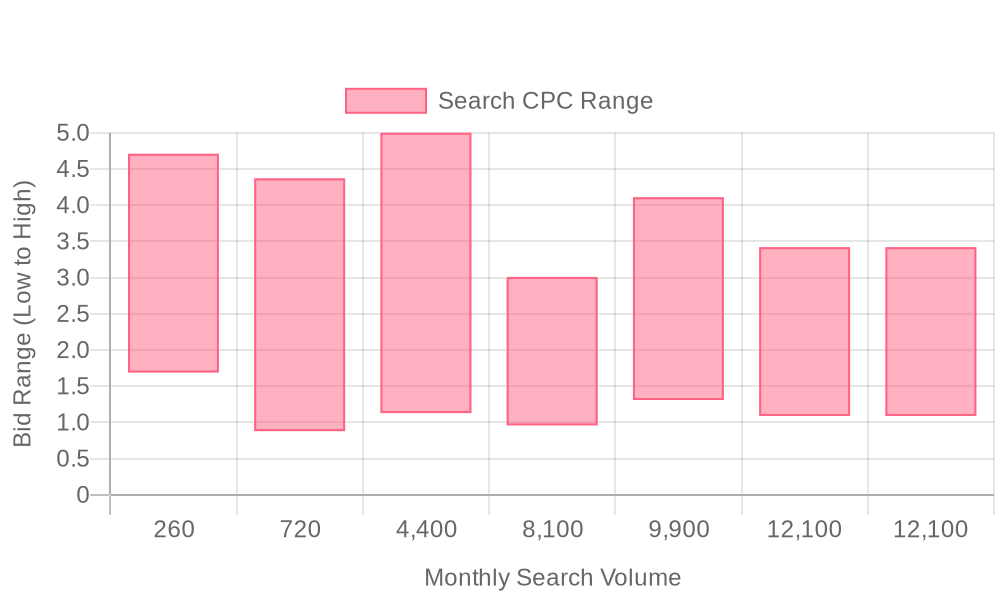
| Industry | Keyword | Monthly Search Volume | Competition Level | Low Bid | High Bid |
| Car Restoration Services | car respray near me | 260 | MEDIUM | 1.69 | 4.71 |
| Car Restoration Services | wheel refurbishment near me | 720 | LOW | 0.88 | 4.37 |
| Car Restoration Services | classic car mechanic near me | 4400 | LOW | 1.13 | 5 |
| Car Restoration Services | classic car restoration near me | 8100 | LOW | 0.96 | 3.01 |
| Car Restoration Services | car restoration services | 9900 | LOW | 1.31 | 4.11 |
| Car Restoration Services | car restoration near me | 12100 | LOW | 1.09 | 3.42 |
| Car Restoration Services | auto restoration near me | 12100 | LOW | 1.09 | 3.42 |
Precision in keyword strategy is indispensable for car restoration businesses aiming to maximize paid search performance. High-intent keywords ensure campaigns reach individuals actively seeking restoration services, directly connecting you with motivated prospects ready to engage. Incorporating terms such as "Google Ads campaign setup for car services" enables your ads to intercept potential clients during critical decision-making moments, ensuring ad spend is focused on those most likely to convert. For more guidance on optimizing paid campaigns in this space, explore keyword matching options for auto repair shops.
Local modifiers further sharpen relevance by anchoring your campaigns to specific geographies. Phrases like "car restoration services near me" or "classic car restoration in [city]" drive visibility among searchers with immediate local needs. This approach not only elevates click-through rates but also supports geographic performance reporting and budget optimization by reducing wasted impressions on out-of-market users. Marketers leveraging unified go-to-market platforms can dynamically update these geo-targeted lists as new service areas or shop locations come online by using Sona's Audiences tool, ensuring audience targeting remains current without manual intervention.
Negative keywords filter out unqualified traffic, people hunting for DIY tutorials, paint supplies, or salvage parts rather than a shop to do the work. Excluding terms like "free," "DIY," or "parts for sale" conserves budget and improves conversion rates. Integrating Sona's intent signals and CRM data into keyword management shows which terms consistently attract qualified leads versus tire-kickers, so both positive and negative keyword lists keep improving as the market shifts.
Step-by-Step Campaign Execution Framework
Step 1: Build Targeted Keyword Lists
A strategic keyword list is the foundation of every high-performing campaign for car restoration services. Utilize search terms such as "digital marketing for car restoration," tailoring your selection toward high-intent queries that reflect what your target customers are actively searching for. With enriched CRM data and timely behavioral insights, marketers can precisely align their keyword targeting with evolving market needs, ensuring campaigns stay relevant as trends shift. Explore how real-time audience segmentation can help you reach the right prospects at the right moment.
Integrating enriched lead and account profiles empowers teams to identify not just what potential customers are searching but who they are, enabling direct mapping of search intent to business accounts. This approach transforms anonymous traffic into actionable opportunities, helping marketers prioritize spend on high-value keywords connected to known, high-conversion accounts. By continually refreshing keyword lists with new signals from CRM and web analytics, campaigns remain sharp and responsive to real-time demand. For more ideas on effective strategies, check out this digital marketing guide for auto restoration shops.
The upgrade most car restoration services advertisers miss is going beyond raw keyword volume to layer in intent and identity signals. By connecting website-visitor data and CRM records with Sona Marketing Measurement, you can see which specific search terms bring in the accounts and customers that actually convert, and weight your keyword and bidding strategy toward those rather than the terms with the highest search volume alone.
Step 2: Develop Compelling Ad Copy
Effective ad copy communicates value immediately and motivates action. For car restoration services, highlight unique selling propositions such as certified technicians, fast turnaround, or exclusive restoration techniques. Incorporate trust signals like certifications, customer testimonials, or industry awards to build credibility and encourage engagement. See best practices for Google Ads copy tailored to auto repair.
Craft clear, emotionally resonant calls-to-action that prompt users to request a quote, book a consultation, or visit a showroom. Marketers can further personalize messaging by dynamically updating ad copy for different audience segments based on their stage in the buying journey. When CRM and ad platforms sync seamlessly, messaging can reflect the latest customer interactions, ensuring relevance and boosting conversion rates.
Step 3: Design Effective Landing Pages
Landing pages should deliver on the intent established in the ad, creating a seamless user experience. For car restoration services, this often means providing before-and-after galleries, restoration process walkthroughs, or interactive ROI calculators that demonstrate tangible value. Design pages to anticipate where prospects are in their decision process, offering the right mix of information, visuals, and conversion opportunities. Learn how data-driven landing pages can increase conversions for auto repair shops.
By leveraging unified data, marketers can tailor landing page content for different audience segments, such as first-time inquirers versus repeat customers. Real-time integration ensures that landing pages display the most relevant offers, testimonials, or forms, reflecting the prospect's latest activity or interest. This personalized approach increases engagement and drives higher-quality leads through the funnel.
Step 4: Implement Data-Driven Optimizations
Ongoing optimization is critical for maximizing campaign ROI in the automotive restoration industry. Utilize smart bidding strategies that leverage real-time behavior signals to allocate budget toward high-converting audiences and keywords. Analyze campaign performance daily, adjusting bids, ad placements, and creative based on the most current conversion and engagement data.
With advanced conversion tracking, marketers can attribute online activity to offline outcomes such as booked appointments or completed restorations, providing a complete view of advertising effectiveness. By syncing CRM and ad data, teams can dynamically update audiences as leads progress, retarget lost opportunities, and refine messaging to reflect each account's current needs. This continuous feedback loop ensures every optimization is rooted in actionable insights, driving sustained growth and measurable results for car restoration services. For a step-by-step video walkthrough of Google Ads setup for auto repair, watch this tutorial video.
Sona Marketing Measurement closes the gap between clicks and revenue. It captures ad clicks with first-party measurement, then ties each one through UTM capture and ad-platform APIs to the actual record in your CRM, and reports ROAS by keyword and campaign instead of by last-click form fill. Feeding that revenue signal back into Smart Bidding and Performance Max compounds over time: the algorithms optimize toward booked car restoration services revenue, not cheap leads.
Tips on Expanding Your Car Restoration Services Presence
Car restoration businesses can unlock rapid growth by strategically broadening their market footprint and deepening engagement with niche audiences. Focusing on relationship-driven and geo-targeted approaches ensures access to high-value automotive enthusiasts and underserved regions.
- Leverage External Relationships: Partner with classic car shows or reputable automotive workshops for reciprocal ad placements. This puts your shop directly in front of hobbyists and collectors already primed to need restoration work, not a cold audience. For inspiration on digital marketing tailored to auto restoration, this digital marketing strategies for automotive restoration resource is worth a look. Sona's Identity Resolution identifies exactly which companies or individuals engage with your ads, enabling tailored follow-up and higher conversion rates as part of a unified marketing stack.
- Cross-Promote Services: Use targeted email marketing and personalized client promotions to introduce current customers to additional offerings. Ongoing digital conversations, supported by CRM data and synchronized with your Sona Audiences, make it easy to spotlight seasonal services or premium upgrades. As leads interact with your campaigns and move through the funnel, audience profiles automatically update, ensuring that subsequent ads and messages reflect each customer's latest interests and service history. This dynamic nurturing approach maximizes retention and lifetime value.
- Geo-Target Expansion: Deploy geo-targeted Google Ads in new regions with promising demand but limited competition. Pinpointing underserved zip codes or metro areas through market research lets you efficiently allocate spend to where it matters most. Enhanced visitor identification and conversion tracking reveal which campaigns translate into actual appointments and revenue, closing the loop between online clicks and offline service bookings. By continuously optimizing based on real-time intent and granular attribution, you can replicate success across multiple territories while maintaining cost efficiency and brand consistency.
Beyond Google Ads: Winning the AI Answers Car Restoration Services Buyers Now Trust
Paid search captures demand at the moment someone types a query. But a fast-growing share of car restoration services buyers no longer start at Google at all, they ask ChatGPT, Gemini, or Perplexity before they ever run a search, and Google's own AI Overviews increasingly summarize an answer above the traditional results. If your business isn't referenced in those AI answers, you're invisible at the exact moment buyers build their shortlist.
Sona AI Visibility shows where your business shows up across ChatGPT, Gemini, Perplexity, Google AI Overviews, and 10+ engines, and, much like a keyword report, which prompts actually send you buyers, so you can prioritize the ones that convert. Run the two together and you cover the entire buyer path: get cited where buyers research (AI Visibility), then prove which of that demand turns into booked revenue (Marketing Measurement).
Helpful resources
Conclusion
Google Ads gets a restoration shop in front of the buyer who's already decided they need help, whether that's a five-figure frame-off job or a same-week collision repair. The shops winning that business aren't the ones bidding highest, they're the ones whose targeting, ad copy, and landing pages actually match what a classic car owner or a rushed daily-driver customer is looking for.
The next differentiator is knowing which of those clicks actually became paying restoration work, not just a filled-out form, and feeding that back into how you bid and target. Shops that close that loop keep getting better at finding the next collector or the next urgent repair customer, while shops that don't are stuck guessing at the same cost per click indefinitely.
Ready to see this in action? Start for free and unify your go-to-market data with the results your campaigns are actually driving.
FAQ
How can I set up a successful Google Ads campaign for my car restoration business?
To set up a successful Google Ads campaign, define clear objectives, customize campaigns using audience segmentation, and leverage data-driven strategies to target high-intent prospects.
What are the best keywords for Google Ads in the car restoration industry?
High-intent keywords such as 'car restoration services near me,' 'classic car restoration,' and niche-specific terms are recommended to attract motivated prospects.
How do I target the right audience with Google Ads for my car restoration services?
Use audience segmentation and real-time data integration to dynamically target relevant prospects based on their current buying stage and interests.
What is the average cost per click for Google Ads in the car restoration sector?
The article does not specify the average cost per click, but mentions that bidding strategies and real-time insights can help optimize cost efficiency.
How can I track and measure the success of my Google Ads for car restoration services?
Implement conversion tracking, use predictive analytics, and integrate CRM data to assess campaign performance and make real-time adjustments for continuous optimization.







