


A hailstorm creates a narrow window: cars pockmarked with dents, roofs shredded, and homeowners searching their phones within hours for someone who can fix it fast. Google Ads is how hail damage repair businesses win that window, putting their name in front of drivers and property owners at the exact moment they're comparing options and deciding who to call. Done well, these campaigns turn a spike in local search volume into booked inspections and signed repair orders, with enough tracking behind them to show which keywords and ads actually produced paying customers.
How to Generate Hail Damage Repair Services Leads with Google Ads: A Step-by-Step Guide

Success in hail damage repair services marketing depends on precision targeting, rapid response, and the ability to turn urgent online searches into qualified leads. Using Google Ads, revenue teams can deploy location-aware, intent-driven campaigns that capture high-value prospects at the exact moment of need. For a closer look at effective strategies tailored to this industry, watch this Google Ads for roofing companies video, which details how to attract more storm and hail damage leads.
A robust Google Ads setup for hail damage repair starts with strategic keyword research. By analyzing search patterns and layering local modifiers such as "near me" or city-specific terms, marketers ensure their ads appear for the most relevant and urgent queries. This approach increases both ad relevance and conversion rates, especially when paired with dynamic audience segmentation that refreshes as user intent changes. Sona's Identity Resolution helps marketers identify the companies and households behind site visits, so ad spend can concentrate on the accounts most likely to convert.
Effective campaign structure breaks out ad groups by service line: inspection, dent or roof repair, and insurance consultation. This granularity lets ad copy speak to each audience's immediate concern, same-day availability for inspections, or experience navigating insurance claims for more involved repairs. Sona's Intent Signals sharpen targeting further, letting teams shift budget toward the ZIP codes and accounts most likely to convert as storms move through specific geographies.
Ad copy should focus on urgency, trust, and clear next steps. Messaging that references recent weather events, promises rapid response, and includes local credibility boosts click-through rates. Once a user clicks, a streamlined landing page is essential. Top-performing pages offer instant quote forms, live scheduling, and easy insurance submission portals, seamlessly guiding prospects from interest to action. Integrating offline and online conversion tracking ensures every call, form fill, or in-shop visit is attributed back to its source, providing a full-funnel view of ROI and enabling continuous optimization.
Follow-up speed decides who wins the job. Automated lead routing notifies sales the moment a prospect requests service, so no hot lead sits waiting for manual triage. Syncing CRM data with ad platforms lets marketers trigger personalized retargeting and nurture sequences that keep the brand visible through the decision process. This unified approach cuts lead decay and turns urgent post-storm searches into booked appointments. If you're ready to streamline lead generation and conversion, get started for free with Sona.
Why Does Google Ads Matter for Hail Damage Repair Services
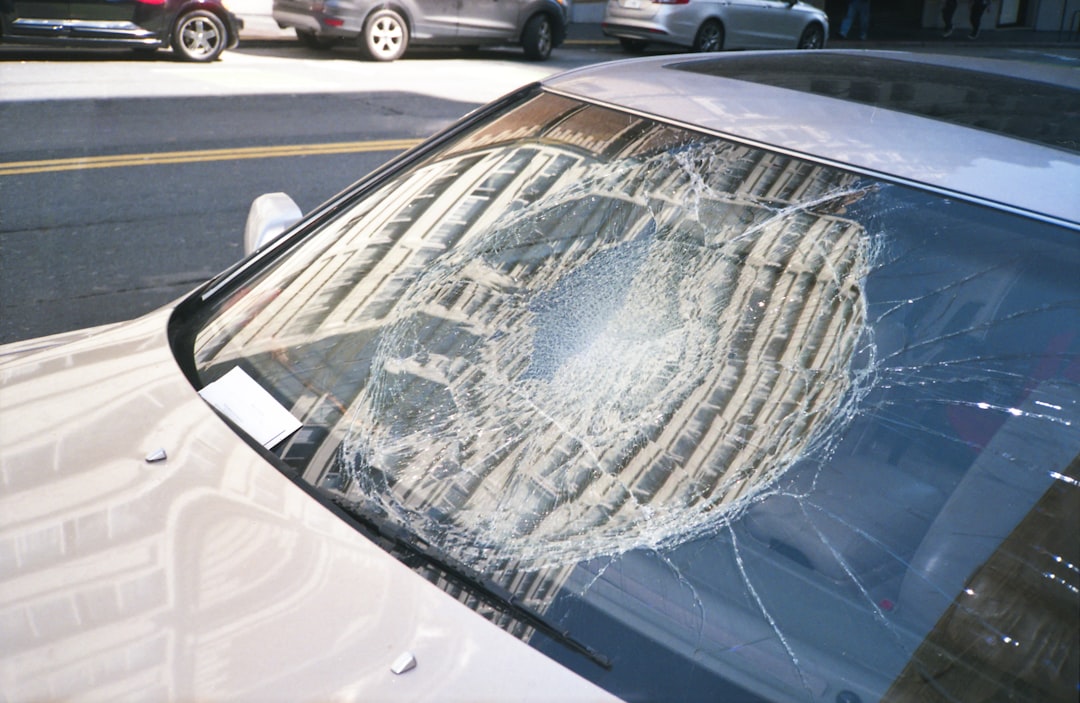
Google Ads holds a distinct advantage for hail damage repair services by prioritizing real-time lead capture and response. When hail events strike, consumers initiate urgent searches for repair providers, creating a narrow window for businesses to intercept high-intent prospects before competitors make contact. This YouTube video explains effective Google Ads strategies for roofing companies seeking more storm and hail damage leads, illustrating the importance of timely digital presence.
Intent-based audience segmentation in Google Ads ensures that your services reach those who are actively searching for solutions in your local area. This precision not only accelerates customer acquisition but also minimizes wasted ad spend on low-relevance audiences. Comprehensive campaign measurement, from the initial click to booking a repair, enables ongoing optimization and data-driven decision-making.
Marketers gain an edge by identifying the companies behind anonymous site visits and linking them to firmographic profiles, transforming previously missed traffic into actionable opportunities. As leads progress through the funnel, dynamic audience updates keep messaging relevant, enabling timely retargeting and nurture sequences that lift conversion rates. Advanced tracking systems provide granular attribution for both online and offline conversions, so marketing resources go to the most profitable channels and campaigns. Ready to capture more hail damage leads? Get started for free with Sona.
Common Types of Google Ads Campaigns for Hail Damage Repair Services

- Search Campaigns: These campaigns capture high-intent prospects at the exact moment they search for hail damage repair solutions. By targeting queries like “hail damage repair near me” or “emergency auto hail repair,” you address urgent needs and drive immediate conversions. Leveraging Sona's Intent Signals, marketers can dynamically prioritize budgets toward search terms trending in the wake of recent storms, aligning spend with areas experiencing surges in demand. With Sona's Identity Resolution, teams can recognize not just lead volume but lead quality, connecting search activity to the companies and decision-makers behind it.
- Display Ads: Display campaigns extend brand presence by placing visual ads on weather, automotive, and local news sites frequented by consumers post-storm. These ads keep your services top-of-mind for those who may not convert immediately but are actively researching repair options. Segmenting audiences based on browsing behavior and previous engagement allows for personalized display messaging, increasing the likelihood of future interaction. With enriched audience data, marketers can refine targeting to focus on specific company sizes, locations, or repeat visitors, boosting relevance and reducing wasted impressions.
- Video Ads: Video campaigns provide a powerful medium to showcase before-and-after results, walk customers through the repair process, and highlight insurance partnerships or customer testimonials. Visual storytelling builds trust quickly, especially crucial when consumers are overwhelmed by storm damage and seeking credible providers. Marketers can use in-market behavioral signals to deliver video content precisely when potential customers are comparing options, ensuring high engagement and maximizing impact. For a walkthrough on setting up high-converting video campaigns, see this video ads strategy for roofing companies. Video viewers who engage deeply can be automatically added to remarketing lists for follow-up with more direct offers.
- Remarketing Campaigns: Remarketing reconnects with users who have previously visited your site or interacted with your ads but have not taken action. By serving tailored ads highlighting limited-time offers, local availability, or insurance claim support, you encourage hesitant prospects to return and convert. Dynamic audiences, updated in real-time as visitors move through the funnel, ensure that messaging remains relevant and timely. Integration with CRM and offline conversion tracking enables full-funnel attribution, tying ad spend directly to completed repairs and insurance claims. For more on attribution best practices, visit our marketing analytics blog.
Where to Find Growth Opportunities

Growth-minded hail damage repair businesses can unlock new revenue by diversifying their keyword portfolio into highly specific service terms. Phrases like "emergency hail damage inspection" or "insurance-approved hail repair" capture niche demand that broad campaigns overlook, particularly in the days after a storm when searchers already know they need a claim-savvy provider, not a general contractor. These specialized terms attract prospects further along in their decision and can separate a business from competitors bidding only on broad match. For actionable ideas on maximizing PPC results in these verticals, explore this guide to PPC for roofing contractors.
A thorough competitor gap analysis is essential for identifying underserved segments within the hail repair market. Scrutinizing competitors' ad coverage and search impression share reveals regions, service types, or customer personas that aren't yet saturated. Once these gaps are mapped, tailored ad groups and focused messaging can be deployed to win over these audiences. Using Sona's Identity Resolution, marketers can identify which companies are engaging with these new service lines, turning lost traffic into actionable sales opportunities. For more strategic guidance, review our playbooks for B2B marketing and sales.
How to Apply Audience Segmentation for Hail Damage Repair

Effective audience segmentation for hail damage repair unlocks precise campaign targeting, enabling marketers to focus resources on prospects most likely to convert. By distinguishing between segments such as vehicle owners seeking immediate repairs and property managers scheduling post-storm inspections, campaigns can address each audience’s unique urgency and intent. Overlaying these segments with real-time audience signals, such as recent website visits, service inquiries, and insurance claim downloads, sharpens the focus on accounts exhibiting high purchase intent.
Customizing ad groups for each segment improves message relevance and click-through rates. For instance, ads targeting urgent repair seekers should emphasize rapid response and insurance partnerships, while segments interested in long-term inspection benefit from educational content and trust-building proof points. Engagement data from integrated CRM platforms helps validate which conversion paths are most effective, ensuring budget allocation favors the highest-yielding audiences.
Predictive models further enhance segmentation by flagging leads displaying strong buying signals. Leveraging Sona's Identity Resolution, marketers can move beyond anonymous traffic to identify the companies actively evaluating hail damage repair. As these prospects interact with landing pages, their actions trigger dynamic audience updates, enabling retargeting and message personalization across channels. For more on how digital marketing drives results for hail damage repair, see this hail repair case study. Enriched lead data flows automatically into ad platforms and CRMs, keeping audience lists fresh as prospects move from inquiry to booked repair, improving both lead generation and overall campaign ROI.
This is also where measurement changes the economics. With Sona Marketing Measurement you can identify the companies and buyers behind your ad clicks, not just anonymous sessions, and segment audiences by who actually becomes a customer. That lets you build bid adjustments and audience signals around the segments that convert and de-prioritize the ones that don't, so you feed Google's algorithms "this click became a paying hail damage repair services customer" instead of just "someone filled out a form."
Keyword Strategy & Sample Target Terms
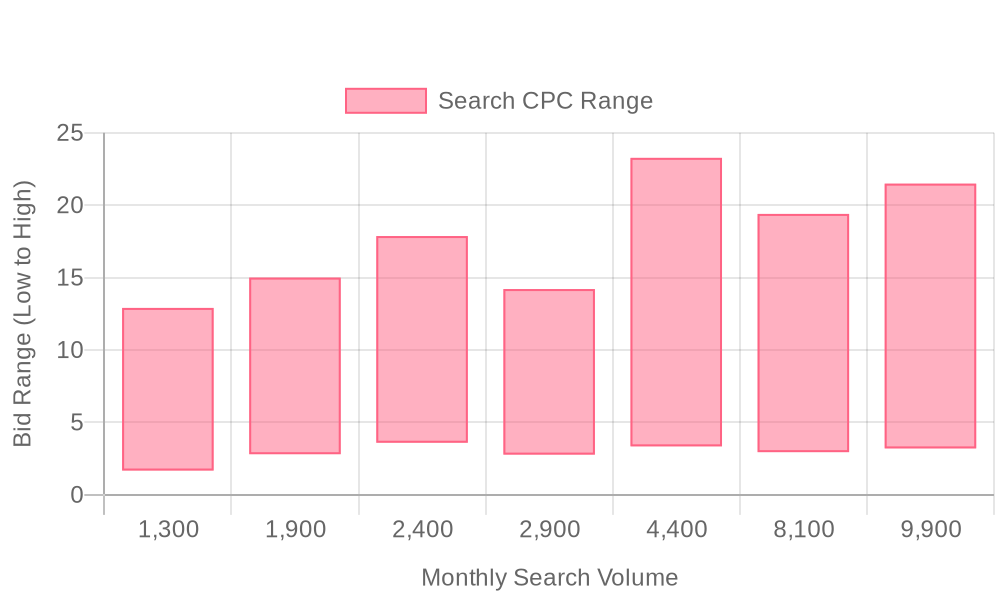
| Industry | Keyword | Monthly Search Volume | Competition Level | Low Bid | High Bid |
| Hail Damage Repair Services | hail dent repair | 1300 | MEDIUM | 1.68 | 12.91 |
| Hail Damage Repair Services | auto hail repair | 1900 | LOW | 2.81 | 15 |
| Hail Damage Repair Services | hail repair | 2400 | LOW | 3.6 | 17.87 |
| Hail Damage Repair Services | hail damage repair cost | 2900 | LOW | 2.78 | 14.21 |
| Hail Damage Repair Services | hail repair near me | 4400 | LOW | 3.35 | 23.27 |
| Hail Damage Repair Services | hail damage repair near me | 8100 | LOW | 2.95 | 19.4 |
| Hail Damage Repair Services | hail damage repair | 9900 | LOW | 3.21 | 21.49 |
Crafting a precise keyword strategy for hail damage repair services is pivotal to capturing urgent, local, and transaction-ready searchers. The most effective PPC for auto body shops and roofing specialists relies on a blend of core, geographically modified, and long-tail keywords that reflect both immediate need and location specificity. For an in-depth look at how to improve your campaigns, explore seven essential Google Ads campaign tips or browse actionable insights on our marketing analytics blog.
Integrating local service ads for hail damage with well-researched keyword clusters ensures your ads appear to those who are genuinely seeking solutions, not just browsing for information. Negative keyword strategies are essential to filter out irrelevant traffic like DIY repair guides or general weather reports, which do not translate into leads or revenue. This approach protects budget allocation and maximizes every dollar spent on Google Ads.
Dynamic keyword targeting becomes even more powerful when linked to real-time intent signals from visitor activity. Marketers leveraging advanced data platforms can identify which users are actively engaging with repair content, enabling rapid shifts in spend toward the highest-value accounts. As audiences move through the funnel, dynamic updates to keyword lists and audience segments ensure campaigns remain relevant and conversion-focused. By syncing enriched lead data and audience insights between CRM systems and Google Ads, teams eliminate guesswork and continually refine keyword targeting for sustained lead generation and improved campaign ROI.
Step-by-Step Campaign Execution Framework
Step 1: Build Targeted Keyword Lists
Developing high-intent keyword groups is foundational for Google Ads for Hail Damage Repair Services. Segment keywords by service categories, such as "hail repair inspection," "emergency roof damage control," and "auto hail dent removal." Integrating local modifiers, including city names and neighborhood identifiers, ensures regional relevance and connects directly with customers searching in their immediate area. Consistent translations across service zones further enhance keyword applicability, capturing both English and non-English searchers in multilingual markets. For more on keyword segmentation and research, explore effective keyword research for PPC.
Negative keywords are equally important, filtering out irrelevant search traffic and preventing budget waste. Exclude terms like "DIY hail repair," "hail storm photos," or unrelated insurance queries. This level of precision not only improves cost efficiency but also raises ad relevance scores. When all keyword data is unified into a single strategic content hub, marketers gain a panoramic view of which queries drive qualified leads, allowing for real-time adjustments as weather patterns and market behavior shift. Using identification tools, teams can pinpoint visitor intent and company engagement from keyword-triggered sessions, informing audience refinement and budget allocation on the fly.
The upgrade most hail damage repair services advertisers miss is going beyond raw keyword volume to layer in intent and identity signals. By connecting website-visitor data and CRM records with Sona Marketing Measurement, you can see which specific search terms bring in the accounts and customers that actually convert, and weight your keyword and bidding strategy toward those rather than the terms with the highest search volume alone.
Step 2: Develop Compelling Ad Copy
Effective ad copy for hail damage repair advertising goes beyond basic service descriptions. It must address the urgency and stress experienced by customers after a storm, highlighting solutions like "24/7 emergency response" and "insurance claim support." Incorporating trust signals, such as industry certifications, brief testimonials from local clients, or recognizable insurer partnerships, builds credibility and lowers friction for first-time contacts. For a deeper dive into advanced ad copy strategies specific to this industry, check out Google Ads strategies for roofing leads.
Calls-to-action should be assertive and timeline-driven, using language like "Book your inspection now" or "Slots filling fast after recent hailstorm." Maintaining message consistency across paid campaigns, organic content, and social channels fosters a unified brand identity. When ad copy aligns with broader digital outreach, each channel amplifies the other, reinforcing the company’s reputation for reliability and speed. Modern marketing platforms enable dynamic adjustment of ad messaging based on real-time behavioral data, ensuring that ads reflect the current stage of the funnel and the prospect’s engagement level.
Step 3: Design Effective Landing Pages
A seamless user experience begins with one-to-one ad and landing page alignment. Every ad group should direct traffic to a page tailored to that specific service or damage type, mirroring the language and offers featured in the ad itself. Embedding trust signals, like ROI calculators showing potential claim savings, customer reviews from recent hail events, and certification badges, reassures visitors and reduces hesitation. For inspiration on high-performing hail damage landing pages, review this hail damage repair landing page.
Mobile optimization is mandatory, since most post-storm searches originate from smartphones. Fast load times, thumb-friendly forms, and visible click-to-call options let visitors act immediately. Every lead capture form should sync directly with CRM systems, eliminating delay in follow-up and enabling granular tracking of source, keyword, and engagement history. Platforms that unify digital touchpoints can enrich each lead profile with behavioral insights, supporting follow-up that is both timely and specific to what the prospect has already seen.
Step 4: Implement Data-Driven Optimizations
Ongoing optimization is critical for sustaining performance in online advertising for hail repair. Conversion metrics must be tracked across all touchpoints: phone calls, form fills, live chat, and even offline visits resulting from digital engagement. Smart bidding strategies, such as Maximized Conversions, allow automated budget allocation toward the highest-performing keywords and audiences, responding instantly to shifts in demand after a hail event. Discover seven actionable tips for Google Ads optimization to improve campaign results.
Sona Marketing Measurement closes the gap between clicks and revenue. It captures every ad click with first-party measurement, then ties that click through UTM capture and ad-platform APIs to the actual record in your CRM, and reports ROAS by keyword and campaign instead of by last-click form fill. Feeding that revenue signal back into Smart Bidding and Performance Max compounds over time: the algorithms optimize toward booked hail damage repair services revenue, not cheap leads.
Tips on Expanding Your Hail Damage Repair Service Presence
Strengthen your regional authority by amplifying your most valuable content updates through well-timed retargeting. When retargeting visitors who engaged with storm-related repair pages, surface fresh blog posts, seasonal promotions, or new service packages so your business stays visible when they're ready to convert. Connecting CRM data directly with your Google Ads audiences lets you segment and upsell based on prior repair history, warranty expirations, or insurance claim timelines, since hail repair customers often need roof, siding, and vehicle work in the same season. For insights on optimizing Google Ads for mobile paintless dent repair businesses, explore these AdWords optimization tips for mobile PDR. This targeted approach lets you deliver offers, like a roof inspection discount to a past auto hail repair customer, that increase average contract value.
Forming strategic partnerships with local insurance agencies, property management firms, and industry associations facilitates a steady stream of high-quality referral traffic. These alliances expand your digital footprint, while collaborative content, such as co-branded guides on storm recovery or joint webinars, attracts both direct and indirect leads. Local-specific ad variations, reflecting regional storm patterns or municipality regulations, reinforce your expertise and trustworthiness within each market segment. Ongoing analysis of search trends and campaign performance uncovers new content opportunities, providing a foundation for brainstorming timely blog topics that support organic growth and ensure your repair service remains discoverable year-round.
Use Sona's Identity Resolution to move beyond anonymous website traffic and identify the companies engaging with your hail repair content. By capturing Sona's Intent Signals, your team can shift ad budget to in-market accounts showing high purchase propensity. Dynamic audience segments, continuously updated as leads progress through the funnel, allow for seamless retargeting and nurture flows. Syncing enriched CRM audiences directly into your Google Ads campaigns keeps your most valuable prospects receiving the most relevant messaging, optimizing both reach and ROI for your hail damage repair business. If you're ready to take the next step, get started for free with Sona.
Beyond Google Ads: Winning the AI Answers Hail Damage Repair Services Buyers Now Trust
Paid search captures demand at the moment someone types a query. But a fast-growing share of hail damage repair services buyers no longer start at Google at all, they ask ChatGPT, Gemini, or Perplexity before they ever run a search, and Google's own AI Overviews increasingly summarize an answer above the traditional results. If your business isn't referenced in those AI answers, you're invisible at the exact moment buyers build their shortlist.
Sona AI Visibility shows where your business shows up across ChatGPT, Gemini, Perplexity, Google AI Overviews, and 10+ engines, and, much like a keyword report, which prompts actually send you buyers, so you can prioritize the ones that convert. Run the two together and you cover the entire buyer path: get cited where buyers research (AI Visibility), then prove which of that demand turns into booked revenue (Marketing Measurement).
Helpful resources
Conclusion
Google Ads gives hail damage repair businesses a way to be the first call, not the fifth, when a storm rolls through. Targeted keywords and well-timed ad placements put your business in front of drivers and homeowners exactly when they're deciding who to hire.
The businesses that win the next hail season will be the ones that pair fast, well-targeted campaigns with measurement tying ad spend to actual booked repairs, not just form fills. That combination is what turns a chaotic, weather-driven spike in demand into a repeatable revenue channel.
To put this into practice, start for free and see how measurement can sharpen every Google Ads dollar you spend.
FAQ
What are the best practices for using Google Ads for hail damage repair services?
Best practices include precision targeting, rapid response to urgent searches, using location-aware and intent-driven campaigns, and crafting ad copy that highlights urgency and trust.
How can I optimize my Google Ads campaign for hail damage repair?
Optimizing your campaign involves strategic keyword research, dynamic audience segmentation, using real-time behavioral data, and continuously refining based on conversion metrics.
What budget should I allocate for Google Ads in the hail damage repair industry?
The budget should be concentrated on high-intent keywords and dynamic audience segments identified through real-time data, ensuring efficient ad spend on the highest-converting accounts.
What keywords should I target for Google Ads related to hail damage repair?
Target keywords should include core terms like 'hail damage repair near me' and long-tail keywords with local modifiers such as city-specific terms to capture urgent and location-specific searches.
How do I measure the success of my Google Ads for hail damage repair services?
Success can be measured through comprehensive campaign measurement, tracking conversions across all touchpoints, and using advanced tracking systems for both online and offline conversions.







