


Online event registration runs on timing: a prospect searches for a webinar or summit within days of deciding to attend, and whoever shows up first in that narrow window usually wins the registration. Google Ads is how you intercept that search, meeting would-be attendees at the moment they're comparing options rather than hoping they find your event page on their own. For marketers running online events, this means pairing precise targeting with a registration flow that converts intent into a confirmed seat:
How to Generate Leads for Online Event Registration with Google Ads: A Step-by-Step Guide

B2B event marketers face growing pressure to justify every dollar spent on digital advertising for events. Precision in targeting, messaging, and measurement is essential to convert online event promotion into actual registrants. Leveraging real-time audience insights and unified data streams enables teams to maximize event marketing strategies and drive qualified leads.
A step-by-step approach to Google Ads for event promotion ensures no high-value opportunity is missed. The following framework details each critical aspect of campaign execution, giving B2B teams a clear roadmap for generating measurable ROI from event registration ads.
Step 1: Understand Your Goals
Start by defining whether your campaign’s primary purpose is to raise broad awareness or to maximize attendance among a specific audience. Awareness campaigns typically cast a wider net, aiming to get your event in front of as many relevant eyes as possible, while attendance-focused initiatives require sharper targeting and engagement tactics. Clarity on these objectives informs every downstream decision, from budget allocation to creative development.
Teams with unified analytics can align their KPIs seamlessly, tracking not just clicks but meaningful actions like registrations and post-event engagement. This alignment transforms your Google Ads campaign for events from a basic marketing sprint into a strategic demand generation engine.
The upgrade most online event registration advertisers miss is going beyond raw keyword volume to layer in intent and identity signals. Event queries skew seasonal and time-boxed, a spike in searches for "virtual summit registration" three weeks before your event matters more than steady year-round volume, and generic terms often mix curious browsers with people who registered for a competitor's event last year. By connecting website-visitor data and CRM records with Sona Marketing Measurement, you can see which specific search terms bring in the accounts and contacts who actually attend and buy, and weight your keyword and bidding strategy toward those rather than the terms with the highest search volume alone.
Step 2: Identify the Target Audience
Effective online event promotion relies on accurately profiling your ideal attendees. Use CRM insights to map out key segments, including job titles, company sizes, industries, and past engagement patterns. Many organizations miss high-value prospects because CRM records often lack behavioral data from external channels.
With modern data platforms, marketers can bridge this gap by identifying the companies behind anonymous site visits, capturing account-level engagement and intent signals. This visibility lets you prioritize outreach toward accounts actively researching your event topics, rather than relying solely on static CRM lists. Audience building becomes dynamic, updating as prospects move through the funnel or show new interest, so targeting stays relevant through the registration window.
Step 3: Keyword and Audience Targeting
Campaigns for Google Ads for Online Event Registration thrive on tightly aligned keyword and audience strategies. Identify search terms with high purchase or registration intent, such as “virtual summit sign up” or “B2B webinar registration,” to connect with prospects ready to take action. Avoid broad or generic keywords that can drive unqualified traffic and inflate costs.
Layering in-market and custom intent audiences enables even greater precision, targeting users who've shown relevant research behavior, comparing event formats, reading speaker bios, searching competing conferences. Sona surfaces which companies and contacts are spiking in relevant search or content consumption, automatically updating audiences to focus spend on accounts most likely to register. This approach sharpens your ability to reach decision-makers while they're still building their shortlist.
Step 4: Ad Creative and Landing Pages
Compelling event registration ads require a clear value proposition and alignment with the user’s search intent. Craft ad copy that directly addresses audience pain points, highlights session benefits, and leverages urgency, such as limited seats or early-bird pricing. Dynamic creative testing, powered by real-time engagement data, quickly surfaces the best-performing headlines and descriptions.
Landing pages must extend this experience by matching the ad’s promise and streamlining the registration process. Avoid generic forms or one-size-fits-all messaging, which lead to poor engagement and high abandonment rates. Instead, personalize landing pages based on audience segment and account, ensuring content relevance and higher conversion rates. Integrating visitor identification technology allows for progressive form completion and smooth handoff of high-value leads into your CRM or sales workflow.
Sona Marketing Measurement closes the gap between clicks and revenue. It captures every ad click with first-party measurement, then ties that click through UTM capture and ad-platform APIs to Smart Bidding and Performance Max compounds over time: the algorithms optimize toward booked online event registration revenue, not cheap leads.
Step 5: Monitor and Optimize Performance
Continuous monitoring is essential for maximizing ROI in Google Ads for events campaigns. Use robust analytics to track intent signals, registration rates, and downstream engagement, not just ad clicks. Real-time dashboards reveal which audiences and creatives are driving the highest conversion value, while advanced attribution models connect online and offline engagement to measure true impact.
Automated audience and budget adjustments keep campaigns agile, reallocating spend toward high-performing segments as new intent data emerges. Integration with CRM and marketing automation systems ensures every registrant is nurtured appropriately, and attendee intelligence flows back into planning for your next event. This cycle of measurement and optimization is what separates a one-off registration push from a repeatable event pipeline.
Why Does Google Ads Matter for Online Event Registration?
Digital-first event marketers face the ongoing challenge of reaching decision-makers at the exact moment their interest peaks. Google Ads delivers a solution by capturing high-intent prospects with immediate visibility, eliminating the lag inherent in traditional marketing channels.
The platform accelerates response times, ensuring that event ads appear precisely when and where potential registrants are actively searching for relevant opportunities. This rapid execution is critical in competitive verticals where event slots fill quickly and attention spans are limited. For more tactics to drive registrations, see our best practices for event marketing.
Google Ads extends reach far beyond the confines of static channels, tapping into the full spectrum of search, display, and video placements across Google’s vast network. This expansive coverage is particularly valuable for B2B events aiming to attract niche audiences or specialized roles that rarely engage with conventional advertising. To maximize the impact of your outreach, consider leveraging real-time audience segmentation for hyper-targeted campaigns.
Marketers gain the ability to follow every touchpoint: from the first click on an event registration ad to the final submission of attendee information. Unlike manual or delayed follow-ups, digital tracking ensures no lead is lost to slow processes. Robust attribution makes it possible to tie every registration back to its original source, giving revenue teams the clarity to refine messaging and budget allocation for future campaigns. Integrating visitor identification and audience sync capabilities further elevates this approach, allowing marketers to target and nurture high-value accounts throughout the event registration journey.
Common Types of Google Ads Campaigns for Online Event Registration

- Search Campaigns: Search campaigns are the core of digital advertising for events, targeting high-intent prospects actively seeking information on webinars, virtual conferences, and online workshops. Responsive search ads, an ad format within these campaigns, let you test multiple headlines and descriptions against queries like "online event registration" or "upcoming digital marketing summit," so budget concentrates on audiences with clear intent to register. When paired with unified visitor identification, these campaigns move beyond anonymous clicks, letting teams pinpoint the company behind each inquiry. For more actionable strategies on reaching high-intent registrants, explore how to market events with Google Ads.
- Display Ads: Display ads maintain consistent brand presence across industry publications, niche communities, and news sites frequented by your target audience. These ads serve as visual reminders, nurturing prospects who may not be ready to register but demonstrate early interest. Leveraging dynamic audience updates, marketers can adjust creative and placements as leads progress through the funnel, ensuring that every impression is contextually relevant and aligned with current buyer intent.
- Video Ads: Video ads, especially on platforms like YouTube, enable organizations to showcase speakers, share event highlights, and build anticipation with dynamic, engaging content. Video acts as both a trust-builder and an accelerant, drawing in viewers who prefer rich storytelling over static banners. By syncing enriched audience segments from CRM and intent data, video campaign targeting becomes more precise, driving event registration ads directly to those most likely to convert.
- Remarketing and Asset-Enhanced Ads: Remarketing campaigns and ad assets (formerly called extensions) re-engage visitors who previously interacted with registration pages or event ads, often nudging them toward action after initial hesitation. Integrating advanced conversion tracking, marketers can attribute registration completions whether they happen online, through email nurture, or via direct sales calls. To see how these strategies work in real campaigns, review this Google Ads case study.
Ready to unify your event marketing and maximize registrations? Get started for free with Sona.
Where to Find Growth Opportunities
Vertical keyword targeting drives qualified attendees seeking specialized content, making campaigns for Google Ads for Online Event Registration more effective. Niche keyword themes attract high-intent registrants, such as professionals searching for sector-specific summits or technical workshops. By analyzing search trends and segmenting campaigns around these focused terms, marketers can capture demand from audiences overlooked by generic event advertising. For more on building and activating targeted segments, explore real-time audience strategies that help align messaging with precise attendee interests.
Identifying and exploiting competitor gaps with auction insights reveals where your event registration ads can outmaneuver rivals. Reviewing auction metrics uncovers which competitors dominate specific search segments and where their coverage is weak. This intelligence allows revenue teams to strategically allocate budget toward under-served verticals and maximize visibility. When marketers connect real-time engagement data with these insights, they can dynamically shift bid strategy and creative assets to target high-converting accounts as soon as the opportunity arises.
Industry-specific placements ensure your event ads consistently appear on platforms and media frequented by your target audience. Selecting placements within curated networks, such as tech news outlets for developer conferences or HR sites for leadership summits, solves the pain point of missing valuable prospects who might never enter broad search queries. As digital advertising for events grows more competitive, leveraging Google Ads for event promotion can help pinpoint where your audience gathers online and allow for adaptive placement based on actual engagement. Marketers who tie this insight into their campaign structure ensure every impression is focused on relevant, high-value prospects.
Retargeted content like whitepapers and how-to videos maintains a congruent message across all touchpoints, reinforcing brand authority and driving higher registration intent. When a prospect interacts with event landing pages but does not complete registration, synchronizing retargeting sequences re-engages them with educational resources or exclusive previews. Automated audience updates as leads move through the funnel allow for seamless retargeting, ensuring messaging evolves with each interaction. To see how you can streamline this process, get started for free with Sona and elevate your event promotion efforts.
How to Apply Audience Segmentation for Online Event Ads
Audience segmentation is the foundation of digital advertising for events, enabling marketers to deliver event registration ads that align precisely with attendee intent. By segmenting audiences based on event type, buyer stage, and behavioral signals, teams ensure that each campaign delivers relevant messaging to the right prospects, increasing engagement and conversion rates for Google Ads for Online Event Registration.
- Define Segments: Event organizers should start by mapping out their primary audience groups. For instance, a campaign promoting corporate workshops should highlight business outcomes, professional growth, and networking opportunities, while a public-facing webinar might emphasize accessibility, trending topics, or community value. Tailoring ads at this level eliminates broad, generic messaging, helping to boost response rates and reduce wasted impressions. Using a unified data platform, marketers can identify not just anonymous visitors but also key accounts and decision-makers, enabling hyper-specific creative that resonates with a target industry or persona.
- Overlay Intent Signals: Integrating intent data is crucial for optimizing Google Ads for events. By tracking digital body language, such as repeat visits to registration pages, content downloads, or session replays, teams can prioritize users who demonstrate genuine buying intent. Real-time analysis of in-market behavior allows for dynamic budget shifts to segments showing the highest likelihood to convert. When audience segments automatically update as leads progress down the funnel, ad spend is continually optimized for the most valuable prospects, increasing registration efficiency and lowering acquisition costs.
- Create Ad Groups for Specific Segments: Building distinct ad groups for each audience segment is one of the most effective event marketing strategies. Each group receives custom creative and offers that speak directly to its pain points and goals. This approach eliminates inconsistent messaging, ensuring that, for example, IT professionals see technical benefits while HR leaders receive content about organizational transformation. A robust integration between CRM and ad platforms enhances this process, allowing enriched audience data and lead attributes to sync seamlessly across campaigns.
- Validate Conversion Paths: To maximize ROI from online event promotion, every engagement, from ad click to completed registration, should be meticulously tracked. Advanced conversion tracking closes the loop between digital touchpoints and real-world outcomes, connecting ad platforms with offline CRM events for full-funnel attribution. This level of validation helps identify disconnects in user journeys, such as high click volumes but low registrations, allowing marketing teams to refine audience definitions or creative in real time. When attribution is unified across channels, event organizers gain a clear view of which segments and ads drive actual attendee signups, supporting continuous optimization and more accurate reporting on event registration tips and Google Ads best practices.
Ready to see how segmentation and automation can transform your event marketing? Get started for free with Sona.
This is also where measurement changes the economics. With Sona Marketing Measurement you can identify the companies and buyers behind your ad clicks, not just anonymous sessions, and segment audiences by who actually becomes a customer. That lets you build bid adjustments and audience signals around the segments that convert and de-prioritize the ones that don't, so you feed Google's algorithms "this click became a paying online event registration customer" instead of just "someone filled out a form."
Keyword Strategy & Sample Target Terms
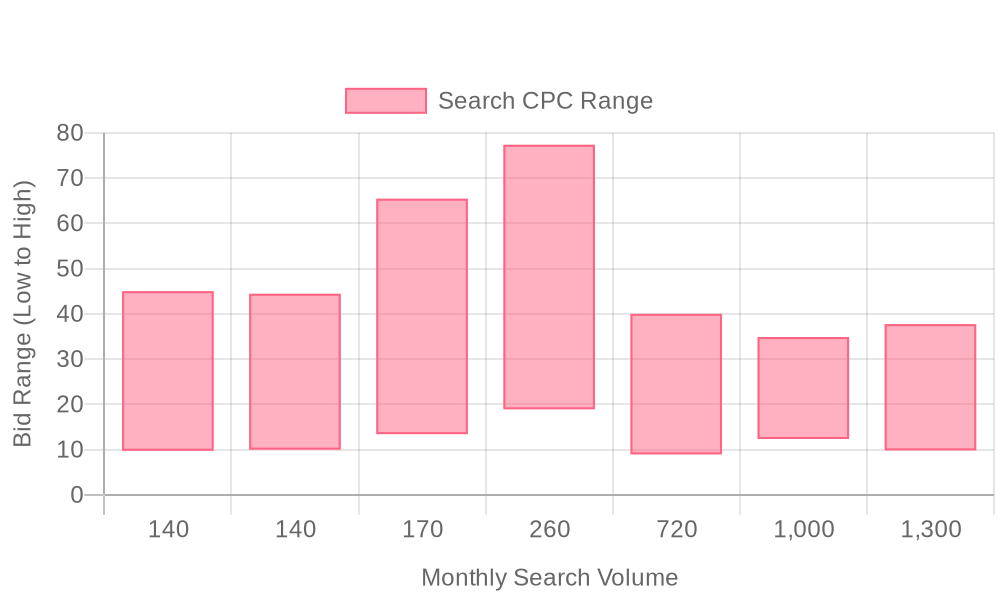
| Industry | Keyword | Monthly Search Volume | Competition Level | Low Bid | High Bid |
| Online Event Registration | online event registration platforms | 140 | LOW | 9.76 | 45 |
| Online Event Registration | online registration platforms | 140 | LOW | 10 | 44.43 |
| Online Event Registration | best event registration platforms | 170 | MEDIUM | 13.42 | 65.43 |
| Online Event Registration | conference registration platforms | 260 | MEDIUM | 18.92 | 77.35 |
| Online Event Registration | online event registration | 720 | LOW | 8.96 | 40 |
| Online Event Registration | event registration software | 1000 | LOW | 12.35 | 34.87 |
| Online Event Registration | event registration platforms | 1300 | HIGH | 9.84 | 37.73 |
A high-impact Google Ads campaign for online event registration depends on precision keyword targeting. Focusing on high-intent attendance terms ensures that your ads reach individuals actively searching for event solutions, such as "Google Ads for events," "event registration ads," and "digital advertising for events." These keywords attract users who are ready to engage, register, or learn more about your offering, dramatically improving conversion rates compared to generic, broad-match terms. For more guidance on optimizing keyword selection for event promotion, see this step-by-step guide to using Google Ads for events.
Aligning your keyword strategy with actual event registration intent allows revenue teams to minimize wasted spend and reduce irrelevant clicks. By continually refining target terms based on search intent signals, marketers can adapt to evolving audience behaviors and preferences. Leveraging real-time intent signals, teams can shift budgets rapidly to keywords that are actively driving qualified traffic and registrations. This dynamic approach eliminates the guesswork of traditional keyword planning and enables a more responsive, data-driven strategy.
Modern platforms further enhance this precision by connecting keyword triggers to dynamic audience updates. As leads interact with your ads and move through the event registration funnel, your keyword lists and audience segments automatically evolve. This real-time feedback loop ensures that marketing teams consistently target the highest-fit prospects, maintain relevance throughout the campaign lifecycle, and maximize return on every ad dollar. By syncing enriched audience data and conversion events directly into platforms like Google Ads and CRM systems, you unlock a seamless workflow for measuring true ROI and scaling successful event marketing strategies.
Step-by-Step Campaign Execution Framework
Step 1: Build Targeted Keyword Lists
Effective Google Ads for Online Event Registration begin with precision keyword strategy. Use exact-match and phrase-match keywords with event-specific modifiers, such as "virtual leadership summit registration," "cloud security webinar tickets," or "tech conference 2025 sign up." Avoid broad, catch-all terms that invite irrelevant clicks and erode budget efficiency. With a unified dataset, marketers can surface which keyword themes drive actual conversions by company size, industry, or buyer stage, refining their lists to prioritize terms that historically pull in high-value prospects. When campaign platforms sync with enriched visitor intelligence, teams can exclude low-fit segments and focus spend on high-intent accounts already demonstrating in-market behavior. For a practical guide to using Google Ads for event promotion, review this step-by-step event ads guide.
Step 2: Develop Compelling Ad Copy
Ad copy must resonate with the intent and urgency of the target audience. Strong headlines like “Join 2,000+ Executives at the SaaS Growth Summit” or “Secure Your Spot at the AI Innovation Webinar” instantly convey value and exclusivity. Calls-to-action should be direct and actionable, such as “Register Now,” “Save My Seat,” or “Claim Early-Bird Access.” By leveraging real-time audience signals, marketers can dynamically adjust copy to highlight timely offers or address pain points surfaced from in-session activity. Access to up-to-date firmographic and behavioral data allows for tailored messaging that speaks to the priorities of each account segment, increasing relevance and boosting click-through rates.
Step 3: Design Effective Landing Pages
Landing pages are the pivotal link between ad engagement and event registration completion. Each page should tightly match the promise of its ad, with clear, benefit-driven headlines, concise event details, and a frictionless registration form. Responsive design ensures accessibility across devices, while strategic use of trust badges, social proof, and limited-time offers can drive urgency. When campaign systems integrate visitor identification, teams can personalize landing content based on company, industry, or buyer stage, reducing form fields for known contacts and surfacing tailored CTAs. For best practices on maximizing event sign-ups, see this resource on event registration strategies.
Step 4: Implement Data-Driven Optimizations
Continuous optimization is fundamental to maximizing ROI in event marketing strategies. Rapid A/B testing of ad creative, keyword variations, and landing page layouts quickly reveals which combinations drive the most registrations. Real-time feedback loops powered by unified campaign data enable marketers to shift budget toward audiences or messages converting at higher rates. Advanced attribution models allow for tracking both online and offline event registrations, providing a holistic view of campaign effectiveness across the funnel. With dynamic audience updates, campaigns automatically retarget warm prospects who engage but don’t convert, while syncing enriched lead data into CRM and marketing automation platforms for follow-up. Explore how to maximize ROI and event attendance using tactical Google Ads strategies.
Tips on Expanding Your Online Presence for Event Registrations

Growth here comes less from adding channels and more from tightening the loop between search intent, registration data, and follow-up. The tactics below focus on extending reach to adjacent audiences and regions without diluting the targeting precision built into your core campaigns.
- Extend reach with educational retargeting assets: Integrating educational content into retargeting campaigns keeps your brand visible and deepens engagement among prospects who've already visited your event pages. Serving value-driven assets, bite-sized video takeaways, expert guides, or on-demand event snippets, lets potential registrants sample your expertise before committing. Sona's Identity Resolution identifies which companies engage with these assets, letting follow-up messaging reflect specific content consumption and purchase signals.
- Upsell through segmented audience insights from CRM data: Upselling additional event offerings or premium registration tiers is most effective when messaging is tailored by audience segment. By syncing enriched CRM data directly with Google Ads campaigns, marketers can dynamically target segments such as past VIP attendees, first-time registrants, or lapsed customers with personalized offers. Sona’s CRM and ad sync automates this process, ensuring audiences update in real time as leads advance, streamlining campaign execution and maximizing upsell conversion rates.
- Localize marketing to connect with high-interest regions: Geographic insights reveal where demand for your event is strongest, empowering teams to localize promotions and optimize spend. By analyzing engagement and search intent from specific regions, you can create customized landing pages, ad creatives, and offers that resonate with local audiences. Sona enables granular identification of company locations and in-market signals, helping marketers route budget to the geographies demonstrating the highest propensity to register.
- Use search data to inform future content strategy: Smart targeting begins with leveraging intent signals from both paid and organic search data. For step-by-step guidance on using Google Ads for event promotion, see this guide to using Google Ads for events. By understanding which topics, questions, and solutions drive the most qualified traffic to your event registration ads, you can prioritize content creation that aligns with your audience’s interests. Sona’s unified view of cross-channel data allows teams to pinpoint high-converting keyword themes and rapidly adapt content calendars, driving ongoing improvements in return on ad spend and event registration rates.
Ready to expand your event registrations? Get started for free with Sona.
Paid search catches demand the moment someone types a query. But a growing share of online event registration buyers now ask ChatGPT, Gemini, or Perplexity before they ever run a search, and Google's own AI Overviews increasingly summarize an answer above the traditional results. If your event or platform isn't referenced in those AI answers, you're invisible at the exact moment buyers build their shortlist.
Paid search captures demand at the moment someone types a query. But a fast-growing share of online event registration buyers no longer start at Google at all, they ask ChatGPT, Gemini, or Perplexity before they ever run a search, and Google's own AI Overviews increasingly summarize an answer above the traditional results. If your business isn't referenced in those AI answers, you're invisible at the exact moment buyers build their shortlist.
Sona AI Visibility shows where your business shows up across ChatGPT, Gemini, Perplexity, Google AI Overviews, and 10+ engines, and, much like a keyword report, which prompts actually send you buyers, so you can prioritize the ones that convert. Run the two together and you cover the entire buyer path: get cited where buyers research (AI Visibility), then prove which of that demand turns into booked revenue (Marketing Measurement).
Helpful resources
Google Ads earns its place in an online event registration strategy by catching people at the narrow window when they're deciding whether to attend, not by generic reach. Targeted keywords, audience data tied to your CRM, and ad copy built around a specific session or speaker turn that window into confirmed seats rather than idle clicks.
Throughout this article, we've explored the challenges of standing out in a crowded digital landscape and provided actionable strategies to overcome them. From identifying your target audience and setting measurable goals to crafting irresistible ad creatives and monitoring performance, these insights are designed to empower you to make the most of your advertising investment.
The next event on your calendar will test whether your targeting and measurement are actually connected, whether a search for "virtual summit registration" this quarter can be traced all the way to a seat filled and a deal influenced. Campaigns built on that connection get sharper with every event; the shortcut of chasing cheap clicks alone doesn't.
To put these tactics to work, start for free and see how identity resolution and marketing measurement connect your ad spend to actual registrations.
FAQ
What are the best practices for using Google Ads for event registration?
Best practices for using Google Ads for event registration include setting clear goals, identifying and targeting the right audience, selecting precise keywords, crafting engaging ad creatives and landing pages, and continuously monitoring and optimizing campaign performance.
How can I create an effective Google Ads campaign for my online event?
To create an effective Google Ads campaign for an online event, define your objectives, profile your ideal attendees using CRM insights, select high-intent keywords, design compelling ads and landing pages, and monitor campaign performance with real-time analytics.
What budget should I allocate for Google Ads when promoting an event?
The budget for Google Ads when promoting an event should align with your campaign goals, targeting precision, and expected ROI. It should be flexible to allow reallocations towards high-performing segments based on real-time data.
What types of ads work best for online event registration?
Search campaigns, display ads, video ads, and remarketing campaigns are effective for online event registration, each offering unique ways to engage and convert high-intent prospects.
How do I track the success of my Google Ads for event registrations?
Track the success of Google Ads for event registrations by using robust analytics to monitor intent signals, registration rates, and downstream engagement, while employing advanced attribution models to connect online and offline interactions.







