


An event design firm lives or dies by its pipeline of qualified inquiries, and too many of those inquiries stall at the demo request: a form gets filled out, then nobody follows up before the prospect books a competitor. Google Ads can close that gap, but only if the campaign is built to capture intent and route it into a real follow-up process rather than a black hole. Getting that right, turning ad clicks into signed events, is the strategic challenge this guide addresses.
How to Generate Google Ads for Event Design Leads: A Step-by-Step Guide
Event design firms thrive when their campaigns align with the intent of high-value prospects researching creative solutions. A data-driven approach not only improves the efficiency of paid search but also delivers measurable increases in qualified leads and deal velocity by focusing spend on the highest-potential opportunities. For more on segmenting and targeting, explore how real-time audience insights can help you reach the right buyers at the right moment.
Modern event marketing requires a granular understanding of audience dynamics to truly drive conversions. Event planners and design agencies who tailor messaging and segmentation outpace competitors who rely on generic, one-size-fits-all campaigns that lead to wasted spend and disengaged prospects. See this guide to using Google Ads to increase event attendance and maximize advertising ROI for actionable tips on campaign optimization.
Ensuring that each landing page experience mirrors Google Ads creative is critical to converting clicks into committed leads. When high-intent users land on pages that reinforce ad promises and showcase relevant design portfolios, engagement and conversion rates rise sharply. This alignment also allows for advanced tracking of both digital and offline interactions, making it possible to attribute revenue to the right touchpoints throughout the sales cycle.
Analytics-driven bid and budget adjustments enable marketers to capture and retain strong leads while minimizing spend on low-quality traffic. Using unified data and real-time intent signals, teams can identify which prospects are demonstrating purchase-readiness and shift budget to those accounts, boosting ROI and reducing acquisition costs.
Integrating strategies across multiple channels, such as social, email, and direct outreach, creates a cohesive marketing narrative that amplifies engagement. When event design marketers dynamically update audiences as leads progress down the funnel, they keep messaging relevant and nurture prospects until they're ready to convert, closing the loop between marketing investment and revenue outcomes. If you're ready to streamline your event lead generation, get started for free with Sona and see how smarter insights can accelerate your pipeline.
Why Does Google Ads Matter for Event Design?

Event design professionals operate in a results-driven environment where every marketing dollar must accelerate deal flow and build pipeline with precision. Google Ads offers a direct channel to specialized audiences who are actively searching for creative partners, making it possible to rapidly connect with prospects who already understand the value of expert event design. For more strategies on leveraging paid media in creative industries, explore the Sona blog for actionable guidance.
Securing premium projects, such as large-scale corporate launches or immersive brand experiences, hinges on delivering messages at pivotal decision-making moments. Google Ads empowers event design teams to capture demand right as it arises, using granular targeting to reach stakeholders when their intent peaks. For practical campaign inspiration and examples, review real Google Ads examples to see what works in similar verticals.
The granular targeting capabilities within Google Ads allow event design businesses to break into emerging markets or underserved regions with accuracy that was previously unattainable through traditional outreach. This approach not only extends geographic reach but also enables pinpointing enterprise buyers and creative agencies that would otherwise remain out of view. By leveraging Sona’s Audiences tool, event designers can focus spend on audiences with the highest likelihood of conversion, optimizing for both scale and quality.
Robust data analytics integrated across advertising platforms has shifted the way event design teams approach campaign strategy and performance review. Instead of sifting through disconnected metrics, marketers can rapidly surface which creative messages and channels yield the strongest pipeline outcomes. For organizations unifying digital advertising with CRM and sales data, every campaign can continuously improve, converting previously opaque insights into actionable growth strategies that drive measurable business impact. If you're ready to elevate your event design marketing, get started with Sona and see how unified data can drive your next campaign.
Common Types of Google Ads Campaigns for Event Design Services
Search Campaigns: Search campaigns are essential for event design firms seeking to capture high-intent prospects in real time. When a decision-maker searches phrases such as "event designers near me" or "exhibition booth design," these campaigns ensure your brand becomes the immediate answer at the moment of need. By leveraging unified go-to-market data, B2B teams can optimize budgets for keywords that drive conversions, dynamically adjusting spend as in-market behavior shifts. Integration with real-time visitor identification allows marketers to move beyond anonymous clicks, pinpointing the companies and buyers with the greatest purchase intent for creative and production services.
Performance Max: Performance Max lets event design advertisers pool Search, Display, YouTube, and Discover inventory into a single goal-based campaign, useful for reaching corporate planners and procurement teams who move across channels before ever typing a query. Feeding it with strong conversion data, ideally deal-stage or revenue signals rather than raw form fills, keeps the automation bidding toward accounts that actually book events rather than toward cheap, low-intent clicks.
Display Ads: Display campaigns excel in building top-of-mind awareness among B2B audiences exploring event marketing solutions online. Placing visually compelling creative on industry publications and trade association sites ensures your brand is recognized by stakeholders early in the planning cycle. By syncing CRM and ad platforms, marketers can build and refresh audience segments based on pipeline status, ensuring display impressions are served to accounts actively progressing through the funnel. For a deeper dive into maximizing reach and ROI, see this guide to using Google Ads for events.
Video Ads: Video ads present a powerful format for event design companies to demonstrate their creative expertise, technical capabilities, and unique approach. Dynamic video content outperforms static visuals when explaining complex design concepts or showcasing past installations. By measuring real-time engagement across video placements, teams can shift budget toward creative assets that outperform, while enriched intent data highlights top converters, allowing for further personalization and follow-up.
Remarketing Campaigns: Remarketing is critical for event design businesses where purchase cycles are complex and decisions require multiple stakeholder approvals. Campaigns that re-engage website visitors, proposal downloaders, or prior clients help bridge the gap between initial interest and final contract. Using unified interaction data, marketers can update remarketing lists dynamically as leads move through the buying journey, increasing message relevance and boosting conversion rates by targeting only those with active, recent engagement. To see how retargeting can be further optimized for high-impact campaigns, check out the intent-driven retargeting playbook.
Ad Assets: Ad assets provide trust-building credibility at the search results level for event design services. Including location details, service categories, and client reviews directly in ad units reduces friction and builds confidence among hesitant buyers. When assets are populated with up-to-date testimonials and project highlights sourced from CRM systems, teams deliver a more persuasive first impression, increasing click-through rates and accelerating the path to inquiry.
Where to Find Growth Opportunities?
Vertical keyword targeting transforms the event design market by allowing businesses to uncover and dominate specialized niches. By zeroing in on distinct service categories, such as immersive stage builds, sustainable installation management, or interactive exhibition concepts, marketers capture buying intent from decision-makers who might otherwise overlook broader event terms. This approach not only minimizes wasted ad spend but also secures a premium position in searches that signal high-value, project-ready prospects. For marketers looking to reach high-intent audiences at the right moment, real-time audience segmentation can drive hyper-personalized ad targeting and campaign efficiency.
A detailed competitor analysis further sharpens strategic focus. By examining which event design themes, formats, or verticals are underrepresented in competitors' campaigns, marketing teams can redirect budget toward unmet client needs. This adaptive targeting helps event designers identify emerging trends or overlooked industries, positioning their services as the go-to solution for audiences seeking innovation or specialized expertise. For additional inspiration and actionable campaign ideas, explore this collection of real Google Ads examples.
Advertising in digital forums and creative hubs where clients congregate for inspiration ensures event designers are visible at the earliest stages of project ideation. Placing tailored ads within these communities increases relevance and accelerates brand recognition. For more insights on event marketing and niche targeting, visit the Sona blog.
Content retargeting provides a powerful mechanism to nurture and convert interest. By reconnecting with visitors who have engaged with detailed case studies or dynamic portfolios, event design marketers build trust and reinforce authority in the space. As these users demonstrate escalating intent, such as revisiting project galleries or downloading planning guides, campaigns can dynamically update to reflect their journey. Leveraging unified data platforms, marketers can identify companies behind anonymous visits, adjust audience segments in real time, and sync enriched lead data directly into ad platforms and CRMs for high-impact retargeting. To experience seamless activation and smarter follow-up, get started for free with Sona.
How to Apply Audience Segmentation for Event Design

Precise audience segmentation sets the foundation for effective event design advertising and campaign performance. By tailoring outreach to the distinct preferences and decision cycles of different event types, marketers can drive higher engagement and conversion rates while reducing wasted impressions and budget. Professionals who excel in segmentation consistently see stronger ROI from their Google Ads for Event Design, as every message and offer is mapped to specific client needs. For more strategies on improving your event marketing results, explore our event marketing playbooks.
- Define Segments: Distinguishing leads by event type, weddings, corporate launches, or private gatherings, aligns communication with client expectations. Wedding planners respond to emotional storytelling and aesthetic visuals; corporate event managers prioritize logistics, scalability, and technical capability. Clear segmentation puts every ad dollar in front of the audience most likely to convert. Use real-time audience segmentation to refine targeting and improve returns.
- Overlay Intent Signals: Informing campaigns with real-time intent data replaces scattergun targeting with focus. Analyzing in-market behavior and digital signals shows which accounts are actively researching event design solutions, letting marketers shift budget toward high-converting prospects and away from those unlikely to act. Sona surfaces intent signals so event design ads reach the buyers who matter most, right as their interest peaks.
- Ad Group Creation: Structuring creative messages explicitly around the unique aims and desires of different segments bolsters engagement potential dramatically. Each ad group should reflect the language, pain points, and aspirations of its audience, whether that's delivering immersive corporate experiences or designing intimate private celebrations. Dynamic audience updates further enhance this process by automatically shifting leads between segments as their behaviors and needs evolve, ensuring campaigns stay relevant as prospects move through the funnel.
- Conversion Path Validation: Ensuring seamless transition from inquiry to action is instrumental in reducing lead cooling, a prevalent challenge in follow-up protocols. Advanced conversion tracking connects the dots between online ad engagement and offline actions, such as consultation bookings or signed contracts, providing a full view of which segments drive the most value. Integrating CRM and Google Ads data allows teams to validate conversion paths, resolve attribution gaps, and focus resources on nurturing the most promising audiences. To see how unified data can accelerate your deal flow, get started for free with Sona.
This is also where measurement changes the economics. With Sona Marketing Measurement you can identify the companies behind your ad clicks, not just anonymous sessions, and segment audiences by which accounts actually become customers. That lets you build bid adjustments and audience signals around the segments that convert and de-prioritize the ones that don't, so you feed Google's algorithms "this click became a paying event design customer" instead of just "someone filled out a form."
Keyword Strategy & Sample Target Terms
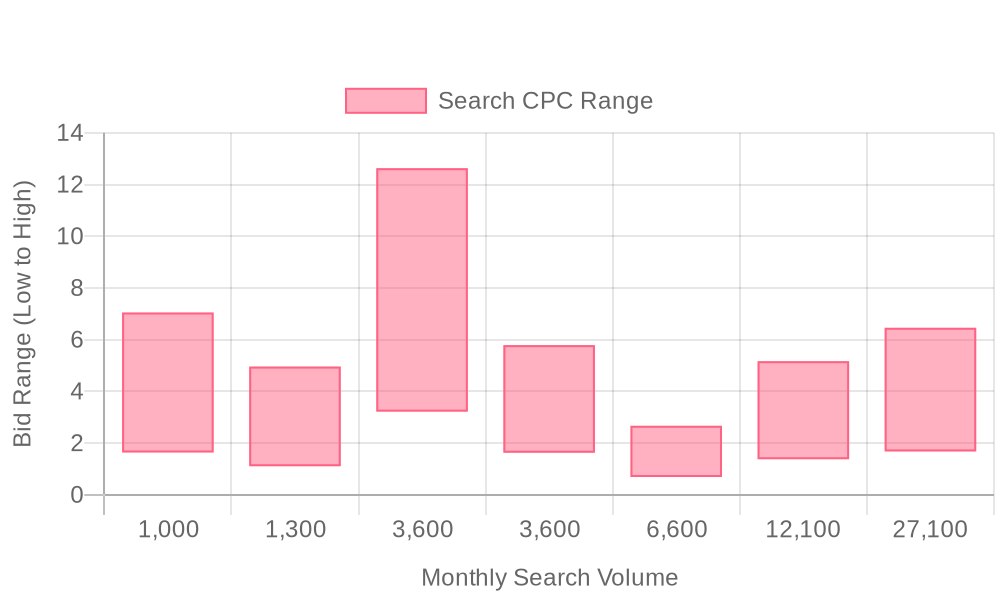
| Industry | Keyword | Monthly Search Volume | Competition Level | Low Bid | High Bid |
| Event Design | event design | 1000 | LOW | 1.64 | 7.05 |
| Event Design | modern wedding invitations | 1300 | HIGH | 1.11 | 4.96 |
| Event Design | corporate event planner | 3600 | LOW | 3.22 | 12.63 |
| Event Design | design wedding invitations | 3600 | HIGH | 1.63 | 5.79 |
| Event Design | wedding flower arrangements | 6600 | HIGH | 0.69 | 2.67 |
| Event Design | event planners near me | 12100 | LOW | 1.38 | 5.17 |
| Event Design | event planner | 27100 | LOW | 1.68 | 6.46 |
A high-performing Google Ads strategy for event design begins with targeting keywords that match real buyer intent. High-intent search terms such as "best event designers" or "top event design agencies" capture prospects who are actively seeking premium services, cutting through the noise of less-qualified traffic. These buyers are further along in their decision process, which means ads targeting these terms are more likely to lead directly to qualified engagements and valuable conversions. For deeper insights and inspiration, review this collection of real Google Ads examples.
Long-tail keywords bring precision to campaign targeting, appealing to specialized needs that generic queries often miss. Phrases like "corporate event lighting designer," "interactive exhibition booth designer," or "sustainable gala stage design" attract audiences with distinct requirements and projects, raising the likelihood of meaningful interactions. These nuanced terms help drive higher engagement rates and position event design firms as experts in niche solutions, making every ad dollar work harder by reaching the right decision-makers. For more proven approaches, explore our event marketing examples.
The strategic use of negative keywords is essential for maximizing budget efficiency in event design advertising. By excluding irrelevant terms such as "DIY event decor," "event planning courses," or "cheap event supplies," marketers avoid wasting spend on low-value clicks. This discipline ensures that budgets are funneled toward prospects with genuine purchase intent, supporting more consistent and predictable campaign outcomes. When paired with platforms that surface real-time visitor identity and intent, advertisers can continuously refine negative keyword lists to align with evolving market signals and optimize for the highest-converting segments.
As event design campaigns scale, unified data and advanced audience management become critical. By integrating live behavioral insights from visitor activity, marketers can dynamically update keyword strategies and audience segments as prospects move through the funnel. When enriched audiences are synchronized between CRM and ad platforms, teams can adapt keyword targeting to reflect both online interactions and offline sales activity, closing the loop on attribution and maximizing the ROI of every search term. If you're ready to unify your keyword strategy with next-level audience data, get started for free with Sona.
Step-by-Step Campaign Execution Framework
Google Ads for Event Design unlocks measurable growth opportunities by enabling precise audience targeting and real-time engagement with high-intent buyers. Success in this space requires a disciplined, data-driven approach that combines creative messaging, technical implementation, and advanced conversion analytics.
Revenue-focused teams in event design benefit from sophisticated campaign orchestration, blending audience insights with predictive analytics to guide spend toward the most promising leads. The following framework outlines each critical step to maximize outcomes, minimize wasted budget, and elevate event promotion to a competitive advantage.
Step 1: Build Targeted Keyword Lists
The foundation of effective event design advertising is a robust keyword portfolio customized to each event type, client segment, and geographic market. Start by segmenting keywords according to the specific services offered, such as "corporate event staging," "trade show booth design," or "experiential brand activations." Incorporate geographical modifiers to capture local and regional demand, pairing phrases like "event design agency in Chicago" or "Los Angeles exhibition design firm" with core service terms. This granular approach ensures ads reach decision-makers searching for exactly what your team delivers.
Leverage first-party data and tools to refine and expand keyword lists, identifying emerging trends and high-conversion phrases. Integrating predictive analytics helps prioritize budget on terms that signal true buyer intent, rather than generic traffic. For inspiration on effective ad copy and campaign structure, review this collection of real Google Ads examples. This process not only improves lead quality but also allows marketing teams to dynamically shift focus as new opportunities arise, keeping campaigns aligned with the most lucrative market segments.
The upgrade most event design advertisers miss is layering intent and identity signals on top of raw keyword volume. By connecting website-visitor data and CRM records with Sona Marketing Measurement, you can see which specific search terms bring in the venues, corporate planners, and repeat accounts that actually sign contracts, and weight bidding toward those terms rather than the ones that simply generate traffic.
Step 2: Refine Ad Copy With Expertise and Proof
Compelling ad copy is essential for differentiating event design services in a crowded digital landscape. Focus messaging on unique expertise, technical credentials, and past project outcomes that resonate with B2B buyers. Highlighting client testimonials, industry awards, or quantifiable impact, such as "200+ immersive activations delivered", instills confidence and drives qualified clicks.
To enhance performance, incorporate dynamic elements that personalize ad content based on the searcher's industry or location. Advanced platforms enable marketing teams to build responsive ads that automatically update with the most relevant value proposition, ensuring each impression addresses the prospect’s immediate needs. For additional strategies, see this overview of best practices for Google Ads campaigns tailored to events. This level of personalization not only boosts engagement but also increases conversion rates by aligning messaging with buyer expectations at every stage of the decision journey.
Step 3: Align Landing Pages With Ad Messaging
Landing pages must deliver on the promises made in ad copy, creating a seamless journey from initial click to inquiry or booking. Structure each page around a clear, single objective, whether it's booking a consultation, downloading a portfolio, or requesting a proposal. Use visuals that showcase recent project work, interactive galleries, and concise value statements tailored to the visitor’s intent.
Incorporate conversion-focused features such as interactive forms, live chat, and scheduling links to lower friction and encourage immediate action. Integrating real-time visitor identification enables sales teams to follow up with high-potential leads the moment they express interest, turning anonymous clicks into personalized conversations. For step-by-step guidance on leveraging Google Ads for event promotion, explore this article on promoting your next event. This approach also supports dynamic audience updates, continually refining targeting based on actual engagement patterns.
Step 4: Track Micro- and Macro-Conversions for Full-Funnel Insight
Holistic measurement of campaign effectiveness requires tracking both micro-conversions, like portfolio downloads, video views, or content shares, and macro-conversions such as confirmed bookings or signed contracts. Set up robust analytics to capture each touchpoint, mapping the buyer journey from initial interest through final commitment. This enables marketers to identify friction points, optimize creative assets, and better allocate spend across the funnel.
Advanced conversion tracking goes beyond web forms to include offline events, CRM updates, and multi-channel interactions. By syncing enriched lead data directly into both advertising and sales platforms, teams achieve unified attribution that accurately reflects ROI. This closed-loop feedback not only validates marketing investment but also provides actionable insights for ongoing optimization, ensuring every campaign dollar is aligned with real business outcomes.
- Enhance targeting and personalization: Leveraging predictive analytics and real-time data orchestration transforms standard campaigns into highly personalized experiences. As audiences move through the funnel, dynamic updates ensure messaging and offers stay relevant, maximizing the likelihood of conversion and increasing the overall impact of digital advertising for events. Get started for free with Sona.
Sona Marketing Measurement closes the gap between clicks and revenue. It captures every ad click with first-party measurement, ties that click through UTM capture and ad-platform APIs to the matching record in your CRM, and reports ROAS by keyword and campaign instead of by last-click form fill. Feeding that revenue signal back into Smart Bidding and Performance Max compounds over time: the algorithms optimize toward booked event design revenue, not cheap leads.
Tips on Expanding Your Event Design Presence
Event design firms can drive measurable growth by combining retargeting with innovative creative strategies, ensuring their brand stays top of mind for potential clients who have already shown interest. Leveraging insights from past engagement, marketers can tailor promotions around trending design styles and seasonal concepts, maintaining relevance and sparking renewed interest among previous visitors by using dynamic audience segmentation.
Collaboration with reputable industry publications amplifies both reach and authority, positioning your expertise in front of audiences already seeking design inspiration and trusted vendors. By targeting campaigns through these niche channels, event design businesses gain direct credibility and higher engagement rates from decision-makers who value third-party validation. For more inspiration, explore this collection of real Google Ads examples.
Localizing digital advertising efforts to metropolitan centers increases influence in high-value markets, where most premium event opportunities originate. Precision geo-targeting ensures budgets are invested in areas with the greatest revenue potential, while also reinforcing your presence among influential local event planners and corporate buyers. By leveraging intent signals, you can prioritize outreach and maximize your impact in these competitive regions.
Search query data offers more than campaign performance metrics; it reveals emerging interests, unmet needs, and content gaps in the market. By analyzing these queries, event design firms can continuously refine their messaging and future content, transforming raw intent signals into actionable guides that attract and convert high-intent prospects.
Modern marketing platforms enable event design businesses to go beyond anonymous website traffic by identifying key accounts and specific companies engaging with their brand. Syncing enriched audiences and lead data directly into platforms like Google Ads and CRM systems ensures every interaction is tracked and measured, turning digital ad spending into a predictable growth engine.
Beyond Google Ads: Winning the AI Answers Event Design Buyers Now Trust
Paid search captures demand at the moment someone types a query. But a fast-growing share of event design buyers no longer start at Google at all, they ask ChatGPT, Gemini, or Perplexity before they ever run a search, and Google's own AI Overviews increasingly summarize an answer above the traditional results. If your business isn't referenced in those AI answers, you're invisible at the exact moment buyers build their shortlist.
Sona AI Visibility shows where your business shows up across ChatGPT, Gemini, Perplexity, Google AI Overviews, and 10+ engines, and, much like a keyword report, which prompts actually send you buyers, so you can prioritize the ones that convert. Run the two together and you cover the entire buyer path: get cited where buyers research (AI Visibility), then prove which of that demand turns into booked revenue (Marketing Measurement).
Helpful resources
Conclusion
The event design firms that pull ahead won't just run better keyword lists, they'll be the ones whose ad platforms know which clicks turned into signed contracts, and who show up when a corporate planner asks an AI assistant for a recommendation before ever touching Google. That combination, intent-driven paid search plus visibility in AI-generated answers, is where the next wave of qualified bookings will come from.
Ready to see which of your ad clicks are actually turning into booked events? Start for free and connect your campaigns to real revenue data.
FAQ
What are the best practices for using Google Ads for event design?
Best practices include aligning campaigns with high-value prospects, using data-driven approaches to focus on high-potential opportunities, ensuring landing pages mirror ad creatives, and integrating strategies across multiple channels for cohesive marketing.
How can I optimize my Google Ads campaigns for event promotion?
Optimization involves tailoring messaging and segmentation, using analytics-driven bid and budget adjustments, leveraging real-time audience insights, and ensuring campaign alignment with audience dynamics to drive conversions.
What keywords should I target for Google Ads in event design?
Target high-intent keywords like 'best event designers' and long-tail keywords such as 'corporate event lighting designer' to capture prospects seeking specialized services and ensure ads reach decision-makers with specific project needs.
How do I measure the success of my Google Ads for events?
Success is measured by tracking both micro- and macro-conversions, using advanced conversion tracking that includes both online and offline interactions, and ensuring robust analytics to map the buyer journey and optimize spend.
What budget should I allocate for Google Ads when promoting an event?
Budgets should be dynamically adjusted based on analytics-driven insights, focusing on high-intent prospects and using strategic use of negative keywords to maximize efficiency and reduce spend on low-value traffic.







