


Dance students search differently than shoppers browsing for a product: they arrive with a specific style, schedule, or age group already in mind, and the studio that shows up at that moment, with the right class, wins the enrollment. Yet many instructors lose those students twice over, once when a visitor leaves without signing up, and again when a searcher never sees the ad at all. Google Ads closes both gaps by connecting class offerings directly to people actively searching for dance instruction. This guide covers a full strategy for using it, from targeting and ad creation to measurement, to grow enrollment.
How to Generate Google Ads for Online Dance Classes Leads: A Step-by-Step Guide

Online dance class providers can capture high-quality leads by leveraging paid search strategies that are both data-driven and purpose-built for the performing arts market. Using a thoughtful approach to campaign structure, keyword targeting, and creative alignment, dance educators can systematically reach prospects who are ready to enroll and eager to engage. For a step-by-step walkthrough on effective ad setup tailored for online courses, explore this Google Ads setup guide for online courses.
A robust Google Ads framework for online dance classes starts with precise keyword and audience targeting. By analyzing behavioral and intent signals, marketers ensure their ads are delivered to users actively seeking dance instruction, maximizing every advertising dollar and preventing wasted spend on uninterested clicks. With real-time audience data, marketers can pinpoint which audience segments, such as parents or adult learners, show the highest propensity to convert, allowing for dynamic audience updates as interest and engagement shift over time.
Aligning ad creative with landing page content is essential for seamless enrollment. Creative consistency builds trust, while custom landing experiences tailored to each ad group increase the likelihood of registration. When a platform enables real-time visitor identification, marketers can personalize landing content to reflect preferred dance styles, age groups, or special offers relevant to each visitor, further increasing conversion rates.
Continuous campaign optimization prevents stagnation and missed opportunities. This includes monitoring bid strategies, refining keyword lists, and analyzing conversion data to spot performance trends. Integrated platforms that sync enriched lead data into Google Ads and connected CRMs empower marketers to retarget based on real-time funnel stage, ensuring every touchpoint reflects the lead’s latest activity and intent. For additional marketing strategies tailored to dance educators, browse our marketing insights.
Cross-channel integration is the final piece that connects Google Ads for Online Dance Classes with broader marketing efforts. By linking paid search data with other digital channels, marketers achieve a holistic understanding of each lead's journey. Advanced attribution models track both online and offline interactions, providing full visibility into ROI and enabling confident scaling of what works best. This unified approach helps dance educators boost online dance class visibility while increasing enrollment in a cost-effective, measurable way.
Why Does Google Ads Matter for Online Dance Classes?
A parent searching for "ballet lessons for kids at home" at 9pm is closer to enrolling than someone scrolling a dance studio's Instagram. Google Ads lets marketers meet that intent directly, putting class offerings in front of dance enthusiasts and parents the moment they search, so budget goes toward people actually ready to sign up. For a step-by-step approach to launching effective campaigns, explore this guide to setup Google Ads to market online courses.
- Engage a Specialized Audience: Google Ads allows dance instructors and studios to capture motivated prospects by matching their ads to search queries like “beginner hip hop classes online” or “ballet lessons for kids at home.” With Sona's Identity Resolution, marketers can go beyond anonymous traffic, identifying which companies are browsing their dance offerings and tailoring follow-up messaging accordingly.
- Increase Enrollment for Premium Classes: By analyzing behavioral signals and in-market activities, digital marketers can direct their budgets toward prospects showing strong buying intent, such as users who view pricing pages or download curriculum guides. This approach boosts enrollment in specialized or higher-margin classes by ensuring ads are served to those most likely to convert, optimizing return on advertising spend and maximizing class occupancy. Marketers looking to maximize campaign results can leverage intent signals for real-time prioritization.
- Fast Response to Market Trends: The dance education sector is highly seasonal, with spikes in demand around school breaks, holidays, and viral dance trends. Google Ads provides the agility to rapidly adjust campaigns in real time, capturing surges in user interest before competitors do. Marketers can identify which audience segments are heating up and shift spend or creative assets to seize the opportunity before leads cool off.
- Enhance Visibility in Competitive Markets: In crowded metro areas or competitive online niches, precision targeting is crucial. Google Ads empowers dance studios to break through market saturation by honing in on specific zip codes, demographics, or affinity groups. Dynamic audience capabilities ensure that as leads progress through the funnel, from curious website visitors to ready-to-enroll students, ad messaging and spend are automatically adjusted for maximum impact.
- Integrated Data Analysis: Closed-loop measurement and sophisticated attribution models enable marketers to optimize campaigns based on real-time performance. Integrated data flows connect ad interactions, CRM entries, and offline conversions, revealing which touchpoints truly drive enrollments. This unified view supports continuous campaign refinement, helping dance studios and instructors make informed decisions that fuel growth and sustained student engagement. If you want to see the impact firsthand, get started for free with Sona.
Common Types of Google Ads Campaigns for Online Dance Classes
Search, Display, Video, and Remarketing cover most of a dance studio's paid search footprint, but Performance Max is worth a mention on its own: it lets Google automate bidding and placements across Search, Display, YouTube, and Gmail from a single campaign, which suits studios with enough conversion data to let the algorithm find pockets of demand a manual campaign structure would miss.

- Search Campaigns: Search campaigns are the foundation for reaching individuals actively looking for online dance classes. By targeting high-intent keywords such as “virtual ballet class” or “online hip hop lessons,” you ensure your advertising budget captures prospects most likely to enroll. Sophisticated company identification tools help marketers move beyond anonymous clicks, surfacing company-level insights and enabling precise ad delivery to decision-makers or parents evaluating class options. Integrated real-time intent data further refines these campaigns, allowing immediate budget adjustments toward audiences showing the highest likelihood to convert, driving consistent online dance class enrollment growth. Within Search, Responsive Search Ads, an ad format rather than a separate campaign type, let you supply multiple headlines and descriptions so Google can test combinations and serve the strongest performers.
- Display Ads: Display advertising keeps your dance studio top-of-mind for potential students as they browse educational blogs, lifestyle sites, or parent-focused forums. Carefully selected placement strategies help reinforce your brand presence in the daily routines of families and adult learners, expanding reach beyond direct search channels. For a practical overview of effective display marketing tactics, explore this guide to promoting dance classes. With unified data, marketers can segment display audiences based on previous engagement, dynamically updating creative as leads progress through the funnel. This ensures every impression is relevant and timely, effectively supporting your broader dance studio marketing and online dance class promotion goals.
- Video Ads: Video campaigns let you share the energy and quality of your instruction through short clips, instructor highlights, or student testimonials. These formats excel at capturing attention on YouTube and other video platforms, giving prospective students a realistic preview of the class experience. By tying engagement metrics back to CRM data, you can identify which video viewers are returning to your website or filling out registration forms, enabling targeted follow-up and enhancing conversion tracking accuracy. Video remarketing also re-engages viewers who watched but didn’t sign up, moving them closer to enrollment.
- Remarketing: Remarketing campaigns re-capture the attention of visitors who explored your website but left without enrolling. By serving tailored ads highlighting upcoming classes, limited-time discounts, or instructor profiles, you maintain a dialogue with interested prospects across the web. Automated audience updates ensure that as leads express new intent, such as downloading a schedule or attending a free trial, they seamlessly move into the next phase of your funnel. For additional tips, check out this resource for Google Ads for dance instructors. This approach maximizes ROI by focusing spend on users with demonstrated interest in your dance programs.
- Assets: Ad assets (formerly called extensions) add critical detail to your search ads by displaying schedules, highlighting instructor qualifications, or showcasing special class features directly within the search results. These enhancements drive higher click-through rates by providing quick answers to common questions, streamlining the decision-making process for busy parents and adult learners. Real-time syncing of class information and lead data ensures that assets always reflect your current offerings, eliminating manual updates and supporting a seamless user experience from ad click to enrollment.
Ready to optimize your dance class campaigns? Get started for free with Sona.
Where to Find Growth Opportunities
Identifying new avenues for growth in online dance class promotion requires a blend of data-driven targeting and creative campaign strategy. The most successful dance studio marketing teams leverage advanced analytics and audience insights to reach decision-makers and drive higher enrollment rates.
- Target specialized dance class keywords: Focusing on long-tail and niche-specific keywords such as "virtual hip hop lessons for adults" or "beginner online ballet classes for kids" allows marketers to capture intent-driven traffic. This approach fits seamlessly with broader content strategies, ensuring that high-value, niche seekers encounter relevant ads at the right stage in their search. When dynamic audience platforms are used, audience segments update in real time as users express different interests, allowing for tailored messaging and increased engagement.
- Perform competitor analysis for service gaps: By analyzing where competitors fall short, whether in class format, scheduling flexibility, or instructor credentials, marketers can identify and target unconverted leads. Detailed analysis pinpoints which features or offers bring differentiation, guiding creative development and ad positioning. With Sona's Identity Resolution, it becomes possible to see which companies are repeatedly engaging but not converting, allowing teams to prioritize outreach to these high-potential accounts.
- Secure industry-specific placements: Placing ads on dance-focused websites, forums, or within curated email newsletters maximizes visibility with audiences already demonstrating interest in dance education. For accounts that have engaged but not yet enrolled, retargeting with ads on platforms they frequent outside of search increases the likelihood of conversion. Leveraging real-time intent data helps shift ad budgets toward those accounts most likely to convert, optimizing spend and improving overall campaign performance.
- Utilize content retargeting with valuable assets: Distributing tutorials, dance tips, or behind-the-scenes content as part of a retargeting strategy brings back visitors who previously interacted with ads or site content but did not enroll. This content-driven approach not only educates but also nurtures prospective students, keeping the studio top-of-mind throughout their decision journey. When advanced conversion tracking is implemented, both online interactions and offline enrollments are attributed accurately, giving a complete picture of campaign ROI and informing further optimization.
Combined, these approaches raise visibility, sharpen lead quality, and tighten efficiency at every stage of a Google Ads for Online Dance Classes program.
How to Apply Audience Segmentation for Online Dance Classes
Modern online dance class marketing leverages audience segmentation to increase enrollment rates and maximize campaign efficiency. Distinct audience groups require tailored messaging, budget allocation, and creative to reflect varying motivations and readiness to enroll. For more on aligning your messaging and campaigns, explore this practical guide to promoting dance classes.
- Define Segments: Instructors and marketers should distinguish between core segments such as beginners, experienced dancers, children, adults, and specialty interests like ballet or hip-hop. By mapping these segments, marketers can align messaging and offers to match each group’s unique goals, such as skills development for beginners or performance opportunities for advanced dancers. This granular approach to segmentation enables marketers to prioritize budgets and creative resources on high-potential student groups, ensuring that every dollar invested in Google Ads for Online Dance Classes is optimized for impact.
- Overlay Intent Signals: Not all prospects demonstrate the same urgency or depth of interest. By monitoring behavioral cues such as repeat website visits, time spent on schedule pages, or downloads of class guides, marketers can identify students most likely to convert. Real-time intent data empowers revenue teams to shift spend and retargeting focus toward those actively researching dance class enrollment or showing clear signs of moving down the funnel.
- Create Tailored Ad Groups: Segmentation supports the development of tightly aligned ad groups within each campaign. For example, ads targeting parents of children interested in dance should spotlight curriculum safety, flexible schedules, and creative development, while adult learners may respond better to messaging around fitness, social connection, or professional advancement. By continuously syncing enriched audience data with Google Ads, marketers can ensure that ad group membership reflects the latest CRM insights and behavioral triggers.
- Validate Conversion Paths: Effective audience segmentation extends beyond ad clicks to post-click engagement and conversion tracking. Integrating ad platforms with CRM and lead management tools provides end-to-end visibility from first impression to final enrollment, bridging the gap between marketing and sales. Advanced conversion tracking, including offline attribution, enables accurate measurement of which segments and creative drive true enrollment outcomes rather than just superficial engagement.
This is also where measurement changes the economics. With Sona Marketing Measurement you can identify the companies and buyers behind your ad clicks, not just anonymous sessions, and segment audiences by who actually becomes a customer. That lets you build bid adjustments and audience signals around the segments that convert and de-prioritize the ones that don't, so you feed Google's algorithms "this click became a paying online dance classes customer" instead of just "someone filled out a form."
Keyword Strategy & Sample Target Terms
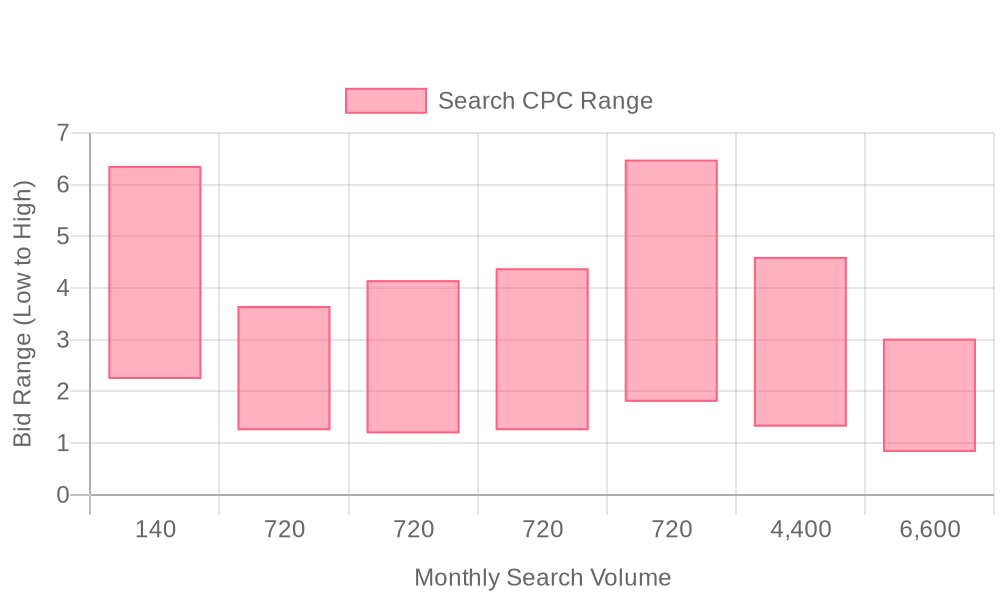
| Industry | Keyword | Monthly Search Volume | Competition Level | Low Bid | High Bid |
| Online Dance Classes | dance fitness online | 140 | HIGH | 2.24 | 6.36 |
| Online Dance Classes | online dance classes for adults | 720 | MEDIUM | 1.25 | 3.65 |
| Online Dance Classes | online ballet class | 720 | MEDIUM | 1.19 | 4.15 |
| Online Dance Classes | online dance lessons | 720 | MEDIUM | 1.25 | 4.38 |
| Online Dance Classes | best online dance classes | 720 | MEDIUM | 1.8 | 6.48 |
| Online Dance Classes | online dance classes | 4400 | MEDIUM | 1.32 | 4.6 |
| Online Dance Classes | beginner ballet for adults | 6600 | LOW | 0.83 | 3.02 |
Effective keyword strategy is the foundation for successful Google Ads campaigns in online dance class promotion. Precision in keyword targeting delivers higher-quality leads, maximizes budget efficiency, and increases dance class enrollment rates. For more actionable marketing ideas, browse our dance class marketing playbooks.
Start by analyzing both broad and niche dance-related keywords. High-volume phrases such as "Google Ads for Online Dance Classes," "virtual dance lessons," and "online ballet classes" consistently attract users ready to convert. Niche terms like "optimize Google Ads for dance teachers," "online dance classes Google Ads tutorial," and "PPC for dance studios" capture smaller, highly-engaged audiences who are likely to be further along in the decision process. For a step-by-step keyword research process, see this in-depth keyword research guide for dance schools.
Prioritize keywords that have historically generated results for your campaigns or the industry. Tap into search intent by evaluating which queries have led to clicks and conversions. Scrutinize the search terms report in your campaigns regularly, filtering out unrelated or low-performing traffic by setting negative keywords such as "free dance videos," "dancewear," or "dance competitions." This negative filtering conserves budget for high-value prospects and streamlines bidding to only the most relevant online dance class advertising opportunities. For more tips on marketing data analysis, visit our marketing insights blog.
Look for new opportunities with trending keywords and intent signals. Monitor rising phrases like "how to promote online dance classes," "targeting parents with ads," and "dance instructor advertising." As your campaign gathers data, use Sona's Identity Resolution to identify which companies are landing on your dance class site. With real-time insight into in-market behavior, you can dynamically shift spend to audiences showing enrollment intent, driving better results as your keyword lists evolve.
Sample target keyword groups to consider:
- General dance class searches: "online dance classes," "virtual dance lessons," "best online dance courses"
- Dance style-specific terms: "online hip hop dance class," "virtual ballet lessons," "tap dance classes online"
- Audience-specific searches: "dance classes for kids online," "adult online dance classes," "family virtual dance lessons"
- Solution-oriented queries: "Google Ads for Online Dance Classes," "dance studio marketing," "maximize dance class ROI"
- Instructional/educational intent: "online dance classes Google Ads tutorial," "how to advertise dance classes online," "optimize Google Ads for dance teachers"
Continually refine keyword lists as new data emerges. Integrate audience sync features to align your CRM contacts or high-value leads with Google Ads targeting, ensuring your campaigns stay focused on those most likely to enroll. As leads progress from initial inquiry to registered students, adaptive audience segments can automatically update, allowing for retargeting and upsell opportunities across multiple touchpoints. This unified keyword and audience approach keeps your dance studio marketing agile, data-driven, and consistently optimized for maximum enrollment impact.
Step-by-Step Campaign Execution Framework
Step 1: Build Targeted Keyword Lists
Begin by compiling keyword lists that reflect both the diversity of dance styles offered and the unique structure of your online programs. Keywords such as "online ballet classes for beginners," "virtual hip-hop dance sessions," and "contemporary dance workshops" capture high-intent searches from prospective students seeking specific instruction. For a deeper dive into crafting effective keyword lists, review this keyword research guide for dance schools. Incorporating geographic modifiers like city names or "near me" ensures your ads appear for local communities and parents researching options for their children, elevating campaign relevance and reducing wasted spend.
Using advanced data integrations, marketers can move beyond anonymous web traffic and identify which companies are expressing interest in dance programs with Sona's Identity Resolution. By layering real-time identity resolution with intent signals, budget allocation shifts dynamically toward audiences most likely to enroll or inquire, leading to more efficient acquisition and higher overall enrollment rates.
The upgrade most online dance classes advertisers miss is going beyond raw keyword volume to layer in intent and identity signals. By connecting website-visitor data and CRM records with Sona Marketing Measurement, you can see which specific search terms bring in the accounts and customers that actually convert, and weight your keyword and bidding strategy toward those rather than the terms with the highest search volume alone.
Step 2: Develop Compelling Ad Copy
Effective ad copy for online dance class advertising must highlight unique selling points in a succinct and engaging manner. Headlines such as "Learn from Industry-Recognized Instructors" or "First Virtual Class Free" create immediate appeal and set clear expectations. For inspiration on proven messaging strategies, explore this Google Ads guide for dance instructors. Including ad extensions, like sitelinks to class schedules or callout extensions promoting free trials, helps undecided users take the next step and increases ad real estate in search results.
Dynamic segmentation allows for ad messaging to update as prospects move through the buyer's journey. As parents or adult learners show deeper engagement, copy can automatically pivot from introductory offers to advanced class options or seasonal promotions. This is achievable with real-time audience intelligence, significantly improving click-through and conversion rates while keeping messaging contextually relevant.
Step 3: Design Effective Landing Pages
A high-performing Google Ads for Online Dance Classes campaign relies on landing pages that align precisely with each ad group’s messaging and intent. A page built for "ballet lessons for kids" should show a class schedule, age recommendations, and instructor credentials, not a generic homepage; a page built for adult hip-hop should lead with drop-in flexibility and social proof from other beginners. For landing page design strategies tailored to dance studios, see these landing page tips for dance studios. Each page should present a seamless enrollment path, minimizing friction and guiding visitors to register, book a trial, or request more information.
Equipped with enriched lead data from ad clicks, marketing teams can pre-populate forms or tailor content based on referral source, further streamlining the path to enrollment. Leveraging Sona Destinations ensures lead data syncs automatically into your CRM and ad platforms for ongoing campaign improvement.
Step 4: Implement Data-Driven Optimizations
Optimizing campaigns requires constant analysis of performance metrics, such as click-through rates, conversion rates, and cost per enrollment, paired with robust conversion tracking. Learn more about effective bidding and optimization techniques in this guide to Google Ads bidding strategies. By integrating both online and offline conversion data, teams gain a holistic view of the entire enrollment cycle, not just digital touchpoints.
Syncing CRM and ad platform data with Sona Destinations ensures audience lists update in real time as leads progress, preventing wasted impressions and missed opportunities. To unlock these advanced campaign capabilities, get started for free with Sona and see how real-time optimization can increase student acquisition and drive consistent growth for your online programs.
Sona Marketing Measurement closes the gap between clicks and revenue. It captures every ad click with first-party measurement, then ties that click through UTM capture and ad-platform APIs to the actual record in your CRM, and reports ROAS by keyword and campaign instead of by last-click form fill. Feeding that revenue signal back into Smart Bidding and Performance Max compounds over time: the algorithms optimize toward booked online dance classes revenue, not cheap leads.
Tips on Expanding Your Presence for Online Dance Classes
Expanding your reach in the online dance education market requires an agile, data-driven approach that adapts to shifting student interests and digital behaviors. Marketers who master the interplay between cross-channel promotion, hyperlocal partnerships, and advanced analytics can capture a wider, more engaged audience for their virtual classes. Explore additional dance class marketing ideas to further strengthen your digital presence.
- Cross-promote educational resources: Integrating guides, video snippets, or technique breakdowns into your remarketing campaigns keeps your brand top-of-mind and encourages re-engagement with prospective students who have interacted but not yet enrolled. By leveraging intent data, you can customize which resources appear for each individual, reinforcing value and increasing conversion rates.
- Partner with schools and community centers: Collaborating with regional institutions builds local credibility and extends your marketing reach beyond purely digital channels. These partnerships open doors to new student segments, especially when paired with location-specific Google Ads campaigns that sync enriched local audiences into your CRM and advertising platforms for highly targeted outreach.
- Leverage performance metrics for content strategy: Regularly analyze campaign data to uncover untapped content opportunities and optimize existing touchpoints. Tracking which classes, styles, or resources drive the most qualified leads enables you to shift budget and creative focus toward high-converting topics, keeping your offerings relevant and competitive in an evolving market. For more strategies, visit our marketing blog.
By optimizing every stage of your dance class advertising, from creative remarketing to local outreach and data-driven content expansion, you ensure sustained growth and enhanced visibility. The ability to identify high-intent visitors, sync dynamic audiences, and attribute both online and offline conversions gives you a true measure of ROI and empowers more precise, effective campaign adjustments.
Beyond Google Ads: Winning the AI Answers Online Dance Classes Buyers Now Trust
Paid search captures demand at the moment someone types a query. But a fast-growing share of online dance classes buyers no longer start at Google at all, they ask ChatGPT, Gemini, or Perplexity before they ever run a search, and Google's own AI Overviews increasingly summarize an answer above the traditional results. If your business isn't referenced in those AI answers, you're invisible at the exact moment buyers build their shortlist.
Sona AI Visibility shows where your business shows up across ChatGPT, Gemini, Perplexity, Google AI Overviews, and 10+ engines, and, much like a keyword report, which prompts actually send you buyers, so you can prioritize the ones that convert. Run the two together and you cover the entire buyer path: get cited where buyers research (AI Visibility), then prove which of that demand turns into booked revenue (Marketing Measurement).
Helpful resources
Conclusion
The dance studios pulling ahead right now aren't the ones spending the most on ads, they're the ones that know which keywords, which audiences, and which channels actually turn into paying students, and adjust accordingly. As AI tools reshape how people search for classes, that same discipline, measuring what converts and feeding it back into your campaigns, will matter even more.
To unify your go-to-market data and put these insights to work, start for free with Sona.
FAQ
What are the best practices for Google Ads for online dance classes?
The best practices include precise keyword and audience targeting, aligning ad creative with landing page content, and continuously optimizing campaigns by monitoring bid strategies and conversion data.
How can I create effective Google Ads for my dance studio?
To create effective Google Ads, ensure your campaigns have a clear structure, use high-intent keywords, align ad copy with landing pages, and leverage audience segmentation for tailored messaging.
What budget should I allocate for Google Ads for online dance classes?
While the article does not specify exact budget amounts, it emphasizes maximizing every advertising dollar by targeting users actively seeking dance instruction and preventing wasted spend on uninterested clicks.
How do I target the right audience for my dance class ads?
Target the right audience by analyzing behavioral and intent signals, using real-time audience data to identify segments with high conversion potential, and dynamically updating audience segments based on interest and engagement.
What metrics should I track to measure the success of my Google Ads campaign for dance classes?
Track metrics such as click-through rates, conversion rates, and cost per enrollment, and use closed-loop measurement and sophisticated attribution models to optimize campaigns based on real-time performance.







