


A rider with a dead bike on the shoulder doesn't comparison-shop for long, they search, call the first credible shop, and book. That urgency is what makes Google Ads different from a shop's other marketing: it meets riders at the instant they need a diagnostic, a part, or an emergency tow-in, rather than hoping a flyer or a Facebook post gets seen in time. Shops that miss that window, through slow follow-up, generic campaigns, or ads that don't match what the rider actually typed, lose the job to whoever answers first. This guide covers how motorcycle repair businesses can build Google Ads campaigns that catch that moment of need and turn it into a booked appointment, with the data connections that prove which keywords and ads actually drove revenue.
How to Generate Motorcycle Repair Leads with Google Ads: A Step-by-Step Guide

Motorcycle repair businesses can dramatically scale their lead generation by adopting a structured Google Ads approach that prioritizes precision, efficiency, and measurable ROI. Modern revenue teams that unify their first-party data with real-time audience insights consistently outperform those relying on generalized or siloed targeting.
By mapping in-market behaviors to high-intent search signals, shops can ensure every dollar of ad spend reaches riders ready to book service. This targeted strategy reduces wasted impressions and aligns messaging with moments of true customer need, leading to higher conversion rates.
A successful motorcycle repair advertising plan begins by building detailed customer match lists that go beyond basic demographics. Integrations that identify the companies and accounts visiting your website and enrich those profiles with firmographic and behavioral data let marketers segment and prioritize prospects based on attributes like fleet size, service history, or repair specialty. Dynamic audience updates ensure that as customers move from research to appointment booking, campaigns automatically adjust bids and creative to stay relevant.
PPC for motorcycle repair thrives on keyword and audience strategies that directly address the pain points of local riders and fleet managers. By analyzing which search terms result in bookings, businesses can focus on high-converting intent while excluding traffic unlikely to result in revenue. Real-time syncing of enriched lead and CRM data into Google Ads platforms empowers teams to deploy targeted offers, like seasonal tune-up specials or emergency roadside assistance, to the accounts most likely to respond.
Landing page alignment is critical for motorcycle shop marketing success. Each ad group should drive traffic to service-specific pages optimized for the target audience's needs, with clear calls to action and forms that capture both online and offline conversions. Advanced attribution models provide a comprehensive view of the customer journey, allowing teams to continuously refine campaigns and accurately measure the impact on business growth.
Continuous optimization is essential for maximizing Google Ads strategies in a competitive market. By automating audience syncs across CRM, revenue teams keep messaging consistent and personalized at every stage. The ability to attribute leads to specific campaigns and touchpoints enables data-driven budget allocation, ensuring that motorcycle repair businesses not only attract more leads but convert them into high-value, long-term customers. To see how these strategies can transform your results, get started for free with Sona.
Why Does Google Ads Matter for Motorcycle Repair?

Motorcycle repair shops face high customer urgency and fierce local competition. Google Ads delivers a direct path to connect with riders actively searching for immediate service, maximizing every high-intent opportunity. Precision targeting enables shops to reach audiences with specific repair needs, from engine diagnostics to seasonal maintenance, exactly when they are ready to act.
With the ability to capture urgent, high-value projects before competitors, shops can turn search demand into measurable business growth. Google Ads allows repair businesses to scale visibility in new and underserved markets, driving brand awareness where rider communities are growing. By leveraging real-time data on in-market behavior, shops can allocate budget dynamically to the most promising leads, ensuring marketing dollars drive actual bookings rather than passive website visits.
Connecting campaign data with visitor identification and CRM systems lets teams pinpoint not just anonymous clicks, but the actual companies and fleet accounts engaging with ads. When audience segments update automatically as leads move from inquiry to appointment, repair shops can deliver timely, relevant follow-up and shorten the sales cycle.
Common Types of Google Ads Campaigns for Motorcycle Repair Services
Motorcycle repair businesses get the best results by matching campaign type to where a rider sits in the decision to book. A rider stranded on the roadside needs a Search ad within seconds; a rider who just bought a used bike and is weighing a shop for the first time responds better to something that builds trust over weeks. Choosing formats around that difference, rather than running one generic campaign, is what separates shops that fill the bay from shops that just spend the budget.
- Search Campaigns: These campaigns target high-intent riders searching for immediate solutions such as “motorcycle repair near me” or “emergency bike service.” Search excels at capturing urgent needs and converting them into calls or booking-form leads; within Search, Responsive Search Ads (an ad format, not a separate campaign type) let you test multiple headlines and descriptions so Google can serve the combination that best matches each rider's query. When marketers use tools that identify visitor intent and connect anonymous clicks to company data, budgets can shift in real time toward the keywords and audiences that actually drive shop visits and bookings.
- Display Campaigns: Display ads support brand awareness and keep your shop top-of-mind for future repair needs. They appear on relevant websites, forums, and apps where motorcycle enthusiasts spend time. By utilizing audience enrichment and dynamic segmentation, display campaigns can continuously update their targeting as prospects engage with your brand, ensuring messaging always aligns with the customer’s current stage, whether they are researching routine maintenance or considering a major overhaul.
- Video Campaigns: Video ads provide a visual demonstration of your shop’s expertise, facilities, and customer service. They are especially effective for showcasing before-and-after repairs, technician introductions, or safety tips. When integrated with real-time behavioral insights, video campaigns can reach in-market audiences at just the right moment, increasing watch times and driving more qualified leads into your funnel. For a practical guide on optimizing video and other ad types, visit this step-by-step guide to leveraging Google Ads.
- Remarketing Campaigns: Remarketing reconnects your shop with prospects who previously engaged with your website or ads but did not convert. By syncing CRM records and ad audiences, remarketing lists dynamically update to reflect users’ interactions, such as viewing a service page or requesting a quote. This ensures follow-up ads highlight the most relevant services, special offers, or seasonal promotions, increasing the likelihood of re-engagement and conversion.
- Local Campaigns: Designed to drive foot traffic and calls, local campaigns use location signals to serve ads to riders within your service area. These are especially effective for urgent repair needs and last-minute appointments. With advanced attribution and offline conversion tracking, you gain a complete view of which online ads actually led to in-shop visits and revenue, allowing continuous budget optimization.
- Performance Max Campaigns: Performance Max runs a single campaign across Search, Display, YouTube, Maps, and Gmail, letting Google's bidding find riders wherever they're most likely to convert. For shops with enough conversion history to feed the algorithm, it's a useful way to pick up incremental bookings, seasonal tune-up demand, or last-minute repair searches, without building and managing a separate campaign for every channel.
By structuring campaigns across these types, motorcycle repair businesses can build a full-funnel advertising presence, address every stage of the rider's journey, and unify campaign data for smarter decision-making.
Where to Find Growth Opportunities in Motorcycle Repair Advertising
Motorcycle repair advertising is evolving rapidly as service providers look for more effective ways to reach riders at the precise moment of need. Growth comes from a willingness to move beyond traditional channels, leveraging deeper data and more dynamic targeting to uncover untapped segments and maximize campaign returns. For an in-depth look at digital advertising trends and strategies in this space, explore this overview of digital advertising strategies.
Expand your approach by identifying vertical keyword opportunities that are not saturated by competitors. Targeting service-specific queries, such as “mobile motorcycle diagnostics” or “sportbike suspension tuning,” enables shops to attract high-intent riders who are ready to book. Competitor gap analyses reveal which keywords and placements drive conversions for others in your region but remain underutilized in your own campaigns. This process helps prioritize new ad groups and landing pages tailored to profitable but overlooked services. For more guidance on keyword research and competitive analysis, visit our blog for marketing insights.
Without granular insights into how prospects engage with your website and ads, prioritization of marketing spend can become guesswork. Industry-specific intent tools provide detailed interaction data, including which companies are browsing your service pages and what content they engage with most. This level of visitor identification enables you to build B2B audiences based on actual in-market behavior, rather than relying solely on anonymous traffic data. As a result, you can dynamically adjust your Google Ads for Motorcycle Repair strategy by shifting budget toward high-converting accounts and reducing waste on low-intent clicks.
Integrate industry-specific placements into your campaigns to reach motorcycle enthusiasts where they consume content. Partner sites, forums, and niche publications present valuable inventory for display and content retargeting, ensuring your brand remains visible throughout the rider’s research journey. Content retargeting strategies, supported by unified audience data, allow you to re-engage visitors who demonstrated commercial intent, such as viewing service pricing or booking forms, but did not convert. With advanced CRM and ad platform integrations, dynamic audience segments update in real time as leads move through the funnel, ensuring advertising aligns with each prospect’s readiness to act.
By deploying these strategies, you unlock new growth paths in the motorcycle repair landscape. Data-driven prioritization, campaign innovation, and precise audience building let shops outperform competitors, cut wasted spend, and consistently capture high-value repair bookings.
How to Apply Audience Segmentation for Motorcycle Repair

Effective motorcycle repair advertising relies on audience segmentation that aligns with the real-world customer journey. A generic campaign leaves revenue on the table, while strategic segmentation ensures messaging and offers reach riders with the right needs, at the right time. For a step-by-step framework, explore this guide to leveraging Google Ads for motorcycle repair shops or review additional marketing playbooks for actionable segmentation tactics.
Precision starts by defining clear segments such as urgent repair seekers, routine maintenance customers, and performance upgrade enthusiasts. Each group exhibits distinct search behaviors and intent, which is why ad groups should be structured around those distinctions rather than lumped together. A rider searching "emergency motorcycle repair near me" has immediate service intent, while someone browsing "best motorcycle chain maintenance tips" is in a research or preventative-maintenance phase. By mapping these intent signals, marketers can tailor ad copy, landing pages, and offers to match each rider's actual stage.
To operationalize this strategy, dynamic audience creation and real-time updates are critical. As customers interact with your site and digital touchpoints, their journey stage evolves. Platforms that support automatic audience enrichment allow your Google Ads for Motorcycle Repair campaigns to adapt immediately. A visitor identified as a high-value commuter can be served recurring maintenance offers, while a returning customer who recently booked a major repair can be excluded from aggressive acquisition messaging and instead receive upsell or loyalty incentives.
Tracking conversion pathways through advanced attribution, both online and offline, ensures each segment's performance is measured accurately. When CRM and ad platforms are synchronized, enriched lead profiles flow between systems, powering more effective retargeting, follow-up, and lookalike audience expansion. This turns static lists into living audiences, aligning marketing spend with the highest-converting segments and freeing up budget for sustainable motorcycle repair business growth.
This is also where measurement changes the economics. With Sona Marketing Measurement you can identify the companies and accounts behind your ad clicks, not just anonymous sessions, and segment audiences by who actually becomes a customer. That lets you build bid adjustments and audience signals around the segments that convert and de-prioritize the ones that don't, so you feed Google's algorithms "this click became a paying motorcycle repair customer" instead of just "someone filled out a form."
Keyword Strategy & Sample Target Terms
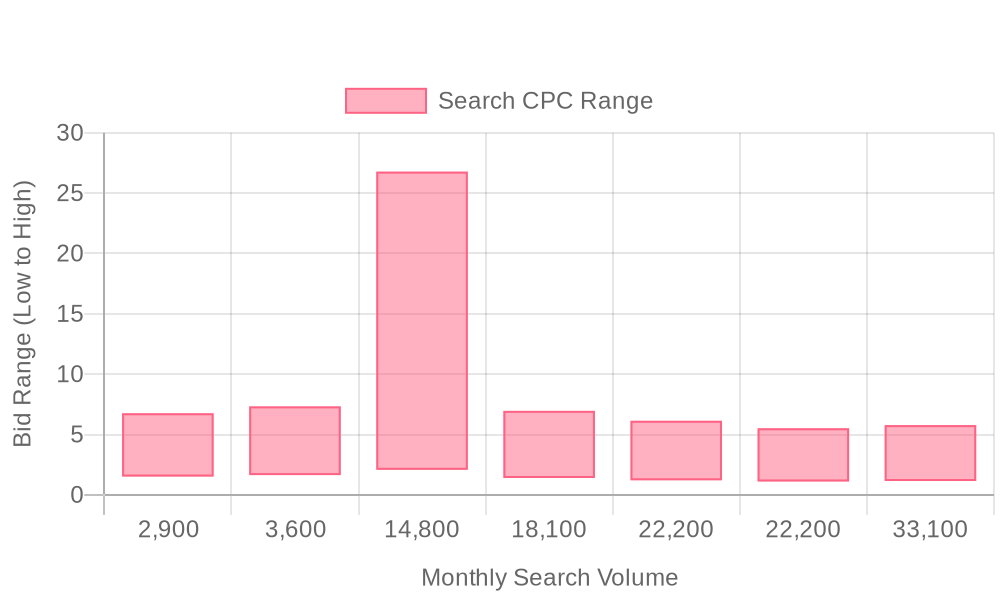
| Industry | Keyword | Monthly Search Volume | Competition Level | Low Bid | High Bid |
| Motorcycle Repair | mobile motorcycle mechanic near me | 2900 | LOW | 1.52 | 6.76 |
| Motorcycle Repair | mobile motorcycle mechanic | 3600 | LOW | 1.64 | 7.33 |
| Motorcycle Repair | motorcycle mechanic | 14800 | LOW | 2.08 | 26.78 |
| Motorcycle Repair | motorcycle repair | 18100 | LOW | 1.4 | 6.96 |
| Motorcycle Repair | motorcycle mechanic near me | 22200 | LOW | 1.21 | 6.14 |
| Motorcycle Repair | motorcycle repair shops near me | 22200 | LOW | 1.11 | 5.52 |
| Motorcycle Repair | motorcycle repair near me | 33100 | LOW | 1.15 | 5.78 |
A robust keyword strategy is essential for driving profitable growth in motorcycle repair advertising. Precision in keyword targeting ensures your campaigns attract owners actively searching for repair solutions, maintenance, upgrades, or emergency services. For deeper insights into mapping high-intent search behavior, explore this overview of digital advertising strategies tailored to auto repair marketing. Revenue teams can efficiently reach customers at the exact moment they are most likely to convert by applying these principles.
High-impact keyword selection begins with a detailed analysis of search volume, competitiveness, and cost per click, focusing on terms such as “motorcycle repair near me,” “motorbike mechanic,” “emergency motorcycle repair,” and “motorcycle tire replacement.” Targeting these queries allows advertisers to capture both routine service seekers and urgent, ready-to-book customers. For additional guidance on segmenting and prioritizing keyword lists, review curated PPC keywords for motorcycle dealer campaigns. For shops specializing in specific brands or services, layering in terms like “Harley Davidson repair,” “Honda motorcycle diagnostics,” or “sportbike suspension tuning” further sharpens audience quality and reduces wasted spend.
Long-tail keywords provide significant advantages for cost-effective acquisition. Examples include “affordable motorcycle oil change,” “mobile motorcycle mechanic in [city],” and “best motorcycle brake repair shop.” These terms typically have lower competition and higher conversion rates, delivering stronger ROI for budget-conscious campaigns. Segmenting keywords by intent, such as maintenance, customization, or emergency repair, enables marketers to align ad groups with the distinct needs of each customer cohort. For tactical guidance on implementing segmentation, explore this playbook on buying stage segmentation.
Negative keywords are indispensable in filtering out non-qualified traffic. Excluding terms like “DIY motorcycle repair,” “free motorcycle parts,” and “motorcycle repair videos” helps maintain campaign efficiency by focusing spend solely on riders actively seeking professional services. Ongoing negative keyword expansion, based on search term reports, refines targeting and preserves budget for the audiences most likely to generate revenue. To further optimize your campaigns, you can leverage expert advice on PPC campaign optimization.
An incomplete ROI picture caused by untracked offline conversions can distort keyword performance analysis and budget allocation. Integrating advanced conversion tracking enables marketers to associate online clicks with real-world repair bookings, phone calls, and in-shop visits. By syncing CRM and offline conversions with ad platforms, teams gain a comprehensive understanding of which keywords directly drive revenue, not just leads. For a step-by-step guide, visit our blog on maximizing ROI through offline channels.
Dynamic audience segmentation further strengthens keyword strategy by keeping targeting current as customer intent shifts. When a lead moves from browsing general maintenance to searching “motorcycle engine rebuild cost,” real-time updates ensure ads and budgets shift to match the new intent. Syncing enriched audiences into advertising platforms lets revenue teams personalize campaigns, boost relevance, and optimize for the highest-value opportunities, driving measurable growth for motorcycle repair businesses.
Step-by-Step Campaign Execution Framework
A solid Google Ads framework for motorcycle repair businesses starts with precise keyword selection, then moves through ad creation and landing page optimization. By leveraging unified data and real-time buyer intent, marketing teams can ensure every campaign dollar reaches the highest-value prospects, directly fueling qualified lead generation and service bookings.
Step 1: Build Targeted Keyword Lists
Begin by identifying high-intent keywords that reflect the unique services and specialties of your motorcycle repair shop. Focus on terms with strong commercial intent such as “motorcycle brake repair near me,” “emergency bike service,” or “motorcycle maintenance shop.” Expand your list by layering brand, model, and location modifiers to capture a broader yet relevant audience, for example, “Harley Davidson repair Los Angeles” or “Honda sportbike service Chicago.” Use negative keywords to filter out irrelevant queries like “DIY motorcycle repair” or “motorcycle repair courses,” ensuring that ad budgets are reserved for genuine service-seekers.
With advanced visitor identification, marketers can move beyond generic search data. By pinpointing which companies and high-value accounts are searching for targeted terms, campaign managers can prioritize budgets and bids for audiences with a proven propensity to convert. This intelligence transforms broad keyword pools into actionable prospect lists, keeping spend aligned with revenue potential. For a curated list of PPC keywords tailored to motorcycle dealer campaigns, explore this motorcycle dealers keywords resource.
The upgrade most motorcycle repair advertisers miss is layering intent and identity signals on top of raw keyword volume. By connecting website-visitor data and CRM records with Sona Marketing Measurement, you can see which specific search terms bring in the accounts and customers that actually convert, and weight your keyword and bidding strategy toward those instead of the terms with the highest search volume alone.
Step 2: Design Effective Ad Copy
Craft ad copy that speaks directly to the needs of motorcycle owners, emphasizing unique selling points such as certified technicians, same-day service, or mobile repairs. Headlines should integrate core service keywords and location cues: “24/7 Motorcycle Repair in Austin” or “Certified Kawasaki Mechanics – Fast Turnaround.” Use ad descriptions to reinforce trust, mention warranties, OEM parts, or customer testimonials. Strong calls to action, like “Book Your Repair Now,” increase urgency and drive conversions.
Dynamic audience insights empower teams to tailor messaging as leads progress through the funnel. For example, ads can automatically update to showcase relevant promotions or seasonal service packages for returning visitors, ensuring the content resonates with each rider’s stage of consideration. For a comprehensive overview on setting up Google Ads for auto repair shops, see this step-by-step guide.
Step 3: Optimize Landing Pages
Direct ad traffic to landing pages that mirror ad copy and keyword focus. Each page should highlight core offerings, showcase mechanic certifications, and provide clear, visible calls to action, like online booking tools or instant callback forms. Use location markers and customer reviews to reinforce credibility. Mobile optimization is critical, as most repair searches originate from smartphones; ensure fast load times and simple navigation for riders in urgent need.
Integrated conversion tracking closes the attribution loop, connecting online ad clicks to both web form submissions and offline service bookings. Real-time syncing between campaign data and CRM systems allows for accurate measurement of true ROI and enables teams to nurture leads who may need follow-up before booking. For more best practices on connecting marketing data, review this guide to integrating Google Analytics ad spend.
Step 4: Launch, Monitor, and Refine Campaigns
Activate campaigns with carefully set budgets and bid strategies that reflect expected service margins and local competition levels. Continuous monitoring is essential: track key performance metrics such as cost per lead, conversion rate, and customer acquisition cost. Leverage data-driven insights to test new ad variations, adjust keyword bids, and experiment with audience segments.
By unifying campaign performance data with account-level engagement signals, revenue teams can quickly identify which ads and offers resonate with their best customers. When new high-intent accounts interact with landing pages or request quotes, automated workflows can trigger prioritized sales follow-ups, maximizing the impact of every campaign iteration. To learn foundational campaign setup, watch this Google Ads video walkthrough.
Sona Marketing Measurement closes the gap between clicks and revenue. It captures every ad click with first-party, company-level tracking, then ties that click through UTM capture and ad-platform APIs to the actual record in your CRM, and reports ROAS by keyword and campaign instead of by last-click form fill. Feeding that revenue signal back into Smart Bidding and Performance Max compounds over time: the algorithms optimize toward booked motorcycle repair revenue, not cheap leads.
Step 5: Adapt Based on Performance Data
Regularly review campaign analytics to spot trends, seasonality shifts, or emerging service needs. Adjust keyword lists, ad copy, and bidding strategies to align with the latest demand signals and competitive movements in the motorcycle repair market. Use advanced attribution models to understand the full buyer journey, from first click to repeat service, and allocate spend to the highest-performing channels and tactics.
As audience lists and account profiles evolve, automated syncing ensures that Google Ads campaigns always target the most relevant, in-market prospects. This adaptive approach sustains growth, lowers acquisition costs, and drives measurable results for motorcycle repair businesses competing in a dynamic, service-driven landscape.
Tips on Expanding Your Motorcycle Repair Presence
Expanding your motorcycle repair presence requires a blend of strategic partnerships, smart digital tactics, and targeted content creation. The most effective growth strategies prioritize visibility in the regions where your services drive the highest value, then leverage data-driven insights to continually refine outreach and engagement.
Maximize your exposure by cross-promoting digital assets across complementary platforms. Collaborate with motorcycle clubs, local dealerships, and riding groups to tap into established audiences and build referral pipelines. For additional ideas on digital collaboration and best practices, explore this overview of digital advertising strategies tailored for auto repair shop marketing.
Tailor every campaign and content effort to the nuances of your local market. Use geo-targeted advertising to ensure your messaging dominates the service areas that matter most. By analyzing local search data and trending repair needs, you can produce highly relevant blog posts, FAQs, and service pages that answer the exact questions your audience types into Google, boosting search rankings and capturing intent-driven leads.
A robust digital strategy harnesses real-time behavioral signals to identify in-market prospects the moment they express repair intent. Marketers who move beyond anonymous website traffic and pinpoint actual visitors, such as local businesses with recurring fleet needs, can prioritize budget and messaging toward those most likely to convert. As riders interact with your brand, dynamic audiences automatically update, ensuring your ads and promotions follow leads as they move from research to booking.
Modern platforms now enable seamless syncing of these enriched audiences directly into Google Ads, CRM, and marketing automation tools, closing the gap between digital engagement and real-world revenue. By integrating online and offline attribution, you measure the true impact of every campaign, from initial click to completed service ticket, and invest in the Google Ads strategies that yield the highest ROI.
Beyond Google Ads: Winning the AI Answers Motorcycle Repair Buyers Now Trust
Paid search captures demand at the moment someone types a query. But a fast-growing share of motorcycle repair buyers no longer start at Google at all, they ask ChatGPT, Gemini, or Perplexity before they ever run a search, and Google's own AI Overviews increasingly summarize an answer above the traditional results. If your business isn't referenced in those AI answers, you're invisible at the exact moment buyers build their shortlist.
Sona AI Visibility shows where your business shows up across ChatGPT, Gemini, Perplexity, Google AI Overviews, and 10+ engines, and, much like a keyword report, which prompts actually send you buyers, so you can prioritize the ones that convert. Run the two together and you cover the entire buyer path: get cited where buyers research (AI Visibility), then prove which of that demand turns into booked revenue (Marketing Measurement).
Helpful resources
Conclusion
The shops winning motorcycle repair searches in the next few years won't just be running Search campaigns, they'll be the ones who can prove which keyword, which ad, and which follow-up call actually turned a click into a booked repair. That proof is what lets you raise bids on the segments that convert, cut the keywords that don't, and defend the budget when it's time to spend more.
Pair that with Sona AI Visibility and you're covering both ends of how riders now find a shop, from the first AI-assisted search to the booked appointment. Start for free
FAQ
What are the best practices for using Google Ads for motorcycle repair shops?
Best practices include precise audience segmentation, keyword targeting relevant to emergency and routine services, aligning ad copy with landing pages, and continuous campaign optimization using real-time data.
How can I create effective Google Ads campaigns for my motorcycle repair business?
Create campaigns by selecting high-intent keywords, crafting tailored ad copy, optimizing landing pages for conversions, and using advanced conversion tracking to measure ROI and adjust strategies.
What types of Google Ads work best for motorcycle repair services?
Search campaigns for urgent needs, display ads for brand awareness, video campaigns for showcasing expertise, remarketing for re-engaging prospects, and local campaigns to drive foot traffic work well for motorcycle repair services.
How much should I budget for Google Ads in the motorcycle repair industry?
Budget should align with expected service margins and local competition levels, with continuous monitoring to adjust spending based on campaign performance and conversion data.
What keywords should I target in my Google Ads for motorcycle repair?
Target keywords with strong commercial intent such as 'motorcycle repair near me,' 'emergency bike service,' and brand-specific terms like 'Harley Davidson repair.' Long-tail keywords can also capture specific service needs.







