


A cracked gearbox or a down CNC line does not wait for business hours, and the machinery repair shops that win the call are usually the ones showing up in Google Ads when the search happens. Many companies still lose these moments: a high-value prospect searches, clicks, and never gets a timely follow-up. Google Ads fixes the visibility problem by putting your business in front of buyers at the instant they're searching for repair help. This guide walks through how to build, target, and optimize Google Ads campaigns specifically for machinery repair, from keyword selection to audience segmentation to closed-loop tracking, so ad spend turns into booked jobs rather than anonymous clicks.
How to Generate Machinery Repair Leads with Google Ads: A Step-by-Step Guide

Integrating Google Ads into a machinery repair marketing strategy delivers measurable lead growth through real-time visibility into buyer intent and campaign performance. When data from paid search is unified with engagement insights, repair businesses can focus budget and resources on the highest-value opportunities, while case studies like this Google Ads portfolio for heavy equipment repair help evaluate PPC effectiveness in industrial services.
A data-driven approach to Google Ads for Machinery Repair ensures every ad dollar is traceable and optimized for outcome, not just clicks. By consolidating audience, intent, and conversion data, marketers can pinpoint which campaigns drive inbound requests and service appointments from qualified prospects. Explore more insights on marketing analytics and attribution to enhance your strategy.
- Enhance the use of data-driven approaches to paid search: Combining paid search analytics with first-party company-level identification lets machinery repair businesses see not only which keywords convert, but which companies are engaging with ads and landing pages. That insight supports sharper budgeting, since marketers can shift spend in real time toward accounts showing high intent.
- Employ targeted keyword and audience strategies specific to your industry: Choosing keywords that reflect urgent repair needs (for example, “emergency machinery repair” or “industrial equipment repair near me”) enables repair businesses to capture in-market buyers at the exact moment of need. When dynamic audience segments update automatically as prospects move through the funnel, ads remain relevant and increase conversion probability.
- Align landing page content and creative elements for optimal conversion: Strong messaging and conversion-focused design are essential to turn ad clicks into leads. By monitoring user behavior and integrating advanced tracking, marketers can tailor landing pages to highlight trust signals, fast response times, and industry expertise, driving more quote requests and calls.
- Utilize performance optimization techniques to continuously refine ROI: Continuous A/B testing, conversion path analysis, and multi-touch attribution reveal which ads and keywords generate the most qualified inquiries. Advanced platforms enable online and offline conversion tracking, capturing every form submission and phone call for complete ROI measurement.
- Establish cross-channel integrations to consolidate your marketing ecosystem effectively: Syncing enriched Google Ads audiences with CRM platforms like Salesforce or HubSpot ensures sales teams receive real-time alerts when target accounts engage with campaigns. This facilitates prompt follow-up, supports multi-channel nurturing, and closes the loop between marketing and sales for consistent, cost-effective advertising for repair services.
To see actionable results and start capturing more machinery repair leads, get started for free with Sona.
Why Does Google Ads Matter for Machinery Repair

Machinery repair businesses operate in a high-value, time-sensitive market where every interaction with a potential customer counts. Google Ads connects these businesses to specialized audiences who are actively searching for immediate repair solutions, ensuring that marketing dollars reach those with pressing needs. For examples of successful campaigns and to evaluate PPC effectiveness in industrial services, review this Google Ads portfolio for heavy equipment repair.
- Capturing specialized audiences searching for machinery repair solutions: By leveraging keyword targeting, repair providers appear directly in front of decision-makers seeking urgent equipment support. Detailed audience segmentation allows campaigns to focus spend on the highest-intent buyers, reducing wasted impressions and driving inquiries from those who are ready to convert. To build real-time, signal-based audiences for hyper-personalized targeting, marketers can automate this segmentation and boost campaign efficiency.
- Addressing high-value service needs with precision targeting and timely response: Google Ads campaigns use real-time data to prioritize leads who exhibit in-market intent, such as searching for emergency services or requesting quotes. With integrated platforms, marketers can dynamically update audiences as prospects engage, ensuring follow-ups happen while interest is highest and enabling revenue teams to respond before leads go cold.
- Expanding visibility in emerging markets or underserved regions with targeted campaigns: Businesses can deploy location-based targeting to tap into new regions or fill service gaps in underrepresented areas. This approach ensures that machinery repair advertising reaches relevant prospects, even in markets where brand awareness is low, supporting scalable growth. Find actionable playbooks for scalable lead generation and campaign planning tailored for B2B and local service providers.
- Enhancing marketing analytics with closed-loop measurements from click-to-conversion, offering insights across channels: Google Ads’ robust analytics, combined with unified go-to-market data, allow for precise attribution from the first click to final conversion. Integrations with CRM and sales platforms enable full-funnel tracking, so revenue teams can analyze which campaigns generate the most qualified leads and prioritize investments that drive measurable ROI.
Ready to see how advanced targeting and closed-loop analytics can drive more pipeline for your machinery repair business? Get started for free with Sona.
Common Types of Google Ads Campaigns for Machinery Repair Services

Machinery repair businesses require digital strategies that cut through noise and target buyers with urgent, high-value needs. Selecting the right Google Ads campaign type ensures every marketing dollar builds visibility, trust, and rapid lead generation. For a deeper dive on maximizing ad effectiveness in this sector, explore the Google Ads campaign portfolio for heavy equipment repair businesses.
- Search Campaigns: Search campaigns tap into urgent, high-intent queries from buyers needing immediate repair or maintenance. By focusing on transactional keywords like "emergency machinery repair near me" or "industrial equipment fix," revenue teams connect with prospects at critical decision points. Using Sona's Identity Resolution, marketers can pinpoint the exact companies behind these searches, allowing tailored outreach and follow-up. Real-time intent signals let teams shift spend to those most likely to convert, maximizing ROI and streamlining lead generation for machinery repair. Responsive search ads, Google's standard search ad format, let you test multiple headlines and descriptions to see which combinations pull the most calls and quote requests.
- Display Ads: Display campaigns sustain brand awareness by placing repair service messaging on relevant industry sites, blogs, and apps. This approach keeps the business top-of-mind for decision-makers who may not be ready to purchase but are actively researching solutions. When integrated with Sona’s Audiences tool, display ads dynamically adapt to behavior shifts, ensuring impressions land on high-value accounts as they move through the funnel.
- Video Ads: Showcasing complex repair services via video ads provides clear, visual proof of expertise and capabilities. Video formats engage prospects earlier in the funnel and help demystify intricate repair processes, boosting trust and consideration. By identifying visitors and syncing enriched audience data, marketers can retarget viewers who showed interest, increasing the likelihood of conversion.
- Remarketing: Remarketing campaigns re-engage previous site visitors or form-fillers who did not convert. These ads appear across Google’s network, using audience segments built from real user actions. When CRM and website data are synced in real time, remarketing lists reflect actual buyer journeys, making each touchpoint more relevant and increasing the efficiency of machinery repair advertising.
- Assets: Ad assets (formerly called extensions) highlight crucial trust signals, such as certifications, years in business, or 24/7 emergency support, directly in the ad copy. They also enable quick actions like direct calls or quote requests. With advanced conversion tracking and offline attribution, revenue teams see which assets drive true leads, optimizing cost-effective advertising for repair services and fine-tuning their digital marketing for repair shops.
Where to Find Growth Opportunities
Growth in the machinery repair sector relies on identifying and acting on overlooked demand signals. Disconnected intent signals, such as fragmented website visits, missed ad clicks, and partial lead data, often result in wasted spend and lower conversion rates. When marketing and sales teams integrate solutions that track and segment these signals, they keep messaging relevant and timely, increasing the likelihood of qualified engagement throughout the buyer's journey. Sona's Identity Resolution reveals which companies are visiting your website, even before they fill out a form, empowering B2B teams to prioritize outreach and accelerate pipeline generation.
- Vertical-specific keywords: Industry-focused keywords, like “hydraulic press repair” or “CNC machine maintenance,” align your Google Ads for Machinery Repair with the specific search intent of high-value prospects. This approach elevates your PPC for machinery repair strategy, ensuring that ads reach buyers actively seeking specialized services rather than generic audiences. When combined with platforms that enrich visitor profiles, marketers can pinpoint which companies are visiting their website, maximizing outbound and inbound follow-up using precise audience intelligence.
- Competitor gap analysis: Regularly analyzing competitors’ ad positioning and content exposes neglected market segments and uncovers opportunities for differentiation. By identifying which industry niches or service types other repair businesses are ignoring, B2B teams can target under-served audiences and deploy cost-effective advertising for repair services. Integrated platforms with real-time intent data allow for dynamic budget shifts toward these high-converting accounts, ensuring campaign spend aligns with actual market opportunities.
- Industry-specific ads on trade platforms: Running ads on relevant trade forums and directories extends reach beyond standard search. These placements are ideal for attracting decision-makers who may not be actively searching on Google but are researching solutions within trusted industry environments. Audience segments can be synced across CRM and ad platforms, supporting unified lead generation for machinery repair and seamless nurturing from awareness to conversion.
- Content retargeting integration: Combining content assets, such as whitepapers or video features, with retargeting strategies increases engagement from previously interested buyers. When audience definitions update in real time, triggered by actions like webinar attendance or asset downloads, remarketing lists stay current and relevant. This ensures that online marketing strategies for repair businesses keep the pipeline moving forward, with advanced conversion tracking providing a clear view of both online and offline ROI.
How to Apply Audience Segmentation for Machinery Repair

Audience segmentation is critical for machinery repair businesses aiming to maximize the impact of their Google Ads investments. By aligning customer journey mapping with granular audience insights, marketers can prioritize high-value leads and deliver messaging that resonates at each stage of the buying process. For additional insights, explore our marketing analytics blog to discover proven segmentation strategies.
- Define and segment audiences by service needs: Start by identifying distinct groups seeking industrial versus commercial repairs. Segmenting by equipment type, urgency, and business size reveals where marketing dollars drive the greatest ROI. This approach helps focus creative and offers on the needs of each segment, improving engagement rates and cost-effectiveness. To identify which companies are visiting your site and what segments they belong to, use Sona's Identity Resolution for actionable account-level insights.
- Incorporate intent signals like urgent malfunctions: Monitor digital behaviors indicating immediate repair needs, such as searches for emergency services or frequent visits to troubleshooting pages. Leveraging advanced tools, marketers can surface in-market signals and shift budget toward accounts most likely to convert. Real-time identification of high-intent prospects supports dynamic campaign adjustments and enhances lead generation for machinery repair. Tap into intent signals to prioritize outreach and ensure timely follow-up when prospects show buying intent.
- Customize ad groups by segment with bespoke creative and budgets: Develop messaging and offers tailored to the pain points of each audience segment. For high-value industrial accounts, highlight rapid response times and specialized expertise. Commercial segments may respond better to cost-effective maintenance packages. Dynamic audience management ensures ads remain relevant as prospects move through the sales funnel, and CRM integration keeps contact lists updated for retargeting or lookalike modeling. Discover best practices for Google Ads in manufacturing to refine your ad group strategies for industrial B2B campaigns.
This structured approach to audience segmentation lets machinery repair businesses deliver targeted, personalized, cost-effective advertising while keeping every marketing dollar accountable. For deeper strategies on Google Ads targeting for mechanics, pairing segmentation with intent signals and CRM data drives real improvements in campaign performance. If you're ready to implement these tactics, get started for free with Sona to sharpen your audience segmentation and lead generation.
This is also where measurement changes the economics. With Sona Marketing Measurement you can identify the companies behind your ad clicks, not just anonymous sessions, and segment audiences by who actually becomes a customer. That lets you build bid adjustments and audience signals around the segments that convert and de-prioritize the ones that don't, so you feed Google's algorithms "this click became a paying machinery repair customer" instead of just "someone filled out a form."
Keyword Strategy & Sample Target Terms
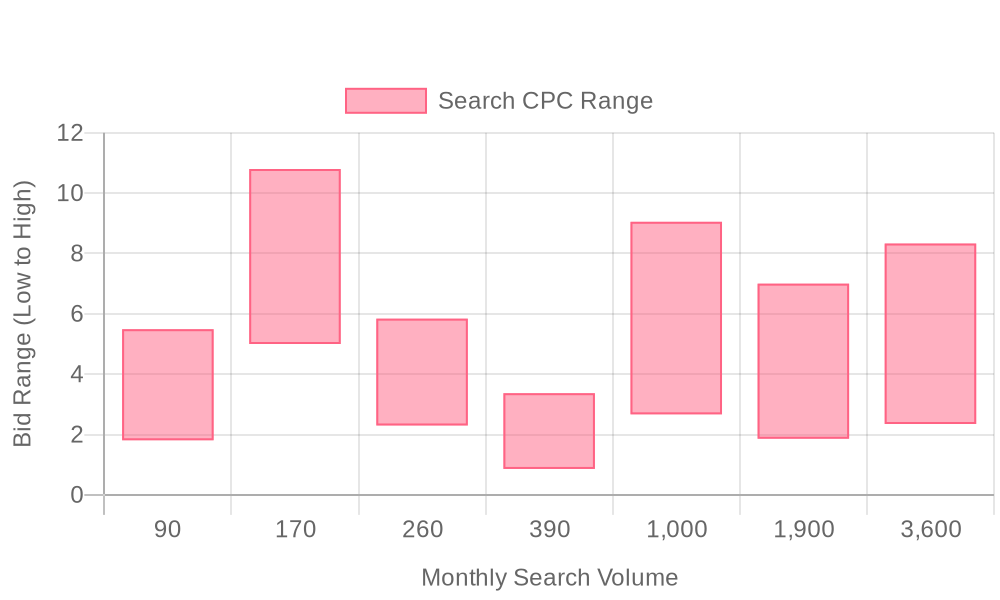
| Industry | Keyword | Monthly Search Volume | Competition Level | Low Bid | High Bid |
| Machinery Repair | on site heavy equipment repair near me | 90 | LOW | 1.81 | 5.49 |
| Machinery Repair | hw machine repair | 170 | LOW | 5 | 10.8 |
| Machinery Repair | cnc machine repair | 260 | LOW | 2.3 | 5.84 |
| Machinery Repair | snow removal equipment for sale | 390 | HIGH | 0.86 | 3.37 |
| Machinery Repair | machinery repair | 1000 | LOW | 2.67 | 9.05 |
| Machinery Repair | heavy equipment repair near me | 1900 | LOW | 1.86 | 7 |
| Machinery Repair | heavy equipment repair | 3600 | LOW | 2.35 | 8.33 |
Effective keyword strategy is the foundation for high-performing Google Ads campaigns in machinery repair. Targeting precise terms ensures visibility among decision-makers who are actively searching for solutions, increasing the probability of qualified inbound leads. For marketers seeking actionable guidance, explore this Google Ads best practices for manufacturing resource, and access additional insights from the Sona blog.
- Machinery repair-specific keywords: Focus on core phrases such as “machinery repair,” “industrial machine servicing,” and “equipment maintenance near me.” Integrate modifiers like “emergency,” “24/7,” or “certified” to capture urgent, transactional searches.
- High-intent, commercial-focused terms: Prioritize keywords that reflect clear purchase intent, such as “book machinery repair,” “industrial equipment repair quote,” and “hire machine technician.” These drive fast conversions and a more predictable pipeline.
- Niche and brand-specific keywords: Incorporate terms for specific brands, models, or types of machinery: “CNC lathe repair,” “John Deere excavator service,” or “hydraulic press maintenance.” Tailoring the keyword set to unique offerings improves relevance and ad rank, reducing wasted spend.
- Local intent modifiers: Include location-based keywords like “repair services near me” and city-specific terms. This supports local SEO for machinery repair and ensures ads reach prospects who are ready to engage nearby specialists.
- Negative keyword lists: Actively exclude irrelevant searches, such as “DIY,” “manual,” or unrelated machinery types, to protect budget and keep focus on leads with true service intent.
With a unified keyword approach, marketers can close the loop on incomplete ROI reporting by capturing both online and offline conversion data. When integrated with Sona's Identity Resolution and real-time intent data, every targeted term not only drives direct engagement but also feeds actionable intelligence into broader go-to-market strategies. This dynamic, feedback-driven process lets teams refine bids and messaging in real time, so ad dollars keep reaching the highest-converting, in-market prospects. To maximize your results, get started for free with Sona.
Step-by-Step Campaign Execution Framework
Precision-focused marketing is essential for machinery repair businesses to acquire qualified leads and maximize advertising budgets. Leveraging accurate data and unified insights elevates every stage of the campaign, transforming generic outreach into targeted, profitable engagement. Learn more about campaign analytics and best practices in our blog for industrial marketers.
Effective campaign execution in machinery repair hinges on clear segmentation, relevant messaging, and performance-driven optimization. Integrating real-time audience and conversion data supports dynamic, scalable strategies that adapt to shifting market needs and customer intent.
Step 1: Build Targeted Keyword Lists
- Cluster keywords by repair type and location modifiers: Start by grouping keywords according to service categories such as hydraulic repair, gearbox maintenance, or CNC machinery troubleshooting. Layer in geo-specific modifiers, city, region, or service area, to localize reach and boost relevance for searchers needing urgent, nearby solutions.
- Integrate long-tail queries relevant to machinery repair into your list: Expand your keyword set with queries reflecting granular needs and intent, such as “emergency forklift repair in Dallas” or “certified industrial pump technician near me.” These lower-volume, high-intent terms tend to convert at higher rates and reduce wasted ad spend.
Modern platforms let marketers identify not only which keywords drive the most qualified traffic but also which companies are visiting your website, even before they fill out a form. For examples of successful Google Ads performance in this industry, see this heavy equipment repair Google Ads portfolio.
The upgrade most machinery repair advertisers miss is going beyond raw keyword volume to layer in intent and identity signals. By connecting website-visitor data and CRM records with Sona Marketing Measurement, you can see which specific search terms bring in the accounts and customers that actually convert, and weight your keyword and bidding strategy toward those rather than the terms with the highest search volume alone.
Step 2: Develop Compelling Ad Copy
- Create headlines focusing on industry pain points and highlight certifications and service excellence: Build ad copy that speaks directly to the urgent needs of your target audience, such as minimizing downtime, meeting compliance standards, or ensuring 24/7 availability. Incorporate proof points like ISO certifications, factory-authorized status, or decades of experience to establish immediate credibility and trust.
Optimizing ad messaging based on real-time behavioral signals allows marketers to fine-tune headlines and descriptions for different audience segments. As audience data updates dynamically, campaigns reflect current intent, showcasing the right value propositions to each prospect at the perfect moment.
Step 3: Design Effective Landing Pages
- Ensure ad and landing page alignment, and include strong CTAs and trust markers: Each ad group should direct clicks to a landing page tailored to the specific service and location featured in the ad. Align messaging, visuals, and service details to reduce friction and boost conversion rates. Prominently display trust markers such as testimonials, industry certifications, and partner logos, along with clear calls to action like “Request Repair Quote” or “Book Emergency Service.”
Unified analytics platforms support deeper attribution by connecting online ad clicks with offline sales or service calls. Marketers can explore offline attribution best practices to refine landing page experiences based on which touchpoints drive the highest-value conversions.
Step 4: Implement Data-Driven Optimizations
- Track and adjust bidding strategies, incorporating offline conversion data: Monitor campaign metrics such as cost per acquisition, conversion rate, and lead quality. Adjust bids to prioritize high-performing keywords and audiences, pausing or reallocating spend away from underperformers. Syncing audience data into your CRM and ad platforms ensures both online form fills and offline conversions, like phone inquiries or service appointments, are captured and attributed accurately.
Audience lists can be continuously refreshed as prospects move through the funnel, allowing for more effective retargeting and lookalike audience building. For a detailed framework on maximizing PPC impact, explore this guide on Google Ads for manufacturing companies.
Sona Marketing Measurement closes the gap between clicks and revenue. It captures every ad click with first-party measurement, ties that click through UTM capture and ad-platform APIs to the actual company record in your CRM, and reports ROAS by keyword and campaign instead of by last-click form fill. Feeding that revenue signal back into Smart Bidding and Performance Max compounds over time: the algorithms optimize toward booked machinery repair revenue, not cheap leads.
Tips on Expanding Your Machinery Repair Presence
Machinery repair companies operating in competitive local and regional markets benefit from a unified approach to digital marketing. By connecting intent signals across channels, businesses maximize the impact of every marketing touchpoint and convert high-value prospects with greater efficiency.
Disconnected data and fragmented follow-up processes create missed opportunities. Integrating online and offline intent through platforms like Google Ads enables more cohesive targeting, smarter retargeting, and immediate response to in-market buyers. For an in-depth look at effective PPC strategies in the industry, see this heavy equipment repair Google Ads campaign portfolio. This approach drives real-world engagement and measurable business outcomes.
- Promote educational assets in retargeting strategies: Providing valuable resources, such as maintenance guides or troubleshooting checklists, within retargeting campaigns positions your brand as a trusted advisor. Leveraging enriched data, marketers can identify which visitors engaged with specific assets and dynamically tailor follow-up ads, ensuring ongoing relevance and nurturing leads through the consideration phase. Explore how website visitor identification can help you deliver hyper-personalized follow-up and improve retargeting outcomes.
- Localize targeting efforts to enhance visibility in key regions: Hyperlocal targeting ensures your ads reach the right businesses and decision-makers within your service area. By combining visitor identification and CRM data, you can refine audience segments and prioritize outreach to companies most likely to need urgent repairs, maximizing local SEO for machinery repair and reducing wasted spend.
- Use search data to refine marketing strategies: Analyzing search queries and on-site behavior provides direct insight into customer pain points and trending repair needs. Feeding this intelligence back into your content and campaign planning improves ad messaging, landing page content, and overall Google Ads optimization for repair services, while also informing new offers and educational materials.
Beyond Google Ads: Winning the AI Answers Machinery Repair Buyers Now Trust
Paid search captures demand at the moment someone types a query. But a fast-growing share of machinery repair buyers no longer start at Google at all, they ask ChatGPT, Gemini, or Perplexity before they ever run a search, and Google's own AI Overviews increasingly summarize an answer above the traditional results. If your business isn't referenced in those AI answers, you're invisible at the exact moment buyers build their shortlist.
Sona AI Visibility shows where your business shows up across ChatGPT, Gemini, Perplexity, Google AI Overviews, and 10+ engines, and, much like a keyword report, which prompts actually send you buyers, so you can prioritize the ones that convert. Run the two together and you cover the entire buyer path: get cited where buyers research (AI Visibility), then prove which of that demand turns into booked revenue (Marketing Measurement).
Helpful resources
Conclusion
The machinery repair shops that consistently win emergency and high-value jobs treat Google Ads as infrastructure, not a campaign you set up once and leave alone. Keyword lists, ad assets, and landing pages need the same ongoing attention as the equipment you service.
The bigger shift is where buyers now start looking. As more machinery repair searches begin inside AI chat tools instead of a Google search box, the businesses that show up in both places, and can prove which channel actually produces booked revenue, will pull ahead of competitors still measuring success by clicks alone.
To put these strategies to work, start for free and see the platform in action.
FAQ
What are the best practices for running Google Ads for machinery repair?
Best practices include utilizing targeted keyword and audience strategies, aligning landing page content for optimal conversion, and employing data-driven approaches to track engagement and optimize ad spend.
How can I optimize my Google Ads campaigns for better results in machinery repair?
Optimize your campaigns by employing continuous A/B testing, conversion path analysis, and multi-touch attribution to identify which ads and keywords generate the most qualified inquiries.
What keywords should I target for Google Ads in the machinery repair industry?
Target keywords reflecting urgent repair needs such as 'emergency machinery repair' and 'industrial equipment repair near me,' along with niche and brand-specific terms like 'CNC lathe repair' and 'hydraulic press maintenance.'
How much should I budget for Google Ads in machinery repair services?
Budget considerations should focus on optimizing spend by targeting high-intent, high-value opportunities and using real-time data to shift budget towards campaigns driving the most qualified prospects.
What are the common mistakes to avoid when using Google Ads for machinery repair?
Avoid common mistakes such as neglecting to align ad copy and landing pages, failing to employ data-driven optimizations, and not excluding irrelevant searches with negative keywords.







