


Medical transcription buyers, hospital administrators, practice managers, compliance officers, rarely browse casually. They search when a vendor contract is expiring, a backlog is piling up, or a new EHR integration demands a transcription partner who can move fast without compromising HIPAA compliance. Google Ads meets that urgency directly, putting your service in front of decision-makers at the moment they're comparing options. For those in the medical transcription field, this creates a distinct opportunity:
How to Generate Medical Transcription Leads with Google Ads: A Step-by-Step Guide

Medical transcription providers face a digital marketplace where decision-makers move fluidly across channels, evaluating accuracy, turnaround, and compliance before choosing a vendor. Delivering a consistent, data-driven experience in this fragmented landscape requires more than broad outreach, it demands precision, transparency, and actionable insights at every stage. For a deeper dive into optimizing your strategies, explore this comprehensive guide to account-based marketing.
A modern medical transcription marketing strategy starts by folding Google Ads directly into core demand generation processes, so every click and impression maps to a potential client whose journey can be tracked and influenced. Advanced platforms connect high-value intent signals with CRM data, letting teams prioritize accounts with demonstrated interest and stronger deal potential. For tailored guidance on using Google Ads to generate leads, review this step-by-step approach for medical transcriptionists.
Leveraging targeted keywords and audience segmentation specific to medical transcription services helps eliminate wasted spend and focuses outreach on clinics, practices, and hospitals most likely to convert. By dynamically updating audience segments as prospects interact with your brand, downloading a compliance white paper or requesting a pricing sheet, you can reallocate budget toward those moving deeper into the funnel. This real-time responsiveness is essential for healthcare PPC campaigns, where intent and urgency often spike during regulatory changes or peak workflow seasons.
Optimizing landing pages and ad creatives for medical transcription advertising requires tailoring content to the unique needs of healthcare professionals. Compliance, integration with existing EHR systems, and data security assurances must be featured prominently, and value propositions like “99% accuracy” or “HIPAA-compliant documentation” should be validated with third-party proof. Continuous A/B testing aligned with visitor-level data makes it possible to refine messaging, imagery, and call-to-actions, driving up conversion rates while lowering acquisition costs.
Traditionally, a major frustration in medical transcription lead generation has been the inability to tell which organizations are engaging with your ads in real time. With next-generation analytics and company-level identification, marketers can move beyond anonymous traffic and see which healthcare organizations are visiting the site. This clarity lets sales teams prioritize outreach and align follow-up with active buying signals, so high-value opportunities don't slip through.
Performance metrics must be continuously refined to maximize ROI on ad spend. By moving beyond surface-level metrics like CTR and focusing on true pipeline impact, measuring both online and offline conversions, teams can allocate resources toward keywords, campaigns, and creative assets that demonstrably drive revenue. This full-funnel visibility, combined with real-time intent data, empowers B2B revenue teams to make budget decisions that are both agile and informed.
Integrating cross-channel data ensures every Google Ads touchpoint supports a cohesive, omnichannel message. When CRM and ad platforms are unified, audiences can be synced and enriched automatically, enabling seamless retargeting and more personalized engagement as leads progress. The result is a demand generation engine that attracts more healthcare professionals and builds the trust needed to accelerate the buyer journey for medical transcription services. Ready to streamline your lead generation? Get started for free with Sona.
Why does Google Ads matter for Medical Transcription
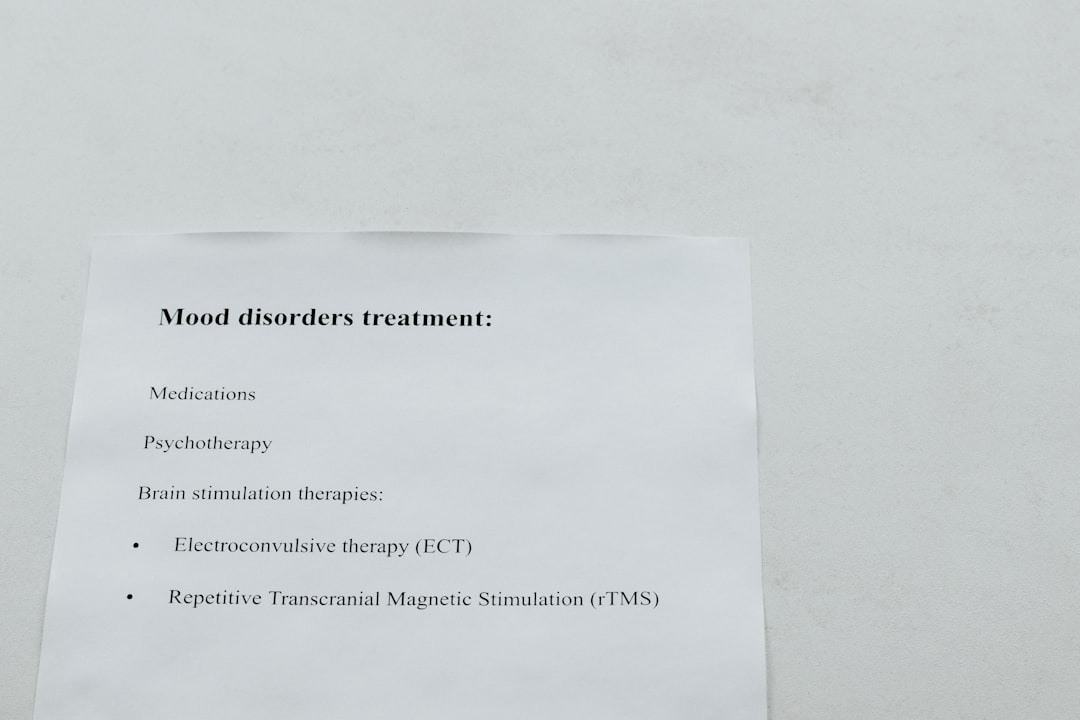
Medical transcription providers operate in a highly specialized and competitive healthcare landscape, where every lead can translate into long-term, high-value contracts. The ability to connect with decision-makers at the exact moment they search for documentation solutions offers a unique edge: Google Ads places these services in front of hospital administrators, practice managers, and compliance officers during their most intent-driven research phases.
Unlike broad digital channels that nurture awareness over time, Google Ads delivers direct access to buyers with immediate needs, such as regulatory updates or urgent overflow work. By leveraging real-time intent signals, medical transcription companies can position their premium offerings, such as HIPAA-compliant workflows, rapid turnaround, and integration with major EHR systems, exactly when buyers are in the market.
Through Google Ads, providers can identify and engage emerging healthcare markets where demand for transcription is increasing, such as new clinics or expanding specialty practices. With granular targeting, advertisers can pinpoint underserved regions, tailoring campaigns to reach those actively seeking scalable, accurate medical documentation support. For additional strategies on targeting these markets, explore our comprehensive guide to account-based marketing.
Integrated marketing analysis further elevates the value of Google Ads for medical transcription marketing. By unifying data across touchpoints, teams gain a holistic view of each customer’s journey, from the initial keyword search to contract negotiation. This insight not only reveals which campaigns drive qualified leads, but also uncovers inefficiencies, such as wasted spend on poorly converting audiences or generic messaging. When CRM systems and ad platforms are in sync, enriched audience segments update in real time, enabling more precise targeting and streamlined follow-up for every inbound lead.
Common Types of Google Ads Campaigns for Medical Transcription Services

- Search Campaigns: Search campaigns reach healthcare decision-makers at the exact moment they seek medical transcription services. By capturing high-intent queries, these campaigns drive qualified traffic and shorten the sales cycle. Leveraging unified go-to-market data, marketers can identify which keywords are generating the most engagement from specific hospital systems or clinics, allowing for real-time budget reallocation to high-performing segments. For additional guidance on using Google Ads to generate leads and grow business, see this overview for medical transcriptionists.
- Display Ads: Display campaigns keep medical transcription brands top-of-mind for healthcare professionals as they browse relevant industry websites. Through precise audience targeting and company-level identification, marketers can ensure their visuals appear to decision-makers within hospitals, physician networks, or specialty clinics, even before these prospects initiate a search. Automated triggers update audience lists as leads progress through the buying journey, increasing relevance and frequency without wasted impressions.
- Video Ads: Video ads communicate the value of complex transcription solutions in a clear, engaging format. These ads can showcase workflows, security protocols, or testimonials, resonating with administrators evaluating new documentation vendors. Integrating engagement data from video views with CRM records allows sales teams to prioritize follow-up with viewers who demonstrated genuine interest, supporting a coordinated, data-driven outreach strategy.
- Remarketing Campaigns: Remarketing campaigns re-engage healthcare prospects who previously visited a transcription service’s website but did not inquire or request a quote. By leveraging unified journey insights, these campaigns dynamically adjust messaging based on the stage of engagement and recent website behaviors, ensuring that returning visitors see tailored offers or content. This synchronization between ad audiences and CRM data increases the odds of converting previously cold leads and maintains continuous, relevant touchpoints.
- Ad Assets: Ad assets such as callouts, sitelinks, and location details increase both visibility and credibility for medical transcription ads. These enhancements highlight key differentiators like rapid turnaround, HIPAA compliance, or 24/7 support, boosting click-through rates among busy healthcare buyers. When powered by connected marketing data, assets can be dynamically updated to reflect the most relevant benefits for each audience segment, ensuring that every touchpoint delivers maximum impact and trust.
Keyword Strategy & Sample Target Terms
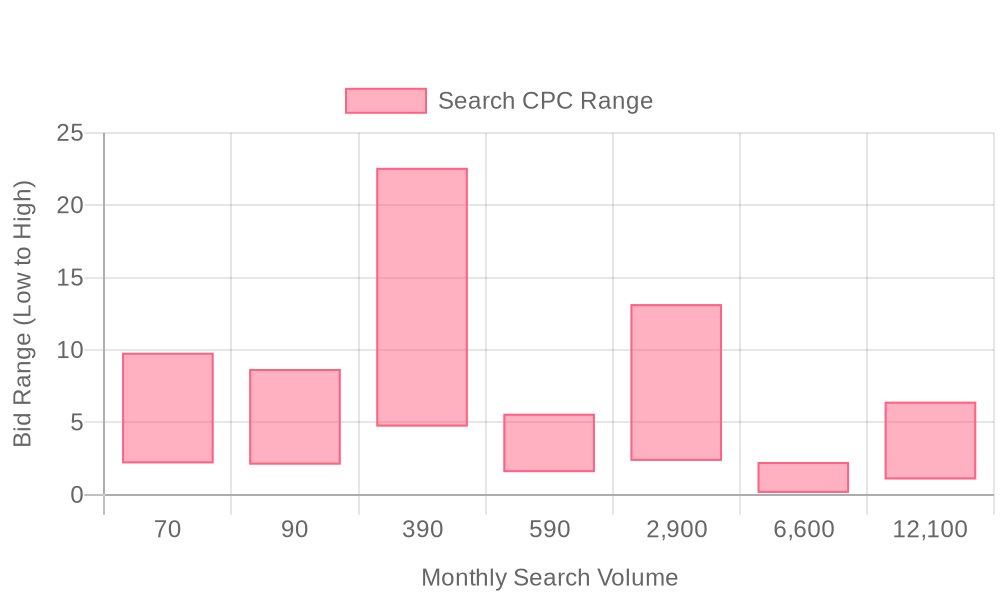
| Industry | Keyword | Monthly Search Volume | Competition Level | Low Bid | High Bid |
| Medical Transcription | medical transcription services near me | 70 | LOW | 2.18 | 9.81 |
| Medical Transcription | mmodal transcription | 90 | LOW | 2.09 | 8.69 |
| Medical Transcription | medical dictation | 390 | LOW | 4.72 | 22.58 |
| Medical Transcription | medical transcription companies | 590 | LOW | 1.57 | 5.6 |
| Medical Transcription | medical transcription services | 2900 | LOW | 2.35 | 13.17 |
| Medical Transcription | transcriptionist | 6600 | LOW | 0.14 | 2.27 |
| Medical Transcription | medical transcription | 12100 | LOW | 1.07 | 6.43 |
Effective medical transcription advertising demands a nuanced approach to keyword strategy. Precision in targeting connects your offering with healthcare professionals actively searching for compliant, specialized transcription services. For a comprehensive overview of digital marketing strategies tailored for this field, review this digital marketing for medical transcription service providers. By designing robust keyword lists that address niche requirements, marketers significantly reduce wasted spend and improve lead quality.
Building high-performing Google Ads for Medical Transcription begins with identifying high-intent keywords. Terms such as "HIPAA compliant transcription services," "outsourced medical dictation for clinics," and "rapid turnaround medical documentation" capture professionals with urgent needs and strong purchase intent. Niche, long-tail queries like "medical transcription for radiology practices" or "EMR-integrated transcription services" further distinguish your campaign from competitors relying on broad, generic targeting. These granular selections elevate ad relevance and minimize low-quality clicks, especially when paired with ongoing performance data from unified marketing and sales insights.
Negative keyword strategies are essential for filtering out irrelevant traffic, such as searches related to job opportunities or do-it-yourself transcription tutorials. Excluding phrases like "medical transcription jobs," "free transcription software," or "transcribe audio yourself" ensures that budgets are focused on true decision-makers within health systems and private practices. When marketers tie intent data and real-time visitor identification into their keyword approach, they can adapt their bidding and ad copy dynamically as leads move from research to purchase. This unified view enables not just improved targeting but also a more responsive budget allocation, shifting spend to campaigns that consistently engage in-market healthcare accounts.
Advanced platforms now enable audience lists that refresh automatically as leads move through the funnel, keeping messaging and keywords aligned with each buyer's journey stage. These capabilities, integrated with medical transcription marketing efforts, sharpen keyword targeting as the market shifts, keeping campaigns efficient and conversion-focused. Syncing enriched audience intelligence into ad platforms and CRMs keeps keyword strategy, campaign performance, and revenue outcomes connected.
Where to Find Growth Opportunities

Medical transcription companies can accelerate growth by uncovering overlooked demand pockets and optimizing spend across high-value channels. The most successful teams move beyond basic tactics, leveraging unified data and intent signals to capture and convert ready-to-buy healthcare clients with precision.
- Advanced Keyword Targeting: Start by expanding beyond generic terms to vertical-specific phrases that reflect real buying behaviors in the healthcare space. Targeting nuanced keywords such as "HIPAA-compliant medical transcription" or "EMR integration for medical dictation" attracts higher-quality leads and reduces spend on irrelevant clicks. For practical guidance on keyword-driven campaign strategies, see this overview of Google Ads for medical transcriptionists. Using intent-rich keyword clusters ensures that both new and existing campaigns reach the segments most likely to convert, helping marketers identify which high-intent searches align with actual purchase journeys and eliminate wasted spend.
- Competitor Analysis: Analyzing auction insights and impression share data reveals where competitors dominate and where white space exists in the medical transcription market. This intelligence helps revenue teams adjust bids and allocate resources to open segments, rather than overspending in saturated areas. Access actionable playbooks to guide your competitive strategy. By connecting cross-channel performance data, marketers can see which competitor audiences are most receptive and dynamically shift focus to emerging opportunities, ensuring every advertising dollar drives measurable pipeline impact.
- Vertical Placements: Securing placements on trusted healthcare and transcription directories increases credibility and relevance for medical transcription brands. Explore industry-specific directories to access decision-makers searching for specialized documentation solutions. When you integrate placement performance data with your campaign reporting, you can measure downstream impact and connect directory engagement directly to lead generation and sales outcomes.
- Content Retargeting: Deploying assets such as whitepapers, webinars, and case studies to retarget engaged healthcare professionals keeps your brand top of mind throughout the buyer journey. By aligning retargeting with real-time funnel progression, marketing teams can nurture prospects with tailored content at each stage, from initial research to contract negotiation. For tips on maximizing retargeting effectiveness, review this AI-powered approach to transcribing medical dictation. Automated audience updates based on CRM and behavioral data enable precise message delivery, increasing conversion rates and shortening sales cycles for medical transcription services.
How to Apply Audience Segmentation for Medical Transcription

Audience segmentation is essential for medical transcription marketing teams seeking precise targeting and consistent ROI improvements. By dividing prospects into distinct groups based on practice type, needs, and buying intent, organizations can ensure messaging aligns with the realities of medical decision-makers. Modern segmentation techniques help marketers eliminate wasted spend and deliver relevant value across every touchpoint in the healthcare buyer journey. For deeper insights on effective digital marketing in this space, review this overview of digital marketing strategies for medical transcription. Explore our collection of articles for more practical segmentation tactics.
- Define Audience Segments: Start by splitting your targets into categories such as independent medical practices, mid-size clinics, and large hospital networks. Each segment has different pain points: independent practices may need cost-effective solutions, while hospitals value enterprise-grade compliance and scalability. Avoid generic messaging, which fails to address the specific challenges each group faces in selecting a medical transcription service. By leveraging company-level visitor identification, marketers can move beyond anonymous clicks and see which organizations are engaging with campaign assets. This clarity supports smarter budget allocation and sharper copywriting for each segment.
- Include Intent Overlays: Enhance targeting by layering intent data to identify prospects researching maintenance contracts, workflow automation, or technology upgrades. Monitoring in-market behaviors allows teams to prioritize high-converting accounts and shift budgets dynamically as prospects signal changing needs. Real-time intent insights empower revenue teams to intercept buyers at the optimal moment, ensuring Google Ads for medical transcription reaches those most likely to convert.
- Segment-Based Ad Groups: Build ad groups tailored for each audience segment, customizing creative assets, offers, and landing pages to address industry-specific challenges. For example, ads targeting hospital systems should emphasize HIPAA-compliance and EMR integration, while those for private practices can highlight ease of onboarding and quick turnaround. Audience definitions automatically update as leads progress through the funnel, allowing teams to deliver relevant messaging and suppress churn-prone recipients from seeing redundant ads.
- Conversion Validation: Track conversions at a granular level by linking every lead or inquiry to its original audience segment. Advanced attribution, both online and offline, offers a full view of campaign impact, from initial click to closed contract. This ensures marketing teams can optimize budget allocation, measure true ROI, and prioritize creative that resonates with high-value healthcare professionals. Seamless CRM and ad platform syncs also ensure enriched audience data flows bi-directionally, keeping campaigns responsive as new insights emerge.
This is also where measurement changes the economics. With Sona Marketing Measurement you can identify the companies behind your ad clicks, not just anonymous sessions, and segment audiences by who actually becomes a customer. That lets you build bid adjustments and audience signals around the segments that convert and de-prioritize the ones that don't, so you feed Google's algorithms "this click became a paying medical transcription customer" instead of just "someone filled out a form."
Step-by-Step Campaign Execution Framework
A methodical campaign execution framework is essential for medical transcription marketing teams seeking to accelerate qualified lead generation and maximize advertising ROI. By leveraging granular data and real-time insights, marketers can build campaigns that consistently align with evolving buyer intent in the healthcare sector. For teams looking to understand how digital marketing strategies can be tailored for medical transcription services, this overview of digital marketing for medical transcription provides additional strategic context.
Step 1: Build Targeted Keyword Lists
Precise keyword clustering is foundational for any high-performing Google Ads for Medical Transcription campaign. Group keywords by transcription service types, such as compliance-focused, specialty-specific, or urgent delivery, to ensure ads reach the right medical professionals. Integrate city and region modifiers to drive local relevance and capture in-market healthcare organizations searching for transcription support during critical need states.
Overlay question-based keyword variants, such as "how to choose a HIPAA-compliant medical transcription provider" or "best medical dictation services near me," to ensure campaigns surface for both transactional and research-driven searches. This approach reduces wasted spend on irrelevant clicks and surfaces ads when decision-makers are actively considering solutions. By connecting search intent with keyword structure, marketers can also identify anonymous website visitors, trace company-level engagement, and route qualified leads into tailored nurturing flows.
The upgrade most medical transcription advertisers miss is layering intent and identity signals on top of raw keyword volume. Connecting website-visitor data and CRM records with Sona Marketing Measurement shows which search terms actually bring in accounts that convert, so you can weight keyword and bidding strategy toward those terms rather than the ones with the highest volume alone.
Step 2: Develop Compelling Ad Copy
Ad copy in medical transcription advertising must address sector-specific pain points, such as regulatory compliance, accuracy, and turnaround times. Craft headlines that reflect these challenges, think "Ensure HIPAA Compliance with Rapid Transcription" or "24-Hour Medical Transcription for Hospitals", to immediately capture the attention of healthcare administrators and clinicians.
Trust indicators, like on-staff certified medical transcriptionists or secure data handling, should be incorporated throughout the ad. Adding urgency through limited-time offers or instant quote options can drive higher engagement, especially among facilities with immediate documentation needs. Continuous monitoring of ad performance and in-market intent signals enables teams to pivot messaging in real time and highlight the most impactful value propositions for each audience segment.
Step 3: Design Effective Landing Pages
Landing page experiences must mirror the specificity of the keywords and ad copy to ensure seamless user journeys. Each keyword cluster should direct users to a dedicated page that reiterates the promise in the ad and provides detailed information on compliance, specialties served, and turnaround guarantees. Clear calls to action, such as "Book a Demo" or "Request a Secure Quote," make it simple for healthcare professionals to take the next step.
A/B testing landing page elements, including headlines, testimonials from healthcare clients, and interactive pricing calculators, enables continuous optimization. Marketers can use real-time behavioral data to refine form fields, adjust trust signals, and personalize page content based on visitor profile or stage in the buying process. This ensures higher conversion rates and a frictionless experience for healthcare decision-makers.
Step 4: Implement Data-Driven Optimizations
Ongoing optimization is crucial for sustained success in Google Ads for healthcare professionals. By systematically analyzing conversion data, teams can refine budget allocations to prioritize the highest-converting keywords, geographies, and service lines. Adaptive bidding strategies, informed by both online and offline conversion attribution, ensure that spend is directed toward accounts demonstrating the most sales-ready intent.
As new lead data flows into the CRM, audiences and exclusions update dynamically, keeping campaigns aligned with the latest funnel stages and preventing wasted impressions on existing customers. Teams can further unify digital marketing for medical transcription by integrating enriched audience segments, tracking offline contract wins, and syncing qualified leads directly into sales workflows for immediate follow-up. This closed-loop approach maximizes the impact of every advertising dollar and accelerates pipeline velocity for medical transcription services.
Sona Marketing Measurement closes the gap between clicks and revenue. It captures every ad click with first-party measurement, then ties that click through UTM capture and ad-platform APIs to the actual record in your CRM, and reports ROAS by keyword and campaign instead of by last-click form fill. Feeding that revenue signal back into Smart Bidding and Performance Max compounds over time: the algorithms optimize toward booked medical transcription revenue, not cheap leads.
Tips on Expanding Your Medical Transcription Presence
Adopting a multi-channel approach is essential for modern medical transcription providers aiming to surpass stagnant growth and unlock new revenue streams. By aligning digital and data-driven tactics, businesses can create sustained engagement and accelerate lead conversion throughout the healthcare buying cycle. For an overview of digital marketing strategies tailored specifically for transcription service providers, explore digital marketing for medical transcription.
- Enhance Retargeting: Revitalize display network retargeting by introducing fresh educational content tailored to medical professionals who have shown initial interest but stopped short of inquiry or sign-up. This approach not only keeps your brand top-of-mind but also addresses specific pain points that can reignite engagement. With unified go-to-market data, marketers can identify which segments are most likely to convert and dynamically adjust messaging for those audiences, rather than relying on generic follow-ups. Integrating advanced visitor identification allows campaigns to move beyond anonymous impressions, pinpointing which hospitals, clinics, or practice managers are returning and qualifying them for high-priority nurturing.
- Upsell New Services: Leverage enriched CRM data to segment healthcare clients based on their current usage, needs, and lifecycle stage. By offering additional solutions such as medical translation or secure, HIPAA-compliant document storage, providers can deepen relationships and increase contract value. Syncing CRM and ad platforms ensures that upsell campaigns reach only those clients most likely to benefit, reducing wasted spend and improving engagement.
- Collaborate with Industry Organizations: Build authority and expand reach by partnering with respected healthcare associations or educational bodies for co-branded initiatives such as webinars, whitepapers, or joint research reports. These partnerships boost credibility, provide access to highly qualified audiences, and generate referral traffic that is more likely to convert. With comprehensive attribution tracking, marketing teams can trace the full customer journey from initial co-branded touch to closed deal, demonstrating true campaign effectiveness.
Final Insights
Successful medical transcription advertising on Google Ads hinges on a sharply defined keyword strategy anchored to each unique service, reducing wasted spend and sharpening campaign relevance. For practical guidance on generating leads and growing your business with Google Ads, explore using Google Ads for medical transcriptionists. Focusing on specialized terminology and aligning keywords with healthcare documentation needs ensures your ads reach decision-makers searching for precise solutions, not generic transcription offerings.
Audience segmentation tailored for the healthcare sector unlocks higher engagement by addressing the nuanced requirements of clinics, hospitals, and physician groups. By leveraging real-time audience segmentation tools, marketers can dynamically identify high-intent accounts and adjust audience lists as leads move from research to purchase, fully capitalizing on shifting buyer signals.
Conversion-driven creative assets play a key role in differentiating your medical transcription services. Ad copy and extensions must go beyond generic claims, showcasing compliance, rapid turnaround, and integration with healthcare IT systems. Unified data platforms empower teams to surface real-time insights into which creative elements resonate best, allowing for agile optimization that boosts engagement and drives more qualified leads.
Integrating real-time analytics and cross-channel attribution allows for continual campaign refinement and superior ROI tracking. By seamlessly connecting online activity, inbound calls, form fills, and even offline contract signings, marketers gain a true picture of campaign impact. Automated syncing between enriched lead data and ad platforms ensures that audience lists, bid strategies, and creative refreshes are always informed by the latest engagement signals and sales outcomes.
Medical transcription services gain outsized value from these Google Ads strategies. Strategically aligned campaigns, audience-specific targeting, and continuous optimization tie every marketing dollar to measurable business growth. Solving for fast identification of engaged organizations and timely follow-up becomes routine rather than exceptional, letting teams capture more opportunity in a crowded healthcare market.
Beyond Google Ads: Winning the AI Answers Medical Transcription Buyers Now Trust
Paid search captures demand at the moment someone types a query. But a fast-growing share of medical transcription buyers no longer start at Google at all, they ask ChatGPT, Gemini, or Perplexity before they ever run a search, and Google's own AI Overviews increasingly summarize an answer above the traditional results. If your business isn't referenced in those AI answers, you're invisible at the exact moment buyers build their shortlist.
Sona AI Visibility shows where your business shows up across ChatGPT, Gemini, Perplexity, Google AI Overviews, and 10+ engines, and, much like a keyword report, which prompts actually send you buyers, so you can prioritize the ones that convert. Run the two together and you cover the entire buyer path: get cited where buyers research (AI Visibility), then prove which of that demand turns into booked revenue (Marketing Measurement).
Helpful resources
Conclusion
Google Ads works for medical transcription providers because it meets buyers, hospital administrators, practice managers, compliance officers, at the exact moment they're evaluating vendors, not months before. The campaigns that win pair sharp keyword and audience targeting with the ability to see which organizations are actually converting into contracts.
The providers pulling ahead now are the ones who can prove which keywords, audiences, and ad assets turned into signed contracts, not just form fills. That proof is what lets you keep raising budgets on what works and cutting what doesn't.
Take the next step toward a sharper, more accountable Google Ads program. Start for free to see how Sona connects your ad spend to actual medical transcription revenue.
FAQ
What are the best practices for using Google Ads in medical transcription?
Best practices include integrating Google Ads into core demand generation processes, using targeted keywords and audience segmentation to focus on clinics and hospitals likely to convert, optimizing landing pages for compliance and accuracy, and continuously refining performance metrics to maximize ROI.
How can medical transcriptionists target specific keywords in Google Ads?
Medical transcriptionists should use high-intent keywords such as 'HIPAA compliant transcription services' and 'rapid turnaround medical documentation', while employing negative keywords to filter out irrelevant traffic. This strategy reduces wasted spend and improves lead quality.
What are the compliance requirements for Google Ads in healthcare?
Medical transcription ads must prominently feature compliance details like HIPAA compliance and integration with EHR systems, ensuring the content is tailored to the needs of healthcare professionals.
How do I create effective Google Ads for my medical transcription services?
Effective ads should address sector-specific pain points with headlines that capture attention, use trust indicators, emphasize urgency, and align ad copy with landing page content to ensure seamless user journeys.
What budget should I allocate for Google Ads in the medical transcription industry?
Budget allocation should focus on high-performing keywords, adjust dynamically based on real-time intent data, and prioritize campaigns that demonstrably drive revenue, ensuring efficient use of advertising spend.







