


Medical technology sales cycles run long and involve multiple stakeholders, a hospital procurement officer, a clinical evaluator, a compliance reviewer, and untracked leads mean real revenue slipping through the cracks. Google Ads lets MedTech marketers reach healthcare professionals at the moment they're researching a device, diagnostic, or platform, but only if the tracking behind those campaigns is built to catch every signal. This guide lays out a structured approach to running Google Ads in medical technology, one that respects healthcare advertising regulations while connecting ad spend to actual pipeline.
How to Generate Google Ads for Medical Technology Leads: A Step-by-Step Guide

Integrating Google Ads into a medical technology marketing strategy elevates your ability to reach clinical decision-makers, procurement teams, and specialized healthcare professionals. Modern B2B revenue teams must capitalize on every data signal to engage high-value prospects before competitors, using advanced analytics and unified lead tracking to close the loop between marketing and sales.
A data-driven approach ensures alignment of Google Ads with broader multi-channel marketing efforts. By connecting campaign data with CRM and offline sales touchpoints, revenue teams can measure true ROI while identifying which audiences are most likely to convert. When anonymous web visitors interact with your content, new solutions now enable marketers to match these visits to real companies, automatically enriching customer match lists for more precise targeting within Google Ads for Medical Technology campaigns. For an overview of Google Ads features and benefits, see the Google Ads platform. This data sync transforms one-off ad interactions into actionable sales opportunities and allows for immediate follow-up, closing the gap between marketing engagement and revenue outcomes.
- Align Campaigns with Multi-Channel Engagement: Medical technology buyers often research solutions across multiple channels before making high-value decisions. Coordinating Google Ads campaigns with LinkedIn outreach, email workflows, and account-based marketing ensures every interaction is tracked and attributed. When intent data is unified across digital touchpoints, budget can shift in real time toward high-converting accounts, ensuring no opportunity is missed.
- Identify and Import Anonymous Visitors: Most healthcare digital marketing teams struggle to act on website traffic that does not fill out a form. With visitor identification technology, marketers can now pinpoint the organizations behind anonymous traffic, enriching CRM records and syncing these audiences directly into Google Ads. This enables dynamic retargeting and precise ad sequencing as leads move from initial research to active consideration.
- Create Keyword Strategies for Medical Buyers: Compliance is critical in medical device marketing. Build keyword lists that reflect both high-intent search terms and regulatory-safe language, ensuring all campaign assets meet Google Ads healthcare policy requirements. Segment keywords by product line, clinical specialty, or buyer stage to maximize relevance and avoid wasted spend on noncompliant or low-intent queries.
- Design Dynamic, High-Intent Landing Pages: Landing pages for medical technology advertising must speak to the needs of clinicians, purchasing managers, and technical evaluators. Use content tailored to each segment, such as clinical trial data, purchasing checklists, or product certifications. Automatic audience enrichment allows landing pages to personalize messaging based on visitor profile, driving higher engagement and conversion rates.
- Optimize Continuously for ROI and Engagement: Campaigns that stagnate quickly lose efficiency in the competitive healthcare PPC landscape. Use continuous optimization frameworks that monitor lead quality, conversion paths, and audience movement across channels. Integrating cross-channel data ensures Google Ads budgets are allocated toward the audiences with the highest real-time intent, supporting ongoing revenue growth and stronger pipeline velocity.
Why does Google Ads matter for Medical Technology

Medical technology marketers face high stakes in capturing the right attention at precisely the right moments. Google Ads enables these teams to access healthcare decision-makers and practitioners when they are actively researching or evaluating solutions, which is essential for advancing complex sales cycles and launching innovative products. Learn more about digital marketing strategies for B2B growth in our marketing analytics blog.
- Target Specialized Audiences: Medical technology adoption hinges on reaching clinical influencers and procurement authorities during periods of high intent. Unlike broad-based digital campaigns, Google Ads empowers marketers to capture this intent at the search query level, ensuring outreach aligns with live decision moments. Enhanced visitor identification solutions now allow marketers to move beyond anonymous traffic, pinpointing which healthcare organizations or professionals are engaging with specific campaigns. This level of insight enables real-time prioritization, so teams never miss critical engagement windows.
- Adopt High-Margin Solutions: Advanced medical procedures and novel devices require education and trust before integration into clinical practice. Google Ads delivers targeted exposure for these offerings, reaching practitioners and administrators evaluating new technology for adoption. Seamless CRM and ad platform syncing ensures that once a lead is identified, audience lists automatically update, nurturing prospects as they progress through the funnel and maximizing the lifecycle value of each opportunity.
- Achieve Immediate Demand Response: The healthcare sector is driven by pivotal events, regulatory changes, and emerging needs. Google Ads allows for rapid activation of campaigns to address immediate spikes in demand, such as product launches or critical supply chain updates. By syncing with Sona's Intent Signals, marketers can dynamically shift spend to high-converting accounts as market needs change, ensuring efficient budget allocation and timely engagement.
- Expand Regional Visibility: Breaking into new territories or supporting under-served facilities requires precision and agility. Geotargeted Google Ads campaigns enable medical technology providers to focus efforts on emerging regions, new hospital networks, or specific clinical specialties. With advanced audience enrichment, marketers can ensure that their messaging resonates with the local healthcare landscape and that conversion tracking reflects both online engagement and offline deal closure.
- Facilitate Integrated Data: Siloed analytics limit the ability of revenue teams to connect intent signals with actual sales outcomes. Integrating Google Ads with a broader analytics suite allows medical technology marketers to track the entire journey from click to closed deal. This approach supports advanced attribution models, combining online and offline conversion data, so teams gain a complete view of ROI, adjust campaigns in real time, and prevent lost opportunities due to disconnected data.
By combining granular targeting, live intent tracking, and integrated attribution, Google Ads provides medical technology teams with a robust foundation for scalable, compliant, and high-impact digital marketing. Get started for free with Sona.
Common Types of Google Ads Campaigns for Medical Technology Services

- Search Campaigns: Search campaigns deliver immediate access to high-intent prospects actively seeking medical technology solutions. By focusing on granular, industry-specific keywords, companies can appear directly in front of hospital procurement teams and healthcare decision makers evaluating equipment, diagnostics, or digital health platforms. These campaigns outperform generic analytics strategies by isolating only those buyers most likely to convert, allowing B2B marketers to concentrate spend where it matters. When integrated with advanced visitor identification, marketers can pinpoint which organizations engage with product pages, enabling precise follow-up and segmenting audiences based on in-market activity. For an overview of Google Ads platform features and benefits, explore how digital advertising can drive targeted pipeline for your MedTech team.
- Display Ads: Display campaigns maintain brand awareness across healthcare and MedTech digital ecosystems, reaching relevant stakeholders during their research journeys. Placing creative assets on trusted medical journals, association sites, or regulatory resources ensures that medical device manufacturers and SaaS providers remain top-of-mind during lengthy buying cycles. When display targeting syncs with real-time CRM data, audiences dynamically refresh as contacts progress from initial awareness to consideration, ensuring ad budgets prioritize accounts showing active interest. Dive deeper into optimizing healthcare campaigns in our marketing analytics blog.
- Video Ads: Video campaigns are uniquely effective for medical technology, as complex products and clinical workflows often require in-depth visual explanation. Demonstrating device functionality, onboarding processes, or value propositions through video accelerates education for both clinical and non-clinical stakeholders. Video engagement metrics, when unified with sales data, allow marketers to identify which viewers advance to product demos or sales consultations, informing which creative assets drive the strongest ROI. For inspiration, see award-winning YouTube ad campaigns in MedTech.
- Remarketing: Remarketing campaigns re-engage healthcare professionals and organizations that have already interacted with your brand, transforming cold website traffic into qualified pipeline opportunities. Google's healthcare policies limit certain types of retargeting, but compliant audience building is possible by tracking on-site engagement at the company level rather than relying on individual user profiles. When remarketing lists are enriched with offline conversion data, such as scheduled demos or procurement meetings, ad spend shifts to accounts that demonstrate the highest likelihood of moving forward, closing the loop between initial engagement and closed revenue.
Where to Find Growth Opportunities

Growth-focused medical technology marketers consistently outperform by pinpointing untapped segments and systematically refining their targeting approach. Unlocking these opportunities starts with vertical keyword targeting, which ensures specialized medical products and solutions surface for highly specific queries. By mapping out granular keyword sets around emerging clinical use cases or device subtypes, teams prevent lead leakage from overlooked search intent. This approach captures high-value prospects that may not yet exist in your CRM, driving pipeline growth from new market entrants or under-served specialties. Explore how Google Search Ads can help you reach these prospects at the moment they’re searching for solutions.
Competitive analysis tools play a pivotal role in revealing campaign gaps missed by others in the sector. By scrutinizing competitor ad spend, keyword coverage, and messaging, marketers can spot whitespace, unique combinations of procedures, device features, or patient pain points not being addressed. These insights empower revenue teams to reallocate budget into high-ROI segments before they become saturated. With advanced visitor identification, teams move beyond anonymous web traffic to pinpoint actual companies researching your solutions, making it possible to prioritize outreach and adjust campaigns in real time based on verified in-market activity.
Industry placements within healthcare-specific forums and trusted medical networks provide a direct channel to targeted buyers and influencers. Optimizing placements in these environments increases brand credibility and delivers messaging where intent is highest. With dynamic audience syncing, marketers keep pace as leads progress through the funnel, ensuring only qualified prospects receive tailored offers or educational content. This responsive, data-driven approach minimizes wasted spend and maximizes the impact of every impression by aligning digital outreach with verified buying signals and up-to-date account intelligence.
How to Apply Audience Segmentation for Medical Technology
Refined audience segmentation drives measurable results for medical technology marketers. By connecting targeting precision to key moments in the healthcare buying cycle, campaigns reach the right decision makers and accelerate the path to conversion. For additional strategies on refining your approach, explore our B2B marketing playbooks.
- Define Segments: Effective segmentation starts with drawing clear lines between hospitals, clinics, and specialty practices. Hospitals have centralized procurement teams and require messaging that speaks to operational efficiency and system-wide impact. In contrast, specialized clinics often prioritize clinical differentiation and patient outcomes, needing creative aligned with advanced features or niche applications. By mapping these needs, marketing teams ensure every campaign resonates with its intended audience and avoids wasted impressions. For a deeper dive into segmentation and account targeting, see the essential guide to account-based marketing.
- Overlay Intent Signals: Identifying where each segment sits in the technology adoption curve shapes both ad delivery and content strategy. A procurement manager researching regulatory compliance solutions may signal readiness for a demo or technical evaluation. Overlaying Sona's Intent Signals, such as recent website behaviors or engagement with compliance resources, lets marketers adjust budgets in real time so high-value, in-market accounts get priority attention.
- Create Ad Groups by Segment: Structuring campaigns around discrete segments allows for granular budget control and tailored messaging. When medical device marketers separate ad groups for “hospital capital equipment buyers” and “ambulatory surgical centers,” they can allocate resources based on real-time engagement, performance, and projected deal value. Dynamic audience updates ensure that as prospects move through the funnel, from research to evaluation, ad creative and offers evolve accordingly, increasing relevance and conversion rates. For inspiration on creative healthcare campaigns, see this YouTube ads showcase.
- Validate Conversion Paths: Ensuring seamless CRM and ad platform integration is critical for accurate attribution and timely follow-up. By connecting enriched lead data directly into CRM systems and syncing with platforms like Google Ads, teams track the full buyer journey from anonymous website visit to qualified opportunity. Advanced conversion tracking bridges gaps between online engagement and offline sales activity, providing a true view of ROI and enabling sales teams to act on the highest-priority leads with personalized outreach. This synchronization eliminates data silos and enhances the speed and precision of marketing-to-sales handoff, fueling revenue growth and campaign efficiency.
This is also where measurement changes the economics. With Sona Marketing Measurement you can identify the companies behind your ad clicks, not just anonymous sessions, and segment audiences by which accounts actually become customers. That lets you build bid adjustments and audience signals around the segments that convert, and de-prioritize the ones that don't, so you feed Google's algorithms "this click became a paying medical technology customer" instead of just "someone filled out a form."
Keyword Strategy & Sample Target Terms
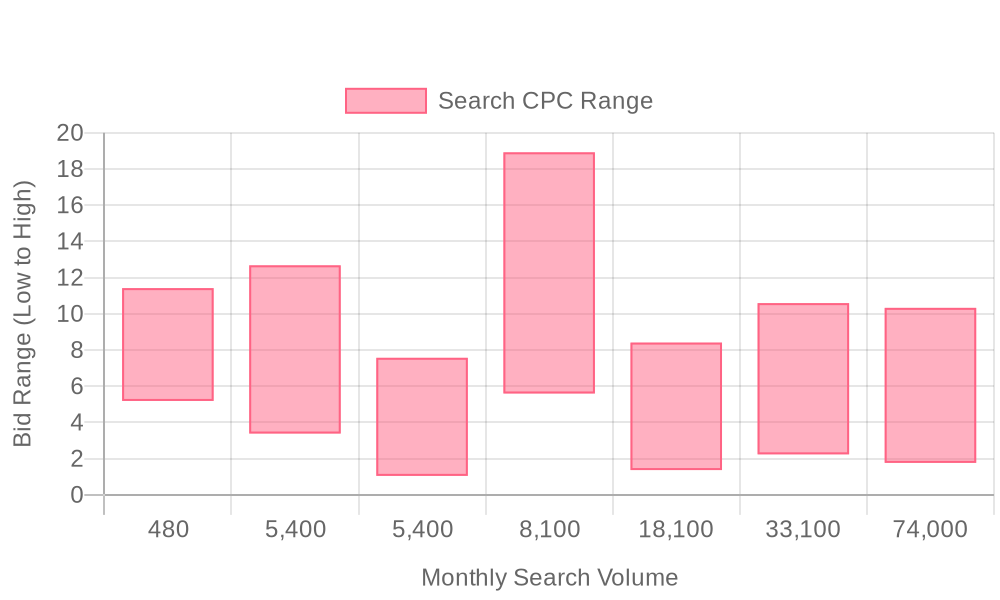
| Industry | Keyword | Monthly Search Volume | Competition Level | Low Bid | High Bid |
| Medical Technology | medical guardian alert system | 480 | HIGH | 5.19 | 11.42 |
| Medical Technology | fall detection devices | 5400 | HIGH | 3.39 | 12.68 |
| Medical Technology | portable ultrasound machine | 5400 | HIGH | 1.05 | 7.57 |
| Medical Technology | health information technology | 8100 | MEDIUM | 5.6 | 18.92 |
| Medical Technology | x ray tech | 18100 | LOW | 1.37 | 8.41 |
| Medical Technology | medical technology | 33100 | LOW | 2.24 | 10.59 |
| Medical Technology | ultrasound tech | 74000 | LOW | 1.77 | 10.33 |
Selecting targeted keywords is foundational in medical technology advertising. The right terms ensure campaigns reach healthcare practitioners, procurement leads, and decision-makers who are actively seeking specialized solutions. Effective keyword selection also filters out irrelevant clicks, focusing budget on prospects with real commercial intent. For more insights on optimizing B2B campaigns, explore our marketing blog.
- High-Intent Core Keywords: Prioritize search terms directly tied to purchasing decisions or specific medical devices, such as "cardiac ablation system supplier," "FDA-approved surgical robots," or "hospital EMR integration platform." These terms attract professionals in the late stages of research or those ready to engage with vendors. Reviewing Google Search Ads can help you understand how keyword targeting works for reaching active buyers.
- Niche and Technical Keywords: Incorporate procedure codes, regulatory references, or condition-specific phrases like "ICD-10 code for knee replacement," "HIPAA compliant telemedicine software," or "Class II medical device distributor." Using these terms connects campaigns to an audience already familiar with the technology and compliance landscape, increasing relevance and conversion likelihood. To further refine your targeting, leverage real-time audience segmentation for personalized outreach.
- Negative Keyword Management: Systematically apply negative keywords to prevent budget loss from academic research, consumer queries, or unrelated suppliers. Excluding terms such as "free download," "DIY medical device," or "medical device jobs" ensures ads are only seen by stakeholders ready to evaluate or purchase. For step-by-step guidance on setting up negative keywords, refer to our comprehensive playbooks.
Real-time keyword analysis and intent data signal shifts in market demand, allowing teams to adjust bids and messaging instantly when new product categories emerge or regulatory changes reshape buying cycles. By integrating visitor identification, marketers can map keyword-driven site visits to specific organizations, revealing which accounts are researching high-value terms and which content resonates most. This insight allows B2B teams to shift budget toward accounts showing elevated intent or to launch dynamic retargeting for decision-makers progressing through the funnel.
Step-by-Step Campaign Execution Framework
A structured campaign execution framework is essential for B2B revenue teams in medical technology to achieve stronger ROI and sustained lead quality. Each step below is designed to minimize wasted spend, improve compliance, and deliver measurable sales pipeline impact as you scale Google Ads for Medical Technology.
Step 1: Build Targeted Keyword Lists
The foundation of effective medical technology advertising begins with robust keyword segmentation. Focus on intent-driven phrases specific to your device types, procedures, and clinical settings. Local modifiers such as city, state, or region help capture high-value leads searching for vendors or solutions nearby. By continuously analyzing search terms and layering in negative keywords, you can eliminate irrelevant clicks and ensure ads are triggered by high-conversion prospects.
Sona's Identity Resolution connects search behavior to actual companies and buying committees, not just anonymous clicks. This lets you refine keyword lists in real time, shifting spend toward queries that attract the most relevant enterprise accounts. As new high-intent visitors emerge, dynamic audience building keeps your targeting aligned with the latest market demand.
The upgrade most medical technology advertisers miss is going beyond raw keyword volume to layer in intent and identity signals. By connecting website-visitor data and CRM records with Sona Marketing Measurement, you can see which specific search terms bring in the accounts and customers that actually convert, and weight your keyword and bidding strategy toward those rather than the terms with the highest search volume alone.
Step 2: Develop Compelling Ad Copy
Craft ad copy that addresses the pain points unique to MedTech buyers: compliance needs, clinical efficacy, and operational efficiency. Highlighting regulatory certifications or proprietary technology builds trust with both healthcare professionals and procurement teams. Use clear calls to action and tailor messaging to each segment, ensuring your copy resonates with decision-makers in different specialties or facility types.
Leveraging real-time intent signals, you can dynamically update ad messaging for accounts showing increased buying activity or engagement with your educational content. This precision reduces wasted impressions and amplifies impact with audiences who are actively evaluating solutions. Syncing enriched lead data directly into your ad platform ensures your ads speak directly to the evolving needs of your most valuable prospects.
Step 3: Design Effective Landing Pages
Each ad group should map to a dedicated landing page, ensuring message match and maximizing conversion rates. Include strong, visible CTAs such as “Request a Demo” or “Download Clinical Data,” tailored to the decision stage of your target audience. Surface key differentiators, like FDA clearance or integration with hospital EHR systems, to reinforce credibility and drive action.
Sophisticated attribution tools empower you to track both online and offline actions, connecting digital ad clicks to sales consults, product trials, or on-premise demos. By linking CRM and sales data back to specific landing page journeys, you can pinpoint which assets and offers convert best, then iterate quickly to multiply results across product lines and regions.
Step 4: Implement Data-Driven Optimizations
Optimize campaign performance by monitoring both macro and micro conversions, not just final sales. Track early indicators such as whitepaper downloads or webinar registrations to identify high-potential accounts before they reach out to sales. Utilize smart bidding strategies that automatically allocate budget to the audience segments and keywords with the highest likelihood of pipeline impact.
Real-time funnel analysis lets you address gaps fast, poor engagement from non-tailored campaigns, or shifts in buyer behavior tied to new regulatory guidance. With enriched audience and engagement data syncing across CRM and ad platforms, you can continuously update targeting, creative, and bidding logic based on the latest account activity, capturing more of the opportunity while keeping healthcare PPC compliant and efficient.
Sona Marketing Measurement closes the gap between clicks and revenue. It captures ad clicks with first-party measurement, ties that click through UTM capture and ad-platform APIs to the matching company record in your CRM, and reports ROAS by keyword and campaign instead of by last-click form fill. Feeding that revenue signal back into Smart Bidding and Performance Max compounds over time: the algorithms optimize toward booked medical technology revenue, not cheap leads.
Tips on Expanding Your Medical Technology Presence

Expanding your medical technology presence demands a strategic blend of precision advertising, audience nurturing, and trusted partnerships. Rapid market shifts and evolving buyer intent make it essential to reach the right stakeholders with timely, relevant messaging that resonates across both clinical and executive audiences.
- Cross-promote educational content with targeted retargeting: Delivering educational assets, such as whitepapers, case studies, or clinical insights, to segmented audiences ensures your brand remains top-of-mind throughout the research process. By curating retargeting lists based on real-time site behavior or content engagement, marketers avoid wasted impressions and instead reinforce their solution’s value at every stage. Modern platforms now allow healthcare marketers to move beyond aggregate web traffic by identifying specific visitor organizations and decision-makers, fueling smarter retargeting sequences that drive genuine pipeline growth.
- Utilize CRM data for upsell and cross-sell activation: Leveraging CRM insights enables medical technology companies to prioritize accounts with high engagement signals and identify new revenue opportunities within existing customer bases. Real-time syncing between CRM and advertising platforms ensures enriched audience segments receive tailored messaging, while automated triggers can prompt outreach or nurture flows the moment a lead’s intent profile changes. By unifying CRM and ad data, revenue teams reduce the risk of slow follow-ups or missed sales windows, efficiently moving prospects through the funnel and maximizing deal velocity.
- Form partnerships with medical associations for trusted referrals: Collaborating with respected medical associations elevates brand credibility and opens doors to exclusive referral channels in competitive, niche markets. These partnerships provide access to high-value audiences, such as specialty clinicians and procurement committees, while reinforcing the legitimacy of your solution. For more on building trust and driving growth in medtech, explore these insights and tactics for successful marketing. Strategic co-branded campaigns, event sponsorships, or continuing education programs extend your reach and help establish your company as a thought leader, building trust that shortens sales cycles and increases win rates.
Beyond Google Ads: Winning the AI Answers Medical Technology Buyers Now Trust
Paid search captures demand at the moment someone types a query. But a fast-growing share of medical technology buyers no longer start at Google at all, they ask ChatGPT, Gemini, or Perplexity before they ever run a search, and Google's own AI Overviews increasingly summarize an answer above the traditional results. If your business isn't referenced in those AI answers, you're invisible at the exact moment buyers build their shortlist.
Sona AI Visibility shows where your business shows up across ChatGPT, Gemini, Perplexity, Google AI Overviews, and 10+ engines, and, much like a keyword report, which prompts actually send you buyers, so you can prioritize the ones that convert. Run the two together and you cover the entire buyer path: get cited where buyers research (AI Visibility), then prove which of that demand turns into booked revenue (Marketing Measurement).
Helpful resources
Conclusion
Google Ads works in medical technology when the targeting reflects how clinical and procurement buyers actually decide, and when compliance is built into the keyword and creative strategy from the start, not bolted on afterward.
The teams pulling ahead are the ones connecting ad spend to closed revenue, not just form fills, and increasingly, the ones showing up in the AI answers buyers consult before they ever open a search bar. Google Ads and AI visibility together are becoming the two halves of MedTech demand capture.
To connect Google Ads spend to actual medical technology revenue, start for free with Sona and see how unified go-to-market data turns ad clicks into tracked pipeline.
FAQ
What are the best practices for Google Ads in medical technology?
Best practices include aligning campaigns with multi-channel engagement, identifying and importing anonymous visitors, creating keyword strategies that meet regulatory requirements, designing dynamic landing pages, and continuously optimizing for ROI and engagement.
How can I ensure my Google Ads are HIPAA compliant?
To ensure HIPAA compliance, use regulatory-safe language in your keyword strategies and ensure all campaign assets meet Google Ads healthcare policy requirements.
What budget should I allocate for Google Ads in the medical field?
The budget should be flexible to shift towards high-converting accounts in real time, based on unified intent data across digital touchpoints.
What keywords should I use for Google Ads targeting medical technology?
Use high-intent keywords tied to purchasing decisions or specific medical devices, and incorporate niche and technical terms related to procedures and regulatory compliance.
How do I create effective ad copy for medical technology products?
Develop ad copy that addresses compliance needs, clinical efficacy, and operational efficiency, highlighting regulatory certifications and proprietary technology, with clear calls to action tailored to each segment.







