


Medical brace suppliers sell into a market where the buyer might be a hospital procurement officer negotiating bulk pricing, a clinic sourcing post-surgical supports, or a patient searching for a knee brace after an injury, each with different urgency and a different path to purchase. Google Ads gives suppliers a direct line to all three, but only if campaigns respect the healthcare advertising rules that govern the category and target the moment of highest intent. The persistent problem is that most of the traffic clicking those ads never gets identified. A hospital buyer visits a landing page, reads the spec sheet, and leaves, and without a way to tie that visit back to a company or contact, the supplier has no idea a high-value prospect was ever there. Closing that gap is where modern measurement and identification tools earn their keep.
How to Generate Google Ads for Medical Brace Suppliers Leads: A Step-by-Step Guide

Effective lead generation in the medical brace sector requires a blend of regulatory compliance, precision targeting, and data-driven optimization. Medical brace suppliers who leverage advanced analytics consistently outperform competitors by identifying high-intent prospects, which Sona surfaces through intent signals, and delivering relevant messages at the right moment.
Structuring campaigns for medical braces begins by grouping products by type, such as knee braces, back braces, and orthopedic solutions. This approach allows for granular budget allocation, ensuring each group receives the attention it deserves based on market demand and margin potential. For deeper campaign insights and optimization tips, explore our collection of B2B marketing articles.
Targeting techniques in Google Ads for medical brace suppliers must balance audience specificity with compliance. Layering demographic filters, like age, location, and healthcare professional status, with in-market and custom intent audiences allows marketers to reach decision-makers where purchase interest is highest. However, anonymous website visitors often remain invisible to standard Google Ads reporting, making it worth using Sona's Identity Resolution. It identifies the companies, and where possible the individual professionals, engaging with ads or landing pages, informing immediate follow-up and budget shifts toward accounts showing active buying signals.
Creative alignment is essential for capturing and converting interest from healthcare buyers. Ad copy must address the unique requirements of procurement professionals, clinicians, and patients, highlighting the benefits of each medical brace type and addressing compliance or reimbursement questions. For a comprehensive overview of relevant advertising regulations, review this Google Ads policy guide. Landing pages should echo ad messaging, streamline the path to conversion, and use dynamic content to personalize experiences for segmented audiences. When high-intent leads engage with landing pages but do not convert, remarketing strategies can re-engage them across channels, increasing the likelihood of capturing missed opportunities.
Optimizing conversions is a continuous process that demands rigorous testing and refinement. A/B testing of ad variations and landing page layouts reveals what resonates most with the target audience, enabling incremental improvements in click-through and conversion rates. Advanced conversion tracking is essential, linking online interactions with offline sales or qualified lead outcomes to measure true ROI. Integrating CRM and marketing automation platforms with Google Ads ensures enriched audience segments and conversion data are automatically synced, allowing for closed-loop attribution and more precise audience targeting as prospects progress through the funnel. If you're ready to take your lead generation further, get started for free with Sona.
Why Does Google Ads Matter for Medical Brace Suppliers?

Medical brace suppliers operate in a highly regulated, intent-driven market where timely engagement and compliance are critical. Digital campaigns often struggle to unify messaging and track true ROI, leading to wasted spend and missed opportunities with high-intent buyers.
- Compliance and Reach: Aligning campaigns with Google's healthcare advertising policies is non-negotiable for medical brace suppliers. Adhering to these rules ensures ads reach both healthcare professionals and consumers at the precise moment they search for medical braces, while also avoiding account suspension risks. Disconnected marketing efforts across paid, organic, and offline channels frequently result in inconsistent messaging, but synchronizing data across platforms guarantees a cohesive experience from first impression to final conversion. Leveraging unified campaign data not only strengthens brand trust but also increases the likelihood of engagement by delivering compliant, relevant messaging at each touchpoint.
- Immediate Results: Google Ads provides immediate access to prospects actively searching for solutions such as orthopedic or sports braces, capturing demand at its peak. Responding to urgent search queries with tailored ad creative and landing pages facilitates swift connection with high-intent customers. Solutions that map the full customer journey enable revenue teams to engage buyers with content and offers tailored to their stage, from initial research to purchase decision, maximizing conversion rates and reducing sales cycles.
- Enhanced Analytics: Closed-loop measurement capabilities allow suppliers to track every step from ad click to lead submission or purchase, revealing which channels and campaigns drive the most valuable conversions. These analytics power smarter budget allocation, optimize bidding and creative, and inform cross-channel strategies so every dollar spent is tied to tangible business outcomes. When advanced platforms connect web visitor identification and CRM data with ad performance, medical brace suppliers can pinpoint high-value accounts, measure both online and offline actions, and sync enriched lead lists directly into campaign audiences for ongoing optimization and remarketing. To see how these solutions can transform your campaigns, get started for free with Sona.
Common Types of Google Ads Campaigns for Medical Brace Suppliers Services

- Search Campaigns: Targeting high-intent buyers starts with search campaigns, where medical brace suppliers can capture bottom-funnel queries from decision-makers actively seeking specific products. By aligning ad copy to industry terminology and compliance standards, every impression delivers relevant messaging that resonates with healthcare procurement officers and clinical buyers. Integrating real-time visitor identification helps marketers move beyond anonymous traffic and pinpoint which organizations are searching for braces, improving lead scoring and prioritization. For further details on policy adherence, review the overview of Google Ads policies.
- Display Ads: Maintaining visibility across the digital healthcare ecosystem is essential for sustained brand awareness and nurturing. Display campaigns allow suppliers to reach professionals reading industry content, researching product comparisons, or evaluating suppliers. Leveraging firmographic data, display ads can be layered with dynamic audience updates as contacts move through the funnel. When audience segments sync automatically from CRM or enrichment tools, suppliers ensure that only qualified, in-market leads see tailored creative, maximizing efficiency and keeping budgets focused on accounts most likely to convert. Learn more about optimizing healthcare display campaigns with our best practices and playbooks.
- Remarketing: Re-engagement is critical for complex, considered purchases like medical braces. Remarketing campaigns empower suppliers to deliver tailored offers and educational content to previous site visitors, reminding them of key product differentiators and driving return visits. Advanced conversion tracking and offline attribution enable teams to measure the true impact of remarketing on sales cycles, connecting repeat ad exposures to final purchase outcomes. Explore a real-world approach to boosting conversions in medical products with this Google AdWords remarketing case study.
Where to Find Growth Opportunities?
Expanding your reach as a medical brace supplier means more than relying on traditional channels. Growth requires strategic moves into untapped audience segments, smarter keyword targeting, and nurturing leads through educational touchpoints. If you want to see how other B2B teams structure their demand generation, explore our collection of articles on B2B marketing best practices.
- Vertical Keyword Targeting: Prioritize specialized keywords such as "orthopedic knee braces," "back supports," and "post-surgery medical braces." By structuring campaigns around these high-intent, vertical-specific terms, you intercept buyers with precise needs and reduce wasted spend on generic queries. Segmenting keywords by product type ensures each ad speaks directly to the decision-maker's intent, improving click-through rates and maximizing ROI. When paired with dynamic audience updates, your campaigns adapt as prospects move from research to purchase, keeping your messaging relevant at every stage.
- Competitor Analysis: Identify market gaps by analyzing where competitors are less active with tools like SEMrush. Assess their keyword footprint, ad copy, and landing page strategies to spot underserved niches or overlooked products. This intelligence helps you allocate budget toward segments with less competition and higher conversion potential. With access to real-time visitor identification, you can also track which companies are engaging with your ads but not converting, allowing for targeted follow-up and reallocation of resources to the highest-value opportunities.
- Content Retargeting: Support your sales pipeline with educational assets such as clinical guides, case studies, or whitepapers. Use these resources to nurture prospects who have engaged with top-of-funnel content but aren't ready to buy. By retargeting these visitors with tailored ads based on their in-market behavior, you maintain brand visibility and offer value before a formal engagement. Syncing enriched lead data into your CRM and ad platforms ensures your remarketing audiences evolve as contacts progress, providing seamless transitions from awareness to consideration and driving higher engagement throughout the buying journey. For additional insights on effective remarketing strategies, see this case study on Google AdWords remarketing.
How to Apply Audience Segmentation for Medical Brace Suppliers

Precision in audience segmentation directly impacts campaign efficiency and ROI for medical brace suppliers. By understanding the unique needs of each buyer group, marketers ensure messaging and offers are always contextually relevant.
- Define Segments: Differentiate between hospital procurement teams and individual end-users. Hospital buyers typically require detailed product specifications, compliance documentation, and bulk pricing structures, while individual consumers are more interested in comfort, ease of use, and out-of-pocket costs. Segmentation at this level allows marketers to tailor ad creative, landing pages, and offers for each audience, resulting in higher engagement rates. For more guidance on identifying key accounts, see the essential guide to account identification.
- Intent Signals: Overlay segmentation with buyer intent, such as distinguishing long-term clinical use from short-term rehabilitation needs. Tracking behavioral cues, like search queries related to post-surgical recovery or chronic conditions, enables campaigns to align copy and calls-to-action with the user's stage in the decision cycle. Sona surfaces intent signals that connect anonymous website traffic to the organizations behind it, allowing budget allocation to shift toward accounts most likely to convert.
- Ad Groups by Segment: Create dedicated ad groups for each audience, customizing copy and budget to match segment value and lifecycle stage. For example, messaging for hospital buyers can emphasize clinical efficacy and supply chain integration, while ads for consumers highlight ease of application and testimonials. Synchronizing CRM data with ad platforms ensures audiences are always up-to-date, automatically moving leads who have converted or changed intent out of active campaigns and into relevant nurture streams. Review this case study on Google Display Network to see how similar segmentation strategies drove results.
Dynamic segmentation and real-time audience updates ensure that medical brace suppliers reach decision-makers at precisely the right moment. By layering intent data, syncing CRM and ad audiences, and refining segments based on actual engagement, marketers optimize spend and drive measurable results across all campaign types. For additional strategies on maximizing reach and efficiency, see retargeting strategies.
This is also where measurement changes the economics. With Sona Marketing Measurement you can identify the companies behind your ad clicks, not just anonymous sessions, and segment audiences by which accounts actually become customers. That lets you build bid adjustments and audience signals around the segments that convert and de-prioritize the ones that don't, so you feed Google's algorithms "this click became a paying medical brace suppliers customer" instead of just "someone filled out a form."
Keyword Strategy & Sample Target Terms
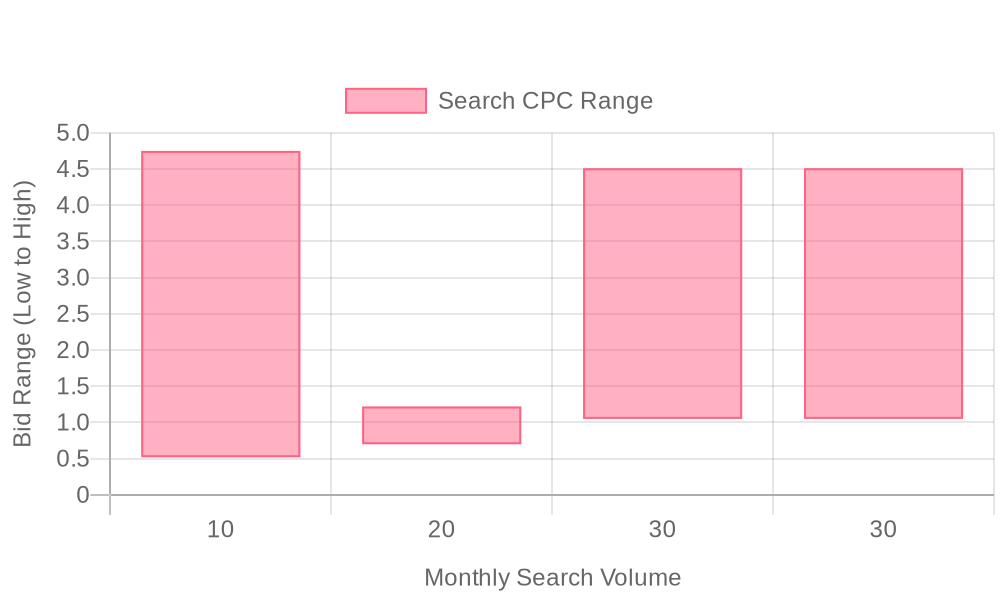
| Industry | Keyword | Monthly Search Volume | Competition Level | Low Bid | High Bid |
| Medical Brace Suppliers | knee brace medical supply store | 10 | HIGH | 0.52 | 4.75 |
| Medical Brace Suppliers | medical supply store back brace | 20 | HIGH | 0.7 | 1.22 |
| Medical Brace Suppliers | back brace manufacturer | 30 | HIGH | 1.05 | 4.51 |
| Medical Brace Suppliers | back brace suppliers | 30 | HIGH | 1.05 | 4.51 |
A robust keyword strategy forms the foundation for high-performing campaigns in the medical brace supply industry. Precision in keyword selection ensures ads are displayed to healthcare professionals and procurement teams actively searching for specialized support products. For ongoing best practices and fresh strategies in B2B healthcare marketing, explore the Sona blog.
- Top Priorities: Targeting high-intent keywords such as "medical back braces supplier" is essential. These terms attract decision-makers and clinicians with urgent purchasing needs, increasing the likelihood of qualified leads who are ready to take action. Review this overview of Google Ads policies to ensure your campaigns remain compliant across all targeted terms.
- Target Long-Tail Terms: Incorporate specific phrases like "back braces for posture correction" and "bulk ankle support orders for clinics" to capture niche demand and address unique use cases. Long-tail keywords allow campaigns to appear in searches made by smaller, highly motivated segments, which often convert at higher rates due to the alignment with their exact requirements.
- Negative Keywords: Implement exclusions such as "free," "DIY," and "homemade" to prevent ads from surfacing for non-commercial or informational queries. This strategic filtering minimizes wasted ad spend, focusing resources on audiences demonstrating purchase intent.
Marketers can further enhance keyword targeting by leveraging visitor identification, uncovering which companies and healthcare organizations are engaging with specific terms. With real-time audience data, budgets can be dynamically shifted toward keywords driving in-market actions, ensuring continuous alignment with high-value opportunities. As prospects interact with campaigns, dynamic audience lists evolve, narrowing focus to those progressing toward purchase, strengthening both efficiency and ROI. For teams running cross-channel initiatives, syncing enriched lead and account lists into their advertising platforms enables seamless, compliant outreach across Google Ads and CRM systems, maximizing impact at every stage. To experience streamlined keyword and audience targeting, get started for free with Sona.
Step-by-Step Campaign Execution Framework
Medical brace suppliers operate in a highly specialized and regulated market, where every digital marketing dollar must drive measurable impact. A structured approach to campaign execution ensures that each tactic is calibrated for compliance, relevance, and ROI across every stage of the buyer journey. For an overview of regulatory requirements, review the Google Ads policies that impact healthcare advertising.
Leveraging unified data and real-time insights allows B2B marketers to adapt quickly, focusing budgets on audiences with the highest conversion potential. The following framework outlines optimized steps for elevating Google Ads for medical brace suppliers, integrating dynamic audience management and actionable analytics throughout.
Step 1: Build Targeted Keyword Lists
Precision in keyword development is essential for medical brace suppliers facing strict advertising policies and niche buyer segments. Start by clustering keywords by product type, such as orthopedic braces, post-surgical supports, and pediatric solutions, then further segment by localization (city, region, or clinic type) and buyer intent (for example, "buy medical braces wholesale" or "bulk knee brace supplier"). Seasonal patterns matter too: post-surgical and sports-injury searches spike around certain times of year, and building that cadence into keyword and budget planning catches demand that a static list misses. This granular approach enables tailored messaging and ensures spend is allocated toward high-potential searches.
Integrating visitor identification technology enables marketers to go beyond generic traffic reports, pinpointing which organizations and industries are searching for specific braces or related products. This insight refines keyword lists in real time, allowing for continuous optimization as new search trends and in-market buyers emerge.
The upgrade most medical brace suppliers advertisers miss is going beyond raw keyword volume to layer in intent and identity signals. By connecting website-visitor data and CRM records with Sona Marketing Measurement, you can see which specific search terms bring in the accounts and customers that actually convert, and weight your keyword and bidding strategy toward those rather than the terms with the highest search volume alone.
Step 2: Develop Compelling Ad Copy
Effective ad copy in the medical brace sector speaks directly to the pain points of procurement professionals and healthcare providers. Headlines should address urgent challenges, such as "Faster Recovery with Certified Knee Braces" or "Bulk Discounts for Hospital Networks." Incorporate trust signals like FDA registration, ISO certifications, and reliable fulfillment to reassure decision-makers and meet compliance demands.
Access to unified go-to-market data reveals the certifications or product features most valued by different buyer cohorts. Marketers can use these insights to personalize ad copy for distinct segments, ensuring each impression resonates with the unique priorities of hospitals, clinics, or distributors. To see remarketing strategies in practice, check out this remarketing case study.
Step 3: Design Effective Landing Pages
Landing pages for medical brace suppliers must mirror the intent of each ad group, maintaining a seamless experience from click to conversion. Pages should immediately validate the visitor's search intent, featuring clear product information, compliance credentials, and frictionless inquiry forms. Include resources such as spec sheets, insurance compatibility details, and procurement guides tailored to the B2B medical space.
Real-time behavioral analytics enable continuous alignment between ad messaging and landing page content. As buyer needs evolve or new compliance policies arise, marketers can quickly update landing page assets to prevent drop-offs and sustain conversion rates. For additional tips on landing page best practices and campaign strategy, browse our B2B marketing blog.
Step 4: Implement Data-Driven Optimizations
Data-driven optimization is crucial in a regulated market where every impression and click must be accounted for. Utilize smart bidding strategies like Target CPA to automatically direct spend toward high-converting keywords and audiences. Monitor both online and offline conversions to capture true ROI, including sales team follow-ups or purchase orders triggered from web leads. Learn how BraceShop increased online sales using the Google Display Network.
When campaign data, audience segments, and CRM events are unified, audiences dynamically update as new leads engage or move through the funnel. Marketers can then retarget only in-market accounts, exclude converted buyers, and shift budget in real time based on intent signals and conversion velocity. To put these strategies into action, book a Sona demo and see how unified analytics can maximize your campaign ROI.
Sona Marketing Measurement closes the gap between clicks and revenue. It captures ad clicks with first-party measurement, then ties that click through UTM capture and ad-platform APIs to the actual record in your CRM, and reports ROAS by keyword and campaign instead of by last-click form fill. Feeding that revenue signal back into Smart Bidding and Performance Max compounds over time: the algorithms optimize toward booked medical brace suppliers revenue, not cheap leads.
Tips on Expanding Your Medical Brace Suppliers Presence

Expanding a digital footprint is essential for medical brace suppliers navigating a competitive healthcare landscape. Effective strategies combine targeted advertising, regional outreach, and trusted partnerships to accelerate growth and drive measurable results. For suppliers using remarketing to re-engage website visitors, this case study on Google AdWords remarketing demonstrates how remarketing can significantly boost conversions. Sona's Identity Resolution further empowers teams to identify high-value website visitors and move beyond anonymous traffic.
- Cross-Promotion: Retargeting ads play a key role in reinforcing educational content for undecided prospects. By leveraging dynamic remarketing capabilities, suppliers can serve relevant product information to visitors who have engaged with clinical resources or product detail pages, increasing conversion rates and shortening decision cycles. Advanced platforms enable deeper visitor identification, allowing marketing teams to move beyond anonymous traffic and focus on high-value segments most likely to convert.
- Localization: Adapting campaigns to regional markets improves resonance and relevance. Medical brace suppliers benefit by tailoring messaging, keywords, and promotions to reflect local healthcare regulations, insurance coverage nuances, and demographic preferences. This approach ensures outreach aligns with both compliance requirements and the unique buying behaviors of local audiences, optimizing budgets and boosting local lead generation. To ensure your campaigns are compliant, review this overview of Google Ads policies.
- Partnerships: Building relationships with local healthcare associations or professional networks can significantly increase referral traffic and brand trust. Strategic collaborations foster credibility while unlocking access to established audiences seeking medically validated solutions. Explore our playbook library for actionable strategies on forming effective partnerships.
As medical brace suppliers increase their reliance on Google Ads, prioritizing intent-driven keyword strategies, precise audience segmentation, and ongoing campaign optimization becomes critical for sustained success. Integrating advertising data with broader marketing operations provides a seamless experience for both prospects and sales teams, supporting unified attribution and more effective follow-up. With actionable insight into real-time visitor intent and the ability to sync enriched audience data directly into CRM and ad platforms, suppliers can maintain a consistent, personalized journey that maximizes engagement and lifetime value.
Beyond Google Ads: Winning the AI Answers Medical Brace Suppliers Buyers Now Trust
Paid search captures demand at the moment someone types a query. But a fast-growing share of medical brace suppliers buyers no longer start at Google at all, they ask ChatGPT, Gemini, or Perplexity before they ever run a search, and Google's own AI Overviews increasingly summarize an answer above the traditional results. If your business isn't referenced in those AI answers, you're invisible at the exact moment buyers build their shortlist.
Sona AI Visibility shows where your business shows up across ChatGPT, Gemini, Perplexity, Google AI Overviews, and 10+ engines, and, much like a keyword report, which prompts actually send you buyers, so you can prioritize the ones that convert. Run the two together and you cover the entire buyer path: get cited where buyers research (AI Visibility), then prove which of that demand turns into booked revenue (Marketing Measurement).
Helpful resources
Conclusion
Getting Google Ads right for medical brace suppliers means treating compliance, audience precision, and measurement as one connected system rather than three separate tasks. The suppliers who do this well aren't the ones spending the most, they're the ones who can trace a click all the way to a booked order and adjust accordingly.
The suppliers gaining ground now are pairing that connected approach with visibility in a buyer's research phase that no longer starts and ends on a search results page. AI answer engines are already shaping which brands get considered before a query ever reaches Google, and that shift will only deepen.
To unify your go-to-market data and act on it, start for free and see what it surfaces about your current campaigns.
FAQ
How can medical brace suppliers comply with Google's advertising policies?
Medical brace suppliers must align their campaigns with Google's healthcare advertising policies to ensure their ads reach healthcare professionals and consumers while avoiding account suspension risks.
What are the best practices for setting up Google Ads campaigns for medical brace suppliers?
Best practices include grouping products by type, targeting high-intent searchers, and using advanced analytics for campaign optimization.
How can medical brace suppliers target their audience effectively using Google Ads?
Suppliers can target their audience by layering demographic filters with in-market and custom intent audiences, and using real-time visitor identification tools to track high-value prospects.
What are the remarketing strategies for increasing conversions in the medical brace industry?
Remarketing strategies include delivering tailored offers to previous site visitors and using advanced conversion tracking to measure the impact on sales cycles.
How can medical brace suppliers optimize their Google Ads for better ROI?
Optimization strategies include A/B testing, using conversion tracking to link online interactions with offline outcomes, and integrating CRM data for precise audience targeting.
What are the differences between Google Ads policies for prescription drugs and over-the-counter medicines?
While the article does not specify differences, it emphasizes the need to review Google's healthcare advertising policies to ensure compliance for medical braces.
How can orthodontists and medical brace suppliers leverage Google Ads to increase patient acquisition?
They can leverage Google Ads by targeting high-intent keywords, creating tailored ad copy, and ensuring compliance with advertising policies to reach decision-makers effectively.
What are the limitations and restrictions for advertising medical braces on Google Ads?
Limitations include the need to adhere to Google's healthcare advertising policies to avoid suspension and ensure that ads reach the intended audience.
How can medical brace suppliers use Google Ads to compete with other healthcare suppliers?
Suppliers can use Google Ads to compete by targeting high-intent keywords, optimizing campaigns with advanced analytics, and employing remarketing strategies to capture missed opportunities.







