


Homeowners rarely shop around when a pipe bursts or a furnace dies in January, they search, click, and call whoever answers first. Google Ads puts a home maintenance business in front of that moment, turning a leaky faucet or a failed AC unit into a booked job before a competitor even gets the call. Used well, it complements the rest of the marketing mix by supplying the high-intent traffic other channels can't manufacture on demand. The businesses that win aren't spending more, they're targeting sharper keywords and writing ad copy that speaks to the urgency homeowners actually feel.
How to Generate Home Maintenance Leads with Google Ads: A Step-by-Step Guide

Home maintenance businesses looking to scale their lead generation recognize that digital marketing requires more than generic outreach. Precision in targeting and conversion tracking separates top performers from those settling for unpredictable results.
With the right approach, Google Ads for Home Maintenance can capture critical homeowner searches in the exact moments of need. Leveraging dynamic audience segmentation, businesses can now reach prospects overlooked by static CRM exports, ensuring no valuable opportunity is missed as homeowners look for urgent solutions.
A data-driven paid search strategy forms the foundation of successful home maintenance advertising. Marketers can move beyond anonymous website traffic to identify which companies are visiting your website and researching services like plumbing, HVAC, or landscaping. This company-level visibility enables the allocation of budget to high-converting accounts based on real-time in-market behavior, driving more efficient Google Ads ROI for home maintenance.
Strategic audience segmentation and keyword targeting are essential for outperforming competitors in home improvement marketing. Static audience lists quickly become outdated as homeowners move from research to decision. With dynamic audiences that automatically update as leads progress through the funnel, ad spend remains focused only on those most likely to convert, reducing wasted impressions and improving cost of Google Ads for home services by keeping campaigns sharply aligned to active demand.
Crafting high-conversion ad creatives and landing pages means resisting one-size-fits-all messaging. Sona surfaces intent signals so each segment receives relevant offers, lifting engagement. A homeowner searching “emergency pipe repair near me” responds best to ad copy and landing pages that reflect immediate availability, trust credentials, and location-specific testimonials. Pairing this with conversion tracking that spans online and offline attribution lets marketers measure the true impact of a campaign, not just form fills, but calls and booked appointments that drive real revenue.
Comprehensive performance optimization techniques must be part of any robust Google Ads for home services strategy. Weekly analysis of keyword performance, negative keyword expansion, and bid adjustments are just the baseline. Advanced tools now allow seamless syncing of enriched audiences and lead data from CRMs like HubSpot and Salesforce directly into Google Ads. This creates a unified view, ensuring every marketing and sales touchpoint is captured and nurtured, closing the loop on attribution and empowering continuous improvement.
Integrating Google Ads with broader cross-channel marketing efforts brings true cohesion to home maintenance lead generation. Syncing audiences to every marketing destination, from social ads to email automation, keeps messaging consistent throughout the customer journey. This holistic approach puts ad content in front of the right households at the right time, maximizing both conversions and long-term customer value.
Why Does Google Ads Matter for Home Maintenance?

Home maintenance providers face a constant challenge: being discovered at the exact moment homeowners need help. Google Ads eliminates this barrier by surfacing your business to high-intent searchers who are ready to book services, driving quality leads precisely when urgency is highest.
Precise location targeting ensures marketing budgets are spent reaching homeowners in relevant neighborhoods, maximizing every dollar and reducing wasted impressions. The platform's granular geographic filters allow providers to focus on service areas with the highest conversion rates, ensuring that campaigns reach homeowners most likely to need immediate assistance. For further tips on optimizing ad spend, explore our marketing analytics blog.
With robust conversion tracking and analytics, businesses gain clarity on which keywords, ad groups, and channels drive revenue. This actionable insight empowers teams to refine their home maintenance advertising strategies, align spend with top-performing segments, and justify investments with clear ROI metrics. Deeper data integration now enables marketers to identify the companies visiting their site, bridging the gap between anonymous traffic and actionable sales opportunities.
Retargeting and audience insights bridge the journey from first touch to closed job, re-engaging interested prospects who may not have converted on their initial visit. As leads move through the funnel, dynamic audience segments update in real time, allowing for more personalized and timely messaging. Advanced attribution connects online engagement with offline job bookings, making it possible to measure the full impact of Google Ads for home services across every stage of the sales cycle.
The latest advancements in audience enrichment and CRM-ad sync empower revenue teams to unify fragmented data, identify high-value accounts, and shift budgets toward campaigns with the greatest likelihood of conversion. This unified approach to Google Ads for Home Maintenance sharpens targeting, lifts lead quality, and improves campaign effectiveness for modern home service businesses.
Common Types of Google Ads Campaigns for Home Maintenance Services

- Search Campaigns: Search campaigns drive immediate service requests by capturing high-intent queries from homeowners seeking fast solutions, often using Responsive Search Ads, an ad format within Search that tests multiple headlines and descriptions automatically. Effective execution depends on selecting the right keywords and leveraging current audience data to cut waste. Unifying search term data with real-time visitor identification lets marketers shift budget toward the most promising accounts instead of stale audience segments, mapping every click to a genuine service need.
- Display Ads: Display ads help home maintenance businesses sustain brand visibility and reinforce messaging across the digital landscape. Visual placements on relevant websites ensure your brand remains top-of-mind during the consideration phase, even when homeowners are not actively searching. Integrating dynamic audience updates with display inventory allows teams to deliver fresh, personalized creative as prospects move through the funnel. When audience enrichment and CRM data are synced into display campaigns, marketers can expand reach to decision-makers and influencers who have already shown intent, further boosting the effectiveness of home improvement marketing strategies.
- Video Ads: Video ads excel at demonstrating complex maintenance services or showcasing before-and-after transformations, providing a richer narrative than static formats. Home maintenance brands use video to educate, build trust, and generate demand, particularly for high-value or seasonal offers. By combining engagement metrics with real-time behavioral signals, teams can prioritize video placements for viewers who are most likely to convert, ensuring that budget is focused on high-value prospects.
- Remarketing: Remarketing campaigns re-engage previous visitors, nurturing interest and driving return traffic from homeowners who didn't convert on their first visit. These efforts rely on up-to-date audience pools that reflect the latest in-market behaviors and exclude users who already took action. With advanced conversion tracking tying online inquiries to offline bookings, marketers can attribute revenue to remarketing touchpoints and optimize spend based on true ROI for PPC for home maintenance.
Leveraging these core campaign types, and keeping audience data current and actionable, lets home maintenance providers run cohesive, multi-channel strategies that reach homeowners at every stage of the buyer journey. This precision lowers the cost of Google Ads for Home Maintenance while measurably improving lead quality and conversion rates.
Where to Find Growth Opportunities?

Expanding reach in home maintenance marketing requires a deliberate approach to channel selection and campaign design. Identifying high-value segments, optimizing ad spend, and leveraging untapped placements are crucial for sustainable lead generation and revenue growth.
- Vertical keyword targeting: Targeting niche service keywords such as "emergency drain repair" or "seasonal HVAC inspection" enables home maintenance businesses to capture intent-rich searches that broader campaigns may overlook. By layering these terms into your Google Ads for Home Maintenance strategy, you surface in-market prospects whose needs align with your unique service offerings. When visitor identification connects anonymous clicks to specific companies or households, marketers can further refine their keyword approach, ensuring budget is directed where conversion likelihood is highest.
- Competitor gap analysis: Conducting a thorough gap analysis reveals underserved audience segments and keyword themes that competitors miss. With advanced analytics, revenue teams can benchmark their visibility and share of voice against rivals, then uncover whitespace for targeted campaigns. Real-time intent data makes this process actionable, as budget can be shifted instantly toward high-converting accounts or geographies that show meaningful engagement signals but little competitive saturation.
- Industry-specific placements: Advertising on trade directories and local service platforms reaches audiences that may not frequent mainstream search or social channels. These placements are effective where organic search presence is weak or when targeting specialized homeowner segments. Ensuring ad accounts have accurate, current data prevents spend from leaking into dead zones or outdated listings, maximizing Google Ads ROI for home maintenance businesses.
- Content retargeting with educational assets: Integrating content retargeting into your marketing calendar allows you to nurture prospects who have interacted with blog posts, guides, or how-to videos. By aligning retargeting with educational content, marketers transform cold, disengaged audiences into warm leads primed for conversion. As dynamic audiences update based on funnel stage and interaction history, messaging can shift from general awareness to tailored offers or consultation invites, driving more effective outcomes at every touchpoint.
How to Apply Audience Segmentation for Home Maintenance

Effective audience segmentation for home maintenance services demands precision that moves beyond broad demographic buckets. By mapping customer journeys and layering intent signals, marketers can allocate spend toward segments that demonstrate the strongest likelihood to convert and deliver the highest long-term value.
- Define target segments with precision: Begin by segmenting audiences such as urban vs. rural homeowners, property managers, or investment property owners. The nuances between these groups, such as differing emergency response expectations or maintenance cycles, require tailored messaging and offers. Avoiding generic segmentation allows for more relevant ad delivery, reducing wasted impressions and improving conversion rates. Explore strategies for leveraging Google Ads in home improvement to reach each unique segment more effectively.
- Overlay intent signals for accuracy: Integrate seasonality and urgency into your segmentation strategy. For example, campaigns can target homeowners searching for "emergency furnace repair" during winter in colder regions or "sprinkler system startup" in spring for suburban properties. Real-time analysis of search behavior enables dynamic budget allocation, ensuring that resources flow to segments with the highest in-market intent. For a deeper dive into using search data for segmentation, refer to our intent data guide.
- Customize ad groups for each segment: Develop ad groups and creative that speak directly to the identified needs of each audience. Messaging for routine maintenance, such as annual HVAC tune-ups, should differ from ads aimed at urgent leak repairs. Segment-specific copy and offers increase ad relevance, which not only lifts Quality Scores in Google Ads for Home Maintenance but also reduces the cost per acquisition.
- Validate conversion paths with CRM integration: Ensuring that each segment’s ad journey is properly tracked within your CRM pipeline is critical. When conversion paths are validated and mapped to source campaigns, marketers can attribute leads accurately and identify underperforming segments before budget is wasted. This also helps prevent valuable leads from being lost due to unclear visitor journeys or misrouted form fills. Learn more about integrating data with HubSpot CRM for seamless campaign attribution.
Company-level identification turns anonymous site traffic into actionable segments. When marketers pinpoint which companies are engaging with their ads, they can build granular audiences for retargeting and nurture campaigns. As leads progress through the funnel, dynamic audience lists adapt in real time, enabling segment-specific retargeting and personalized follow-ups. This data-driven approach lets home maintenance advertisers sync enriched audiences and conversion data directly into Google Ads and CRM systems, keeping outreach relevant and measurable at every stage. Unified data like this is how revenue teams maximize Google Ads ROI for home maintenance and consistently outperform less targeted competitors.
This is also where measurement changes the economics. With Sona Marketing Measurement you can identify the companies and buyers behind your ad clicks, not just anonymous sessions, and segment audiences by who actually becomes a customer. That lets you build bid adjustments and audience signals around the segments that convert and de-prioritize the ones that don't, so you feed Google's algorithms "this click became a paying home maintenance customer" instead of just "someone filled out a form."
Keyword Strategy & Sample Target Terms
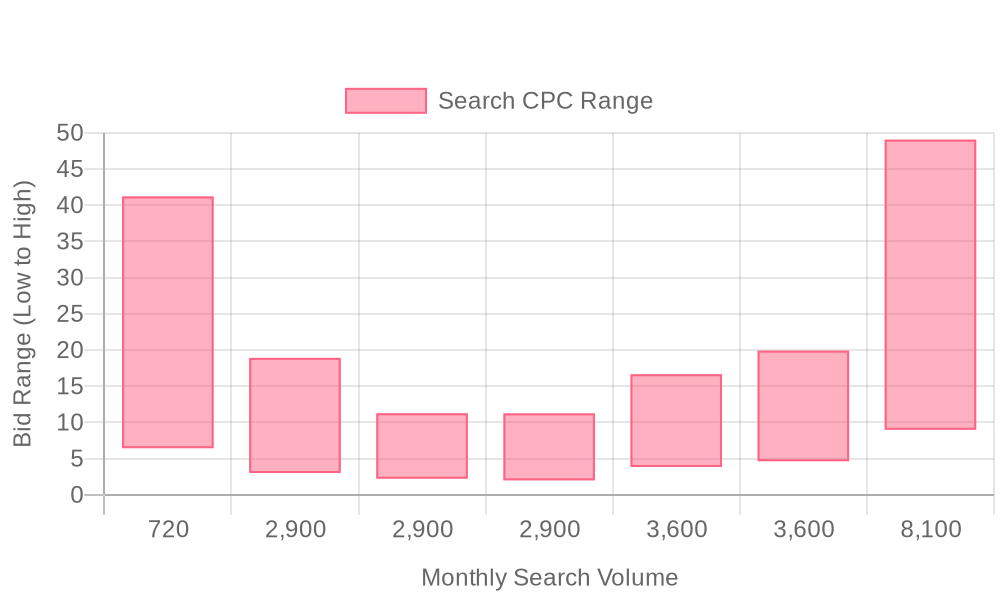
| Industry | Keyword | Monthly Search Volume | Competition Level | Low Bid | High Bid |
| Home Maintenance | handyman garage door repair | 720 | MEDIUM | 6.45 | 41.21 |
| Home Maintenance | home repair contractors near me | 2900 | MEDIUM | 3.02 | 18.92 |
| Home Maintenance | lawn sprinkler repair near me | 2900 | MEDIUM | 2.24 | 11.27 |
| Home Maintenance | lawn sprinkler repair | 2900 | MEDIUM | 2.01 | 11.25 |
| Home Maintenance | home maintenance | 3600 | LOW | 3.85 | 16.66 |
| Home Maintenance | home maintenance services | 3600 | LOW | 4.65 | 19.91 |
| Home Maintenance | sump pump repair near me | 8100 | MEDIUM | 9 | 49.05 |
Effective keyword strategy is foundational for scalable success in Google Ads for Home Maintenance. High-performing campaigns are anchored by precise keyword selection that captures both urgent intent and long-term interest. Identifying queries that reflect strong buying signals, such as "emergency plumbing repair near me" or "same-day HVAC service", ensures ads target prospects who are ready to book services. For additional tactics on attracting high-intent home improvement customers, explore how home improvement companies can leverage Google Ads. Pairing these keywords with local modifiers, like city or neighborhood names, elevates conversion rates by aligning with users' immediate needs and geographical relevance.
To maximize return on ad spend, it is essential to move beyond broad, generic terms. Prioritize niche keywords tied to seasonal offers, such as "spring gutter cleaning specials" or specific eco-friendly upgrades like "energy efficient window installation." This approach allows campaigns to flex with market demand and consumer trends while positioning your business as a specialist. Dynamic keyword management, powered by CMO dashboard reports, reveals emerging opportunities and helps adapt bidding strategies in real time, keeping campaigns competitive and efficient.
Negative keywords play a critical role in refining targeting and conserving budget. Filtering out terms like “DIY,” “free estimate,” or “home maintenance courses” prevents ads from surfacing to non-buyers or casual searchers, preserving spend for prospects likely to convert. The use of advanced analytics platforms enables ongoing negative keyword optimization, using intent signals and behavioral data to further sharpen audience segmentation. Marketers who leverage real-time visitor insights can pinpoint which searches are driving the highest-quality leads, then dynamically update keyword lists as customer behaviors shift.
Integrating enriched keyword data with CRM and ad platforms ensures seamless audience building and targeting. When marketing and sales teams unify their datasets, Sona’s Audiences tool can be instantly updated as leads progress through the funnel. This creates a feedback loop where keyword performance directly informs audience segmentation, allowing for rapid adjustments to targeting and messaging. Real-time syncing between your analytics and Google Ads ensures your budget is always focused on high-converting segments, translating to measurable improvements in Google Ads ROI for home maintenance businesses. To see how streamlined keyword strategies can drive results, get started for free with Sona.
Step-by-Step Campaign Execution Framework
Strategic campaign execution is the foundation for driving consistent, high-quality leads in Google Ads for Home Maintenance. By prioritizing efficiency and data alignment at each phase, marketing teams can maximize every dollar invested while ensuring their message reaches the most qualified homeowners.
Step 1: Build Targeted Keyword Lists
Successful home maintenance advertising begins with precise keyword segmentation. Segment keywords by specific service categories, such as plumbing, HVAC, landscaping, or electrical repair, and overlay them with geo-targeted modifiers, ensuring ads display only to users searching within your operational footprint. Comprehensive keyword lists should also include long-tail and question-based queries, such as “best emergency plumber near me” or “how much does HVAC maintenance cost in Dallas,” which capture urgent intent and improve relevance. For practical advice on selecting the right keywords for your Google Ads campaigns, review this guide to effective keywords for remodeling companies.
Using advanced visitor identification, marketers can move beyond anonymous clicks and pinpoint which companies are searching for services, enabling more granular targeting and greater budget efficiency. This synergy between keyword intent and real-world account data lets revenue teams prioritize prospects most likely to convert, improving Google Ads ROI for home maintenance.
The upgrade most home maintenance advertisers miss is going beyond raw keyword volume to layer in intent and identity signals. By connecting website-visitor data and CRM records with Sona Marketing Measurement, you can see which specific search terms bring in the accounts and customers that actually convert, and weight your keyword and bidding strategy toward those rather than the terms with the highest search volume alone.
Step 2: Develop Compelling Ad Copy
Ad messaging must resonate with the unique priorities of homeowners. Headlines should directly address common pain points, like “Fix Leaks Fast: Certified Local Plumbers” or “Same-Day AC Repair Guaranteed”, and use trust-building language that highlights credentials, reviews, or guarantees. Incorporating urgency (“24/7 Service Available”) and trust signals (“Google Guaranteed”, “Licensed & Insured”) distinguishes your business from less-credible options.
Dynamic audience technology ensures that ads are tailored to where a lead is in the buying journey. For instance, service-specific messaging can be automatically adjusted as prospects demonstrate stronger intent, maintaining relevancy and increasing the chances of conversion with each impression.
Step 3: Design Effective Landing Pages
The highest performing campaigns maintain 1:1 keyword to ad to landing page alignment. When a user clicks an ad for “water heater repair in Austin,” they should land on a page dedicated to that service in that location, not a generic homepage. Calls to action should be prominent, such as “Book Your Repair Now” or “Speak to a Licensed Pro”, and the layout must be optimized for both mobile and desktop devices.
Modern platforms enable seamless syncing of enriched lead data from landing pages back into Google Ads and CRM systems, closing attribution gaps. This ensures every form fill, call, or chat is tracked to its source, allowing for granular ROI measurement and more effective follow-up by sales teams. For examples of high-converting landing page strategies, check out our actionable playbooks.
Step 4: Implement Data-Driven Optimizations
Continuous optimization is essential for sustaining campaign performance. Smart bidding strategies like Target CPA use real-time conversion data to dynamically allocate budget to the highest-converting keywords and audiences, cutting manual guesswork. Marketers should regularly test ad elements, headlines, descriptions, and assets, to find creative variants that beat the baseline. For a deeper look at PPC tactics for home service companies, visit this PPC strategies resource.
Importing offline conversion data, such as closed jobs or signed contracts, into Google Ads enables true attribution. With unified data, marketers can see which keywords and campaigns actually drive revenue, not just leads, and rapidly adjust tactics to scale what works. Automation further streamlines this process by refreshing audience segments as leads advance in the funnel, eliminating outdated targeting and ensuring that every campaign touchpoint remains timely and relevant. If you're ready to optimize your campaigns and connect data across your stack, get started for free with Sona.
Sona Marketing Measurement closes the gap between clicks and revenue. It captures every ad click with first-party measurement, then ties that click through UTM capture and ad-platform APIs to the actual record in your CRM, and reports ROAS by keyword and campaign instead of by last-click form fill. Feeding that revenue signal back into Smart Bidding and Performance Max compounds over time: the algorithms optimize toward booked home maintenance revenue, not cheap leads.
Tips on Expanding Your Home Maintenance Presence
Proactive expansion in the home maintenance space depends on a strategic blend of content, targeting, and collaboration. Today’s leading teams maximize results by turning every interaction into an opportunity for deeper engagement, leveraging data-driven insights to guide marketing investments and outreach.
- Cross-promote content in remarketing: Informative content is often underused in remarketing, yet it can be a cornerstone for reconnecting with high-fit prospects who engaged before but haven't converted. Promoting guides, maintenance checklists, or case studies through custom remarketing segments sustains brand visibility while supporting broader goals like education or upsell. Sona's Identity Resolution identifies visitors at the company level, letting marketers tailor this content and nurture prospects with precision.
- Upsell services with audience segmentation: Upsell opportunities are most effective when rooted in CRM-driven segmentation. Engaging residential and commercial segments with service-specific offers, such as bundled seasonal checks for HVAC or premium appliance upgrades, ensures each message is relevant to past purchase behavior and future needs. Integrating CRM and ad platforms gives marketers the ability to sync enriched audience lists into Google Ads, delivering hyper-personalized campaigns that generate higher conversion rates and increase customer lifetime value.
- Collaborate for joint marketing initiatives: Strategic partnerships with industry associations, property management groups, or supplier networks can extend reach without diluting resources. Joint webinars, co-branded campaigns, or local sponsorships build credibility while tapping into aligned audiences. Home maintenance firms that connect their marketing data across these collaborative touchpoints can track shared attribution, clarifying which partnerships yield the best ROI and customer engagement.
- Apply unique geotargeting tactics: One-size-fits-all location targeting limits growth in home maintenance advertising. By analyzing service call density, past conversion rates, and neighborhood demographics, teams can create micro-segments for high-opportunity areas. Dynamic geotargeting ensures campaigns adapt as neighborhoods change, using real-time intent signals to automatically shift budget toward zones with the highest likelihood of conversion.
- Develop fresh content from search data: Analyzing search queries reveals trending homeowner concerns and unmet needs, guiding the creation of new content assets that address those topics directly. This approach not only supports SEO and branding but also enhances paid campaign performance. When audience segments evolve or new search trends emerge, dynamic audience lists update in real time, ensuring that the latest content reaches the right prospects across channels.
A comprehensive approach to Google Ads for Home Maintenance combines advanced targeting, personalized content, and synchronized data flows to capture qualified leads and nurture relationships at every stage. By connecting ad interactions with CRM insights and offline conversion events, businesses achieve true campaign attribution and continuously refine their strategies for maximum ROI. This data-enabled framework makes scaling both sustainable and measurable, supporting long-term client retention and ongoing market expansion. To see how you can optimize every aspect of your home maintenance marketing, get started for free with Sona.
Paid search captures demand the moment someone types a query. But a growing share of home maintenance buyers no longer start at Google at all: they ask ChatGPT, Gemini, or Perplexity before running a search, and Google's own AI Overviews increasingly summarize an answer above the traditional results. If your business isn't referenced in those AI answers, you're invisible at the exact moment buyers build their shortlist.
Paid search captures demand at the moment someone types a query. But a fast-growing share of home maintenance buyers no longer start at Google at all, they ask ChatGPT, Gemini, or Perplexity before they ever run a search, and Google's own AI Overviews increasingly summarize an answer above the traditional results. If your business isn't referenced in those AI answers, you're invisible at the exact moment buyers build their shortlist.
Sona AI Visibility shows where your business shows up across ChatGPT, Gemini, Perplexity, Google AI Overviews, and 10+ engines, and, much like a keyword report, which prompts actually send you buyers, so you can prioritize the ones that convert. Run the two together and you cover the entire buyer path: get cited where buyers research (AI Visibility), then prove which of that demand turns into booked revenue (Marketing Measurement).
Helpful resources
Conclusion
Google Ads works for home maintenance businesses because it meets homeowners at the instant they have a problem, a burst pipe, a dead furnace, a roof leak after a storm, and few other channels can match that timing. Strategic keyword targeting, geo-specific ad copy, and disciplined budget management turn that moment into a booked job rather than a missed opportunity.
The home maintenance businesses that pull ahead over the next few years won't just run more ads, they'll tie every click to the job it eventually produced, feeding that signal back into Google's bidding algorithms until the platform is optimizing for paying customers rather than form fills. That's the shift worth making now, before the busy season exposes which competitors figured it out first.
FAQ
What are the best practices for using Google Ads in home maintenance?
Best practices include strategically targeting keywords, leveraging dynamic audience segmentation, crafting compelling ad content, and integrating conversion tracking to maximize advertising ROI and engagement.
How can I effectively target homeowners with Google Ads?
You can effectively target homeowners by using precise location targeting, dynamic audience segmentation, and personalized ad content tailored to specific homeowner needs and behaviors.
What is the average cost of Google Ads for home maintenance services?
The article does not provide a specific average cost for Google Ads in home maintenance services, but emphasizes optimizing ad spend by targeting high-converting segments and reducing wasted impressions.
Are Google Ads worth it for home service businesses?
Yes, Google Ads are worth it for home service businesses as they drive high-intent traffic, capture critical homeowner searches, and maximize ROI by targeting prospects ready to book services.
What types of ads work best for home improvement services?
Search campaigns, display ads, video ads, and remarketing are the common types of ads that work best, each tailored to different stages of the buyer journey and homeowner needs.







