


A buyer searching "homes for sale near me" at 11pm is not browsing, they're deciding. Home buying services that win Google Ads treat that instant as the whole game: real estate and mortgage teams routinely miss high-value prospects or follow up too late, and by the time a lead cools, a faster competitor has already called. Capturing intent at the moment someone searches, then closing the gap between that click and an actual home tour, is what separates campaigns that generate showings from campaigns that generate clicks. Identifying who's behind that search, not just that a search happened, lets agencies prioritize the buyers most likely to act now.
How to Generate Google Ads Leads for Home Buying Services: A Step-by-Step Guide

Real estate and mortgage businesses thrive when high-intent home buyers connect at the exact moment they are ready to make decisions. A well-optimized Google Ads strategy empowers teams to engage these prospects across digital touchpoints, capturing demand before competitors can respond. For a detailed walkthrough on campaign setup and optimization, explore this step-by-step guide for real estate Google Ads.
Success in digital marketing for real estate depends on precision: from selecting the right keywords to aligning ad creative with user intent and leveraging advanced attribution to guide budget decisions. By harnessing a unified, actionable view of both online and offline lead interactions, revenue teams can focus their resources on the highest-value opportunities and accelerate deal flow. To stay informed on advanced strategies, visit our marketing and analytics blog.
- Integrate Data-Driven Queries: Market leaders use competitive analysis to pinpoint the highest-performing keywords for home buying leads, such as “real estate advertising,” “homes for sale near me,” and “mortgage rates today.” By incorporating data from across ad platforms and web analytics, professionals can identify the queries that consistently drive conversions in the real estate sector. With Sona's Identity Resolution, marketers move beyond anonymous clicks, tying search intent to the companies and buyers behind them, which sharpens targeting and allows for smarter, more personalized follow-up throughout the buying journey.
- Align Keywords with Audience Targeting: Comprehensive keyword lists must map directly to each stage of the buyer’s journey: from initial research to property tours and mortgage pre-qualification. High-performing Google Ads strategies segment keywords by audience segment, such as first-time buyers or investors, and sync these segments with real-time audiences as prospects progress through the funnel. Dynamic audiences ensure messaging and bidding always match the latest intent signals, reducing wasted spend and increasing qualified lead volume.
- Optimize Ad Creative and Landing Pages: Consistency between ad copy and landing page content is critical for maximizing quality scores and conversion rates. For home buying services, this means every ad should drive to a landing page tailored to the specific property type, financing solution, or location featured in the campaign. Conversion-focused pages use interactive tools like mortgage calculators or virtual tours, and integrate trust signals such as recent sales or testimonials. Teams benefit by tying creative performance directly to CRM and analytics data, revealing which combinations of messaging, design, and offers yield the best pipeline impact.
- Continuously Refine Ad Performance: Conversion tracking, both online and offline, is non-negotiable for accurate measurement and optimization. By integrating CRM systems with Google Ads, revenue teams can sync enriched lead data and closed deals, attributing revenue back to the original keyword or campaign. This closed-loop approach makes it possible to forecast results, adjust bids, and automate nurturing for leads that require longer conversion cycles. Real-time reporting on digital and offline interactions allows marketers to reduce the impact of delayed follow-ups, ensuring that hot leads are prioritized and budgets are allocated where they deliver the highest ROI.
Why Does Google Ads Matter for Home Buying Services?

Google Ads delivers a measurable advantage for home buying services by enabling pinpoint targeting of buyers who are actively searching for properties. This approach allows real estate professionals to allocate their budgets to prospects most likely to convert, minimizing waste and maximizing return on investment. Learn more about Google Ads strategies for home sales to boost lead generation in real estate.
- Targeted Reach: With Google Ads, marketers can move beyond broad demographics and generic analytics, leveraging granular intent signals to reach buyers as they begin their search journey. Direct access to account-level data means marketers can prioritize leads based on verified engagement, not just anonymous clicks. By knowing which companies are interacting with specific ad groups or landing pages, sales teams can coordinate follow-up with precisely the right prospects using Sona's Identity Resolution.
- Precise ROI Measurement: The platform’s integrated conversion tracking links each ad impression and click to downstream sales activities, creating a transparent feedback loop for both online and offline results. When attribution includes both digital and physical touchpoints, such as a prospect who clicks an ad, attends an open house, and later completes a transaction, teams capture the full picture of campaign effectiveness. This enables ongoing budget optimization, reallocating spend to the campaigns and keywords generating the highest value leads; discover more in our guide on measuring marketing’s influence.
- Cross-Channel Reinforcement: Google Ads amplifies the impact of broader digital marketing for real estate strategies by syncing with other channels such as social media and email. By dynamically updating audiences as buyers progress through the funnel, marketers can retarget prospects with personalized messaging at every stage, reinforcing brand presence and nurturing intent.
- Responsive Demand Fulfillment: Real-time insights from Google Ads empower real estate marketers to respond immediately to shifts in market demand or buyer preferences. If a new development or neighborhood surges in popularity, campaigns can be adjusted within hours, ensuring messaging and offers remain relevant. This agility supports real-time allocation of ad budget, favoring high-converting audiences and capitalizing on emerging trends for superior campaign performance; see our intent-driven retargeting playbook.
- Visibility in Underdeveloped Markets: For home buying services looking to expand into new regions or capitalize on untapped demand, Google Ads’ regional targeting capabilities deliver critical exposure. Marketers can efficiently direct spend to specific cities, ZIP codes, or even custom-drawn geographic boundaries, ensuring visibility where competition may be lighter and opportunities greater. For example, a suburban home buying service can strategically expand into adjacent urban enclaves, aligning campaigns with seasonal buyer peaks and integrating outcomes from both digital ads and offline events, such as property tours, into a unified measurement framework using buyer journey analytics.
This approach ensures that every aspect of the marketing mix, targeting, measurement, engagement, and optimization, works together to drive qualified home buying leads and measurable growth for real estate professionals. If you’re ready to optimize your lead generation and campaign measurement, get started for free with Sona today.
Common Types of Google Ads Campaign for Home Buying Services

- Search Campaigns: Search campaigns reach active home buyers as they directly search for properties, mortgage rates, or agents. By targeting high-intent queries, real estate teams capture prospects who are poised to take action, such as scheduling a viewing or requesting a quote. With unified data platforms, marketers can attribute each lead to its keyword source, optimizing spend toward the search terms and audiences that produce the most qualified inquiries. Identifying the visitor’s company or buyer status in real time enables teams to prioritize follow-up with serious prospects, significantly improving conversion rates.
- Display Ads: Display campaigns keep your brand and listings top-of-mind as buyers research across popular real estate and financial websites. These visual placements support consistent engagement, helping to nurture leads over a longer buying cycle. With advanced segmentation, campaigns can dynamically update audiences based on browsing behavior or engagement with previous ads, ensuring messaging evolves as prospects move closer to a decision. For strategies on using Google Ads to increase home sales, see these tips.
- Video Ads: Video advertising excels at showcasing property tours, client testimonials, and educational content that builds trust with buyers. Platforms that unify go-to-market data allow teams to track not just video views, but which users progress to key actions like virtual tour sign-ups or application starts. Real-time analytics reveal which content resonates with different segments, letting marketers shift spend to the formats and topics that drive high-quality engagement.
- Remarketing: Remarketing campaigns re-engage website visitors and previous leads, providing additional touchpoints that are critical in the high-consideration home buying journey. By leveraging intent and engagement signals, marketers can refine remarketing lists, targeting visitors who viewed specific listings, calculated mortgage rates, or downloaded guides. When these lists are dynamically updated as leads advance through the funnel, remarketing ads deliver personalized offers or reminders, increasing the likelihood of conversion and enabling tighter attribution of ad spend to final outcomes.
- Ad Assets: Assets such as location, call, and structured snippets add credibility and convenience, helping convert interest into action. Location assets highlight nearby offices or open houses, while call assets encourage immediate contact and can be tracked for ROI. Structured snippets showcase amenities or service specialties, setting agents apart from the competition. Integrating ad asset data with CRM systems ensures every touchpoint, online or offline, feeds into a unified view of each lead, supporting smarter follow-up and more accurate measurement of marketing effectiveness. Connect your ad data to your CRM to see this in practice.
Where to Find Growth Opportunities

Real estate teams and mortgage professionals unlock new growth by targeting specific audience segments where competition is less saturated and buyer intent is strong. By unifying digital touchpoints and leveraging granular behavioral data, marketers can drive higher engagement and conversion rates while optimizing spend.
- Vertical Keyword Exploration: Focusing on specialty niches such as first-time buyers, downsizers, or luxury home seekers allows professionals to craft campaigns with tailored messaging and offers. When Google Ads for Home Buying Services is paired with real-time visitor identification, marketers gain the ability to recognize high-value prospects as they self-select into niche search paths. This precision reduces wasted spend and increases lead quality.
- Competitor Analysis: By monitoring market gaps and under-served segments through advanced analytics, revenue teams can swiftly adjust their creative and budget allocation. Using holistic data from across the funnel, strategists can pinpoint where competitors underperform and reallocate spend to those high-opportunity areas. Enhanced insights into both search and audience engagement ensure that digital marketing for real estate remains agile, responsive, and aligned with actual in-market demand.
- Content Synergy: Retargeting becomes significantly more effective when educational content, such as whitepapers, home-buying guides, or webinars, feeds into audience development and nurtures leads across multiple touchpoints. With advanced attribution, marketers can trace which assets accelerate lead progression or revive dormant accounts, ensuring that every piece of content is measured for its true impact on the sales pipeline. Seamless CRM and ad platform sync keeps retargeting audiences enriched and up-to-date as prospects consume more resources, leading to more relevant follow-ups and higher conversion rates.
- Industry-Specific Placements: Leveraging placements on real estate forums, niche listing directories, and local community sites exposes campaigns to audiences already engaged in the home-buying process. These channels often foster deeper interaction and trust, which, when combined with unified campaign tracking, allows for precise measurement of engagement down to individual leads or accounts. To see these growth strategies in action, get started for free with Sona.
How to Apply Audience Segmentation for Home Buying Services

Audience segmentation is critical in real estate marketing because buyer journeys are rarely identical. Tailoring digital campaigns to these differences ensures every dollar spent drives qualified engagement rather than wasted impressions. For more frameworks on segmenting your audience and maximizing impact, explore our marketing playbooks.
- Define Precise Buyer Segments: Start by mapping your core buyer segments with specificity, distinguishing between urban condo seekers, suburban family home buyers, and budget-driven investors. Modern segmentation solutions allow you to layer firmographic data on top of standard demographic fields, giving you granular control over which accounts see which message. By segmenting at this level, you can avoid broad-brush campaigns that dilute relevance and minimize conversion rates. For example, segmenting by location and purchase intent lets you craft messaging that resonates with first-time buyers in city centers or experienced investors targeting single-family homes in commuter corridors. Learn how real-time audience insights can further refine your targeting.
- Overlay Intent Signals: Real estate transactions are influenced by a series of intent signals that unfold across digital and offline touchpoints. Registrations for market updates, RSVP activity for open houses, and direct inquiries on listings all provide clues about buyer readiness. Leveraging a unified data platform, marketers can detect these signals in real time and dynamically shift budgets toward high-converting accounts. This approach ensures that your Google Ads for Home Buying Services campaign capitalizes on moments of peak intent, increasing your chance to capture qualified home buying leads while efficiently allocating budget.
- Develop Tailored Ad Groups: Each segment should receive its own ad group and custom creative, reflecting the priorities and trigger points of that audience. Urban buyers might see ads focused on walkability and access to amenities, while suburban segments respond to messaging about school districts and larger lots. Budget-specific campaigns can highlight special financing or entry-level opportunities. Sophisticated platforms update these audiences automatically as prospects move through the funnel, ensuring your online advertising for home buyers remains relevant and on-target throughout the entire decision cycle.
- Validate Conversion Tactics: Strong audience segmentation only pays off when validated against real performance data. By tracking conversions directly into your CRM and syncing enriched audiences and results back to your advertising platforms, you can close the loop between ad spend and closed deals. This connection allows you to measure true ROI on PPC for real estate, optimize for segments that drive the most value, and adjust creative or bidding strategies as needed. For a hands-on experience, get started for free with Sona.
This is also where measurement changes the economics. With Sona Marketing Measurement you can identify the companies behind your ad clicks, not just anonymous sessions, and segment audiences by which accounts actually become customers. That lets you build bid adjustments and audience signals around the segments that convert and de-prioritize the ones that don't, so you feed Google's algorithms "this click became a paying home buying services customer" instead of just "someone filled out a form."
Keyword Strategy & Sample Target Terms
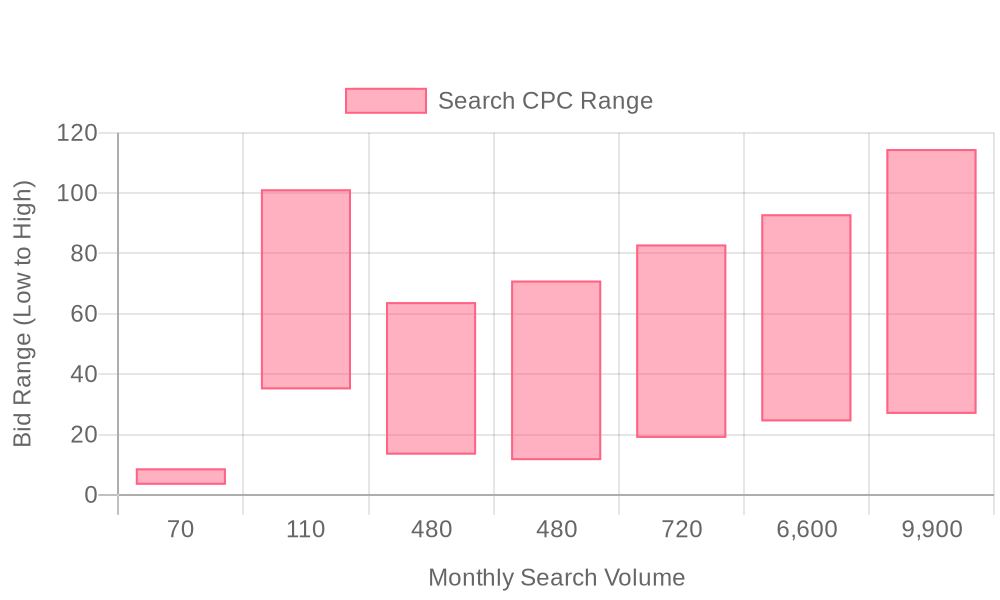
| Industry | Keyword | Monthly Search Volume | Competition Level | Low Bid | High Bid |
| Home Buying Services | home buyers survey | 70 | LOW | 3.37 | 8.78 |
| Home Buying Services | cash home buying companies | 110 | LOW | 34.99 | 101.26 |
| Home Buying Services | home buying services | 480 | LOW | 13.34 | 63.87 |
| Home Buying Services | open door selling house | 480 | MEDIUM | 11.52 | 71.01 |
| Home Buying Services | best home buying companies | 720 | MEDIUM | 18.89 | 82.98 |
| Home Buying Services | home buying companies | 6600 | LOW | 24.38 | 93 |
| Home Buying Services | sale my house for cash | 9900 | LOW | 26.84 | 114.6 |
Home buying behaviors are shaped by specific search patterns, and a robust keyword strategy is the foundation for any successful Google Ads initiative in real estate marketing. By meticulously aligning keyword choices with the intent and journey of prospective home buyers, B2B revenue teams can ensure their campaigns intercept ready-to-convert leads at critical moments. For additional frameworks, visit our marketing, attribution, and analytics blog.
- Focused Keyword Research: Real estate marketers benefit from integrating modifiers such as "near me," community names, and distinct property types into their keyword lists. This approach narrows targeting to users who demonstrate clear purchase intent, such as those searching for "homes for sale near me," "condos in [community]," or "townhouses with garage." Incorporating these terms helps ads surface for high-intent queries, capturing attention from buyers further along in their decision process. For marketing teams managing multiple territories or communities, leveraging dynamic keyword insertion ensures messaging stays locally relevant and reflects inventory in real time. For step-by-step instructions on launching campaigns, see this Google Ads for real estate guide.
- Example Target Terms: Targeting terms like "homes for sale," "first-time buyer assistance," and "luxury real estate" creates a focused reach and filters visitors most likely to convert. These phrases are not only aligned with the language buyers use but also reflect the different segments within the home buying journey. By mapping ad groups around these categories, marketers can drive qualified traffic to tailored landing experiences, increasing both lead quality and conversion rates. When enriched CRM data and website analytics reveal which keywords drive the highest engagement, teams can shift more budget toward those cohorts, maximizing return on ad spend and uncovering new patterns of demand. Consider using Sona to reveal which companies and people are visiting your website, even if they don't fill out a form.
- Strategic Use of Negative Keywords: Filtering out irrelevant searches is essential for budget optimization in online advertising for home buyers. Negative keywords such as "apartments," "commercial," or "foreclosure" prevent ads from displaying to users outside the intended market, ensuring every click is a potential high-value lead. As campaigns run, search term reports provide actionable data to refine this list, removing wasted spend and focusing activity on the most promising opportunities. Advanced platforms enable revenue teams to automate negative keyword updates as new patterns emerge, using real-time intent signals to protect budgets at scale.
Precision here does double duty: tighter keywords cut wasted spend, and they sharpen your ability to see which companies are actually visiting your site. When marketers unify visitor data with keyword performance, they can build dynamic audiences that update automatically as leads progress through the funnel. That enables faster retargeting and smarter budget allocation, even when offline conversions like open-house visits complicate ROI tracking. The payoff is a real estate program that gets sharper with every campaign cycle rather than starting from scratch each quarter.
Step-by-Step Campaign Execution Framework
A precise execution framework is the foundation for driving measurable results with Google Ads for home buying services. Each step in the process, from keyword selection to data-driven iteration, ensures that real estate advertising efforts attract qualified buyers and deliver sustainable lead conversion. For an in-depth look at optimizing Google Ads for real estate, see this complete guide, or browse our marketing blog for additional PPC strategies.
Step 1: Identify Key Keywords
Effective PPC for real estate always starts with a segmented keyword strategy. Segmenting by buyer persona, such as first-time buyers, investors, or those seeking luxury properties, allows you to address individual motivations and search behaviors. Using locally modified queries, like "homes for sale in [neighborhood]" or "best mortgage rates in [city]," sharpens Google Ads targeting and improves ad relevance for home buying leads.
With advanced visitor identification, marketers can move beyond surface-level intent and pinpoint the companies or individuals actually engaging with these local search terms. This enables better alignment of keyword lists with the actual in-market audience, ensuring that every click is a meaningful prospect for your sales pipeline.
The upgrade most home buying services advertisers miss is going beyond raw keyword volume to layer in intent and identity signals. By connecting website-visitor data and CRM records with Sona Marketing Measurement, you can see which specific search terms bring in the accounts and customers that actually convert, and weight your keyword and bidding strategy toward those rather than the terms with the highest search volume alone.
Step 2: Create Engaging Ad Copy
Ad copy in online advertising for home buyers must directly address the pain points of your target market. Hooks such as "See homes before they hit the market" or "Get mortgage pre-approval in minutes" tap into the urgency and informational needs of buyers. Including ratings, awards, or limited-time incentives, like "Voted Top Realtor 2024" or "Lock in rates today", increases trust and drives action.
With real-time intent data, marketers can adjust messaging based on what resonates with buyers at different funnel stages. As audiences shift, ad copy can be updated for relevance, ensuring that each campaign responds quickly to changing preferences and maximizes engagement.
Step 3: Design High-Impact Landing Pages
A high-converting landing page matches the precise intent behind each keyword, whether the visitor seeks a home valuation or a list of new listings. Every page should offer clear value, direct calls to action, and concise explanations tailored to the search query that brought the visitor. Trust elements such as recent testimonials, digital badges, or verified sales figures establish credibility and reduce friction in the conversion process.
By leveraging dynamic audience data, landing pages can adapt content in real time as leads move through the funnel. This creates a personalized experience, increasing the likelihood of form submissions and booked appointments by reflecting the visitor’s journey and stage of engagement.
Step 4: Apply Data-Driven Insights
Continuous monitoring and testing are essential to extract the highest ROI from your real estate ad budget. Regularly assess which keywords, ads, and landing pages are driving conversions, and use these insights to refine your targeting and creative assets. Real-time conversion data enables marketers to shift bids and budgets to the highest-performing segments, ensuring that spend is always directed to where it delivers the strongest results.
Advanced conversion tracking, including both online and offline attribution, ensures that marketers capture the full value of every lead, whether they convert via phone, form, or in-person visit. By syncing enriched audiences and lead activity directly into Google Ads and CRM platforms, teams can automate follow-up, personalize outreach, and close the loop between digital marketing for real estate and sales outcomes.
When executed with this level of precision, Google Ads for Home Buying Services becomes a powerful engine for generating, nurturing, and closing high-quality home buyer leads in any market.
Sona Marketing Measurement closes the gap between clicks and revenue. It captures ad clicks with first-party, company-level measurement, then ties that click through UTM capture and ad-platform APIs to the actual record in your CRM, and reports ROAS by keyword and campaign instead of by last-click form fill. Feeding that revenue signal back into Smart Bidding and Performance Max compounds over time: the algorithms optimize toward booked home buying services revenue, not cheap leads.
Tips on Expanding Your Home Buying Presence
Modern real estate professionals who prioritize digital marketing gain significant advantages in attracting home buyers. Leveraging advanced platforms and data-driven strategies ensures your presence stands out in a crowded marketplace, delivering relevant experiences at every touchpoint.
- Cross-Sell with Retargeting: Maximizing home buying leads requires a nuanced approach to retargeting. By analyzing CRM data, marketers can automatically surface tailored offers, such as moving services, home warranty packages, or refinancing options, based on each contact’s behavior and stage in the funnel. When platforms intelligently sync CRM segments with ad platforms, campaigns dynamically adjust to cross-sell the right service at the optimal time, increasing conversion rates and lifetime value.
- Collaborate with Market Influencers and Associations: Strategic partnerships amplify digital marketing for real estate by merging credibility with targeted reach. Engaging with local influencers, real estate associations, and neighborhood groups introduces your services to trusted audiences, often leading to referral traffic and higher engagement. Campaigns benefit from audience enrichment, as integrated platforms allow you to identify visitor companies from partner channels and nurture them with personalized follow-up sequences, enhancing both brand trust and lead quality.
- Localization Tactics: Effective Google Ads targeting in real estate hinges on granular localization. Tailoring campaigns to specific ZIP codes, neighborhoods, or even custom-drawn map areas enables you to align with the unique trends and preferences of each micro-market. Automated solutions can analyze in-market signals and real-time engagement data to shift budget toward regions demonstrating the highest buying intent, ensuring your ad spend is focused on the most promising prospects. For actionable tips on regional targeting and campaign optimization, see strategies for Google Ads in home sales.
- Leverage Content Trends: Staying ahead in real estate advertising demands rapid adaptation to changing buyer interests and market conversations. Monitoring trending search queries, seasonality, and local events allows you to refresh ad content and landing pages before competitors do. Platforms that aggregate intent data across channels empower you to launch campaigns that resonate with what buyers are actively searching for right now, driving higher click-through and engagement rates.
Mastering Google Ads for Home Buying Services is about integrating keyword precision, compelling creative, and real-time analytics for a unified campaign strategy. Advanced solutions enable marketers to bridge gaps in attribution, tracking both online and offline conversions, so every lead source is measured and optimized. Unified analytics and automation can turn scattered campaign data into a single, workable view of what's actually driving your real estate business forward.
Beyond Google Ads: Winning the AI Answers Home Buying Services Buyers Now Trust
Paid search captures demand at the moment someone types a query. But a fast-growing share of home buying services buyers no longer start at Google at all, they ask ChatGPT, Gemini, or Perplexity before they ever run a search, and Google's own AI Overviews increasingly summarize an answer above the traditional results. If your business isn't referenced in those AI answers, you're invisible at the exact moment buyers build their shortlist.
Sona AI Visibility shows where your business shows up across ChatGPT, Gemini, Perplexity, Google AI Overviews, and 10+ engines, and, much like a keyword report, which prompts actually send you buyers, so you can prioritize the ones that convert. Run the two together and you cover the entire buyer path: get cited where buyers research (AI Visibility), then prove which of that demand turns into booked revenue (Marketing Measurement).
Helpful resources
Conclusion
The home buying services firms pulling ahead right now aren't just running better keyword lists, they're closing the loop between a Tuesday-night search and a signed contract, and feeding that signal back into Google's bidding algorithms so the next dollar spent finds the next real buyer faster. That compounding advantage, not any single tactic, is what separates a lead-generation program from a growth engine.
To unlock these opportunities and see firsthand how a unified data platform can elevate your marketing efforts, we invite you to start for free.
FAQ
What are the best practices for using Google Ads in real estate?
Best practices include targeting high-intent keywords, aligning ad creative with user intent, and leveraging advanced attribution to guide budget decisions for maximum ROI.
How can I create effective Google Ads for home buying services?
To create effective Google Ads, focus on high-intent keywords, tailor ad copy to specific buyer segments, and ensure landing pages are consistent with the ad messaging.
What budget should I allocate for Google Ads in real estate?
The budget allocation should focus on keywords and campaigns that generate the highest value leads, with continuous monitoring and adjustment based on performance data.
What keywords should I target for home buying Google Ads?
Target keywords such as 'homes for sale near me,' 'mortgage rates today,' and 'luxury real estate' to capture high-intent home buyers.
How do I measure the success of my Google Ads campaigns for real estate?
Success can be measured through integrated conversion tracking that links ad impressions to sales activities, allowing for precise ROI measurement and budget optimization.







