


A homeowner searching "best home automation products" at 9pm is often ready to buy within days, not months, yet many smart home companies still route that click to a generic form and follow up a week later. Home automation marketers face a genuine tracking problem: buyers research across multiple devices and sessions before ever calling a showroom, and by the time a lead reaches sales, the moment of urgency has often passed. Google Ads can close that gap, putting your business in front of decision-makers at the exact moment they're evaluating smart security, lighting, or climate control. This guide covers how to build and run Google Ads campaigns for home automation, using identity resolution and CRM enrichment to catch high-value prospects faster and follow up while intent is still fresh.
How to Generate Home Automation Leads with Google Ads: A Step-by-Step Guide

Smart home providers leveraging Google Ads can consistently reach homeowners and property managers actively searching for advanced automation solutions. By prioritizing data-driven targeting and synchronized campaign management, teams maximize paid search ROI and ensure their brand stays top-of-mind for decision-makers ready to invest. Learn more from Extrastrength about this trend.
Implementing a unified data framework lets marketers avoid wasted ad spend on low-quality clicks and cold audiences. The most effective strategies blend granular intent signals with real-time audience updates, ensuring every dollar targets high-value prospects and accelerates the sales cycle.
- Addressing Prospect Gaps: Many home automation businesses lose deals not from lack of traffic but from fragmented data and slow follow-up, a lead fills out a form for a security system quote and doesn't hear back until the urgency has faded. Aligning ad spend around verified in-market buyers, then connecting that advertising data to the CRM in real time, means sales can prioritize an engaged account the moment interest resurfaces rather than days later. Sona's Identity Resolution helps surface the companies and homeowner profiles behind that engagement so follow-up happens immediately, not after the trail's gone cold.
- Precision Targeting For Smart Homeowners: Targeting homeowners interested in home automation improvements requires more than broad keywords. Combining detailed property data with behavioral signals, marketers can serve ads directly to those researching smart lighting, security upgrades, or energy management. This minimizes cold traffic and improves lead quality, as dynamic audience segments are updated automatically when prospects move through the buying journey or meet new qualification criteria.
- Landing Page Alignment And Real-time Insights: Effective home automation advertising goes beyond the initial click. Every campaign benefits from landing pages tailored to the visitor’s intent, with content and offers that speak directly to their needs, whether it’s a full smart home retrofit or a single-room automation. For more insights on converting web visitors, check out our guide on website visitor intelligence.
- Continuous Optimization With Advanced Analytics: Ongoing performance analysis is essential for Google Ads ROI for home automation. Marketers must track both online and offline conversions, adjusting bids and creative based on the full funnel impact. With seamless syncing between campaign data and CRM records, high-potential leads are immediately routed to the right sales rep, ensuring there is no delay between digital engagement and personalized follow-up. This unified approach empowers home automation companies to capture, nurture, and close more deals from their digital marketing investments. To see how these strategies can work for your team, get started.
Why Does Google Ads Matter for Home Automation?

Home automation providers face a uniquely fragmented buyer landscape where potential customers research across devices, platforms, and timelines. Connecting with these prospects requires a digital marketing approach that unifies intent data, enabling campaigns to surface precisely when homeowners seek smart home upgrades or security solutions.
Google Ads lets marketers capture high-value audiences who are actively searching for home automation services, effectively bridging the gap between anonymous web traffic and actionable leads. By leveraging synchronized campaign efforts across search, display, and video channels, home automation businesses can overcome the problem of disjointed data silos and deliver a consistent message throughout the buyer journey. Read more about Google Ads trends.
With tailored bidding strategies and real-time intent signals, Google Ads allows for rapid response to urgent demand, such as post-break-in security system inquiries or seasonal climate control upgrades. Predictive models further refine outreach by identifying when homeowners are most likely to engage, ensuring high-margin projects receive targeted exposure during critical decision windows.
Precision targeting is essential for expanding into emerging markets or reaching underserved neighborhoods, and Google Ads audience segmentation tools make this possible. For more insights on optimizing campaigns, check out our guide on intent retargeting strategies.
Closed-loop measurement is vital for sustainable growth in the home automation sector. Integrating campaign performance with real-time customer data gives revenue teams the insight needed to optimize spend, nurture leads based on engagement stage, and continuously improve ROI. This approach ensures that every Google Ads campaign for home automation reflects up-to-the-minute market shifts and buyer behavior, driving measurable outcomes for sales and marketing teams.
Common Types of Google Ads Campaigns for Home Automation
- Search Campaigns: Search campaigns are the backbone of high-performing Google Ads for home automation. By targeting high-intent queries such as “smart home installation near me” or “automated home security setup,” marketers ensure their solutions appear at the exact moment homeowners are actively seeking answers. Responsive search ads, the standard format within these campaigns, let teams test multiple headlines and descriptions to see what resonates with buyers comparing providers. Going further, Sona's Identity Resolution reveals the actual companies and buyer profiles behind the queries, not just anonymous clicks, so teams can concentrate spend on real decision-makers and stop paying for traffic that never converts.
- Display Ads: Display ads maintain consistent brand visibility across industry, technology, and homeowner-focused sites. In home automation advertising, display placements help reinforce trust and educate potential buyers who may not be ready for a direct purchase but are researching solutions. By analyzing site visitation patterns and overlaying real-time intent signals, marketers can dynamically allocate impressions to audiences that have recently shown interest in smart home devices, leading to increased engagement at the research stage and a more efficient path to conversion. Display Strategies provides a deeper look at effective display strategies in this space.
- Video Ads: Video campaigns are especially effective for complex smart home solutions that benefit from visual explanations. Use of YouTube and other video networks allows brands to demonstrate product integrations, app controls, or security features in action, sparking intent among viewers who may be early in their buying journey. Leveraging behavioral data, marketing teams can serve tailored video content to users who have browsed specific product categories or visited competitor sites, ensuring that storytelling aligns with the viewer’s current needs and knowledge level.
- Remarketing: Remarketing campaigns are vital for re-engaging homeowners who previously visited product pages or submitted a quote request but did not convert. Digital marketing for home automation thrives on timely, personalized reminders, such as limited-time offers or service upgrades, delivered directly to warm audiences. Dynamic audience management ensures that as leads progress through the funnel or interact with sales teams, remarketing lists automatically update, eliminating manual work and avoiding irrelevant ad delivery to closed accounts.
- Assets: Ad assets like location, call, and sitelink assets build instant trust and drive action among prospects comparing multiple smart home providers. These features make it easy for high-intent users to schedule consultations, find local showrooms, or speak directly with certified technicians. By integrating CRM and enrichment data, revenue teams can sync enriched audience segments into Google Ads, ensuring assets surface for the most qualified, sales-ready prospects and sustain a stronger Google Ads ROI for home automation. For more practical tips on boosting ROAS, explore our guide on boosting Google Ads ROAS.
Where to Find Growth Opportunities

Growth in the home automation sector depends on a marketer’s ability to see beyond surface-level data and act with precision. Revenue teams achieve higher ROI by strategically uncovering new channels, refining targeting, and activating overlooked audience segments that align with changing buyer intent.
Expanding beyond traditional channels starts with intentional keyword targeting. By using deep-funnel, intent-based keywords, marketers address the limitations of incomplete or outdated account data and ensure their campaigns reach homeowners in active research or purchase mode. Dynamic intent signals, captured in real time, empower teams to shift spend toward the highest-converting segments across Google Ads for Home Automation, driving more qualified leads while minimizing wasted impressions. For a deeper look at optimizing performance in this space, Google Ads ROI provides actionable insights for boosting campaign returns.
Competitor analysis is another critical lever for discovering growth. By evaluating which audiences and keywords competitors have overlooked, revenue teams identify untapped search queries and placements. This approach ensures that high-intent homeowner prospects are tracked more effectively, filling gaps in existing segmentation and maximizing total addressable market coverage. Integrating enriched account and intent data directly into campaign workflows means sales and marketing teams always have the most up-to-date intelligence when pursuing in-market buyers.
Industry-specific placements and forums often host engaged audiences seeking smart home solutions. Marketers who target these channels with tailored creative and content benefit from higher click-through and conversion rates. Robust integration with Google Ads allows for seamless retargeting and audience expansion, while dynamic audience updates ensure campaigns automatically adjust as leads progress through the funnel or exhibit new buying signals.
Retargeting remains essential for nurturing and converting buyers throughout their journey. By delivering educational content or timely promotional offers to previously engaged contacts, marketers can efficiently guide prospects toward purchase without losing momentum. We’ve covered advanced tactics in our Retargeting Guide, focusing on leveraging first-party intent signals for higher impact. Advanced conversion tracking, including online and offline attribution, provides clear visibility into which campaigns and assets drive actual pipeline and revenue, ensuring resources are invested where they yield the greatest impact. CRM and ad platform syncs ensure that enriched audiences flow directly into activation channels, allowing teams to personalize engagement, drive repeat interaction, and accelerate pipeline velocity in digital marketing for home automation.
How to Apply Audience Segmentation for Home Automation

Audience segmentation is a core driver of profitable Google Ads for home automation campaigns. By crafting distinct segments such as tech-savvy homeowners and builders focused on new construction, marketers can expand their reach to audiences that generate outsized value. This segmentation ensures budget is allocated efficiently, eliminating wasted impressions on irrelevant groups and surfacing prospects with the highest lifetime value.
Defining and enriching target segments requires more than basic demographic filters. Teams that incorporate real-time intent signals, like recent engagement with energy-efficient smart home topics or in-market research around connected security systems, can proactively identify and prioritize buyers most likely to convert. Sona's Identity Resolution helps marketers pinpoint not just anonymous sessions but actual companies and decision-makers, allowing for a shift in budget toward accounts that show strong buying signals.
To maximize impact, distinct ad groups should be built around each segment’s core motivations. Tech-forward homeowners respond to messaging that emphasizes convenience, automation, and energy savings, while builders value scalable solutions and project integration support. Aligning ad copy, offers, and creative assets with each segment’s needs ensures resonance and drives stronger click-through and conversion rates. More on this trend.
Seamless CRM and ad platform integration is essential for tracking conversion paths and proving ROI. By validating every step, from ad interaction to offline consultation or installation, revenue teams achieve a unified view of lead quality and campaign performance. Automated syncing of enriched audiences and converted leads into Google Ads, Salesforce, or HubSpot ensures marketing and sales stay aligned, while advanced attribution models measure the true impact of every channel and touchpoint. For more insights, read our guide on Google Ads ROI.
This unified approach to audience segmentation, targeting, and measurement empowers home automation providers to deliver highly-personalized, data-driven advertising that outperforms traditional PPC for smart homes. If you’re ready to improve your segmentation and ad strategies, get started with a free onboarding at Sona.
This is also where measurement changes the economics. With Sona Marketing Measurement you can identify the companies behind your ad clicks, not just anonymous sessions, and segment audiences by who actually becomes a customer. That lets you build bid adjustments and audience signals around the segments that convert and de-prioritize the ones that don't, so you feed Google's algorithms "this click became a paying home automation customer" instead of just "someone filled out a form."
Keyword Strategy & Sample Target Terms
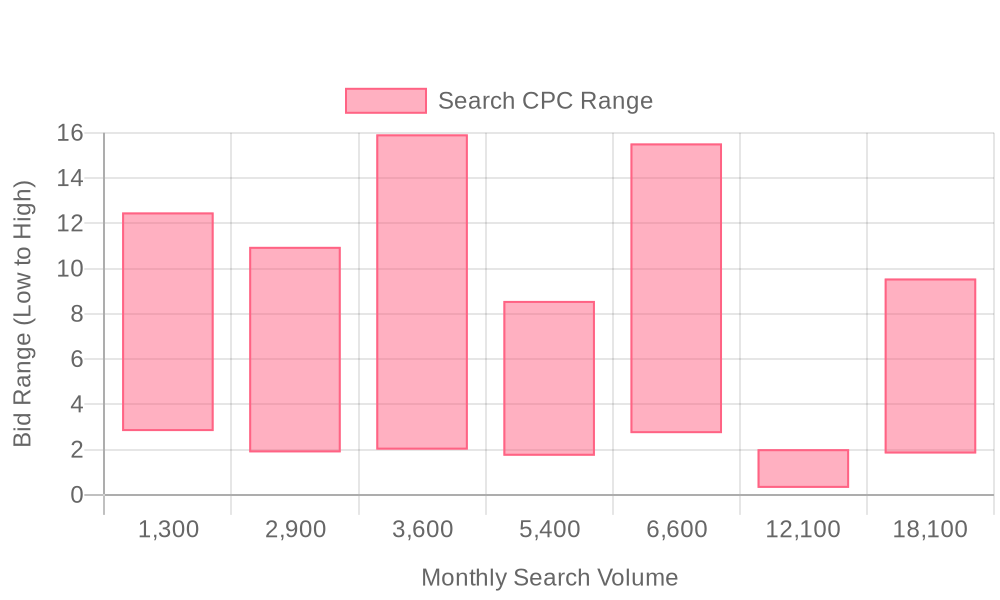
| Industry | Keyword | Monthly Search Volume | Competition Level | Low Bid | High Bid |
| Home Automation | best motorized blinds | 1300 | HIGH | 2.82 | 12.48 |
| Home Automation | smart home automation | 2900 | LOW | 1.88 | 10.96 |
| Home Automation | best smart home system | 3600 | HIGH | 2 | 15.93 |
| Home Automation | home automation systems | 5400 | MEDIUM | 1.73 | 8.57 |
| Home Automation | smart home system | 6600 | MEDIUM | 2.73 | 15.53 |
| Home Automation | smart lights | 12100 | HIGH | 0.31 | 2.02 |
| Home Automation | home automation | 18100 | LOW | 1.83 | 9.56 |
Effective keyword strategy is the backbone of high-performing Google Ads for home automation. Precision targeting enables B2B revenue teams to intercept homeowners at critical moments, ensuring campaigns reach decision-makers when they are most receptive. By centering campaigns around intent-driven searches, such as “smart home installation,” “wireless security systems for homes,” and “automated lighting solutions”, marketers can align their efforts with demand peaks and deliver more relevant messaging. Home automation Google Ads provides a deeper look at this trend. This approach not only attracts high-quality leads but also drives more meaningful engagement throughout the buyer’s journey.
Strategic keyword selection leverages predictive models for audience segmentation, bringing together behavioral insights and demographic data to inform budget allocation and creative development. When marketers integrate keyword targeting with visitor identification technology, they move beyond anonymous clicks to recognize real users and companies researching smart home solutions. Sona's Identity Resolution helps B2B teams uncover which accounts are actively investigating home automation, making it easier to shift spend toward the most promising opportunities.
ROI measurement becomes far more actionable when conversion tracking covers every touchpoint, from initial search to final sale. Integrating advanced attribution enables full-funnel visibility, capturing both online form submissions and offline interactions, such as demo scheduling or phone consultations. For more insights on full-funnel measurement, check out our guide on Attribution Best Practices. When data from Google Ads syncs seamlessly into CRM systems, enriched audience profiles allow for dynamic retargeting and personalized follow-up. Audience lists update automatically as leads progress through the funnel, ensuring remarketing messages stay timely and relevant. This synergy across search, display, and social channels maximizes both efficiency and impact, ultimately delivering measurable ROI for home automation marketers aiming to outpace the competition.
Step-by-Step Campaign Execution Framework
Step 1: Build Targeted Keyword Lists
A strong keyword foundation is vital for home automation businesses seeking efficient Google Ads performance. Incorporate high-intent modifiers such as "voice-controlled home automation" or "energy-efficient smart home solutions" to address specific homeowner needs and drive qualified clicks. Carefully expand your keyword set by analyzing historical campaign data and layering in predictive insights, which help reveal trending terms and untapped demand pockets. Home Security Keywords provides a useful resource for identifying niche keyword opportunities in the home automation sector.
Filtering out irrelevant queries matters just as much as expanding them. Home automation searches are full of DIY and job-seeker traffic, "how to install smart lights myself" or "home automation technician jobs", that never converts; negative keywords keep budget away from it. Layering in intent data lets marketers align targeting with actual purchasing signals, identifying visitors and companies most likely to convert. Sona surfaces intent signals to help marketers move beyond generic keyword planning, using real-time behavior to prioritize accounts with high buying potential and update audiences automatically as leads progress through the funnel.
The upgrade most home automation advertisers miss is going beyond raw keyword volume to layer in intent and identity signals. By connecting website-visitor data and CRM records with Sona Marketing Measurement, you can see which specific search terms bring in the accounts and customers that actually convert, and weight your keyword and bidding strategy toward those rather than the terms with the highest search volume alone.
Step 2: Develop Compelling Ad Copy
Effective ad copy for home automation services addresses core homeowner pain points while spotlighting the transformative benefits of smart upgrades. Focus on messages that resonate with security, convenience, and energy savings, such as "Control your home from anywhere" or "Reduce utility bills with intelligent automation." Highlighting timely incentives, like free consultations or limited-time installation discounts, drives immediate action, especially when tailored around key engagement moments mapped from buyer journey analytics. Google Ads Automation provides a deeper look at automation trends in Google Ads that can inform creative approaches for ad copy.
Consistency across digital and offline messaging is critical. Ensure your ads reflect the latest insights from CRM data and customer interactions, reinforcing brand trust and relevance throughout the decision-making process. This alignment not only improves click-through rates but also nurtures long-term engagement by meeting prospects at every stage with content that feels individually tailored based on their unique path to purchase.
Step 3: Design Effective Landing Pages
To maximize Google Ads ROI for home automation, align landing pages closely with each ad group’s intent. When a user clicks an ad for "smart lighting installation," they should immediately land on a dedicated page featuring relevant solutions, testimonials, and next-step options. This relevance prevents disconnects that can erode trust and ensures users experience a seamless journey from ad to action.
Trust elements are crucial in home automation advertising. Incorporate badges for certifications, customer reviews, and security assurances to instill confidence. Clear calls-to-action such as "Book Your Free Assessment" or "Get an Instant Quote" streamline conversions. Sophisticated landing page design includes integration with CRM systems, enabling automatic prioritization and follow-up for high-value prospects. For more insights on optimizing landing pages for paid campaigns, check out the Google Ads ROI Guide.
Step 4: Implement Data-Driven Optimizations
Ongoing optimization is the linchpin of successful digital marketing for home automation. Track every conversion event, from form fills to phone calls, and ensure seamless data flow into your CRM to enable robust lead nurturing and retention. Leverage smart bidding strategies that use predictive insights to automatically adjust spend toward the audiences and channels delivering the highest ROI.
With enriched audience data flowing between Google Ads and your CRM, marketers can recalibrate campaigns in real time. For example, as audience segments move from research to purchase, budget and creative can be shifted to focus on high-converting accounts. This dynamic approach, powered by unified data and actionable insights, empowers revenue teams to capture in-market demand more efficiently, drive personalized engagement, and maximize overall campaign performance across both online and offline channels. To see how streamlined onboarding can accelerate results, start with Sona Onboarding.
Sona Marketing Measurement closes the gap between clicks and revenue. It captures ad clicks with first-party measurement, ties each one through UTM capture and ad-platform APIs to the actual record in your CRM, and reports ROAS by keyword and campaign instead of by last-click form fill. Feeding that revenue signal back into Smart Bidding and Performance Max compounds over time: the algorithms optimize toward booked home automation revenue, not cheap leads.
Tips on Expanding Your Home Automation Presence
Home automation providers who invest in strategic digital marketing consistently outpace competitors in brand recognition and lead generation. Data-driven marketers see the greatest lift when they move beyond generic outreach and instead leverage precise behavioral targeting, real-time intent signals, and seamless orchestration across their paid campaigns.
Promoting educational content in retargeting campaigns serves a dual purpose: it reinforces your brand authority and keeps your solutions top-of-mind for prospects evaluating multiple providers. Delivering webinars, in-depth guides, or explainer videos via display and video retargeting boosts engagement and builds trust among audiences not yet ready to convert. By identifying which website visitors engaged deeply but did not convert, marketing teams can use identity resolution to capture these high-value prospects for tailored nurture streams. Solutions such as Sona's Identity Resolution support matching anonymous website visitors to known accounts, allowing for personalized follow-up that drives higher conversion rates.
Capitalizing on cross-selling opportunities becomes far more effective when your audience data is segmented and dynamically updated. For home automation companies, this means leveraging insights about current product usage and previous interactions to surface relevant upsell offers, such as targeting homeowners with smart security packages if they already use connected lighting. When audience segments refresh automatically as prospects move through the sales funnel, campaigns remain relevant and maximize lifetime customer value. Google Ads strategies provide a deeper look at strategies for reaching engaged audiences and driving conversions.
Engaging with industry associations elevates your home automation brand’s visibility and opens up valuable partnership channels. Participation in association events, content collaborations, or co-branded campaigns can amplify your reach among both end-users and channel partners. Additionally, tapping into the data generated from these partnerships can surface warm accounts that merit targeted advertising or direct outreach, ensuring your marketing budget is focused on the highest-potential opportunities.
Applying local targeting strategies is essential for home automation businesses aiming to dominate key regional markets. Geo-specific signals, such as regional events, local search intent, and homeownership rates, help marketers optimize paid media spend for neighborhoods and cities where demand is strongest. For more insights on optimizing campaigns, check out our guide on retargeting strategies.
Success in home automation advertising depends on closing the loop between strategic keyword targeting, behavioral segmentation, and compelling creative assets. Seamless integration between digital advertising, CRM, and measurement tools enables precise attribution of every lead and sale. When online and offline conversions are tracked within a unified platform, marketers unlock the insights needed to continually optimize their campaigns, turn immediate engagement into long-term growth, and ensure their brand remains at the forefront as the smart home market accelerates. To streamline your campaign attribution and maximize ROI, book a demo and see how Sona can help.
Beyond Google Ads: Winning the AI Answers Home Automation Buyers Now Trust
Paid search captures demand at the moment someone types a query. But a fast-growing share of home automation buyers no longer start at Google at all, they ask ChatGPT, Gemini, or Perplexity before they ever run a search, and Google's own AI Overviews increasingly summarize an answer above the traditional results. If your business isn't referenced in those AI answers, you're invisible at the exact moment buyers build their shortlist.
Sona AI Visibility shows where your business shows up across ChatGPT, Gemini, Perplexity, Google AI Overviews, and 10+ engines, and, much like a keyword report, which prompts actually send you buyers, so you can prioritize the ones that convert. Run the two together and you cover the entire buyer path: get cited where buyers research (AI Visibility), then prove which of that demand turns into booked revenue (Marketing Measurement).
Helpful resources
Conclusion
The home automation companies pulling ahead right now aren't the ones spending the most on Search, they're the ones who've closed the loop between ad click, CRM record, and booked install, so every dollar of budget chases the buyers most likely to sign. As AI tools reshape how homeowners research smart home purchases, that same closed-loop discipline, knowing which channels and prompts actually produce paying customers, will matter more, not less.
Ready to put these strategies into action? Start a free trial to see how Sona connects your Google Ads spend to real home automation revenue.
FAQ
What are the best practices for Google Ads in home automation?
The best practices for Google Ads in home automation include using data-driven targeting, synchronized campaign management, and real-time audience updates to maximize ROI and focus on high-value prospects.
How can I effectively target homeowners with Google Ads?
To effectively target homeowners, combine detailed property data with behavioral signals, and serve ads to those researching specific smart home improvements like lighting or security upgrades.
What budget should I allocate for Google Ads in the home automation sector?
Allocate your budget efficiently by targeting high-intent queries and using predictive insights to focus on high-converting audience segments, ensuring minimal spend on unqualified traffic.
What keywords should I use for Google Ads in home automation?
Use intent-driven keywords such as 'smart home installation,' 'automated lighting solutions,' and 'wireless security systems for homes' to target homeowners actively seeking home automation solutions.
How do I measure the success of my Google Ads campaigns for home automation?
Measure success by tracking both online and offline conversions, integrating campaign data with CRM systems, and using advanced attribution models to assess the full funnel impact.







