


Home theater buyers rarely convert on the first click. Someone spends weeks comparing Dolby Atmos setups, watching installation videos, and pricing out multi-room audio before ever filling out a form, and by the time they do, dozens of anonymous visits have already come and gone untracked. Google Ads gives home theater and AV integration businesses a way to catch that demand while it's active: precise targeting for high-ticket searches, tracking that survives a long consideration cycle, and integration with the sales data that proves which campaigns actually produce revenue. This guide covers how to build that system from the ground up.
How to Generate Google Ads for Home Theater Systems Leads: A Step-by-Step Guide
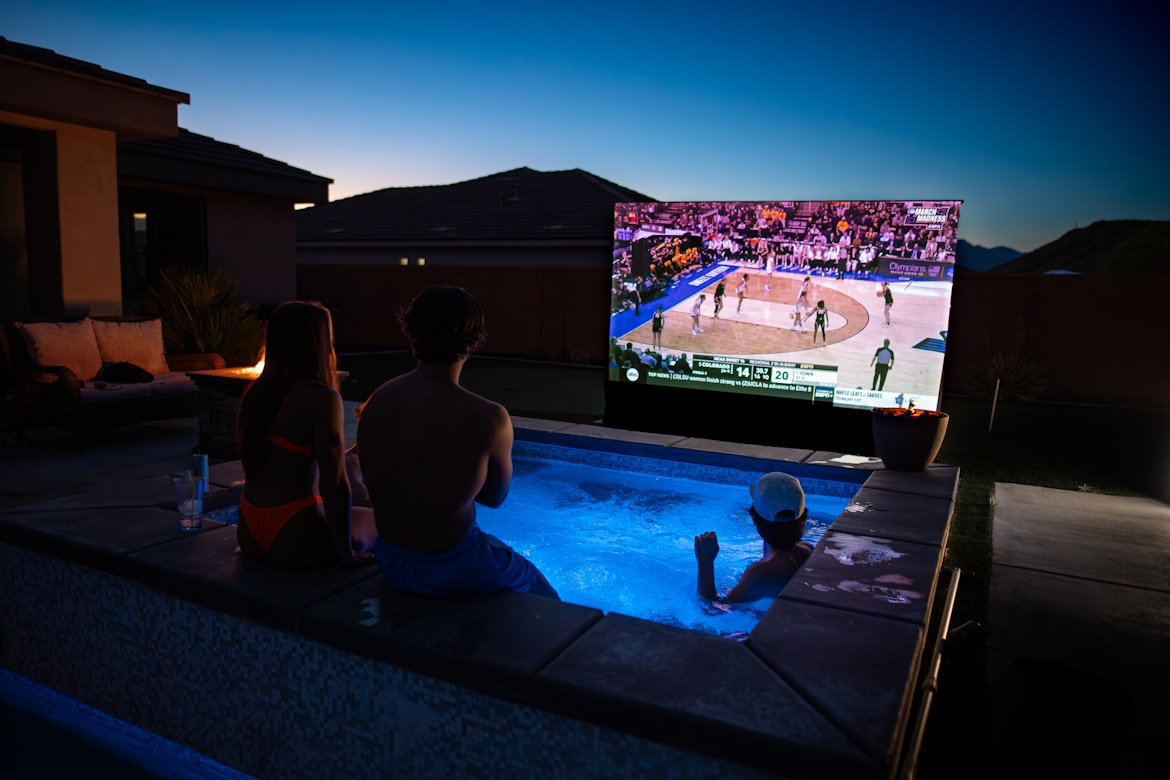
Home theater businesses operate in a highly competitive, consultative sales environment where every lead must be qualified, tracked, and nurtured for maximum conversion. Crafting a data-driven Google Ads strategy ensures that your campaigns reach buyers with genuine intent, capturing demand before it turns to your competition. For a foundational overview of how these ads work for home theater professionals, explore Google Local Services Ads for home theatre to understand local ad opportunities in your industry.
A unified approach to home theater advertising starts by weaving Google Ads seamlessly into your overall marketing mix. By integrating behavioral and demographic data from every digital touchpoint, you can pinpoint the most lucrative prospects, those searching for installation, automation, or AV integration services in real time. This approach prevents wasted spend and ensures that your messaging always aligns with the needs of high-value buyers. To discover more on integrating your strategies, visit our marketing analytics blog for actionable insights.
Targeting within Google Ads for Home Theater Systems requires more than matching keywords to search queries. With advanced visitor identification, marketers can move beyond anonymous clicks, revealing which companies and decision-makers are engaging with your site. This enables the creation of dynamic audiences that update as leads move through the funnel, so your ads remain relevant from research to purchase. Sona's Identity Resolution further enhances this process by syncing enriched audiences and qualified leads directly into Google Ads and CRM platforms, eliminating manual updates and ensuring every campaign targets the right accounts at the right time.
Effective home theater lead generation hinges on landing pages and creative assets that resonate with the audience’s unique needs. Conversion-focused pages should feature detailed service explanations, proof of expertise, and clear next steps to drive engagement. Leveraging real-time intent signals, you can personalize ad content and landing page experiences based on what visitors have previously viewed or requested. This not only increases conversion rates but also shortens the path from click to consultation, vital for high-ticket AV projects.
Performance optimization is a continuous process in PPC for home theater and home automation marketing. By harnessing integrated analytics, you can track online and offline conversions, accurately attribute revenue to each campaign, and adjust bids to prioritize the most profitable channels. Advanced conversion tracking allows marketers to see beyond form submissions, capturing calls, showroom visits, and even post-sale upgrades. This holistic view empowers revenue teams to refine their spend and double down on the Google Ads strategies that yield the highest ROI.
Cross-channel integration is key for digital marketing success in the AV integrator space. Timely outreach, whether through Google Ads retargeting, email, or account-based ads, ensures your brand stays top of mind as prospects evaluate their options. With automated audience sync and real-time data, your campaigns adapt instantly as new leads enter your CRM or as buyers show renewed interest. This agility prevents competitors from capturing your hard-won prospects and keeps your pipeline filled with high-intent opportunities.
Why Google Ads is Crucial for Home Theater Systems
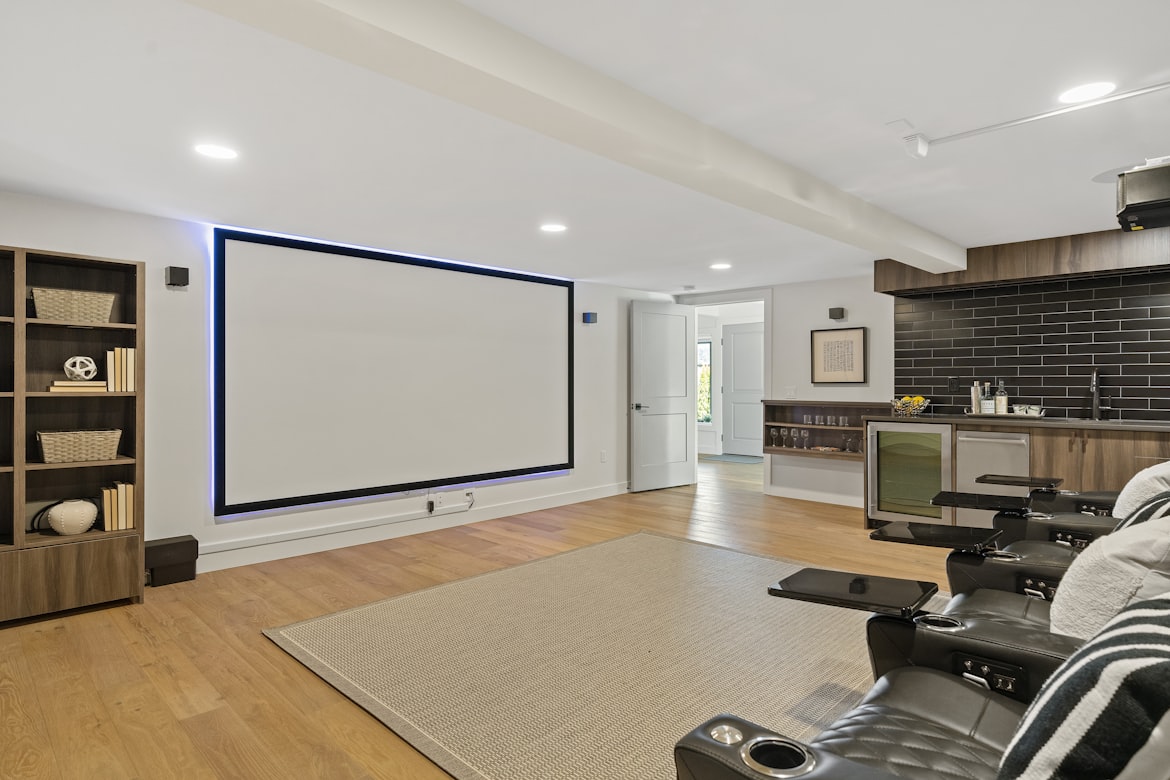
Home theater systems businesses operate in a landscape where timing, precision, and relevance drive customer engagement and revenue. Digital advertising platforms that allow hyper-targeting and real-time response to purchase intent are indispensable, especially in a field where customer journeys are lengthy and high-ticket. Google Ads for Home Theater Systems empowers marketers to reach buyers at pivotal decision points, turning interest into high-value leads with measurable efficiency. For organizations aiming to turn anonymous website visitors into qualified pipeline, Sona's Identity Resolution offers powerful capabilities for identifying and scoring intent.
- Specialized Audience: Home theater and AV integration services require a nuanced approach to audience segmentation. Instead of casting a wide net, Google Ads lets you pinpoint decision-makers such as AV integrators, tech-forward homeowners, and smart home enthusiasts. Leveraging precise audience intelligence, marketers can target campaigns based not just on search intent but verified company visits, ensuring every ad dollar reaches a relevant, high-converting audience.
- High-Value Services: The typical home theater project involves significant investment and complex decision cycles. Advanced targeting capabilities in Google Ads enable campaigns to focus on users actively searching for home automation, multi-room AV, or premium sound solutions. By syncing CRM data and real-time intent signals, revenue teams can elevate their home theater advertising, prioritizing accounts with the highest likelihood to close and tailoring offers as prospects move through the funnel.
- Rapid Demand Response: The consumer electronics space is defined by frequent launches and seasonal surges. Google Ads makes it possible to deploy PPC for home theater products and services that respond instantly to market changes. Utilizing real-time behavioral data, marketing teams can shift budget to capitalize on spikes in demand, ensuring messaging is always relevant and inventory is matched with active buyers.
- Emerging Markets Visibility: Traditional marketing often falls short in reaching new metro areas or untapped segments. Google Ads for local businesses allows home theater providers to break into underserved regions, customizing campaigns by location or demographic. With dynamic audience updates, marketers can adjust targeting as soon as new leads engage, maximizing local service ads for consistent home theater lead generation.
- Integrated Data Analytics: Reliable measurement is the backbone of any digital marketing for AV integrators. Google Ads campaign data, when unified with CRM and offline conversion tracking, gives a complete view from first click to final purchase. By pushing enriched lead and sales data back into Google Ads, teams fill attribution gaps and unlock insights that refine future targeting, optimize spend, and ultimately drive higher ROI for home automation marketing.
Common Types of Google Ads Campaigns for Home Theater Systems
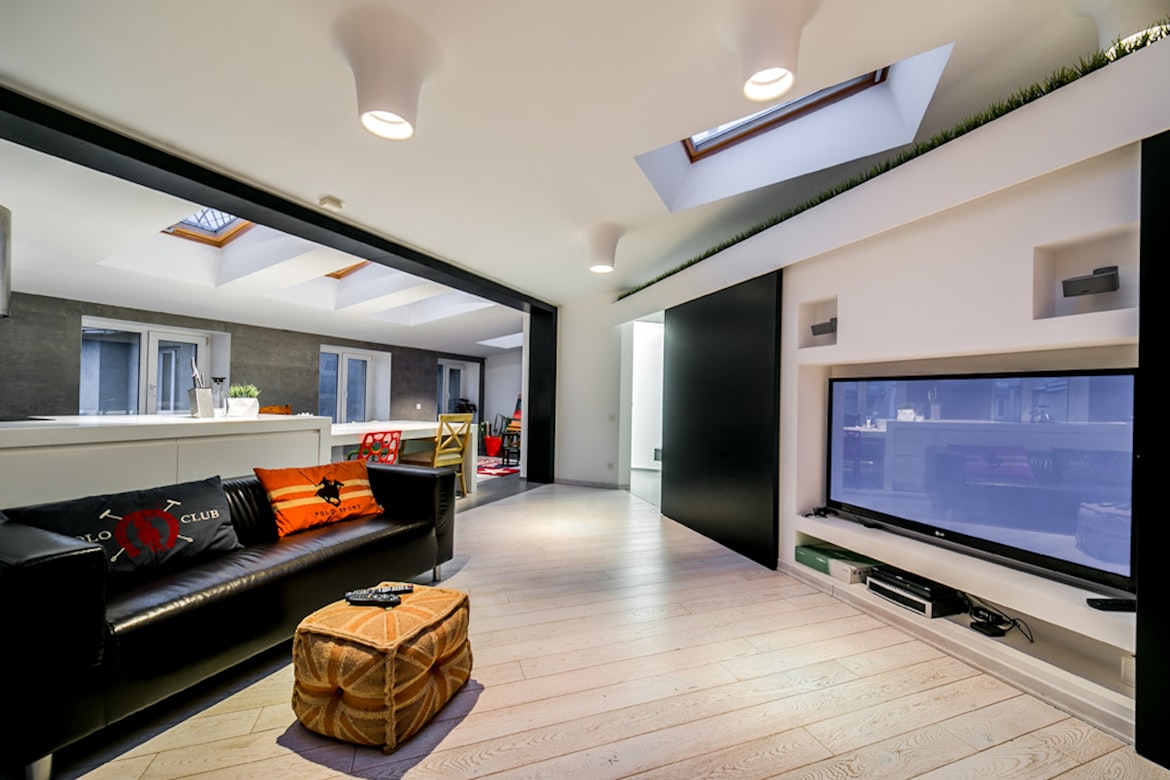
- Search Campaigns: Capture customers at the decisive moment when they are actively searching for services like home theater installation or AV integration. These campaigns intercept bottom-of-funnel prospects, allowing your business to convert high-intent clicks into qualified leads before competitors even appear in the consideration set. Leveraging unified data from Sona, marketers can identify not just keywords, but also companies and individuals exhibiting strong purchase signals, ensuring budgets are allocated to the audiences most likely to convert. For a deeper dive into keyword selection, the SEO keywords for home theater businesses resource provides actionable ideas for optimizing your search campaigns.
- Display Ads: Maintain persistent visibility among potential buyers as they browse industry sites, tech publications, and relevant forums. Display campaigns reinforce your core messages and visually differentiate your brand, particularly when layered with retargeting. Using Sona’s real-time intent data, teams can automatically adjust placements and creative to match evolving buyer journeys, keeping your offering prominent for those progressing toward a purchase decision. For more campaign optimization tips, explore our marketing analytics articles.
- Video Ads: Engage audiences visually by highlighting the sophistication of your home theater solutions, demonstrating installation processes, or showcasing client testimonials. Video campaigns are highly effective for educating prospects about complex systems and establishing brand authority. With Sona’s dynamic audience updates, video viewers who show strong engagement can be funneled into higher-frequency retargeting or sales outreach, maximizing the value of every view. To see how top enterprises succeed with video and other ad formats, review this analysis of Google Ads strategies.
- Remarketing: Reconnect with visitors who have already shown interest in your offerings but have not yet converted. Remarketing campaigns use behavioral and engagement data to serve timely, personalized ads that address objections and accelerate prospects down the funnel. Unified platforms like Sona enhance this process by identifying anonymous visitors, enriching them with firmographic data, and ensuring that retargeting audiences remain fresh as leads progress through the pipeline. For practical tips on campaign structuring, consult our Google Ads campaign playbooks.
- Ad Assets: Boost ad performance with additional information, such as location details, certifications, service highlights, and direct call buttons. Ad assets help build trust, demonstrate professionalism, and drive urgency, particularly important in markets where technical credibility is a key decision factor. Sona's CRM and ad sync capabilities enable seamless integration of updated business credentials and new offers into your assets, ensuring relevance and accuracy across every impression.
Where to Identify Growth Opportunities
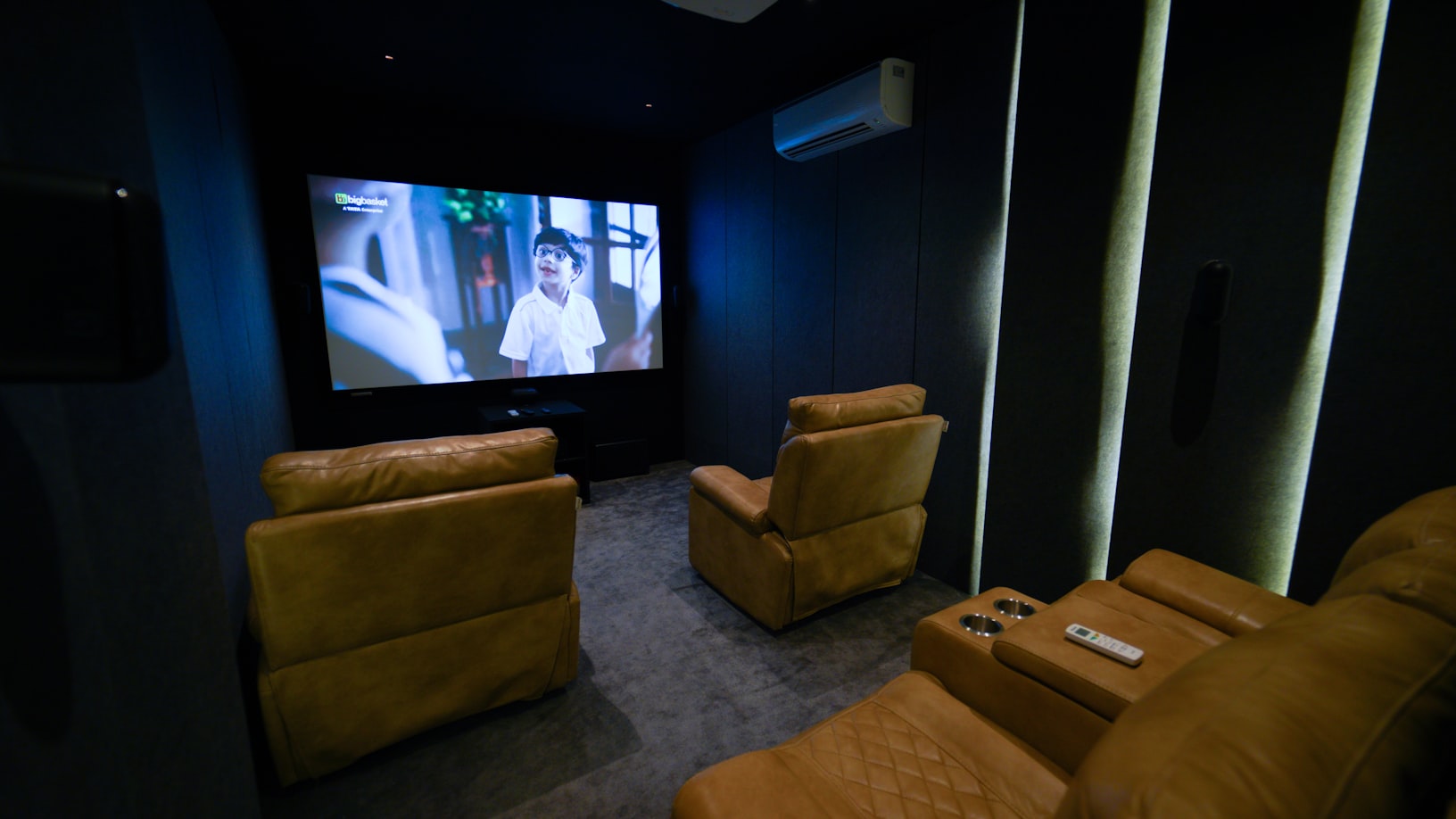
Expanding home theater lead generation begins with a disciplined approach to Google Ads targeting. Marketers who utilize effective SEO keywords for home theater businesses can connect with buyers actively researching advanced audio systems, custom installations, or home automation upgrades. This ensures visibility among high-intent prospects who may not respond to generic search terms or broad display ads. For more strategies on reaching these audiences, explore our actionable marketing playbooks.
A robust competitor gap analysis is instrumental for discovering segments overlooked by rivals. By mapping which home theater or smart home services competitors emphasize, teams can zero in on underserved markets, such as specialty integrations or emerging tech, that offer high-margin opportunities. Platforms that surface granular data about visitor companies and their in-market behaviors enable revenue teams to shift spend toward accounts most likely to convert, rather than relying on impression share alone.
Placing ads on niche industry channels, like AV integrator forums or smart home blogs, bridges gaps where organic content struggles to gain traction. Coordinated content retargeting reinforces brand presence as prospects consume related educational or review materials. Tracking engagement across these touchpoints, and connecting this intelligence to CRM or ad platforms, allows marketers to dynamically update audiences as leads move through the funnel. Real-time insight into which visitors are showing buyer intent empowers teams to prioritize outreach and adjust creative, maximizing every marketing dollar spent on Google Ads for home theater systems. If you're ready to unlock these insights for your business, get started for free with Sona.
Applying Audience Segmentation for Home Theater Systems
Modern home theater businesses achieve higher marketing precision through advanced audience segmentation. This approach ensures that campaigns do not rely on broad targeting; instead, each ad dollar is directed toward prospects most likely to convert based on observed behaviors and declared interests. For a deeper dive into segment-based campaign strategies, explore this library of actionable playbooks.
- Define Segments: Segmenting audiences begins with distinguishing between users interested in basic setups and those seeking premium, fully automated home theater systems. Sophisticated segmentation further refines audiences by overlaying attributes such as interest in smart home features, purchase history, intent to upgrade, or previous engagement with high-value content, distinctions that matter because a homeowner researching a single-room soundbar has a completely different sales cycle and price sensitivity than one comparing whole-home Dolby Atmos integration with a licensed installer. Using enriched data from CRM integrations, marketers can dynamically update these cohorts as new leads enter or move through the funnel. This granular differentiation produces messaging and offers that resonate at the right stage, increasing click and conversion rates for both digital marketing for AV integrators and home automation marketing.
- Overlay Intent Signals: Identifying actionable intent is central to prioritizing outreach. By analyzing search queries, browsing patterns, and engagement with specific product pages, marketers can pinpoint prospects expressing readiness for a first-time installation versus an upgrade to ultra high-definition or Dolby Atmos-enabled systems. Audience signals, such as requesting a consultation or downloading a buyer’s guide, allow campaigns to focus budget on in-market accounts, reducing wasted spend. Real-time intent data empowers teams to respond immediately, shifting ad allocations to accounts demonstrating high likelihood to convert.
- Custom Ad Groups: Effective Google Ads for Home Theater Systems requires structuring ad groups that mirror these segmented audiences. Each ad group receives tailored creative, offer, and bid strategy, ensuring messaging for luxury buyers is distinct from that targeting entry-level shoppers. Automated syncing of enriched audiences from CRM systems into Google Ads streamlines this process, allowing marketers to launch and iterate on custom groups without manual uploads. For additional guidance on optimizing ad group structure and creative assets, see this Google Ads Performance Max best practices.
- Validate Conversion Measures: Precise lead tracking is critical in home theater lead generation. All customer actions, from form fills to calls and showroom visits, should be captured and attributed, both online and offline. Integrating advanced conversion tracking connects these touchpoints back to original audience segments, providing a clear picture of true ROI and enabling teams to optimize spend. By syncing conversion data directly to connected CRM and sales platforms, marketers prevent valuable leads from slipping through the cracks, ensuring every opportunity is nurtured regardless of acquisition channel. This approach transforms online advertising for home theater into a predictable, scalable engine for business growth. If you want to experience seamless segmentation and attribution, get started for free with Sona.
This is also where measurement changes the economics. With Sona Marketing Measurement you can identify the companies and buyers behind your ad clicks, not just anonymous sessions, and segment audiences by who actually becomes a customer. That lets you build bid adjustments and audience signals around the segments that convert and de-prioritize the ones that don't, so you feed Google's algorithms "this click became a paying home theater systems customer" instead of just "someone filled out a form."
Keyword Strategy & Sample Target Terms
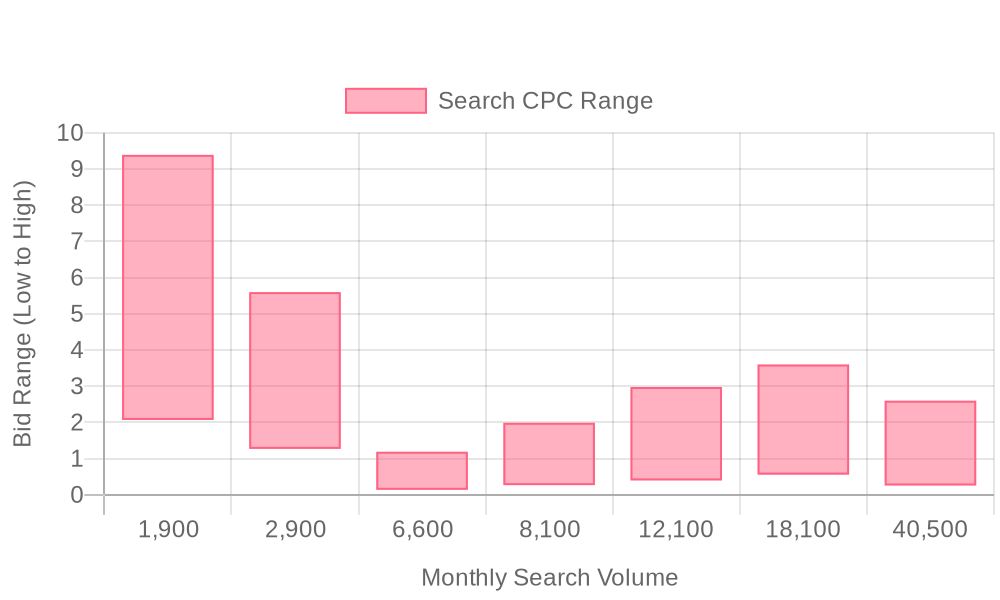
| Industry | Keyword | Monthly Search Volume | Competition Level | Low Bid | High Bid |
| Home Theater Systems | home theatre seating | 1900 | HIGH | 2.07 | 9.39 |
| Home Theater Systems | home theatre | 2900 | HIGH | 1.27 | 5.6 |
| Home Theater Systems | bose surround sound system | 6600 | HIGH | 0.14 | 1.19 |
| Home Theater Systems | wireless surround sound | 8100 | HIGH | 0.27 | 1.99 |
| Home Theater Systems | best surround sound system | 12100 | HIGH | 0.4 | 2.98 |
| Home Theater Systems | home theater systems | 18100 | HIGH | 0.56 | 3.6 |
| Home Theater Systems | surround sound system | 40500 | HIGH | 0.26 | 2.6 |
Effective keyword strategy is fundamental to maximizing results with Google Ads for home theater systems businesses. By leveraging deep intent data and audience insights, modern marketers can pinpoint the exact moments when decision-makers are actively searching for home theater solutions, installation services, or AV integrations. For a comprehensive list of effective keywords to optimize your search visibility, explore this SEO keywords for home theater resource, ensuring every advertising dollar works harder and aligns with tangible business outcomes.
Precision targeting goes beyond surface-level demographics to identify organizations and individuals demonstrating real purchase intent. For home theater advertising, this means capturing searches such as “custom home theater installation,” “Dolby Atmos setup for homes,” or “smart home automation integrator.” Integrating real-time visitor identification enables businesses to recognize high-value companies and route them directly into tailored audience segments, making ad delivery more personalized and improving conversion rates through contextually relevant messaging.
Advanced keyword strategies also unlock measurable ROI by connecting ad engagement directly to closed sales. PPC for home theater systems should include both broad terms like “home theater systems near me” and niche terms such as “AV integrator for luxury homes.” With dynamic audience updates, campaigns can automatically adjust bids, creative, and targeting as leads engage with content or move through qualification stages, ensuring that ad spend is consistently directed at the most likely buyers.
Synergy across channels is achieved when digital marketing for AV integrators and home automation providers unifies Google Ads with retargeting efforts on social and display networks. Platforms that enrich CRM data and sync audiences into Google Ads allow for seamless orchestration, ensuring no lead slips through the cracks and each touchpoint moves prospects closer to purchase. If you’re ready to operationalize these strategies and maximize your marketing results, get started for free with Sona.
Step-by-Step Campaign Execution Framework
Step 1: Build Targeted Keyword Lists
Effective Google Ads for Home Theater Systems begin with highly segmented keyword lists that reflect both service specialization and local buying intent. Segmenting keywords by service, such as "home theater installation," "audio calibration," or "home automation integration", ensures ads reach prospects searching for exactly what your business offers. Including local modifiers like city names or neighborhoods, such as "home theater installers in Austin," further narrows the audience to high-value, in-market buyers. Negative keywords are equally important: filtering out terms like "DIY" or "cheap" prevents wasted spend on low-intent traffic. For inspiration, review this list of effective SEO keywords for home theater businesses to expand your targeting options.
Sophisticated marketers leverage visitor identification to move beyond generic targeting. By pinpointing the companies and individuals actively researching AV integration or home theater upgrades, you can dynamically expand or contract keyword groups in real time. As leads move through the funnel or new market signals emerge, enriched audience lists automatically update, ensuring every dollar targets prospects with the highest conversion potential.
The upgrade most home theater systems advertisers miss is going beyond raw keyword volume to layer in intent and identity signals. By connecting website-visitor data and CRM records with Sona Marketing Measurement, you can see which specific search terms bring in the accounts and customers that actually convert, and weight your keyword and bidding strategy toward those rather than the terms with the highest search volume alone.
Step 2: Develop Compelling Ad Copy
Ad copy for home theater advertising must resonate with both the technical needs and lifestyle aspirations of your target audience. Addressing common customer pain points, such as “Seamless AV setup without messy wires” or “Expert calibration for cinematic sound”, demonstrates expertise while providing immediate value. Trust signals, including “Google Guaranteed Installer” or “Certified Professionals,” reduce perceived risk in a purchase that requires in-home service. Incentives like “Free consultation” or “Limited-time discount on installation” can tip buying decisions in your favor.
Real-time intent data enables marketers to align messaging with what buyers are actively exploring. For example, if a segment is researching high-end audio brands, ad copy can dynamically highlight luxury partnerships or advanced technology features. Integrating CRM data into ad platforms ensures that retargeted ads reflect where each lead is in the buying cycle, personalizing offers and accelerating conversions.
Step 3: Design Efficient Landing Pages
Landing pages for Google Ads targeting home theater services should closely mirror ad intent and reinforce the promises made in your ad copy. A user clicking on “Home theater setup for new builds” should land on a page dedicated to that service, complete with project visuals, warranty badges, and a streamlined contact form. Integrating trust-building elements, such as client testimonials, before-and-after galleries, and industry certifications, boosts credibility and increases form completion rates. For additional landing page inspiration, see this overview of Google Local Services Ads for home theatre professionals.
Connecting ad platforms with sales and CRM systems allows for continuous feedback between online actions and offline outcomes. As leads move from website form fills to phone consultations or showroom visits, enriched data ensures ongoing ad creative and landing page messaging stay relevant. This holistic view not only improves lead quality but also provides actionable insights for refining both media and creative investments.
Step 4: Implement Data-Driven Optimizations
Continuous optimization is essential for maximizing ROI in PPC for home theater campaigns. Bidding strategies should be informed by conversion data, shifting spend toward keywords, audiences, and geographies generating the highest-quality leads. Automated rules can pause underperforming ads and reallocate budget to top-performing service categories or premium markets.
Advanced conversion tracking links online interactions with downstream sales events, providing a clear view of campaign profitability. This enables teams to attribute revenue not just to initial ad clicks, but to closed deals and recurring service contracts. Syncing CRM systems with Google Ads ensures every new lead, whether generated online or offline, is captured and enriched for future targeting, keeping marketing and sales efforts tightly aligned for maximum impact.
Sona Marketing Measurement closes the gap between clicks and revenue. It captures every ad click with first-party measurement, no reliance on third-party cookies, then ties that click through UTM capture and ad-platform APIs to the actual record in your CRM, and reports ROAS by keyword and campaign instead of by last-click form fill. Feeding that revenue signal back into Smart Bidding and Performance Max compounds over time: the algorithms optimize toward booked home theater systems revenue, not cheap leads.
Tips for Expanding Your Presence
Maximizing visibility in the home theater market requires a consistent, multi-channel approach that blends education, engagement, and highly targeted outreach. Cross-promoting educational content across all retargeting efforts keeps your brand top of mind while demonstrating expertise to prospects evaluating AV solutions. When retargeting site visitors, advanced platforms let you identify the companies behind anonymous site visits, making it possible to deliver tailored educational material that addresses pain points and accelerates the path to conversion.
Upselling to existing customers is most effective when marketing is segmented based on actual purchase behavior and intent signals. By analyzing which products or services a customer has previously engaged with, you can deploy campaigns that recommend relevant upgrades or complementary solutions. Real-time intent data lets you shift budget and creative focus toward audiences who are actively researching or considering enhancements, ensuring that marketing spend drives incremental revenue and not just impressions.
Collaborating with industry associations is an effective way to broaden reach and establish credibility within the home theater and AV integration space. These partnerships open doors to joint webinars, whitepapers, and demo events that position your brand in front of engaged, qualified audiences. For a practical overview of Google Local Services Ads for home theatre professionals, explore opportunities to integrate these digital strategies with your event-driven lead generation. When these efforts are seamlessly integrated with your digital marketing and Google Ads, you can dynamically update target audiences as new association members or event attendees enter your funnel, ensuring that remarketing and follow-up are always relevant.
Expanding regionally with focused localization efforts is key to tapping into emerging metropolitan markets where demand for home theater systems and home automation is rapidly increasing. Localization is more than just targeting by geography; it involves customizing ad copy, creative, and offers to match local preferences, regulations, and trends. With advanced campaign management, enriched lead and audience data sync directly from CRM systems into your ad platforms, allowing you to launch highly relevant campaigns in new regions without manual data wrangling. To see how this can streamline your expansion efforts, get started for free with Sona.
Beyond Google Ads: Winning the AI Answers Home Theater Systems Buyers Now Trust
Paid search captures demand at the moment someone types a query. But a growing share of home theater systems buyers now start with ChatGPT, Gemini, or Perplexity before they ever run a search, and Google's own AI Overviews increasingly summarize an answer above the traditional results. If your business isn't referenced in those AI answers, you're invisible at the exact moment buyers build their shortlist.
Sona AI Visibility shows where your business shows up across ChatGPT, Gemini, Perplexity, Google AI Overviews, and 10+ engines, and, much like a keyword report, which prompts actually send you buyers, so you can prioritize the ones that convert. Run the two together and you cover the entire buyer path: get cited where buyers research (AI Visibility), then prove which of that demand turns into booked revenue (Marketing Measurement).
Helpful resources
Conclusion
Home theater and AV integration is a business built on trust and technical credibility, and the buyers who eventually sign a contract spend a long time researching before they do. Google Ads wins that attention when campaigns are built around real purchase signals: which companies are visiting your site, which searches precede a booked consultation, which keywords produce customers rather than just clicks.
The businesses that pull ahead over the next few years won't just run tighter Search and Performance Max campaigns, they'll be the ones whose measurement closes the loop from ad click to installed system, and whose brand shows up when a buyer asks an AI assistant which installer to trust. That combination, precise targeting today plus visibility in how buyers research tomorrow, is what turns Google Ads from a lead-generation line item into a compounding advantage.
FAQ
What are Google Ads for home theater systems?
Google Ads for home theater systems are digital marketing tools that allow businesses to target high-intent prospects actively searching for home theater solutions, thereby enhancing marketing impact and driving sales.
How can I effectively use Google Ads for my home theater business?
To effectively use Google Ads for your home theater business, integrate behavioral and demographic data for precise targeting, utilize advanced visitor identification, and ensure your messaging aligns with high-value buyers' needs.
What are local service ads and how do they work for home theater professionals?
Local service ads are a type of Google Ads that focus on reaching prospects in specific geographic areas, allowing home theater professionals to connect with local, high-intent buyers and generate consistent leads.
What is the cost of Google Ads for home theater systems?
The cost of Google Ads for home theater systems varies based on factors like targeting strategy, keyword selection, and campaign optimization, but it is designed to efficiently reach high-value audiences.
How do I measure the success of my Google Ads campaigns for home theater?
Success can be measured by tracking online and offline conversions, attributing revenue to each campaign, and optimizing spend based on performance data to ensure high ROI.







