


Health product marketers work under tighter constraints than most advertisers: strict compliance rules, sensitive audience targeting, and a buyer who's often researching a health concern under time pressure. Google Ads rewards precision here because it catches high-intent searchers at the exact moment they're comparing supplements, devices, or treatment options, not before, not after. Whether you sell nutritional supplements or medical devices, the platform offers targeting precision, measurable ROI, and integration with the rest of your marketing stack. Get the campaign structure, compliance groundwork, and data strategy right, and the results follow.
How to Generate Google Ads for Health Products Leads: A Step-by-Step Guide

Digital advertising for health products is a complex discipline that hinges on precise targeting, regulatory compliance, and the ability to act on accurate, unified data. Modern revenue teams need more than basic campaign setup; they require a holistic approach to deliver qualified leads and drive measurable growth in the health sector. Explore key marketing analytics strategies for health-focused campaigns to support your efforts.
Top-performing marketers in healthcare PPC understand that every touchpoint, from keyword selection to conversion tracking, must reflect both industry standards and evolving consumer expectations. By leveraging intent signals and unified data, health and wellness advertisers can connect more effectively with high-value prospects and ensure marketing investments yield optimal results.
Step 1: Set Campaign Goals Linked to Business Outcomes
Effective health product marketing starts with clear, measurable objectives mapped directly to revenue outcomes. Establish whether your primary focus is patient acquisition, lead generation for a specific service line, or direct-to-consumer product sales. Defining these priorities up front ensures your campaign structure and budget allocation align with tangible business value.
Incomplete or fragmented data can severely hinder personalization, especially in healthcare advertising where trust and credibility are paramount. By integrating modern tracking and data platforms like Sona's Identity Resolution, marketing teams can surface previously hidden intent signals, helping prioritize budget toward the accounts most likely to convert. For more on regulatory shifts impacting health ads, see this update on Google Ads' healthcare policy.
The upgrade most health products advertisers miss is going beyond raw keyword volume to layer in intent and identity signals. By connecting website-visitor data and CRM records with Sona Marketing Measurement, you can see which specific search terms bring in the accounts and customers that actually convert, and weight your keyword and bidding strategy toward those rather than the terms with the highest search volume alone.
Step 2: Conduct Keyword Research with Compliance in Mind
Success in Google Ads for Health Products depends on targeted, compliant keyword strategies. Research health-related terms that reflect true patient or consumer intent, balancing high-volume opportunity with strict adherence to Google Ads policies. Avoid keywords flagged for unverified medical claims or sensitive health conditions to prevent campaign disruptions.
Disconnected signals between keyword targeting and user behavior can result in lower conversion rates or even compliance violations. The most effective teams use real-time audiences to refine keyword lists, ensuring ad copy and landing pages are aligned with both regulatory requirements and actual search behavior. This process allows for dynamic updates as industry trends and audience interests evolve.
Step 3: Structure Campaigns for Segmentation and Precision

Campaign segmentation is critical when advertising health services or products. Segment ad groups by specific health categories, such as telehealth, supplements, or medical devices, to match messaging and offers with distinct audience needs. Check out this playbook on buying stage segmentation to maximize conversion efficiency.
With unified campaign data, revenue teams gain visibility into which segments perform best, enabling real-time adjustments as market conditions shift. Sona syncs high-quality audience data into your CRM and ad platforms for seamless data activation, empowering timely follow-up and ongoing optimization.
Step 4: Develop Targeted Ad Copy for Trust and Compliance
Compelling ad copy is essential in health and wellness ads, where trust signals like certifications, clinical evidence, and transparency make the difference. Address common pain points directly, such as regulatory compliance or product efficacy, without overwhelming your audience with technical jargon. For an overview of healthcare ad policy restrictions, review this resource on supplement and health product advertising.
Advanced ad operations integrate Sona's Identity Resolution, which lets teams tailor headlines and copy based on who is engaging with the ad. This personalizes outreach and builds credibility at every interaction, increasing qualified lead flow.
Sona Marketing Measurement closes the gap between clicks and revenue. It captures every ad click with first-party measurement, ties that click through UTM capture and ad-platform APIs to the actual record in your CRM, and reports ROAS by keyword and campaign instead of by last-click form fill. Feeding that revenue signal back into Smart Bidding and Performance Max compounds over time: the algorithms optimize toward booked health products revenue, not cheap leads.
Step 5: Optimize Spend Using Performance Data and Advanced Tracking
Continuous optimization is essential for healthcare PPC. Monitor performance data closely, identifying trends in click-through rates, conversion costs, and lead quality across campaigns. For strategies on maximizing your ROI, explore this playbook on intent-driven retargeting.
Platforms that sync CRM and ad platforms enable enrichment of audience data, closing the loop between digital engagement and real-world outcomes. By using Sona to unify first-party conversion tracking with your ad platforms, you ensure real-time optimization and the ability to demonstrate ROI across every channel.
Why Does Google Ads Matter for Health Products?
Health and wellness brands face a unique digital landscape where capturing high-intent moments is essential for growth. Google Ads delivers access to these pivotal search queries, allowing health product marketers to intercept decision-makers exactly when they research solutions, compare alternatives, or seek trusted recommendations.
Precise attribution is critical in healthcare advertising. Google Ads provides robust tracking from the initial ad impression through to offline sales conversion, helping revenue teams understand which keywords, audiences, and campaign elements drive appointments, purchases, or subscriptions. For marketers seeking deeper attribution strategies, explore this guide to measuring marketing’s influence on the sales pipeline.
Success in health product marketing depends on advanced targeting and seamless channel integration. Google’s algorithms enable campaigns to focus on users who show genuine in-market intent, surfacing ads for those most likely to convert. With the right unified data infrastructure, marketers can identify not just anonymous traffic, but specific companies and contacts engaging across platforms, ensuring no high-value opportunity is lost to data silos.
Integrated digital advertising for health also means reinforcing your message at every customer touchpoint. Smart workflows keep campaigns informed by real-time CRM and intent signals, ensuring audiences automatically update as leads progress from initial interest to sales-qualified status.
Common Types of Google Ads Campaigns for Health Products
- Search Campaigns: Search campaigns are essential for health product brands aiming to capture intent-driven traffic from users actively seeking immediate solutions, often using Responsive Search Ads to test headline and description combinations against buyer queries. By investing in robust keyword strategies, marketers ensure their offerings appear at the pivotal moment of need, outpacing competitors with outdated or broad targeting. When unified account data feeds into real-time audience segmentation, teams can quickly identify which health-specific queries generate the highest conversion rates and adjust spend accordingly. Leveraging Sona's Identity Resolution, marketers can move from anonymous clicks to qualified lead profiles, optimizing bids for the most valuable searchers.
- Display Campaigns: Display campaigns help health product companies maintain a consistent brand presence across health-focused publishers, medical forums, and wellness content hubs. These placements are an opportunity to reinforce trust, showcase compliance, and deliver targeted education to audiences who may not be ready to convert on first touch. By enriching audience targeting with analytics-driven insights, teams can surface new in-market segments or react to emerging health trends in real time. Integrated platforms can sync enriched audience data directly from intent signals, ensuring every impression targets the right user at the right stage of the buyer journey.
- Video Campaigns: Video campaigns are highly effective for communicating the value and differentiation of complex health products or services. Educational and testimonial videos build credibility and deepen understanding, especially for products that require more context or reassurance before purchase. Dynamic advertising frameworks enable marketers to adapt creative messaging as users progress through the funnel, ensuring consistent relevance and increasing engagement. When real-time intent data is harnessed, teams can automatically allocate more budget to video placements that drive higher engagement and conversion among high-value health-seeking segments.
- Remarketing Campaigns: Remarketing campaigns re-engage visitors who previously interacted with health product content but did not convert. By leveraging updated identity resolution and refreshed intent indicators, marketers can tailor remarketing efforts to each user's specific stage in the decision process. Dynamic audience updates ensure that as potential customers move closer to purchase or shift focus to new health needs, remarketing creatives and offers remain personalized and compliant. With seamless CRM and ad platform syncing, remarketing lists can be enriched and refreshed automatically, increasing relevance and maximizing the impact of every re-engagement effort.
- Ad Assets: Ad assets (formerly called extensions) are crucial for providing additional product details, regulatory disclosures, and quick access to high-value landing pages in health product advertising. They improve ad relevance by highlighting certifications, clinical study links, or unique selling propositions, directly addressing compliance requirements and boosting user trust. Assets can also include direct call buttons for urgent health inquiries or appointment bookings, reducing friction in the conversion path. Automated compliance checks and integration with product data sources ensure that the information shown in these assets is always accurate, up to date, and aligned with evolving Google Ads policies.
To streamline your health product advertising and maximize campaign impact, get started for free with Sona.
Where to Find Growth Opportunities?
Identifying growth opportunities in Google Ads for health products requires a precise, data-driven approach tailored to the nuances of the healthcare sector. Advanced marketers prioritize vertical keyword targeting by drilling into health-specific terms and condition-based queries, aligning campaigns with up-to-date market segmentation. Real-time segmentation updates ensure campaigns adapt as trends shift, enabling spend to move fluidly toward the highest-intent, most relevant audiences with dynamic audience management.
Competitor gap analysis unlocks new market segments by mapping which keywords and placements industry rivals overlook or underutilize. Marketers who systematically review competitor coverage can spot areas where intent signals are incomplete, revealing untapped channels or underserved patient groups. For a closer look at how Google’s healthcare ad policies shape these opportunities, see the overview of recent healthcare policy updates. When these insights are combined with real-time intent data, teams can quickly reallocate budget and creative assets to emerging opportunities, often before competitors react.
Industry-specific ad placements are crucial for reaching buyers in trusted environments. Health forums, authoritative publisher sites, and professional communities consistently deliver higher engagement rates and foster brand credibility. By pairing these placements with dynamic audience management, marketers ensure that as prospects move through the funnel, whether they’re researching, comparing, or ready to convert, audiences update instantly, keeping messaging relevant at every stage. Explore more marketing analytics strategies for healthcare growth.
Content retargeting inside educational health materials further refines conversion tracking. Marketers can move beyond anonymous web traffic using Sona's Identity Resolution to pinpoint which organizations or high-value leads are engaging. Enhanced tracking, especially when paired with CRM and ad platform sync, delivers a full view of both online and offline conversions, clarifying which campaigns drive real ROI and informing smarter optimization for future growth.
How to Apply Audience Segmentation for Health Products
Effective audience segmentation forms the backbone of high-performing digital advertising for health products. Segmenting distinct groups such as healthcare providers, hospital networks, and individual consumers ensures messaging resonates with the right decision-makers and end users, maximizing the impact of every impression. For more strategies on optimizing your marketing analytics, see the Sona blog.
- Define precise audience segments: Start by separating institutional buyers, such as hospitals, clinics, and group practices, from individual consumers seeking health and wellness solutions. B2B outreach often benefits from firmographic enrichment, identifying organizations by size, specialty, or purchasing authority, while DTC campaigns can segment by demographics, health interests, or behaviors. Enhanced segmentation eliminates wasted spend and allows marketers to address each group’s unique pain points and compliance requirements. Gain efficiency by building real-time audience segments that auto-sync with ad platforms for hyper-targeted outreach.
- Apply intent signals for refined targeting: Health product marketing succeeds when audiences are defined by more than static attributes. Incorporating intent signals such as recent content consumption or product research activity empowers marketers to prioritize in-market buyers and shift budget toward accounts most likely to convert. This intent-driven targeting reduces the risk of data silos by continuously refreshing audience lists as engagement evolves. For guidance on policy compliance when targeting healthcare audiences, review Google Ads healthcare policy compliance.
- Use custom ad groups by segment: Building separate ad groups for each segment allows for tailored messaging and creative variations based on firmographic and behavioral insights. For hospitals, highlight clinical efficacy, regulatory compliance, and integration capabilities. For consumers, focus on ease of use, product benefits, and wellness outcomes. Custom segmentation ensures relevancy at every touchpoint and supports better alignment with the user’s stage in the decision-making process. Explore segmentation tactics in the account-based marketing guide.
- Ensure CRM integration and advanced conversion tracking: A unified approach to health product advertising requires seamless CRM and ad platform connectivity. Integrating CRM data enables real-time audience updates, syncs enriched segments directly into Google Ads, and closes the loop on both online and offline conversions. This alignment between audience segmentation and conversion tracking eliminates targeting gaps, providing a comprehensive view of the user journey from first click to final purchase or consultation. Automate these processes with Sona Destinations for reliable real-time data sync.
By adopting these segmentation strategies, health product advertisers can build more relevant, compliant, data-driven campaigns that drive measurable results across the healthcare PPC landscape.
This is also where measurement changes the economics. With Sona Marketing Measurement you can identify the companies and buyers behind your ad clicks, not just anonymous sessions, and segment audiences by who actually becomes a customer. That lets you build bid adjustments and audience signals around the segments that convert and de-prioritize the ones that don't, so you feed Google's algorithms "this click became a paying health products customer" instead of just "someone filled out a form."
Keyword Strategy & Sample Target Terms
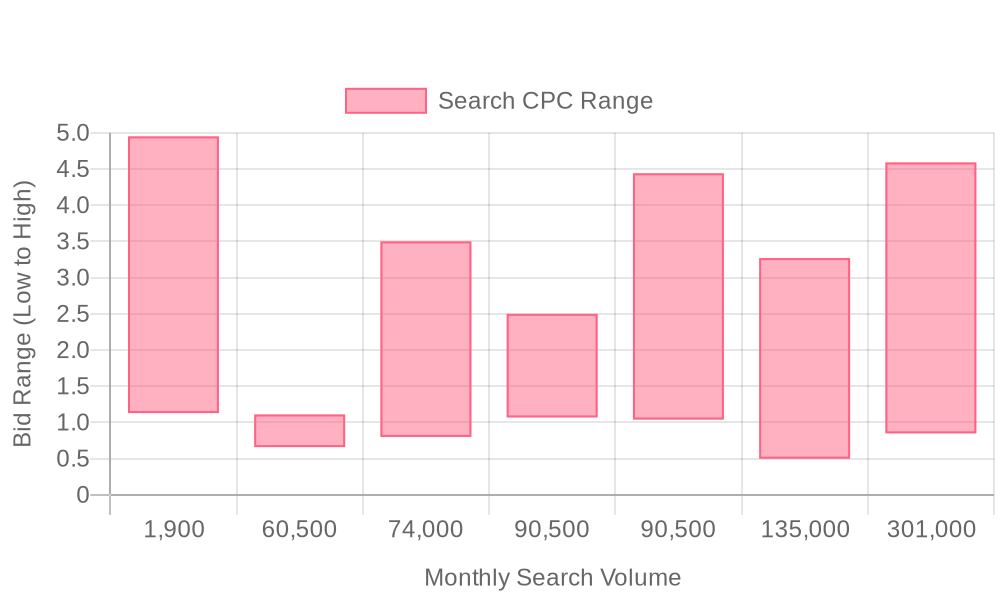
| Industry | Keyword | Monthly Search Volume | Competition Level | Low Bid | High Bid |
| Health Products | health products | 1900 | HIGH | 1.13 | 4.95 |
| Health Products | align probiotic | 60500 | HIGH | 0.66 | 1.11 |
| Health Products | probiotics for women | 74000 | HIGH | 0.8 | 3.5 |
| Health Products | seed probiotics | 90500 | HIGH | 1.07 | 2.5 |
| Health Products | vital proteins collagen peptides | 90500 | HIGH | 1.04 | 4.44 |
| Health Products | omega xl | 135000 | HIGH | 0.5 | 3.27 |
| Health Products | probiotics | 301000 | HIGH | 0.85 | 4.59 |
Building a robust keyword strategy for health product campaigns starts with prioritizing high-intent, compliance-friendly search terms. By focusing on keywords that reflect real user intent, such as “buy allergy relief supplements online” or “FDA-approved sleep aids near me”, marketers capture audiences who are ready to purchase while minimizing the risk of policy violations. The language used in these keywords must remain factual and avoid unsubstantiated claims, aligning with Google Ads healthcare policy requirements and preventing unnecessary disapprovals or wasted budget.
Effective health product advertising also depends on the strategic use of negative keywords. Integrating negatives like “free trial,” “miracle cure,” or “unproven remedy” ensures that ads exclude unqualified traffic and avoid audiences unlikely to convert or those that could trigger compliance reviews. As market trends shift and new health topics emerge, it is critical that negative keyword lists are updated in real time. Leveraging intent signals, marketers can continuously refine their keyword lists, ensuring that only the most relevant, policy-compliant searches trigger ads.
Region-specific keyword targeting is essential for local health product campaigns. Health services and product availability often depend on local regulations, so using keywords like “OTC pain relief San Diego” or “certified telehealth provider Texas” helps focus spend where conversions are most likely. Dynamic audience solutions can enhance this approach by updating targeting lists as local demand and regulatory environments evolve. By syncing CRM data and real-time visitor insights with ad platforms, marketers ensure campaigns remain tightly aligned with both regional compliance and customer needs, unlocking greater efficiency and higher ROI for health and wellness campaigns.
Step-by-Step Campaign Execution Framework

Step 1: Build Targeted Keyword Lists
Effective health product campaigns begin with meticulously curated keyword portfolios that prioritize high-intent, compliance-friendly search terms. By focusing on language that aligns with regulatory standards and directly addresses common patient or provider pain points, advertisers ensure each click represents a qualified lead with genuine purchase or inquiry interest. Localizing keyword sets further sharpens reach, allowing campaign managers to target users searching for health solutions within specific cities, regions, or healthcare systems. This nuanced approach not only improves ad relevance but dramatically reduces wasted spend on irrelevant or non-compliant queries. When integrated with visitor identification capabilities, B2B marketers can discern not just anonymous search traffic but attribute searches to specific companies or healthcare providers, elevating both targeting granularity and campaign ROI. For a practical list of popular pharmaceutical keywords to inform your targeting, see this resource.
Step 2: Develop Compelling Ad Copy
Health and wellness advertising demands a heightened level of audience trust, making compliance and transparency central to ad messaging. Copywriters should address industry-specific concerns such as patient safety, regulatory adherence, and efficacy, while clearly communicating unique offers like risk-free trials or seasonal discounts. Personalization must fall within policy constraints, but leveraging real-time intent data ensures messaging dynamically adapts to user needs and funnel stage. Marketers who harness behavioral insights can direct premium copy and promotions to high-converting accounts, increasing the likelihood of engagement among both care providers and procurement teams. As leads progress, dynamic audience updates keep segmentation accurate, ensuring each ad variation remains relevant and context-aware.
Step 3: Design Effective Landing Pages
Landing pages for health product campaigns require a rigorous approach to compliance and conversion optimization. Each page should mirror ad intent, prominently displaying certifications, clinical endorsements, or regulatory proofs that reduce perceived risk for buyers. Mobile responsiveness is critical, as decision-makers increasingly evaluate solutions on the go. Conversion pathways, such as demo requests or sample sign-ups, must be streamlined and device-optimized to capture every qualified lead. Integration with advanced attribution systems allows marketers to connect digital engagement to offline outcomes, such as sales consultations or procurement meetings, providing a holistic picture of marketing impact across the buyer journey. For more guidance on healthcare landing page policy compliance, refer to this overview.
Step 4: Implement Data-Driven Optimizations
Optimizing health product campaigns relies on leveraging real-time engagement and conversion data to refine bidding, messaging, and audience allocation. Smart bidding strategies can adapt budgets instantly toward the highest-performing segments, while ongoing A/B testing of copy and landing experiences uncovers valuable insights about what resonates with each audience cohort. Importing offline conversion events, such as contract signings or in-person consultations, rounds out digital analytics, ensuring optimization accounts for every meaningful interaction. By syncing enriched CRM data and updated audience segments into platforms like Google Ads and leading marketing automation tools, revenue teams maintain full visibility and control, resulting in more personalized engagement and measurable ROI improvements across the health product sales cycle. To see the benefits of seamless campaign optimization in action, get started for free with Sona.
Tips on Expanding Your Health Products Presence
Expanding the presence of health products requires a blend of strategic visibility, data-driven content, and trusted brand partnerships. B2B marketers see the greatest ROI by orchestrating campaigns that consistently deliver value and credibility across every digital channel. Explore practical tactics in the Sona blog or get started for free with Sona to accelerate your growth.
- Cross-promote educational content: Distribute educational health resources across email, social media, and paid channels to maximize reach. For example, a well-researched blog post on new supplement research can be adapted into short-form video, featured in webinars, and used as gated content for lead generation. Cross-channel promotion ensures your expertise is consistently reinforced, building brand authority and nurturing trust with both practitioners and buyers. Marketers who integrate their educational assets across platforms also benefit from better audience feedback, helping to refine messaging and resource allocation for future campaigns. Review strategies for health and wellness ads to optimize your educational initiatives.
- Leverage advanced bidding and analytics: Employ advanced bidding strategies that dynamically adjust based on live analytics, driving spend towards the highest-converting health product audiences. By using custom indicators, such as in-market behavior or engagement with specific product pages, revenue teams can prioritize budget where intent is strongest. When marketers integrate unified data platforms, they unlock real-time insights into which accounts are surging in interest, enabling them to shift spend and update creative content within hours, not weeks. This approach ensures health and wellness ads are always aligned with current demand signals.
- Collaborate with health organizations: Strategic partnerships with health-focused organizations elevate brand reach and credibility. Joint webinars, research releases, or co-branded guides provide instant authority and tap into established communities. These collaborations not only amplify distribution but also drive qualified leads from trusted third parties. Marketers who sync their CRM and ad audiences can seamlessly nurture new contacts from these initiatives, ensuring every co-marketing effort translates into measurable pipeline growth.
- Extract insights from search data: Analyzing search trends around health product topics uncovers emerging needs and acquisition gaps. For example, tracking spikes in queries related to new supplements or regulatory changes can inform timely content development and campaign pivots. To ensure your efforts remain compliant and effective, review Google Ads healthcare policy compliance. When marketers connect these insights to their advertising and CRM systems, they can quickly launch tailored campaigns to address new demand, ensuring their health product marketing stays both relevant and compliant. This data-driven feedback loop becomes a foundation for continuous innovation and sustained audience growth.
Beyond Google Ads: Winning the AI Answers Health Products Buyers Now Trust
Paid search captures demand the moment someone types a query. But a growing share of health products buyers no longer start at Google at all. They ask ChatGPT, Gemini, or Perplexity before they run a search, and Google's own AI Overviews increasingly summarize an answer above the traditional results. If your business isn't referenced in those AI answers, you're invisible at the exact moment buyers build their shortlist.
Sona AI Visibility shows where your business shows up across ChatGPT, Gemini, Perplexity, Google AI Overviews, and 10+ engines, and, much like a keyword report, which prompts actually send you buyers, so you can prioritize the ones that convert. Run the two together and you cover the entire buyer path: get cited where buyers research (AI Visibility), then prove which of that demand turns into booked revenue (Marketing Measurement).
Helpful resources
Conclusion
Health products advertising rewards the marketers who treat compliance as a design constraint rather than an obstacle, and who connect ad spend to actual bookings rather than form fills. That combination, precise targeting plus closed-loop measurement, is what separates campaigns that scale from campaigns that plateau at their initial CPL.
The next shift is already underway: buyers are asking AI assistants for health product recommendations before they ever open Google. Pairing Google Ads with AI Visibility now means your brand is positioned for both search paths, not just the one that's been around longest.
Ready to elevate your advertising? Start for free to see the platform in action.
FAQ
What are the best practices for advertising health products on Google Ads?
Best practices include precise targeting, regulatory compliance, leveraging data-driven strategies, and setting clear campaign goals linked to business outcomes.
How can I ensure my Google Ads for health products are compliant with regulations?
Ensure compliance by researching health-related keywords that align with Google Ads policies, avoiding unverified medical claims, and integrating modern tracking and data platforms.
What budget should I allocate for Google Ads in the health sector?
Budget allocation should align with clear, measurable objectives and the priorities of patient acquisition, lead generation, or direct-to-consumer product sales.
What types of health products can be advertised on Google Ads?
Health products such as nutritional supplements, medical devices, telehealth services, and more can be advertised, provided they align with Google's ad policies.
How do I create effective Google Ads campaigns for health and wellness?
Create effective campaigns by conducting compliant keyword research, segmenting campaigns by health categories, developing trust-focused ad copy, and optimizing spend using performance data.







