


Health device buyers rarely start their search with a brand name. A hospital procurement director typing "FDA-cleared infusion pump supplier" or a clinic administrator comparing HIPAA-compliant telehealth vendors is already deep in a purchase cycle, and Google Ads is often the first touchpoint that can capture that intent. But healthcare advertising carries constraints most sectors never face, from device classification rules to claims restrictions, so campaigns have to be built for compliance from the first keyword. This guide walks through how health device marketers can structure Google Ads campaigns that respect those constraints while still converting high-intent clinical and institutional buyers into pipeline.
How to Generate Health Device Leads with Google Ads: A Step-by-Step Guide

Digital-first health device companies are redefining their lead generation strategies by prioritizing high-intent targeting, compliance, and measurable outcomes. Effective B2B medical device marketing now leverages Google Ads for Health Devices to connect with decision-makers at every stage of the buying journey, ensuring that every ad dollar is accountable and performance-driven.
Integrating Google Ads into your health device marketing mix requires more than setting up campaigns, it demands a data-driven foundation that aligns with strict healthcare advertising regulations and buyer intent. The following framework outlines how to execute search and display advertising with precision, delivering valuable leads through actionable, compliant tactics. For additional strategies and expert insights, explore our B2B marketing guides.
- Data-Driven Keyword Strategy: Health device marketers must identify keywords that resonate with clinical buyers, procurement teams, and healthcare professionals. This involves analyzing search volumes, competitive benchmarks, and compliance restrictions to focus spend on high-intent queries like "FDA-approved cardiac monitors" or "medical imaging devices for hospitals." Sona surfaces in-market intent signals, allowing marketers to prioritize keywords that drive qualified, sales-ready leads. Unifying search query data with CRM and pipeline insights ensures keyword lists remain relevant as market conditions shift, optimizing every bid for maximum impact.
- Targeted Audience Segmentation: Healthcare PPC campaigns require granular audience definitions based on specialty, institution type, and stage in the purchasing process. Segmentation strategies include targeting hospital procurement, outpatient clinics, and integrated health systems with tailored messaging. Sona's Identity Resolution turns previously anonymous website visitors into identified companies and contacts, syncing these enriched audiences directly into Google Ads. This dynamic audience updating ensures ongoing engagement with decision-makers as they progress through the funnel, increasing conversion efficiency and reducing wasted impressions.
- Landing Page Optimization: Conversion-driven landing pages for medical device advertising must address regulatory compliance, clinical value, and clear calls-to-action. Pages optimized for healthcare digital strategy highlight certifications, clinical outcomes, and technical specifications while aligning content with ad copy for policy compliance. Integrating advanced tracking enables granular attribution of leads generated both online and offline, measuring true ROI across multiple touchpoints and informing ongoing optimization. Linking landing page data with CRM systems provides a continuous feedback loop, revealing which messages, forms, and offers drive the highest-value interactions.
- Cross-Channel Integration: Health device marketers achieve greater reach and efficiency by coordinating Google Ads for Health Devices with email, events, and outbound sales. Real-time intent data helps shift budget toward accounts showing active research behavior, while CRM integration ensures that new leads are automatically nurtured across touchpoints. Offline conversions, such as demo requests or sales calls, are tracked and attributed back to the originating ad, creating a unified view of campaign performance. This closed-loop approach enables revenue teams to scale spend on the channels and keywords that consistently drive pipeline and revenue.
In competitive medical device advertising, the gap between missed and captured opportunities often comes down to speed: whoever identifies, engages, and converts a high-value prospect first wins the deal. Dynamic audience syncs, unified CRM attribution, and a disciplined keyword strategy let health device marketers turn Google Ads spend into measurable pipeline rather than anonymous clicks. If you're ready to put these strategies into action, get started for free with Sona and unlock the tools needed for compliant, high-impact health device lead generation.
Why Does Google Ads Matter for Health Devices
Health device marketing demands precision, tight compliance, and fast response to evolving market needs. Digital-first buyers, from procurement directors to clinical decision-makers, search for solutions at critical moments, making Google Ads a vital lever for immediate, high-intent engagement. For strategic tips on optimizing your campaigns, explore this guide to Google Ads best practices for healthcare.
- Complex, Specialized Audience: Google Ads excels at surfacing health devices to the right users, such as hospital administrators or clinicians, when they are actively searching for compliant, innovative technologies. By leveraging advanced targeting filters, marketers avoid broad, imprecise outreach and capture only those with the highest purchase intent. Enhance your targeting with real-time audience segmentation to reach the right buyers at the right stage.
- Regulatory Constraints: The medical device sector must navigate strict legal requirements, ensuring each impression and click aligns with evolving compliance standards. Google Ads makes it possible to customize campaigns by region or certification status, reducing risk and helping teams avoid costly account suspensions. Integrated tools can further minimize errors by automatically flagging policy violations in ad copy or landing pages before launch, learn more in our healthcare policy compliance overview.
- Immediate Demand Response: Timeliness is essential in healthcare. Google Ads delivers instant visibility during urgent scenarios like product launches, recalls, or health emergencies. Campaigns can be automatically triggered based on real-time intent signals, such as spikes in disease outbreaks or regulatory updates, so teams never miss windows of high demand.
- Geographical Reach: Breaking into new health markets requires precise, region-specific targeting. Google Ads allows advertisers to tailor messaging, imagery, and callouts to match local regulations and cultural expectations. Dynamic segmentation ensures that only in-market, qualified leads see relevant device promotions, amplifying ROI and lowering wasted spend. For additional strategies, visit our blog on B2B marketing best practices.
Decision-makers in medical device marketing benefit from advanced visitor identification, revealing which healthcare organizations are engaging before form submissions occur. Real-time audience scoring updates campaign priorities as high-intent leads move through the funnel, so teams can focus spend on accounts most likely to convert. This level of digital marketing for healthcare ensures that every dollar works harder, supporting compliance, accelerating sales cycles, and driving measurable growth for health device providers. To see these insights in action, get started for free with Sona.
Common Types of Google Ads Campaigns for Health Device Services

Modern medical device marketers navigate a highly regulated environment that demands both precision and adaptability at every funnel stage. Strategic use of Google Ads for Health Devices ensures that compliance is met without sacrificing campaign effectiveness or ROI. For further guidance on maintaining regulatory standards, see this overview of Google Ads and HIPAA compliance.
The healthcare sector often struggles with generic campaigns that overlook the nuanced needs of healthcare professionals and institutional buyers. Leading teams now leverage segmentation and dynamic audience building to craft messaging that aligns with distinct market segments, moving beyond basic demographic targeting to firmographic and behavioral signals.
- Search Campaigns: High-intent searches, such as queries for specific FDA-approved devices or advanced diagnostic tools, yield some of the most qualified leads for health device marketers. Well-structured search campaigns capture this intent, converting direct interest into valuable contacts by matching ad copy with compliant, relevant keyword sets. Data-driven teams boost performance by integrating CRM signals, identifying which keywords drive bottom-funnel actions and reallocating budgets toward those that correlate with sales-qualified leads.
- Display Ads: Visual brand presence on medical publisher sites, healthcare news, and clinical resource platforms keeps health device solutions top-of-mind among decision-makers. These campaigns reinforce awareness and foster trust, particularly for complex or innovative technologies. By utilizing advanced visitor identification, marketers can serve display ads to organizations already expressing interest, refining ad placements to maximize reach within target accounts.
- Video Ads: Motion and narrative simplify the communication of complex product features, clinical benefits, or procedural advantages. Video campaigns enable storytelling that educates and persuades, especially for surgeon-focused or hospital administrator audiences. Marketers increase conversion rates by deploying video ads to dynamically updated audiences, ensuring only the most relevant viewers receive advanced product demonstrations or testimonial-driven narratives.
- Remarketing: Retargeting is critical for re-engaging healthcare professionals and organizations that have previously interacted with your content but have not yet converted. In the highly regulated health device landscape, compliant remarketing avoids personalization based on sensitive health conditions and instead focuses on re-engaging based on firmographic and engagement data. By syncing enriched lead and account data directly into Google Ads, marketers ensure remarketing lists evolve in real time, targeting only those who demonstrate legitimate commercial intent without crossing compliance boundaries.
Segmenting campaigns by vertical, company size, or buying stage eliminates wasted spend and allows for hyper-personalized outreach that resonates with each unique market segment. When medical device advertisers unify their go-to-market data, they gain full visibility into which campaign types and tactics generate the highest engagement, enabling a continuous optimization cycle and maximizing healthcare PPC results.
Where to Find Growth Opportunities?
B2B revenue teams in health device markets can uncover growth opportunities by combining market intelligence with advanced digital tools. The most effective strategies rely on leveraging both competitor insights and AI-driven data to identify buyer intent across the funnel.
- Competitor Analysis: Analyzing competitors’ Google Ads strategies reveals underserved audience segments and overlooked verticals. By monitoring ad placements, keyword focus, and landing page tactics, teams can pinpoint gaps in the current healthcare advertising landscape. Marketers who use technology to identify which companies are visiting their site, rather than relying on anonymous traffic, create a crucial advantage in understanding true market demand.
- Keyword Targeting: Deploying vertical-specific keywords allows health device marketers to penetrate niche segments with higher intent. Using intent-rich search terms like “FDA-cleared glucose monitors” or “HIPAA-compliant telehealth devices” attracts professionals actively researching compliant solutions. Real-time data platforms update high-performing keyword lists as market behavior shifts, ensuring Google Ads for Health Devices campaigns remain optimized for ROI.
- Content Retargeting: Distributing educational assets, such as whitepapers or product demos, supports multi-touch content marketing strategies. By integrating health device buyer journey data, marketers can retarget only those prospects who engage with high-value assets, rather than all site visitors. Dynamic audience solutions automatically refresh retargeting pools as leads progress through the funnel, increasing conversion rates for medical device marketing.
Without predictive analytics, it's nearly impossible to separate casual researchers from in-market buyers. AI-powered predictive scoring models let marketers focus ad budgets on accounts exhibiting clear buying signals, such as repeated site visits or engagement with clinical efficacy content. Teams that sync enriched lead and account data into Google Ads and connected CRMs maximize the impact of each campaign, keeping marketing and sales aligned on high-value health product advertising opportunities.
How to Apply Audience Segmentation for Health Devices
Effective audience segmentation is the cornerstone of high-performing medical device advertising. By narrowing your targeting to the most relevant healthcare organizations and decision-makers, you reduce wasted spend and increase your ability to deliver precisely tailored messages. For health device marketers, this approach is vital in a landscape where compliance, personalization, and measurable outcomes define campaign success. To deepen your understanding of medical device ad restrictions, review this summary of common Google Ads restrictions for medical devices.
- Define Segments: Start by segmenting audiences based on primary use cases and buyer personas. For example, distinguish between hospitals and ambulatory clinics, or segment by device category such as wearables versus surgical instruments. This granularity allows digital marketing for healthcare to speak directly to each group’s unique procurement cycles and compliance concerns. Marketers who segment by clinical specialty or organization size often observe higher engagement and improved lead qualification.
- Intent Signal Overlay: Beyond basic demographic or firmographic data, overlay intent signals that indicate a readiness to engage. For instance, identify hospitals searching for device maintenance services or clinics looking to upgrade diagnostic platforms. With the ability to sync real-time behavioral and in-market signals from your CRM and ad platforms, your health product advertising can dynamically prioritize accounts showing immediate buying intent. This integration ensures that high-value, in-market prospects receive specialized messaging, maximizing your healthcare PPC impact.
- Ad Group Customization: Tailor your ad creative and landing pages to the priorities of each segment. For wearable device buyers, focus on patient adherence, while for surgical device decision-makers, highlight clinical workflow integration and regulatory approval status. Customizing ad groups based on live funnel data and buyer movement enables your Google Ads for Health Devices campaigns to evolve with each prospect’s journey. Leveraging dynamic audience updates, marketers ensure their messaging remains relevant, driving higher conversion rates and advancing deals with greater speed.
Disconnected intent signals and generic audience definitions erode conversion rates and limit ROI. By unifying audience data, intent insights, and CRM records, marketers in the medical device sector can orchestrate seamless, cross-channel campaigns. This holistic approach delivers consistent, compliant messaging across all digital touchpoints, ensuring visibility among key healthcare buyers while maintaining Google Ads compliance at every stage.
This is also where measurement changes the economics. With Sona Marketing Measurement you can identify the companies behind your ad clicks, not just anonymous sessions, and segment audiences by which accounts actually become customers. That lets you build bid adjustments and audience signals around the segments that convert and de-prioritize the ones that don't, so you feed Google's algorithms "this click became a paying health devices customer" instead of just "someone filled out a form."
Keyword Strategy & Sample Target Terms
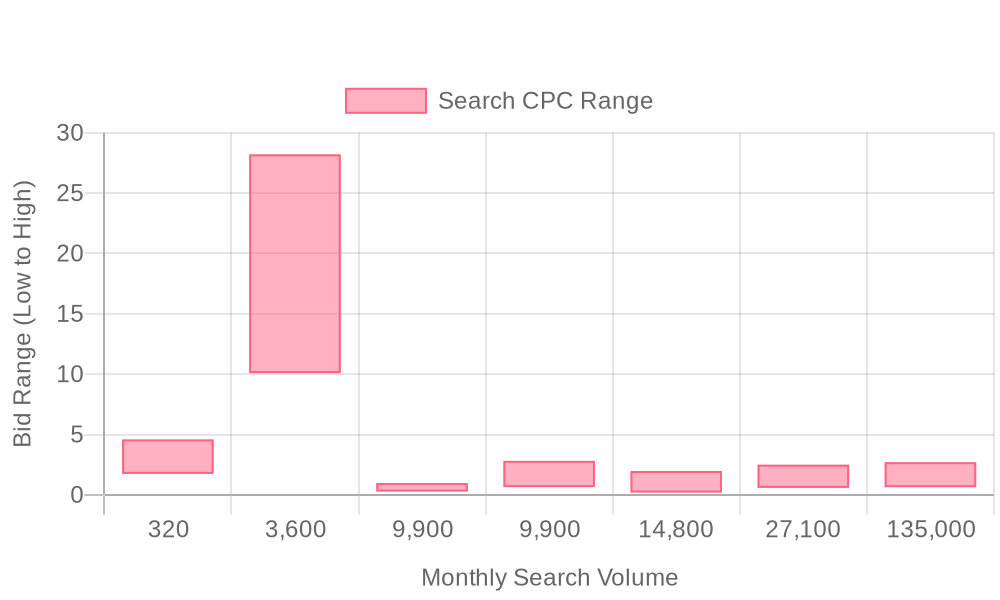
| Industry | Keyword | Monthly Search Volume | Competition Level | Low Bid | High Bid |
| Health Devices | health devices | 320 | HIGH | 1.74 | 4.59 |
| Health Devices | medical alert systems for seniors | 3600 | HIGH | 10.09 | 28.21 |
| Health Devices | blood pressure watch | 9900 | HIGH | 0.28 | 0.98 |
| Health Devices | most accurate blood pressure monitor | 9900 | HIGH | 0.65 | 2.82 |
| Health Devices | fitness trackers | 14800 | HIGH | 0.2 | 1.98 |
| Health Devices | blood pressure machine | 27100 | HIGH | 0.58 | 2.5 |
| Health Devices | blood pressure monitor | 135000 | HIGH | 0.64 | 2.71 |
A robust keyword strategy anchors successful digital marketing for healthcare, especially in highly regulated spaces like health device advertising. Precision in keyword selection ensures campaigns reach qualified audiences actively searching for compliant medical device solutions, driving both discoverability and lead quality. For more insights on optimizing campaigns in this sector, explore the Sona blog.
Effective strategies blend high-intent, compliance-aligned keywords with negative keyword filters to exclude high-risk terms. This dual approach reduces wasted spend and prevents ad disapprovals due to non-compliant queries, a critical step in navigating healthcare PPC. Marketers can review healthcare ad restrictions for additional best practices and policy considerations.
Sona's Identity Resolution helps marketers pinpoint which companies and professionals are behind search queries, moving beyond anonymous traffic so advertisers can focus budget on accounts demonstrating genuine in-market activity for health devices. Sona surfaces intent signals showing which prospects are actively researching, enabling dynamic budget allocation toward high-converting segments.
Optimizing keyword lists involves continuous monitoring of search term reports, competitor benchmarking, and regular updates based on new product launches or regulatory shifts. Integrating CRM and ad platforms ensures that enriched audience segments, such as healthcare providers or hospital procurement teams, are synced directly into campaign targeting. This unification produces dynamic audiences that evolve as leads progress through the funnel, maintaining relevance and maximizing campaign ROI.
Sample target terms for Google Ads for Health Devices include:
- High-value keywords: "FDA-cleared infusion pumps," "remote patient monitoring devices," "medical device supplier"
- Compliance-focused keywords: "HIPAA-compliant telehealth tools," "ISO 13485 certified manufacturer"
- Intent-driven keywords: "buy blood pressure monitor for clinic," "bulk order medical sensors"
- Location-specific keywords: "medical devices distributor USA," "CE mark health devices Europe"
By leveraging these strategies, health device marketers create campaigns that not only comply with stringent advertising policies but also capture the highest quality leads, supporting scalable growth in a complex regulatory environment.
Step-by-Step Campaign Execution Framework
The landscape of Google Ads for Health Devices is shaped by continuous regulatory changes, complex buyer journeys, and a fragmented digital ecosystem. Delivering consistent, compliant messaging to the right healthcare professionals or purchasing teams demands a framework that is both precise and adaptive. For a deeper dive into evolving ad restrictions and compliance in this sector, see this overview of healthcare ad restrictions and best practices.
This step-by-step execution approach empowers B2B revenue teams to maximize their digital marketing for healthcare investments. By integrating unified data, audience insights, and rigorous optimization, marketers can accelerate qualified pipeline generation while maintaining strict Google Ads compliance. Explore additional strategies for maximizing healthcare digital marketing ROI.
Step 1: Build Targeted Keyword Lists
Curating keyword lists tailored by device category, clinical application, and geography is foundational for effective healthcare PPC. Health device marketers need to map high-intent, compliant search terms to decision-maker pain points, such as "FDA-cleared cardiac monitoring device" or "hospital-grade ventilators." Layering in geo-modifiers and medical terminology ensures relevance and adherence to policy restrictions, while negative keywords proactively filter out non-compliant or low-value traffic.
Unified data platforms streamline this process by consolidating intent signals from CRM, previous campaigns, and third-party research. Marketers can pinpoint the real organizations searching for health product advertising solutions, increasing the efficiency of every dollar spent.
The upgrade most health devices advertisers miss is going beyond raw keyword volume to layer in intent and identity signals. By connecting website-visitor data and CRM records with Sona Marketing Measurement, you can see which specific search terms bring in the accounts and customers that actually convert, and weight your keyword and bidding strategy toward those rather than the terms with the highest search volume alone.
Step 2: Write Compelling, Compliant Ad Copy
Ad copy in medical device advertising must balance regulatory precision with trust-building language. Headlines should highlight clinical benefits, regulatory approvals, and intended use cases, steering clear of prohibited claims or unsubstantiated guarantees. For example, using “Supports clinician workflow” instead of “Cures chronic conditions” aligns with Google Ads compliance guidelines and builds credibility with healthcare buyers.
Real-time audience insights allow teams to tailor messaging dynamically as new clinical needs or regulatory updates emerge. By identifying which companies or accounts are actively researching specific device types, marketers can refine their ad copy to address urgent procurement challenges or highlight newly approved features, increasing relevance and engagement.
Step 3: Design Effective, Conversion-Focused Landing Pages
Landing pages for medical technology campaigns require clarity, trust signals, and frictionless calls to action. Compliance is reinforced through transparent disclosures, device classifications, and regional certifications visible above the fold. Conversion elements, such as demo requests or whitepaper downloads, should align with each buyer stage, from early research to final vendor selection.
Enriched visitor data enables tailored experiences for each segment. For instance, hospital procurement teams can see case studies relevant to their region or specialty, while clinicians are guided to evidence summaries or technical validations, improving both conversion rates and sales qualification quality.
Step 4: Execute Data-Driven Optimizations
Healthcare digital strategy demands relentless optimization, leveraging both quantitative and qualitative feedback. A/B testing of headlines, landing page layouts, and calls to action surfaces the highest-performing combinations, while granular analysis of conversion paths reveals bottlenecks or compliance risks.
Integrating advanced attribution connects every Google Ads touchpoint, online or offline, with CRM outcomes. Dynamic audience management ensures that as leads demonstrate new buying signals or move through the funnel, they are automatically prioritized for retargeting, exclusion, or tailored messaging. This boosts ROI and aligns every campaign with evolving regulatory and market realities, letting revenue teams focus effort where pipeline impact is greatest.
Sona Marketing Measurement closes the gap between clicks and revenue. It captures ad click data with first-party measurement rather than third-party cookies, ties that click through UTM capture and ad-platform APIs to the actual record in your CRM, and reports ROAS by keyword and campaign instead of by last-click form fill. Feeding that revenue signal back into Smart Bidding and Performance Max compounds over time: the algorithms optimize toward booked health devices revenue, not cheap leads.
Tips on Expanding Your Health Device Presence
Maximizing your health device company’s digital footprint demands sharp coordination between awareness and acquisition. Precision in campaign structure and messaging can unlock market segments that traditional outreach methods often miss. Explore actionable strategies for account-based marketing to further refine your targeting and streamline acquisition efforts.
- Cross-Promoting Educational Content: Health device buyers value clarity and evidence. Cross-promote educational assets, such as clinical podcasts, webinars, or explainer videos, across channels to reinforce trust and authority. These assets fuel retargeting strategies that align with ongoing health campaigns, creating a feedback loop where engaged visitors see tailored follow-ups based on their content interactions. When enriched with first-party data, these retargeting pools allow for dynamic messaging that adapts as prospects move from research to consideration, driving higher engagement rates with each touchpoint.
- Partnering with Health Associations: Strategic alliances with reputable health associations offer access to pre-qualified, vetted audiences. Co-branded campaigns benefit from the credibility of the association and unlock expanded targeting opportunities in healthcare advertising. By integrating association membership data into your campaign audience, you can sync high-value leads into Google Ads and CRM platforms, ensuring that messaging is always relevant to the needs and interests of healthcare professionals or institutional buyers. For guidance on navigating Google Ads restrictions for medical device companies, visit this resource. This method reduces wasted spend and increases the likelihood of meaningful conversions.
- Localized Campaigns: Regional market dynamics greatly influence health device demand and regulatory requirements. Deploy hyper-localized campaigns in strategic regions to address local compliance, language, and patient needs. Use geo-targeting to tailor ad copy and landing pages by location, while syncing regional sales and marketing insights to refine audience segments in real time. Audience lists that update automatically as new leads come in or move through the funnel let you scale successful tactics across priority areas without manual intervention.
A harmonious integration of sales and marketing signals ensures each ad message resonates with the precise needs of buyers at every stage. As marketing data syncs seamlessly with sales workflows, teams gain a unified view of which campaigns drive pipeline impact, enabling ongoing optimization for superior ROI.
Beyond Google Ads: Winning the AI Answers Health Devices Buyers Now Trust
Paid search captures demand at the moment someone types a query. But a fast-growing share of health devices buyers no longer start at Google at all, they ask ChatGPT, Gemini, or Perplexity before they ever run a search, and Google's own AI Overviews increasingly summarize an answer above the traditional results. If your business isn't referenced in those AI answers, you're invisible at the exact moment buyers build their shortlist.
Sona AI Visibility shows where your business shows up across ChatGPT, Gemini, Perplexity, Google AI Overviews, and 10+ engines, and, much like a keyword report, which prompts actually send you buyers, so you can prioritize the ones that convert. Run the two together and you cover the entire buyer path: get cited where buyers research (AI Visibility), then prove which of that demand turns into booked revenue (Marketing Measurement).
Helpful resources
Conclusion
Health device buyers are getting harder to reach through search alone, more of them start with AI tools before a Google query, and pull budgets tighter as compliance scrutiny increases. The advantage now goes to teams who pair compliant, intent-driven Google Ads campaigns with real attribution, so every dollar spent can be traced to a booked customer rather than a form fill. That's the shift worth making next.
Ready to put these strategies into action? Start for free to see how identity resolution and marketing measurement can sharpen your health device campaigns.
FAQ
What are the Google Ads policies for health devices?
Google Ads policies for health devices require compliance with strict legal requirements, including customization by region or certification status to reduce risk and avoid account suspensions.
How can I create compliant Google Ads for medical devices?
Creating compliant Google Ads for medical devices involves ensuring ad copy highlights clinical benefits and regulatory approvals, without making prohibited claims or unsubstantiated guarantees.
What strategies can I use to optimize Google Ads for health products?
To optimize Google Ads for health products, use a data-driven keyword strategy, targeted audience segmentation, and conversion-focused landing pages, while integrating CRM and real-time intent data.
What are the common restrictions for advertising health devices on Google?
Common restrictions include aligning each impression and click with evolving compliance standards and avoiding non-compliant queries to prevent ad disapprovals.
How do I apply for healthcare-related advertising on Google Ads?
To apply for healthcare-related advertising, ensure your campaigns are compliant with Google Ads healthcare policy and integrate compliance measures into your ad copy and landing pages.







