


A pet owner searching "emergency vet near me" at midnight and a purchasing manager sourcing bulk livestock antibiotics are both animal health customers, but they need entirely different Google Ads approaches. The channel's strength is precision: reaching veterinary clinics, animal hospitals, and pet product retailers at the moment they search, rather than hoping broad awareness eventually pays off. For companies selling animal health products, that means connecting with buyers driven by specific needs or urgent queries, "veterinarian near me" or "emergency pet health solutions" among them, and turning that intent into a sale before a competitor does.
How to Generate Animal Health Product Leads with Google Ads: A Step-by-Step Guide

Unlocking high-value leads in the animal health sector requires precise, data-informed digital marketing strategies. By focusing on the quality of inbound prospects and streamlining campaign efforts, revenue teams can capture intent-driven buyers and maximize return on ad spend. To further refine your approach, check out this step-by-step guide for marketing pet products on Google Ads, which is especially useful for e-commerce and pet industry marketers.
Modern marketing systems can enrich CRM records with behavioral insights from Google Ads campaigns, letting teams prioritize outreach, sharpen lead scoring, and redirect budget toward the channels and audiences showing the strongest buying signals. Sona's Identity Resolution reveals which companies are engaging with your campaigns, even before anyone fills out a form, turning anonymous traffic into working pipeline.
- Precise keyword and audience targeting tailored for animal health: Granular keyword research, split across veterinary practice needs, pet owner concerns, and livestock producer terms, ensures ads reach only genuine buyers rather than casual pet-care browsers. With enriched CRM data, marketers sync segmented audiences directly into search and display campaigns, focusing spend on veterinary buyers and decision-makers as they move through a sales cycle that often mixes online research with in-clinic or distributor purchasing. For further guidance, explore our actionable marketing playbooks.
- Aligning landing pages and creative content for optimal conversion: Custom landing pages and tailored creative give each targeted segment, clinic, retailer, or individual pet owner, a relevant experience. Company-level visitor identification allows for personalized messaging and ensures both online and offline touchpoints get captured for holistic attribution. Learn how to measure marketing's influence on deals with our guide to pipeline attribution.
- Implementing performance optimization tactics to ensure consistent improvement: Continuous monitoring, combined with real-time intent data, supports agile budget allocation and A/B testing. Marketers can shift spend toward high-converting accounts, refine messaging based on engagement, and automate negative keyword updates to cut wasted spend on searches like generic pet-care questions that rarely convert. Dive deeper with our marketing analytics blog.
- Integrating cross-channel methods to elevate your marketing ecosystem: True campaign efficiency extends beyond Google Ads. Syncing CRM-enriched audiences across search, social, and programmatic channels enables unified messaging and retargeting, ensuring that animal health prospects receive timely, relevant follow-ups wherever they engage. Discover best practices for cross-channel integration with our ultimate B2B marketing report guide.
- Ensuring compliance with industry regulations specific to animal health: Regulatory compliance is non-negotiable in animal health product promotion. Ad campaigns must adhere to Google Ads policies on healthcare and medicines, including prescription products and veterinary advertising. Automated compliance checks and audience exclusions help protect brand reputation and campaign eligibility in regulated markets.
Why Does Google Ads Matter for Animal Health Products?

Data-driven digital marketing is transforming how animal health product companies reach decision makers and pet owners. Marketers can now deliver precise campaigns that connect with veterinarians and consumers searching for targeted solutions, driving measurable results with each click. Explore more strategies in our collection of actionable guides or learn about Google's advertising policies for healthcare and medicines.
- Complex, Specialized Audience: With Google Ads for Animal Health Products, marketers can segment and reach specific veterinary professionals or pet owners based on their intent and search behavior. This approach filters out irrelevant traffic, ensuring that budget is focused on prospects most likely to convert with real-time audience segmentation.
- Immediate Need Fulfillment: Google Ads gives instant visibility for urgent animal health queries, helping brands reach high-intent buyers, an owner searching for emergency care, a clinic restocking a discontinued product, at the moment they're looking. Advanced platforms can identify the companies behind anonymous site visits, giving marketers the context to tailor timely follow-up.
- Emerging Regions Visibility: Precision targeting allows campaigns to reach underserved markets or emerging regions where traditional channels may not have traction. This expands market share and uncovers new demand, especially for veterinary advertising and animal health product promotion in growth territories. Discover how audience data automatically syncs into ad platforms for seamless expansion.
- Integrated Data Analysis: Comprehensive analytics track the entire journey from click to conversion, linking digital engagement with offline sales or clinic visits. Integrating online and offline attribution ensures every marketing dollar is accounted for, while enriched audience data syncs directly into CRM and ad platforms for ongoing optimization.
Common Types of Google Ads Campaigns for Animal Health Products

- Search Campaigns: Search campaigns are essential for animal health brands aiming to capture high-intent traffic from pet owners, veterinarians, and purchasing managers. By targeting focused queries related to animal health products, these campaigns drive engagement from prospects already seeking solutions, whether that's a rancher searching for bulk vaccine pricing or a pet owner comparing flea treatments. Unified data platforms now let marketers pinpoint which accounts are searching for specific product categories by leveraging Sona's Identity Resolution, streamlining budget toward the most valuable search terms.
- Display Ads: Display ads offer an effective way to maintain brand presence across veterinary news sites, industry publications, and pet care forums. For animal health marketing, consistent visual exposure helps reinforce trust and educates both end-users and decision-makers on product innovations. Marketers can now leverage real-time audience segmentation to ensure display ads reach only those progressing in the buying cycle or demonstrating repeat interest, optimizing engagement at every stage.
- Video Ads: Video ads provide an interactive format to explain complex product benefits, demonstrate application techniques, or showcase real-world results in animal care. These campaigns perform well when targeting audiences conducting research on animal health solutions. With advanced engagement tracking, marketers can measure which organizations are viewing product videos and sync this intent data back into their CRM and ad platforms for precise follow-up.
- Remarketing: Remarketing is crucial for reconnecting with veterinary professionals or pet owners who have engaged with your website but stopped short of conversion. Effective remarketing ensures that high-value prospects stay top-of-mind and are encouraged to return when ready to purchase. Modern platforms enable marketers to identify previously anonymous site visitors and update remarketing lists in real time as leads progress through the funnel. For troubleshooting ad restrictions specific to animal health and pet products, consult this forum discussion on Google Ads disapprovals.
- Assets: Ad assets, such as call buttons, sitelinks, and structured snippets, let advertisers highlight certifications, customer reviews, and key differentiators directly in search results. For animal health product promotion, this added information can boost click-through rates and build credibility instantly. By syncing enriched CRM data with ad platforms, marketers ensure the most relevant and persuasive assets appear for each audience segment, supporting both compliance and conversion goals.
Where to Find Growth Opportunities
Modern animal health businesses need clear insight into where prospects engage with key content, from product pages to educational resources. Unifying digital touchpoints with company-level visibility reveals which organizations are currently in-market, letting marketing teams focus resources where intent is proven with Sona's Identity Resolution.
- Vertical keyword targeting: Pinpointing specialized keyword themes for animal health products ensures campaigns align with both niche and broad content strategies. This approach brings higher relevance and connects veterinary advertising to motivated buyers searching for solutions like preventative medicine, pet nutrition, or diagnostics. With real-time audience data, marketers can dynamically adjust these keyword sets to match shifting search intent, capturing high-value opportunities as soon as they emerge.
- Competitor analysis: Leveraging advanced platforms and tools, teams can monitor gaps in competing product or service offerings. Identifying where rivals underserve the market or neglect emerging trends empowers animal health brands to position their solutions strategically. When integrated with visitor identification capabilities, teams not only benchmark against competitors but also recognize which accounts are evaluating both their own and competitors’ content. For troubleshooting and insights into common advertising disapprovals, explore this forum discussion on pet product ads.
- Industry-specific placements: Targeting placements in respected veterinary publications, directories, and online forums connects animal health product promotion with highly qualified audiences. This strategy enhances digital marketing for animal health by positioning brands alongside trusted editorial content, increasing both reach and authority. For actionable tactics, browse the Sona blog to discover guides on audience targeting and campaign optimization.
- Content retargeting: Engaging prospects who have interacted with digital resources, such as e-books, webinars, or product guides, keeps brands top of mind throughout the buyer’s journey. By syncing enriched audience segments to ad platforms, marketers ensure that messaging reflects each lead’s current stage and interests. This creates seamless, personalized follow-ups that drive stronger conversion rates for veterinary clinic marketing and pet product advertising campaigns.
By combining granular behavioral insights with unified data, animal health marketers can systematically uncover growth opportunities and direct their resources toward the highest-impact areas, enabling measurable gains in ROI and competitive differentiation. For a deep dive into refining retargeting approaches, review retargeting strategies. To streamline your marketing efforts, get started for free with Sona.
How to Apply Audience Segmentation for Animal Health Products

Modern animal health marketers face the challenge of reaching diverse, high-value audiences while maintaining compliance and maximizing return on ad spend. Audience segmentation is the foundation for relevant messaging, efficient budget allocation, and measurable growth across both veterinary B2B and pet consumer markets. For marketers seeking practical strategies, this step-by-step guide for marketing pet products on Google Ads offers actionable insights specific to the pet and animal health industry.
- Define Segments: Start by mapping your core audiences according to their distinct needs. For animal health products, this often means differentiating between veterinary clinics, pet owners, and retail partners. Each group has unique decision processes and product value drivers. For example, clinics prioritize efficacy and regulatory compliance, while pet owners respond to educational content and product safety. Fine-tuned segmentation ensures creative and offers speak directly to each group, increasing engagement and conversion rates. Explore more segmentation frameworks in the Sona playbooks.
- Overlay Intent Signals: Effective digital marketing for animal health relies on more than surface-level segmentation. Sona surfaces intent signals, in-market search behavior or repeat website engagement, so marketers can prioritize prospects with higher purchase probability. Feeding these signals into CRM systems prevents fragmented data and disconnected intent scoring. With platforms that unify CRM, website, and ad engagement, marketers can quickly identify high-intent veterinary practices or emerging retail buyers, automatically shifting budget toward audiences most likely to convert.
- Create Ad Groups by Segment: For Google Ads for Animal Health Products, structuring ad groups by segment unlocks granular control over messaging and spend. Tailor ad copy, creative, and landing pages to the motivations of each segment. Allocate larger budgets to audiences showing stronger intent or higher LTV potential. Dynamic audience sync enables real-time updates as leads move through the funnel, ensuring campaigns always reflect the latest buyer journey insights. This approach drives stronger relevance and minimizes wasted impressions across veterinary advertising and pet product promotion. For more tactical execution, see this guide on integrating ad platform cost data with Google Analytics.
- Validate Conversion Paths: Accurate conversion tracking is critical for animal health product promotion, especially when sales cycles may bridge online and offline touchpoints. Connect ad click data to CRM records and offline appointments to gain a complete view of lead progression. Advanced attribution and audience sync make it possible to measure true ROI, linking digital campaigns to new veterinary clinic partnerships or increased retail orders. This closed-loop visibility supports continuous campaign optimization and validates spend against pipeline impact, not just clicks.
By applying structured segmentation, integrating real-time intent, and aligning measurement with actual business outcomes, revenue teams can elevate their PPC for veterinarians and animal health brands. Unified data and audience management transform Google Ads from a generic channel into a precision tool for sustained growth in the animal health sector. If you're ready to streamline your audience targeting and measurement, get started for free with Sona.
This is also where measurement changes the economics. With Sona Marketing Measurement you can identify the companies and buyers behind your ad clicks, not just anonymous sessions, and segment audiences by who actually becomes a customer. That lets you build bid adjustments and audience signals around the segments that convert and de-prioritize the ones that don't, so you feed Google's algorithms "this click became a paying animal health products customer" instead of just "someone filled out a form."
Keyword Strategy & Sample Target Terms
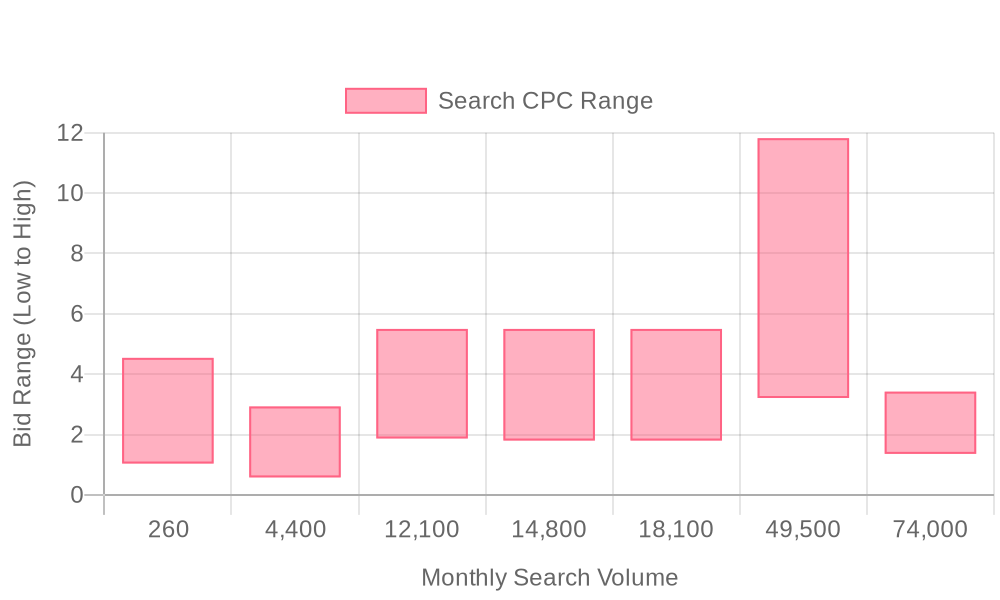
| Industry | Keyword | Monthly Search Volume | Competition Level | Low Bid | High Bid |
| Animal Health Products | animal health products | 260 | HIGH | 1.04 | 4.54 |
| Animal Health Products | dasuquin advanced for dogs | 4400 | HIGH | 0.58 | 2.93 |
| Animal Health Products | hill's science diet cat food | 12100 | HIGH | 1.87 | 5.5 |
| Animal Health Products | hill's science diet dog food | 14800 | HIGH | 1.8 | 5.5 |
| Animal Health Products | hill science dog food | 18100 | HIGH | 1.8 | 5.5 |
| Animal Health Products | raw dog food diet | 49500 | HIGH | 3.21 | 11.82 |
| Animal Health Products | probiotics for dogs | 74000 | HIGH | 1.36 | 3.42 |
A well-crafted keyword strategy is crucial for maximizing ROI in animal health product campaigns. By targeting both broad and highly specific terms, marketers capture demand from diverse audience segments, from general pet owners searching for over-the-counter solutions to veterinary professionals seeking specialized animal health products.
- Broad and specific terms: Build a core keyword list that includes broad industry terms like "animal health products," "veterinary medicine," "pet supplements," and "livestock health solutions." Supplement these with more granular, intent-driven phrases such as "buy animal vaccines online," "flea and tick control for dogs," and "equine joint supplements for sale." This layered approach drives both volume and highly qualified leads. For actionable tactics, explore these playbooks for marketing and sales.
- Local modifiers and negative keywords: Incorporate local geographic modifiers, such as city or region names, to connect with nearby buyers and veterinary clinics. For example, "veterinary clinic supplies in Austin" or "pet health products Los Angeles." Use negative keywords to block irrelevant traffic, ensuring the budget focuses only on in-market users and reducing wasted spend on unrelated queries. Get the details on Google’s advertising policies for healthcare and medicines to avoid compliance issues when targeting animal health terms.
- High-intent, purchase-aligned keywords: Prioritize keywords that signal readiness to purchase or a specific need, such as "order prescription pet medication," "bulk animal antibiotics," or "where to buy livestock vaccines." These terms attract buyers further along in the decision process, supporting efficient funnel progression and higher conversion rates. Integrating intent signals can further optimize targeting and ensure outreach to prospects showing strong purchase interest.
- Addressing FAQs and concerns: Integrate commonly searched questions and pain points, like "are pet supplements safe," "do I need a prescription for animal antibiotics," or "how fast is pet medication shipping", into both ad copy and landing pages. This not only increases relevance and Quality Score but also builds trust and addresses customer hesitations directly, improving engagement and conversion.
Leveraging unified data sources enables marketers to go beyond standard keyword research. By identifying which terms drive actual conversions (both online and offline), teams can iteratively refine their target terms and quickly shift spend toward keywords that deliver measurable results in animal health product promotion. Dynamic keyword lists, informed by real-time audience insights and enriched CRM data, ensure campaigns stay aligned with evolving customer intent and the latest veterinary advertising trends. For more on refining targeting, see retargeting strategies.
To see how unified data and dynamic targeting can elevate your animal health campaigns, get started for free with Sona.
Step-by-Step Campaign Execution Framework
Step 1: Build Targeted Keyword Lists
Effective Google Ads campaigns for animal health products begin with structured keyword lists that map directly to your offering. Clustering keywords by product type, dietary supplements versus medical devices versus vaccines, clarifies intent and sharpens targeting. Geographic qualifiers like "near me" or city-specific terms help ads surface where demand is highest, supporting both national distributors and local veterinary clinics. Because many animal health products sit near or inside regulated categories, it's worth reviewing Google's advertising policies for healthcare before launch, to avoid disapprovals tied to prescription claims or restricted pharmaceutical terms.
Long-tail queries play a crucial role by capturing high-intent searches from buyers with specific needs, such as “flea treatment for senior dogs” or “equine joint supplement online.” Integrating these queries helps you tap into detailed customer intent, reducing wasted spend on broad, less relevant clicks. Aligning keyword selections with your broader content marketing strategy creates a unified brand experience, reinforcing messaging across channels and supporting higher conversion rates.
Advanced platforms allow marketers to go beyond anonymous clicks by identifying visitor companies and segmenting audiences based on their digital behavior and account status. For teams managing large-scale animal health product promotion, dynamic audience capabilities ensure that targeting evolves in real time, keeping campaigns relevant as prospects move through the funnel.
The upgrade most animal health products advertisers miss is going beyond raw keyword volume to layer in intent and identity signals. By connecting website-visitor data and CRM records with Sona Marketing Measurement, you can see which specific search terms bring in the accounts and customers that actually convert, and weight your keyword and bidding strategy toward those rather than the terms with the highest search volume alone.
Step 2: Develop Compelling Ad Copy
Ad copy must address your audience’s pain points while clearly presenting product benefits. Headlines that directly reference customer concerns, such as “Fast Relief for Itchy Pets” or “Vet-Approved Supplements for Aging Horses”, resonate with buyers and increase ad relevance scores. Incorporating trust signals, such as certifications, clinical trial results, or endorsements from veterinary professionals, builds immediate credibility and reassures risk-averse decision-makers. For additional best practices tailored to this industry, explore this guide to Google Ads for veterinarians.
Urgency drives action, especially when paired with limited-time offers or seasonal promotions. Messages like “Order by Friday for Free Shipping” or “Summer Wellness Discounts for New Clients” create a clear incentive to click. With access to real-time intent data, teams can adapt ad copy dynamically, shifting budget and creative focus to high-converting accounts as their in-market behavior changes.
Step 3: Design Effective Landing Pages
Landing pages must maintain 1:1 alignment with the keywords and ad copy that drive each visit. This relevance minimizes bounce rates and streamlines the path to conversion, whether the goal is to request a demo, schedule a consult, or complete a purchase. Including customer testimonials, product reviews, and third-party trust badges further enhances credibility and instills confidence in buyers evaluating new animal health solutions. See how leading clinics build trust and conversions in this case study of veterinary hospitals using Google Ads.
A mobile-optimized, fast-loading design is essential for capturing leads across devices, particularly as veterinary professionals and pet owners increasingly conduct research on smartphones. Seamless integration of form fills and chat options supports high engagement. Unified visitor data empowers marketing teams to personalize landing page content and identify which accounts are progressing toward conversion, supporting more targeted follow-up.
Step 4: Implement Data-Driven Optimizations
Continuous campaign improvement depends on robust measurement and agile optimization. Tracking conversion pathways enables marketers to refine bidding strategies, allocate budget more effectively, and reduce wasted spend. Smart bidding tools use real performance data to adjust bids in real time, prioritizing clicks from high-value leads. For troubleshooting ad restrictions and policy questions, visit this forum discussion on pet product ad disapprovals.
A/B testing elements such as headlines, imagery, and CTA button placement reveals what resonates most with your audience, driving ongoing lift in engagement and conversion rates. Importing offline conversions, such as in-clinic appointments or distributor sales, provides a full-funnel view of ROI and ensures that campaign optimization is based on real business outcomes, not just digital signals. Platforms that sync enriched account data between CRM, sales, and Google Ads unlock granular attribution, enabling teams to precisely measure and scale what works across all animal health marketing channels.
For additional insight into best practices for retargeting strategies, explore advanced approaches to engaging high-value leads throughout the conversion journey. If you’re ready to optimize every step of your campaign, get started for free with Sona.
Sona Marketing Measurement closes the gap between clicks and revenue. It captures ad clicks with first-party measurement, ties each one through UTM capture and ad-platform APIs to the matching record in your CRM, and reports ROAS by keyword and campaign instead of by last-click form fill. Feeding that revenue signal back into Smart Bidding and Performance Max compounds over time: the algorithms optimize toward booked animal health products revenue, not cheap leads.
Tips on Expanding Your Animal Health Product Presence

Reaching decision-makers in animal health requires more than broad-based advertising. With nuanced segmentation, precise messaging, and a feedback-driven optimization strategy, you can unlock meaningful growth and establish a reliable presence in the market.
- Promote educational resources through retargeting to reinforce content marketing: Retargeting campaigns serve as a powerful lever to re-engage visitors who previously interacted with your educational content, such as articles on preventative veterinary care or product efficacy. By identifying returning professionals or B2B buyers and serving tailored resources, marketers can nurture trust and credibility, driving deeper engagement across multiple touchpoints. For step-by-step guidance, see this guide for marketing pet products on Google Ads.
- Upsell related or complementary products to segmented audience groups: Segmenting audiences based on previous purchase or inquiry behavior allows for targeted upsell initiatives, think nutritional supplements for clinics already ordering vaccines or diagnostic kits. When audience data is continuously enriched and synced between your CRM and ad platforms, dynamic campaigns remain updated as leads move through the pipeline, maximizing upsell potential without wasted budget. Explore our actionable guides and strategies for improving segmentation and upsell performance.
- Collaborate with industry associations for increased visibility and credibility: Partnerships with veterinary associations or animal health organizations enable brands to co-create webinars, whitepapers, and sponsored content. These collaborations not only expand reach but also boost perceived authority, especially when integrated across digital channels, reinforcing brand trust and driving qualified traffic to your core offerings. For inspiration, review case studies of veterinary hospitals using Google Ads.
- Use search query data as a feedback loop for content development and strategic adjustments: Mining search query data from campaigns yields actionable insights into emerging trends, pain points, and unmet needs within the animal health sector. Feeding this intelligence back into your content and product strategy ensures that your messaging addresses real-time market demand, while closed-loop measurement helps identify which topics or offers most effectively convert high-value leads.
Achieving success in animal health product marketing is not about one-off tactics. It requires orchestrated audience segmentation, content-driven retargeting, and tightly integrated analytics. Platforms that unify go-to-market data provide marketers with the ability to identify high-intent accounts, attribute conversions across channels, and continuously optimize campaign performance for true business impact. To see how you can streamline your growth, get started for free with Sona.
Beyond Google Ads: Winning the AI Answers Animal Health Products Buyers Now Trust
Paid search captures demand at the moment someone types a query. But a fast-growing share of animal health products buyers no longer start at Google at all, they ask ChatGPT, Gemini, or Perplexity before they ever run a search, and Google's own AI Overviews increasingly summarize an answer above the traditional results. If your business isn't referenced in those AI answers, you're invisible at the exact moment buyers build their shortlist.
Sona AI Visibility shows where your business shows up across ChatGPT, Gemini, Perplexity, Google AI Overviews, and 10+ engines, and, much like a keyword report, which prompts actually send you buyers, so you can prioritize the ones that convert. Run the two together and you cover the entire buyer path: get cited where buyers research (AI Visibility), then prove which of that demand turns into booked revenue (Marketing Measurement).
Helpful resources
Conclusion
The animal health category is splitting into two buying motions at once: fast, urgent searches from pet owners and clinics, and longer, compliance-aware evaluations from distributors and veterinary buying groups. Google Ads earns its budget by catching both, provided the underlying data tells you which clicks actually became customers. Pair tight keyword and audience work with measurement that closes the loop from ad click to booked revenue, and the campaigns that look merely adequate today start outperforming the ones that only chase cheap leads.
To put unified data and measurement to work on your own campaigns, start for free with Sona.
FAQ
What are the best practices for advertising animal health products on Google Ads?
Best practices include targeting precise audiences with data-informed strategies, using enriched CRM data for dynamic audience segmentation, aligning landing pages with ad content, and ensuring compliance with Google's healthcare advertising policies.
How can veterinary clinics effectively use Google Ads for marketing?
Veterinary clinics can use Google Ads by focusing on intent-driven keywords, segmenting their audience, creating tailored ad copy and landing pages, and integrating real-time intent data to prioritize high-value prospects.
What are the restrictions on advertising animal health products on Google?
Advertising animal health products is subject to Google's healthcare and medicines policies, which include restrictions on prescription products and require adherence to regulatory compliance to avoid campaign disapprovals.
What keywords should I target for Google Ads in the animal health sector?
Target keywords should include both broad terms like 'animal health products' and specific, intent-driven phrases such as 'buy animal vaccines online' or 'flea and tick control for dogs,' supplemented with local modifiers and negative keywords.
How do I create a successful Google Ads campaign for pet products?
To create a successful campaign, focus on building targeted keyword lists, developing compelling ad copy, designing effective landing pages, and implementing data-driven optimizations to ensure continuous improvement and alignment with business goals.







