


Staffing agencies and employment contractors win business in the gap between a client's urgent headcount need and their ability to find a vetted candidate fast. Google Ads is where that urgency shows up first, in searches for temporary labor, executive search, or project-based staffing, often placed the same week a role opens. But many contractors lose these prospects simply because high-intent visitors never surface in the CRM. This guide covers how employment contractors can use Google Ads to target and convert those leads, with campaigns built around the sector's real buying patterns.
How to Generate Employment Contractor Leads with Google Ads: A Step-by-Step Guide

B2B marketers and service providers in the employment contracting sector face unique challenges when generating qualified leads. Leveraging Google Ads with a structured, data-driven strategy ensures each marketing dollar is spent targeting the right accounts, driving measurable pipeline growth and higher ROI. For deeper insights on maximizing your marketing investment, see the importance of accurate revenue attribution.
This playbook provides a tactical approach to integrating Google Ads into your marketing engine for employment contractors. By aligning campaign objectives with business goals, marketers can maximize paid search performance, efficiently capture high-intent leads, and outpace the competition in a crowded marketplace. For step-by-step playbooks on optimizing lead generation, check out the Sona playbooks library.
- Utilize a data-driven approach to align paid search with overall goals: Ground your campaigns in robust analytics to pinpoint which audiences, keywords, and timing deliver the most value. Modern platforms enable marketers to go beyond surface metrics, helping identify not just traffic volume, but the companies and people visiting your website. This precision enables dynamic budget allocation, focusing spend on segments demonstrating real purchasing intent.
- Implement keyword and audience targeting specific to employment contractors, addressing the common lack of visibility into anonymous traffic which means potential leads remain unknown and unpursued: Advanced targeting techniques allow you to build segmented keyword lists tailored to the unique needs of employment contractors. Real-time, signal-based segments bring clarity to previously anonymous website traffic, empowering revenue teams to act on hidden demand and engage prospects who would otherwise stay under the radar. Dynamic audience creation ensures your campaigns stay relevant as accounts progress or stall in the buying cycle.
- Craft landing pages and creatives for maximum conversion impact: Conversion-driven design and messaging must resonate with decision-makers in the employment contracting space. High-impact landing pages align tightly with ad copy, offer clear value propositions, and incorporate strong calls to action. Integrating CRM and ad audience data allows for tailored content experiences, increasing the likelihood of converting engaged visitors into qualified leads.
- Employ performance optimization techniques to boost return on investment: Continual monitoring and optimization drive sustained campaign performance. Advanced conversion tracking, including both online and offline signals, delivers a comprehensive view of true ROI. This feedback loop enables fast iteration on bid strategies, creative assets, and budget allocation, ensuring marketing teams can pivot spend to the highest-performing segments and channels. For practical optimization tips and contractor-specific advice, explore this Google Ads community discussion.
- Integrate cross-channel methods to fortify your marketing ecosystem: Paid search should not operate in isolation. Syncing enriched audiences and lead data across Google Ads, CRM, and sales platforms ensures consistent messaging, precise retargeting, and seamless pipeline handoff. This integration strengthens the entire go-to-market stack, empowering employment contractors to engage prospects at every stage of their journey and convert interest into revenue.
This guide gives B2B marketers and service providers in employment contracting a way to unify data and act on it, turning scattered signals into scalable lead generation. Ready to improve your lead generation strategy? Get started for free with Sona.
Why Google Ads Matter for Employment Contractors Businesses

Employment contractors face a complex buying landscape with decision-makers seeking specialized staffing solutions under tight timelines. Google Ads offers a direct path to these buyers, surfacing your services precisely when they are searching for urgent placements or long-term workforce projects. For practical tips and experiences from contractors using Google Ads, explore this community discussion.
Targeted reach in Google Ads ensures your messaging appears for high-intent searches, allowing you to focus spend on prospects who are actively evaluating contract staffing options. By using Sona's Identity Resolution, marketers can move beyond generic targeting and import these high-fit contacts into customer match lists for more effective retargeting.
Large-scale and high-revenue projects, such as enterprise workforce deployments or critical backfills, require a steady pipeline of qualified leads. Google Ads enables you to capture these opportunities by aligning campaigns with keywords and demographics most indicative of high-value contracts. Dynamic audience segmentation allows your targeting to remain agile as leads progress through the funnel, ensuring relevant offers reach stakeholders at every stage.
Immediate demand is a constant in the employment contracting sector, where urgent requests for skilled labor can arise at any moment. Google Ads supports real-time budget shifts toward in-market accounts displaying urgent hiring behavior, enabling revenue teams to capitalize on short-demand windows and convert interest into signed contracts quickly. For more tactical advice on orchestrating these campaigns, visit our marketing playbooks.
Expansion visibility is critical for firms growing into new geographic markets. With Google Ads' precise geo-targeting, you can launch campaigns tailored to regions showing spikes in industry hiring, maximizing exposure with minimal wasted ad spend. Integrated data insights close the loop from click to contract, as advanced attribution connects ad interactions to actual placements, revealing true ROI and highlighting gaps in follow-up that might otherwise result in lost revenue.
Marketing analytics are even stronger when enriched with unified data streams. By syncing CRM and ad platforms, employment contractors ensure that each lead's journey, from initial search through offline conversations and final contract, is tracked, measured, and optimized, providing a clear roadmap for continuous campaign improvement.
Common Types of Google Ads Campaigns and Ad Formats for Employment Contractor Services

- Search Campaigns: Search campaigns drive high-intent leads directly to employment contractor services by targeting users actively seeking staffing solutions or contract labor support. This approach captures prospects at the conversion-ready stage, where enriched keyword targeting and real-time audience intent can help shift budget toward the accounts most likely to generate revenue. By integrating visitor identification, marketers can connect ad interactions to named companies and decision-makers, streamlining lead qualification and sales follow-up.
- Display Ads: Display ads maintain consistent brand visibility across industry-specific sites and platforms where decision-makers in HR, facilities management, and operations frequently engage. For employment contractors, design and placement should reinforce trust and expertise, leveraging enriched audience data to prioritize impressions for accounts showing in-market signals. As audiences evolve, syncing these updates ensures ongoing relevance, reducing wasted spend and increasing touchpoints for high-priority accounts. For more tips, see this community discussion.
- Video Ads: Video campaigns allow employment contractors to visually demonstrate value, highlight success stories, and differentiate their approach in a crowded market. Well-crafted video content, placed pre-roll or in-feed, builds credibility with potential clients who are researching solutions or evaluating partners. Advanced conversion tracking, including offline attribution, connects video engagement to actual sales outcomes, providing a clear measure of ROI and content effectiveness.
- Remarketing: Remarketing re-engages previous site visitors who demonstrated interest but did not convert, such as those who viewed demo or contact pages. For employment contractor services, remarketing can nurture prospects across multiple touchpoints, using dynamic audience updates as leads progress through the funnel. Combining behavioral data with CRM insights enables precise message tailoring and timing, increasing the likelihood of re-engagement and conversion.
- Assets: Ad assets (formerly called extensions) validate service quality and responsiveness, providing additional trust signals that matter in B2B decision cycles. Showcasing certifications, rapid response commitments, or direct contact options within ads improves click-through rates and cements credibility. When assets are dynamically aligned with audience segments and enriched profiles, employment contractors can ensure the right message reaches the right prospect at the right moment.
Where to Find Growth Opportunities?

Employment contractors seeking meaningful growth must look beyond their existing digital channels and explore data-driven opportunities that surface new, lucrative segments. Consistent results come from combining channel diversification with sharper audience targeting and tighter campaign alignment, ensuring every marketing dollar is invested where it matters most.
- Vertical keyword targeting for message alignment: Refining your keyword approach to target employment-specific verticals helps reinforce consistent messaging across paid and organic channels. This reduces wasted spend and eliminates disjointed communications, elevating your brand presence for contractors and related services. When integrated with unified data, marketers can monitor which vertical messages resonate, then adjust in real time to maximize campaign efficiency.
- Competitor gap analysis for market discovery: A systematic review of competitor ad strategies and search presence can reveal underserved niches and untapped geographies. Leveraging company-level visitor identification and intent data allows employment contractors to dynamically adjust bids or creative, focusing investment on high-potential market gaps and emerging audience needs.
- Industry-specific advertising for omnichannel reach: Branching into platforms where your SEO content is thin, such as industry forums, trade publications, or specialized job boards, expands your reach to decision-makers not yet in your funnel. Syncing enriched audiences and leads from CRM platforms directly into Google Ads ensures that high-intent prospects encountered off-site are nurtured efficiently, streamlining the transition from awareness to engagement. For step-by-step audience activation, visit our playbooks.
- Retargeting with educational resources to boost engagement: Deploying retargeting campaigns with value-driven educational videos or guides can reinforce your positioning and keep your brand top-of-mind for potential clients. Dynamic audience updates, informed by behavioral signals and CRM data, prevent missed upsell or cross-sell opportunities by ensuring only engaged, sales-ready contacts receive follow-up messaging. This feedback loop captures engagement signals and feeds them back into your strategy, supporting both retention and acquisition.
How to Apply Audience Segmentation for Employment Contractors

Modern employment contractors operate in a landscape defined by shifting client needs and complex buyer journeys. Strategic audience segmentation is essential to deliver relevant messaging and optimize campaign performance throughout the decision process. Explore more strategies for audience segmentation to align your marketing approach with real-world buyer behavior.
- Define Segments: Distinguish between enterprise clients, staffing agencies, and small businesses to shape marketing approaches with precision. Each segment requires tailored value propositions and messaging, ensuring campaigns resonate and drive higher engagement rates. For example, enterprise accounts may prioritize compliance and scalability, while local staffing firms focus on speed and cost efficiency. For practical insights from other contractors, review this community discussion.
- Overlay Intent Signals: Layer Sona's Intent Signals and behavioral data onto your segments to pinpoint where prospects are in their buying cycle. Signals such as repeat searches for temp-to-hire staffing or spikes in "emergency staffing" queries help shift budget and creative toward accounts actively working through a hiring decision, not just browsing. With unified data, revenue teams move past surface-level demographics and invest in accounts actively seeking hiring solutions.
- Ad Group Customization: Customize ad groups to reflect segment-specific needs, aligning creative, bid strategies, and budgets for maximum relevance. This approach prevents communication mismatches, such as promoting general staffing services to niche executive search clients. Dynamic audience updates ensure messaging adapts as leads progress through the funnel, supporting continual relevance and higher conversion rates. Discover frameworks for buying stage segmentation to further refine your ad targeting.
- Validate Conversion Paths: Seamless CRM integration is vital for tracking all interactions, from form submissions to call inquiries. Bridging gaps in the conversion pathway, especially for anonymous or multi-touch visitors, prevents missed opportunities and delivers a holistic view of lead progression. Sona's Identity Resolution identifies website visitors at the company level and syncs enriched lead data into platforms like Google Ads and Salesforce, so contractors can attribute results accurately, optimize retargeting, and demonstrate ROI across both online and offline channels. For a comprehensive marketing solution, get started with Sona and turn segmentation insights into pipeline growth.
This is also where measurement changes the economics. With Sona Marketing Measurement you can identify the companies behind your ad clicks, not just anonymous sessions, and segment audiences by which companies actually become customers. That lets you build bid adjustments and audience signals around the segments that convert and de-prioritize the ones that don't, so you feed Google's algorithms "this click became a paying employment contractors customer" instead of just "someone filled out a form."
Keyword Strategy & Sample Target Terms
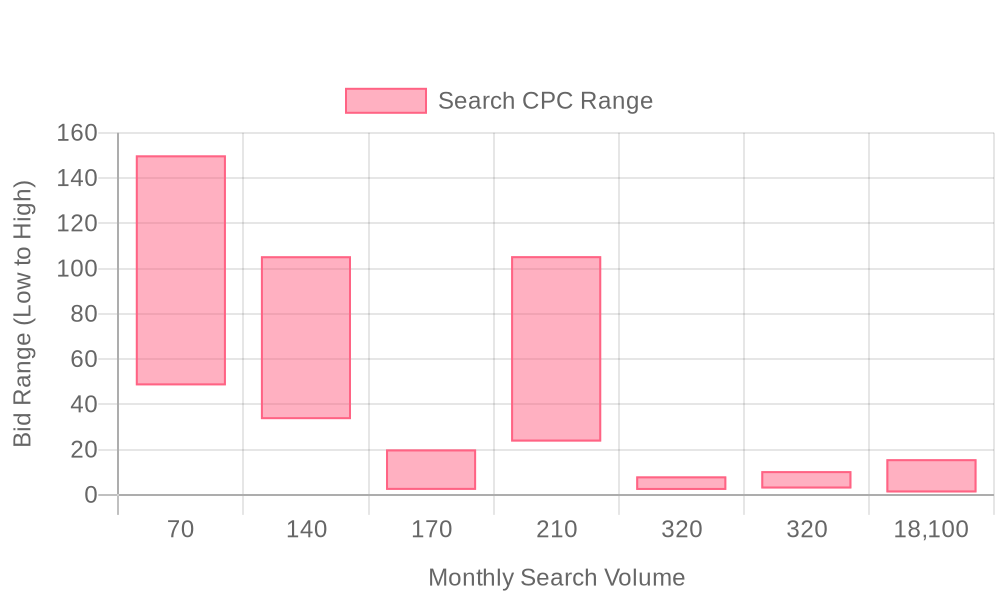
| Industry | Keyword | Monthly Search Volume | Competition Level | Low Bid | High Bid |
| Employment Contractors | hiring international contractors | 70 | LOW | 48.42 | 150 |
| Employment Contractors | payroll for 1099 employees | 140 | MEDIUM | 33.46 | 105.44 |
| Employment Contractors | employment contractors | 170 | LOW | 2.21 | 20.08 |
| Employment Contractors | payroll for independent contractors | 210 | LOW | 23.57 | 105.47 |
| Employment Contractors | contract for construction work | 320 | HIGH | 2.19 | 8.16 |
| Employment Contractors | sub contract work | 320 | MEDIUM | 2.84 | 10.48 |
| Employment Contractors | 1099 employee | 18100 | LOW | 1.09 | 15.77 |
Google Ads for Employment Contractors is highly effective for capturing buyers who are actively searching for staffing, workforce solutions, and recruitment services. By focusing on high-intent, industry-specific search terms, employment contractors can position their brand in front of decision-makers at the precise moment demand is strongest. For practical insights from industry peers, explore this community discussion on starting with Google Ads.
A robust keyword strategy blends broad and exact match terms aligned to each stage of the contractor hiring journey. For example, integrating both "temporary staffing agency near me" and "construction project labor solutions" allows campaigns to address local and specialized needs. Implementing negative keywords helps eliminate irrelevant clicks, ensuring budget is allocated to prospects most likely to convert. For more on building a comprehensive paid strategy, visit the Sona blog.
- Precision Targeting: Google Ads enables targeting by geography, company size, industry, and job function, which is essential for employment contractors seeking regional contracts or niche verticals. Using Sona's Intent Signals and behavioral data, marketers can focus spend on segments showing strong hiring signals or repeat workforce needs. Paired with first-party CRM data, campaigns continuously refine their reach and messaging.
- Measurable ROI: Every click and form submission is tracked back to revenue outcomes, allowing employment contractors to benchmark performance by client type, job category, or region. Advanced attribution connects online ad interactions with offline placements or client meetings, giving teams a true view of which keywords and ads drive profitable engagements. Integration with unified data platforms ensures that every stage from initial inquiry to signed contract is visible and actionable.
- Synergistic Integration: Successful employment contractor campaigns use keyword performance and audience engagement signals to inform retargeting on LinkedIn, Facebook, and programmatic channels. As prospects engage or move further down the funnel, dynamic audience sync ensures that messaging, offers, and nurturing sequences are always tailored to their most recent behavior. This seamless handoff between channels maximizes touchpoints and keeps high-value opportunities from slipping through the cracks.
By leveraging targeted keyword strategies and cross-channel audience insights, employment contractors can optimize campaign spend, accelerate deal cycles, and maximize the value of every qualified lead. Get started for free with Sona to unlock advanced attribution, real-time audience insights, and seamless campaign optimization.
Step-by-Step Campaign Execution Framework
Step 1: Build Targeted Keyword Lists
Precision in keyword strategy is fundamental for employment contractors seeking to maximize Google Ads performance. Begin by clustering keywords according to service type, such as temporary staffing, executive search, or project management, ensuring each ad group speaks directly to unique hiring needs. Localization is equally important: integrate city names and "near me" modifiers to capture prospects searching for local employment solutions, significantly improving click-through rates from nearby clients. For insight into real-world strategies and challenges, explore this community discussion for contractors starting out with Google Ads.
Utilize long-tail and question-based queries to attract candidates and employers with specific needs, reducing wasted spend on generic searches. Negative keywords play a critical role in filtering out unqualified leads, maintaining focus on high-value prospects. Sona's Identity Resolution identifies visitor company and intent in real time, letting marketers refine these lists and adjust campaigns proactively as new trends and behaviors emerge.
The upgrade most employment contractors advertisers miss is going beyond raw keyword volume to layer in intent and identity signals. By connecting website-visitor data and CRM records with Sona Marketing Measurement, you can see which specific search terms bring in the accounts and customers that actually convert, and weight your keyword and bidding strategy toward those rather than the terms with the highest search volume alone.
Step 2: Develop Compelling Ad Copy
Effective ad copy for employment contractors addresses industry-specific pain points, such as workforce shortages or compliance complexities, immediately signaling relevance to the searcher. Integrate trust indicators, years of experience, notable client testimonials, and industry accreditations, to mitigate risk, fostering credibility and confidence. Highlight time-sensitive offers, such as expedited placements or discounted first-month rates, to create urgency and drive faster conversions.
Ad extensions should reinforce messaging by spotlighting core services, certifications, and direct contact options. When ad creative is dynamically adjusted based on real-time audience shifts or enriched CRM data, contractors ensure the right message always reaches the most engaged prospects, maximizing engagement and minimizing wasted impressions. For further guidance, visit our library of actionable playbooks.
Step 3: Design Effective Landing Pages
Landing pages must maintain seamless alignment from keyword to ad to final destination, reducing friction and increasing conversion rates. Segment landing pages by service or vertical, separate pages for IT contract staffing, healthcare placements, or project-based consulting, so each visitor receives tailored content that answers their specific needs. Incorporate ROI calculators, industry badges, and comprehensive FAQs to validate the contractor's expertise and provide data-driven reassurance at critical decision points. To see how Google's local service ads can connect contractors with nearby clients, review this overview of Google Local Service Ads.
Advanced platforms enable marketers to personalize landing page content using recent visitor behavior and firmographic data, ensuring every interaction feels relevant and timely. When CRM and ad audience data are synchronized, campaigns can dynamically route leads to the most relevant landing page variant, accelerating qualification and increasing the likelihood of engagement.
Step 4: Implement Data-Driven Optimizations
Constant monitoring and iterative optimization are required for sustained success in Google Ads for employment contractors. Track all conversion activities, from initial form fills to offline placements, to capture the complete customer journey and accurately attribute revenue. Intelligent bidding strategies, such as Target CPA, focus budget where it drives tangible outcomes, improving cost efficiency and lead quality. Stay compliant by referencing Google employment ad restrictions before launching campaigns.
A/B test headlines, ad copy, and landing page elements to identify top performers and uncover new opportunities for improvement. Integrate offline conversion data, such as actual placements or interviews scheduled, back into ad platforms to further refine bidding and audience strategies. When marketing and sales data are unified, every campaign adjustment is rooted in holistic, actionable insights, supporting higher conversion rates and sustained growth across the funnel.
Sona Marketing Measurement closes the gap between clicks and revenue. It captures ad clicks with first-party measurement rather than third-party cookies, ties that click through UTM capture and ad-platform APIs to the actual record in your CRM, and reports ROAS by keyword and campaign instead of by last-click form fill. Feeding that revenue signal back into Smart Bidding and Performance Max compounds over time: the algorithms optimize toward booked employment contractors revenue, not cheap leads.
Tips on Expanding Your Employment Contractors Presence
Employment contractors seeking to outperform in digital channels must build presence through actionable education and precise audience engagement. Solidifying authority in a competitive space requires both content innovation and targeted outreach, guided by real-time audience insights.
- Cross-promote educational resources: Sharing webinars, guides, and actionable articles across multiple platforms creates recurring touchpoints and reinforces brand expertise. For ideas on nurturing prospects throughout longer B2B buying cycles, explore the Sona blog or join the Google Ads contractor community discussion for peer-driven insights.
- Utilize segmented audiences for upselling: Leveraging CRM insights allows you to identify specific client needs and tailor upsell offers accordingly. Syncing enriched audiences directly into Google Ads enhances campaign relevance and minimizes missed revenue opportunities.
- Partner with associations for co-branded endeavors: Collaborations with trusted industry organizations build credibility and extend reach. Co-branded campaigns, whitepapers, or virtual events benefit from shared audiences, learn how to optimize campaign impact by tracking every key touchpoint across your marketing initiatives.
- Localize content by geographic area: Employment contractors benefit by tailoring messaging and offers to high-value regional markets. To improve local search performance and lead quality, consider Google Local Service Ads and supplement with granular search and intent data.
- Utilize search data for fresh content: Analyzing keyword trends and intent data surfaces new topics and service offerings for your audience. Stay relevant and expand your marketing reach by referencing the essential guide to intent data.
Integrating these tactics within your demand generation strategy ensures every touchpoint is data-driven and aligned with business goals. Unifying marketing and sales data enables employment contractors to pinpoint high-value audiences and drive measurable growth.
Beyond Google Ads: Winning the AI Answers Employment Contractors Buyers Now Trust
Paid search captures demand at the moment someone types a query. But a fast-growing share of employment contractors buyers no longer start at Google at all, they ask ChatGPT, Gemini, or Perplexity before they ever run a search, and Google's own AI Overviews increasingly summarize an answer above the traditional results. If your business isn't referenced in those AI answers, you're invisible at the exact moment buyers build their shortlist.
Sona AI Visibility shows where your business shows up across ChatGPT, Gemini, Perplexity, Google AI Overviews, and 10+ engines, and, much like a keyword report, which prompts actually send you buyers, so you can prioritize the ones that convert. Run the two together and you cover the entire buyer path: get cited where buyers research (AI Visibility), then prove which of that demand turns into booked revenue (Marketing Measurement).
Helpful resources
Conclusion
Google Ads works for employment contractors when campaigns are built around how staffing decisions actually get made: urgently, on tight timelines, often by someone comparing two or three vendors within days. The strategies here, keyword clustering by service line, landing pages segmented by vertical, offline conversion tracking tied to actual placements, are what turn that urgency into signed contracts rather than lost inquiries.
The contractors pulling ahead now are the ones connecting ad spend to placements, not just to form fills, and increasingly the ones showing up in the AI answers buyers consult before they ever open Google. That combination, precise paid search plus visibility into which of it actually converts, is what separates a steady pipeline from a noisy one.
FAQ
How can I set up a successful Google Ads campaign for my contracting business?
To set up a successful Google Ads campaign for your contracting business, utilize a data-driven approach to align paid search with your overall goals, implement keyword and audience targeting specific to employment contractors, craft landing pages and creatives for maximum conversion impact, and employ performance optimization techniques to boost ROI.
What are the best keywords for Google Ads in the contracting industry?
The best keywords for Google Ads in the contracting industry include high-intent, industry-specific search terms such as "temporary staffing agency near me" and "construction project labor solutions" that align with the hiring journey.
How much should I budget for Google Ads as a contractor?
The budget for Google Ads should be dynamically allocated based on analytics to focus spending on segments demonstrating real purchasing intent, ensuring each marketing dollar targets the right accounts for measurable pipeline growth.
What are the most effective ad formats for contractors using Google Ads?
Effective ad formats for contractors using Google Ads include search campaigns, display ads, video ads, remarketing, and ad extensions to maintain visibility, engage prospects, and drive conversions.
How can I track and measure the ROI of my Google Ads campaign as a contractor?
Track and measure ROI by monitoring conversion activities, utilizing advanced conversion tracking for both online and offline signals, and integrating CRM data to attribute revenue outcomes accurately.
Are there any industry-specific strategies for Google Ads that work well for contractors?
Industry-specific strategies for contractors include keyword targeting for employment-specific verticals, competitor gap analysis, and omnichannel reach using data-driven audience targeting to improve campaign efficiency.
What are some common mistakes contractors make with Google Ads and how can I avoid them?
Common mistakes include not using negative keywords to filter out unqualified leads and failing to align ad copy with industry-specific pain points; avoid these by refining your keyword strategy and crafting compelling ad copy.
How can I target local customers effectively with Google Ads?
Target local customers by integrating city names and "near me" modifiers in your keyword strategy, and using Google Ads' precise geo-targeting to tailor campaigns to regions with high hiring demand.
What is the difference between Google Ads and other online advertising options for contractors?
Google Ads offers targeted reach for high-intent searches, allowing contractors to focus spend on prospects actively evaluating staffing options, while other platforms might offer broader or different audience engagement opportunities.
How can I optimize my Google Ads for better visibility and higher click-through rates?
Optimize Google Ads for better visibility and higher click-through rates by designing conversion-driven landing pages, using ad extensions, and continually monitoring and adjusting bids and creative assets based on performance data.







