


Coin cards, prepaid or gift cards redeemable for cryptocurrency, sit at an odd intersection of retail payments and crypto compliance, which makes them a hard sell to advertise through ordinary channels. Online platforms like social media build digital brand awareness, email marketing nurtures ongoing relationships, and SEO drives organic visibility. Offline channels such as trade shows facilitate face-to-face connections, direct mail creates tangible touchpoints, and industry publications establish thought leadership. Google Ads plays a critical middle-funnel role in that mix, capturing high-intent prospects at the exact moment they're searching for solutions, bridging the gap between broader awareness efforts and the sales process. For businesses selling coin cards, Google Ads can intercept decision-makers at their moment of need, target audiences based on crypto-specific terminology, measure ROI from click to conversion, and complement other channels through remarketing to event attendees and existing audiences. In a category where urgency and trust both matter, Google Ads lets you capture prospects searching for terms like 'crypto payment options' or 'buy with coin cards' before a competitor does.
How to Generate Leads for Coin Cards with Google Ads: A Step-by-Step Guide

B2B marketers targeting the coin card segment need a rigorous, data-driven strategy to capture qualified leads and convert high-value audiences. Effective Google Ads campaigns for coin cards require precision targeting and creative alignment, seamlessly integrating with broader digital marketing operations.
Missing high-intent buyers due to anonymous website visits or incomplete forms can lead to lost revenue. Today’s advanced marketing solutions enable teams to identify unregistered visitors and match them to company-level data, then directly sync these audiences with advertising platforms for more focused retargeting.
Integrating Google Ads into a multi-channel marketing strategy ensures that coin card promotions reach the right buyers at the right time. Aligning keyword targeting, audience segmentation, and creative messaging with real-time behavioral data increases the probability of engaging decision-makers in the digital currency and crypto payments space. For a step-by-step guide to running compliant crypto ads, see this Google Ads crypto advertising resource.
A well-orchestrated Google Ads program for coin cards can also overcome challenges posed by strict advertising regulations for crypto and financial products. Navigating Google’s certification requirements and policy nuances is critical: only compliant, certified campaigns will serve, and they must align with both local regulations and industry standards. By using platforms that unify CRM, website, and ad data, marketers can dynamically update audiences, attribute conversions both online and offline, and deliver consistent messaging across all channels.
This step-by-step playbook is designed for B2B revenue teams and service providers seeking to maximize lead generation in the coin card market. It covers keyword research, audience building, landing page optimization, conversion tracking, and campaign measurement, so teams can unify fragmented data and accelerate demand generation for digital currency solutions. Ready to centralize your strategy and streamline campaign execution? Get started for free with Sona.
Why Google Ads Matter for Coin Cards

Coin card providers operate in a rapidly evolving digital payments landscape where visibility and precise targeting directly influence growth. Google Ads offers a critical channel to capture high-intent prospects as they search for tailored financial services, enabling brands to position their offerings at pivotal decision moments. For a detailed look at compliance in this sector, review Google's advertising policies for cryptocurrencies.
The platform empowers marketers to respond quickly to shifts in demand, adjust spend to capitalize on real-time trends, and extend their reach into emerging regions where digital currency adoption is accelerating. By integrating advanced analytics and leveraging closed-loop measurement, revenue teams gain actionable insights into campaign performance and can attribute pipeline impact with greater accuracy.
Unique challenges arise from anonymous web traffic, which can obscure valuable lead opportunities. Modern visitor identification solutions identify which companies are engaging at the company level, allowing for more refined custom affinity audiences that align with the most relevant business profiles. This granular view maximizes return on ad spend by ensuring campaigns engage those likely to convert, rather than casting a wide net and risking wasted impressions. To see how this data-driven approach can power your campaigns, get started for free with Sona.
Common Types of Google Ads Campaigns for Coin Cards

Coin card marketers need precise campaign structures to stand out in a regulated, competitive environment. Effective Google Ads for Coin Cards strategies hinge on combining intent-driven targeting with compliant creative and clear value propositions. For marketers looking to identify which companies and people are visiting their website, even if they don’t fill out a form, Sona enables advanced account-level visitor identification, making it possible to tailor campaigns for high-converting segments while maintaining compliance with Google's cryptocurrency advertising policies.
- Search Campaigns: Capture high-intent prospects searching for coin card solutions, crypto payment integrations, or digital currency ads. Highly specific keyword targeting is critical, as is filtering out irrelevant or restricted queries to remain compliant with Google Ads policies. Leveraging real-time audience segmentation allows marketers to tailor search ad copy and landing experiences to the industries and companies most likely to convert. With dynamic data on organizations searching for crypto payment methods or Google Ads for crypto, budget can be allocated efficiently toward segments showing the strongest purchase intent.
- Display Campaigns: Remain visible to target audiences as they browse finance, tech, or business content. Display ads keep your brand top-of-mind for users who have shown interest in coin card payment or related financial products. Use Sona Destinations to automatically sync high-quality audience data between your ad platforms and CRM, ensuring only qualified users, such as decision-makers at engaged companies, continue to see your message and preventing wasted impressions.
- Video Ads: Educate prospects and demystify complex coin card features through short, engaging video content. Video ads are especially effective for demonstrating product use cases or compliance credentials, key factors for building trust in the cryptocurrency advertising space. Connect Buyer Journeys data with video ad engagement to identify high-intent viewers and enable precise follow-up and retargeting based on both ad and on-site behaviors.
- Remarketing Campaigns: Re-engage past visitors who explored important sections of your site, such as coin card pricing, features, or Google Ads certification information. By syncing CRM and ad platforms with Sona Destinations, audiences update automatically as leads progress through the funnel, reducing manual list management and ensuring prospects receive the right message at the right time. This also enables seamless attribution from first touch to closed deal for even the most complex B2B sales.
- Ad Assets: Enhance ad credibility with sitelink, callout, and structured snippet assets. These provide quick access to compliance documentation, support resources, or detailed product specs, critical in regulated financial advertising. Assets can be customized for different segments by integrating intent signals, so prospects see the most relevant trust signals based on industry or previous engagement.
Where to Find Growth Opportunities

Growth-driven B2B teams consistently outperform by leveraging smarter targeting strategies and identifying untapped verticals. Teams that proactively surface new channels and refine audience segmentation see higher conversion rates and stronger pipeline velocity.
Expanding reach goes beyond relying on well-trodden search tactics. Vertical keyword targeting, for example, positions your campaigns in front of niche audiences searching for industry-specific terms. By analyzing competitor gaps, you can uncover missed opportunities and capture market share where others fall short. For more on proven segmentation and outreach tactics, explore our playbooks for optimizing marketing.
Industry-specific placements allow you to show ads on platforms and content highly relevant to digital currency, coin cards, and other financial products. This context-driven targeting elevates engagement quality and drives higher relevance, which is crucial given Google Ads policies for cryptocurrency. Content retargeting further extends your campaign’s reach, ensuring that visitors who previously expressed intent are re-engaged when their interest is highest.
Delayed lead follow-up often results in missed revenue. Some organizations now flag high-potential prospects as soon as they visit a landing page or interact with an ad. By identifying these visitors down to the company and matching in-market intent, marketers can use Sona to trigger dynamic audience updates and personalize ad delivery across Google Ads and other platforms. Early engagement sustains momentum, increases conversion likelihood, and helps maintain a competitive edge in the fast-moving coin card and digital currency space.
How to Apply Audience Segmentation for Coin Cards

Audience segmentation for coin cards requires a structured approach that aligns with both the digital currency sector’s compliance demands and the nuanced buying journeys of B2B financial decision-makers. By segmenting audiences based on intent signals and user behavior, marketers can serve tailored messaging that matches the prospect’s stage in the customer journey, resulting in higher engagement and conversion rates.
Segmenting audiences begins with mapping the customer journey for coin card products. Identify segment groups such as institutional buyers, retail investors, and tech-savvy SMBs. Overlay these segments with intent signals like website visits, engagement with crypto payment content, or prior coin card inquiries. Marketers leveraging real-time audience data can immediately identify high-intent leads and prioritize spend accordingly, avoiding wasted impressions and budget on low-conversion cohorts.
For effective campaign structure, create ad groups for each defined segment. This provides the flexibility to tailor creative, messaging, and offers to the unique needs of each group. Dynamic audience management platforms allow these segments to update automatically as leads progress through the funnel, ensuring that retargeting and nurture campaigns always reflect current intent. Syncing enriched audience data from CRM and web analytics into Google Ads further personalizes outreach, driving better-qualified traffic and more efficient sales cycles. To ensure legal compliance when advertising crypto-related products, review Google’s advertising policies for cryptocurrencies.
Conversion path validation is critical in the coin card vertical due to complex sales motions and compliance checkpoints. Integrating advanced conversion tracking enables attribution across online and offline events, such as demo requests, compliance checks, and wallet activations. This unified approach not only provides a true measure of ROI but also highlights which audience segments are most likely to convert, informing budget allocation for future campaigns. For marketers in regulated financial products, keeping audience data compliant and conversion tracking airtight ensures adherence to evolving advertising regulations for crypto while optimizing for revenue outcomes. If you’re ready to put advanced segmentation and tracking into practice, get started for free with Sona.
This is also where measurement changes the economics. With Sona Marketing Measurement you can identify the companies and buyers behind your ad clicks, not just anonymous sessions, and segment audiences by who actually becomes a customer. That lets you build bid adjustments and audience signals around the segments that convert and de-prioritize the ones that don't, so you feed Google's algorithms "this click became a paying coin cards customer" instead of just "someone filled out a form."
Keyword Strategy & Sample Target Terms
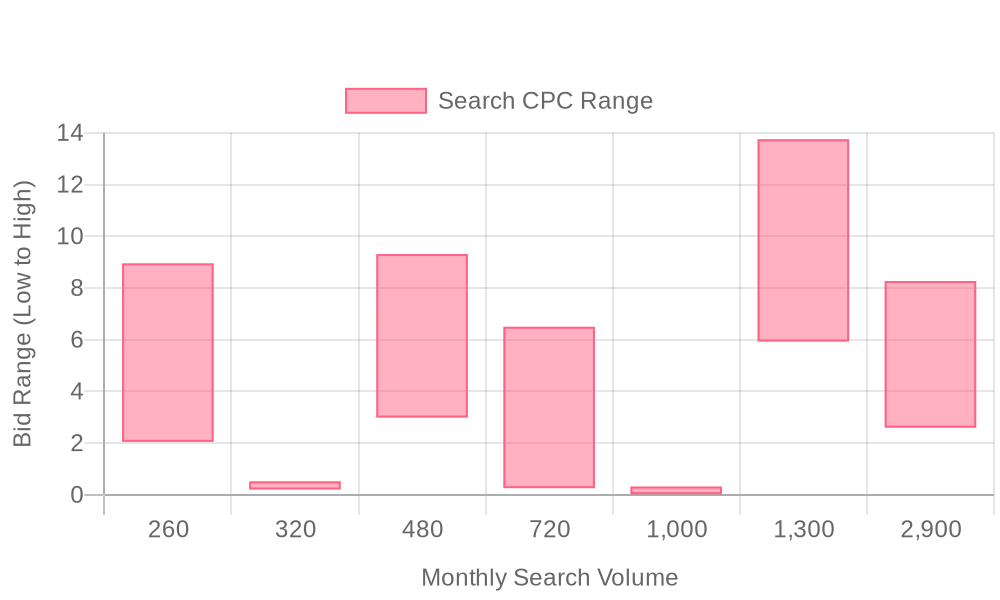
| Industry | Keyword | Monthly Search Volume | Competition Level | Low Bid | High Bid |
| Coin Cards | accept bitcoins | 260 | LOW | 2.05 | 8.95 |
| Coin Cards | mtg coin | 320 | HIGH | 0.21 | 0.52 |
| Coin Cards | crypto currency debit card | 480 | LOW | 2.99 | 9.31 |
| Coin Cards | coin cards | 720 | LOW | 0.26 | 6.5 |
| Coin Cards | coincards | 1000 | LOW | 0.03 | 0.32 |
| Coin Cards | coin credit card | 1300 | LOW | 5.93 | 13.75 |
| Coin Cards | crypto currency card | 2900 | LOW | 2.6 | 8.27 |
High-intent searchers drive measurable pipeline impact for coin card providers, making keyword selection a pivotal factor in campaign performance. Targeting the right terms ensures ad spend reaches decision-makers ready to act, not just passive audiences. Explore more expert insights on keyword targeting in the Sona blog.
Effective keyword strategies for Google Ads in the coin card segment focus on queries that reflect real buyer intent and compliance with evolving cryptocurrency advertising guidelines. Examples include "buy coin cards with crypto," "crypto card payment solutions," "Google Ads for Coin Cards," and "digital currency card ads." These phrases align closely with the needs of B2B buyers and compliance teams searching for regulated, secure payment options. For clarity on compliance, review keyword matching options and Google's advertising policies for cryptocurrencies.
To maximize relevance and conversion rates, keyword lists should blend product-specific terms, regulatory-adjacent phrases, and broader industry search behaviors. For instance:
- Transactional queries: “Order coin cards online,” “crypto payment card for business”
- Compliance-focused searches: “certified crypto card ads,” “Google Ads policies for crypto”
- Industry education terms: “how to advertise coin cards,” “crypto card marketing strategies”
- Payment method phrases: “coin card payment options,” “digital currency credit card”
Aligning ad copy and landing pages with these keywords ensures a cohesive user experience and improves Quality Score. By integrating real-time visitor intent signals, marketers can further refine keyword selection, shifting focus toward high-converting segments and away from low-quality clicks. Continuous keyword performance monitoring enables agile adjustments, keeping campaigns in sync with regulatory shifts and buyer trends. To optimize your campaigns, get started for free with Sona.
Step-by-Step Campaign Execution Framework
Step 1: Build Targeted Keyword Lists
Precision in keyword selection is critical for effective Google Ads for Coin Cards campaigns. Start by clustering keywords based on card types, crypto payment methods, and specific user intents, using location modifiers to capture regional demand. Aligning these keyword groups with the terminology used on landing pages and in ad copy strengthens quality scores and attracts the right audience. Leveraging unified go-to-market data allows marketers to move beyond surface-level intent, pinpointing which companies or decision-makers are actively seeking digital currency payment solutions. This granular visibility ensures that ad dollars target relevant, in-market accounts rather than anonymous or low-value traffic.
The upgrade most coin cards advertisers miss is going beyond raw keyword volume to layer in intent and identity signals. By connecting website-visitor data and CRM records with Sona Marketing Measurement, you can see which specific search terms bring in the accounts and customers that actually convert, and weight your keyword and bidding strategy toward those rather than the terms with the highest search volume alone. Sona's Identity Resolution helps connect anonymous searchers to real company records, so this weighting reflects actual buyers, not just traffic.
Step 2: Develop Compelling Ad Copy
Ad copy should address industry-specific pain points, such as the complexities of regulatory compliance or the speed of crypto transactions, and promote urgency with time-sensitive offers or limited availability. Incorporate actionable messaging that resonates with both finance and tech decision-makers, speaking directly to their need for secure, compliant, and innovative payment solutions. By dynamically updating ad copy based on real-time audience intent, such as when a user moves from research to purchase consideration, marketers can deliver hyper-relevant messages that drive higher engagement and conversion rates.
Step 3: Design Effective Landing Pages
Landing pages must align closely with the chosen keywords and ad copy to provide a seamless user journey for prospects interested in coin card solutions. Ensure each page clearly communicates the value proposition, highlights the benefits of digital currency payments, and addresses compliance with Google Ads cryptocurrency policies. Mobile optimization is essential, as a significant portion of searches and transactions in this segment occur on mobile devices. Integrating visitor identification on these pages allows teams to recognize company-level visitors, enabling timely follow-up and personalized outreach that bridges the gap between digital engagement and sales.
Step 4: Implement Data-Driven Optimizations
Continuous optimization is key to maximizing ROI in Google Ads for Coin Cards campaigns. Employ smart bidding strategies that leverage both first-party and intent data to focus spend on high-potential accounts. Use A/B testing to refine messaging, creative, and audience segmentation, ensuring that each ad dollar works harder. Streamlining data across ad platforms and CRM systems allows for advanced conversion tracking, attributing both online and offline touchpoints to understand true campaign impact. Real-time updates to dynamic audiences, such as moving leads from awareness to nurture based on engagement, ensure that marketing efforts remain tightly aligned with sales pipeline priorities and actual buyer intent.
Sona Marketing Measurement closes the gap between clicks and revenue. It captures every ad click with first-party measurement, then ties that click through UTM capture and ad-platform APIs to the actual record in your CRM, and reports ROAS by keyword and campaign instead of by last-click form fill. Feeding that revenue signal back into Smart Bidding and Performance Max compounds over time: the algorithms optimize toward booked coin cards revenue, not cheap leads.
Beyond Google Ads: Winning the AI Answers Coin Cards Buyers Now Trust
Paid search captures demand at the moment someone types a query. But a fast-growing share of coin cards buyers no longer start at Google at all, they ask ChatGPT, Gemini, or Perplexity before they ever run a search, and Google's own AI Overviews increasingly summarize an answer above the traditional results. If your business isn't referenced in those AI answers, you're invisible at the exact moment buyers build their shortlist.
Sona AI Visibility shows where your business shows up across ChatGPT, Gemini, Perplexity, Google AI Overviews, and 10+ engines, and, much like a keyword report, which prompts actually send you buyers, so you can prioritize the ones that convert. Run the two together and you cover the entire buyer path: get cited where buyers research (AI Visibility), then prove which of that demand turns into booked revenue (Marketing Measurement).
Helpful resources
Conclusion
Google Ads works for coin cards when the targeting is precise and the compliance is airtight, not as a generic traffic lever. Getting both right takes a strategic approach: reaching the audience actually searching for compliant crypto payment products, and converting them without running afoul of Google's certification requirements.
The advertisers who win in this category will be the ones who pair compliant, well-targeted Google Ads with visibility into the AI answers now shaping how crypto buyers shortlist vendors. That combination, not ad spend alone, is what turns clicks into booked coin cards revenue over the next few years.
If you're ready to sharpen your advertising strategy and see these results firsthand, start for free with Sona today.
FAQ
What are the requirements for advertising cryptocurrency on Google Ads?
Navigating Google's certification requirements and policy nuances is critical, and only compliant, certified campaigns will serve. They must align with both local regulations and industry standards.
How can I use coin cards to pay for Google Ads?
Google Ads provides a platform to bridge online and offline marketing efforts, capturing prospects searching for solutions like 'crypto payment options' or 'buy with coin cards'.
What types of cryptocurrency ads are allowed on Google?
Ads must comply with Google's cryptocurrency advertising policies, which require certification and adherence to regulatory standards.
What are the best practices for running Google Ads campaigns for crypto?
Effective campaigns require precision targeting, creative alignment, compliance with advertising regulations, and integration with broader marketing strategies.
How do I get certified to advertise financial products on Google?
Google requires advertisers to meet certification requirements and adhere to policy nuances, ensuring campaigns align with regulations and industry standards.







