


Cards and gifts brands live and die by timing: a shopper who searches "anniversary gift for her" or "same-day birthday card" today wants an answer today, not next week. Google Ads is how you show up in that narrow window, whether it's a corporate buyer stocking up on holiday cards for clients or a last-minute shopper hunting for overnight shipping. When someone browses your gift catalog or starts checkout without converting, the right tracking can identify the company or account behind that visit so you can follow up before the moment passes. This guide walks through setting up and optimizing Google Ads for the cards and gifts trade, from keyword selection to the seasonal surges that define the category.
How to Generate Cards and Gifts Leads with Google Ads: A Step-by-Step Guide

B2B companies operating in the cards and gifts sector face substantial pressure to deliver timely, relevant offers to both individual and corporate buyers. Effective digital marketing for cards and gifts requires a data-driven approach that unifies targeting, creative, and measurement to yield consistent lead generation and higher ROI. For deeper insights into marketing analytics and demand generation, explore the Sona blog.
Integrating Google Ads for Cards and Gifts into your demand generation stack offers a scalable way to match high-intent buyers with tailored products across seasonal peaks and evergreen campaigns. By aligning your ads with real-time shopper behavior and leveraging precise audience intelligence, you can consistently outperform traditional online advertising for gifts with more relevant placements and personalized engagement.
- Keyword Research: Prioritize high-conversion search terms such as “personalized gifts,” “custom greeting cards,” and “gift cards online,” and separate browsing queries (“gift ideas for mom”) from buying queries (“order personalized mug”) since they convert at very different rates. This comprehensive guide details how Google Ads can drive growth for personalized gift businesses. Tying search terms to actual sales, rather than just clicks or form fills, shows which queries are worth the bid during a holiday surge and which just generate browsing traffic.
- Audience Targeting: Move beyond generic demographics by using predictive models that analyze user behavior and engagement signals to surface leads most likely to convert. When your audience lists are dynamically updated in real time as prospects move through the funnel, you maximize campaign relevance and limit wasted spend. By syncing enriched audience data directly into Google Ads, you ensure that every impression and click is driven by up-to-date intent signals, not stale lists.
- Creative Alignment: Design ads that resonate with buyers searching for meaningful, last-minute, or seasonal gifts. Adapt messaging to highlight personalized features, shipping timelines, and exclusivity, key motivators for both B2C and B2B gift purchasing. With creative insights linked to real purchase data, you can rapidly iterate ad copy and visuals to connect with shoppers at critical conversion moments.
- Performance Optimization: Continuously refine campaigns by adjusting bids, testing new ad copy, and updating keyword sets based on conversion patterns and seasonal trends. Smart attribution solutions let you connect offline and online conversions back to specific keywords and creatives, providing a full view of campaign ROI and informing future Google Ads strategies for gifts.
- Cross-Channel Integration: Sync your Google Ads audiences with email and social platforms to maintain consistent messaging and nurture leads throughout the buyer journey. Real-time CRM integration ensures that once a prospect engages with your ads, they receive follow-up content tailored to their stage in the funnel, driving repeat engagement and higher conversion rates across all digital channels.
By following this structured approach, cards and gifts businesses can transform Google Ads from a basic PPC channel into a unified demand generation engine, leveraging advanced targeting, creative alignment, and performance insights to capture and convert high-value leads at scale. To see how you can streamline your campaigns and capture more leads, get started for free with Sona.
Why Does Google Ads Matter for Cards and Gifts?

Precision digital marketing is now a baseline requirement for cards and gifts businesses seeking to outpace competitors and capture high-intent buyers. Google Ads delivers direct access to individuals actively searching for personalized cards, unique gifts, and last-minute presents, ensuring your offer appears precisely when purchase decisions are being made. For brands aiming to maximize every website visitor, Sona's Identity Resolution reveals which companies are engaging with your gift-related content, enabling follow-up even if visitors don’t fill out a form.
- Specialized Audience Reach: Google Ads empowers brands to connect with people searching for niche gift items, such as engraved jewelry or custom greeting cards. By tapping into search intent, marketers avoid wasting spend on low-relevance impressions and instead reach buyers ready to act. Leveraging precise audience intelligence, revenue teams can pinpoint anonymous visitors and companies that engage with gift-related keywords, dramatically increasing lead quality.
- Urgency and Seasonality: Gift buying is highly seasonal, with peak demand around holidays, anniversaries, and major events. Google Ads enables instant campaign activation to match these surges, allowing businesses to serve tailored offers at the right moment. Real-time intent data can automatically shift budget toward audiences showing in-market behavior for specific products, maximizing conversions when timing is critical. Discover tips for effective gift card ads to further boost campaign performance during peak periods.
- Increased ROI: Focused keyword targeting and segmentation ensure that advertising budgets are allocated to audiences with the highest potential to convert. By connecting conversion tracking with CRM and sales data, marketers gain true visibility into which ad investments drive both online and offline revenue. This closed-loop measurement supports continuous optimization for greater Google Ads ROI and helps teams refine their digital marketing for cards strategies over time.
- Expanded Regional Reach: Online advertising for gifts breaks down geographic barriers, allowing brands to grow in regions where traditional channels underperform. Dynamic audience lists update automatically as leads progress through the funnel, ensuring advertising cards online campaigns always target the most engaged prospects. This adaptive approach delivers scalable growth and ensures no high-value opportunity is missed.
Common Types of Google Ads Campaigns for Cards and Gifts
Search, Display, Video, and Shopping are the main campaign types worth budget for this category, and Performance Max is increasingly a fifth option worth testing, since it lets Google's automation shop your product feed across Search, Display, YouTube, and Gmail from a single campaign. Within Search campaigns, responsive search ads are the standard ad format, serving multiple headline and description combinations to find what resonates with a given audience.

- Search Campaigns: Search campaigns are essential for capturing users with strong purchase intent, such as those searching for "holiday cards online" or "unique birthday gifts." By targeting high-intent keywords, businesses consistently reach buyers ready to transact. With advanced data integration, marketers can enrich these campaigns by pinpointing which companies and individuals are actively searching using Sona's Identity Resolution, allowing for strategic budget allocation to audiences most likely to convert. For a comprehensive overview of strategies tailored to this niche, see this complete guide to Google Ads for personalized gifts.
- Display Ads: Display ads maintain brand presence across websites and apps frequented by potential customers, effectively nurturing awareness between gifting seasons and special occasions. With unified data insights from Sona Audiences, revenue teams can identify when specific accounts begin showing buying signals and automatically increase display visibility for those segments, ensuring the brand remains top-of-mind precisely when intent spikes.
- Video Ads: Video campaigns on platforms like YouTube are ideal for showcasing the emotional impact and uniqueness of custom cards or gifts. These visually engaging formats help communicate value quickly, building trust and excitement among new audiences. Enhanced audience data lets marketers refine video targeting to focus on in-market users who have already demonstrated an interest in related products, driving engagement with highly relevant creative.
- Remarketing: Remarketing campaigns re-engage visitors who browsed products, started checkout, or abandoned carts. This approach recaptures lost opportunities by delivering timely, personalized reminders that reflect each visitor’s browsing history and stage in the buying journey. Leveraging dynamic audience updates, marketers can tailor remarketing lists as leads progress through the funnel, ensuring outreach is both relevant and effective. For additional practical guidance, consult our blog on generating sales with Google Ads.
- Dynamic Ads: Dynamic campaigns automatically serve personalized ad creatives based on a user’s behavior and product interactions. For cards and gifts, these ads can showcase the exact products viewed or similar items, maximizing relevance and conversion rates. When enriched with offline and CRM data using Sona Destinations, dynamic ads can also reflect stock changes, seasonal offers, or loyalty incentives, providing a seamless and data-driven customer experience.
Where to Find Growth Opportunities for Cards and Gifts

Modern cards and gifts businesses achieve sustainable growth by discovering incremental demand outside their established channels. Identifying unique growth opportunities requires blending data-driven digital marketing with agile campaign execution, especially as consumer intent rapidly pivots around seasonal moments and evolving gifting trends. Brands that use Identity Resolution can reveal which companies and users are landing on their site, allowing for more precise targeting and the ability to trigger sales actions automatically.
- Seasonal Promotions: Launching highly targeted campaigns around holidays and major life events consistently delivers new revenue spikes for cards and gifts brands. By integrating real-time intent data, marketers can predict surges in demand for occasions like Mother’s Day, graduation, or end-of-year holidays, then shift budget and creative to capitalize on these peaks as they emerge. When visitor identification links in-market behaviors to known accounts, teams can prioritize campaigns for returning customers and high-value prospects, maximizing conversion rates across every seasonal push.
- Competitor Analysis: Deep competitive research uncovers neglected keyword themes and audience segments that established players may overlook. By monitoring competitors’ ad placements and messaging, growth-minded marketers can identify underutilized terms such as “eco-friendly greeting cards” or “personalized business gifts” with lower cost-per-click and less bidding pressure. With advanced audience syncing, advertisers can seamlessly update target lists and custom intent segments as they spot new gaps, ensuring every campaign reaches buyers most likely to convert. For a comprehensive overview of digital ad strategies in this space, review this Google Ads for personalized gifts guide.
- Interactive Content: Embedding interactive elements like quizzes or polls within ad creative transforms passive browsing into engaged discovery. For example, a “Find the Perfect Gift” quiz can funnel users to tailored product recommendations, increasing both engagement and average order value. When dynamic audiences respond to quiz outcomes, remarketing flows can be automatically triggered based on individual gift preferences, guiding users through a personalized journey from first click to completed purchase. This method elevates the entire online advertising for gifts approach by turning intent signals into actionable, conversion-driven campaigns.
How to Apply Audience Segmentation for Cards and Gifts

Audience segmentation transforms online advertising for gifts by sharpening the relevance of every touchpoint. Precision in segmenting ensures that marketing budgets are allocated toward prospects with the highest intent, resulting in measurable improvements to Google Ads ROI and campaign efficiency. Revenue teams in the cards and gifts sector can achieve sustained growth by systematically structuring their audiences according to key gifting occasions, rapidly shifting market behaviors, and real-time buyer signals.
- Identify Segments: Segmenting by occasion, such as birthdays, anniversaries, and holidays, enables digital marketing for cards to speak directly to the emotional motivations behind each purchase. For example, distinct audience groups for "last-minute Mother's Day gifts" or "corporate holiday cards" allow for customized messaging and creative assets, which dramatically lift engagement. Integrating data from web activity and past purchase history helps marketers pinpoint visitors and even the companies browsing, turning otherwise anonymous traffic into actionable opportunities.
- Intent Signals: Monitoring granular intent signals, such as spikes in searches for "personalized gifts delivered tomorrow" or "unique birthday cards online", enables agile allocation of budget to segments with the highest likelihood to convert. Traditional static audience lists quickly lose relevance as consumer interests shift, especially during seasonal peaks. Sona surfaces intent signals so that audience lists update in real time, keeping Google Ads for Cards and Gifts campaigns targeted at in-market buyers, not yesterday’s prospects.
- Create Custom Ad Groups: Custom ad groups tailored to the motivations of each audience segment improve PPC for gifts outcomes. Messaging crafted for someone seeking a thoughtful, personalized anniversary present differs from creative aimed at a business ordering bulk holiday cards. Utilizing CRM and ad platform integrations, enriched audience profiles can be synced seamlessly into Google Ads, supporting dynamic audience updates as prospects move through the funnel. This not only streamlines demand generation but also supports advanced retargeting strategies, keeping ads contextually relevant at every touchpoint.
- Validate Pathways: Ensuring the flow of audience data from Google Ads directly into the CRM is crucial for unified measurement and follow-up. With advanced attribution and conversion tracking in place, marketers can connect online engagement with offline sales, validating every step from ad click to closed deal. This sync between ad platforms and sales systems allows revenue teams to attribute revenue accurately, refine audience criteria, and trigger hyper-personalized follow-ups, turning one-time gift buyers into loyal, repeat customers.
Applying these segmentation best practices provides a foundation for highly effective Google Ads strategies in the cards and gifts industry, resulting in campaigns that resonate with intent-rich audiences and drive consistent, measurable growth.
This is also where measurement changes the economics. With Sona Marketing Measurement you can identify the companies behind your ad clicks, not just anonymous sessions, and segment audiences by which accounts actually become customers. That lets you build bid adjustments and audience signals around the segments that convert and de-prioritize the ones that don't, so you feed Google's algorithms "this click became a paying cards and gifts customer" instead of just "someone filled out a form."
Keyword Strategy & Sample Target Terms
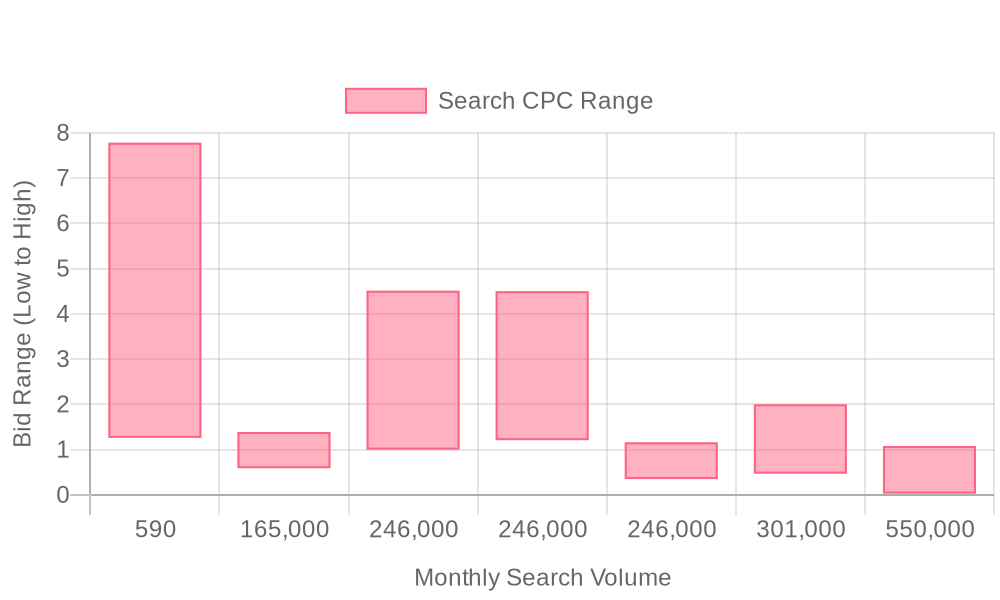
| Industry | Keyword | Monthly Search Volume | Competition Level | Low Bid | High Bid |
| Cards and Gifts | cards and gifts | 590 | HIGH | 1.26 | 7.78 |
| Cards and Gifts | steam gift card | 165000 | HIGH | 0.59 | 1.39 |
| Cards and Gifts | visa gift card | 246000 | HIGH | 1 | 4.51 |
| Cards and Gifts | gift cards | 246000 | HIGH | 1.21 | 4.5 |
| Cards and Gifts | amazon gift card | 246000 | HIGH | 0.35 | 1.16 |
| Cards and Gifts | giftcardmall mygift | 301000 | LOW | 0.47 | 2 |
| Cards and Gifts | vanilla gift card | 550000 | LOW | 0.03 | 1.08 |
Keyword strategy is foundational for cards and gifts businesses looking to maximize Google Ads ROI. Carefully selected keywords connect campaigns directly with in-market buyers and shape every other optimization decision, from bidding to messaging. For the cards and gifts vertical, high-intent terms, seasonal phrases, location modifiers, and negative keywords all play a distinct role in driving relevant clicks and qualified leads.
- High-Intent Keywords: Prioritize transactional phrases such as "order gifts online," "buy gift cards near me," and "send birthday cards today." These keywords signal strong purchase intent and typically convert at higher rates, making them ideal for budget allocation. Analyzing real-time search behavior allows marketers to quickly identify which high-intent queries spike during specific periods, so budgets and bids can be shifted toward those segments for maximum impact. Platforms that surface visitor-level intent and link keyword triggers with CRM data ensure ad spend is focused on audiences most likely to convert.
- Seasonal Keywords: Cards and gifts advertisers should maintain agile keyword lists that flex with the calendar. During peak gifting holidays, terms like "Christmas gifts delivery," "Mother's Day card shop," and "last-minute Valentine’s gifts" surge in volume. Automated budget adjustments and custom ad creative tied to these seasonal keywords can significantly improve ad relevance and click-through rates. By monitoring in-market trends and updating keyword lists dynamically, marketers ensure that campaigns always target consumers ready to buy. For practical tips on maximizing seasonal performance, review these best practices for Google Ads in ecommerce.
- Local Modifications: Adding "near me," city, or neighborhood names to core keywords, such as "gift shops in Chicago" or "order greeting cards NYC," enables precise targeting of local buyers. This strategy captures users who are ready to visit a store or want rapid delivery in their area. Connecting web analytics with ad platforms allows businesses to identify geographic hotspots and automatically adjust keyword targeting based on real conversion data and location-specific demand.
- Negative Keywords: Proactively filtering out irrelevant queries, like "free cards" or "DIY gift ideas," prevents wasted spend and keeps campaigns focused on high-value prospects. Regularly updating negative keyword lists based on search term reports and behavioral data helps maintain campaign efficiency. Integrating negative keyword management with audience insights ensures that only qualified traffic reaches product pages, improving conversion rates and protecting the bottom line.
A robust keyword strategy for Google Ads in the cards and gifts sector combines intent-driven targeting, seasonality, location precision, and exclusion tactics. When advanced data capabilities are in place, marketers can move beyond static lists to activate segmented audiences, align spend with real purchase signals, and iterate campaigns in lockstep with shifting demand. This data-driven precision results in higher-quality leads, better budget utilization, and measurable growth for cards and gifts brands investing in digital advertising. To start building smarter campaigns, get started for free with Sona.
Step-by-Step Campaign Execution Framework
Launching high-performing Google Ads for Cards and Gifts requires a structured, data-driven approach. Each step in this framework is designed to help B2B marketers and revenue teams maximize return on ad spend, streamline digital marketing for cards, and create real-time visibility into which tactics drive profitable engagement.
Step 1: Build Targeted Keyword Lists
Effective campaigns begin with robust keyword research. Use advanced tools to identify high-intent search terms relevant to cards and gifts, focusing on phrases like "custom birthday cards," "business gift card solutions," or "bulk holiday gifts for clients." This approach ensures ads align with what decision-makers and buyers are actively seeking. By layering in Identity Resolution, marketers can move beyond generic search data, pinpointing which companies and segments are expressing intent and updating their lists as new opportunities surface. For a comprehensive overview of Google's keyword tools and audience analysis, explore Google’s Audience Insights tool. As more leads interact and move down the funnel, keyword targeting can adapt dynamically to capture evolving demand.
The upgrade most cards and gifts advertisers miss is going beyond raw keyword volume to layer in intent and identity signals. By connecting website-visitor data and CRM records with Sona Marketing Measurement, you can see which specific search terms bring in the accounts and customers that actually convert, and weight your keyword and bidding strategy toward those rather than the terms with the highest search volume alone.
Step 2: Develop Compelling Ad Copy
Engaging ad copy is essential for capturing attention and driving conversions in online advertising for gifts. Highlight unique value propositions such as "10% off your first gift order," "personalized cards with your brand," or "same-day delivery for bulk gift cards." Strong, relevant calls-to-action such as "Send a memorable gift today" or "Impress clients with custom cards" drive urgency and differentiation. Sona's Intent Signals help revenue teams tailor messaging at scale, ensuring offers and creative are always aligned with the current interests of high-value audiences. For more inspiration and actionable tips, check out this complete guide to Google Ads for personalized gifts.
Step 3: Design Effective Landing Pages
Landing pages bridge the gap between ad engagement and conversion, so page design must be flawless. Prioritize fast load times and a mobile-first experience: delays erode conversion rates for cards and gifts, especially during peak seasonal periods. Clear calls-to-action ("Order Now," "Get a Free Sample") and concise, benefit-driven copy keep visitors focused. Integrating advanced tracking ensures every online and offline action, such as gift card redemptions or bulk corporate orders, is attributed to the right campaign, giving a true picture of Google Ads ROI and informing ongoing creative and UX improvements. For practical strategies on optimizing ecommerce landing pages, explore this blog on Google Ads for ecommerce.
Step 4: Implement Data-Driven Optimizations
Continuous optimization keeps campaigns competitive in cards and gifts, where seasonal windows are short and buyer intent shifts fast. Regularly test ad headlines, creative, landing page elements, and offers using structured A/B and multivariate testing. Monitor performance metrics such as click-through rate, conversion rate, cost-per-acquisition, and customer lifetime value. Revenue teams benefit from unified audience and CRM sync, as enriched lead and customer data automatically refine targeting and retargeting, ensuring high-intent segments always receive the most relevant messaging. This closed-loop process lets marketers spot trends quickly, double down on what works, and pivot away from underperforming tactics for ongoing gains in campaign efficiency and scale.
Sona Marketing Measurement closes the gap between clicks and revenue. It captures ad clicks with first-party tracking, ties that click through UTM capture and ad-platform APIs to the actual record in your CRM, and reports ROAS by keyword and campaign instead of by last-click form fill. Feeding that revenue signal back into Smart Bidding and Performance Max compounds over time: the algorithms optimize toward booked cards and gifts revenue, not cheap leads.
Tips on Expanding Your Cards and Gifts Presence
Expanding your cards and gifts business requires a blend of innovative digital tactics and strategic partnerships that go beyond standard product promotion. Modern revenue teams can use advanced audience insights and unified data activation tools to drive targeted online advertising for gifts, establishing deeper engagement and more qualified pipelines.
- Cross-Promote with Content: Delivering educational, value-driven content such as gift-giving guides through retargeting ads builds trust and keeps your brand top of mind. By retargeting warm website visitors with relevant articles or seasonal tips, you nurture interest and shorten the path to purchase. Integrating real-time visitor identification tools allows you to pinpoint which audiences consume your content and adapt messaging as they move through the funnel. This creates a seamless journey from inspiration to checkout, increasing Google Ads ROI and supporting ongoing PPC for gifts campaigns.
- Leverage Partnerships: Collaborating with local events or retail shops for co-branded promotions not only expands reach but also introduces your brand to highly relevant audiences. Joint Google Ads campaigns can be localized to event attendees or partner customer lists, while dynamic CRM and ad audience syncing ensures all leads and interactions are tracked, online and offline. This unified approach provides a measurable boost in both brand equity and conversion rates for gift card marketing efforts.
- Explore New Formats: Responsive search ads enable dynamic delivery of multiple headlines and descriptions, testing the best combinations to match customer intent. By automatically optimizing creative around high-converting themes, such as personalized gift messaging or last-minute shopping, your digital marketing for cards adapts in real time to what works. Unified campaign data helps you identify top-performing creative assets, driving continuous improvement across your advertising cards online portfolio.
- Localize Your Campaigns: Tailoring campaigns based on local language, culture, and holiday calendars better aligns your ad messages with regional buying behaviors. Audience segmentation tools allow you to update targeting criteria dynamically as leads engage or convert, ensuring offers are always relevant to each geographic segment. This localization supports more efficient seasonal advertising strategies, maximizing impact during key gifting periods and helping to capture new markets.
Mastering Google Ads for Cards and Gifts means building a foundation on strategic targeting, rich audience segmentation, and data-driven creative execution. By continuously optimizing campaigns and integrating them with broader marketing and CRM efforts, your business can convert seasonal and evergreen demand into sustainable growth. Predictive analytics and real-time data flows provide the agility to adjust spend, messaging, and offers instantly, ensuring every campaign remains high-performing and aligned with evolving customer intent.
Beyond Google Ads: Winning the AI Answers Cards and Gifts Buyers Now Trust
Paid search captures demand at the moment someone types a query. But a fast-growing share of cards and gifts buyers no longer start at Google at all, they ask ChatGPT, Gemini, or Perplexity before they ever run a search, and Google's own AI Overviews increasingly summarize an answer above the traditional results. If your business isn't referenced in those AI answers, you're invisible at the exact moment buyers build their shortlist.
Sona AI Visibility shows where your business shows up across ChatGPT, Gemini, Perplexity, Google AI Overviews, and 10+ engines, and, much like a keyword report, which prompts actually send you buyers, so you can prioritize the ones that convert. Run the two together and you cover the entire buyer path: get cited where buyers research (AI Visibility), then prove which of that demand turns into booked revenue (Marketing Measurement).
Helpful resources
Conclusion
The advantage now goes to cards and gifts brands that close the loop between ad spend and actual revenue, not just leads or clicks. As buyers increasingly research gifts through AI assistants before they ever type a search, pairing tight Google Ads execution with visibility into where AI answers send buyers, and proof of which of that demand converts, will separate brands that scale seasonal spikes profitably from those still guessing.
FAQ
What are the best practices for using Google Ads to promote gift cards?
Best practices include targeting high-intent keywords, personalizing ad content, leveraging audience intelligence to reach high-value leads, and optimizing campaigns for seasonal peaks to capture demand effectively.
How can I optimize my Google Ads campaigns for personalized gifts?
Optimize by using high-conversion keywords like 'personalized gifts,' creating engaging ad copy, aligning ads with real-time shopper behavior, and continuously refining campaigns based on conversion patterns.
What keywords should I target for advertising cards and gifts?
Target high-intent keywords such as 'order gifts online,' 'buy gift cards near me,' 'custom greeting cards,' and adjust based on seasonal trends for maximum relevance and conversion.
Are there specific strategies for seasonal advertising with Google Ads?
Yes, strategies include launching targeted campaigns around holidays, using real-time intent data to adjust budget and creative, and leveraging seasonal keywords to capture peak demand effectively.
How do I measure the success of my Google Ads campaigns for gifts?
Measure success by tracking key metrics like click-through rates, conversion rates, and ROI, using smart attribution to connect online and offline conversions back to specific keywords and creatives.







