


A cup of coffee is a habit, and habits form around whoever is closest, cheapest, or fastest when the craving hits. Independent coffee shops compete against national chains with far larger ad budgets, but Google Ads narrows that gap by putting a shop in front of someone the moment they search for a caffeine fix nearby. This guide covers how coffee shops can use Google Ads to win that moment consistently, with tactics that work whether you're new to digital advertising or refining an existing account, and how to avoid the wasted spend that comes from generic targeting.
How to Generate Coffee Shop Leads with Google Ads: A Step-by-Step Guide
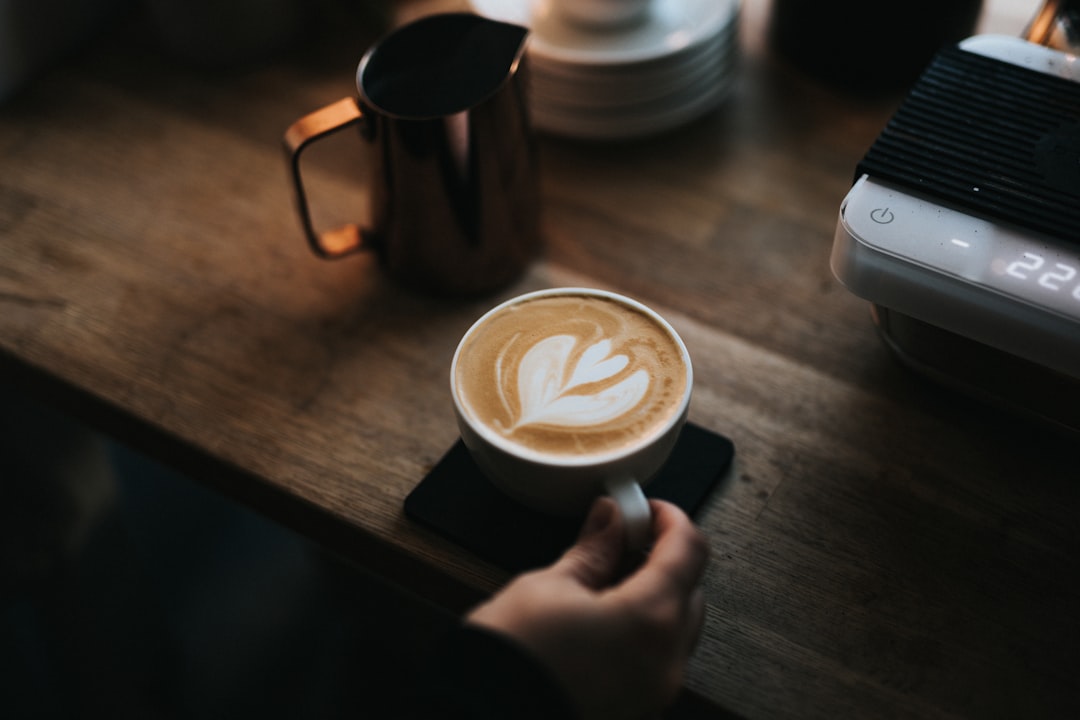
Coffee shops that invest in advanced digital advertising achieve superior local visibility, capturing high-intent customers in real time. With a focused Google Ads strategy, modern cafés can convert online discovery into in-store traffic and repeat business.
Precision targeting through Google Ads allows coffee shop owners to concentrate ad spend on audiences actively searching for nearby caffeine options. This approach ensures marketing investments are directed toward those most likely to visit, increasing efficiency and reducing wasted budget using geographic targeting. Local Google Ads guide provides a closer look at these techniques.
- Keyword Research & Audience Identification: In competitive urban and suburban environments, identifying high-converting search terms like "coffee near me" and "artisan café open now" enables shops to appear in the moments that matter most. Marketers can layer demographic and location filters to reach the right audience, then use company-level identification to see which businesses near your location are engaging with your site. Sona's Identity Resolution helps coffee shops recognize and segment website visitors by company, so teams can shift budget to keywords and audiences already showing strong buying signals.
- Creative Ad Development: Ad copy has to do more work in a crowded coffee market. Headlines like "First Coffee Free" or "Locally Roasted Beans, Fresh Daily" earn attention, and limited-time offers, a seasonal latte, a weekend-only pastry, push undecided searchers to click now rather than later. Dynamic creative can adjust messaging based on where a visitor is in their journey, so a first-time searcher sees an introductory offer while a repeat visitor sees a loyalty reminder.
- Landing Page Optimization: A landing page converts clicks into visits when it delivers on the ad's promise, today's special, a loyalty perk, a limited seasonal drink. Clear calls to action like "Join our Rewards Program" or "Book a Coffee Tasting" shorten the path from online interest to in-store visit. Tying online clicks to offline outcomes, orders, loyalty sign-ups, actual store visits, lets you attribute traffic to specific campaigns and see the full picture of ROI. Lead form tips covers practical ways to connect ad clicks to in-store activity.
- Continuous Performance Optimization: Real-time analytics give marketers the power to refine bidding and targeting as campaign data accumulates. Advanced platforms surface which audience segments are converting, allowing for rapid budget reallocation toward high-value local visitors or specific times of day when foot traffic spikes. We’ve covered strategies for maximizing Google Ads performance in detail in Google Ads ROI guide.
- Cross-channel Integration: Amplifying Google Ads with coordinated social media and email outreach increases lead quality and campaign impact. Seamless syncing of enriched audience segments from your CRM into Google Ads ensures consistent messaging across every channel, while also enabling personalized retargeting. For a hands-on walkthrough of how to get started, Free onboarding lets you explore campaign optimization tools tailored for local businesses.
Why Does Google Ads Matter for Coffee Shops?
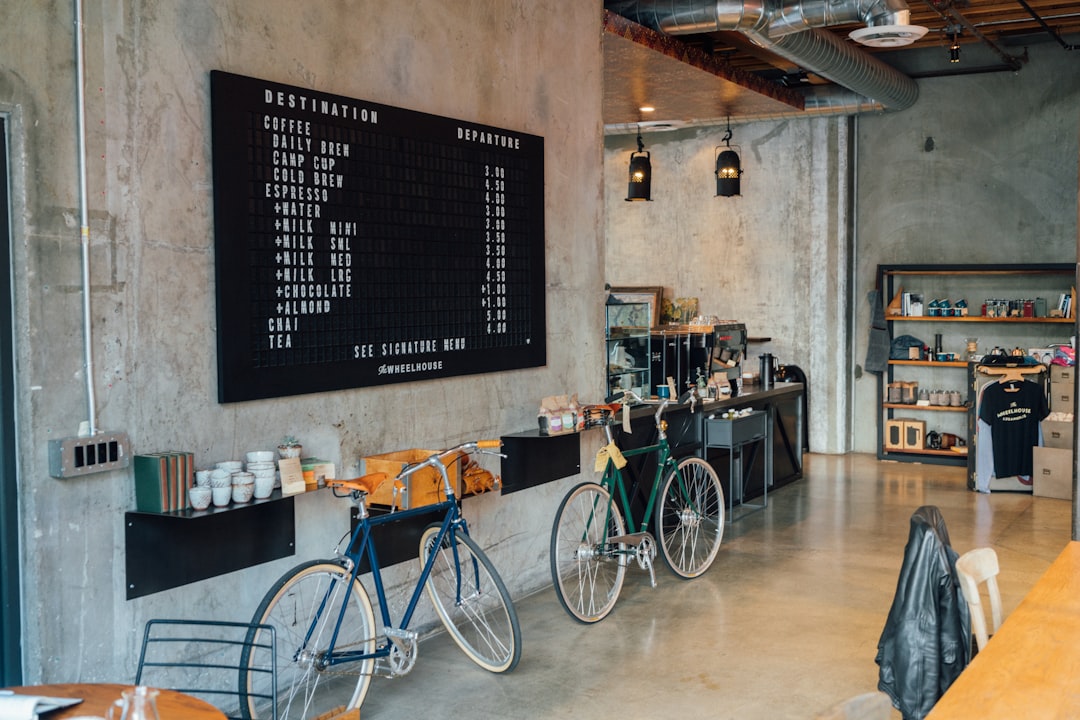
Coffee shops operate in fast-paced, hyper-local environments where every footfall counts. Leveraging Google Ads allows these businesses to secure premium real estate in local search results, driving online intent directly into physical visits at a moment’s notice.
- Targeting Local Audience: Local targeting is essential for independent coffee shops. Detailed audience segmentation in Google Ads ensures your café appears in front of users searching for coffee nearby or on their commute, turning high-intent searchers into paying customers more efficiently than organic reach alone. Company-level identification can reveal which nearby businesses are showing in-market behavior on your site, helping refine targeting and allocate budget to the audiences most likely to convert. Sona Audiences helps identify and segment these local, high-intent audiences for more effective campaigns.
- Enhancing Visibility: In a market crowded by national chains and boutique brands, strategic ad placement is non-negotiable. Google Ads levels the playing field by surfacing your offers, locations, and unique selling points to coffee lovers at the exact moment they are making a decision. The ability to sync CRM data and dynamically update audiences ensures ads remain relevant as customer interests shift, helping small coffee shops maintain a competitive edge regardless of budget size.
- Driving In-store Visits: Many cafés struggle to connect digital marketing spend with real-world outcomes. By implementing advanced conversion tracking, including online and offline attribution, owners can measure which ads actually result in store visits or purchases. For more practical tips on maximizing returns, see our guide on Google Ads ROAS. Real-time analytics make it possible to optimize bids for campaigns that drive tangible business growth, supporting smarter coffee shop advertising and a higher Google Ads ROI.
- Responding To Consumer Trends: Consumer preferences can shift quickly, especially in food and beverage. Google Ads delivers instant feedback on which menu items, promotions, or events resonate with your audience. See Coffee Shop Google Ads Tips for a deeper look at this trend. Sophisticated platforms allow you to adapt campaigns in real time, moving budget towards top-performing offers as soon as new trends emerge. This agility ensures your coffee shop marketing remains relevant and effective, meeting customer demand at every turn.
Common Types of Google Ads Campaigns for Coffee Shops
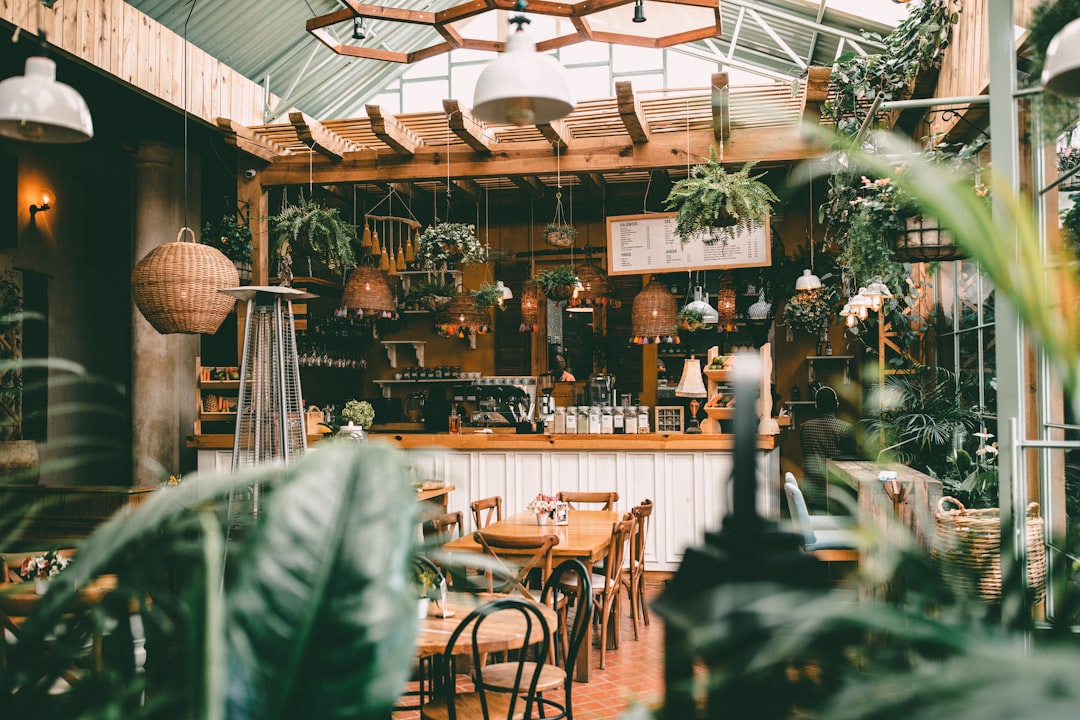
- Local Search Campaigns: Local search campaigns are essential for connecting coffee shops with nearby customers at the exact moments they are searching for a caffeine fix or a cozy workspace. By leveraging granular targeting and location-based keywords, these campaigns ensure your shop appears in top results for high-intent, local queries. Integrating advanced visitor identification systems enables marketers to move beyond anonymous clicks, identifying which visitors are high-value prospects and which companies are actively searching nearby, so spend is dedicated to the most promising leads. Tools like Visitor Identification help pinpoint visitors and maximize local ad efficiency.
- Display Ads: Display ads are effective for building brand recognition and maintaining top-of-mind awareness among local audiences. Eye-catching visuals, promotions, or event highlights can be shown across relevant sites, driving interest and engagement even before a direct search occurs. The ability to sync enriched audience data from your CRM into these campaigns keeps your messaging fresh and highly targeted, updating as customer preferences and funnel stages evolve. Display Ad Strategies provides a deeper look at display strategies tailored for food and beverage businesses.
- Responsive Search Ads: Within a Search campaign, the responsive search ad format lets messaging adapt to match user queries, increasing click-through rates with relevant, timely copy. For coffee shops, this means ad text can shift based on time of day, seasonal menu items, or trending local events, catching attention right when customers are most likely to act. Intent signals from Sona can further sharpen efficiency by reallocating budget toward keywords and audiences showing strong in-market behavior.
- Discovery Campaigns: Discovery campaigns introduce your coffee shop to new audiences exploring food, drink, and lifestyle content across Google’s Discovery feeds. These campaigns extend reach beyond active searchers, engaging users who might not yet know they want coffee but are open to new experiences in their area. With dynamic audience syncing, your ads reach those progressing through your marketing funnel, allowing you to nurture potential regulars as soon as their interest is piqued. For more insights on maximizing ad ROI, check out our guide on Google Ads ROI Guide.
- Performance Max Campaigns: Performance Max campaigns let a coffee shop's ads run across Search, Display, Maps, and YouTube from a single campaign, using Google's automation to find high-intent local searchers wherever they're browsing. For a coffee shop, this is useful for promoting a seasonal menu or a new location across every surface at once, while feeding the algorithm signals about which visits and orders actually convert.
Where to Find Growth Opportunities?
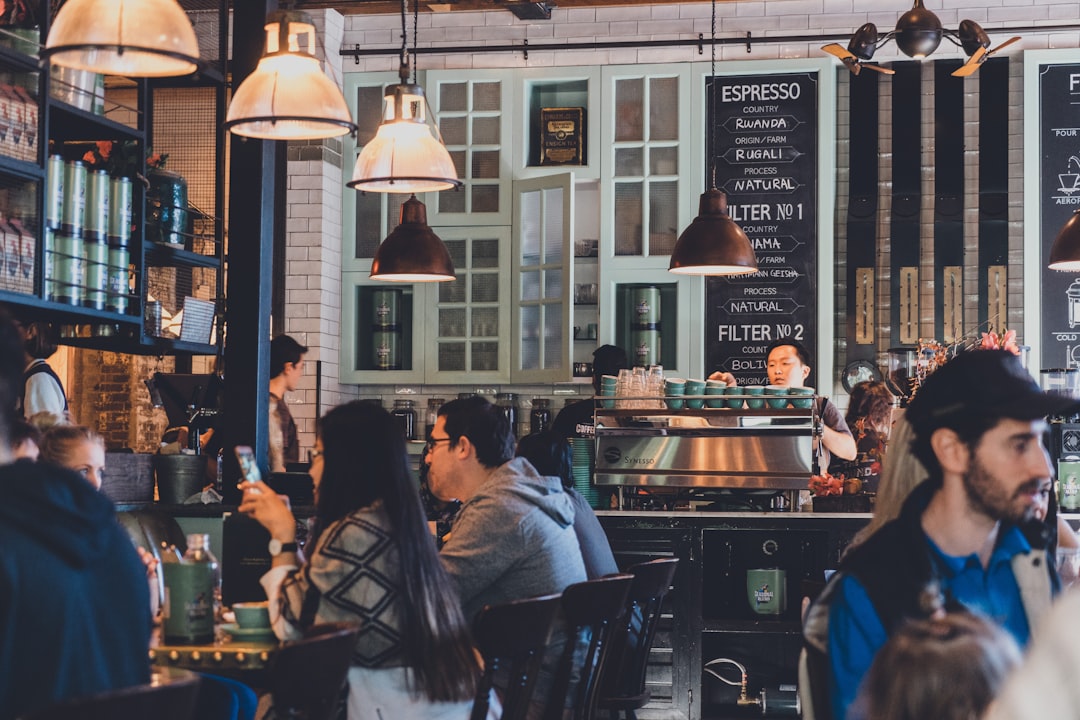
Expanding beyond standard coffee shop advertising unlocks growth in competitive local markets. Precision targeting and diversified online tactics ensure your café remains top-of-mind and attracts high-value customers.
- Local Events Advertising: Hosting events, latte art classes, poetry nights, community fundraisers, gives you a natural reason to run targeted local Google Ads. Promote these to nearby audiences searching for things to do, and turn digital visibility into in-person attendance. Company-level identification and dynamic audience sync can help marketers see which businesses or segments engaged with an event campaign, enabling faster follow-up and personalized offers that drive repeat visits. Sona's Identity Resolution supports tracking which visitors engage after seeing your ads.
- E-commerce Integration: The rise of e-commerce for cafes means your unique coffee blends, branded mugs, or brewing kits can be sold far beyond your brick-and-mortar location. Google Shopping Ads let you place products in front of users displaying strong purchase intent, with real-time audience updates ensuring your ads are shown to those most likely to buy. By integrating offline sales data and online engagement, you gain a complete view of ROI, making it easy to shift budget to top-performing products and optimize your Google Ads budget.
- Niche Targeting: Partnering with local culinary blogs, neighborhood influencers, or foodie podcasts creates a trusted platform for your ads. Strategic placement on these channels captures the attention of coffee shop enthusiasts who value quality and community connection. With CRM and ad sync capabilities, marketers can seamlessly retarget blog visitors or engaged subscribers across Google Ads and other platforms, ensuring your message stays relevant as leads move closer to a purchase or café visit. For more tactics on refining your strategy, check out our guide on retargeting with intent signals.
How to Apply Audience Segmentation for Coffee Shops
Audience segmentation transforms coffee shop advertising from generic outreach to precision marketing. By identifying distinct customer personas, coffee shops can deliver relevant, timely messages that resonate with each group’s unique motivations. This approach maximizes ad spend efficiency and elevates brand experience, making every impression and click more meaningful.
- Define Key Segments: Start by differentiating your primary visitor types. For coffee shops, students and working professionals often represent the largest audience groups, but their needs and habits vary significantly. Students may prioritize affordable deals and study-friendly environments, while professionals seek speedy service and premium brews to fuel their workday. By mapping out these personas, marketers design campaigns that feel personal, increasing both engagement and conversion rates.
- Overlay Behavioral Signals: Move beyond demographics by leveraging behavioral data, such as “coffee enthusiasts” or “remote worker” interests, to direct ads at those most likely to appreciate specialty offerings. This approach uncovers subtle audience nuances, from customers searching for vegan pastries to those following latte art trends. Coffee shop ad strategies provides a deeper look at this trend.
- Customize Ad Messaging: Craft messaging that directly addresses the desires and routines of each segment. For students, highlight group study discounts or late-night specials. For professionals, emphasize mobile ordering, grab-and-go convenience, or exclusive loyalty perks. When campaigns reflect the true interests of each group, creative assets become more than advertisements, they become invitations tailored to an active lifestyle.
- Validate Conversion Paths: True success comes from connecting ad engagement to in-store purchases. Integrating CRM and attribution systems allows marketers to map the customer journey, from first click to coffee purchase. For more insights on measuring marketing impact, check out our guide on affiliate revenue attribution. By syncing enriched audiences and conversion data across ad platforms and sales tools, teams gain a transparent view of what drives results. This closed-loop measurement ensures every audience segment and campaign is continually refined, adapting to real-world performance and maximizing ROI.
This is also where measurement changes the economics. With Sona Marketing Measurement you can identify the companies and buyers behind your ad clicks, not just anonymous sessions, and segment audiences by who actually becomes a customer. That lets you build bid adjustments and audience signals around the segments that convert and de-prioritize the ones that don't, so you feed Google's algorithms "this click became a paying coffee shops customer" instead of just "someone filled out a form."
Keyword Strategy & Sample Target Terms
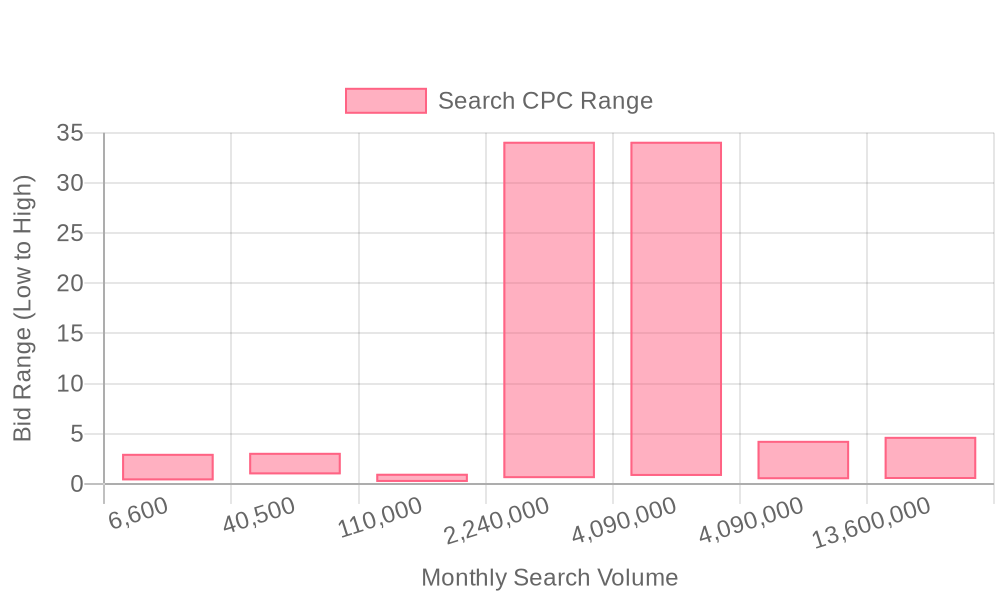
| Industry | Keyword | Monthly Search Volume | Competition Level | Low Bid | High Bid |
| Coffee Shops | jot coffee | 6600 | HIGH | 0.36 | 3 |
| Coffee Shops | green coffee beans | 40500 | LOW | 0.96 | 3.1 |
| Coffee Shops | coffee bar | 110000 | HIGH | 0.2 | 1.01 |
| Coffee Shops | cafe near me | 2240000 | LOW | 0.58 | 34.1 |
| Coffee Shops | coffee shops | 4090000 | LOW | 0.8 | 34.1 |
| Coffee Shops | coffee shops near me | 4090000 | LOW | 0.47 | 4.29 |
| Coffee Shops | coffee near me | 13600000 | LOW | 0.49 | 4.69 |
A robust keyword strategy drives measurable results for coffee shops engaged in Google Ads campaigns. Prioritizing high-intent terms such as "best cafes," "coffee shop near me," and "local espresso bar" positions your ads in front of users ready to purchase, ensuring each marketing dollar directly supports business goals. These core keywords capture local intent and align ad spend with the customers most likely to convert, giving coffee shop owners a competitive edge in crowded urban and suburban markets. Learn more about Google Ads for local businesses.
Targeting long-tail keywords like "organic coffee shop in [City]" or "vegan pastries downtown" unlocks niche segments and appeals to specialized audiences. These queries attract discerning customers who value specific offerings, such as sustainability or dietary accommodations, and often lead to higher average order values. By aligning ad copy and landing pages with these granular terms, coffee shops can strengthen relevance, improve quality scores, and reduce wasted spend on less-qualified clicks.
Negative keywords play a critical role in filtering out irrelevant traffic. By excluding terms unrelated to your products, such as "coffee mug wholesale" or "coffee machine repair," campaigns can focus exclusively on attracting genuine prospects. This refinement not only preserves budget but also increases conversion rates by ensuring only qualified users engage with your ads. For more insights on audience targeting, check out our guide on intent-driven retargeting.
Modern CRM enrichment technologies enable marketers to enhance keyword strategies with deeper customer insights. Sona's Identity Resolution allows for precise segmentation, connecting search intent to real buyer profiles by identifying the companies behind search activity. Marketers can pinpoint which businesses are searching and dynamically update keyword targeting as audiences move through the funnel. These insights enable real-time shifts in budget allocation, prioritizing in-market leads and syncing high-value audiences directly into Google Ads. This turns keyword management from a static list into a living, data-driven asset for coffee shop advertising.
Step-by-Step Campaign Execution Framework
A high-performing Google Ads campaign for coffee shops draws on a disciplined approach that unifies data, creative, and automation. Modern revenue teams achieve stronger results by using granular audience insights to reach the right local customers with compelling offers, then measuring impact at every step.
This execution framework outlines the essential building blocks for coffee shop advertising, ensuring campaigns are not only visible but also drive measurable foot traffic and sales. By integrating advanced tools to connect ad platforms, CRM, and behavioral signals, marketers can turn anonymous clicks into loyal patrons. Google Ads strategies for coffee shops provides practical examples of these techniques in action.
Step 1: Build Targeted Keyword Lists
Organize keywords by unique selling propositions such as specialty drinks, cozy ambiance, or fast service. This keeps each ad group tightly aligned with customer intent, improving relevance and lowering cost per click. A well-structured keyword list for coffee shop Google Ads should segment terms by product, audience, and local intent: "latte near me," "quiet study café," or "organic coffee shop downtown." When enriched with company-level identification data, marketers can map search queries to the businesses behind them, reallocating spend toward keywords proven to convert. Sona's Identity Resolution helps reveal which companies are behind those search queries, enabling more precise targeting.
The upgrade most coffee shops advertisers miss is going beyond raw keyword volume to layer in intent and identity signals. By connecting website-visitor data and CRM records with Sona Marketing Measurement, you can see which specific search terms bring in the accounts and customers that actually convert, and weight your keyword and bidding strategy toward those rather than the terms with the highest search volume alone.
Step 2: Craft High-Converting Ad Copy
Effective ad copy for coffee shop marketing emphasizes urgency or exclusivity, appealing to customers’ desire for spontaneity or limited-time experiences. Use language that highlights flash offers, seasonal drinks, or exclusive in-store events. Clear calls to action such as “Order Ahead for 10% Off” or “Try Our New Matcha This Week Only” drive higher click-through rates. Marketers using real-time intent signals can dynamically adjust messaging to feature the most relevant offers, tailoring ads as audience needs shift throughout the day or week. Intent retargeting builds on this approach for even greater impact.
Step 3: Design Cohesive Landing Pages
Landing pages must deliver on ad promises with cohesive branding, streamlined user experience, and clear next steps. For local Google Ads, ensure location details, menu highlights, and mobile ordering options are prominent. Integrating CRM data allows returning visitors to see personalized offers or loyalty rewards, further increasing conversion rates. Syncing audience data across platforms ensures every visitor lands on content aligned to their journey stage, reducing friction and boosting customer satisfaction.
Step 4: Optimize and Analyze Continuously
A data-driven approach is essential for maximizing google ads for coffee shops ROI. Set clear performance benchmarks such as cost per acquisition, click-through rate, and store visit lift. Use advanced conversion tracking to measure both online and offline sales, attributing revenue to specific ads or campaigns. Google conversion benchmarks shares industry benchmarks for this approach. With unified analytics, teams can pinpoint which creative or targeting strategies drive the most profitable actions, then fine-tune budgets in real time to focus spend on high-performing segments.
Sona Marketing Measurement closes the gap between clicks and revenue. It captures ad clicks with first-party measurement, ties that click through UTM capture and ad-platform APIs to the actual record in your CRM, and reports ROAS by keyword and campaign instead of by last-click form fill. Feeding that revenue signal back into Smart Bidding and Performance Max compounds over time: the algorithms optimize toward booked coffee shop revenue, not cheap leads.
Step 5: Automate with Audience and Signal Sync
Automation elevates online advertising for cafes by ensuring the right message reaches the right visitor at the right moment. Syncing CRM audiences and lead data with ad platforms enables seamless retargeting, while dynamic audience updates ensure that as leads progress through the funnel, messaging evolves accordingly. Leveraging automation tools to respond instantly to buying signals, such as a prospect visiting the menu page or an account showing renewed interest, keeps engagement relevant and timely, driving higher conversion rates and customer loyalty. Get started with Sona onboarding to automate audience sync and intent-driven campaigns for your coffee shop.
Tips on Expanding Your Coffee Shop Presence
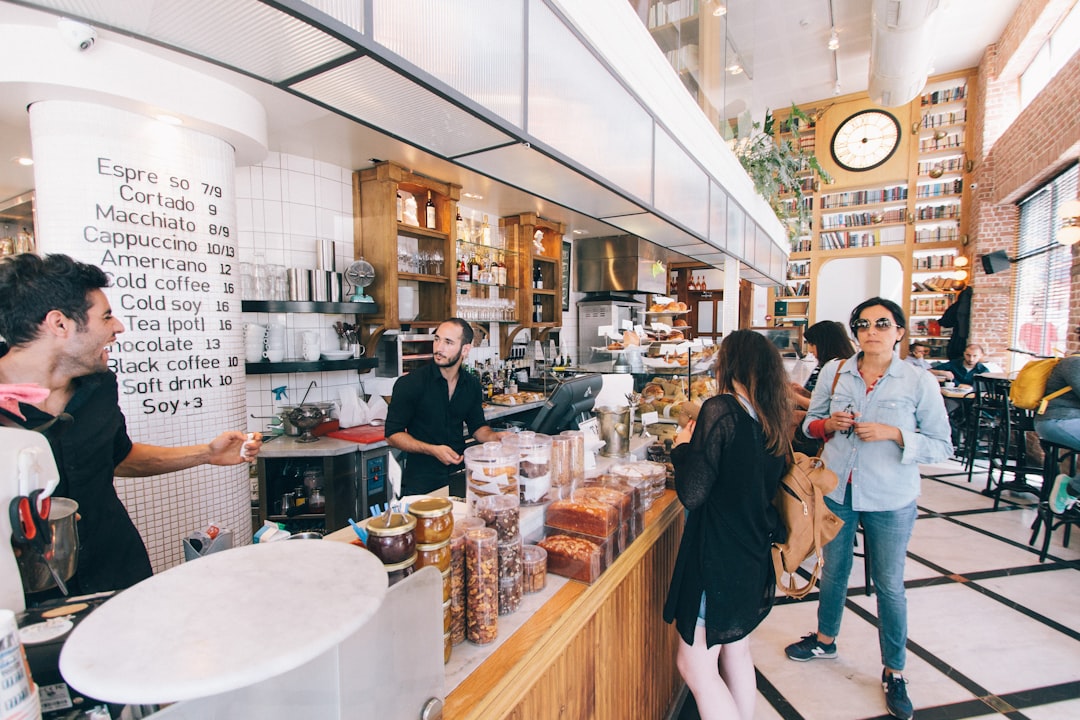
Expanding your coffee shop’s presence requires a blend of digital innovation and hyper-local engagement. Modern coffee shop owners who prioritize sophisticated online strategies can consistently outperform competitors in customer acquisition and retention.
- Leverage Digital Loyalty Programs: Running Google Ads highlighting digital loyalty programs is a proven way to boost repeat visits. Ads promoting exclusive discounts or rewards for app users can directly drive registrations and in-store redemptions. When paired with unified customer data, shops can precisely identify and segment loyal patrons, ensuring ad spend targets those most likely to return. Sona’s real-time audience sync lets marketers automatically update their Google Ads targets as customers earn points or approach rewards, so every message is timely and relevant.
- Cross-promotion: Digital retargeting campaigns are effective for re-engaging lapsed customers. Coffee shops can segment previous visitors, then deliver seasonal offers or showcase new menu items across search, display, or social channels. Company-level identification can move beyond anonymous website traffic to surface which businesses are showing renewed interest and trigger personalized outreach. Sona's Identity Resolution supports this level of insight, ensuring every cross-promotion effort focuses on those most likely to respond.
- Partnership Promotions: Collaborating with local businesses on joint promotions can rapidly expand your reach and attract new clientele. For example, a coffee shop might co-sponsor an event with a nearby bakery or gym, promoting exclusive bundled deals through coordinated Google Ads campaigns. Integrating CRM data with ad platforms empowers shops to track which partnerships drive high-intent visits and optimize campaigns in real time. Cafe PPC Guide provides a deeper look at this trend.
- Local SEO Techniques: Keeping business listings accurate and current on platforms like Google Business Profile is critical for local discovery. Optimized listings help your shop appear in "near me" searches and map results, especially when paired with targeted local Google Ads. For more on tying ad clicks to in-store visits, see our guide on Google Ads ROI. Automated updates and data unification make it easy to reflect new hours, menu changes, or seasonal promotions without letting your local presence go stale.
Beyond Google Ads: Winning the AI Answers Coffee Shops Buyers Now Trust
Paid search captures demand at the moment someone types a query. But a fast-growing share of coffee shops buyers no longer start at Google at all, they ask ChatGPT, Gemini, or Perplexity before they ever run a search, and Google's own AI Overviews increasingly summarize an answer above the traditional results. If your business isn't referenced in those AI answers, you're invisible at the exact moment buyers build their shortlist.
Sona AI Visibility shows where your business shows up across ChatGPT, Gemini, Perplexity, Google AI Overviews, and 10+ engines, and, much like a keyword report, which prompts actually send you buyers, so you can prioritize the ones that convert. Run the two together and you cover the entire buyer path: get cited where buyers research (AI Visibility), then prove which of that demand turns into booked revenue (Marketing Measurement).
Helpful resources
Conclusion
The coffee shops that win with Google Ads treat it as one input in a feedback loop, not a set-and-forget budget line. Local intent keywords bring people in the door, but the shops that keep improving tie those clicks to who actually walked in, bought a bag of beans online, or joined the rewards program, then feed that signal back into targeting.
As AI search and Performance Max automation take on more of the targeting work, the shops with clean first-party data on who actually converts will be the ones whose campaigns keep improving instead of plateauing.
FAQ
What are the best Google Ads strategies for coffee shops?
The best strategies include precision targeting to local customers, using compelling ad creatives, optimizing landing pages, continuously analyzing performance, and integrating cross-channel marketing efforts.
How much should I budget for Google Ads for my coffee shop?
The budget should be aligned with your marketing goals, focusing on efficiency and local targeting to ensure spending is directed toward high-intent customers most likely to visit.
What keywords should I use for coffee shop Google Ads?
Use high-intent keywords like 'coffee near me,' 'best cafes,' and 'artisan café open now,' and consider long-tail keywords for niche targeting like 'organic coffee shop in [City].'
How can I measure the success of my Google Ads campaign for my coffee shop?
Success can be measured by tracking conversions from online to in-store visits, analyzing real-time analytics, and using advanced conversion tracking to attribute sales to specific ads.
What types of ads work best for coffee shops on Google?
Local search campaigns, display ads, responsive search ads, and discovery campaigns are effective types that cater to local audiences and build brand recognition.







