


A cafe with excellent espresso and a great location can still lose customers to the shop down the block that shows up first when someone searches "coffee near me." Coffee and tea shops compete on immediacy: most customers decide where to go in the next few minutes, not after weeks of research, and generic ad campaigns waste that narrow window by talking to everyone the same way. Data-driven targeting lets a shop speak to the morning commuter, the tourist, and the corporate caterer differently, and at the moment each one is actually searching. This guide walks through optimizing Google Ads specifically for coffee and tea shops, with strategies for generating leads and converting foot traffic into repeat customers.
How to Generate Coffee and Tea Shop Leads with Google Ads: A Step-by-Step Guide
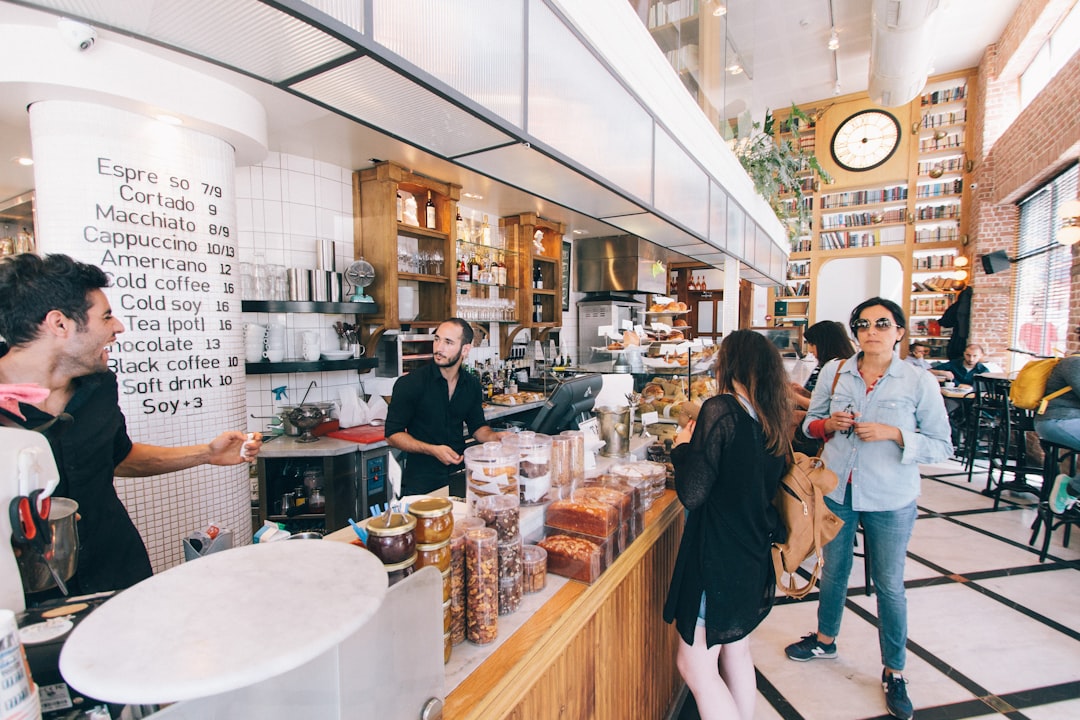
Coffee and tea shop owners can achieve measurable growth with Google Ads by taking a strategic, data-driven approach to digital marketing. Effective campaigns rely on understanding real customer intent, segmenting audiences, and delivering personalized experiences that move prospects from search to sale. To see additional strategies tailored for specialty shops, check out this overview on Google Ads for cafes.
A routine, generic Google Ads setup often leads to wasted spend and missed opportunities. Instead, leveraging advanced marketing platforms enables shops to go beyond anonymous clicks by identifying the companies and buyers behind website visits and syncing enriched audience data into Google Ads for precise targeting. This ensures each campaign reaches customers most likely to convert, improving both efficiency and results.
Start with comprehensive keyword research focused on intent-rich terms like "local coffee shop near me," "tea lounge downtown," or "best matcha latte deals." These keywords indicate users are ready to buy or visit, making them ideal for targeted ad groups. Creating separate campaigns for these themes enables tailored messaging and bidding strategies that match where customers are in their journey. For more on optimizing keyword strategies and campaign structure, explore the Sona blog.
Google Ads targeting for coffee and tea shops is most powerful when layered with geographic segmentation. Radius-based targeting around a shop's location reaches people searching for coffee or tea nearby, driving foot traffic and local brand recognition. Platforms that unify visitor data and real-time intent signals let marketers update these audiences as users move through the buying funnel, so ads adapt as new leads emerge or existing ones show higher purchase readiness.
Enhancing ad copy with creative ad assets, such as call buttons, sitelinks, or promotional offers, creates clear, actionable touchpoints for users. This approach increases click-through rates and gives potential customers what they need to act quickly: directions, menu highlights, or online ordering links. Integrating online and offline conversion tracking provides a holistic view of campaign performance, tying ad spend directly to in-store visits or online sales for true advertising ROI measurement.
A framework that combines intent-driven keyword selection, layered audience segmentation, and real attribution helps coffee and tea shops capture more leads and steadily improve Google Ads performance. Ready to boost your local leads? Get started for free with Sona.
Why Google Ads Matter for Coffee and Tea Shops
Coffee and tea shops operate in an environment where consumer choice is immediate and highly localized. Google Ads enables these businesses to capture demand right at the moment customers search for their next cup, outpacing slower, less targeted digital channels. For more strategies on maximizing your digital marketing impact, explore the blog.
What sets Google Ads apart for coffee and tea shops is the ability to precisely engage audiences based on intent and location. Campaigns can be structured to target high-value moments, such as morning commutes or afternoon pick-me-ups, ensuring marketing spend is always aligned with real customer interest. With precise audience intelligence, teams can identify not just what drives clicks, but which keywords and creatives lead to actual purchases or in-store visits.
Modern retail marketing requires actionable insights and granular attribution. With sophisticated data tools, coffee and tea shops can pinpoint which visitors respond to specific promotions, measure conversions across both online and offline channels, and see which audience segments deliver the highest lifetime value. This lets marketers continually refine strategy, shift budget toward top-performing audiences, and reduce guesswork in advertising spend. To streamline your own campaign attribution and insights, get started for free with Sona.
Common Types of Google Ads Campaign for Coffee and Tea Shops
- Search Campaigns: Search campaigns provide immediate visibility to coffee and tea shops by targeting high-intent keywords such as “coffee near me” or “best bubble tea downtown.” These ads appear directly on Google’s search results when potential customers express clear purchase intent, allowing businesses to capture motivated traffic at the critical decision-making moment. By integrating real-time visitor identification, marketers can shift budgets to the most valuable searches and dynamically adjust bids as user intent evolves.
- Display Ads: Display campaigns expand brand awareness by serving eye-catching visuals across relevant websites and apps frequented by local consumers. For coffee and tea shops, this channel is ideal for promoting seasonal beverages, new menu launches, or community events to a broader audience beyond those actively searching. Leveraging real-time audiences, teams can optimize creative placement, ensuring ads reach the right audience segments as they browse industry-related content.
- Video Ads: Video ads bring coffee shop experiences to life, showcasing unique atmospheres, signature drinks, and behind-the-scenes stories. Short-form videos distributed on YouTube and partner sites help forge emotional connections, driving both online and offline visits. Advanced intent data and engagement signals enable marketers to retarget viewers who engage with specific video content, tailoring follow-up offers or event invitations that match their demonstrated interests.
- Remarketing: Remarketing campaigns re-engage visitors who have interacted with a coffee or tea shop’s site but did not convert on their first visit. By delivering timely offers, such as discounts on first orders or reminders about abandoned loyalty sign-ups, these ads draw prospects back into the funnel. Using dynamic audience updates, marketers ensure that remarketing pools remain fresh, automatically removing converted leads and adding new high-potential prospects, which prevents wasted ad spend and maximizes conversion rates.
- Assets: Ad assets give coffee and tea shops a local edge by displaying additional information such as addresses, phone numbers, and sitelinks in search ads. Location and call assets make it frictionless for customers to find directions or call directly from mobile devices, significantly increasing store visits. Accurate attribution of these offline conversions is streamlined when conversion tracking is unified, allowing for more precise measurement of advertising ROI for cafes and optimization of future campaigns. For a deeper look at how cafes use Google Ads to increase sales, visit this overview of Google Ads for cafes.
Where to Find Growth Opportunities for Coffee and Tea Shops

Growth for coffee and tea shops is often unlocked by looking beyond traditional foot traffic and embracing data-informed digital strategies. Aligning ad spend with customer intent, particularly for specialty drinks and unique offers, helps brands outpace competitors by capturing demand where others overlook it. For a deeper dive into how cafes can leverage Google Ads to attract more customers and increase sales, see this overview of Google Ads for cafes.
- Competitor gap analysis: Spotting underserved segments takes more than scanning a competitor's ad copy. Using company-level audience identification, marketers can see which customer types are engaging with competitors but not converting. This surfaces niche audiences, health-focused tea drinkers or remote workers hunting for a quiet workspace, that broader campaigns tend to miss.
- Specialty campaign development: Growth comes from focusing on unique offerings. Campaigns highlighting signature drinks, seasonal promotions, or exclusive in-store experiences attract high-intent buyers. Cross-channel strategies, integrated with content marketing playbooks, keep these promotions top-of-mind across search, display, and social. By leveraging dynamic audience lists that update in real time as users interact with new content or offers, campaigns stay relevant and personal throughout the buying journey.
- Local keyword and retargeting strategies: Incorporating regional descriptors, like neighborhood names or popular landmarks, into keywords ensures ads appear for nearby searches, increasing relevance and click-through rates. Retargeting campaigns, powered by accurate visitor identification, allow coffee and tea shops to reconnect with previous website visitors or lapsed customers. Audience segments adjust automatically as users move through the funnel, ensuring that follow-ups are timely and based on actual behavior, not guesswork. To further refine your approach, visit our blog for actionable strategies.
When these tactics are deployed in Google Ads for Coffee and Tea Shops, syncing enriched audiences and lead data directly into ad and CRM platforms sharpens targeting precision and lifts advertising ROI. The outcome is a measurable increase in new customer acquisition and loyalty, driven by smarter prioritization and ongoing optimization.
How to Apply Audience Segmentation for Coffee and Tea Shops
Effective audience segmentation unlocks higher conversion rates and improved advertising ROI for cafes and tea shops. Rather than broadcasting generic messages, precise segmentation ensures every marketing dollar targets the right customer at the right moment. For foundational guidance on structuring your marketing, explore this guide to account-based marketing.
- Define Segments: Begin by differentiating your core audiences. Local coffee enthusiasts often search for daily deals and loyalty programs, while tourists may prioritize unique experiences or specialty drinks. Corporate customers frequently look for group ordering options, catering, or quiet meeting spaces. Mapping these personas helps structure your ad groups, improving relevancy and budget efficiency. See how specialty shops are refining their segmentation with marketing solutions for tea shops.
- Overlay Intent Signals: Dive deeper by layering behavioral data onto these initial segments. Track actions such as morning takeaways, afternoon snack breaks, or evening gatherings to distinguish routine patterns from one-off visits. With intent signals, you can dynamically shift budget toward high-converting segments, like increasing spend on morning commuters during peak hours, maximizing the impact of Google Ads for coffee and tea shops.
- Create Ad Groups by Segment: Tailor your ad copy, creative, and calls-to-action to match the intent and preferences of each audience. Coffee shop promotions, such as “First Coffee Free Before 10AM,” resonate with early risers, while “Book Your Group Tasting” appeals to corporate teams. By syncing enriched audience data between CRM and Google Ads, marketers ensure each group receives messaging that reflects their current journey stage, enabling ongoing personalization as customer behaviors evolve. For additional campaign ideas, visit this resource on Google Ads for restaurants.
- Validate Conversion Paths: Robust tracking is essential for understanding which segments respond to which campaigns. Implement advanced attribution to capture both online and in-store actions, measuring everything from digital coupon redemptions to direct walk-ins. Continuous validation helps revenue teams identify gaps in the conversion funnel, optimize spend for the highest-value journeys, and refine segmentation criteria based on real-world results.
This is also where measurement changes the economics. With Sona Marketing Measurement you can identify the companies and buyers behind your ad clicks, not just anonymous sessions, and segment audiences by who actually becomes a customer. That lets you build bid adjustments and audience signals around the segments that convert and de-prioritize the ones that don't, so you feed Google's algorithms "this click became a paying coffee and tea shops customer" instead of just "someone filled out a form."
Keyword Strategy & Sample Target Terms
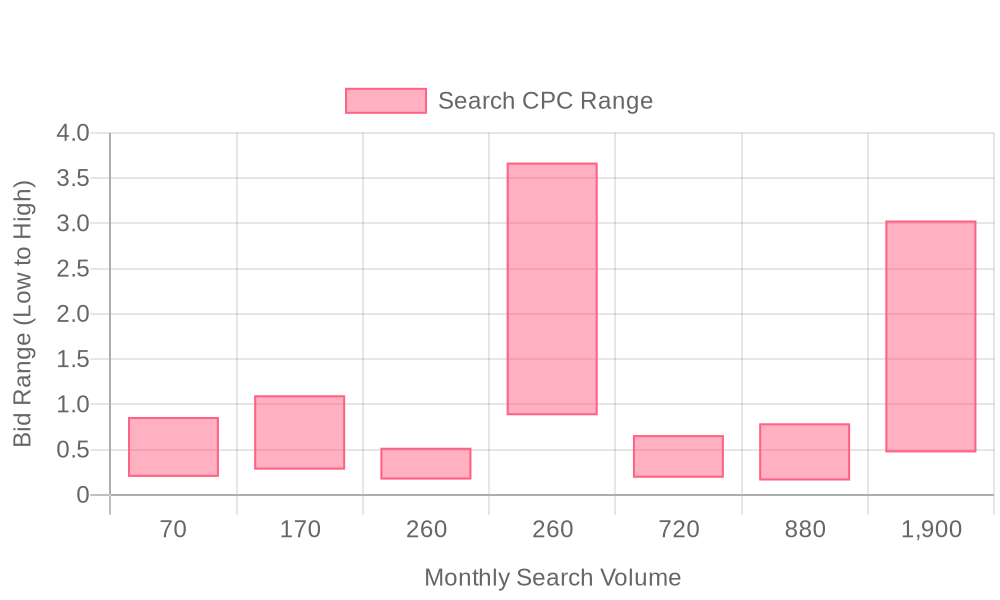
| Industry | Keyword | Monthly Search Volume | Competition Level | Low Bid | High Bid |
| Coffee and Tea Shops | chamberlain coffee vanilla matcha | 70 | HIGH | 0.2 | 0.86 |
| Coffee and Tea Shops | teeccino mushroom tea | 170 | HIGH | 0.28 | 1.1 |
| Coffee and Tea Shops | chai keurig pods | 260 | HIGH | 0.17 | 0.52 |
| Coffee and Tea Shops | la colombe matcha | 260 | MEDIUM | 0.88 | 3.67 |
| Coffee and Tea Shops | steaz green tea | 720 | HIGH | 0.19 | 0.66 |
| Coffee and Tea Shops | tea bag coffee | 880 | HIGH | 0.16 | 0.79 |
| Coffee and Tea Shops | coffee and tea shops | 1900 | LOW | 0.47 | 3.03 |
A robust keyword strategy is essential for coffee and tea shops aiming to maximize visibility and attract high-intent customers. The landscape moves quickly: static keyword lists often fall behind evolving consumer search patterns, so a dynamic approach is required to stay competitive in digital marketing for tea shops and specialty cafes.
- Intent-driven search phrases: Focus on capturing key moments when users are ready to act, such as “artisan coffee shops nearby,” “best matcha latte delivery,” or “quick tea delivery near me.” These intent-rich keywords align your ads with buyers already looking for what your coffee or tea business offers, driving more qualified traffic and higher conversion rates. For additional guidance on campaign structuring, explore our blog articles for marketing and sales.
- Keyword quadrant analysis: Segment your keyword targets by both search volume and competition. Prioritize terms in the high-volume, low-competition quadrant for the most efficient use of budget. For example, “organic loose leaf tea shop” may see less competition than general coffee keywords, but delivers strong ROI for niche targeting. This structured approach ensures ongoing improvements in PPC for coffee businesses by focusing spend where it matters. Enhance targeting by leveraging Sona’s Audiences tool to build dynamic, intent-based segments that sync directly with ad platforms.
- Automated audience list updates: Let your keyword targeting evolve with your audience. As customer behavior shifts, from in-store to online orders, keyword lists and audience segments should adapt in real time. Solutions that identify visitor attributes and update audience lists dynamically let campaigns reflect new search patterns immediately, maximizing relevance and spend efficiency. When enriched audiences from CRM and website data sync directly into ad platforms, you capture leads as they become in-market, sharpening both targeting and retargeting for better advertising ROI.
These strategies ensure your Google Ads for Coffee and Tea Shops campaigns are always aligned with the latest customer intent and market trends, supporting sustainable growth and measurable results for both brick-and-mortar and digital-first beverage businesses.
Step-by-Step Campaign Execution Framework
Step 1: Build Targeted Keyword Lists
Developing precise keyword lists is the backbone of successful Google Ads for coffee and tea shops. Start with terms that directly reflect your product range, such as "specialty coffee beans," "herbal tea shop," or "cold brew near me," paired with seasonal variations like "pumpkin spice latte fall" or "iced matcha summer." Expand into location-based keywords for hyperlocal reach, capturing customers searching for a neighborhood café or tea house. For an overview of how cafes can attract more customers using Google Ads, check out this guide to Google Ads for cafes.
Advanced visitor identification enables marketers to move beyond generic keywords and align targeting with the actual behaviors and intent of website visitors. By leveraging real-time audience insights, you can prioritize high-intent search terms and quickly adapt to shifting demand. This granular targeting ensures marketing spend is focused on the audiences most likely to convert, maximizing both reach and efficiency for coffee shop advertising campaigns.
The upgrade most coffee and tea shops advertisers miss is going beyond raw keyword volume to layer in intent and identity signals. By connecting website-visitor data and CRM records with Sona Marketing Measurement, you can see which specific search terms bring in the accounts and customers that actually convert, and weight your keyword and bidding strategy toward those rather than the terms with the highest search volume alone.
Step 2: Develop Compelling Ad Copy
Compelling ad copy connects your unique value with the needs and desires of your audience. Lean into authentic differentiators, Fair Trade sourcing, organic ingredients, or exclusive seasonal blends, while matching the language to each stage of the buyer journey. For top-of-funnel awareness, highlight discovery ("Discover our award-winning Ethiopian roast"); for bottom-of-funnel conversion, use urgency and clear offers ("Order now for 10% off your first cold brew"). Explore actionable Google Ads strategies for coffee shops to boost visibility and traffic.
Using dynamic audience updates, you can tailor ad messaging as leads move through the funnel. As user intent signals shift, such as a visitor browsing catering options or gift sets, ad copy can be updated in real time to address those interests. This personalization elevates engagement and drives higher conversion rates, turning casual browsers into loyal customers for both digital marketing for tea shops and PPC for coffee businesses.
Step 3: Design Effective Landing Pages
Landing pages must deliver a seamless, relevant experience from ad click to conversion. Ensure that every page aligns with the promise of the ad, features intuitive navigation, and uses clear calls to action like "Order Online," "Reserve a Table," or "Join Our Loyalty Program." Prioritize mobile optimization, fast load times, and persuasive visual content to increase user retention and move prospects toward purchase. For more insights, explore best practices for Google Ads in restaurants.
Advanced conversion tracking enables you to attribute sales and actions to specific ads, campaigns, or audience segments. By integrating online and offline data, you gain a holistic view of advertising ROI for cafes, allowing you to double down on landing page variants that drive actual in-store visits or e-commerce sales. This closed-loop measurement is essential for optimizing both local SEO for coffee shops and broader online marketing for cafes.
Step 4: Implement Data-Driven Optimizations
Continuous optimization is crucial for maintaining campaign relevance and maximizing results. Review performance metrics weekly, analyze search term reports, adjust bids for high-performing keywords, and pause underperforming ads. Use A/B testing to refine ad copy and landing pages, and reallocate budget dynamically based on what is driving conversions. For a comprehensive list of best practices, see Google Ads optimization tips.
Real-time intent monitoring shifts budget toward high-converting segments as soon as they emerge. CRM and ad platform sync enable enriched audiences to update automatically, ensuring retargeting efforts and lookalike campaigns are always working with the freshest, most actionable data. With this approach, coffee and tea shops can sustain growth, enhance digital marketing for tea shops, and ensure every dollar invested in Google Ads delivers measurable value. To see how these tools can power your campaigns, get started for free with Sona.
Sona Marketing Measurement closes the gap between clicks and revenue. It captures every ad click with first-party measurement, then ties that click through UTM capture and ad-platform APIs to the actual record in your CRM, and reports ROAS by keyword and campaign instead of by last-click form fill. Feeding that revenue signal back into Smart Bidding and Performance Max compounds over time: the algorithms optimize toward booked coffee and tea shops revenue, not cheap leads.
Tips on Expanding Your Coffee and Tea Shop Presence
Successful coffee and tea shops stay ahead by turning fragmented intent signals into unified, actionable marketing strategies. Harnessing insights from both digital and local channels empowers you to reach customers at the moment they are most likely to engage, driving both online and in-store growth. For a deeper dive into how cafes can use Google Ads to attract more customers, explore this overview of Google Ads for cafes.
- Educational Content for Retargeting: Retargeting campaigns perform best when they deliver more than just reminders. By using educational content, such as brewing guides, sustainability stories, or new product highlights, you re-engage past visitors and inform them of recent promotions. This approach increases relevance and trust, helping convert interest into tangible sales. When audience data is unified and segmented dynamically, you ensure your educational content reaches leads who are most likely to act, rather than wasting ad spend on low-intent users.
- Community Partnerships: Collaborating with local events, farmers' markets, or neighborhood organizations extends your reach beyond digital channels. These partnerships foster authentic brand affinity and open up cross-promotional opportunities, such as co-branded specials or exclusive event offers. Integrated data solutions allow you to identify which local events correlate with the highest in-store conversions, so you invest in the partnerships that deliver measurable results.
- Seasonal and Regional Adaptation: Adapting campaigns to match seasonality or local tastes is crucial in coffee shop advertising. Google Ads features like smart bidding optimize spend automatically as demand fluctuates, but true efficiency comes from pairing this with granular audience intelligence. For instance, using real-time visitor intent and CRM data, you can shift ad budgets to prioritize high-converting segments during peak cold brew or holiday tea seasons. This not only maximizes ROI but also ensures every campaign resonates with your audience’s current preferences.
Applying these techniques enhances your shop's visibility and engagement across channels. Continuous improvement, powered by unified audience insights and conversion tracking, positions you to convert high-intent leads and build lasting customer relationships, both digitally and in your local community.
Beyond Google Ads: Winning the AI Answers Coffee and Tea Shops Buyers Now Trust
Paid search captures demand at the moment someone types a query. But a fast-growing share of coffee and tea shops buyers no longer start at Google at all, they ask ChatGPT, Gemini, or Perplexity before they ever run a search, and Google's own AI Overviews increasingly summarize an answer above the traditional results. If your business isn't referenced in those AI answers, you're invisible at the exact moment buyers build their shortlist.
Sona AI Visibility shows where your business shows up across ChatGPT, Gemini, Perplexity, Google AI Overviews, and 10+ engines, and, much like a keyword report, which prompts actually send you buyers, so you can prioritize the ones that convert. Run the two together and you cover the entire buyer path: get cited where buyers research (AI Visibility), then prove which of that demand turns into booked revenue (Marketing Measurement).
Helpful resources
Conclusion
Google Ads gives coffee and tea shops a way to meet customers at the exact moment they're deciding where to go, not just a channel for generic brand awareness. The shops that win are the ones treating each search, whether it's a tourist typing "best matcha near me" or a regular hunting for a loyalty deal, as a distinct signal worth a distinct response.
See how unifying your go-to-market data can sharpen every campaign: start for free with Sona.
FAQ
What are the best Google Ads strategies for coffee and tea shops?
The best strategies include using data-driven targeting, intent-rich keywords, geographic segmentation, creative ad extensions, and comprehensive audience segmentation to reach high-intent customers effectively.
How can coffee shops improve their Google Ads performance?
Coffee shops can improve performance by conducting comprehensive keyword research, using advanced audience segmentation, enhancing ad copy with extensions, and employing online and offline conversion tracking for robust ROI measurement.
How do I target local customers with Google Ads for my coffee shop?
Target local customers by setting radius-based geographic targeting around your shop location and using keywords that include local descriptors to engage nearby searchers.
What budget should I allocate for Google Ads for a coffee shop?
The budget should align with high-intent keywords and dynamic audience segments, focusing on top-performing campaigns to maximize ROI, though specific amounts may vary based on market conditions and business goals.







