


Coffee brewing businesses lose customers in the gap between a search and a sale. A shopper looks up "best pour-over coffee maker" or "espresso subscription near me," clicks an ad, and if that click isn't tracked back to a real buyer, the business has no way to know which keywords, campaigns, or offers actually drove revenue. Hot leads go cold while follow-up lags. Google Ads solves the first problem, intercepting coffee buyers at the exact moment they're searching for beans, equipment, or a nearby café. Closing the loop on the second problem, tracking who converts and feeding that back into targeting, is what turns ad spend into a repeatable growth engine.
How to Generate Google Ads for Coffee Brewing Leads: A Step-by-Step Guide
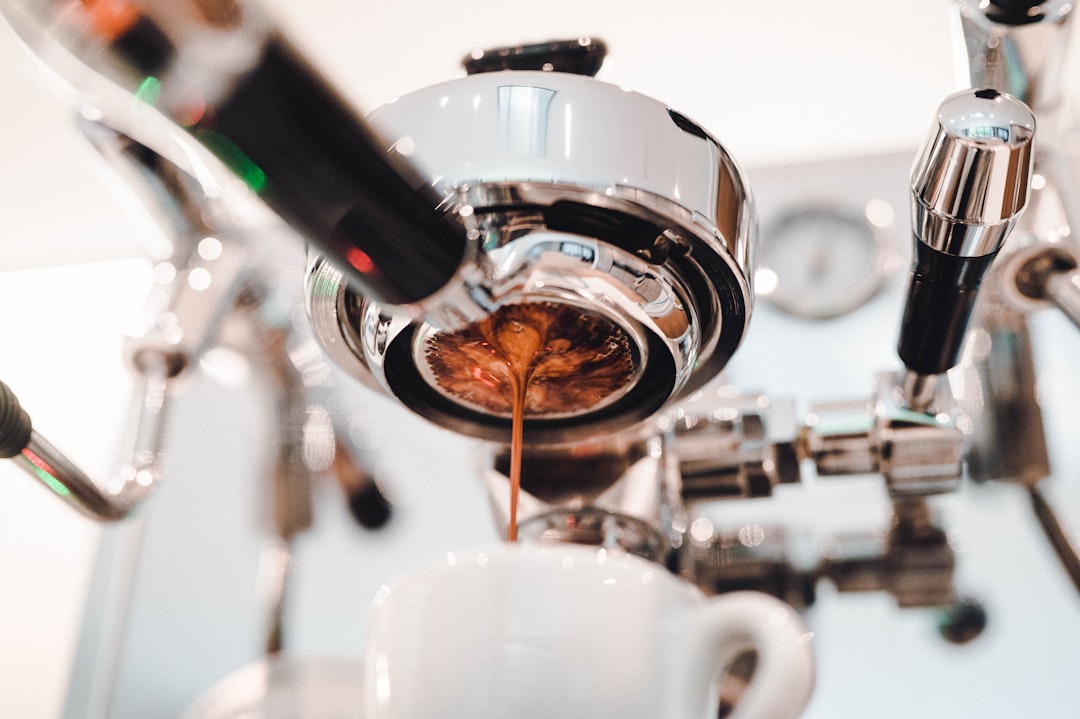
Coffee brewing businesses operate in a market where generic advertising yields diminishing returns and wasted spend. Meaningful lead generation requires a data-driven approach tailored to the buying cycles and seasonal habits of coffee buyers, from holiday gift sets to the spring rush on cold-brew gear. For a lighthearted take on caffeine-fueled PPC productivity, check out this coffee guide for PPC professionals.
Advanced targeting strategies make it possible to identify not only who is searching for coffee brewing solutions, but also which companies show real purchase intent on your site. By analyzing that company-level activity, marketers can focus budget and messaging on high-converting accounts, reducing friction and improving lead qualification.
Aligning landing pages and creative assets with targeted ad groups ensures that prospects experience a seamless journey from first click to conversion. Maintaining a consistent message across ads and on-site content increases engagement rates and lowers drop-off, while timely delivery of relevant offers addresses the pitfalls of delayed follow-up in traditional campaigns. Discover more ways to optimize every stage with key marketing playbooks.
Continuous optimization is critical for maintaining efficiency and maximizing ROI. Up-to-date audience insights and dynamic account data help marketers avoid wasted impressions, keeping campaigns fresh and effective as market trends shift. Integrating CRM and ad platforms allows enriched audiences and leads to flow directly into sales workflows, closing the loop between digital engagement and pipeline growth.
Cross-channel integration amplifies every touchpoint, so coffee marketing doesn't stay siloed on one platform. Consistent engagement across Google Ads, social, and email reinforces brand presence and nurtures leads until they're ready to convert, making the whole marketing effort compound rather than reset with each campaign. For a hands-on walkthrough of smarter marketing measurement, get started for free with Sona.
This guide provides a step-by-step framework for coffee marketers, shop owners, and brands to generate qualified leads, improve marketing effectiveness, and foster business growth in the competitive coffee brewing industry. For more in-depth insights, visit the Sona blog.
Why Does Google Ads Matter for Coffee Brewing
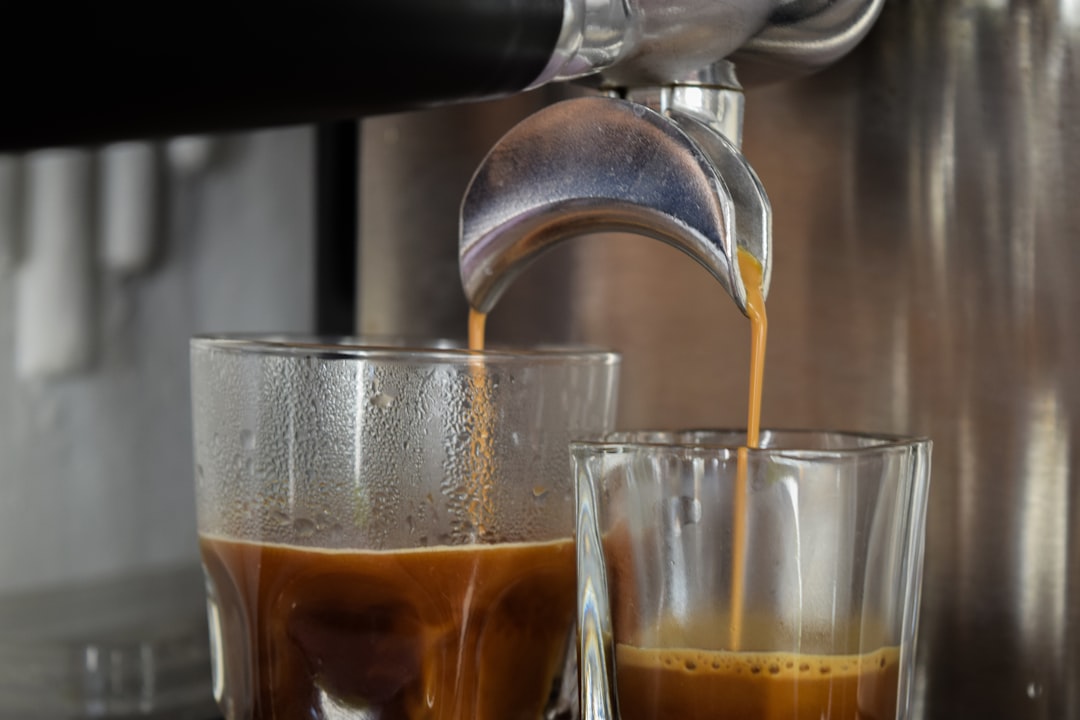
Precision-driven advertising is essential in the competitive coffee brewing market, where consumers actively seek out unique blends and brewing innovations. Google Ads empowers coffee businesses to engage these high-intent shoppers at the moment they are searching for specialty beans, brewing guides, or equipment upgrades. For more insights on digital marketing analytics and attribution, visit our marketing analytics blog.
Unlike broad social media targeting, Google Ads enables direct outreach to users exhibiting specific search behavior, ensuring marketing budgets reach coffee lovers already primed for action. This approach minimizes wasted impressions and connects offers to those most likely to convert, whether the goal is to promote a limited-run single origin or a new home espresso machine.
Seasonal trends in coffee, such as peaks during colder months or around major holidays, require rapid, agile marketing. Google Ads delivers instant visibility for new product launches and time-sensitive promotions, while campaign data reveals which audiences drive the most engagement and sales. By leveraging dynamic audience segmentation, businesses can continuously refine their targeting as new leads engage and existing customers shift preferences.
For local coffee shops, expanding digital reach beyond foot traffic is critical. Google Ads opens opportunities to attract new regulars within a defined radius, syncing online and offline data to measure true ROI. Unified data platforms let marketers identify high-value visiting companies, attribute conversions accurately, and automatically update audiences as customers move through the buyer journey, resulting in a more responsive, growth-focused coffee marketing strategy.
Common Types of Google Ads Campaigns for Coffee Brewing
Search, Display, Video, and Remarketing are the core campaign types coffee brewers rely on, but Performance Max is worth a place in the mix too: it draws on Google's full inventory, Search, Display, YouTube, Discover, Gmail, and Maps, from a single campaign, which suits coffee brands that want broad reach without managing five separate builds.
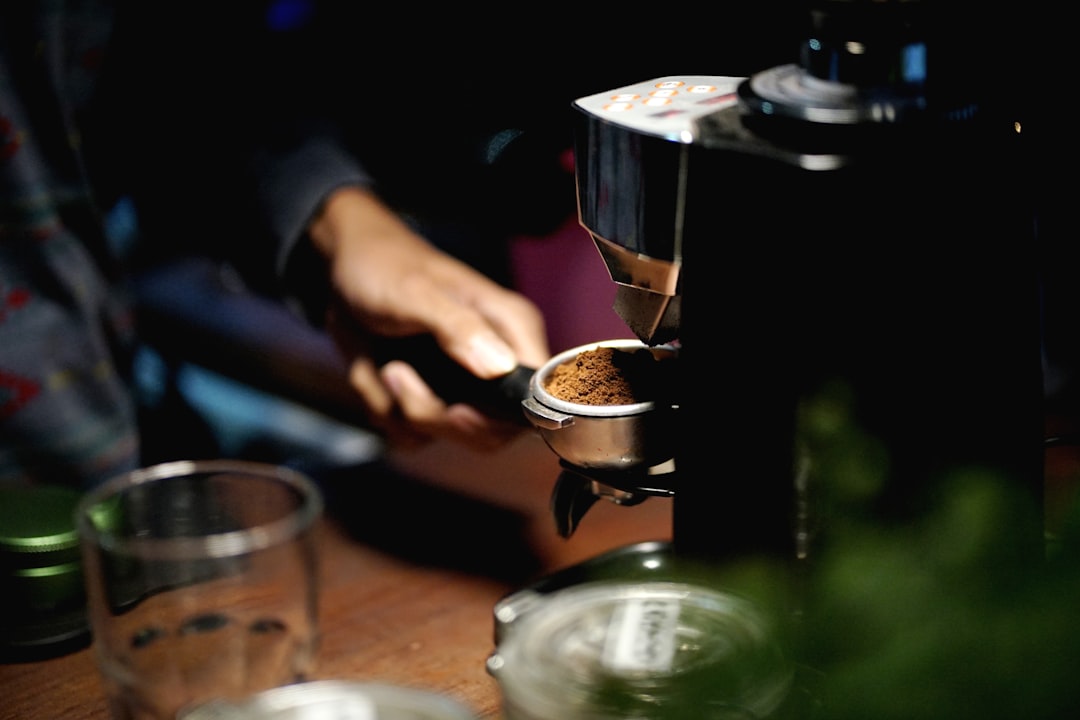
- Search Campaigns: Search campaigns for coffee brewing businesses capture customers actively seeking specific flavors, brewing methods, or equipment. Targeting high-intent keywords ensures your ads appear to users ready to buy or learn, rather than casting a wide and inefficient net. Leveraging unified go-to-market data, marketers can pinpoint not just anonymous clicks but the actual companies and individuals searching for niche terms, optimizing spend toward audiences with the highest likelihood to convert. For inspiration on keyword selection, review this list of coffee-related keywords to enhance your ad targeting.
- Display Ads: Display ads keep your brand top-of-mind for coffee enthusiasts as they browse industry blogs, recipe sites, and specialty forums. Fit scoring powered by enriched customer profiles allows teams to prioritize placements where high-value prospects spend time. Prospecting strategies become hyper-efficient when you can recognize which businesses and decision-makers are viewing your content, focusing budget on the most relevant impressions. For more ways to strengthen your full-funnel marketing, explore our marketing analytics blog.
- Video Ads: Video ads offer an immersive way to highlight your coffee products, brewing expertise, or café environment. Harnessing enriched profile and behavioral data, messaging can be tailored for each segment, whether showcasing a step-by-step pour-over tutorial to home baristas or introducing commercial brewing solutions to office managers. This level of personalization increases engagement rates and ensures that each viewer receives content aligned with their current buying journey. For creative video inspiration, see this video with coffee advertising ideas.
- Remarketing: Remarketing campaigns re-engage visitors who expressed interest but left before purchasing, using tailored follow-ups across search, display, or video. Real-time intent data enables marketers to adjust messaging and offers based on the specific stage a lead is in, ensuring that abandoned cart reminders or subscription prompts hit at the perfect moment. Dynamic audience updates mean remarketing lists stay relevant, automatically adding new high-potential visitors and removing those who convert or disengage. For tips on remarketing and campaign optimization, check out our marketing playbooks.
- Assets: Ad assets enrich your coffee ads with actionable links like 'Order Now,' 'View Menu,' or 'Get Directions.' When these are powered by unified customer and CRM data, assets can be dynamically customized to reflect current promotions, local inventory, or loyalty offers specific to each visitor. This creates a seamless path from ad click to purchase, increasing trust and driving immediate conversions for both online sales and in-store visits.
Where to Find Growth Opportunities in Coffee Brewing?
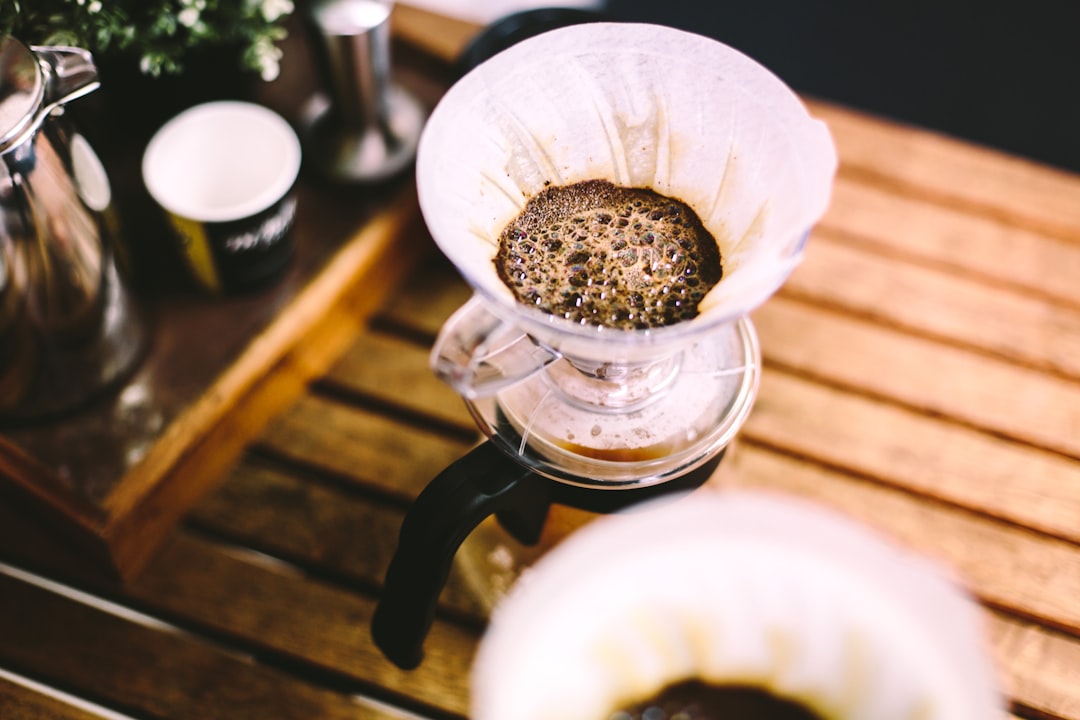
Coffee brewing businesses can accelerate growth by targeting niche keywords that reflect evolving consumer interests and brewing innovations. Using resources like this list of coffee-related keywords helps ensure ad spend is focused on highly relevant audiences and avoids dilution from generic or unrelated search traffic.
Competitor analysis using platforms like SEMrush reveals underserved segments and gaps in current market coverage. By monitoring competitors’ keyword portfolios and ad placements, marketers can spot valuable opportunities where their brand’s unique strengths can stand out. This method allows coffee brands to discover untapped topics, such as emerging brewing gadgets or specialty bean varieties, that competitors may overlook. For more on identifying high-value accounts from website visitors, check out this guide to account identification.
Industry-specific placements, such as coffee enthusiast forums and specialty directories, extend campaign reach beyond the typical search and social channels, and tend to reach people already deep in research mode, comparing grind settings or roast profiles rather than just browsing. Overlaying these placements with company-level visitor identification and intent signals helps marketers dynamically allocate budget to the segments actually converting, improving overall campaign efficiency.
Content retargeting through educational assets like step-by-step brewing guides or video tutorials deepens engagement and reactivates interest from previous site visitors. Updating audience lists based on where leads are in their journey lets coffee businesses deliver messaging that moves prospects closer to purchase. Integrating advanced conversion tracking and linking CRM data to ad platforms ensures every touchpoint, online and offline, contributes to a complete view of Google Ads ROI for coffee and informs future strategy refinements.
How to Apply Audience Segmentation for Coffee Brewing
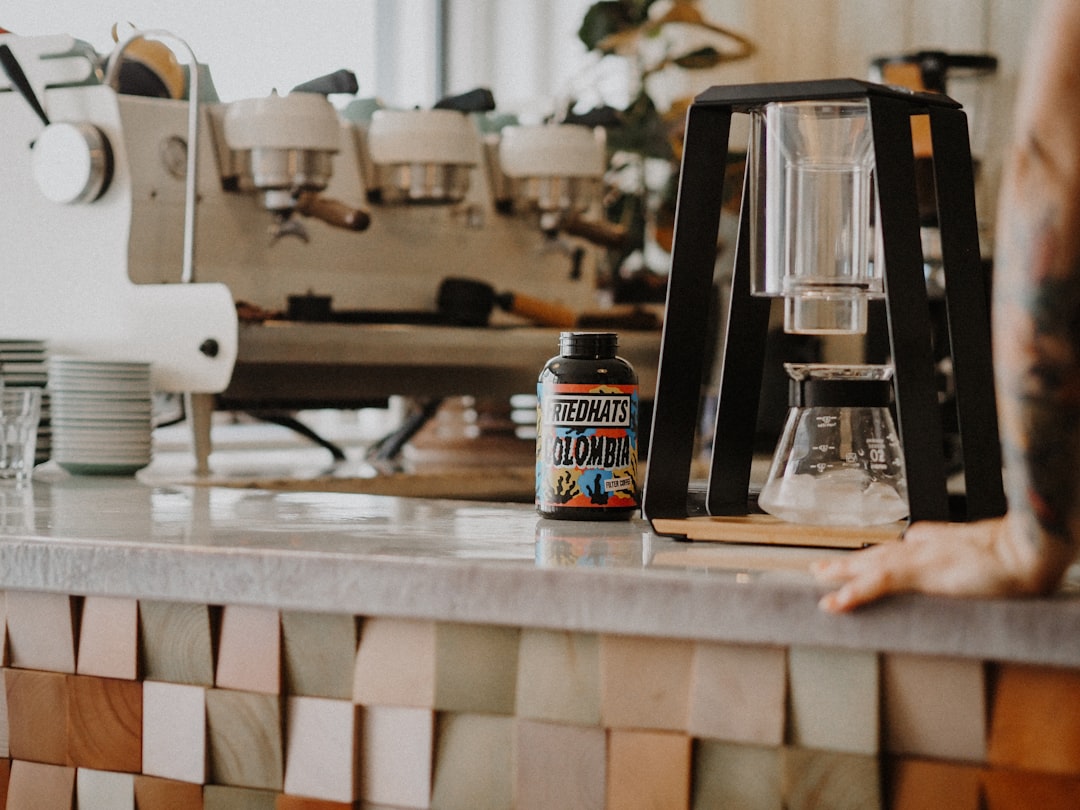
Audience segmentation is a cornerstone of effective Google Ads for Coffee Brewing campaigns. By understanding the nuanced preferences of coffee buyers, marketers can craft campaigns that speak directly to each group, increasing relevance and engagement while minimizing wasted ad spend. Segmentation enables deeper personalization, allowing brands to position their offerings in ways that resonate with both casual drinkers and seasoned aficionados. Explore more strategies in our guide to account-based marketing.
- Define Segments: Successful coffee brewing advertising begins with robust audience segmentation. Start by distinguishing coffee amateurs, who may want entry-level brewing guides or starter kits, from connoisseurs seeking single-origin beans or advanced equipment. For location-based campaigns, separate local consumers searching "coffee shops near me" from buyers seeking specialty products shipped internationally. These distinctions inform everything from messaging to product recommendations, so every ad serves a distinct purpose for its intended audience. Marketers using Sona's Identity Resolution can go further, identifying visitor companies and individual decision-makers to refine segments beyond basic demographics.
- Overlay Intent Signals: Not all coffee-related searches signal the same level of purchase intent. Overlaying behavioral and contextual intent data allows marketers to distinguish between users actively looking to buy, such as “buy pour-over coffee maker”, and those merely seeking information, like “how to brew French press coffee.” By optimizing budget allocation toward high-intent segments, campaigns reduce wasted impressions and drive increased ROI. Platforms that unify real-time browsing and engagement signals empower marketers to dynamically shift spend to audiences exhibiting strong buying signals, improving conversion rates while lowering cost per acquisition. For a curated list of high-performing keywords, see coffee-related keywords for SEO and PPC.
- Create Ad Groups by Segment: Once segments and intent levels are identified, structure ad groups accordingly. Design ad creatives that address each segment’s specific needs: showcase educational content for beginners and highlight premium products or exclusive offers for experienced buyers. Allocate budgets based on segment value, dedicating more resources to groups with higher conversion potential or lifetime value. Using real-time audience segmentation, these groupings can be automatically updated as leads progress through the funnel or as their interests shift, keeping messaging timely and relevant without manual intervention.
- Validate Conversion Paths: Accurate measurement is essential for ongoing optimization. Ensure that all conversion actions, online purchases, content downloads, and store visit bookings, are fully tracked and attributed both online and offline. Integrate these actions with your CRM so leads generated from Google Ads for Coffee Brewing campaigns flow instantly to sales teams without delay. This reduces lead cooling, enables rapid follow-up, and gives a comprehensive view of how each segment contributes to overall business growth. Advanced platforms like Sona enrich conversion data, letting teams tie ad spend directly to pipeline velocity and closed revenue.
This is also where measurement changes the economics. With Sona Marketing Measurement you can identify the companies and buyers behind your ad clicks, not just anonymous sessions, and segment audiences by who actually becomes a customer. That lets you build bid adjustments and audience signals around the segments that convert and de-prioritize the ones that don't, so you feed Google's algorithms "this click became a paying coffee brewing customer" instead of just "someone filled out a form."
Keyword Strategy & Sample Target Terms
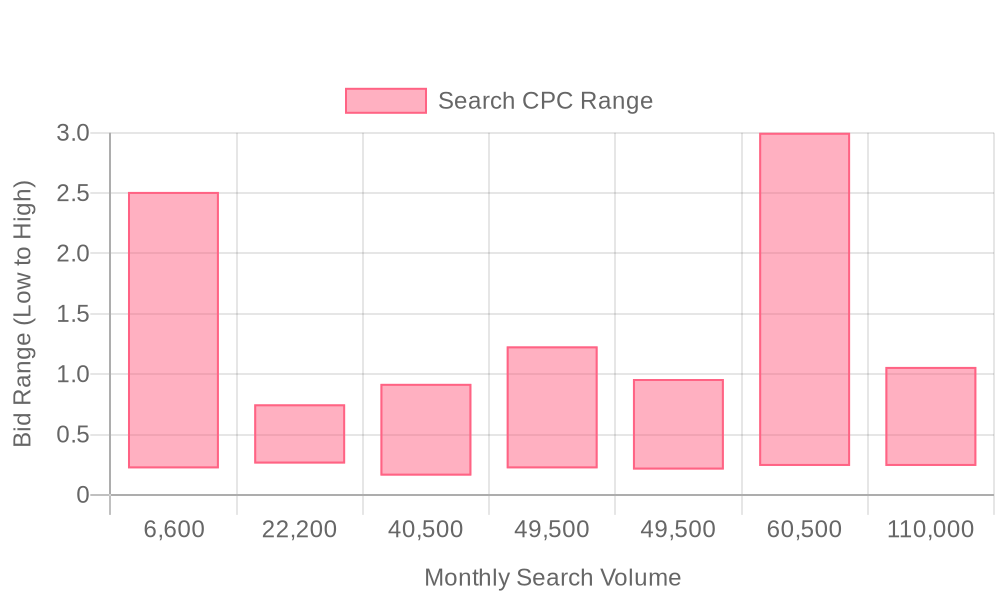
| Industry | Keyword | Monthly Search Volume | Competition Level | Low Bid | High Bid |
| Coffee Brewing | coffee brewing | 6600 | HIGH | 0.22 | 2.51 |
| Coffee Brewing | coffee maker with grinder | 22200 | HIGH | 0.26 | 0.75 |
| Coffee Brewing | pour over coffee | 40500 | HIGH | 0.16 | 0.92 |
| Coffee Brewing | bunn coffee maker | 49500 | HIGH | 0.22 | 1.23 |
| Coffee Brewing | cold brew coffee maker | 49500 | HIGH | 0.21 | 0.96 |
| Coffee Brewing | cold brew | 60500 | HIGH | 0.24 | 3 |
| Coffee Brewing | french press | 110000 | HIGH | 0.24 | 1.06 |
Coffee brewing businesses thrive by capturing demand at the moment of intent. Effective keyword strategies unlock high-value segments and drive direct outcomes, especially in a category where consumer tastes and product discovery habits evolve rapidly. Precision in keyword targeting lets marketers move beyond guesswork, focusing resources on searchers actively looking for products, equipment, or venues that match their offering. Explore actionable tactics in our marketing playbooks or find inspiration from this beginner coffee guide for PPC professionals.
- Opportunity Keywords: Targeting terms like "best coffee ads," "coffee brewing advertising campaigns," and "Google Ads tips for coffee brewers" positions campaigns in front of users researching industry trends or seeking actionable marketing inspiration. These segments often include business buyers, café owners, and enthusiasts, making them valuable for both B2B and B2C lead generation. Enhance campaign precision by leveraging Sona to build real-time, signal-based audience segments for hyper-personalized outreach.
- High-Intent Queries: Phrases such as "buy coffee online," "coffee brewing equipment," and "best cafes near me" consistently signal readiness to purchase or visit. Prioritizing these keywords ensures ad spend is directed at prospects most likely to convert, accelerating sales cycles and maximizing ROI for coffee brands and retailers. For unified measurement and optimization, discover how accurate revenue attribution can elevate your marketing effectiveness.
Local modifiers are essential for maximizing conversions in competitive markets. Queries like "coffee shops near me" or "coffee roasters in [city]" capture consumers with immediate purchase intent. By analyzing conversion data from these local searches, marketers can refine their keyword lists to prioritize leads with the highest fit, businesses can then reallocate budget and messaging to geographies or communities with superior performance. This targeted approach is further enhanced by Sona, which reveals the companies and people visiting your website, even if they don’t fill out a form.
Negative keyword management is a cornerstone of cost efficiency in online coffee promotions. Filtering out broad or low-converting terms, such as "coffee memes" or "free coffee images," preserves budget for genuine leads. Sophisticated attribution and visitor identification allow marketers to dynamically update negative lists based on conversion patterns and intent signals, ensuring campaigns remain tightly aligned with business goals. For a deeper dive into optimizing your strategies, visit our blog on marketing analytics and attribution.
Ready to level up your keyword strategy? Get started for free with Sona.
Step-by-Step Campaign Execution Framework
Step 1: Build Targeted Keyword Lists
Building a robust keyword list is foundational for effective Google Ads for Coffee Brewing. Focus on keyword clusters that reflect brewing methods, coffee types, equipment, and purchase intent, such as "cold brew coffee maker," "pour-over coffee guide," or "best commercial espresso machines." For inspiration on high-performing terms, check out top-performing coffee keywords to refine your targeting. Incorporate local modifiers like city names or "near me" to attract both retail and wholesale buyers searching for coffee solutions in specific locations. This approach allows you to align keyword strategy with content marketing efforts, ensuring paid campaigns reinforce organic visibility and address real-time shifts in consumer demand. By segmenting keywords based on buyer journey stages, marketers can tailor campaigns to capture new interest, nurture ongoing research, and drive transactional intent.
Integrating keyword data with unified marketing platforms lets revenue teams identify not just anonymous clicks, but the actual companies and decision-makers engaging with high-intent terms, using Sona's Identity Resolution. This intelligence lets teams prioritize spend on segments demonstrating real purchase behavior, optimizing every dollar for higher ROI and providing a clear path from search term to sales pipeline.
The upgrade most coffee brewing advertisers miss is going beyond raw keyword volume to layer in intent and identity signals. By connecting website-visitor data and CRM records with Sona Marketing Measurement, you can see which specific search terms bring in the accounts and customers that actually convert, and weight your keyword and bidding strategy toward those rather than the terms with the highest search volume alone.
Step 2: Develop Compelling Ad Copy
Developing ad copy that resonates with coffee enthusiasts and business buyers is essential for maximizing engagement and conversions. Use incentives such as “first cup free” or “complimentary tasting consultation” to lower barriers for first-time customers and drive immediate response. Build trust by highlighting certifications, awards, or sustainable sourcing, these elements lend credibility and address the growing demand for ethical coffee practices. For creative inspiration, explore successful coffee ad campaigns to spark new ideas for your messaging. Ad messaging should echo across all channels, from Google Ads to email and social campaigns, creating a cohesive brand experience that increases recall and response rates.
Data-driven platforms make it possible to adapt messaging based on past engagement and real-time behavior. When marketers see which ad variants drive the highest conversions among specific audience segments, they can automatically adjust copy and offers to keep engagement high, even as consumer preferences evolve. This dynamic approach ensures campaigns remain timely and relevant, closing the loop between ad creative and actual buyer actions. For more on optimizing your messaging through the funnel, see our marketing analytics blog.
Step 3: Design Effective Landing Pages
Effective landing pages are tightly aligned with ad messaging and keyword themes to prevent disconnects that reduce conversion rates. Tailor each page to the promise made in the ad, whether it’s a brewing tutorial, a bulk order discount, or a subscription sign-up. Use clear calls to action, concise benefit-driven copy, and product visuals that match the user’s search intent. Avoid generic landing pages that attempt to serve all audiences, targeted pages convert at significantly higher rates and provide a better user experience. To see how leading brands align landing experiences with ad strategy, review this Nespresso search strategy case study.
Connecting landing page forms to sophisticated CRM systems ensures every lead is captured and enriched for follow-up. With Sona Destinations, your platform can automatically sync lead information to the sales team, segment them by intent, and trigger nurture campaigns. This real-time data sync guarantees no opportunity slips through the cracks and allows revenue teams to track the full journey from ad click to closed sale.
Step 4: Implement Data-Driven Optimizations
Ongoing optimization is critical for maximizing the return on Google Ads for Coffee Brewing. Regularly test variations of ad copy, images, and call-to-action buttons to identify which combinations yield the strongest results across customer segments. Use insights from A/B tests to inform future creative decisions and reallocate budget toward top-performing ads, channels, or audiences. For practical guidance on Google Ads optimization, refer to this guide for cafes.
With unified data platforms, marketers can see which keywords, ads, and landing pages lead to the most valuable conversions, both online and offline. Integrating conversion data from multiple touchpoints gives teams a holistic view of campaign performance, letting them adjust bidding, audience targeting, and creative in near real-time. This closed-loop feedback system keeps every optimization rooted in actionable insight, driving higher-quality leads and sustainable growth for coffee companies.
Sona Marketing Measurement closes the gap between clicks and revenue. It captures ad clicks with first-party measurement, ties them through UTM capture and ad-platform APIs to the actual record in your CRM, and reports ROAS by keyword and campaign instead of by last-click form fill. Feeding that revenue signal back into Smart Bidding and Performance Max compounds over time: the algorithms optimize toward booked coffee brewing revenue, not cheap leads.
Tips on Expanding Your Coffee Brewing Presence
Promoting educational assets within retargeting campaigns positions your coffee brand as a trusted resource while efficiently nurturing engaged audiences. By offering brewing guides, advanced tutorials, or exclusive tasting notes, you deliver ongoing value to prospects who have already demonstrated interest, increasing the likelihood of repeat visits and conversions. For inspiration on creative content ideas, check out this beginner coffee guide for PPC professionals, or explore more actionable marketing insights on the Sona blog.
Upselling complementary products such as reusable mugs, grinders, or barista training sessions becomes more impactful when tailored to each customer’s demonstrated interests. When CRM data is enriched by real-time online behavior, you can dynamically segment your audience and present timely offers that reflect their exact stage in the buying journey. This personalization drives higher order values and lifetime loyalty, as each message is aligned with what the customer is most likely to purchase next.
Collaboration with reputable coffee associations or industry partners unlocks co-marketing opportunities that can extend your reach far beyond your current audience. By leveraging referential traffic from association newsletters, social channels, or event sponsorships, your brand benefits from increased credibility and exposure without overextending your marketing budget. To enhance your marketing operations, see how automated data sync tools can help streamline your co-marketing efforts.
Localized advertising is essential for coffee businesses aiming to dominate in high-growth markets. Focusing spend on geographic regions with the greatest potential ensures every dollar works harder, while ad creative can be tailored to reflect local preferences, events, or seasonal trends. Real-time data integration helps you continually refine these local campaigns, maximizing relevance and ROI as market dynamics shift.
The most successful Google Ads for Coffee Brewing campaigns use precise targeting, compelling creative, and advanced data strategies to outmaneuver the competition. Issues like static audience lists and slow lead response are addressed by building audiences that update dynamically as prospects engage across channels. For examples of high-performing coffee ad campaigns that leverage these best practices, review coffee ads campaign ideas.
Beyond Google Ads: Winning the AI Answers Coffee Brewing Buyers Now Trust
Paid search captures demand at the moment someone types a query. But a fast-growing share of coffee brewing buyers no longer start at Google at all, they ask ChatGPT, Gemini, or Perplexity before they ever run a search, and Google's own AI Overviews increasingly summarize an answer above the traditional results. If your business isn't referenced in those AI answers, you're invisible at the exact moment buyers build their shortlist.
Sona AI Visibility shows where your business shows up across ChatGPT, Gemini, Perplexity, Google AI Overviews, and 10+ engines, and, much like a keyword report, which prompts actually send you buyers, so you can prioritize the ones that convert. Run the two together and you cover the entire buyer path: get cited where buyers research (AI Visibility), then prove which of that demand turns into booked revenue (Marketing Measurement).
Helpful resources
Conclusion
The coffee businesses that pull ahead won't just run more ads, they'll be the ones who can trace a search for "best espresso machine" all the way to a repeat customer, and who show up when a buyer asks an AI assistant for a recommendation instead of typing a query. That's the shift worth building toward now: pairing precise targeting with real attribution, so every dollar spent teaches your campaigns something about who actually buys.
FAQ
What are the best Google Ads strategies for coffee shops?
Effective strategies involve precision targeting of coffee enthusiasts, creating aligned landing pages with ad messaging, and leveraging audience segmentation to increase relevance and engagement.
How can I effectively advertise my coffee products online?
Use Google Ads to target high-intent keywords, design compelling ad copy, and create tailored landing pages that match user search intent while leveraging CRM integration for seamless lead management.
What budget should I allocate for Google Ads in the coffee industry?
Budget allocation should focus on high-intent keywords and dynamic audience segmentation to optimize spend towards audiences most likely to convert, ensuring efficient use of resources.
What are some successful Google Ads examples for coffee brewing?
Successful examples include search campaigns targeting high-intent keywords, display ads on industry blogs, and personalized video ads showcasing coffee products and brewing expertise.
How do I measure the success of my Google Ads campaigns for coffee?
Measure success by tracking conversions through CRM integration, analyzing audience engagement, and continuously optimizing campaigns based on data-driven insights to maximize ROI.







