


A roaster with a superior bean can still lose the sale to a competitor with a sharper ad. The real cost is more basic: prospects visit your site, compare wholesale terms or subscription pricing, and leave without filling out a form, invisible to any CRM, and gone. Identity resolution tools now surface those anonymous visitors, the cafe buyer pricing out a new supplier, the office manager researching a subscription, so you can fold them into targeted Google Ads campaigns instead of losing them to the scroll. Done well, Google Ads meets coffee buyers at the moment they're comparing options and lets you make the case for your roast, your sourcing, and your reliability as a supplier.
How to Generate Google Ads for Coffee Roasting Leads: A Step-by-Step Guide

A results-driven Google Ads strategy for coffee roasting businesses starts with understanding evolving industry data and customer behaviors. Integrating actionable trends into every campaign decision ensures your efforts resonate with both buyers and influencers in the coffee sector. For inspiration on creative campaign approaches, explore these coffee ads campaign ideas.
- Data-Driven Approach: Leading coffee roasting marketers rely on deep data analysis to inform their Google Ads strategy. By examining search patterns, equipment demand cycles, and the growth of specialty coffee, you can pinpoint high-intent keywords and seasonal opportunities. Advanced platforms now allow you to identify which companies are visiting your website, removing the guesswork from top-of-funnel targeting. This means you are not just driving anonymous traffic, you are engaging real accounts that matter to your pipeline.
- Tailored Targeting: Effective audience targeting is essential for maximizing ROI in coffee roasting marketing. Geo-targeting lets you focus your ad spend on cities and regions with established café cultures or emerging roasting operations, while affinity audiences connect you with professionals and enthusiasts whose interests align with your unique offerings. For B2B campaigns, leveraging real-time audience data ensures your ads are seen by decision-makers at the right stage in the buying process, further narrowing your focus to accounts with real purchase potential.
- Creative Alignment: Ad copy and visuals must reflect the priorities of your target audience. For commercial buyers, emphasize technical features, certifications, or energy savings; for specialty consumers, highlight origins, sustainability, or the craft behind your blends. Using insights from enriched audience profiles, you can tailor messaging to resonate with each segment, from eco-conscious café owners to large distributors seeking consistent supply. For more on building results-driven messaging, see our marketing playbooks.
- Performance Optimization: Continuous improvement separates roasters who scale from those who plateau. Track conversions, from brochure downloads to demo requests, to see which ads and keywords drive the actions that matter, then shift budget toward the audiences converting best so every dollar works harder. With ad conversions tracking, you can connect digital ad clicks to actual sales calls or signed contracts, giving you a true picture of ROI.
- Cross-Channel Integration: Seamless coordination across marketing channels amplifies every campaign’s impact. Automated data-syncing solutions make it easy to unify your CRM, audience lists, and Google Ads accounts, ensuring customer journeys remain consistent whether prospects engage via email, paid search, or sales outreach. As leads progress through the funnel, your remarketing and tailored offers evolve in real time, increasing engagement and opportunity creation at every stage.
Why does Google Ads matter for Coffee Roasting

Coffee roasting runs on timing: a cafe's lease renewal, a distributor's Q4 restock, a holiday gift-subscription push. Buyers research suppliers, compare roast profiles, and check certifications before they ever call, which makes Google Ads one of the few channels that can meet them mid-decision rather than after. For brands seeking inspiration to boost paid social performance, explore these coffee advertising campaign ideas.
- Reaching the Right Audience at the Right Time: Google Ads enables coffee roasters to connect with decision-makers and enthusiasts in moments of active interest, such as searching "premium coffee roasters near me." Predictive data models can refine this process, surfacing leads with high purchase probability and ensuring media spend prioritizes those closest to conversion. Tools like real-time audience segments help marketers target the right buyers at critical moments.
- Capturing High-Value Leads: Premium blends, wholesale partnerships, and coffee subscriptions often represent significant revenue streams. Visibility across high-intent keywords and enriched audience segments ensures these offers reach businesses and consumers already demonstrating readiness to buy, maximizing the impact of every impression.
- Real-Time Demand Response: Coffee demand spikes around holidays, new product launches, and seasonal roast releases. Responsive PPC campaigns let roasters shift budgets, update offers, and push inventory in real time. Marketers using platforms that unify CRM and site-visitor data can spot in-market behavior shifts immediately, reallocating spend to high-converting accounts as trends emerge with Sona.
- Precise Market Targeting: Coffee roasting companies can target by region, niche, or vertical, focusing ads on segments where intent signals indicate rapid growth or unmet demand. Targeted ads for coffee minimize wasted impressions and lower acquisition costs by excluding irrelevant traffic and honing in on the most valuable prospects. Integration with enriched lead data further sharpens this focus, syncing audience lists with real-time company and contact attributes for best-in-class targeting. Marketers can find actionable playbooks for optimizing demand generation to further boost efficiency.
Used well, Google Ads gives coffee roasting businesses an efficient mix of visibility and conversion, letting both direct-to-consumer and B2B teams accelerate pipeline and scale profitably.
Common Types of Google Ads Campaigns for Coffee Roasting

- Search Campaigns: Search campaigns connect your coffee roasting business to buyers at the exact moment they are researching products or services. By leveraging intent-based keywords for coffee, these ads capture high-quality leads including cafes, distributors, and B2B procurement specialists actively seeking equipment or specialty beans. With advanced identification, marketers can move beyond anonymous traffic, pinpointing which companies are searching and syncing those insights into sales workflows for prompt, personalized follow-up.
- Display Ads: Display campaigns maintain top-of-mind awareness within the food and beverage sector, placing your brand in front of decision-makers as they browse industry news, supplier directories, or specialty coffee forums. Consistent brand reinforcement is achieved by dynamically updating real-time audience segments based on web engagement, ensuring ads reach those further along the buying journey while aligning with ongoing sales outreach. For more best practices, visit our marketing blog.
- Video Ads: Video campaigns elevate brand storytelling for coffee roasters. These ads visually communicate the roasting process, highlight unique sourcing practices, and build trust with prospective partners. By tracking in-market behaviors, such as who watches specific demo or origin videos, marketing teams can shift budgets to high-converting accounts and build custom retargeting pools, improving ROI and deepening engagement for both B2B and DTC segments.
- Remarketing: Remarketing campaigns re-engage visitors who showed interest but left without converting, whether they browsed product specs, started a wholesale inquiry, or viewed case studies. Automated audience updates ensure your ads reflect where each lead sits in the buying funnel, serving relevant offers or educational content at the right time. Syncing remarketing activity with CRM systems and sales platforms closes the attribution loop, letting teams measure which sequences directly drive offline demo requests or signed contracts.
Where to Find Growth Opportunities

Growth in coffee roasting comes from finding demand competitors miss and using granular audience data for sharper outreach. Marketing teams that align tactics with buyer intent, a distributor comparing suppliers, a cafe owner researching origin stories, consistently capture revenue that generic campaigns leave on the table.
- Vertical Keyword Targeting: Niche keywords such as “eco-friendly coffee roasting,” “low-emission roasters,” or “small batch specialty beans” present strong opportunities for differentiation. These terms often reveal not only a buyer’s technical requirements but also their values regarding sustainability and innovation. By drilling into specific roasting techniques or operational needs, marketers can reach decision-makers looking for solutions beyond generic coffee equipment. Marketers can discover top-performing keywords for the industry using resources like coffee-related keyword lists. Advanced tools allow for intent-driven segmentation; when CRM and web engagement data are unified, it becomes possible to identify which verticals, like organic-certified roasting or high-volume commercial supply, are gaining traction. This data-centric approach enables teams to dynamically adjust keyword portfolios, ensuring spend is always focused on high-potential segments.
- Competitor Gap Analysis: Look at where rival roasters underperform. If competitors skip energy efficiency or supply chain transparency, build messaging and landing pages around those gaps to capture buyers already close to deciding. Monitoring ad placements and engagement reveals shifts in market share, so budget can move in real time toward neglected niches. Platforms that integrate intent data with account-level insights flag when buyers are researching alternatives, letting sales prioritize outreach to those accounts. For specialty coffee roasters considering bidding on competitor keywords, review strategic guidance here.
- Industry-Specific Placements: Advertising on coffee-centric forums, wholesale directories, and specialty trade sites aligns brand visibility with high-intent audiences. These placements, often overlooked in broad digital marketing for coffee campaigns, place your business in the path of buyers already comparing suppliers or seeking expert advice. Integrating these channels with dynamic audience management ensures that ad creative and messaging reflect the evolving interests and pain points of industry professionals. For additional inspiration, explore creative coffee ad campaign ideas designed specifically for paid social strategies.
- Content Retargeting: Brewing guides, roast-profile calculators, and whitepapers on sustainable sourcing make strong entry points for targeted ads for coffee. Track which users engage with specific resources and you can build retargeting lists that reflect real buying intent, not just page views. CRM integration maps those engagement signals to pipeline stages, so follow-up offers match each prospect's needs, and marketing can attribute conversions from first engagement through offline sales conversations. For more on maximizing attribution across touchpoints, read this guide to measuring marketing's influence.
How to Apply Audience Segmentation for Coffee Roasting
Effective audience segmentation is fundamental for coffee roasting businesses aiming to maximize the impact of their digital marketing investments. By breaking down your audience into actionable groups, you can allocate budget precisely where it generates the highest engagement and return, rather than spreading spend across broad, unfocused campaigns. This approach not only improves campaign efficiency but also allows you to craft highly relevant messaging that speaks directly to the priorities of each segment. For a step-by-step framework tailored to the coffee industry, explore this marketing plan for coffee roaster businesses or visit our blog for additional B2B segmentation strategies.
- Define Segments: Start by distinguishing commercial coffee roasters from small-batch or artisanal producers. Each segment has different motivations: commercial buyers care about scale, equipment specs, and supply contracts, while artisanal clients value origin, process transparency, and exclusive lots. Historical data, web activity, and CRM profiles help surface which segments are converting, so campaigns focus on the prospects most likely to buy. A unified platform lets marketers identify companies visiting your website, enabling targeted follow-up and better-sequenced ads.
- Overlay Intent Signals: Segmenting by intent means reading search and browsing behavior, a query for "bulk green coffee beans" signals something different than one for "limited edition single origin." Sona surfaces intent signals so marketers can shift budget toward segments actively considering a purchase, giving high-value leads timely, personalized messaging. Audience definitions update automatically as new engagement signals appear, keeping ad groups and remarketing pools aligned with each buyer's actual stage.
- Create Ad Groups by Segment: Customizing ad groups for each defined segment allows you to tailor messaging, creative, and bidding strategies to the needs of diverse buyers. For example, commercial roaster ad groups might emphasize technical certifications and volume pricing, while small-batch segments highlight ethical sourcing and flavor profiles. Budget can be allocated based on segment performance, doubling down on those that demonstrate higher engagement and conversion rates. With advanced audience data sync, marketers can seamlessly integrate enriched audience lists directly into Google Ads, ensuring campaigns consistently target the freshest, most relevant leads.
- Validate Conversion Paths: Ensuring seamless conversion tracking is essential for understanding the true ROI of your audience segmentation strategy. By integrating your CRM with your advertising platform, you can track every lead from initial click and ad impression through to offline actions such as sales rep calls, demo bookings, or wholesale account sign-ups. Real-time engagement triggers can be activated when a qualified lead enters a specific segment or hits a conversion milestone, enabling immediate follow-up and reducing the risk of cold leads. For deeper insights on optimizing your marketing attribution, review our guide to offline attribution.
Ready to put audience segmentation strategies into action? Get started for free with Sona.
This is also where measurement changes the economics. With Sona Marketing Measurement you can identify the companies and buyers behind your ad clicks, not just anonymous sessions, and segment audiences by who actually becomes a customer. That lets you build bid adjustments and audience signals around the segments that convert and de-prioritize the ones that don't, so you feed Google's algorithms "this click became a paying coffee roasting customer" instead of just "someone filled out a form."
Keyword Strategy & Sample Target Terms
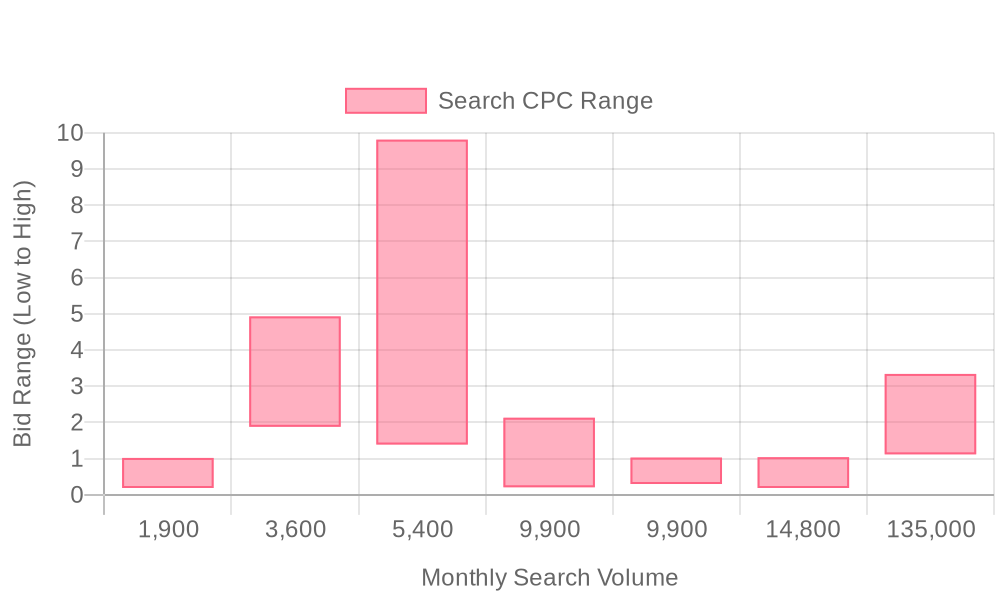
| Industry | Keyword | Monthly Search Volume | Competition Level | Low Bid | High Bid |
| Coffee Roasting | starbucks nespresso | 1900 | HIGH | 0.19 | 1.02 |
| Coffee Roasting | fresh coffee beans | 3600 | HIGH | 1.88 | 4.93 |
| Coffee Roasting | coffee roasting | 5400 | LOW | 1.39 | 9.81 |
| Coffee Roasting | cafe bustelo k cups | 9900 | HIGH | 0.21 | 2.13 |
| Coffee Roasting | starbucks pods | 9900 | HIGH | 0.3 | 1.03 |
| Coffee Roasting | starbucks nespresso pods | 14800 | HIGH | 0.19 | 1.04 |
| Coffee Roasting | coffee roasters near me | 135000 | LOW | 1.12 | 3.34 |
A successful Google Ads campaign for coffee roasting businesses begins with carefully selected, high-intent keywords tailored to the specialized demands of this market. Keywords such as "coffee roasting subscription," "best organic coffee roasters," and "coffee roasting machines for sale" directly address both B2B buyers and discerning consumers, ensuring ads are surfaced to searchers ready to engage or purchase. For additional inspiration on keyword targeting and creative campaign approaches, explore these coffee ads campaign ideas. This strategic keyword focus not only maximizes ad relevance but also drives higher conversion rates by matching real-time demand.
Strategic Keyword Focus: Coffee roasting businesses should prioritize keywords that capture purchase-ready intent and industry-specific needs. Segmenting by subscription models, product quality, and equipment sales aligns campaigns with distinct buyer personas, whether someone is exploring specialty beans or evaluating commercial roasting equipment. To refine targeting further, leverage Sona's Audiences tool, which syncs keyword intent with buyer stage for higher precision.
Keyword Categorization: Organizing keywords into tightly themed groups optimizes ad delivery and messaging. Grouping by service type (retail beans, wholesale supply, equipment sales) and by buyer intent (awareness, comparison, purchase) lets marketers build campaigns that speak directly to each audience. For more on optimizing campaign structure, see our B2B marketing playbooks.
Negative Keywords: Filtering out irrelevant traffic prevents budget drain and increases campaign efficiency. For coffee roasting, excluding terms like "home coffee roaster reviews" or "DIY coffee roasting" keeps focus on commercial buyers and serious enthusiasts. Revisit negative keyword lists regularly, especially as new trends or search patterns emerge. Sona's Intent Signals make it easier to detect where irrelevant searches slip through, refining exclusion strategies over time.
Bid Adjustments: Optimizing bids by device, location, and time of day ensures ads for coffee roasting businesses reach the highest-value prospects. Increasing bids during peak research hours or in metro areas with dense cafe populations can strengthen ROI. Real-time signals from Sona's Intent Signals let budget shift instantly toward in-market accounts showing purchase behavior, and integrated performance dashboards help marketers spot which segments outperform others and reallocate accordingly.
Layered with audience and intent insights, this keyword strategy helps coffee roasting businesses capture demand, cut waste, and scale campaigns with precision.
Step-by-Step Campaign Execution Framework
Step 1: Build Targeted Keyword Lists
Start with tightly grouped keyword clusters reflecting your core service types: wholesale coffee supply, custom roasting solutions, and specialty single-origin beans. Layer in geographic modifiers such as city names, regional references, or delivery zones to capture locally driven demand and outcompete generic broad-match advertisers. Precision increases further when you incorporate niche descriptors like "organic espresso beans" or "private label roasting," which attract high-intent searchers looking for specific value. Discover top-performing coffee-related keywords to optimize your campaigns and drive qualified traffic.
To maximize efficiency, apply comprehensive negative keyword lists, excluding terms such as "home coffee roaster" or "DIY coffee roasting kit" that draw in non-commercial audiences. Sona's Identity Resolution helps marketers move beyond anonymous traffic and pinpoint the companies engaging with these keywords. This enriched targeting allows for dynamic audience building: as prospects interact with your ads, their profiles update instantly, shifting them into the most relevant nurture sequence or retargeting pool.
The upgrade most coffee roasting advertisers miss is going beyond raw keyword volume to layer in intent and identity signals. By connecting website-visitor data and CRM records with Sona Marketing Measurement, you can see which specific search terms bring in the accounts and customers that actually convert, and weight your keyword and bidding strategy toward those rather than the terms with the highest search volume alone.
Step 2: Develop Compelling Ad Copy
Craft ad copy that directly addresses the unique value your coffee roasting business offers: emphasize custom blends, fair-trade certifications, or sustainable sourcing practices that set your brand apart. Trust signals like customer testimonials, industry awards, and third-party certification badges should be prominently featured to build credibility with discerning buyers. Special offers such as "first order discount" or "complimentary shipping on wholesale contracts" create urgency and incentivize immediate action. For creative inspiration, explore these coffee advertising campaign ideas that have helped brands stand out on paid social.
With in-market behavior analytics, marketers can identify which ad variations resonate with buyers showing high purchase intent. Real-time insights let you allocate budget toward top-performing creatives and adapt messaging for accounts showing increased engagement. Sona's Audiences tool ensures your most compelling offers reach the right buyers at the ideal moment in their decision journey.
Step 3: Design Effective Landing Pages
Ensure seamless continuity between your ad copy and the landing page experience. Headlines, imagery, and calls-to-action should reflect the specific keywords and value propositions from your ads, minimizing cognitive friction and reinforcing buyer confidence. Streamline the conversion process by limiting the number of steps required to request a quote, download a brochure, or place a wholesale order. For a step-by-step guide, see this marketing plan for coffee roaster businesses designed to boost visibility and sales.
Display credibility markers such as industry accolades, press features, or prominent partnerships to build trust further. By unifying CRM data with on-site engagement signals, marketers can personalize landing page content for each visitor segment, whether they're a first-time cafe owner or a seasoned procurement manager, using Sona Destinations for seamless data activation. Offline conversions, such as showroom visits or sales calls, can be tracked and attributed back to the campaign for a complete view of ROI.
Step 4: Implement Data-Driven Optimizations
Leverage the full spectrum of Google Ads performance data, integrating Sona Buyer Journeys to refine bidding strategies and ad placements. Adaptive algorithms identify when specific audience segments are surging in-market, enabling real-time budget shifts toward high-converting accounts. Automated A/B testing uncovers which creative elements and landing page variants drive the best results, allowing for continual optimization. For actionable tactics, review these Google Ads strategies for coffee shops and cafes.
Synchronize enriched lead data across your marketing stack, connecting Google Ads with platforms like HubSpot or Salesforce to streamline audience updates and conversion tracking. As leads move through your funnel, audiences are dynamically refreshed, ensuring ongoing relevance and eliminating wasted spend. This unified, data-driven approach delivers precise insight into every stage of the buyer journey, empowering revenue teams to maximize pipeline impact and continuously improve campaign performance. Ready to transform your campaigns? Get started for free with Sona.
Sona Marketing Measurement closes the gap between clicks and revenue. It captures every ad click with first-party measurement, ties that click through UTM capture and ad-platform APIs to the actual record in your CRM, and reports ROAS by keyword and campaign instead of by last-click form fill. Feeding that revenue signal back into Smart Bidding and Performance Max compounds over time: the algorithms optimize toward booked coffee roasting revenue, not cheap leads.
Tips on Expanding Your Coffee Roasting Presence
Coffee roasting brands achieve sustained growth by prioritizing connected, data-driven marketing that strengthens every customer touchpoint. Highly targeted campaigns, personalized outreach, and adaptive creative drive stronger engagement, while unified insights reveal which strategies maximize impact in each channel. For tactical guidance on boosting your coffee brand’s exposure, see these step-by-step marketing plan tips, and explore how Sona can help you identify and engage high-intent website visitors.
- Cross-Promote Content: Retargeting visitors with educational content positions your brand as both a trusted resource and a preferred supplier. By identifying site visitors at the company level, marketers can push tailored articles, brewing guides, or origin spotlights to nurture prospects through the research and decision stages. Synchronized retargeting powered by live behavioral signals ensures ads stay relevant as buyers explore new offerings or shift interests, increasing conversion rates on high-value pages and remarketing lists.
- Leverage CRM Data: Segmenting audiences with enriched CRM data ensures each message aligns with real buyer needs. When CRM and ad platforms communicate seamlessly, audience segments update in real time as prospects download whitepapers, request samples, or move closer to purchase. This dynamic approach lets coffee roasting businesses serve tailored offers, such as exclusive demos for wholesale buyers or seasonal blends for returning customers, across Google Ads, LinkedIn, and email, driving higher engagement and stronger lead qualification.
- Regional Expansion: Combining Google Ads for Coffee Roasting with local SEO strategies amplifies your presence in new markets. Targeted campaigns can focus on specific metro areas or trade hubs, leveraging local intent signals to increase visibility among cafes, distributors, and direct consumers. Enhanced audience syncing allows for rapid campaign adjustments as new leads emerge in CRM, while granular tracking connects online ad clicks with offline store visits or event RSVPs, painting a complete picture of regional performance.
- Monitor Search Trends: Ongoing analysis of coffee-related search trends and competitor activity helps coffee roasting marketers capitalize on emerging opportunities. Integrated marketing and sales data reveals shifts in demand for equipment, subscription services, or specialty beans, guiding budget allocation and creative updates. Real-time intent data ensures that spend is directed to high-converting search terms or in-market accounts, while advanced attribution links each campaign to pipeline revenue, supporting agile, results-driven decision making.
Beyond Google Ads: Winning the AI Answers Coffee Roasting Buyers Now Trust
Paid search captures demand at the moment someone types a query. But a fast-growing share of coffee roasting buyers no longer start at Google at all, they ask ChatGPT, Gemini, or Perplexity before they ever run a search, and Google's own AI Overviews increasingly summarize an answer above the traditional results. If your business isn't referenced in those AI answers, you're invisible at the exact moment buyers build their shortlist.
Sona AI Visibility shows where your business shows up across ChatGPT, Gemini, Perplexity, Google AI Overviews, and 10+ engines, and, much like a keyword report, which prompts actually send you buyers, so you can prioritize the ones that convert. Run the two together and you cover the entire buyer path: get cited where buyers research (AI Visibility), then prove which of that demand turns into booked revenue (Marketing Measurement).
Helpful resources
Conclusion
Google Ads works for coffee roasters when it's built on real buyer signals rather than guesswork, matching keyword intent to the actual moment a cafe owner, distributor, or subscription buyer is ready to act.
The roasters who win the next few years of search will be the ones who can prove which keywords and campaigns actually built paying wholesale accounts and subscription revenue, not just clicks. Start for free and see where your campaigns stand.
FAQ
What are the best Google Ads strategies for coffee roasting?
The best Google Ads strategies for coffee roasting involve using a data-driven approach, tailored targeting, creative alignment, performance optimization, and cross-channel integration to capture high-value leads and maximize ROI.
How can I optimize my Google Ads for coffee products?
You can optimize Google Ads for coffee products by using high-intent keywords, segmenting your audience, tailoring ad copy and landing pages to specific buyer personas, and continuously monitoring and adjusting bids and budgets based on performance data.
What budget should I allocate for Google Ads in coffee roasting?
The budget for Google Ads in coffee roasting should be flexible, allowing for adjustments based on real-time performance data, targeting high-intent keywords, and focusing on geographic regions with high demand.
What keywords should I use for coffee roasting ads?
Keywords for coffee roasting ads should include high-intent terms like 'coffee roasting subscription,' 'best organic coffee roasters,' and 'coffee roasting machines for sale,' tailored to capture both B2B buyers and discerning consumers.
How can I measure the success of my Google Ads campaigns for coffee?
Success can be measured by tracking conversions, using real-time insights to adjust budgets towards high-converting audiences, and integrating CRM data to connect ad clicks to actual sales, ensuring a clear view of ROI.







