


A carnival ride sitting idle for one weekend of a county fair season is money nobody gets back. Carnival equipment rental businesses live and die by timing: bookings cluster around fair season, school events, and holiday festivals, and a missed inquiry during that window often means a lost contract, not just a delayed one. Google Ads lets these businesses reach event planners, school administrators, and festival organizers at the moment they start searching for rides, games, or concessions, closing the gap between general brand awareness and an actual booking request. Used well, it delivers precision targeting and measurable ROI, and it works alongside referrals and repeat business rather than replacing them.
How to Generate Carnival Equipment Leads with Google Ads: A Step-by-Step Guide
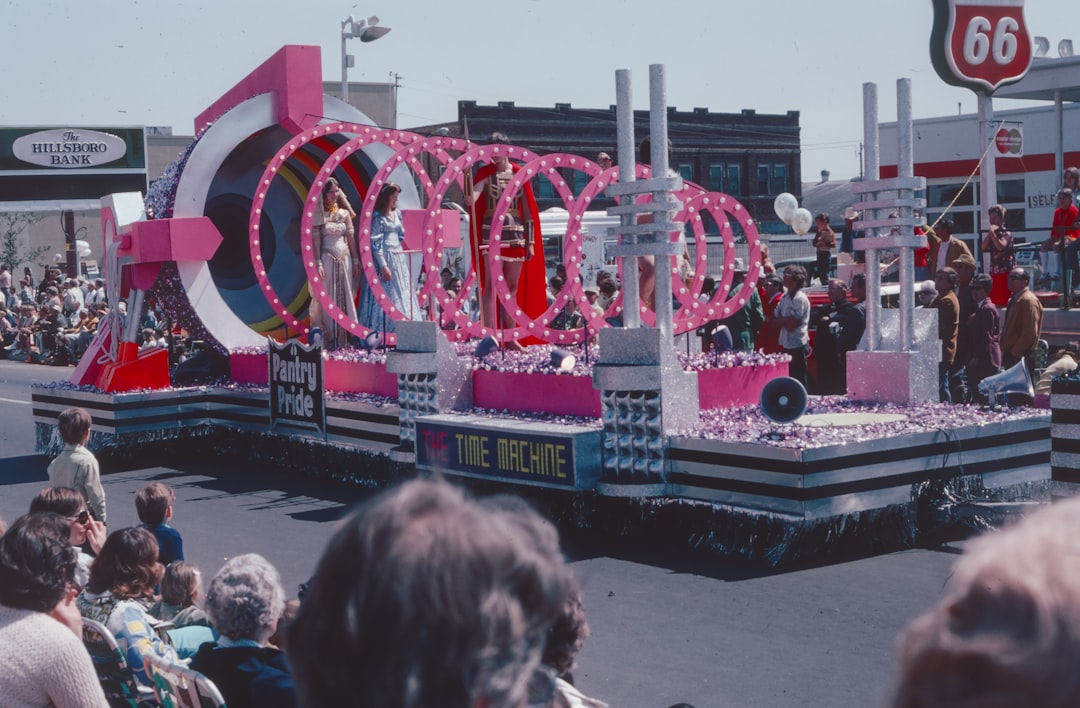
Carnival equipment businesses operate in a dynamic, event-driven market where visibility and timing are critical. Digital-first strategies, especially Google Ads, enable rental companies to reach decision-makers precisely when demand surges for festivals, fairs, and large gatherings. For a look at how targeted campaigns can lead to measurable results, this Google Ads case study for a party rental company highlights tactics that boosted lead generation in the event rental space.
A well-structured Google Ads approach unlocks high-conversion opportunities by connecting your equipment inventory directly with event planners, organizers, and local businesses searching for rentals. Leveraging real-time audience data and advanced targeting tools, marketers can ensure every campaign dollar is focused on accounts most likely to convert, reducing wasted spend and accelerating lead flow.
This guide details how to formulate a comprehensive paid search plan for carnival equipment, develop audience targeting that captures intent early, and align creative assets and landing pages to drive higher conversions. It covers continuous ad optimization to maximize ROI and demonstrates how synchronizing Google Ads with CRM and offline marketing empowers seamless, end-to-end growth. If you're ready to streamline your lead generation and ad targeting, get started for free with Sona. Each step is designed for revenue teams committed to actionable, measurable impact in online advertising for carnival equipment.
Why Does Google Ads Matter for Carnival Equipment?
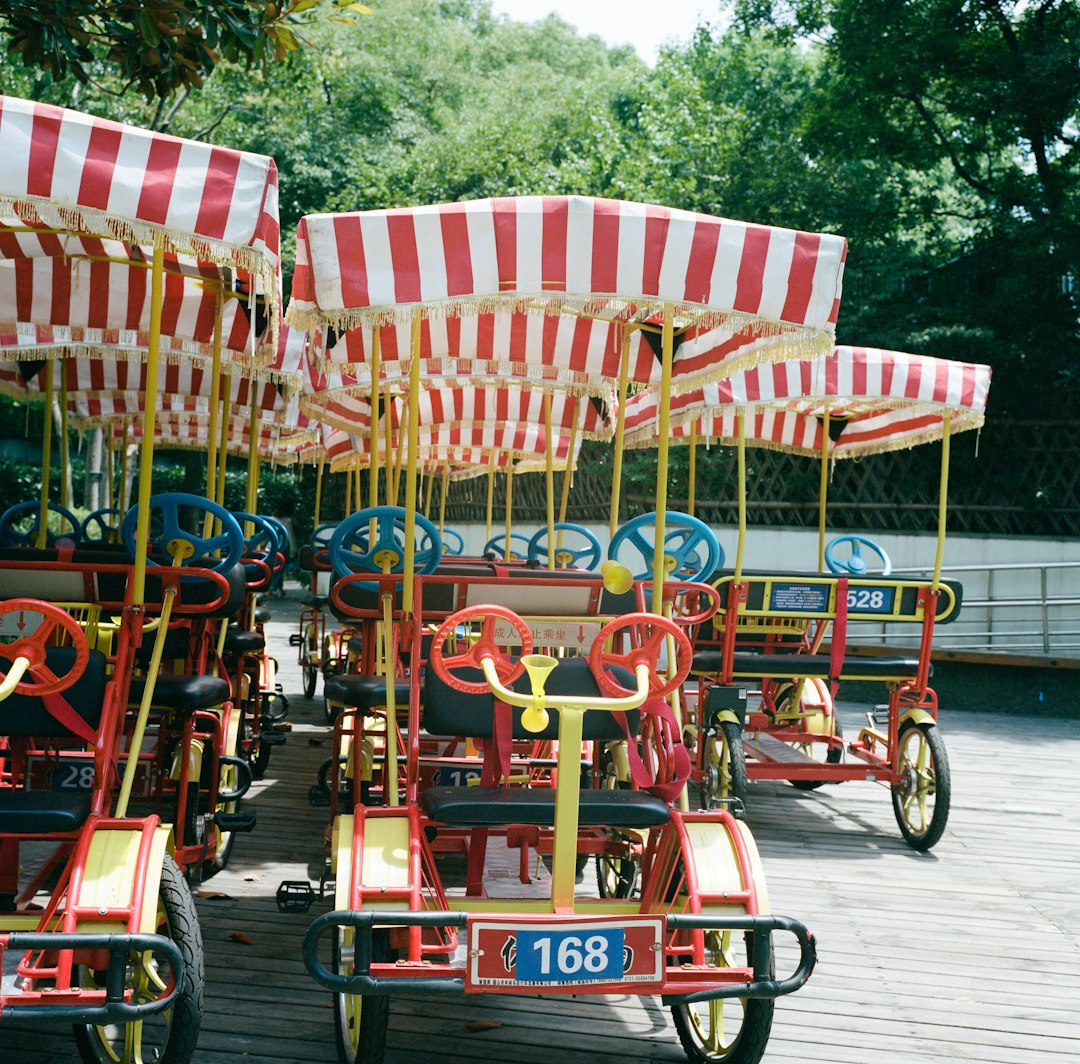
Google Ads enables carnival equipment providers to engage decision-makers precisely as they express purchase intent, eliminating wasted impressions and maximizing high-value lead capture. This channel is essential for surfacing your inventory to organizations and individuals who are actively searching for specialized rentals, ensuring your offerings are visible during critical booking windows. For more strategies, explore this case study on Google Ads campaign improvements.
- Specialized Audience: By targeting event planners, municipal organizers, and party rental companies as they search for specific equipment, Google Ads ensures your brand reaches the highest-potential prospects at the exact moment of need. Sona's Identity Resolution identifies the companies behind anonymous site visits, enriching lead profiles for more effective follow-up and prioritization.
- High-Value Rentals: These campaigns are uniquely effective for securing lucrative and long-term equipment leases that might otherwise go unnoticed in traditional outreach. By integrating real-time data and fit scoring, marketing teams can automatically prioritize engagement with the most promising accounts, focusing resources where the greatest revenue impact is possible.
- Rapid Demand Response: The carnival equipment industry is defined by seasonal surges and sudden event-driven spikes. Google Ads allows businesses to launch or adjust campaigns within hours, meeting real-time demand shifts and keeping inventory booked during peak festival seasons. Discover actionable tactics in our event rental Google Ads guide.
- Emerging Markets: With highly precise geographic targeting, businesses can expand coverage into underserved regions, capturing demand in new territories where local competition is low. Dynamic audience updates ensure that as leads emerge in new markets, ad messaging and offers are immediately relevant.
- Data-Driven Insights: Comprehensive analytics provide immediate feedback on which keywords, audiences, and creatives drive not just clicks, but qualified inquiries and closed contracts. By unifying online and offline conversion tracking, teams gain a clear view of true ROI, allowing constant refinement of both advertising and sales outreach strategies.
Common Types of Google Ads Campaigns for Carnival Equipment
Most carnival equipment advertisers run a mix of the campaign types below, including Performance Max, which pools Search, Display, video, and other inventory into a single automated campaign built around a conversion goal, a useful complement once you have enough conversion data to guide it.

- Search Campaigns: Search campaigns capture high-intent buyers actively seeking carnival equipment rentals, turning immediate interest into qualified bookings. By pairing Sona's Identity Resolution with Sona's intent signals, marketers can prioritize ad spend on prospects most likely to convert, cutting response lag and reducing missed opportunities.
- Display Ads: Display campaigns keep your brand at the forefront across trusted event planning and industry websites, ensuring ongoing awareness even when prospects aren’t searching directly. Integrated audience sync ensures that display ads target not just broad demographics, but also dynamically updated segments based on recent engagement, allowing for highly relevant impressions that reinforce your value proposition.
- Video Ads: Video campaigns showcase equipment in action, highlighting features, safety standards, and the experience itself to drive engagement. By analyzing user behavior and Sona's intent signals, marketers can promote specific video assets to audiences showing in-market research activity, aligning creative investment with those closest to a decision. For examples of effective video campaign strategy, see this Google Ads campaign walkthrough for event businesses.
- Remarketing: Remarketing campaigns re-engage visitors who explored your site or initiated the booking process but did not convert, delivering personalized touchpoints that nudge them toward completion. Advanced audience management ensures remarketing lists are refreshed in real time as leads progress through the funnel, keeping messaging relevant and preventing wasted impressions on already converted customers.
- Assets: Ad assets elevate core search ads by adding actionable elements such as quick booking links, safety certifications, or special offers tailored to different customer segments. Real-time sync with CRM and inventory systems lets these assets display current service options and availability, increasing click-through rates and driving more qualified inquiries for carnival equipment rentals.
Where to Find Growth Opportunities?
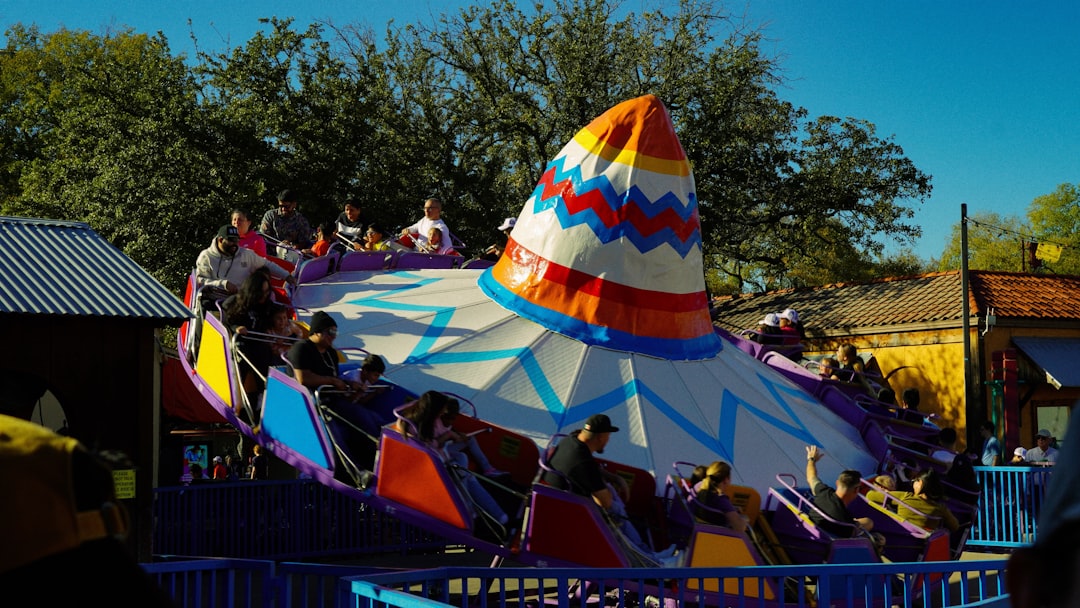
Expanding market reach in carnival equipment rentals requires a calculated approach to targeting, engagement, and ongoing optimization. High-performing teams consistently surface new revenue streams by identifying untapped audiences and leveraging precise audience intelligence to match offerings with in-market buyers.
- Niche keyword targeting: Focused keyword groups allow carnival equipment businesses to reach event planners, schools, and corporate organizers searching for specialized items or themed attractions. By mapping search intent to unique inventory categories, marketers can address specific fit scoring challenges. Using insights from visitor identification and lead scoring, teams can prioritize segments that demonstrate higher purchasing potential, ensuring that Google Ads for Carnival Equipment campaigns are always focused on the best-fit prospects.
- Competitor analysis for gap discovery: Analyzing advertising gaps left by slower-moving competitors uncovers profitable niches and timing advantages. By tracking real-time campaign activity and search trends, businesses can anticipate when rivals scale back, then move swiftly to capture market share during peak event seasons. Access to behavioral intent data enables teams to shift budgets to high-converting audiences as soon as engagement signals rise, reducing waste and maximizing ROI from carnival equipment advertising.
- Industry placement and channel diversification: Securing ad placements on industry-specific directories, event planning platforms, and community partner sites connects carnival equipment providers with buyers where competitors have little traction. These channels often attract highly qualified, event-focused traffic and present a cost-efficient alternative to mainstream ad networks. Integrating CRM and first-party data with ad targeting ensures that every impression is delivered to decision-makers most likely to convert, increasing the impact of local advertising for events.
- Content-driven retargeting assets: Leveraging valuable resources such as downloadable checklists, safety guides, or event planning templates keeps the brand top-of-mind throughout the event planning cycle. Retargeting visitors who engage with these assets extends the conversation and nurtures interest until buyers are ready to book. Dynamic audience updates, fueled by online and offline engagement signals, ensure that remarketing efforts stay relevant, driving repeat consideration and incremental growth from high-value party rental marketing segments.
How to Apply Audience Segmentation for Carnival Equipment
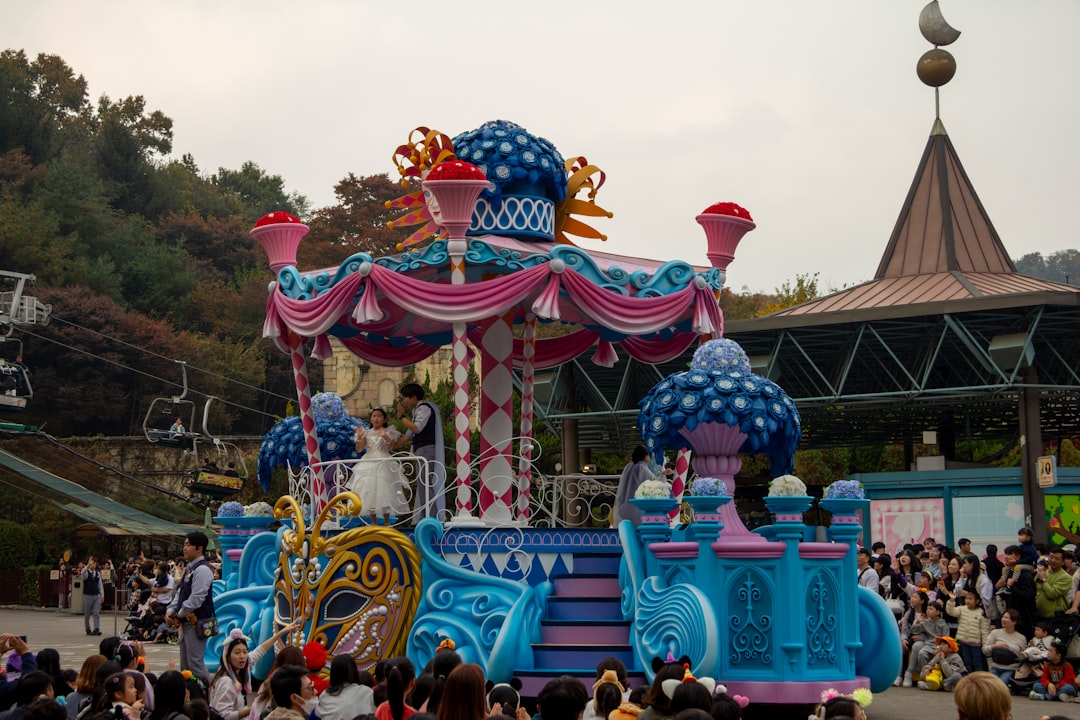
Effective audience segmentation transforms carnival equipment advertising from generic outreach into targeted engagement that matches buyers’ intent, seasonality, and urgency. By dividing potential customers into actionable groups, marketers prevent wasted spend and ensure that each message addresses the unique needs of event planners, festival committees, and corporate buyers. For more strategies on identifying and segmenting website visitors, explore how to turn your website into a goldmine.
- Define Customer Segments: Identify and segment core audiences such as parents planning birthdays, event coordinators managing large-scale festivals, and corporate teams organizing branded activations. Segmenting by use case and decision cycle lets campaigns deliver relevant offers, like premium packages for corporate events or themed bundles for community fairs, maximizing click-through and conversion rates. With advanced visitor identification, marketers can move beyond anonymous traffic, pinpointing both individuals and companies that consistently engage with specific product categories or content.
- Overlay Intent Signals: Layer in event-based and behavioral triggers, such as recent searches for “summer festival rentals” or engagement with content about new equipment releases. Monitoring these real-time intent signals allows campaign budgets to shift toward prospect segments most likely to convert during high-demand periods. Dynamic audience updates ensure that as interest surges around school carnivals or city fairs, ad spend automatically reallocates to capitalize on that activity. For event rental businesses seeking practical examples of this approach, review how Google Ads drove leads for party rentals.
- Customize Ad Groups: Build dedicated ad groups for each customer segment, tailoring messaging, offers, and creative assets to address their priorities. For example, ads targeting municipal festival committees can highlight safety certifications and insurance, while those for party planners emphasize flexible timing and fun add-ons. Budget allocations can be dynamically adjusted based on each segment’s historical conversion rates, and CRM sync with Sona Destinations ensures immediate follow-up with hot leads, reducing the risk of delayed responses.
- Validate Conversion Paths: Ensure that every ad interaction, whether a form fill, phone call, or chat, feeds directly into a unified CRM, capturing all touchpoints for comprehensive attribution. With advanced conversion tracking, both online inquiries and offline bookings are tied back to ad spend, revealing which segments and keywords truly drive ROI. This level of integration means no high-intent lead slips through the cracks, and marketers get a full picture of performance across the funnel, supporting smarter campaign optimizations and sustained carnival business growth.
This is also where measurement changes the economics. With Sona Marketing Measurement you can identify the companies behind your ad clicks, not just anonymous sessions, and segment audiences by who actually becomes a customer. That lets you build bid adjustments and audience signals around the segments that convert and de-prioritize the ones that don't, so you feed Google's algorithms "this click became a paying carnival equipment customer" instead of just "someone filled out a form."
Keyword Strategy & Sample Target Terms
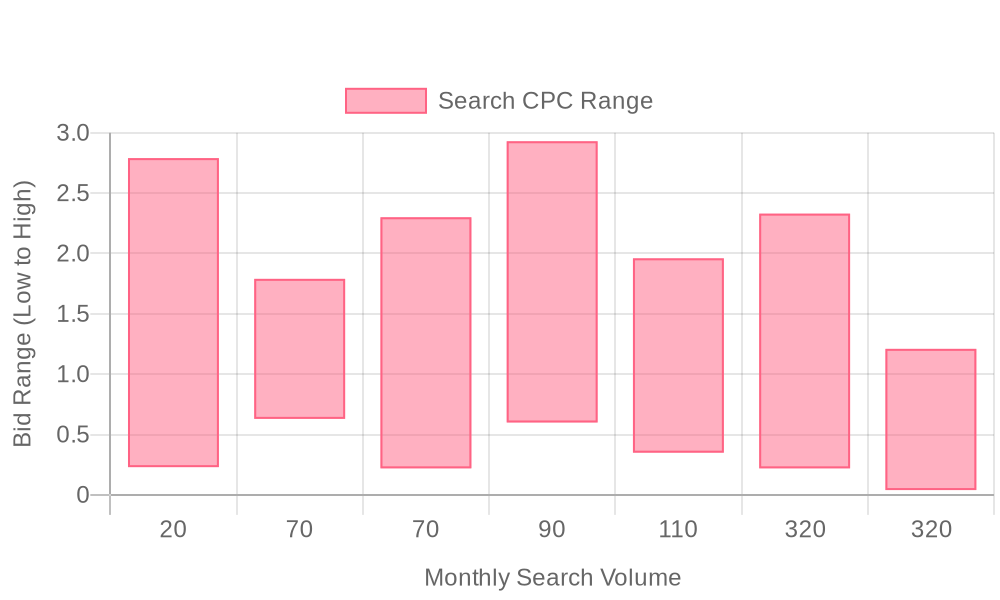
| Industry | Keyword | Monthly Search Volume | Competition Level | Low Bid | High Bid |
| Carnival Equipment | carnival hot dog machine | 20 | HIGH | 0.23 | 2.79 |
| Carnival Equipment | carnival equipment for sale | 70 | HIGH | 0.63 | 1.79 |
| Carnival Equipment | used carnival tents for sale | 70 | HIGH | 0.22 | 2.3 |
| Carnival Equipment | carnival equipment | 90 | HIGH | 0.6 | 2.93 |
| Carnival Equipment | carnival game supplies | 110 | HIGH | 0.35 | 1.96 |
| Carnival Equipment | carnival food equipment | 320 | HIGH | 0.22 | 2.33 |
| Carnival Equipment | kiddie carnival rides for sale | 320 | HIGH | 0.04 | 1.21 |
A focused keyword strategy is essential for capturing the most valuable leads in carnival equipment advertising. Success hinges on understanding customer search behavior, prioritizing high-conversion opportunities, and filtering out irrelevant or low-value traffic. Explore actionable guides for keyword targeting in our marketing playbooks or get started for free with Sona to optimize your campaigns.
- Key Buying Indicators: Identify the search terms that directly align with purchase intent, such as "carnival equipment rental," "amusement ride rentals," and "event inflatables for rent." These keywords reflect users who are ready to book or compare providers for upcoming events, making them crucial for Google Ads for Carnival Equipment campaigns. Monitoring these terms enables marketers to quickly spot rising trends and allocate budget to high-yield segments. With advanced visitor identification, marketers can see which businesses are searching and dynamically adjust bids or messaging based on company profiles or event type.
- Regional Modifiers for Higher Conversion: Incorporate local intent by combining core keywords with regional identifiers, for example, "carnival rentals near me," "Houston event equipment," or "Miami party rides." Adding city or metro names helps drive qualified local traffic, reduces wasted spend on out-of-area clicks, and boosts the conversion rate for equipment rental ads. See how Google Ads for rental businesses can refine local targeting, and leverage real-time audience insights to shift investment to high-demand geographies.
- Long-Tail vs. Generic Terms: Prioritize long-tail keywords such as "school carnival booth rentals" or "corporate fun fair equipment" alongside broader terms. Long-tail phrases attract planners with specific needs and generate higher-quality leads at a lower cost per click. A balanced mix ensures strong visibility and the ability to capture both volume and intent. As audiences engage and move through research and inquiry stages, dynamic audience segmentation keeps targeting relevant and budgets focused on accounts most likely to convert.
- Negative Keyword Lists to Prevent Spam: Proactively curate negative keyword lists to filter out non-purchasing traffic. Exclude terms like "free carnival games," "DIY event equipment," or "carnival job openings," which attract seekers outside the buying funnel. Regularly updating negatives based on search term reports minimizes wasted spend and maintains campaign efficiency. Integrated conversion tracking highlights which exclusions improve lead quality, supporting ongoing refinement of the keyword strategy.
- Strategic Opportunities:
- High Competition: Invest in high-intent, competitive keywords such as "amusement rental equipment" and "carnival ride rentals." These terms typically deliver the highest conversion rates but require close monitoring of performance and ROI.
- Low Competition/High Volume: Uncover untapped demand by targeting less competitive segments like "regional event planners" or local event organizers. Case studies on campaign improvements offer inspiration for cost-efficient lead generation in under-served segments.
- Negative Keywords: Deploy negatives such as "free," "DIY," or unrelated event types to further refine audience quality and reduce irrelevant inquiries.
A disciplined approach to keyword selection, supported by real-time intent signals and account enrichment, sets the foundation for effective Google Ads strategies in the carnival equipment sector. Marketers who unify behavioral insights with granular keyword management consistently outperform less targeted campaigns in both lead quality and cost efficiency.
Step-by-Step Campaign Execution Framework
Step 1: Build Targeted Keyword Lists
Effective keyword targeting for carnival equipment advertising starts by clustering keywords based on core service categories: rides, games, and concessions. This granular approach ensures each campaign aligns with the specific interests of event planners and festival organizers searching for relevant rental solutions. By localizing keywords with geographical modifiers, such as city names or service areas, campaigns capture users with immediate rental needs and reduce wasted spend on out-of-market searches.
Integrating question-based search terms like "rent carnival rides near me" or "best carnival concessions for parties" helps surface ads for customers further down the decision funnel. Negative keywords play a crucial role by filtering out irrelevant traffic, such as educational searches or equipment sales, ensuring only high-intent prospects reach your landing pages. With advanced visitor identification, marketers can move beyond anonymous site traffic, pinpointing in-market companies and accounts most likely to convert, making each keyword dollar work harder.
The upgrade most carnival equipment advertisers miss is going beyond raw keyword volume to layer in intent and identity signals. By connecting website-visitor data and CRM records with Sona Marketing Measurement, you can see which specific search terms bring in the accounts and customers that actually convert, and weight your keyword and bidding strategy toward those rather than the terms with the highest search volume alone.
Step 2: Develop Compelling Ad Copy
Ad creative is the frontline for capturing attention and driving clicks in PPC for carnival equipment. Headlines should directly address common client challenges, such as safety, availability, or flexibility, making each offering feel tailored to the prospect’s event needs. Incorporating authentic reviews and third-party certifications into ad copy adds instant credibility and eases purchase anxiety, especially for clients booking large-scale attractions.
Offering incentives like first-time booking discounts or package upgrades can dramatically improve click-through and conversion rates. Consistent messaging across all channels, from search ads to social and email, reinforces brand trust and keeps the buyer journey seamless. By syncing CRM data and enriched lead profiles into ad platforms, teams can personalize ad copy dynamically, targeting previous inquirers or segmenting messages for high-value accounts at the moment of peak intent. For marketers seeking industry-specific inspiration, this real estate business case study details how tailored ad messaging led to increased leads and conversions.
Step 3: Design Effective Landing Pages
Conversion-focused landing pages are essential for maximizing ROI from every ad click in carnival equipment campaigns. Each page should align tightly with the keywords and ads driving the visit, ensuring visitors find exactly what they expect, whether that’s classic carnival games, obstacle course rentals, or food concessions. Segmenting pages by customer need allows for tailored experiences, such as separate booking flows for corporate events, school festivals, or private parties.
Calls-to-action need to be clear and compelling, with options like "Book Now," "Get a Free Quote," or "Check Availability" positioned above the fold. Real-time inventory displays and local testimonials build urgency and trust. Advanced tracking across digital inquiries and phone calls enables a full view of pipeline impact, letting marketers attribute revenue to specific campaigns and continuously refine landing page content for higher efficiency. For in-depth guidance on marketing analytics and attribution, explore our blog resources.
Step 4: Implement Data-Driven Optimizations
Sustained growth in carnival business advertising relies on relentless data-driven optimization. Setting up robust conversion tracking, covering online forms, phone calls, and even offline bookings, delivers actionable intelligence on which ads and keywords produce the highest value leads. Smart bidding techniques, such as target ROAS or cost-per-acquisition strategies, leverage machine learning to adjust budgets in real time based on likelihood to convert.
Continuous testing of ad elements, from headlines to images and calls-to-action, uncovers the combinations that resonate best with each audience segment. Dynamic audience lists update as prospects move through the funnel, supporting more effective retargeting and lookalike campaigns. Syncing CRM and sales data with ad platforms ensures optimizations aren’t limited to surface metrics, but are grounded in true revenue outcomes, driving measurable improvements in campaign performance and ROI across all equipment rental ads. Get started for free with Sona.
Sona Marketing Measurement closes the gap between clicks and revenue. It captures every ad click with first-party measurement, then ties that click through UTM capture and ad-platform APIs to the actual record in your CRM, and reports ROAS by keyword and campaign instead of by last-click form fill. Feeding that revenue signal back into Smart Bidding and Performance Max compounds over time: the algorithms optimize toward booked carnival equipment revenue, not cheap leads.
Tips on Expanding Your Carnival Equipment Presence
Expanding your carnival equipment presence requires a multifaceted approach that leverages both digital and offline strategies for sustained growth. By aligning educational content with each stage of the customer journey, you build trust and proactively address decision-maker pain points, setting the foundation for higher-value engagements.
- Upsell additional services through segmented audiences: Using data-driven segmentation allows you to target distinct buyer profiles with tailored offers, such as event logistics add-ons or premium safety packages. Sona enables teams to dynamically update these segments as leads progress from initial inquiry to repeat customer, ensuring upsell messaging always matches the lead's current stage. This precision raises conversion rates and increases average order value while reducing wasted impressions.
- Forge partnerships with industry bodies for joint promotions: Collaborating with regional fair associations or event planning councils not only extends your market reach but also improves fit scoring of new prospects. Integrating real-time intent data lets you identify which partner channels drive the highest-value opportunities, allowing for agile budget allocation and more impactful co-branded campaigns.
- Target metropolitan growth areas for market penetration: Rapidly expanding into urban markets requires up-to-date customer and competitor insights. By pinpointing which companies and organizers show in-market behavior, you can focus ad spend on high-probability accounts located in cities with rising demand for amusement equipment. This targeted approach supports efficient local advertising for events and ensures your presence grows where the opportunity is greatest, see how a real estate business increased leads by applying similar targeted ad strategies.
- Use customer engagement data to brainstorm new content ideas: Analyzing how prospects interact with your ads and landing pages reveals which topics resonate, guiding development of new assets like safety guides, event planning checklists, or equipment comparison charts. Continually refining your Google Ads for Carnival Equipment strategy with these insights ensures your promotional content stays relevant and authoritative, driving sustained engagement and higher search performance.
Effective management of carnival equipment advertising hinges on precise keyword targeting, strategic audience segmentation, and engaging creative. Consistent, data-driven optimization not only increases the impact of your ads but also ensures your marketing aligns with broader sales initiatives. Integrating advanced attribution and real-time engagement data empowers teams to seize high-value opportunities and maintain a competitive edge in a fast-moving market.
Beyond Google Ads: Winning the AI Answers Carnival Equipment Buyers Now Trust
Paid search captures demand at the moment someone types a query. But a fast-growing share of carnival equipment buyers no longer start at Google at all, they ask ChatGPT, Gemini, or Perplexity before they ever run a search, and Google's own AI Overviews increasingly summarize an answer above the traditional results. If your business isn't referenced in those AI answers, you're invisible at the exact moment buyers build their shortlist.
Sona AI Visibility shows where your business shows up across ChatGPT, Gemini, Perplexity, Google AI Overviews, and 10+ engines, and, much like a keyword report, which prompts actually send you buyers, so you can prioritize the ones that convert. Run the two together and you cover the entire buyer path: get cited where buyers research (AI Visibility), then prove which of that demand turns into booked revenue (Marketing Measurement).
Helpful resources
Conclusion
Google Ads works for carnival equipment rental businesses because it meets buyers at the exact moment they're planning a fair, festival, or private event, not before, not after. Precise targeting, disciplined keyword selection, and ad copy built around safety and availability turn that moment into a booking.
The businesses that will own this market next season are the ones already feeding conversion data back into their bidding, not just running the same keyword lists year over year. Pair that with visibility in the AI tools buyers now consult before they ever open a search bar, and you're positioned for both the query and the question behind it.
FAQ
What are the best Google Ads strategies for carnival equipment?
The best strategies include precise audience targeting, leveraging real-time data, optimizing ad creative and landing pages, and consistent data-driven optimizations to maximize ROI.
How can I effectively target my audience using Google Ads for carnival rentals?
You can target your audience by using real-time audience data, defining customer segments, overlaying intent signals, and customizing ad groups to match specific customer needs and event types.
What budget should I allocate for Google Ads in the carnival equipment industry?
Budget allocation should focus on high-conversion opportunities, using real-time data and fit scoring to prioritize spending on accounts most likely to convert, while continuously optimizing for ROI.
What keywords should I use for Google Ads related to carnival equipment?
Focus on keywords that reflect purchase intent such as 'carnival equipment rental,' and incorporate local modifiers like 'carnival rentals near me' to drive qualified traffic.
How can I measure the success of my Google Ads campaigns for carnival equipment?
Success can be measured through comprehensive analytics that track conversion paths, unify online and offline conversion tracking, and provide insights on keywords, audiences, and creatives driving qualified inquiries.







