

A crane rental or excavator purchase rarely starts with an impulse click, it starts with a project timeline, a permit deadline, or a piece of equipment that just broke down on a job site. Effective B2B marketing for construction equipment blends online and offline channels working in concert: social media builds digital brand awareness, email marketing nurtures ongoing relationships, and SEO drives organic visibility, while trade shows generate face-to-face connections, direct mail creates tangible touchpoints, and industry publications establish thought leadership. Within this ecosystem, Google Ads plays a critical middle-funnel role by capturing high-intent prospects at the exact moment they're searching for solutions, bridging the gap between broader awareness efforts and your sales process. For construction equipment businesses, Google Ads intercepts decision-makers at their precise moment of need, whether they're following up after a trade show or responding to a direct mail piece; it targets with precision based on technical specifications and specialized terminology unique to the industry; it measures ROI completely by tracking from click to quote to closed deal; and it complements other channels through remarketing to trade publication readers, event attendees, and digital audiences alike.
How to Generate Construction Equipment Leads with Google Ads: A Step-by-Step Guide

Construction equipment providers operate in a high-value, research-driven market where qualified lead generation directly impacts revenue growth. Google Ads for construction companies delivers access to decision-makers actively searching for machinery, rentals, and services, but strong performance depends on a data-driven approach tailored to how this sector actually buys.
This playbook gives B2B marketers, dealerships, and service operators an end-to-end framework for running Google Ads inside a results-oriented, multi-channel marketing strategy. It covers advanced keyword targeting built for construction-specific purchase intent, landing page and creative alignment that matches the urgency and technical detail B2B buyers demand, and performance optimization that narrows wasted spend and speeds up ROI. Buyers in this trade often research equipment and services extensively but rarely convert on a first visit. Identifying these anonymous visitors, segmenting them by in-market intent, and syncing enriched profiles into your ad and CRM workflows lets teams spend every marketing dollar on real purchase influencers rather than tire-kickers.
- A data-driven approach to paid search within your broader marketing mix: Integrating Google Ads for construction equipment with your existing digital and offline channels ensures every touchpoint contributes to pipeline growth. Sophisticated marketers move beyond siloed campaigns, deploying unified data streams across search, display, and remarketing for a more holistic view of buyer journeys and improved attribution accuracy.
- Keyword and audience targeting strategies specific to construction equipment buyers: Successful campaigns start with keyword lists segmented by product line, equipment specification, and localized demand, since a search for "mini excavator rental" and one for "crawler crane financing" represent entirely different buyers and timelines. Layering in CRM data and behavioral signals lets operators update ad groups dynamically, prioritize accounts showing fleet-replacement or seasonal rental urgency, and react in real time to shifts in buyer intent.
- Landing page and creative alignment techniques for maximum conversion: High-performing Google Ads for construction equipment campaigns direct clicks to landing experiences purpose-built for B2B buyers. These pages feature detailed spec sheets, financing calculators, and rapid-quote forms designed to reduce friction and capture crucial information from prospects who prefer not to engage by phone. For inspiration on optimizing landing experiences for technical buyers, explore this case study on digital marketing results for heavy equipment.
- Performance optimization tactics to continuously improve ROI: Real-time analytics and advanced conversion tracking allow marketing teams to measure not just clicks, but true downstream sales impact. By linking online and offline conversion events, marketers can refine bids, shift budget toward top-performing segments, and eliminate wasted spend on non-buyers.
- Cross-channel integration methods to strengthen your entire marketing ecosystem: Importing identified website visitors into audience pools, syncing enriched lead data with platforms like HubSpot and Salesforce, and deploying these segments across Google Ads and other paid channels transforms one-off engagement into orchestrated, multi-touch campaigns. This approach ensures outreach remains relevant as leads move through the funnel, keeping your equipment brand top-of-mind from research to final purchase. For guidance on integrating marketing data, review how to unify data for demand generation.
In a market where every qualified lead can represent tens or hundreds of thousands in revenue, the ability to unify data, identify high-intent buyers, and deliver relevant messaging across platforms is a core competitive advantage. Get started for free with Sona.
Why Does Google Ads Matter for Construction Equipment
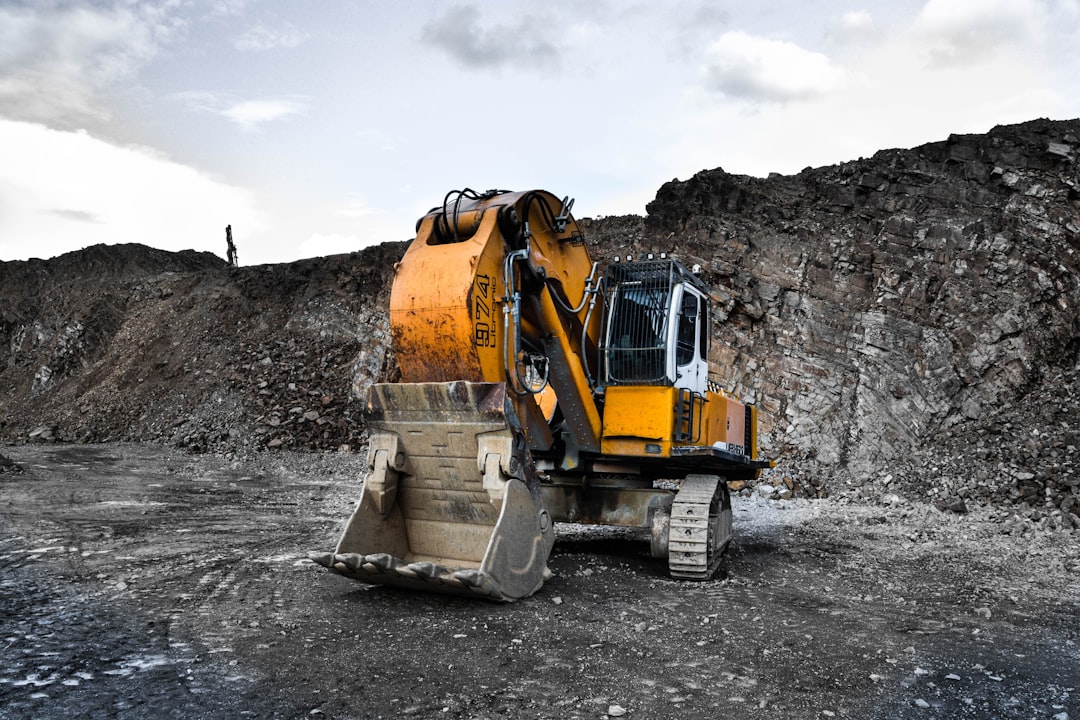
Precision matters when marketing to the construction equipment sector. Decision-makers like plant managers and procurement heads search for solutions with highly specific requirements, and digital campaigns must capture these moments with accuracy. By leveraging account-level data, marketers can identify not just anonymous website traffic but the actual companies and roles researching their services, making budget allocation and follow-up more targeted.
Construction equipment campaigns often target high-margin projects such as new installs, major retrofits, or emergency repairs. Google Ads enables brands to surface their offers to prospects showing in-market intent. Marketers who integrate real-time visitor intent signals can dynamically shift budget toward high-value accounts, ensuring outreach aligns with current needs and maximizing the impact of every dollar spent.
Demand in construction fluctuates rapidly with project cycles, emergencies, and seasonal needs. Google Ads provides immediate visibility when buying intent spikes, such as during equipment outages or infrastructure booms in emerging regions. When campaign data is unified with CRM and sales workflows, every ad can reflect the latest stage of the buyer journey, resulting in tailored messaging that increases conversion rates and shortens sales cycles.
Targeting new geographies or underserved markets is critical for growth in construction equipment. With advanced audience segmentation, marketers can pinpoint fast-growing metros or regions with unmet demand, ensuring resources are focused on areas with the highest upside. Automated audience updates allow campaigns to adapt as buyers move through the funnel, transforming market coverage from static to dynamic.
Closed-loop measurement is essential for justifying and optimizing advertising spend in this capital-intensive sector. Tracking conversions from click to contract, including both online and offline events, gives revenue teams a clear picture of what drives ROI. Integrating enriched lead and account data into Google Ads and downstream platforms ensures every interaction is attributed, so marketers can refine strategy and maximize returns across channels.
Common Types of Google Ads Campaigns for Construction Equipment Services
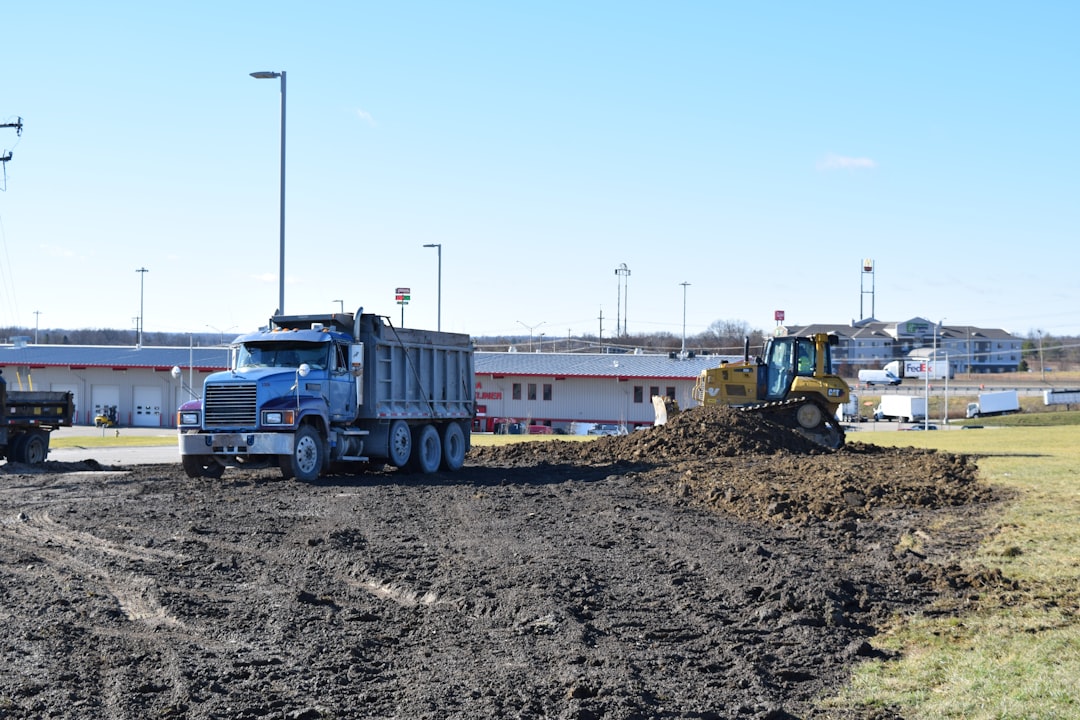
- Search Campaigns: Search campaigns intercept high-intent buyers at the critical decision stage, ensuring your equipment or services appear when procurement teams research specific models, rentals, or repair needs. By integrating real-time visitor identification, marketers can prioritize spend on keywords that attract verified commercial construction accounts, not just anonymous clickers, leading to higher conversion rates and qualified pipeline growth.
- Display Ads: Display campaigns provide sustained brand presence across industry publications and relevant content sites, keeping your business visible as prospects move through elongated B2B buying cycles. Targeted display audiences, built from enriched CRM data, ensure ads appear only to construction decision-makers or companies in active buying stages, reducing wasted impressions and reinforcing your value proposition throughout the research process. For additional tactics, explore this guide to digital marketing and advertising for heavy equipment businesses.
- Video Ads: Video campaigns offer a dynamic way to explain complex equipment features, demonstrate service capabilities, and highlight real-world applications in the field. By analyzing in-market video engagement, marketing teams can dynamically shift budgets toward segments showing the highest buying intent, boosting both awareness and bottom-funnel impact across multiple digital touchpoints.
- Remarketing: Remarketing campaigns reconnect with site visitors who previously explored inventory or requested quotes, guiding them back with tailored messages as they weigh options. Dynamic audience lists update automatically as prospects engage with different parts of your site, ensuring that remarketing ads remain relevant whether the user is considering a rental, purchase, or service contract. To see more campaign strategies proven to generate qualified leads, review PPC strategies for heavy equipment companies.
- Assets: Ad assets (formerly called extensions) strengthen every ad with instant credibility, displaying location, certifications, and response time directly in search results. These enhancements draw on up-to-date business data, so buyers see accurate service areas, current offers, and real-time proof points that differentiate your company from less transparent competitors, driving more qualified clicks and conversions.
Where to Find Growth Opportunities?

Reaching beyond traditional channels is critical for construction equipment marketers seeking to fuel consistent growth. Expanding into untapped verticals, targeting specialized buyer intent, and leveraging industry-specific ecosystems allow B2B teams to surface high-value opportunities that standard campaigns miss. To learn more about digital marketing strategies for heavy equipment companies, review these PPC strategies tailored for heavy equipment. For additional insights on advanced demand generation, explore our marketing analytics blog.
- Vertical keyword targeting: Focusing on keywords tied to specialty services, such as "hydraulic breaker rentals" or "telehandler maintenance contracts," enables marketers to capture niche demand beyond generic construction equipment searches. This approach complements broader content strategies, ensuring your Google Ads coverage reflects the full spectrum of buyer needs. With precise targeting, marketers can prioritize in-market buyers who are evaluating specific solutions, enabling dynamic budget allocation to high-converting segments as intent signals emerge.
- Competitor gap analysis: By systematically analyzing which audiences your competitors are targeting and where they're falling short, you can uncover underserved market segments and high-value prospects that may not yet appear in your CRM. This process highlights whitespace, regions, industries, or equipment types, where your presence can yield outsized returns. Integrating visitor identification, marketers can bridge the gap between anonymous web traffic and qualified leads, enabling timely, personalized outreach to prospects previously missed by traditional CRM tracking.
- Industry-specific placements: Engaging audiences on trade forums, construction directories, and procurement platforms lets you access decision-makers where your organic content might have limited reach. These placements are especially effective for product launches or specialized equipment lines, positioning your brand as a resource in trusted industry communities. When audience data syncs seamlessly across channels, you can maintain consistent messaging and retarget engaged visitors with tailored offers, driving higher engagement throughout the buying cycle.
- Content retargeting: Deploying whitepapers, checklists, or how-to videos as remarketing assets ensures ongoing engagement with prospects who interact with your educational content but have not yet converted. Aligning these assets with your content marketing calendar keeps messaging relevant and top-of-mind. By tracking online and offline conversions, and syncing engagement data to your CRM and ad platforms, every touchpoint becomes actionable, enabling advanced attribution and more accurate measurement of true Google Ads ROI for construction equipment marketing.
How to Apply Audience Segmentation for Construction Equipment
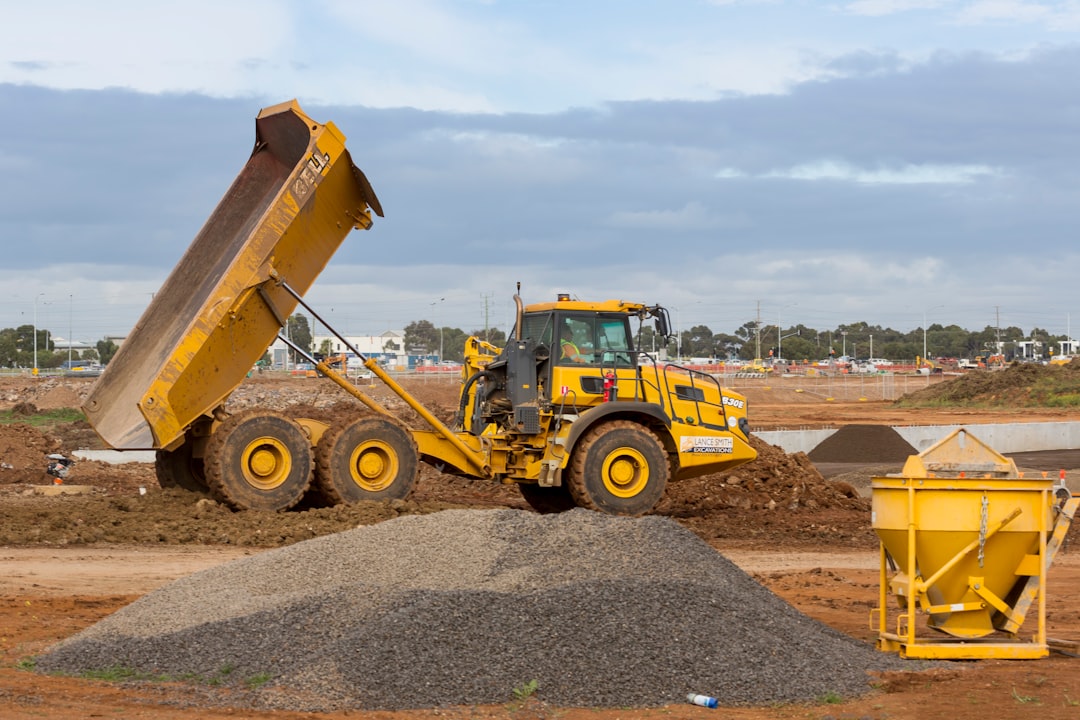
Precise audience segmentation empowers construction equipment marketers to reach key buyer groups with messaging that matches their unique needs and purchase timelines. This approach ensures every dollar spent on Google Ads for construction equipment is invested in the highest-probability leads, eliminating wasted impressions and maximizing campaign ROI. For more on segmenting and measuring your marketing efforts, explore best practices for construction equipment digital marketing or visit our marketing analytics blog.
- Define Segments: Start by mapping distinct audience segments, such as construction companies seeking to expand their fleets, rental agencies focused on short-term procurement, or subcontractors sourcing specialized machinery. Segmenting audiences by company type, purchase frequency, and decision-maker role allows for more relevant messaging, which in turn accelerates engagement and increases conversion rates. When enriched visitor data flows directly from site analytics into your segmentation workflow, it becomes possible to go beyond anonymous website traffic. Identifying organizations and buyer profiles viewing your listings enables you to dynamically adjust targeting and personalize follow-up strategies in real time.
- Overlay Intent Signals: Overlaying intent data further refines audience segmentation by highlighting prospects with current purchase or lease needs. For example, tracking on-site behaviors such as repeated visits to “used excavator financing” pages signals active buying consideration. Incorporating these real-time intent signals into audience definitions allows marketers to prioritize budget allocation toward high-converting accounts as soon as in-market activity is detected. Advanced platforms enable marketers to sync these audience shifts directly into Google Ads targeting, ensuring that ad spend follows the accounts most likely to convert, not just broad demographic groups.
- Create Ad Groups by Segment: With audience segments defined and intent signals layered in, marketers should structure Google Ads ad groups to match each segment’s specific journey. Creative, offers, and bidding strategies can be tailored for each segment, for example, showcasing aggressive rental specials to agencies and promoting trade-in incentives to equipment buyers. Segment-specific budgets ensure that high-value audiences command a proportionate share of spend, while automated audience updates keep campaigns aligned as leads move through the funnel. This dynamic approach enables seamless retargeting and nurtures prospects with timely, relevant content that reflects their current stage in the buying process.
- Validate Conversion Paths: Accurate tracking is critical for validating whether each segment’s journey leads to meaningful conversions such as quote requests, inbound calls, or form fills. Integrating advanced attribution solutions makes it possible to unify both online and offline conversion signals, ensuring a complete view of engagement from first click to closed deal. When CRM and ad platforms are connected, enriched audience and lead data flows bi-directionally, keeping Google Ads campaigns in sync with up-to-date sales outcomes. This alignment allows for closed-loop optimization, so future campaigns target segments proven to deliver actual revenue, not just clicks or impressions.
This is also where measurement changes the economics. With Sona Marketing Measurement you can identify the companies behind your ad clicks at the account level, not just anonymous sessions, and segment audiences by which accounts actually become customers. That lets you build bid adjustments and audience signals around the segments that convert and de-prioritize the ones that don't, so you feed Google's algorithms "this click became a paying construction equipment customer" instead of just "someone filled out a form."
Keyword Strategy & Sample Target Terms
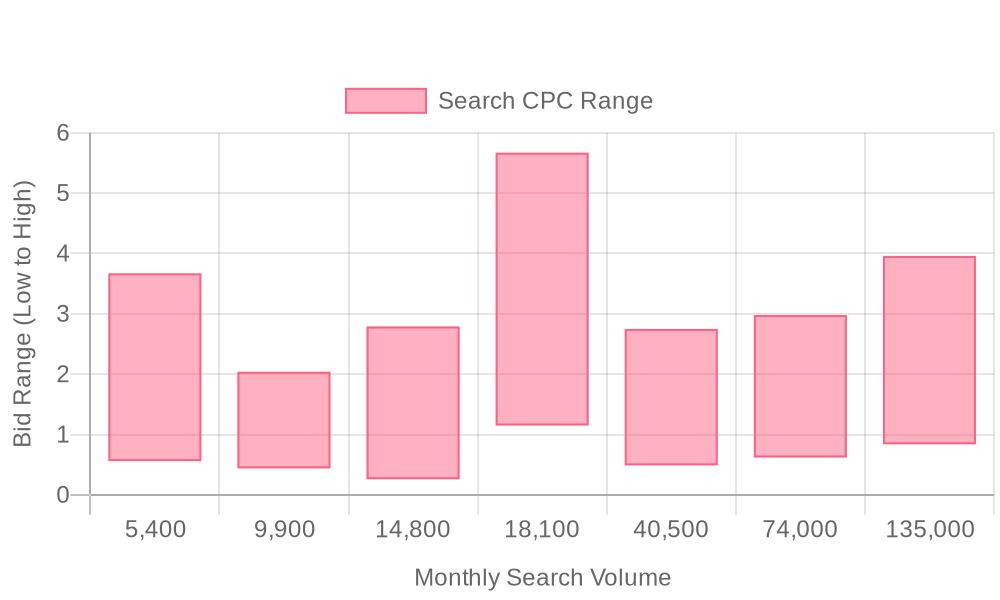
| Industry | Keyword | Monthly Search Volume | Competition Level | Low Bid | High Bid |
| Construction Equipment | sany excavator | 5400 | HIGH | 0.56 | 3.67 |
| Construction Equipment | backhoe for sale | 9900 | HIGH | 0.44 | 2.04 |
| Construction Equipment | excavator for sale | 14800 | HIGH | 0.26 | 2.79 |
| Construction Equipment | construction equipment | 18100 | MEDIUM | 1.15 | 5.67 |
| Construction Equipment | mini excavators for sale | 40500 | HIGH | 0.49 | 2.75 |
| Construction Equipment | backhoe | 74000 | MEDIUM | 0.62 | 2.98 |
| Construction Equipment | excavator | 135000 | MEDIUM | 0.84 | 3.96 |
A focused keyword strategy is essential for construction equipment companies leveraging Google Ads to generate qualified leads and maximize return on ad spend. Effective campaigns begin by mapping keywords to real buyer intent, ensuring every click represents a potential customer actively searching for heavy machinery, rentals, or related services. Selecting high-intent, high-volume terms such as "buy used excavators," "construction equipment rental near me," or "heavy equipment financing" allows marketers to intercept decision-makers at the right moment in their research and procurement journey. For more digital marketing tactics tailored to construction and heavy equipment businesses, review these advertising strategies.
To optimize Google Ads for construction equipment, marketers should structure their accounts around core service lines, buyer stages, and geographic targeting. This approach aligns campaign groups with how buyers actually search for and evaluate equipment, from initial brand discovery to final purchase or rental. Prioritizing transactional and location-based keywords increases the likelihood of capturing leads ready to engage, while negative keywords (such as "DIY," "salary," or "job openings") filter out irrelevant searches and protect budget efficiency. Explore additional insights on structuring campaigns for B2B.
Precision targeting goes beyond basic keyword selection. Layering in intent signals lets marketers update target audiences dynamically as prospects move through the funnel, retargeting visitors who have shown interest but not yet inquired. Sona's Identity Resolution uncovers which companies are researching specific equipment, so sales teams can prioritize outreach and shift budget toward high-converting accounts. When enriched CRM and web data are synced with Google Ads, campaigns capture both online and offline conversions, letting revenue teams attribute closed deals to specific keywords and optimize spend for measurable ROI.
Step-by-Step Campaign Execution Framework
Step 1: Build Targeted Keyword Lists
Effective Google Ads for construction equipment start with precise keyword targeting. Segmenting by service type, such as equipment sales, leasing, or parts, ensures relevance and increases campaign efficiency. Regional nuances are critical: using city and neighborhood modifiers, as well as "near me" variations, helps capture local demand from contractors and project managers searching for immediate solutions. For a comprehensive overview of PPC strategies tailored to this sector, see PPC for heavy equipment companies.
Incorporating long-tail keywords and question-based queries allows you to reach decision-makers at different points in their buying journey. Filtering out irrelevant terms with negative keyword lists prevents wasted spend, ensuring every click is from a high-value prospect. When keyword planning is aligned with your content marketing strategy, messaging across search, social, and email channels remains consistent and relevant, reinforcing brand authority. With advanced platforms, marketers can also pinpoint which companies are visiting your website, making it possible to adapt keyword targeting based on real-time audience insights and active buyer signals.
The upgrade most construction equipment advertisers miss is going beyond raw keyword volume to layer in intent and identity signals. By connecting website-visitor data and CRM records with Sona Marketing Measurement, you can see which specific search terms bring in the accounts and customers that actually convert, and weight your keyword and bidding strategy toward those rather than the terms with the highest search volume alone.
Step 2: Develop Compelling Ad Copy
Ad copy for construction equipment should immediately address industry pain points and highlight proven value. Headlines that reference reliability, durability, or cost of ownership resonate well, especially when paired with urgency-driven incentives like free quotes or same-day service availability. Trust is paramount in B2B construction marketing, so incorporating certifications, industry awards, and customer ratings visibly reassures potential buyers. Explore how digital marketing drives results for construction equipment for additional inspiration.
Consistency across marketing channels is essential for building credibility and nurturing leads. When your ad messaging matches the tone and offers found in social or email campaigns, prospects experience a unified journey, which lifts engagement. Modern platforms provide the ability to dynamically update ad content and adjust offers based on shifting in-market behaviors, allowing you to highlight the right incentive to the right segment at the right moment. Integrating intent data lets you route budget toward ads that engage accounts showing genuine purchase readiness, further increasing Google Ads ROI for construction equipment dealers and manufacturers.
Step 3: Design Effective Landing Pages
For construction equipment advertising, landing pages must deliver a seamless experience from keyword to ad to page content. Each landing page should reflect the specific service or equipment vertical promoted, such as cranes, bulldozers, or compact loaders, and answer the common questions your audience brings to the search. Interactive features like ROI calculators, trust badges, and detailed FAQs build confidence and address objections, while persistent, mobile-optimized calls to action keep the conversion path clear and accessible. For practical tactics, review this guide on digital marketing for construction equipment companies.
Connecting landing page forms directly to your CRM and marketing automation systems streamlines lead capture and follow-up. When enriched audience data flows automatically between Google Ads, CRM, and sales, teams can personalize outreach and accelerate the sales cycle. This level of integration supports dynamic audience updates: as leads progress through the funnel or engage with new content, campaigns can automatically retarget or suppress them, improving efficiency and ensuring that sales and marketing efforts remain tightly aligned.
Step 4: Implement Data-Driven Optimizations
PPC campaigns for contractors and equipment suppliers thrive on continual optimization. Tracking both micro-conversions (like downloads or video views) and macro-conversions (such as quote requests or demo bookings) reveals which touchpoints drive the most value. Automated bidding strategies, including Target CPA and Max Conversions, help maximize budget efficiency and adapt to real-time market shifts. For a deeper dive into optimizing Google Ads for construction, check out Google Ads for construction companies.
Testing is fundamental: experiment with ad headlines, CTA placements, and landing page layouts to discover what best engages your target audience. Data from Google Ads can be leveraged to inform content strategies on other channels, ensuring that high-performing messages are amplified throughout your marketing ecosystem. Advanced tracking platforms enable attribution of both online and offline conversions, providing a complete picture of true ROI from your Google Ads spend. By syncing enriched leads and activity data back into Google Ads and CRM systems, you gain a closed feedback loop that continuously improves targeting, personalization, and campaign performance across the entire construction equipment online marketing funnel.
Sona Marketing Measurement closes the gap between clicks and revenue. It captures ad clicks with first-party, company-level tracking, ties that click through UTM capture and ad-platform APIs to the actual record in your CRM, and reports ROAS by keyword and campaign instead of by last-click form fill. Feeding that revenue signal back into Smart Bidding and Performance Max compounds over time: the algorithms optimize toward booked construction equipment revenue, not cheap leads.
Tips on Expanding Your Construction Equipment Presence
Cross-promotion of educational content within your retargeting campaigns helps construction equipment brands reinforce expertise and trust throughout the buyer’s journey. Nurturing audiences with valuable guides, maintenance tips, or ROI calculators elevates your brand beyond transactional messaging and supports long-term goals, explore digital marketing best practices for construction equipment to further your strategy.
Segmenting audiences by service history or purchase behavior, using CRM data, allows you to upsell related services to the right decision-makers at the right time. Marketers who sync CRM segments with Google Ads can activate campaigns based on real-world customer milestones, such as service renewals or end-of-lease periods, ensuring offers reach buyers when they are most likely to engage. With Sona’s Destinations feature, new leads and enriched profiles flow seamlessly into your Google Ads targeting, enabling automated updates to dynamic audiences as buyers move through your funnel.
Partnering with industry associations unlocks valuable referral traffic and co-branded advertising opportunities. These partnerships not only drive high-quality leads but also signal credibility and relevance in construction equipment advertising. For more on campaign optimization, review PPC strategies for heavy equipment companies.
Incorporating search query data into your broader marketing strategy reveals new content topics and product trends that resonate with your audience. By analyzing which queries drive conversions, your team can prioritize content development that supports both paid and organic efforts, optimizing for construction equipment online marketing and nurturing future demand. Leverage intent signals to connect search behavior across platforms and gain a unified view that powers real-time budget decisions.
Effective Google Ads for construction equipment depends on smart keyword targeting, granular audience segmentation, and creative designed for conversion. Real-time optimization rooted in reliable, multi-channel conversion data ensures ongoing ROI improvements. Drive sustained growth by integrating online and offline marketing, leveraging unified data and automation to deliver personalized engagement that drives measurable business outcomes. To see results for yourself, get started for free with Sona.
Paid search captures demand at the moment someone types a query. But a growing share of construction equipment buyers no longer start at Google at all, they ask ChatGPT, Gemini, or Perplexity before they ever run a search, and Google's own AI Overviews increasingly summarize an answer above the traditional results. If your business isn't referenced in those AI answers, you're invisible at the exact moment buyers build their shortlist.
Paid search captures demand at the moment someone types a query. But a fast-growing share of construction equipment buyers no longer start at Google at all, they ask ChatGPT, Gemini, or Perplexity before they ever run a search, and Google's own AI Overviews increasingly summarize an answer above the traditional results. If your business isn't referenced in those AI answers, you're invisible at the exact moment buyers build their shortlist.
Sona AI Visibility shows where your business shows up across ChatGPT, Gemini, Perplexity, Google AI Overviews, and 10+ engines, and, much like a keyword report, which prompts actually send you buyers, so you can prioritize the ones that convert. Run the two together and you cover the entire buyer path: get cited where buyers research (AI Visibility), then prove which of that demand turns into booked revenue (Marketing Measurement).
Helpful resources
Conclusion
Google Ads works for construction equipment because it meets a buyer at the one moment competitors can't easily intercept: when a project manager is actively searching for a solution to a specific, often urgent problem. Smart keyword structure, tight audience segmentation, and creative built for technical buyers turn that moment into pipeline, but only if the underlying data connects clicks to actual sales.
The equipment brands pulling ahead now are the ones treating AI answer engines as a second front alongside Google Ads, and feeding both channels the same closed-loop revenue data so spend follows accounts that actually buy, not just clicks that look promising.
To unify go-to-market data and turn that visibility into pipeline, start for free and see how the platform can sharpen your Google Ads performance.
FAQ
What are the best practices for Google Ads in the construction equipment industry?
Best practices include using precise keyword targeting, integrating Google Ads with both online and offline marketing channels, and leveraging advanced audience segmentation.
How can I create a successful Google Ads campaign for construction equipment?
A successful campaign requires a data-driven approach, using advanced keyword targeting, aligning landing pages with ad creatives, and optimizing performance through real-time analytics.
What budget should I allocate for Google Ads targeting construction equipment?
Budget allocation should be dynamic, driven by real-time visitor intent signals, and focused on high-value accounts to ensure the highest ROI.
What keywords should I focus on for Google Ads in the construction sector?
Focus on high-intent keywords like 'buy used excavators,' 'construction equipment rental near me,' and 'heavy equipment financing,' tailored to capture decision-makers actively searching.
Are there specific ad types that work best for construction equipment?
Effective ad types include search campaigns for high-intent buyers, display ads for brand presence, video ads for demonstrating features, and remarketing to reconnect with previous site visitors.







