


Car tune-up shops live and die by the moment a driver notices a rattle, a warning light, or a due-date sticker and starts searching for help nearby. That search is often anonymous: the shop has no idea who's looking until a call or form comes in, and plenty of that interest evaporates before it ever converts. Google Ads closes that gap by putting your shop in front of drivers at the exact moment they're ready to book. This guide covers how car tune-up businesses can use Google Ads to capture that intent, turn searches into booked appointments, and tie ad spend back to real revenue.
How to Generate Leads for Car Tune Ups with Google Ads: A Step-by-Step Guide

The automotive service sector faces intense competition, making it essential for car tune-up businesses to target high-value prospects at precisely the right moment. Strategic use of Google Ads enables shops to capture in-market demand, create high-performing audiences, and consistently convert searches for car maintenance into quality leads. For a deeper look at how Google Ads can drive growth, check out this overview of auto repair shop Google Ads.
A data-driven approach to campaign planning ensures that ad spend is allocated to keywords and audiences most likely to convert. By leveraging real-time visitor intent and syncing enriched lead data across platforms, marketers can pinpoint previously anonymous visitors and engage them with tailored messaging. For additional strategies, explore our collection of actionable playbooks.
Ready to capture more leads for your car tune-up business? Get started for free with Sona.
Why Google Ads Matter for Car Tune Ups Businesses

Car tune-up providers routinely see potential customers research services, compare shops, and check reviews without ever picking up the phone. That gap between browsing and booking is where competitors with faster follow-up win the job. For practical insights on spotting early warning signs that your Google Ads campaigns need optimization, review this guide to Google Ads tune-up signals.
Google Ads provides an advanced solution for bridging this gap by enabling precise audience targeting across local and regional markets. Marketers can focus their spend on high-margin tune-up services, capture demand as it arises, and ensure that their brand appears when and where customers are searching for solutions. The ability to quickly shift budget toward trending services or emerging neighborhoods gives car service businesses a real-time edge. For additional strategies on maximizing paid search, explore our marketing analytics blog.
Audience segmentation within Google Ads allows revenue teams to create and refine buyer profiles, ensuring that promotional messaging and offers stay relevant to each searcher's needs. By using tools that identify the companies behind anonymous website visits, marketers can bring high-potential accounts into their ad campaigns, keeping the funnel full with leads who have shown genuine interest. This process improves further when platforms connect CRM and ad platform data, enabling dynamic audience updates as leads progress through each sales stage.
Robust conversion tracking and ROI analysis are essential in a competitive market. Connecting online engagement with offline bookings and integrating CRM systems with Google Ads allows for accurate attribution of revenue back to specific ad campaigns. This unified data approach empowers car tune-up businesses to confidently invest in channels that consistently deliver high-value customers, optimizing spend and improving service visibility in competitive markets. To experience these capabilities firsthand, get started for free with Sona.
Common Types of Google Ads Campaigns for Car Tune Ups

Car tune-up providers operate in a highly competitive environment with customers searching for immediate, trustworthy solutions. Delivering consistent, relevant messaging across multiple channels can dramatically improve engagement and nurture leads throughout the buying journey. A unified approach ensures that every touchpoint moves prospects closer to booking a service, supporting seamless transitions from online discovery to on-site conversion. To streamline these efforts and identify which companies are visiting your website, Sona helps reveal visitor intent and trigger timely sales or marketing actions.
- Search Campaigns: These campaigns target high-intent keywords such as "car tune up near me" and "auto maintenance." Search ads let you intercept drivers exactly when they express a need, making them essential for direct inquiries and service bookings. Within Search, Responsive Search Ads are the standard ad format, automatically testing headline and description combinations to find what resonates with each searcher. Layering in advanced audience data and real-time behavioral intent lets revenue teams prioritize spend on the audiences most likely to convert. For car tune-up businesses, search campaigns form the core of a performance-driven acquisition strategy, and recognizing the warning signs your Google Ads campaign needs a tune-up can help ensure ongoing success.
- Display Ads: Display campaigns boost brand visibility across automotive forums, local news sites, and relevant blogs. Banner ads can reinforce your brand and highlight service promotions to users who may not be actively searching but fit your ideal customer profile. When display targeting leverages CRM data and dynamically updates audiences as leads progress, marketers can keep messaging fresh and tailored, increasing the chances of re-engagement and repeat bookings.
- Video Ads: Video campaigns on platforms like YouTube offer compelling storytelling opportunities, such as educating viewers about the importance of regular tune-ups or showcasing before-and-after results. These ads are particularly effective for building trust with new audiences or demonstrating expertise in car maintenance. Video targeting also benefits from integrating first-party data, allowing for precise reach based on past interactions or service interests.
- Remarketing: Remarketing campaigns re-engage visitors who previously interacted with your site but didn't convert. This tactic keeps your brand top-of-mind and guides high-potential prospects back to book a service. By using visitor identification and intent signals, remarketing lists remain accurate and timely, so only engaged, high-quality leads receive tailored follow-ups. This increases both conversion rates and the overall efficiency of your ad spend.
- Ad Assets: Ad assets (formerly called extensions) enhance core search ads with additional information such as location, call buttons, service highlights, or special offers. Sitelink and callout assets boost click-through rates by providing more context, while location and call assets drive immediate action. Syncing these assets with real-time CRM data ensures that offers and contact options are always up-to-date, supporting a frictionless customer experience across every ad interaction.
Where to Find Growth Opportunities?

Car tune-up providers face a unique challenge: potential leads often remain invisible until they signal intent or actively seek services. By focusing on vertical-specific keywords tailored to car maintenance, auto repair, and related services, businesses can surface prospects earlier in the buying journey and reach decision-makers who might otherwise slip through the cracks. For a deeper dive into uncovering buyer signals, see the essential guide to intent data.
A useful growth exercise is a competitor gap analysis: which shops are showing up for "tune up" and "maintenance" searches in your area, and where are they thin? Seasonal spikes (pre-summer road-trip checkups, cold-weather battery and fluid concerns) create windows when demand jumps and paid search can capture bookings before organic rankings catch up. Pairing those seasonal pushes with landing pages built around specific services, like timing belt replacement or multi-point inspections, lets a shop claim search terms that generic "auto repair near me" campaigns miss. Learn how Google Ads can help your auto repair business grow with these practical tips.
Unifying first-party data with intent signals from digital campaigns further refines targeting. When marketers can identify not just anonymous visitors but the actual companies engaging with car maintenance content, they can prioritize outreach and personalize follow-up. As audiences interact and move down the funnel, dynamic segmentation keeps messaging and offers relevant, minimizing wasted spend and increasing conversion rates. You can get started for free with Sona to unlock this kind of audience intelligence for your campaigns.
How to Apply Audience Segmentation for Car Tune Ups

Audience segmentation is the foundation of high-performing Google Ads for car tune ups. By breaking down your audience based on service needs, intent, and behavioral signals, marketing teams can prioritize prospects most likely to convert. For more insights on optimizing your campaigns, learn about warning signs your Google Ads campaign needs a tune up. This targeted approach eliminates wasted budget and ensures messaging resonates at every stage of the buyer journey.
Start by defining specific buyer personas such as routine maintenance seekers, urgent repair customers, and those interested in premium tune-up packages. Overlay intent signals, like recent visits to service pages or engagement with maintenance reminders, to refine targeting. Sona's Identity Resolution lets you go beyond anonymous website traffic and pinpoint both the companies visiting and their buying signals, which matters most for fleet and B2B-focused tune-up services.
With detailed personas and intent overlays, structure your Google Ads campaigns by segmenting ad groups around each audience's unique needs. Align ad copy and offers to the urgency or sophistication of the buyer: for example, highlight rapid scheduling for urgent repairs versus long-term performance benefits for proactive tune-up customers. Sona Audiences can dynamically update these audiences as leads move through the funnel, ensuring no opportunity is missed and budgets are constantly reallocated to in-market, high-converting prospects.
For the most advanced execution, sync enriched audience segments and lead data directly into Google Ads and your CRM. This integration streamlines retargeting and enables precise measurement of both online and offline conversions, giving revenue teams a transparent view of ROI across the entire marketing and sales cycle. If you want to explore these capabilities and drive higher conversion rates, get started for free with Sona.
This is also where measurement changes the economics. With Sona Marketing Measurement you can identify the companies and buyers behind your ad clicks, not just anonymous sessions, and segment audiences by who actually becomes a customer. That lets you build bid adjustments and audience signals around the segments that convert and de-prioritize the ones that don't, so you feed Google's algorithms "this click became a paying car tune ups customer" instead of just "someone filled out a form."
Keyword Strategy & Sample Target Terms
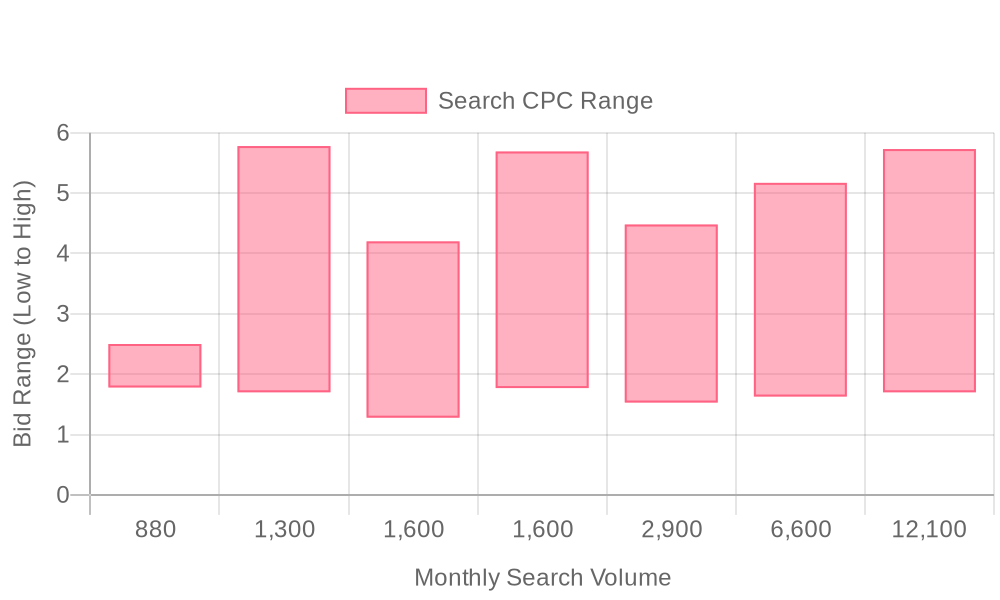
| Industry | Keyword | Monthly Search Volume | Competition Level | Low Bid | High Bid |
| Car Tune Ups | firestone tune up cost | 880 | LOW | 1.78 | 2.5 |
| Car Tune Ups | tune up shops near me | 1300 | MEDIUM | 1.7 | 5.78 |
| Car Tune Ups | jiffy lube tune up cost | 1600 | LOW | 1.28 | 4.2 |
| Car Tune Ups | auto tune up near me | 1600 | MEDIUM | 1.77 | 5.69 |
| Car Tune Ups | cheap tune up near me | 2900 | MEDIUM | 1.53 | 4.48 |
| Car Tune Ups | car tune up near me | 6600 | MEDIUM | 1.63 | 5.17 |
| Car Tune Ups | car tune ups | 12100 | LOW | 1.7 | 5.73 |
Precision in keyword selection is the foundation of high-performing Google Ads campaigns for car tune-up providers. By leveraging data-driven keyword research, marketers can connect with consumers who exhibit clear purchase intent, yielding higher-quality leads and improved ROI. Explore Google Ads campaign management for auto repair shops for a comprehensive overview of strategies tailored to this industry.
A robust keyword strategy begins with identifying high-competition, high-intent phrases such as car tune-up cost, best car tune-up near me, car tune-up deals, auto tune-up specials, and car tune-up service reviews. These terms target prospects actively searching for solutions and ready to compare providers. Over time, expanding your keyword pool to include long-tail and less saturated queries like preventative car maintenance packages or vehicle tune-up inspection near [city name] ensures you capture interest from both immediate buyers and those still evaluating options. For further insights on building actionable keyword lists, review this collection of advanced demand generation playbooks.
Integrating dynamic audience insights, marketers can monitor which keyword segments drive the most engaged traffic. Platforms that unify first-party data can reveal not only which terms attract visitors, but also which accounts and individuals move through the funnel and take action. As new search trends emerge, dynamic keyword targeting keeps campaigns aligned with shifting consumer demand. This ongoing optimization provides a competitive edge for car tune-up businesses looking to maximize every ad dollar and convert more high-value leads.
Aligning your keyword strategy with audience segments, such as returning customers, fleet managers, or DIY enthusiasts, creates more personalized ad experiences. By syncing enriched data from your CRM and sales platforms with real-time destination syncing, you ensure messaging relevance and streamline follow-up. This targeted approach drives higher click-through rates and supports more accurate measurement of Google Ads cost for car tune-up businesses, helping marketers allocate resources to the most profitable channels. If you're ready to enhance your campaigns, get started for free with Sona.
Step-by-Step Campaign Execution Framework
Step 1: Build Targeted Keyword Lists
Precision starts with comprehensive keyword research. For car tune-up businesses, integrating local modifiers such as city, neighborhood, or regional terms directly connects ads with high-intent searches like "car tune up near [location]." This approach captures prospects in your immediate service area and reduces wasted spend on non-relevant queries. For actionable insights into campaign improvement, review these warning signs your Google Ads campaign needs a tune-up.
Negative keywords further refine targeting by filtering out unrelated traffic, such as DIY searches or inquiries about unrelated vehicle services. Marketers leveraging unified data platforms gain a significant advantage here: visitor identification technology pinpoints which companies and buying groups are interacting with ads, allowing for faster keyword and audience refinement based on actual intent signals from both online and offline touchpoints. For more on leveraging these strategies, explore our marketing analytics blog.
The upgrade most car tune ups advertisers miss is going beyond raw keyword volume to layer in intent and identity signals. By connecting website-visitor data and CRM records with Sona Marketing Measurement, you can see which specific search terms bring in the accounts and customers that actually convert, and weight your keyword and bidding strategy toward those rather than the terms with the highest search volume alone.
Step 2: Develop Compelling Ad Copy
Ad copy for car tune-up services must highlight urgency, address common pain points, and offer tangible incentives. Messaging such as "Avoid costly repairs, book your tune up today" or "Free vehicle health check with every tune up" directly appeals to owner concerns and motivates action. Including reminders for those who abandon scheduling or demo pages ensures no warm lead gets left behind.
Dynamic audience segmentation enhances this process. As leads engage with ads, platforms with real-time intent data continually update audience lists so your messaging evolves alongside prospect behavior, keeping ad copy relevant and reducing wasted impressions.
Step 3: Design Effective Landing Pages
Landing pages should deliver a seamless transition from ad click to action. Strong calls-to-action, such as "Book Your Tune Up Now", help drive conversions, while clear service descriptions and visible trust signals (like customer reviews) build credibility. Integrating CRM connectivity means every form fill, call, or chat is captured and synced with your pipeline, eliminating manual entry and enabling immediate follow-up.
For marketers using unified go-to-market platforms, enriched audience profiles and lead data sync automatically from landing pages into Google Ads and CRM systems. This creates a closed-loop feedback system, ensuring every high-intent lead receives timely, personalized outreach and that campaign performance is measured with true attribution.
Step 4: Implement Data-Driven Optimizations
Continuous optimization is essential for maximizing return on Google Ads for car tune ups. Tracking conversions, both online and offline, provides a holistic view of which keywords, ad groups, and landing pages generate actual service bookings. Real-time data solutions allow revenue teams to shift budget towards top-performing channels and audiences as trends emerge, not weeks later. For industry-specific tips, explore how Google Ads can help your auto repair business grow.
Advanced attribution models link every touchpoint back to revenue, making it simple to justify ad spend and forecast ROI accurately. By connecting CRM, ad, and website data, marketers can identify which campaigns attract repeat customers or drive high-value tune-up packages, and refine messaging, targeting, and offers accordingly for ongoing growth. For a deeper dive into optimizing remarketing efforts, review these retargeting strategies relevant to car services.
Sona Marketing Measurement closes the gap between clicks and revenue. It captures every ad click with first-party tracking, then ties that click through UTM capture and ad-platform APIs to the actual record in your CRM, and reports ROAS by keyword and campaign instead of by last-click form fill. Feeding that revenue signal back into Smart Bidding and Performance Max compounds over time: the algorithms optimize toward booked car tune ups revenue, not cheap leads.
Tips on Expanding Your Car Tune Ups Presence
Disconnected campaigns in the car tune-up sector often lead to inconsistent brand messaging and inefficient budget allocation. When campaigns are siloed, prospects receive mixed signals that undermine trust and reduce conversion rates.
- Cross-promote retargeting content: Use your best-performing content assets in retargeting campaigns to reinforce your value proposition. By identifying site visitors and integrating real-time engagement signals, you can match messaging to the prospect's stage in the buying journey. This approach not only boosts retention but also increases the likelihood of repeat business by keeping your brand top of mind.
- Leverage segmentation for upsell and cross-sell: Strategic audience segmentation allows for more personalized offers, suggesting relevant tune-up services to existing or lapsed customers. By dynamically syncing enriched audience data from your CRM into Google Ads, car tune-up businesses can ensure that upsell and cross-sell campaigns are always targeting the right segment with the right message. This minimizes wasted impressions and maximizes return on ad spend. For more on optimizing Google Ads for auto businesses, see this overview of Google Ads campaign management for auto repair shops.
- Localize marketing efforts: Focus your digital advertising on specific geographic areas to expand reach and drive foot traffic to nearby service centers. Advanced visitor identification tools enable marketers to attribute offline visits and service bookings to online campaigns, giving an accurate picture of true ROI. Localized campaigns also benefit from higher relevance, which increases Quality Score and reduces Google Ads cost for car tune-up businesses.
The unified use of data-driven insights ensures that every campaign, whether focused on initial acquisition, retargeting, or loyalty, delivers a cohesive, high-impact experience for car owners seeking maintenance services. Consistent messaging, real-time segmentation, and local optimization collectively build a stronger digital presence and drive measurable growth for car tune-up providers. To see how you can streamline campaign management and maximize your results, get started for free with Sona.
Beyond Google Ads: Winning the AI Answers Car Tune Ups Buyers Now Trust
Paid search captures demand at the moment someone types a query. But a fast-growing share of car tune ups buyers no longer start at Google at all, they ask ChatGPT, Gemini, or Perplexity before they ever run a search, and Google's own AI Overviews increasingly summarize an answer above the traditional results. If your business isn't referenced in those AI answers, you're invisible at the exact moment buyers build their shortlist.
Sona AI Visibility shows where your business shows up across ChatGPT, Gemini, Perplexity, Google AI Overviews, and 10+ engines, and, much like a keyword report, which prompts actually send you buyers, so you can prioritize the ones that convert. Run the two together and you cover the entire buyer path: get cited where buyers research (AI Visibility), then prove which of that demand turns into booked revenue (Marketing Measurement).
Helpful resources
Conclusion
Google Ads gives car tune-up shops a way to meet drivers at the moment they decide to act, whether that's a dashboard light, a due maintenance sticker, or a pre-road-trip checklist. The shops that win aren't just bidding on the right keywords, they're closing the loop between ad click and booked appointment, so every dollar spent can be traced to a customer in the bay.
As more car tune-up buyers start their research in AI chat tools before they ever type a query into Google, the shops that pair paid search with visibility in those AI answers, and that can prove which campaigns actually fill bays rather than just fill inboxes, will pull further ahead of competitors still measuring success by clicks alone.
FAQ
How can I set up Google Ads for my car tune-up business?
To set up Google Ads for your car tune-up business, start by building targeted keyword lists with local modifiers to capture high-intent searches, develop compelling ad copy that addresses customer pain points, design effective landing pages with strong calls-to-action, and implement data-driven optimizations for continuous improvement.
What are the best keywords for Google Ads in the car tune-up industry?
The best keywords for Google Ads in the car tune-up industry include high-competition, high-intent phrases such as 'car tune-up cost,' 'best car tune-up near me,' 'car tune-up deals,' 'auto tune-up specials,' and 'car tune-up service reviews.'
How much should I budget for Google Ads for car tune-ups?
The article does not provide specific budget recommendations, but emphasizes the importance of data-driven keyword and audience targeting to optimize ad spend and ensure it delivers high-value customers.
What are some effective ad copy examples for car tune-up services?
Effective ad copy for car tune-up services highlights urgency and offers incentives, such as 'Avoid costly repairs, book your tune up today' or 'Free vehicle health check with every tune up.'
How can I track and measure the success of my Google Ads for car tune-ups?
You can track and measure the success of your Google Ads by implementing robust conversion tracking, integrating CRM systems, and using advanced attribution models to connect online engagement with offline bookings and attribute revenue back to specific ad campaigns.







