


A misfire code and a dead battery don't wait for business hours, and neither do the drivers searching for help. Generic analytics miss these high-value prospects entirely, leaving them untracked until a competitor's shop answers first. Google Ads gives automotive diagnostic providers the precision to identify decision-makers, whether an anxious daily driver or a fleet manager, at the exact moment they search, and to follow through with relevant, credible outreach that turns a click into a booked appointment. Here's how to build that into a durable marketing strategy, one that drives both online visibility and in-bay revenue.
How to Generate Automotive Diagnostics Leads with Google Ads: A Step-by-Step Guide
Automotive diagnostics marketing demands precision and a data-driven mindset to convert search activity into high-value leads. By understanding customer intent and translating it into targeted campaigns, businesses can reliably fill their appointment books with qualified prospects. For a deeper dive into marketing strategies and demand generation, explore the marketing blog for actionable insights.
A systematic approach to Google Ads for Automotive Diagnostics leverages intelligent keyword targeting, custom audience segmentation, and seamless user experiences. When each campaign element is informed by real-time audience data and unified visitor insights, revenue teams can consistently capture demand and optimize spend for maximum ROI. This includes using Google's ad assets (formerly called extensions), such as sitelinks and call buttons, to add more paths to conversion. Learn how to set up and refine campaigns with this Google Ads guide for auto repair shops.
- Data-driven Keywords & Targeting: Start by building your campaigns around highly specific, high-intent search terms such as "OBD scan promotions" or "vehicle diagnostics appointment booking." Use top-performing auto service keywords to enhance your ad targeting and ensure your ads appear to those actively seeking solutions. Advanced platforms allow you to identify not just broad audiences, but also pinpoint precise audience intelligence to focus spend on those most likely to convert.
- Custom Audience Definition: Go beyond basic demographics by layering in behavioral signals and in-market activity. Leverage integrated data across your CRM, website, and advertising stack so your Google Ads targeting for diagnostics reflects actual buying cycles and account-level engagement. As prospects interact with your content, dynamic audience segments automatically update, allowing for personalized messaging that fits each lead’s buying journey. For tactical audience-building advice, visit the playbook library.
- Landing Page Optimization: Conversion rates increase dramatically when landing pages are tailored to match the specific promise of each diagnostic ad. Avoid generic messaging; instead, design pages that speak directly to the diagnostic concern highlighted in your keyword or headline. To further personalize landing experiences based on the company behind a visit, leverage Sona's Identity Resolution. For inspiration on building trust, review case studies that demonstrate diagnostic expertise and client results.
- Performance Monitoring & Iteration: Robust tracking is paramount for PPC for auto diagnostics. Implement analytics that capture both online and offline conversions, ensuring every booked diagnostic appointment and follow-up repair is attributed to the correct campaign. By syncing CRM and ad platform data, revenue teams can identify which keywords, audiences, and creative combinations drive true business results.
Why Does Google Ads Matter for Automotive Diagnostics?

Automotive diagnostics businesses operate within a fast-paced, technically driven market where precision and timing determine success. Google Ads provides the agility and control needed to reach car owners and decision-makers at the exact moment they seek solutions, ensuring service providers can engage the most relevant prospects without delay. For an in-depth guide on setting up and optimizing campaigns tailored to this industry, see this auto repair shop Google Ads guide.
- Navigating a Complex Audience: Modern diagnostic services must connect with both everyday drivers experiencing urgent issues and specialized professionals who require advanced troubleshooting. Using sophisticated audience segmentation in Google Ads, marketers can analyze behavioral signals and demographic data to identify high-value segments. When combined with tools that reveal the companies and in-market intent behind your traffic, campaigns no longer rely on anonymous traffic but instead target specific accounts most likely to convert.
- Driving High-Value Projects: Complex diagnostic services, such as ECU analysis or fleet-wide system checks, represent significant revenue opportunities. Predictive modeling within Google Ads helps businesses prioritize spend towards accounts showing strong purchase intent or repeat engagement. Real-time analytics and intent signals allow for immediate budget reallocation, ensuring resources focus on those ready to book an appointment or request a quote, minimizing wasted spend and maximizing ROI.
- Immediate Demand Fulfillment: Diagnostic customers often need answers within hours, not days. Google Ads, paired with integrated analytics and feedback loops, enables businesses to respond instantly to shifting demand. Real-time reporting highlights which campaigns are driving urgent inquiries, while automated audience updates ensure that promotional messages reach those advancing through the funnel.
Common Types of Google Ads Campaigns for Automotive Diagnostics

- Search Campaigns: Search campaigns are critical for automotive diagnostics because they allow you to intercept high-intent buyers at the exact moment they are searching for solutions such as “car diagnostic near me” or “check engine light service.” Within Search, Responsive Search Ads let you test multiple headlines and descriptions so Google can serve the combination most likely to convert. By leveraging precise keyword targeting and dynamic audience updates, marketers can optimize budgets in real time, focusing spend on accounts that demonstrate genuine in-market signals. When connected to Sona's Audiences tool, these campaigns can also identify the specific companies or decision-makers behind each click, making every lead actionable.
- Display Ads: Display ads keep your brand in front of vehicle owners and fleet managers as they browse the web, helping you maintain top-of-mind awareness among prospects who may not convert instantly. For automotive diagnostics, these banners can reinforce technical credibility, promote limited-time offers, or showcase proprietary scanning capabilities. With unified data, marketers can ensure that display impressions only reach qualified segments, those who have previously visited service pages, engaged with diagnostic content, or matched certain CRM attributes, maximizing relevance and minimizing wasted spend.
- Video Ads: Video ads enable diagnostic shops to demonstrate their expertise through technician walk-throughs, equipment overviews, or customer testimonial stories. These assets are especially effective during the consideration stage, allowing potential customers to see diagnostic processes and professionalism firsthand. Advanced audience intelligence ensures that these videos are served to viewers who have already expressed intent or interacted with related content, aligning creative investments with the buyer’s journey and driving deeper engagement.
- Remarketing Strategies: Remarketing is essential for re-engaging prospects who previously searched for automotive diagnostics but didn’t book an appointment or request a quote. By dynamically updating remarketing audiences as leads progress through the funnel, such as after a website visit, form fill, or phone inquiry, marketers can serve tailored ads that address specific needs or overcome objections. Integrating CRM data with ad platforms allows for highly personalized reactivation sequences, improving conversion rates by surfacing the right offer or message at the precise moment a prospect is ready to act.
- Performance Max Campaigns: Performance Max lets you run a single campaign across Search, Display, YouTube, and Maps, which suits diagnostic shops that want broad coverage without managing separate campaigns for each channel. It's particularly useful for capturing last-minute, high-urgency searches (a driver stranded with a check-engine light) alongside longer consideration windows like fleet contract research, since Google's automation shifts budget across channels toward whichever is converting.
Where to Find Growth Opportunities in Automotive Diagnostics Marketing
Automotive diagnostics marketing requires precise identification of where value lies, far beyond broad-based campaigns. Strategic growth comes from targeting high-intent prospects and leveraging data signals that reveal opportunity gaps often overlooked by generalist approaches.
- Keyword Targeting: The market for car diagnostics is highly intent-driven, with users often searching for urgent solutions. Success depends on pinpointing underutilized keywords that reflect specific diagnostic services, vehicle models, or symptom codes. For example, phrases like "hybrid battery diagnostic near me" or "ABS warning light scan [city]" attract urgent, niche traffic with clear conversion potential. For inspiration on top-performing terms, review this auto service keywords list and dynamically update your keyword lists using real-time audience and CRM insights to prioritize spend on emerging search trends.
- Competitor Analysis: Growth opportunities often come from recognizing where competitors fall short, whether in keyword gaps, ad copy relevance, or geographic coverage. By mapping competitor ad placements and messaging, automotive diagnostics marketers can identify underserved regions, vehicle types, or diagnostic specialties. Using Sona's Identity Resolution to see which companies and decision-makers are interacting with your diagnostic content allows for more informed campaign pivots and a sharper focus on share of voice and lead quality.
- Industry Partnerships: Collaborating with parts vendors, tool manufacturers, or fleet management companies allows diagnostic providers to co-market services and expand reach without significant incremental costs. Joint webinars, co-branded technical guides, and bundled service promotions open channels to new audiences. Integrating these efforts with marketing platforms that track referral origin and conversion behavior ensures accurate attribution, while case studies in PPC advertising can help you identify which partnerships drive measurable growth.
- Cross-promotion via Content Retargeting: Delivering high-value technical resources such as diagnostic guides, troubleshooting checklists, or how-to videos keeps prospects engaged after their first touch. Retargeting campaigns enriched with these assets convert warm leads who may not have booked immediately. Using buyer journeys tracking helps update retargeting lists as visitors engage with content, ensuring ads stay relevant and timely. For a holistic view of ROI, track both online and offline conversions to optimize spend and messaging for each stage of the customer journey.
How to Apply Audience Segmentation for Automotive Diagnostics

Automotive diagnostics marketing thrives on the ability to reach the right prospects at the exact moment they need technical expertise. Precision audience segmentation eliminates wasted impressions and ensures that every ad dollar targets a segment most likely to convert, whether the goal is to fill diagnostic bays or win recurring B2B contracts. For marketers seeking to deepen their expertise, explore best practices for Google Ads in health care for transferable campaign strategies.
- Define Segments: Identify and distinguish between key groups such as individual car owners, fleet managers, and auto repair businesses. Each segment presents unique buyer journeys and expectations. Individual car owners typically respond to messaging around affordability and speed, while B2B clients such as dealerships or independent repair shops are driven by technical reputation, partnership reliability, and integration capabilities. Defining these groups early allows for tailored campaign structures and more responsive budget allocation within your Google Ads for Automotive Diagnostics strategy.
- Layer with Intent Signals: Leverage modern marketing platforms to capture and interpret signals like recent diagnostic-related searches, website interactions, and engagement with educational resources. This approach goes beyond basic demographic targeting by focusing on in-market behavior, allowing marketers to dynamically shift budget toward users demonstrating immediate need for diagnostic solutions. For example, when a visitor searches for "check engine light diagnosis near me" and reviews in-depth technical guides, advanced platforms can flag this high-intent activity and automatically prioritize spend to re-engage that account. Sona surfaces intent signals that let automotive lead generation teams act quickly, maximizing conversion potential while reducing lag time between interest and outreach.
- Message Customization: Craft ad copy and creative assets that align with the specific pain points and priorities of each defined segment. For consumers, highlight rapid turnaround, certified technicians, or transparent pricing. For B2B prospects, emphasize service-level agreements, equipment compatibility, and custom reporting. Modern digital marketing for auto services platforms seamlessly sync CRM insights, enabling advertisers to personalize offers and value propositions as users transition from research to evaluation stages. To explore actionable playbooks for segmentation, visit our library of marketing playbooks.
- Validate Paths to Conversion: Ensure there are no gaps between a prospect’s initial search and their entry into your CRM or booking pipeline. Automated lead capture and routing eliminate manual data errors or missed follow-ups. With unified systems, as soon as a visitor completes a diagnostic inquiry or schedules an appointment, the lead is enriched with behavioral and firmographic data and routed to the appropriate sales or service team. This creates a seamless bridge from online advertising for mechanics to actionable sales intelligence, supporting stronger attribution and consistent measurement of campaign ROI. Integrating audience management means as prospects move through the funnel, audiences automatically update and sync across Google Ads, Salesforce, and other platforms, keeping targeting accurate and timely throughout the buying cycle.
For automotive marketers ready to put segmentation into action, get started for free with Sona and unlock advanced audience insights and activation.
This is also where measurement changes the economics. With Sona Marketing Measurement you can identify the companies behind your ad clicks, not just anonymous sessions, and segment audiences by who actually becomes a customer. That lets you build bid adjustments and audience signals around the segments that convert and de-prioritize the ones that don't, so you feed Google's algorithms "this click became a paying automotive diagnostics customer" instead of just "someone filled out a form."
Keyword Strategy & Sample Target Terms
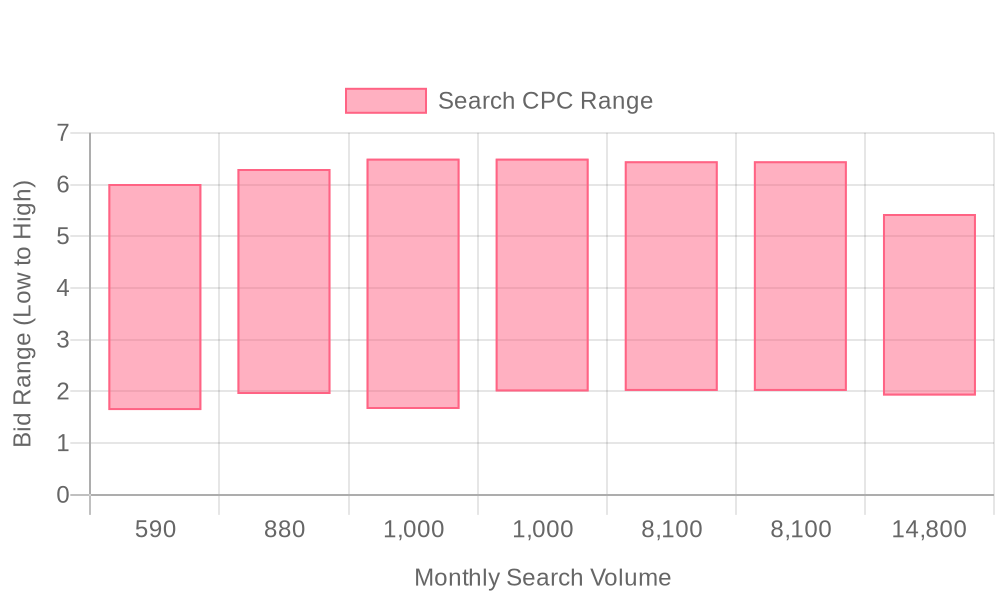
| Industry | Keyword | Monthly Search Volume | Competition Level | Low Bid | High Bid |
| Automotive Diagnostics | mobile car diagnostics near me | 590 | MEDIUM | 1.64 | 6.01 |
| Automotive Diagnostics | vehicle diagnostics near me | 880 | MEDIUM | 1.95 | 6.3 |
| Automotive Diagnostics | automotive diagnostics | 1000 | LOW | 1.66 | 6.5 |
| Automotive Diagnostics | car ac diagnostic near me | 1000 | MEDIUM | 2 | 6.5 |
| Automotive Diagnostics | car diagnostic near me | 8100 | MEDIUM | 2.01 | 6.45 |
| Automotive Diagnostics | auto diagnostic near me | 8100 | MEDIUM | 2.01 | 6.45 |
| Automotive Diagnostics | car diagnostic | 14800 | MEDIUM | 1.92 | 5.43 |
A focused keyword strategy is the foundation for effective Google Ads campaigns in automotive diagnostics. Pinpointing search terms that align with real customer intent enables marketers to efficiently reach audiences in critical decision-making moments, converting urgent needs into qualified appointments. For more guidance on building a keyword list, review this top-performing auto service keywords resource, and explore additional insights in our marketing playbooks.
- Vehicle Diagnostics Appointment Booking: Targeting search phrases like "book car diagnostic appointment near me" or "vehicle diagnostics service now" captures prospects who are ready to purchase. These high-intent keywords reduce reliance on cold outreach and ensure ads are shown to individuals prepared to engage, resulting in more booked service slots and higher immediate ROI. By integrating dynamic audience capabilities, marketers can identify returning visitors who previously engaged with booking pages and prioritize them with tailored offers, further improving conversion rates and minimizing wasted ad spend.
- OBD Scan Promotions: Customers searching for "discount OBD scan" or "affordable car code scan" are typically cost-sensitive and motivated by value. Tailored promotions, such as limited-time discounts or bundled diagnostic packages, directly address this segment’s priorities. Using real-time intent data, budget can be dynamically shifted toward these high-converting audience segments during peak demand windows. Syncing CRM and advertising platforms allows for quick identification of leads who have previously requested quotes or shown price sensitivity, enabling marketers to serve personalized offers that accelerate purchase decisions.
- Automotive Diagnostics Deals: Broader terms like "car diagnostic deals" or "automotive diagnostics special offers" expand reach while maintaining relevance. These keywords are ideal for brand awareness campaigns that keep your diagnostic center top-of-mind for both immediate and future needs. Marketers can leverage enriched audience data to exclude recent converters, focusing ad spend on new prospects and lapsed customers. Continuous audience refresh ensures that campaigns adapt as leads progress through the funnel, supporting both acquisition and re-engagement strategies for long-term growth.
The combination of precise keyword targeting, visitor identification, and dynamic audience management creates a data-driven approach that elevates automotive diagnostics advertising. Marketers can confidently allocate spend to the highest-value terms, track performance across every stage of the customer journey, and unlock new revenue opportunities through personalized, timely engagement. If you’re ready to implement these strategies, get started for free with Sona.
Step-by-Step Campaign Execution Framework
A high-impact Google Ads strategy for automotive diagnostics starts with precise keyword research and audience definition. Aligning campaigns with the language and urgency of real customer needs ensures budget is focused on genuine opportunities, not wasted clicks.
Modern revenue teams can now move from intuition-led marketing to data-driven execution. By integrating live behavioral signals and CRM data, teams reach high-intent prospects at the right moment and continuously refine campaign performance for maximum ROI. For a deeper dive on revenue attribution and measurement, explore our latest insights on marketing performance.
Step 1: Build Targeted Keyword Lists
Keyword list development is foundational for effective PPC for auto diagnostics. Focus on phrases that capture urgent, local intent, such as "car diagnostics near me," "check engine light scan," or "auto code reading service." Expand coverage by including different vehicle makes, models, and common diagnostic issues, this improves ad relevance and quality score.
For automotive lead generation, regularly analyze search trends and update negative keywords to filter out low-value traffic, like DIY-related terms. To discover proven keywords that drive results, consult this list of top-performing auto service keywords. Connecting this step with unified audience intelligence allows marketers to correlate search terms with actual website and CRM engagement, ensuring that keyword investments always align with the segments most likely to convert.
The upgrade most automotive diagnostics advertisers miss is going beyond raw keyword volume to layer in intent and identity signals. By connecting website-visitor data and CRM records with Sona Marketing Measurement, you can see which specific search terms bring in the accounts and customers that actually convert, and weight your keyword and bidding strategy toward those rather than the terms with the highest search volume alone.
Step 2: Create Dynamic Ad Copy
Effective car diagnostic marketing hinges on clear, compelling ad copy that matches user intent and builds trust. Headlines should address urgent problems (“Engine Light On? Get a Fast Diagnosis”), while description lines communicate expertise, certifications, and benefits (“Certified Technicians, OEM Tools, Same-Day Results”). Use ad assets, like sitelinks for booking, call buttons, and structured snippets highlighting specialties, to boost visibility and provide more paths to conversion.
For guidance on crafting compelling ad copy, review these tips for writing Responsive Search Ads for car diagnostic services. Advanced platforms help marketers refine messaging by analyzing which technical terms and offers resonate most with high-intent audiences identified on site and in CRM. Real-time data sync ensures ads are always relevant, dynamically updating copy and assets as new services launch or promotions change.
Step 3: Design Responsive Landing Pages
Each campaign must direct traffic to landing pages precisely tailored to the advertised service. For Google Ads for Automotive Diagnostics, this means pages that clearly explain the diagnostic process, reinforce expertise, display trust badges, and offer seamless booking or contact options. Responsive design ensures mobile users can engage effortlessly, which is vital for urgent automotive service promotions.
Integrating behavioral analytics allows marketers to personalize landing page content based on prior interactions or company profile. For deeper examples of how diagnostics expertise is showcased, browse these diagnostic case studies for auto repair.
Step 4: Optimize with Data-Driven Adjustments
Optimization is ongoing. Use conversion and engagement data to adjust bids, pause underperforming keywords, and reallocate budget to high-performing segments. Predictive analytics identify when audience intent spikes, enabling dynamic budget shifts toward campaigns and keywords that drive the most valuable leads.
With advanced attribution and CRM integration, marketers measure both online and offline conversions, such as booked appointments and in-shop visits, tying ad spend directly to revenue. For guidance on avoiding common Google Vehicle Ads errors and troubleshooting, review this Google Vehicle Ads errors and troubleshooting guide. Automated audience updates mean retargeting lists and lookalike audiences always reflect the latest customer journey stages, ensuring continued relevance and efficiency in automotive service promotions and online advertising for mechanics.
Sona Marketing Measurement closes the gap between clicks and revenue. It captures every ad click with first-party measurement, then ties that click through UTM capture and ad-platform APIs to the actual record in your CRM, and reports ROAS by keyword and campaign instead of by last-click form fill. Feeding that revenue signal back into Smart Bidding and Performance Max compounds over time: the algorithms optimize toward booked automotive diagnostics revenue, not cheap leads.
Tips on Expanding Your Automotive Diagnostics Presence
Automotive diagnostics businesses can accelerate growth by prioritizing both educational engagement and precise, data-driven outreach. Implementing advanced strategies ensures you stay ahead in a competitive market and continuously attract high-value, in-market prospects. To see how leading teams track prospect journeys and engagement, explore Sona Buyer Journeys, which provides actionable visibility into every touchpoint influencing your pipeline.
- Leverage Educational Retargeting: Delivering technical resources such as how-to guides and diagnostic checklists keeps your brand visible after a prospect's first website visit. Retargeting with these assets builds trust and encourages visitors to return when they need specialized diagnostics. With Sona's Identity Resolution, which links site visits to company profiles, you can personalize which educational content resurfaces, making each follow-up more relevant and actionable.
- Enhance Service Promotions: Using segmented audience data, create tailored diagnostic service offers for specific customer groups, such as new vehicle owners or fleet managers. This strategy supports upselling by promoting advanced diagnostics or bundled services to audiences most likely to convert. When audience segments are dynamically updated based on real-time engagement and CRM activity, you can time promotional offers perfectly as leads move closer to booking an appointment. For proven segmentation tactics, check out our playbook on buying stage segmentation.
- Establish Local Partnerships: Forming alliances with nearby businesses, such as car dealerships, auto parts retailers, or detailers, expands your referral network and boosts mutual visibility. Joint marketing efforts, like shared events, co-branded offers, or reciprocal referrals, help both partners tap into each other’s audiences. These relationships strengthen your community reputation and drive quality traffic that already trusts your local partners. Learn more about the impact of strategic partnerships and community-driven growth in our marketing and sales playbooks.
- Continuously Harvest Search Insights: Regular analysis of search behavior uncovers new trends and emerging diagnostic needs within your service area. Monitoring keyword performance, inquiry patterns, and campaign analytics reveals opportunities to introduce new diagnostic offerings or adjust targeting. Explore this list of top-performing auto service keywords to enhance your search advertising and SEO strategies. Integrating these insights with your CRM and advertising platforms enables rapid testing and scaling of high-potential campaigns, ensuring your digital marketing for auto services remains agile and growth-focused.
Beyond Google Ads: Winning the AI Answers Automotive Diagnostics Buyers Now Trust
Paid search captures demand at the moment someone types a query. But a fast-growing share of automotive diagnostics buyers no longer start at Google at all, they ask ChatGPT, Gemini, or Perplexity before they ever run a search, and Google's own AI Overviews increasingly summarize an answer above the traditional results. If your business isn't referenced in those AI answers, you're invisible at the exact moment buyers build their shortlist.
Sona AI Visibility shows where your business shows up across ChatGPT, Gemini, Perplexity, Google AI Overviews, and 10+ engines, and, much like a keyword report, which prompts actually send you buyers, so you can prioritize the ones that convert. Run the two together and you cover the entire buyer path: get cited where buyers research (AI Visibility), then prove which of that demand turns into booked revenue (Marketing Measurement).
Helpful resources
Conclusion
Google Ads works for automotive diagnostics when targeting, budget, and creative all point at the same urgent moment, a driver with a dashboard warning light, a fleet manager facing downtime. Get that alignment right and visibility turns into booked bays.
The shops that pull ahead won't be the ones spending the most, they'll be the ones that can prove which keyword, audience, and ad actually produced a paying customer, then feed that proof back into their bidding. That's the difference between chasing clicks and compounding them.
To see how a unified data platform can sharpen your Google Ads results, start for free with Sona.
FAQ
What are the best practices for Google Ads in automotive diagnostics?
Best practices include using precise keyword targeting, custom audience segmentation, and optimized landing pages to convert search activity into high-value leads.
How can I create effective Google Ads for my auto diagnostic services?
To create effective Google Ads, focus on data-driven keyword strategies, tailored ad copy, and audience insights to ensure your ads reach high-intent prospects.
What keywords should I target for automotive diagnostic ads?
Target keywords that capture urgent, high-intent searches such as 'vehicle diagnostics appointment booking' and 'OBD scan promotions' to attract prospects ready to purchase.
How do I measure the success of my Google Ads campaigns for auto diagnostics?
Success can be measured by tracking both online and offline conversions, using analytics to attribute booked appointments and sales to specific campaigns.
What budget should I allocate for Google Ads in the automotive industry?
The budget should focus on high-intent keywords and audiences, adjusting dynamically based on real-time data and conversion performance to maximize ROI.







