


Battery retail runs on urgency: a dead car battery or a failing home backup system rarely gives buyers time to shop around. Google Ads lets retailers meet that moment, intercepting a search the instant someone needs a replacement or a specific cell type. Yet many retailers still lose high-value prospects because their CRM never captures who actually clicked, converting ad spend into cold, unqualified traffic instead of tracked pipeline. This guide covers how to run Google Ads for battery retail so online spend ties directly to sales, not just clicks.
How to Generate Battery Retail Leads with Google Ads: A Step-by-Step Guide

Battery retailers operate in a market where rapid shifts in consumer demand and product innovation require precision in every marketing investment. Leveraging Google Ads for battery retail unlocks a direct channel to reach high-intent buyers, enabling retailers to compete for local and national market share with unmatched visibility.
A data-driven approach to Google Ads helps battery retailers unify digital touchpoints, capturing the nuances of buyer behavior from search to sale. By integrating paid search with other marketing efforts, revenue teams create a seamless pipeline that surfaces in-market accounts, nurtures engagement, and accelerates conversions. Take advantage of real-time audience insights to inform campaign targeting, or explore our blog for more B2B marketing strategies.
Ready to elevate your paid search performance? Get started for free with Sona.
Why Google Ads Matter for Battery Retail Businesses

Battery retailers operate in a market where timing and intent drive sales outcomes. Google Ads reaches buyers actively searching for a replacement or a specific battery type, capturing demand precisely when purchase intent peaks. That access to high-intent searchers, someone whose car won't start or whose backup system just failed, sets Google Ads apart from broader digital channels, so budget goes toward buyers ready to convert rather than passive browsers. For practical tips on getting started, see this community discussion for beginners.
Specialized audience targeting enables campaigns to focus on users researching specific battery types or urgent replacements, elevating the quality of traffic sent to product pages. Retailers can promote profitable products and accessories directly to those most likely to purchase, maximizing margin on every click. When marketers identify returning companies showing in-market behavior, they can dynamically adjust campaigns, shifting budget and creative to accounts with the highest likelihood of conversion.
Google Ads empowers battery retailers to respond instantly to seasonal demand spikes and capitalize on timely offers. Campaigns can be launched or adjusted in real time, making it possible to drive immediate lead generation during peak sales windows. Integrating platform data with CRM and lead management tools ensures campaigns remain current and audiences are enriched as customers progress through the buying journey. This unified approach to data and activation provides a clear line of sight into Google Ads ROI for battery retail, supporting ongoing optimization and strategic growth.
Common Types of Google Ads Campaigns for Battery Retail

Battery retail brands compete in an environment where every digital interaction can influence a sale. Strategic Google Ads campaigns meet potential customers at pivotal decision points, driving high-intent traffic directly to product pages and store locations. For inspiration on what's working in the industry, review this case study on digital advertising for battery retailers. To further sharpen targeting, Sona's Identity Resolution reveals which companies are visiting your website, even before they fill out a form.
- Search Campaigns: Targeting keywords like "battery stores near me" and "best battery deals" positions your business in front of customers with immediate purchase intent. This approach captures demand at the exact moment prospects are searching, and with Sona's Identity Resolution, you can move beyond anonymous clicks and identify the companies actively evaluating your offerings.
- Display Ads: Display advertising keeps your brand visible across industry forums, electronics blogs, and news sites frequented by battery buyers. By leveraging real-time audience insights, you can dynamically adjust ad placements to focus spend on high-converting audiences, ensuring your message remains relevant as market behavior shifts.
- Video Ads: Video formats allow you to showcase product reliability, installation processes, and battery performance in a compelling, visual manner. Enhanced by dynamic audience segmentation, these ads can be tailored to specific funnel stages, maximizing engagement and nurturing interest among both new and returning prospects.
- Remarketing: Re-engage site visitors who browsed but did not convert, serving tailored ads that address their objections or remind them of previously viewed products. With integrated CRM and ad sync, Sona enables seamless updating of remarketing audiences as leads move from awareness to consideration, improving conversion rates and sustaining brand recall.
- Assets: Ad assets highlight critical details such as store addresses, real-time reviews, and delivery promises, giving searchers the information needed to choose your store over competitors. When paired with advanced conversion tracking, these assets help retailers measure the true impact of ads on both online and in-store sales.
Want to experience seamless audience targeting and campaign optimization? Get started for free with Sona.
Where to Find Growth Opportunities?

Battery retail marketers often encounter diminishing returns when relying exclusively on broad, high-competition keywords. Unlocking new growth requires precise tactics that surface untapped demand and direct budget to where it drives maximum impact. For hands-on strategies tailored to the battery sector, explore digital marketing tactics for battery retailers and visit our B2B marketing playbooks for actionable campaign ideas.
- Vertical keyword targeting: Targeting niche battery models, specialty cells, or power solutions reveals segments with strong purchase intent but lower competition. By developing keyword lists that include specific product names, use-cases, or technical specs, battery retailers can attract buyers actively seeking a solution. Marketers leveraging real-time audience data can identify which niche search terms drive purchases and fine-tune ad spend accordingly. Real-time insights from visitor behavior further inform these lists, ensuring ads reach in-market buyers as intent peaks.
- Competitor insights for keyword gaps: Analyzing competitor campaigns uncovers search terms and market segments they overlook. This approach exposes underserved keywords and helps allocate spend to areas with less competition yet high buyer interest. Seamlessly integrating cross-channel analytics allows revenue teams to spot keyword gaps and audience overlaps, then sync enriched audiences into Google Ads for more intelligent targeting. The result is a sharper focus on high-value prospects who have not yet converted with competitors; learn more about identifying high-value accounts from website visitors.
- Industry forums and online directories: Positioning ads on battery industry forums, B2B marketplaces, or specialized directories creates targeted visibility beyond generic search. These channels help connect with buyers researching specific solutions or evaluating vendors, reducing the risk of wasted impressions on irrelevant audiences. By connecting CRM and website engagement data with ad platforms, marketers ensure campaigns remain highly relevant, dynamically updating audiences as leads progress through the buying journey. This strategy captures additional demand and supports a seamless transition from interest to conversion.
How to Apply Audience Segmentation for Battery Retail

Battery retail success in digital advertising hinges on delivering tailored messaging to distinct customer groups. By segmenting audiences with precision audience intelligence, marketers can maximize both engagement and return on ad spend, ensuring that each campaign reaches the most relevant prospects.
- Define Segments: Effective segmentation starts by identifying core audience categories. For battery retail, this often includes electric vehicle owners seeking high-performance batteries, renewable energy enthusiasts interested in storage solutions, and electronics DIY fans who value specialty cells. Understanding the nuanced needs of each segment enables marketers to provide targeted solutions that resonate, from backup power systems for solar users to fast-charging options for EV drivers.
- Overlay Intent Signals: Layering in Sona's Intent Signals elevates segmentation beyond static demographics. Marketers can prioritize consumers actively researching battery technology, engaging with related brands, or comparing product reviews. By surfacing which accounts are closest to making a purchase, teams can shift budgets to high-converting segments and reduce wasted ad spend. Platforms that unify web, CRM, and behavioral data make it possible to recognize and prioritize accounts showing strong buying signals, ensuring timely engagement with the right prospects.
- Segment-Specific Ad Groups: Building ad groups for each segment allows for hyper-personalized messaging and budget allocation. This approach ensures that electric vehicle owners see promotions for long-life batteries, while DIY enthusiasts receive exclusive offers on specialty items. Dynamic audience management tools enable marketers to update segment membership automatically as leads move through the funnel, preventing churn and maximizing relevance. Additionally, syncing enriched audience data from CRM and sales platforms into Google Ads helps keep targeting accurate, allowing for more effective retargeting and lookalike expansion as audience needs evolve.
This is also where measurement changes the economics. With Sona Marketing Measurement you can identify the companies behind your ad clicks, not just anonymous sessions, and segment audiences by which accounts actually become customers. That lets you build bid adjustments and audience signals around the segments that convert and de-prioritize the ones that don't, so you feed Google's algorithms "this click became a paying battery retail customer" instead of just "someone filled out a form."
Keyword Strategy & Sample Target Terms
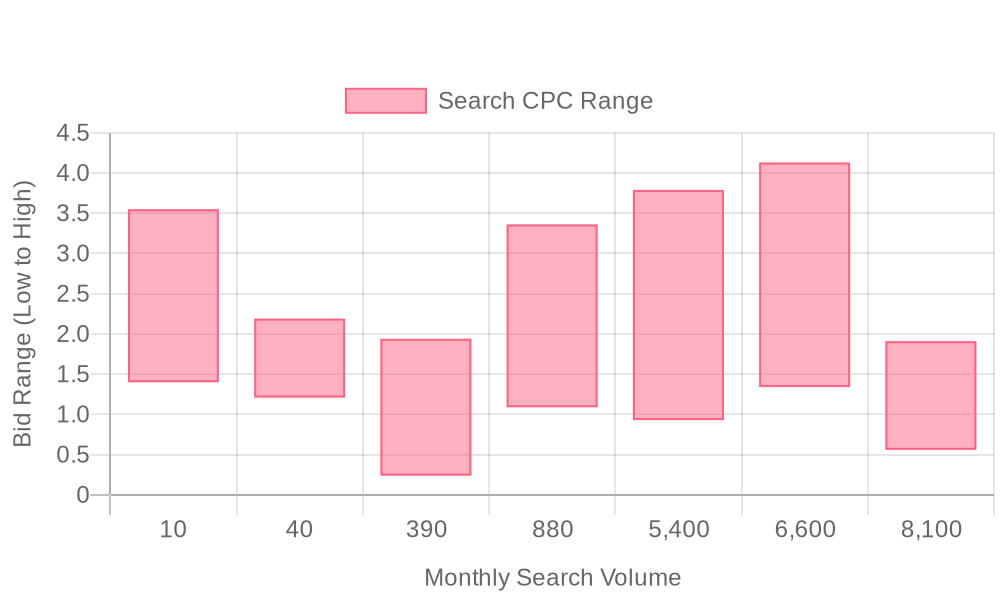
| Industry | Keyword | Monthly Search Volume | Competition Level | Low Bid | High Bid |
| Battery Retail | nearest battery shop near me | 10 | MEDIUM | 1.4 | 3.55 |
| Battery Retail | batteries factory outlet store | 40 | HIGH | 1.21 | 2.19 |
| Battery Retail | meijer car battery | 390 | HIGH | 0.24 | 1.94 |
| Battery Retail | battery retail | 880 | LOW | 1.09 | 3.36 |
| Battery Retail | battery shop near me | 5400 | HIGH | 0.93 | 3.79 |
| Battery Retail | auto battery shop near me | 6600 | MEDIUM | 1.34 | 4.13 |
| Battery Retail | batteries plus stores | 8100 | HIGH | 0.56 | 1.91 |
A well-defined keyword strategy is foundational for any battery retail business looking to maximize results from Google Ads. Targeting the right terms ensures ads are seen by customers ready to purchase, not just those browsing or researching battery-related topics.
- Blend of high-volume and niche terms: Incorporate keywords like "long-lasting car battery," "solar battery supplies," and "rechargeable batteries." This mix attracts both broad and specialized demand, capturing attention from commercial buyers and consumers searching for specific battery types.
- Implement negative keywords: Add terms such as "how to make a battery," "battery recycling," or "free battery plans" as negatives. This step filters out low-intent traffic, ensuring ad spend focuses on users with strong purchase signals.
- Intent-based keyword segmentation: Segment keywords by buyer journey stage, transactional terms like "buy car battery online" or "battery store near me" indicate readiness to purchase and should be prioritized for higher bids.
- Seasonal and product-specific keywords: Monitor trends for terms like "winter car battery deals" or "bulk industrial batteries" to align campaigns with market demand fluctuations.
Marketers leveraging unified go-to-market platforms can go beyond keywords alone: Sona's Identity Resolution and Intent Signals let teams optimize spend dynamically, prioritizing high-converting searches as intent shifts. For practical community tips on launching Google Ads, explore this beginner's discussion.
Step-by-Step Campaign Execution Framework
Battery retailers compete in a space where digital visibility directly affects sales and long-term growth. Precise campaign execution on Google Ads connects high-intent buyers, someone needing a same-day replacement, a contractor sourcing in bulk, with the right products at the right moment. Explore proven Google Ads strategies for ecommerce for additional grounding.
A structured approach to Google Ads for battery retail ensures resources are focused on revenue-driving tactics. When every click is informed by Audiences, retailers can outpace generic strategies and build sustainable, scalable ROI.
Step 1: Build Targeted Keyword Lists
Effective Google Ads for battery retail begins with comprehensive keyword research. Grouping keywords by product type, such as automotive batteries, backup power supplies, and home energy storage, enables highly relevant ad targeting for each vertical. This granularity allows retailers to match ads to specific buyer intent, reducing wasted spend.
Adding geographic modifiers to keyword groups captures searches from local customers looking for immediate solutions. For instance, terms like "car battery replacement near me" or "solar battery retail in Dallas" ensure your ads reach prospects ready to purchase. Marketers leveraging Destinations can further refine these lists by analyzing which regions or industries convert best, optimizing spend for maximum impact.
The upgrade most battery retail advertisers miss is layering intent and identity signals on top of raw keyword volume. By connecting website-visitor data and CRM records with Sona Marketing Measurement, you can see which search terms bring in accounts that actually convert, and weight keyword and bidding strategy toward those rather than the terms with the highest volume alone.
Step 2: Develop Compelling Ad Copy
Ad copy is the first impression for prospective buyers. Highlighting unique selling points, such as extended battery life, robust warranties, or same-day pickup, sets products apart and addresses common purchase objections. Precision in messaging increases click-through rates and drives higher-quality leads to landing pages.
Incorporating real-time intent signals allows marketers to dynamically tailor ad messaging, ensuring relevance as buyer needs evolve. When ad copy reflects the actual in-market behaviors of target accounts, campaigns see higher engagement and move more leads through the funnel.
Step 3: Design Effective Landing Pages
Once a user clicks an ad, the landing page must provide a seamless, trust-building experience. Clear calls-to-action, prominent trust indicators (like customer reviews and warranty badges), and integrated CRM forms encourage conversions and streamline lead capture. Removing friction from the process increases the likelihood that high-intent visitors turn into qualified leads.
By integrating CRM and Identity Resolution, retailers can match form fills to companies and enrich lead profiles automatically. This visibility allows for immediate, personalized follow-up and ensures that Google Ads investment translates into actionable pipeline growth.
Step 4: Implement Data-Driven Optimizations
Ongoing optimization is crucial to maximize Google Ads ROI for battery retail. Monitoring campaign performance in real time, marketers can adjust based on conversion data, spend trends, and audience engagement. Using tools that surface account identity and intent, teams can spot high-value accounts and shift budget toward audiences most likely to convert.
Automated audience syncing between CRM and Google Ads keeps targeting aligned with pipeline status, ensuring remarketing efforts reach leads at the optimal stage. With unified attribution across online and offline touchpoints, battery retailers gain a clear view of true campaign impact, allowing for continuous refinement and sustainable growth. For more strategies, review retargeting strategies for battery stores to enhance conversion pathways.
Sona Marketing Measurement closes the gap between clicks and revenue. It captures every ad click with first-party measurement, ties that click through UTM capture and ad-platform APIs to the matching record in your CRM, and reports ROAS by keyword and campaign instead of by last-click form fill. Feeding that revenue signal back into Smart Bidding and Performance Max compounds over time: the algorithms optimize toward booked battery retail revenue, not cheap leads.
Tips on Expanding Your Battery Retail Presence
Battery retailers face a crowded digital landscape where differentiation and data-driven growth strategies are paramount. Executing expansion efforts with a blend of local engagement, cross-industry partnerships, and advanced digital tactics allows brands to capture new customer segments and build long-term loyalty. For actionable insights and case studies, explore the Sona blog to discover proven growth strategies for B2B retailers.
- Joint promotions and bundled offers: Partnering with automotive shops, electronics retailers, or repair services for bundled discounts or co-branded campaigns can dramatically increase your exposure and unlock additional revenue streams. These collaborations not only attract new audiences but also create compelling value propositions that set your offerings apart from competitors. Learn how digital marketing strategies can drive success for battery retailers in this comprehensive guide.
- Community event participation: Engaging in local fairs, sponsorships, or educational workshops around battery care can boost brand recognition and establish trust with potential customers. In-person touchpoints, when combined with targeted digital follow-ups, help convert event-driven interest into measurable sales and repeat business. Track every interaction and campaign milestone with Sona's Buyer Journeys tool to optimize follow-up and gauge marketing's influence on your sales outcomes.
- Ad extensions for retail visibility: Utilizing Google Ads ad extensions to highlight operating hours, service options, and customer reviews gives prospective buyers the confidence and convenience they seek during their consideration phase. Enhanced visibility in search results supports higher click-through rates and encourages foot traffic to physical retail locations. For step-by-step optimization, see this video tutorial on Google Ads setup.
Google Ads for battery retail works best across search, shopping, and display together, each channel catching a different point in the buying decision. Pairing advanced audience segmentation with offline signals lets retailers close the gap between ad spend and actual sales, tracking high-value leads and syncing CRM insight with ad audiences at every touchpoint.
Beyond Google Ads: Winning the AI Answers Battery Retail Buyers Now Trust
Paid search captures demand at the moment someone types a query. But a fast-growing share of battery retail buyers no longer start at Google at all, they ask ChatGPT, Gemini, or Perplexity before they ever run a search, and Google's own AI Overviews increasingly summarize an answer above the traditional results. If your business isn't referenced in those AI answers, you're invisible at the exact moment buyers build their shortlist.
Sona AI Visibility shows where your business shows up across ChatGPT, Gemini, Perplexity, Google AI Overviews, and 10+ engines, and, much like a keyword report, which prompts actually send you buyers, so you can prioritize the ones that convert. Run the two together and you cover the entire buyer path: get cited where buyers research (AI Visibility), then prove which of that demand turns into booked revenue (Marketing Measurement).
Helpful resources
Conclusion
Battery retail rewards the advertiser who treats Google Ads as a revenue instrument, not a traffic generator. Precise keyword targeting, sharp ad copy, and landing pages built for urgency all matter, but they only pay off when tied to what a customer actually bought.
The retailers pulling ahead now are the ones feeding Google's bidding algorithms real signal, which clicks became paying customers, not just which became form fills, so spend keeps concentrating on the accounts most likely to buy.
FAQ
How can I set up Google Ads for my battery retail business?
To set up Google Ads for your battery retail business, start by building targeted keyword lists, develop compelling ad copy, design effective landing pages, and implement data-driven optimizations. Segment your audience based on intent and use ad extensions to highlight key details like store locations and reviews.
What are the best practices for Google Ads in the battery retail industry?
Best practices include using precise audience targeting, integrating Google Ads with CRM systems for better tracking, utilizing search campaigns with keywords indicating purchase intent, and continuously optimizing campaigns based on real-time data and seasonal demand.
How can I target the right audience with Google Ads for battery retail?
Target the right audience by defining core segments such as electric vehicle owners or DIY enthusiasts, overlaying intent signals to prioritize active researchers, and using segment-specific ad groups to tailor messaging and budget allocation.
What are the most effective keywords for Google Ads in battery retail?
Effective keywords include a blend of high-volume and niche terms like 'long-lasting car battery' and 'solar battery supplies,' along with negative keywords to filter out low-intent traffic, ensuring focus on users with strong purchase signals.
How can I measure the success of my Google Ads campaign for battery retail?
Measure success by integrating Google Ads with CRM and lead management tools for comprehensive tracking, monitoring conversion rates, adjusting campaigns based on real-time data, and using unified attribution across online and offline touchpoints.







