


A dead car battery or a phone that won't hold a charge creates an immediate problem, and the customer searching for a fix is ready to buy now, not next week. That urgency is what makes Google Ads so effective for battery repair services: the ads intercept people mid-emergency, when they're comparing same-day availability and price rather than browsing. Missing that window, or following up too slowly once a lead comes in, costs real business. Done well, Google Ads lets a repair shop show up at the exact moment a prospect is searching, measure which clicks turn into paid repairs, and fold that data back into a broader marketing strategy, so the business is the obvious choice the moment someone needs help.
How to Generate Battery Repair Service Leads with Google Ads: A Comprehensive Guide

Battery repair services face a unique opportunity to reach high-intent customers at the exact moment they experience urgent issues. Leveraging Google Ads lets repair providers precisely capture demand, ensuring every marketing dollar is spent on the prospects most likely to convert. For a practical overview of setting up Google Ads for battery or phone repair businesses, see this step-by-step guide to Google Ads for phone repair.
A well-structured campaign eliminates wasted spend by focusing on the highest-converting keywords and audiences. When battery repair shops use advanced tools to unify data and connect real-time intent signals across touchpoints, they can nurture and convert leads more efficiently.
Keyword and Audience Targeting
The foundation of effective battery repair advertising lies in pinpointing keywords that signal urgent service needs, such as “car battery replacement near me” or “phone battery repair same day.” Moving past broad, generic targeting, businesses now have access to intent-driven audience segmentation. This approach goes beyond anonymous clicks by identifying the companies behind visits and matching them to relevant firmographic or household segments, allowing for more personalized and effective engagement.
Dynamic audience building ensures that as leads move through the funnel, whether from website visit to form fill or phone inquiry, audience segments update in real time. Marketers can prioritize spend on those actively searching for battery solutions, shifting budget away from low-intent or irrelevant traffic. By syncing enriched audiences directly into Google Ads and connected CRMs, battery repair providers can retarget high-value prospects across multiple channels, ensuring no lead is left behind.
Landing Page Optimization
Landing pages for battery repair services must align precisely with the searcher’s intent to maximize conversions. For example, a visitor searching for “emergency EV battery jumpstart” should land on a dedicated page offering rapid response, clear pricing, and immediate call-to-action options. For more on optimizing auto repair ad campaigns, check out this PPC strategy for auto repair shops. An optimized experience includes trust signals, such as certifications and verified reviews, and seamless mobile functionality to capture on-the-go customers.
Sona's Identity Resolution lets repair shops personalize experiences further. Knowing which company or customer segment is engaging with your page allows for tailored content, custom offers, and even automated follow-up sequences, bridging the gap between online inquiry and offline conversion. By tying landing page analytics to CRM and ad platforms, teams gain visibility into which campaigns drive real business outcomes, not just clicks.
Performance Optimization Tips
Continuous campaign refinement is essential for maximizing Google Ads ROI in the battery repair industry. Real-time insight into which keywords, ad formats, and audiences are actually converting, versus which searches are curious tire-kickers, lets teams shift bids, reallocate budget, and rewrite messaging as seasonal demand shifts (winter cold snaps kill car batteries, summer heat wears down phone batteries faster). Advanced conversion tracking keeps that optimization tied to real business outcomes rather than guesswork.
Why does Google Ads Matter for Battery Repair Services?
Battery repair businesses operate in a market where speed, relevance, and precision are essential to win new customers and retain existing ones. Leveraging Google Ads for local businesses ensures that every marketing dollar is aimed at prospects with urgent needs, capturing demand when intent is highest and reducing the risk of missing out on critical leads. To further optimize campaign impact, explore actionable tactics from the Sona blog on leveraging intent data to increase revenue.
- Complex, Specialized Audience: Battery repair advertising must reach specific segments, such as electric vehicle owners, mobile device users, or commercial fleets, at the exact moment they are searching for solutions. Google Ads excels at intercepting these high-intent queries, but the real value comes from identifying not just anonymous clicks but the companies and buying groups behind them. Sona's Identity Resolution helps marketers move beyond generic targeting and engage real prospects with messaging tailored to their specific service needs.
- Faster Demand Response: In battery repair, timing is everything. Emergencies like car breakdowns or device failures create sudden, high-value opportunities. Google Ads, paired with intent signals from Sona, lets businesses dynamically adjust spend and bids to capture these peak moments. When marketers act on in-market behavioral signals, they can shift budget toward accounts showing the strongest buying signals, so service teams reach customers before competitors do.
- Integrated Data Analysis: For battery repair shops, accurately measuring campaign performance requires tracking both online and offline conversions, such as phone calls, appointment bookings, and in-person visits. Closed-loop analytics ensures that every conversion, whether it happens on the website or at the service counter, is attributed back to the original ad spend. By syncing CRM data with ad platforms, businesses not only measure the true ROI of their Google Ads strategies but also enrich audiences for future campaigns, fueling smarter, more efficient growth.
Common Types of Google Ads Campaigns for Battery Repair Services

A robust Google Ads strategy for battery repair services blends audience segmentation, intent-driven targeting, and multi-channel visibility to maximize lead volume and conversion rates. Campaign types must match the urgency and research behavior unique to battery repair customers, from emergency vehicle jump-starts to scheduled electronics diagnostics. Effective execution depends on real-time behavioral insights and dynamic audience management to deliver personalized, actionable messaging at every touchpoint. To see how local businesses can attract nearby customers and increase foot traffic with Google Ads, explore this guide to Google Ads for local businesses.
- Search Campaigns: These campaigns capture urgent, high-intent searches, such as "car battery replacement near me" or "phone battery repair open now", by surfacing relevant ads precisely when customers express need. Segmentation by service type (automotive, smartphone, industrial) ensures each ad group speaks directly to the pain points of its audience, using language and offers that drive immediate engagement. Responsive Search Ads, an ad format within Search campaigns, let marketers test multiple headlines and descriptions so the best-performing combination surfaces automatically. When battery repair marketers layer in Sona's Identity Resolution and intent data, they can route budget to the highest-converting segments and pivot messaging based on shifting demand, increasing both conversion rates and Google Ads ROI.
- Display Ads: Battery repair brands leverage display ads to reinforce brand awareness and stay top-of-mind in the local community and relevant industry sites. Rather than relying on generic placements, marketers can use dynamic audience insights and cross-channel behavioral signals to push offers, like seasonal checkups or emergency response discounts, only to those likely to engage. For additional strategies on optimizing display and other campaign formats, discover actionable marketing playbooks.
- Remarketing Techniques: Remarketing is essential for battery repair advertising, re-engaging site visitors who abandoned booking forms or requested quotes but did not convert. Audiences can be segmented by visit depth, service interest, or recency, allowing marketers to tailor follow-up ads, such as appointment reminders or limited-time offers, based on the user’s stage in the decision process. When remarketing audiences and conversion events are continuously synced from CRM and offline channels, marketers can attribute offline bookings and optimize spend by focusing on prospects most likely to return and convert.
- Performance Max: Performance Max campaigns pool inventory across Search, Display, YouTube, Maps, and Gmail into a single, goal-driven campaign, which suits battery repair businesses that want to catch both the urgent "near me" searcher and the driver who sees a video ad before their battery even fails. Feeding it strong conversion signals, ideally including which leads actually became paying repairs, is what determines whether it finds the right customers or just spends efficiently on the wrong ones.
Where to Find Growth Opportunities
Expanding the reach of battery repair services requires a methodical approach that pinpoints untapped potential and addresses overlooked inefficiencies. Professionals in this space can gain a significant edge by leveraging refined targeting, strategic content, and advanced data-driven insights to reach high-converting segments.
- Vertical Keyword Targeting: Focusing on niche and intent-rich keywords related to battery repair advertising, such as “emergency car battery replacement” or “phone battery fix near me,” helps avoid wasted spend on generic searches. Granular keyword lists raise visibility among consumers actively seeking specific solutions, which leads to higher conversion rates. Layering in company-level audience enrichment identifies the businesses behind high-value searches, so bids and ad creative can adjust in real time based on in-market signals and likelihood to convert.
- Competitor Analysis: Reviewing the current landscape with detailed market and competitor analysis uncovers service gaps or geographic areas underserved by others in the market. Instead of simply mirroring competitor activity, modern B2B teams can use unified data to reveal actionable market gaps, such as neighborhoods with surging demand for auto battery services or device types commonly overlooked by others. By syncing CRM and intent data into audience segments, advertisers can dynamically adjust campaigns to prioritize underserved regions or emerging service lines, ensuring marketing investments are always directed toward high-opportunity areas.
- Content Retargeting: Deploying educational content as part of a retargeting strategy re-engages prospects who have interacted with landing pages but left before converting. This approach addresses common inefficiencies in the customer journey, such as incomplete conversion tracking or missed follow-ups. When visitor-level data is unified and mapped to funnel stages, audience lists can update in real time, ensuring that users see the right message, whether it’s a how-to guide for battery care or a limited-time service promotion, based on their last engagement and current buying stage. Enhanced conversion tracking further connects online research activity with offline bookings, providing a comprehensive view of true ROI for every ad dollar spent. For additional insights on increasing local service leads, see this guide to Google Local Services Ads.
How to Apply Audience Segmentation for Battery Repair Services
Battery repair services attract customers with varying needs, from electric vehicle owners seeking advanced diagnostics to local drivers requiring traditional replacements. Precision in segmentation ensures that marketing spend directly supports high-conversion opportunities, rather than diluting reach with unfocused messaging. Service providers can refer to geographic performance measurement to understand how to attract nearby customers and increase foot traffic with targeted campaigns.
- Define Segments: Segmenting the audience by service need is critical for battery repair advertising and digital marketing for repair businesses. For example, EV battery diagnostics and traditional car battery replacements have unique buyer profiles and intent signals. Identifying these distinctions allows for tailored messaging, such as promoting "rapid EV battery range checks" to one group and "affordable same-day replacements" to another. With Sona's Identity Resolution, marketers can see not just anonymous searchers but the actual companies and fleet operators browsing for battery service promotions or urgent repairs. This specificity elevates both the relevance and efficiency of PPC for auto services campaigns.
- Custom Ad Groups: Crafting unique ad groups for each segment maximizes Google Ads ROI by aligning messaging with the buyer’s journey stage. When a lead moves from initial inquiry to active consideration, dynamic audiences can shift in real time, updating ad exposures to match increased purchase intent. For instance, a customer researching "fleet battery maintenance" may later receive targeted ads for volume discounts or managed maintenance plans. This dynamic synchronization between CRM and ad platforms enables seamless retargeting, ensuring that every ad campaign for auto repair maintains relevance and persistence as prospects progress toward conversion. Advanced offline and online attribution further clarifies which segments and touchpoints drive revenue, empowering revenue teams to continually optimize spend and expand the highest-performing audience cohorts.
This is also where measurement changes the economics. With Sona Marketing Measurement you can identify the companies behind your ad clicks, not just anonymous sessions, and segment audiences by who actually becomes a customer. That lets you build bid adjustments and audience signals around the segments that convert and de-prioritize the ones that don't, so you feed Google's algorithms "this click became a paying battery repair services customer" instead of just "someone filled out a form."
Keyword Strategy & Sample Target Terms
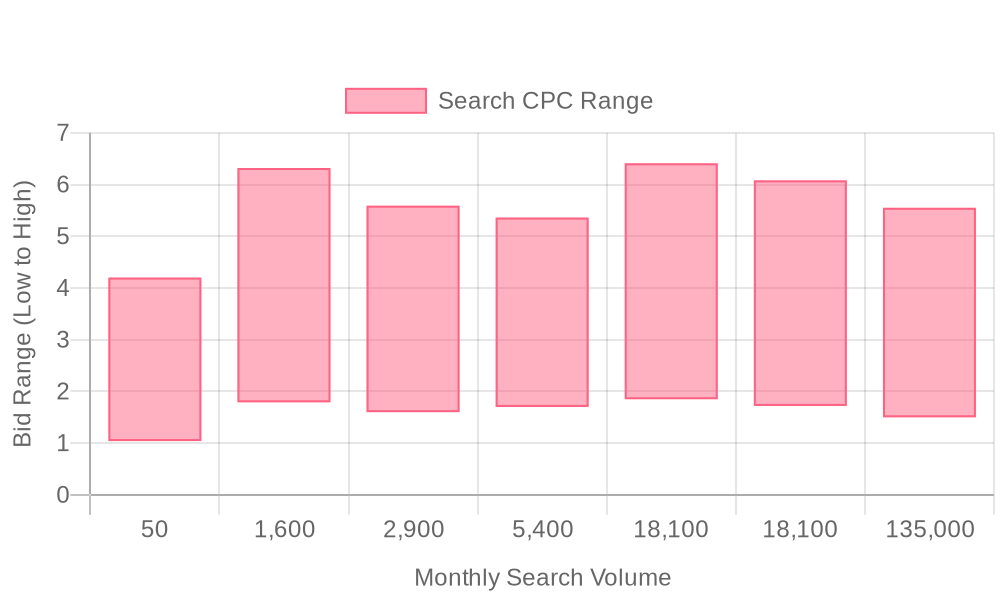
| Industry | Keyword | Monthly Search Volume | Competition Level | Low Bid | High Bid |
| Battery Repair Services | battery repair services | 50 | LOW | 1.04 | 4.2 |
| Battery Repair Services | battery service near me | 1600 | MEDIUM | 1.79 | 6.32 |
| Battery Repair Services | battery change near me | 2900 | MEDIUM | 1.6 | 5.59 |
| Battery Repair Services | car battery installation near me | 5400 | MEDIUM | 1.7 | 5.36 |
| Battery Repair Services | car battery replacement near me | 18100 | MEDIUM | 1.85 | 6.41 |
| Battery Repair Services | battery replacement near me | 18100 | MEDIUM | 1.72 | 6.08 |
| Battery Repair Services | car battery replacement | 135000 | LOW | 1.5 | 5.55 |
Effective keyword strategy is the foundation of high-performing Google Ads for battery repair services. Successful campaigns prioritize targeting high-intent, service-specific search terms to reach buyers when they are most likely to convert. For a deeper dive into campaign structure and optimization for local businesses, visit Google Ads for local businesses.
- Top Keywords: Battery repair businesses achieve optimal reach by focusing on high-intent phrases like "mobile battery repair," "emergency car battery replacement," "car battery roadside assistance," and "phone battery repair near me." These keywords signal urgent needs and direct intent, making them essential for attracting customers ready to take action. Segmenting campaigns by device or vehicle type, such as "EV battery diagnostics" or "iPhone battery replacement", enables even more precise targeting and ad relevance across search, display, and local ad placements. Explore actionable insights for campaign segmentation in our B2B marketing playbooks.
- Strategic Use: The most successful battery repair advertising strategies rely on data-driven selection to uncover high-volume, low-competition terms that stretch budget efficiency and expand visibility. By analyzing search trends and leveraging intent signals, marketers can identify emerging opportunities, such as increased demand for "hybrid vehicle battery troubleshooting" or "same day battery installation." Integrating advanced visitor identification and real-time intent data allows marketers to shift spend to keywords and accounts exhibiting in-market behavior, while dynamic audience updates ensure campaigns continuously target the most relevant prospects.
Step-by-Step Campaign Execution Framework
A methodical approach to Google Ads for Battery Repair Services ensures that every marketing dollar is focused on capturing and converting the highest-value leads. When each aspect of the campaign, from keyword targeting to conversion tracking, is optimized and unified, businesses see more qualified inquiries and measurable growth in service appointments. For additional insights on optimizing marketing attribution and campaign performance, visit the Sona blog.
This framework breaks down the process into four actionable phases designed to maximize ROI, unify audience data, and streamline workflows for battery repair advertising.
Step 1: Build Targeted Keyword Lists
Effective keyword selection lays the foundation for successful ad campaigns for auto repair and battery services. Segmenting keywords by service type, such as “emergency car battery replacement,” “phone battery repair near me,” or “industrial battery diagnostics”, ensures your ads display for searches with the highest purchase intent. Localization is critical; integrating city names, neighborhoods, or zip codes into keywords captures ready-to-convert customers within your service area. For guidance on local keyword targeting and campaign setup, explore this guide to Google Ads for local businesses.
Negative keywords matter just as much for filtering out queries that drain budget without producing a booked repair. Excluding terms like “DIY battery fix,” “battery wholesale,” or “how batteries work” keeps spend on commercial intent, people who want someone else to do the repair, not a tutorial. Identifying the companies and specific visitors behind anonymous clicks lets revenue teams prioritize high-value segments, like fleet operators or EV owners under warranty, and cut impressions that were never going to convert.
The upgrade most battery repair services advertisers miss is going beyond raw keyword volume to layer in intent and identity signals. By connecting website-visitor data and CRM records with Sona Marketing Measurement, you can see which specific search terms bring in the accounts and customers that actually convert, and weight your keyword and bidding strategy toward those rather than the terms with the highest search volume alone.
Step 2: Develop Compelling Ad Copy
Crafting ad copy that resonates with searchers in need of battery repair services is about clear value communication. Highlight rapid response times, technical certifications, and local trust signals to instill confidence. Phrases like “Same-Day Battery Replacement: Certified Technicians” or “90-Day Warranty on All Repairs” directly address the primary concerns of urgency and quality. For service businesses, understanding Google Local Services Ads can help inform messaging that aligns with customer expectations.
Tailoring messaging to each service segment improves relevance and click-through rates. For example, ads targeting EV battery diagnostics should reference specialized capabilities, while smartphone repair ads can emphasize convenience and price transparency. Leveraging real-time audience insights enables marketers to dynamically update ad copy, shifting budget and creative toward segments displaying active purchase intent.
Step 3: Design Effective Landing Pages
Seamless alignment between keywords, ads, and landing pages is non-negotiable in digital marketing for repair businesses. Each landing page should mirror the promise made in the ad, featuring service-specific content, clear pricing, visible contact options, and trust badges such as industry certifications or verified customer reviews. For actionable tips on improving conversion rates for auto repair and battery services, see Google Ads strategies for auto repair shops.
A frictionless user journey increases conversion rates. Fast-loading pages with prominent calls-to-action, like “Book Now” or “Call for Immediate Service”, reduce drop-off and encourage direct engagement. Integrating campaign data with advanced analytics tools provides granular visibility into visitor behavior, empowering marketers to make precise, data-driven adjustments that consistently drive higher appointment bookings.
Step 4: Ongoing Optimization and Integration
Continuous campaign optimization is essential for sustainable Google Ads ROI in battery service promotions. Regular analysis of key metrics, such as cost per lead, conversion rate, and service-line profitability, guides informed budget reallocation and creative updates. Predictive models can flag underperforming ads or emerging high-converting keywords, allowing for proactive adjustments that protect returns. Discover best practices for local services Google Ads campaigns to further enhance your strategy.
Integrating ad campaigns with CRM and lead management systems closes the loop between digital touchpoints and real-world service appointments. This unified approach allows teams to sync enriched audience data, push high-intent leads directly to sales pipelines, and track conversion paths both online and offline. As leads move through the funnel, dynamic audience updates ensure that remarketing and follow-up efforts remain relevant, timely, and highly personalized, ultimately streamlining demand generation and maximizing every marketing investment in targeted ads for battery services. Ready to see results? Get started for free with Sona and unlock smarter campaign integration.
Sona Marketing Measurement closes the gap between clicks and revenue. It captures every ad click with first-party measurement, ties that click through UTM capture and ad-platform APIs to the actual record in your CRM, and reports ROAS by keyword and campaign instead of by last-click form fill. Feeding that revenue signal back into Smart Bidding and Performance Max compounds over time: the algorithms optimize toward booked battery repair services revenue, not cheap leads.
Tips on Expanding Your Battery Repair Service Presence
Expanding your battery repair service begins with a unified approach to data-driven marketing and deep audience understanding. Modern battery repair businesses gain a competitive advantage by leveraging analytics to identify where customers engage and how to turn that engagement into measurable revenue.
- Cross-Promote Content: Use retargeting to highlight educational materials and timely promotions, reaching prospects who have previously interacted with your brand. When marketers connect their web analytics and ad data, they can pinpoint which content resonates most and build retargeting audiences that reflect real in-market interest. This approach ensures that promotional efforts are focused on high-value leads, not just anonymous clicks. By syncing CRM and website data, battery repair teams can move beyond generic remarketing to serve personalized offers that address the specific needs and lifecycle stage of each prospect, resulting in higher conversion rates and improved campaign ROI.
- Localize Campaigns: Tailor campaigns to specific metropolitan areas to boost visibility among local customers actively searching for battery repair solutions. Local SEO for battery repair is most effective when ad budgets are dynamically allocated based on real-time intent signals and geographic demand surges. For practical advice on setting up and managing Google Ads specifically for battery repair, see how to run Google Ads for phone repair business. When platforms aggregate conversion data and audience engagement down to the ZIP code or neighborhood, marketers can quickly identify underperforming locations and shift spend accordingly. This precision in targeting not only maximizes PPC efficiency for auto services but also ensures that messaging addresses unique local pain points and drives more foot traffic to nearby repair shops.
- Partner for Growth: Collaborate with industry leaders, trade associations, or ecosystem partners to expand reach and authority. Joint campaigns or co-branded educational resources help battery repair businesses tap into broader audiences and reinforce their credibility as trusted experts. By sharing data insights and addressing common industry challenges, these partnerships foster innovation and unlock new customer acquisition channels. When campaign data is unified across partners, teams can identify overlapping audiences, uncover new market segments, and optimize joint offers for higher engagement, driving measurable business growth for all participants.
Successful battery repair advertising is rooted in strategic keyword targeting, nuanced audience segmentation, and continuous optimization. Integrating Google Ads into a broader digital marketing ecosystem lets businesses capture high-intent leads and fix persistent problems like poor follow-up and untracked conversions. Platforms that deliver predictive insight and advanced attribution help battery repair marketers put every advertising dollar toward outcomes that show up in booked revenue, not just clicks.
Beyond Google Ads: Winning the AI Answers Battery Repair Services Buyers Now Trust
Paid search captures demand at the moment someone types a query. But a fast-growing share of battery repair services buyers no longer start at Google at all, they ask ChatGPT, Gemini, or Perplexity before they ever run a search, and Google's own AI Overviews increasingly summarize an answer above the traditional results. If your business isn't referenced in those AI answers, you're invisible at the exact moment buyers build their shortlist.
Sona AI Visibility shows where your business shows up across ChatGPT, Gemini, Perplexity, Google AI Overviews, and 10+ engines, and, much like a keyword report, which prompts actually send you buyers, so you can prioritize the ones that convert. Run the two together and you cover the entire buyer path: get cited where buyers research (AI Visibility), then prove which of that demand turns into booked revenue (Marketing Measurement).
Helpful resources
Conclusion
Google Ads works for battery repair services because it puts your shop in front of someone at the moment their battery has already failed, not a week before or after. The campaigns that win aren't the ones with the biggest budgets; they're the ones built around precise keyword targeting, landing pages that match search intent, and tracking that connects a click to an actual completed repair.
The next shift is already underway: buyers increasingly ask an AI assistant for a recommendation before they ever open Google, which means visibility now has to extend past the search results page and into how these engines describe your business. Shops that connect their ad performance data to that broader picture, rather than treating Google Ads as a standalone channel, will be the ones still winning the emergency-repair customer five years from now.
To put these strategies to work, start for free with Sona and see how unified ad, CRM, and revenue data can sharpen every campaign decision.
FAQ
What are the best Google Ads strategies for battery repair services?
The best strategies include using intent-driven audience segmentation, focusing on high-converting keywords like 'car battery replacement near me,' and optimizing landing pages to match search intent and improve conversions.
How can I optimize my Google Ads for battery repair?
Optimize your Google Ads by continuously refining campaign performance with real-time insights, focusing on high-intent keywords, and ensuring your landing pages align with the searcher's intent.
What budget should I allocate for Google Ads in battery repair?
Allocate your budget towards high-intent audiences and keywords that are most likely to convert, while avoiding spend on broad or irrelevant traffic by using negative keywords.
How do I track leads from Google Ads for battery repair?
Track leads by using advanced conversion tracking that captures both online and offline actions, and syncs performance data with CRM platforms to attribute conversions accurately.
What keywords should I target for battery repair services in Google Ads?
Target high-intent keywords such as 'mobile battery repair,' 'emergency car battery replacement,' and 'phone battery repair near me' to attract customers with urgent service needs.







