


Catalog retailers live and die by whether their inventory shows up the moment someone starts shopping. A shopper who searches for a specific SKU, brand, or seasonal item is already close to buying, and if that click doesn't lead to a tracked, attributable outcome, the sale (and the data behind it) disappears. Google Ads gives catalog businesses a way to meet that intent directly and prove what it's worth: precise targeting on product-level searches, and accurate tracking from click to purchase. Done well, it closes the gap between browsing and buying and keeps retailers competitive against anyone else bidding on the same catalog terms.
How to Generate Google Ads Leads for Catalog Retail Businesses: A Step-by-Step Guide

Catalog retail businesses increasingly rely on Google Ads to move beyond traditional reach and establish high-visibility, data-driven campaigns that deliver measurable results. Executing a robust lead generation strategy requires clear objectives, precise audience intelligence, and seamless integration between product data and advertising platforms. By leveraging advanced audience insights and CRM integrations, catalog retailers can transform previously anonymous website visitors into known prospects, dynamically adjusting campaigns as buyers signal intent.
- Set Objectives & KPIs: Successful catalog advertising begins with defining actionable goals: increasing catalog visibility, driving high-quality traffic, or boosting product-specific sales. These objectives anchor your campaign strategy and determine which metrics, such as cost per lead, conversion rate, or catalog engagement, will guide optimization. Modern retail marketing strategies also benefit from goal tracking that updates in real-time, ensuring that campaign performance aligns with shifting business priorities.
- Conduct Keyword Research: Identifying high-value search terms like 'Google Shopping ads', 'product listing ads', and 'eCommerce advertising' is essential for catalog retailers aiming to dominate relevant search results. Using intent data from both Google Keyword Planner and first-party intent signals uncovers patterns in buyer behavior, enabling retailers to prioritize keywords that match active purchase intent. This dual-layered approach helps shift budget toward search queries demonstrating in-market activity, maximizing return on ad spend.
- Audience Segmentation: Segmenting audiences by demographics, location, and interests ensures catalog ads reach the right decision-makers at the right time. Advanced platforms allow marketers to identify specific companies or buyer segments visiting their site, building audiences that automatically update as prospects move through the buying journey. This continuous refinement supports more efficient budget allocation and unlocks new opportunities for personalized engagement, especially for high-value catalog products.
- Creative Development: Crafting compelling ad copy and visuals tailored for each target segment enhances catalog engagement and drives higher click-through rates. Visuals should showcase product variety and unique selling points, while messaging aligns with the specific needs or pain points of each audience group. With the ability to dynamically generate creatives based on user behavior and catalog data, retailers can present the most relevant products to each prospect, increasing lead quality and conversion likelihood.
- Landing Page Optimization: Each Google Ads click should lead to a landing page that mirrors the ad’s promise and provides a frictionless path to purchase. Catalog retailers benefit from pages customized for top-performing product categories or audience segments, reducing bounce rates and encouraging deeper catalog browsing. Integrating behavioral signals allows for dynamic content that adapts to the visitor’s stage in the buying process, boosting engagement and lead capture rates.
- Implement Tracking & Measurement: Accurate tracking is critical for measuring campaign effectiveness from the first click to final sale. By integrating advanced conversion tracking with CRM and offline sales data, catalog retailers get a true picture of ROI, including leads that convert outside the digital channel. Unified attribution enables marketers to see which campaigns, keywords, or creative variations drive the highest-value customers, optimizing spend for long-term revenue growth.
Catalog retail businesses that unify their advertising, CRM, and audience data can achieve a continuous improvement loop: identifying high-intent prospects, engaging them with tailored messaging, and measuring outcomes across the full funnel. To experience this integration firsthand, get started for free with Sona. This integrated approach turns every interaction, online or offline, into a signal that sharpens the next campaign.
Why Google Ads Matter for Catalog Retail Businesses
Catalog shoppers move fast between browsing and buying, and they expect the ad they clicked to match the product they were looking for. Google Ads lets retailers reach high-value prospects at the exact moment they're searching for a product, and measure what that moment is worth. For further insights on optimizing your digital marketing, explore our blog articles.
- Precision Targeting: Catalog retailers can pinpoint prospective buyers using granular targeting, intercepting shoppers as they express intent. Real-time audience updates ensure that ads reach only the most relevant users, reducing wasted spend and increasing engagement.
- High-Intent Capture: Google Ads is uniquely equipped to engage shoppers who are further along in their purchase journey. By capturing active searchers and in-market audiences, catalog retailers close the gap between online discovery and purchase, minimizing missed opportunities due to fragmented intent data.
- Seamless Integration: Google Ads integrates with a variety of digital marketing platforms, enabling retailers to orchestrate unified campaigns across multiple channels. Advanced data solutions further enrich this process by syncing company-level identification and engagement signals into campaign workflows, supporting a holistic approach to retail marketing strategies.
Common Types of Google Ads Campaigns for Catalog Retail Businesses
Catalog retailers typically draw from four core Google Ads campaign types, each suited to a different point in the buying journey.

- Search Campaigns: Search campaigns are essential for catalog retailers aiming to capture high-intent buyers directly from Google search results. By targeting keywords tied to specific products or categories, these ads minimize wasted spend and ensure visibility when buyers are closest to a purchase decision. Integrating real-time visitor identification and behavioral intent signals allows marketers to refine targeting, focusing budget on buyers most likely to convert. With seamless CRM and ad platform sync, updated audience segments ensure each campaign reaches the right decision-makers as their needs evolve.
- Display Ads: Display campaigns keep catalog brands visible across thousands of relevant sites within the Google Display Network, supporting both brand awareness and retargeting objectives. Custom audience segmentation, powered by unified first-party data, enables catalog retailers to prioritize placements among in-market shoppers and high-value companies. As visitors engage with products and move deeper into the funnel, dynamic audience updates ensure display ads are always seen by those most likely to engage, increasing the efficiency of every impression.
- Shopping Ads: Google Shopping ads showcase catalog products with rich images, pricing, and stock data directly in search results and the Shopping tab. This visual-first format is proven to boost click-through and conversion rates for catalog retailers, especially when product feeds are optimized for quality and relevance. By leveraging synchronized catalog data and automated feed management, businesses ensure the most up-to-date products and offers are always displayed. Enhanced attribution models link online ad engagement with both digital and offline sales, providing a true picture of campaign ROI.
- Remarketing: Remarketing campaigns are a powerful tool for re-engaging visitors who browsed or abandoned products without purchasing. With advanced tracking, catalog retailers can precisely segment audiences based on on-site actions, such as page views, cart additions, or time spent on high-value products. Dynamic remarketing refreshes ad creative in real time as leads progress through the buying journey, while enriched audience data from site analytics ensures retargeting remains relevant and timely. This approach consistently lifts conversion rates while reducing the cost of reacquiring interested prospects.
- Performance Max: Performance Max campaigns let catalog retailers run a single campaign across Search, Shopping, Display, YouTube, and Gmail, using Google's automation to find high-value shoppers wherever they're browsing. For catalogs with broad SKU counts and seasonal swings in demand, Performance Max can surface the right products across channels without building out a separate campaign for each, though it performs best once conversion tracking and product feed data are already clean and reliable.
Utilizing integrated marketing solutions, catalog retailers unify audience data, behavior insights, and product feeds for maximum impact across all campaign types. Predictive modeling and real-time audience sync allow teams to shift spend toward accounts demonstrating the highest intent, ensuring every ad dollar goes toward buyers most likely to convert.
Where to Find Growth Opportunities

Catalog retail businesses can unlock significant growth by analyzing their inventory and targeting new, profitable market segments. Success comes from leveraging data-driven keyword research and competitor analysis, paired with cross-channel strategies that drive qualified traffic and increase conversion rates.
- Exploring Vertical Keywords: Catalog retailers should prioritize high-intent, niche keywords that align with unique inventory offerings. By using granular keyword targeting, businesses can surface products to buyers actively searching for specialized items, increasing the likelihood of conversion while reducing wasted spend. When product and audience data is unified with site engagement signals, marketers can proactively identify emerging verticals and shift budget toward high-return opportunities as soon as intent spikes.
- Analyzing Competitor Gaps: Growth-minded retailers regularly audit the competitive landscape, using advanced analytics to reveal gaps where competitors are underserving customers or neglecting certain product categories. By integrating cross-channel campaign data with CRM insights, teams can build more accurate profiles of underserved segments. This enables the creation of tailored ad creative and offers, ensuring outreach is both timely and relevant. By leveraging real-time visitor identification and intent scoring, marketers can pinpoint which companies are engaging with specific catalog items and adjust targeting strategies to capture those high-value prospects before competitors do.
- Cross-Channel Alignment: Integrating Google Ads with social platforms and CRM systems creates a unified campaign experience across the buyer’s journey. Catalog retailers benefit from synchronizing enriched audience lists between platforms, ensuring messaging and offers are consistent whether a lead starts on Google Shopping, Facebook, or LinkedIn. As leads progress through the funnel, dynamic audience segments automatically update, allowing for precise retargeting and lookalike modeling. Enhanced CRM and ad sync capabilities mean that once a visitor shows strong in-market signals, campaigns can instantly adjust creative and bidding, maximizing the chance of conversion and improving attribution accuracy for both online and offline sales. This holistic approach delivers higher engagement, more efficient ad spend, and measurable ROI improvements across digital marketing for retail.
How to Apply Audience Segmentation for Catalog Retail Businesses

Audience segmentation enables catalog retailers to reach the right buyers with tailored messaging and optimized budget allocation. By dividing your audience based on product categories or customer behavior patterns, you eliminate wasted spend and ensure each campaign speaks directly to relevant interests or purchase intent. For more insights into effective segmentation, explore this collection of marketing articles. This approach addresses a key challenge for catalog retail: missed opportunities due to generic advertising or broad targeting.
- Defining Segments: Begin by categorizing your audience according to the structure of your product catalog, such as apparel, electronics, or home goods. Further refine these segments by layering in behavioral data, including past purchases, frequent browsing categories, and cart abandonment frequency. For high-value segments, identify repeat buyers or those who interact with specific collections, allowing for personalized offers and messaging that resonates with their unique journey.
- Overlaying Intent Signals: Leverage search behavior, site activity, and historical engagement to enhance precision. For example, track which product categories attract the most repeat visits or add-to-cart actions. Incorporate real-time website interactions to dynamically adjust segment membership as prospects show in-market signals. By integrating visitor identification and intent data, marketers can pinpoint not just anonymous traffic, but the actual companies or individuals most likely to convert, enabling focused spend on audiences actively researching or comparing items in your catalog. For more on Google's retail solutions, see this overview of Google Retail.
- Creating Ad Groups: Assign dedicated ad groups to each segment, customizing creative assets, offers, and budget based on predicted value and readiness to buy. Allocate more spend to high-intent segments, such as users who have interacted with high-margin or seasonal products, while maintaining lower bids for exploratory or top-of-funnel audiences. Advanced platforms make it seamless to sync enriched segments and behavioral data between your CRM and advertising platforms, ensuring that your ad groups remain accurate and relevant as leads progress through the funnel.
Harnessing AI-driven insights, catalog retailers can predict a prospect's stage in the buying cycle and realign campaigns accordingly. This real-time adaptability keeps audience segmentation aligned with both seasonal demand and individual readiness to buy, driving stronger returns from Google Ads spend.
This is also where measurement changes the economics. With Sona Marketing Measurement you can identify the companies behind your ad clicks, not just anonymous sessions, and segment audiences by who actually becomes a customer. That lets you build bid adjustments and audience signals around the segments that convert and de-prioritize the ones that don't, so you feed Google's algorithms "this click became a paying catalog retail businesses customer" instead of just "someone filled out a form."
Keyword Strategy & Sample Target Terms
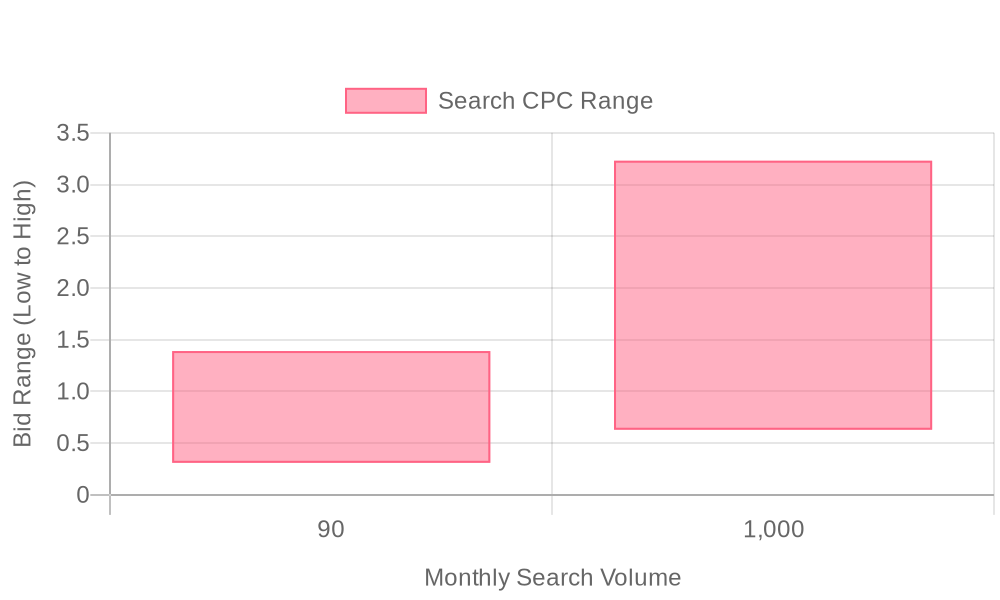
| Industry | Keyword | Monthly Search Volume | Competition Level | Low Bid | High Bid |
| Catalog Retail Businesses | urban outfitter catalog | 90 | MEDIUM | 0.31 | 1.39 |
| Catalog Retail Businesses | us mint catalog online store | 1000 | HIGH | 0.63 | 3.23 |
Successful Google Ads strategies for catalog retail businesses begin with disciplined keyword segmentation. By organizing target terms according to precise product categories, marketers ensure each ad group aligns tightly with the items showcased, improving both relevance and Quality Score. Segmenting keywords by category also enables granular budget control, making it possible to prioritize top-converting catalog sections or high-margin SKUs.
Incorporating modifiers such as "near me," specific model names, or detailed product attributes drives highly qualified traffic with strong purchase intent. Retailers leveraging local intent keywords see increased in-store visits and reduced wasted spend on broad, low-converting queries. For a deeper dive into boosting e-commerce sales through keyword and feed optimization, consider this guide on Google Shopping ads. Prioritizing long-tail search phrases captures shoppers further down the funnel, where buying intent is highest and competition is less intense.
Embedding predictive analytics into keyword selection gives catalog advertisers a significant edge. By aligning target terms with real-time shifts in audience behavior and trending market keywords, campaigns adapt to emerging demand before competitors act. When Sona is integrated, marketers can unify advertising and CRM data to surface high-intent accounts, dynamically adjusting keyword targets for those segments as they progress through the buying cycle. This closed-loop feedback directs spend toward the audiences most likely to convert.
Google Shopping ads have become a staple for e-commerce marketers looking to showcase products directly in search results. Sona's Identity Resolution helps businesses identify which companies are interacting with their ads, gaining valuable insight into buyer behavior at the account level.
To get started, you first need to set up your product feed in Google Merchant Center. This centralized hub ensures your product data stays accurate and up-to-date, making it easier for Google to display your listings to potential buyers.
Optimizing your feed is crucial. Following best practices for Google Shopping feeds helps improve visibility, click-through rates, and conversions. Prioritize high-quality images, descriptive product titles, and accurate pricing for maximum impact.
Once your feed is live, create a Shopping campaign in Google Ads. Segment your product groups strategically to control bids and budgets, and use performance data to refine your approach over time.
Retargeting remains a powerful way to re-engage shoppers who browsed but didn't buy. Tools like Sona's Audiences let you build dynamic, intent-based segments from first-party engagement data and sync them with ad platforms, ensuring your retargeting efforts reach the right accounts at the right time.
Tips on Expanding Your Catalog Retail Presence

Catalog retail businesses looking to scale in a competitive market can maximize growth by aligning Google Ads strategies with retail-specific trends and robust data-driven insights. Modern teams that synchronize campaign execution with real-time audience intelligence gain the agility required for both peak season surges and off-cycle demand.
- Leveraging Seasonal Spikes: Retail calendars are defined by events, holidays, and market trends. Optimizing Google Shopping ads and product listing ads ahead of high-traffic retail periods, such as Black Friday, back-to-school, or category-specific sales, ensures your inventory is front and center when purchase intent is highest. Integrating advanced attribution and real-time intent signals lets teams dynamically shift budget to products and campaigns showing in-market behavior, capitalizing on emerging sales opportunities as they arise.
- Integrating with Social Media: Google Ads for catalog retail businesses produces audience and performance data that can be leveraged for multi-channel precision. By analyzing which creative assets and product categories convert best in Google Ads, marketers can refine social media targeting and campaign messaging, creating a unified experience across search, shopping, and social. Connected platforms streamline this process by syncing enriched audiences directly into Facebook, Instagram, and other ad networks, fueling consistent engagement with high-value leads as they move from search to social. Explore more ways to optimize your strategies in our marketing playbooks.
- Exploring New Demographics: Detailed segmentation within Google Merchant Center and Google Ads unlocks new customer bases that may otherwise be missed in traditional catalog advertising. Machine learning models surface demographic and interest trends, enabling marketers to discover untapped segments and personalize offers accordingly. Unified data platforms provide dynamic audience updates, ensuring that as leads move through the funnel or display new buying signals, campaigns automatically adjust to reflect their latest status and intent.
Comprehensive data enrichment and real-time audience updates support coordinated cross-channel campaigns, positioning catalog retailers to break into new markets, improve return on ad spend, and build lasting brand equity as buying habits keep shifting.
Beyond Google Ads: Winning the AI Answers Catalog Retail Businesses Buyers Now Trust
Paid search captures demand at the moment someone types a query. But a fast-growing share of catalog retail businesses buyers no longer start at Google at all, they ask ChatGPT, Gemini, or Perplexity before they ever run a search, and Google's own AI Overviews increasingly summarize an answer above the traditional results. If your business isn't referenced in those AI answers, you're invisible at the exact moment buyers build their shortlist.
Sona AI Visibility shows where your business shows up across ChatGPT, Gemini, Perplexity, Google AI Overviews, and 10+ engines, and, much like a keyword report, which prompts actually send you buyers, so you can prioritize the ones that convert. Run the two together and you cover the entire buyer path: get cited where buyers research (AI Visibility), then prove which of that demand turns into booked revenue (Marketing Measurement).
Helpful resources
Conclusion
The catalog retailers pulling ahead right now are the ones treating Google Ads as one input into a larger measurement system, not a standalone channel. Feed data, intent signals, and CRM outcomes need to talk to each other, or budget keeps flowing to keywords and campaigns that look good in isolation but don't actually produce buyers. Fix that connection and every other optimization, feed hygiene, bid strategy, audience segmentation, compounds instead of resetting each quarter.
To put a well-executed Google Ads strategy to work, start for free with Sona. The platform unifies your go-to-market data, giving you the signal you need to know which campaigns are actually earning customers.
FAQ
What are the best practices for using Google Ads for retail catalogs?
Best practices include setting clear objectives, conducting keyword research, segmenting audiences, crafting tailored ad creatives, optimizing landing pages, and implementing precise tracking and measurement.
How can I optimize my Google Shopping ads for better performance?
To optimize Google Shopping ads, ensure your product feed is accurate, use high-quality images, create detailed product titles, and segment your product groups strategically to control bids and budgets.
What is the difference between Google Ads and Google Shopping ads?
Google Ads encompasses various ad types including search and display ads, while Google Shopping ads specifically showcase products with images, pricing, and stock data directly in search results and the Shopping tab.
How do I set up a Google Merchant Center account for my retail business?
To set up a Google Merchant Center account, create an account on the Merchant Center website, upload your product data, and ensure your product feed stays accurate and up-to-date.
What budget should I allocate for Google Ads in a retail business?
The budget for Google Ads should be based on your advertising objectives, targeted audience, and expected return on ad spend, with flexibility to adjust based on campaign performance and seasonal demand.







