


A cracked bathtub or a leaking seal doesn't wait for a convenient time, and the homeowner searching for a fix at 9pm is exactly the kind of high-intent prospect Google Ads is built to catch. For bathtub repair companies, that means intercepting a search at the moment of urgency, before it goes to a competitor, and tracking that lead from first click through to a signed job. This guide walks through how to set up and optimize Google Ads campaigns that turn those searches into booked repairs.
How to Generate Bathtub Repair Leads with Google Ads: A Step-by-Step Guide
A data-driven approach to Google Ads unlocks growth for bathtub repair businesses by targeting high-value prospects efficiently. Marketers who use precise audience intelligence and campaign analytics consistently outperform those relying on broad, untargeted advertising.
Refining ad spend starts with steady data analysis. By tracking which keywords, audiences, and placements drive the best performance, you keep budget flowing toward the channels producing the highest return. For a step-by-step overview of optimizing ad spend in the home services industry, see this Google Ads guide for bathroom remodelers. Sona surfaces intent signals so marketers can identify not just which ads get clicked, but which visiting companies show real buying intent, even before they reach out.
Keyword and audience specificity matter most in the bathtub repair niche. Terms like "bathtub crack repair near me" or "emergency bathtub reglazing" target customers who need a fix now, not homeowners still comparing renovation ideas. Layering in audience segmentation based on visit history and engagement ensures ads reach homeowners and property managers most likely to convert. With enriched visitor data, revenue teams can build dynamic audiences that update automatically as leads move from awareness to action, so follow-up happens fast and licensed technicians aren't chasing cold leads once the urgency has passed.
Optimized landing pages and creative assets are critical for converting traffic into leads. Service-specific messaging, fast load times, and frictionless forms encourage inquiries from homeowners who need urgent repairs. Marketers benefit from real-time feedback on which headlines, visuals, and calls-to-action drive the most engagement, allowing rapid iteration. When Sona's Identity Resolution is integrated, clicks are matched to the company or household behind them, so follow-up can be tailored to the prospect's context and urgency.
Continuous performance assessment is the backbone of any bathtub repair advertising strategy. Tracking conversion rates, cost-per-lead, and offline outcomes gives marketers a complete view of ROI. Advanced attribution connects online ad clicks to phone calls, in-person visits, and closed deals, so every dollar spent is measured against real business outcomes. When CRM and ad platforms are tightly synced, lead data flows between marketing and sales without delay, supporting faster response times and more personalized nurturing.
Cross-channel synergy further amplifies lead generation impact. Integrating Google Ads with other marketing channels like email, social, and offline campaigns provides a unified view of customer journeys. For more insights on building a holistic, full-funnel approach, explore our B2B marketing strategies blog. To see how unified data can transform your lead generation results, get started for free with Sona.
Importance of Google Ads for Bathtub Repair Services

Capturing homeowners at key decision moments is critical in the bathtub repair industry, where timing sets apart market leaders. Google Ads delivers immediate, high-impact visibility, meeting customers when urgency and intent peak and giving providers first-mover advantage in a competitive space. For a comprehensive guide on using Google Ads to generate leads for bathroom remodeling businesses, review this step-by-step approach.
For high-margin bathtub repair projects, reaching decision-makers early transforms casual interest into booked jobs. Strategic ad targeting empowers businesses to secure lucrative projects before competitors even register on a prospect’s radar, ensuring better client fit and higher close rates. Learn how precise audience intelligence can help you deliver tailored messaging and improve conversion rates.
Emergencies drive most bathtub repair inquiries, so instant customer connection is essential to optimize response times and maximize sales. With real-time audience targeting, businesses can ensure their ads surface precisely when homeowners require urgent attention, reducing missed opportunities and accelerating the path from search to service call.
Expanding into underserved geographic markets unlocks new revenue streams for bathtub repair specialists. Advanced geo-targeting in Google Ads pinpoints untapped neighborhoods, while Sona's Identity Resolution helps teams identify the companies behind website visits and convert them into actionable leads. This approach increases presence where competitors have limited reach and positions providers to dominate emerging local demand. To see how easily you can launch your own campaigns, get started for free with Sona.
Common Types of Google Ads Campaigns for Bathtub Repair Services

- Search Campaigns: Search campaigns are critical for bathtub repair services because they capture high-intent prospects actively seeking immediate solutions. Targeting urgent repair queries such as "bathtub crack repair near me" or "emergency tub reglazing" intercepts motivated homeowners at the decision-making moment. Layering in Sona's Intent Signals and Identity Resolution lets marketers distinguish anonymous browsers from high-value prospects, directing spend to the accounts most likely to convert and cutting waste on low-propensity traffic.
- Display Ads: Display ads allow bathtub repair companies to remain top-of-mind as potential customers browse popular home improvement and DIY websites. Visually engaging banners with before-and-after imagery reinforce credibility and expertise, ensuring that prospects who are still considering options continue to see your brand throughout their research journey. Dynamic audience lists, automatically updated as users engage or return to your site, ensure that display spend is concentrated on those who demonstrate renewed interest or intent, rather than static or outdated segments. For a step-by-step overview of optimizing Google Ads for remodeling businesses, see this resource for remodeling companies.
- Video Ads: Video campaigns excel at showcasing dramatic bathtub transformations, explaining repair processes, and building trust through testimonials. These ads can be deployed on YouTube or embedded in high-traffic instructional content, providing a visual narrative that text ads cannot match. Marketers leveraging in-market behavioral data can prioritize ad budget towards viewers who have visited key landing pages or previously engaged with service-related content, increasing the likelihood that these visual stories reach homeowners closest to making a purchase decision.
- Remarketing: Remarketing campaigns re-engage visitors who have expressed interest but have not yet converted, such as those who viewed service pages or started a booking process. Personalized ad messaging, shaped by previous site interactions and enriched CRM data, allows for highly relevant follow-ups that address objections or offer time-sensitive promotions. Automated audience updates ensure that as leads move through the sales funnel, from initial research to quote requests, they are served the most appropriate creative, maximizing conversion rates and minimizing customer acquisition costs.
- Assets: Adding ad assets (formerly called extensions) builds credibility and local relevance into every search result. Call assets enable immediate inquiries, location assets confirm proximity, and structured snippet assets highlight core services or certifications such as “licensed and insured.” Syncing real-time business credentials and customer reviews directly into these assets helps build trust quickly, especially when competing for local leads in a crowded market. Assets also tend to improve click-through rates and lower cost per lead for bathtub repair advertising.
Identifying Growth Opportunities in Bathtub Repair Advertising

Expanding the reach of bathtub repair advertising requires a focused approach to uncovering fresh demand and minimizing wasted spend. By leveraging nuanced keyword research and targeted content strategies, businesses can address both immediate customer intent and longer buying cycles. This method not only captures obvious prospects but also surfaces niche, high-value segments that competitors often overlook. For additional tips on optimizing B2B marketing, browse our collection of in-depth articles.
Exploring niche keyword targets ensures that bathtub repair providers appear in searches beyond generic terms. Industry-specific phrases such as "acrylic tub chip repair" or "eco-friendly bathtub resurfacing" reveal pockets of motivated buyers with specialized needs. Coupling these keywords with educational blog content or how-to guides positions your business as an authority, encouraging higher engagement and trust. A unified approach that connects ad groups to relevant landing pages and resources prevents disconnects and increases lead quality.
Competitor analysis unlocks insights into which audiences remain under-served in your market. Examining gaps in their keyword bidding, ad messaging, and geographic targeting reveals customer pain points others ignore. Running ads in industry forums and home improvement directories further broadens your engagement footprint, introducing your services to homeowners actively researching solutions. With Sona's Identity Resolution, marketers can move beyond anonymous web traffic by pinpointing which companies are interacting with each campaign, helping teams prioritize outreach where intent is highest.
Content retargeting amplifies ROI by nurturing visitors who have shown initial interest but need more information before committing. Delivering follow-up ads with educational materials, like maintenance tips, warranty comparisons, or case studies, keeps your brand top of mind and guides prospects toward decision-making. With dynamic audience segmentation, marketers can ensure that messaging evolves as leads move deeper into the funnel, maximizing conversion rates. Real-time intent signals, surfaced by advanced platforms, allow budget to dynamically shift toward the accounts most likely to convert, streamlining the path from discovery to closed deal.
Applying Audience Segmentation in Bathtub Repair
Audience segmentation in the bathtub repair industry is the foundation for higher-performing Google Ads campaigns. By breaking down the market into distinct segments, businesses increase their ability to target and convert customers with precision while controlling the cost of Google Ads for bathtub repair.
- Residential vs. Commercial Segmentation: Segmenting between residential homeowners and commercial property managers allows campaigns to deliver messaging tailored to each group’s priorities. Homeowners may need urgent repairs or minor reglazing, while commercial clients often seek recurring maintenance or large-scale renovation solutions. Customizing ad copy, landing pages, and offers to these distinct groups results in higher engagement and lower bounce rates.
- Intent-Based Segmentation: Differentiating between those with immediate repair needs and those exploring broader bathroom renovations ensures budget is allocated to the highest-value searchers. Leveraging real-time intent signals, marketers can dynamically adjust bid strategies and creative, prioritizing urgent queries like “emergency bathtub repair near me” over more exploratory searches such as “bathroom renovation ideas.” This intent alignment maximizes local leads and streamlines conversion paths within Google Ads campaigns for contractors.
- Creative Customization: Developing unique ad creatives and landing experiences for each segment increases relevance and conversion rates. For instance, ads targeting urgent residential repairs should highlight fast response times and emergency availability, while commercial-focused campaigns may emphasize volume discounts or project management expertise. Audience lists automatically update as leads progress through the funnel, ensuring messaging remains relevant and timely as prospects move from research to purchase.
- Conversion Tracking and CRM Integration: Accurate segmentation enables granular conversion tracking, with every lead attributed to its segment and campaign source. Advanced tracking integrates both online and offline actions, giving revenue teams a complete view of which Google Ads bathtub repair segments drive the highest ROI. When enriched audience and lead data sync bi-directionally into platforms like Google Ads, HubSpot, and Salesforce, teams avoid lead loss and ensure follow-up with high-intent prospects, fueling better bathtub repair marketing outcomes.
Strategic segmentation empowers bathtub repair businesses to optimize every aspect of their PPC initiatives, from audience targeting to creative delivery and attribution. This approach consistently outperforms generic advertising, producing more qualified leads and measurable growth.
This is also where measurement changes the economics. With Sona Marketing Measurement you can identify the companies and buyers behind your ad clicks, not just anonymous sessions, and segment audiences by who actually becomes a customer. That lets you build bid adjustments and audience signals around the segments that convert and de-prioritize the ones that don't, so you feed Google's algorithms "this click became a paying bathtub repair customer" instead of just "someone filled out a form."
Keyword Strategy & Sample Target Terms
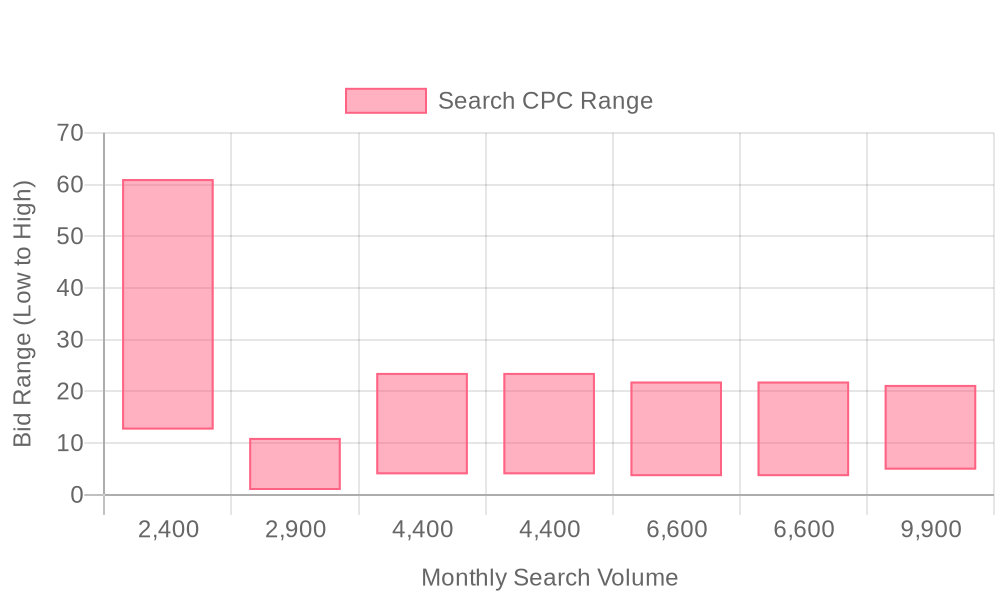
| Industry | Keyword | Monthly Search Volume | Competition Level | Low Bid | High Bid |
| Bathtub Repair | bathtub replacement near me | 2400 | MEDIUM | 12.64 | 61.06 |
| Bathtub Repair | fiberglass tub repair | 2900 | HIGH | 0.94 | 11.01 |
| Bathtub Repair | bathtub repair near me | 4400 | MEDIUM | 3.98 | 23.57 |
| Bathtub Repair | tub repair near me | 4400 | MEDIUM | 3.98 | 23.57 |
| Bathtub Repair | bathtub repair | 6600 | MEDIUM | 3.62 | 21.9 |
| Bathtub Repair | tub repair | 6600 | MEDIUM | 3.62 | 21.9 |
| Bathtub Repair | tub replacement cost | 9900 | HIGH | 4.89 | 21.25 |
Strategic keyword selection forms the backbone of every high-performing Google Ads campaign for bathtub repair. Campaign success hinges on targeting terms that mirror how homeowners and property managers search for urgent or planned repair services, as well as filtering out irrelevant traffic that eats into budget without delivering qualified leads.
- Location-based modifiers: Using phrases like “near me,” geo-specific neighborhoods, or city names is essential for capturing local leads for bathtub repair. For example, “bathtub repair near me” and “bathtub refinishing in [City]” generate strong intent from users ready to hire a professional in their area. Localized targeting not only increases click-through rates but also improves ad relevance, which can lower cost per click and help secure top ad positions within your service radius. Explore a list of top 50 SEO keywords for bathroom remodel to refine your location-based targeting.
- Service and question-based keywords: Prioritize terms directly tied to repair needs and user pain points. Core target keywords include “bathtub crack repair,” “fix leaking bathtub,” “bathtub reglazing services,” and “cost of bathtub leaks.” These intent-rich queries align with both urgent and research-driven buyers, ensuring your ads appear to prospects who are ready to convert or gathering information prior to booking. Incorporating long-tail questions such as “how to repair a chipped bathtub” and “best bathtub repair company in [City]” further refines targeting and can capture niche demand that generic terms miss. For more inspiration, see this in-depth resource on B2B marketing and attribution.
- Negative keyword usage: Effective keyword strategies always account for exclusion. Adding negative keywords such as “DIY,” “bathtub repair kit,” “used bathtubs,” or “bathtub installation jobs” prevents wasted spend on searchers who are not seeking professional services. This approach tightens audience quality, boosts conversion rates, and reduces the average cost per lead. Leveraging real-time search term reports to continually update negative keyword lists ensures ad spend remains focused on high-intent prospects.
Beyond basic targeting, sophisticated marketers use platforms that identify not just search terms but also visitor identity and real-time buying signals. By surfacing which companies or individuals are searching for “emergency bathtub repair” or “ADA bathtub modifications,” teams can dynamically adjust keyword bids and ad budgets around the accounts most likely to convert. When audiences update in real time based on user actions, like requesting a quote or engaging with landing pages, Google Ads campaigns for bathtub repair continuously optimize toward those progressing through the sales funnel. The most advanced workflows also sync enriched lead and audience data from CRM or marketing automation platforms directly into ad targeting, ensuring that every dollar spent on PPC is backed by unified, actionable data.
A well-structured keyword strategy for bathtub repair advertising is never static. It evolves with market trends, seasonality, and actual search behavior, using negative keywords and audience insights to maximize every opportunity. By combining precise location modifiers, high-intent service terms, and exclusion tactics, marketers efficiently capture and convert the most valuable local leads, achieving measurable ROI and sustainable growth for bathroom renovation ads and PPC for bathtub repair. If you want to put this approach into action, get started for free with Sona and see how unified keyword and audience insights can drive better results.
Step-by-Step Campaign Execution Framework
A successful bathtub repair advertising program demands a structured, data-driven process. Every tactical layer, from keyword targeting to lead tracking, must be engineered for efficiency, accountability, and ongoing improvement. For more insights on B2B marketing frameworks, explore our in-depth articles.
Step 1: Build Targeted Keyword Lists
Robust keyword lists form the foundation of every high-performance Google Ads campaign for bathtub repair. Segment keywords by service type, such as "bathtub crack repair," "tub reglazing," or "emergency leak repair", and refine with geographic modifiers for hyperlocal demand. Long-tail phrases like "bathtub repair service in [City]" consistently outperform generic terms. Marketers can prioritize high-value leads by using Sona's Identity Resolution to reveal which companies are actively searching for bathtub repair solutions and allocate budget accordingly. For an actionable resource, review this top 50 SEO keywords for bathroom remodel to further enrich your keyword strategy.
The upgrade most bathtub repair advertisers miss is going beyond raw keyword volume to layer in intent and identity signals. By connecting website-visitor data and CRM records with Sona Marketing Measurement, you can see which specific search terms bring in the accounts and customers that actually convert, and weight your keyword and bidding strategy toward those rather than the terms with the highest search volume alone.
Step 2: Develop Resonant Ad Copy
Effective ad copy for bathtub repair must address homeowner pain points and highlight trust signals. Headlines like "Stop Bathtub Leaks Fast" paired with evidence of certifications or guarantees build credibility. Incorporate dynamic elements that personalize ads based on user queries and location to increase relevance and click-through rates. By integrating real-time audience data, messaging can adapt as prospects move through the funnel, ensuring ad content matches current intent. For a step-by-step guide on maximizing ROI with Google Ads, see this resource for remodeling companies.
Step 4: Optimize with Data-Driven Insights
Ongoing optimization is crucial for controlling the cost of Google Ads for bathtub repair and driving profitable growth. Track conversions across calls, forms, and offline appointments, and leverage advanced attribution models to connect ad clicks with downstream sales. Employ adaptive bidding strategies informed by intent signals to reallocate budget to the best-performing audiences. For practical insights into boosting your campaign performance, review this guide to using Google Ads for bathroom remodelers.
Sona Marketing Measurement closes the gap between clicks and revenue. It captures every ad click with first-party, cookieless tracking, then ties that click through UTM capture and ad-platform APIs to the actual record in your CRM, and reports ROAS by keyword and campaign instead of by last-click form fill. Feeding that revenue signal back into Smart Bidding and Performance Max compounds over time: the algorithms optimize toward booked bathtub repair revenue, not cheap leads.
Expanding Your Bathtub Repair Presence
Expanding your bathtub repair business demands a proactive approach to both audience engagement and market visibility. By integrating educational content into your retargeting strategy, you sustain interest and build trust with both new and returning customers. Delivering value post-conversion not only encourages repeat business but also positions your brand as an authority in the bathtub repair space.
Promoting educational content through retargeting ensures your business remains top-of-mind for homeowners who have shown initial interest or already converted. For example, sharing tips on maintaining newly refinished bathtubs or the benefits of regular caulking can nurture repeat engagement. Retargeting audiences can be dynamically updated based on website behavior and lifecycle stage, allowing you to deliver the right content at the right time. With advanced platforms, you can identify which visitors are likely in-market for additional services and shift budget to those segments in real time, increasing the efficiency of your Google Ads bathtub repair spend.
Upselling services through CRM-segmented audiences creates opportunities for increased customer lifetime value. Segmenting your database by job type, service date, or purchase history allows you to push targeted offers, such as grout repair or full bathroom renovation, to previous bathtub repair clients. When your CRM and ad platforms are seamlessly connected, enriched audience data flows directly into your Google Ads campaign for contractors, enabling precise, timely messaging. This level of integration ensures that upsell campaigns are highly relevant, increasing both conversion rates and average revenue per customer.
Partnering with industry associations, home improvement groups, and local organizations can elevate your credibility and unlock new marketing opportunities. These collaborations often result in co-branded educational webinars, guest blog posts, and local event sponsorships that place your business in front of qualified audiences. Associating your brand with respected partners not only enhances your reputation but also expands your digital footprint through backlinks and increased social proof. To further support long-term bathtub repair marketing goals, explore best practices for using Google Ads to boost your remodeling business.
Local targeting tactics are essential for strengthening your presence in specific geographic regions. By leveraging radius targeting and custom location groups within your Google Ads campaigns, you can ensure your ads reach nearby homeowners most likely to convert. Advanced audience tools allow you to pinpoint the companies and individuals engaging with your site, so that follow-up messaging and offers are hyper-relevant. This geo-focused approach reduces wasted spend and maximizes local leads for bathtub repair, especially in competitive urban and suburban markets. Discover how Sona can help you identify and engage the right local prospects.
Leveraging search query data for new content creation is a high-impact way to reinforce your digital strategy. Analyzing the phrases and questions users type before clicking your ads reveals emerging trends and unmet needs in the market. These insights can inform blog topics, landing page optimizations, and even new service offerings. When connected to a unified data environment, marketers can quickly identify which queries are converting and adjust both paid and organic content accordingly. This agile approach ensures your business remains relevant and continues to attract high-intent traffic, supporting both PPC for bathtub repair and long-term brand growth. Ready to see how data-driven targeting can transform your marketing? Get started for free with Sona.
Beyond Google Ads: Winning the AI Answers Bathtub Repair Buyers Now Trust
Paid search captures demand at the moment someone types a query. But a fast-growing share of bathtub repair buyers no longer start at Google at all, they ask ChatGPT, Gemini, or Perplexity before they ever run a search, and Google's own AI Overviews increasingly summarize an answer above the traditional results. If your business isn't referenced in those AI answers, you're invisible at the exact moment buyers build their shortlist.
Sona AI Visibility shows where your business shows up across ChatGPT, Gemini, Perplexity, Google AI Overviews, and 10+ engines, and, much like a keyword report, which prompts actually send you buyers, so you can prioritize the ones that convert. Run the two together and you cover the entire buyer path: get cited where buyers research (AI Visibility), then prove which of that demand turns into booked revenue (Marketing Measurement).
Helpful resources
Conclusion
Google Ads works for bathtub repair because it meets a homeowner at the exact moment a crack, leak, or worn finish becomes urgent. Precise keywords, ad copy built around trust and speed, and tight geographic targeting turn that moment into a booked job rather than a missed call.
The advantage now goes to bathtub repair businesses that treat every ad click as a data point, not just a lead. Attribution that traces a click through to a signed repair job, audiences that update as prospects move from research to urgency, and messaging that adapts in real time turn a campaign into a compounding asset rather than a recurring expense.
To see this in practice, start for free and unify your go-to-market data so every bathtub repair lead is tracked from first click to closed job.
FAQ
What are the best practices for Google Ads in bathtub repair?
Best practices include targeting high-intent keywords, using audience segmentation, optimizing landing pages, employing ad extensions, and continuously assessing performance through conversion tracking and CRM integration.
How can I optimize my Google Ads for bathtub repair services?
You can optimize your Google Ads by using data-driven insights to refine keyword targeting, developing specific ad copy, designing high-converting landing pages, and employing audience segmentation to reach high-value prospects.
What budget should I allocate for Google Ads in bathtub repair?
The budget allocation should be based on analyzing which keywords, audiences, and placements drive the best performance, ensuring that budget flows toward channels producing the highest return on investment.
What keywords should I target for bathtub repair Google Ads?
Target keywords such as 'bathtub crack repair near me,' 'emergency bathtub reglazing,' and location-based modifiers like 'bathtub repair in [City]' to capture high-intent prospects.
How do I measure the success of my Google Ads for bathtub repair?
Measure success by tracking conversion rates, cost-per-lead, offline outcomes, and using advanced attribution to connect online ad clicks to phone calls, in-person visits, and closed deals.







