


A burst pipe doesn't wait for business hours, and the search that follows it happens within minutes, not days. Water leak repair companies live or die by how fast they reach that searcher, and Google Ads is the tool built for exactly that moment. The trouble is that most of these high-value visitors never fill out a form, so they vanish from the CRM before a salesperson ever sees them. Identifying those visitors and feeding them back into Google Ads customer match lists closes that gap, so ad spend follows real decision-makers instead of anonymous traffic.
How to Generate Water Leak Repair Leads with Google Ads: A Step-by-Step Guide

A burst pipe or a flooding basement compresses a homeowner's decision window to minutes, and water leak repair companies that show up first in that window win the job. Google Ads puts a business in front of property owners at the exact instant they search for help. For a deeper dive into how Google Ads can drive more water restoration leads and increase ROI, review this resource for water restoration companies.
A data-driven approach replaces guesswork with visibility into who's actually on the site. Using Sona's Identity Resolution, marketers can identify which companies are visiting their landing pages, so sales teams can prioritize outreach to high-fit accounts showing buying intent, even before those visitors submit a form.
Developing targeted keyword lists focused on urgency and locality is critical for maximizing conversion rates in water leak repair PPC campaigns. By integrating modifiers such as "near me," neighborhood names, and specific service types, marketers can ensure their ads surface only for the most relevant, high-intent searches. Google Ads keyword matching options and location targeting enable this precision, keeping campaigns ahead of shifting demand and automatically adjusting targeting as prospects move through the funnel.
Crafting compelling ad copy that addresses immediate needs and builds trust is essential. Highlighting certifications, years of expertise, and 24/7 availability instills confidence and encourages fast action from distressed property owners. With Sona, marketers can further personalize creative by syncing enriched CRM data and behavioral insights into Google Ads, tailoring messaging to the unique pain points of each audience segment.
Optimized landing pages tailored to each campaign ensure that every click has the highest chance of converting. These pages must present clear calls to action, trust signals, and fast-loading mobile experiences. By integrating advanced conversion tracking with Sona, businesses connect online and offline outcomes, enabling true measurement of ROI and refining the entire user journey from ad click to closed job.
Continuous analysis and refinement separate top-performing campaigns from average ones. With automated performance monitoring and conversion tracking, teams can spot underperforming keywords, adjust bids, and reallocate budget to channels delivering the best results. Sona’s real-time audience enrichment and CRM sync capabilities keep lead data fresh and actionable, ensuring that high-intent opportunities never slip through the cracks.
Some companies are overcoming incomplete CRM data by enriching business insights and prioritizing high-fit accounts. Layering Sona's Intent Signals onto Google Ads targeting lets them engage the right prospects at the right moment, boosting lead quality and marketing ROI.
Why Does Google Ads Matter for Water Leak Repair
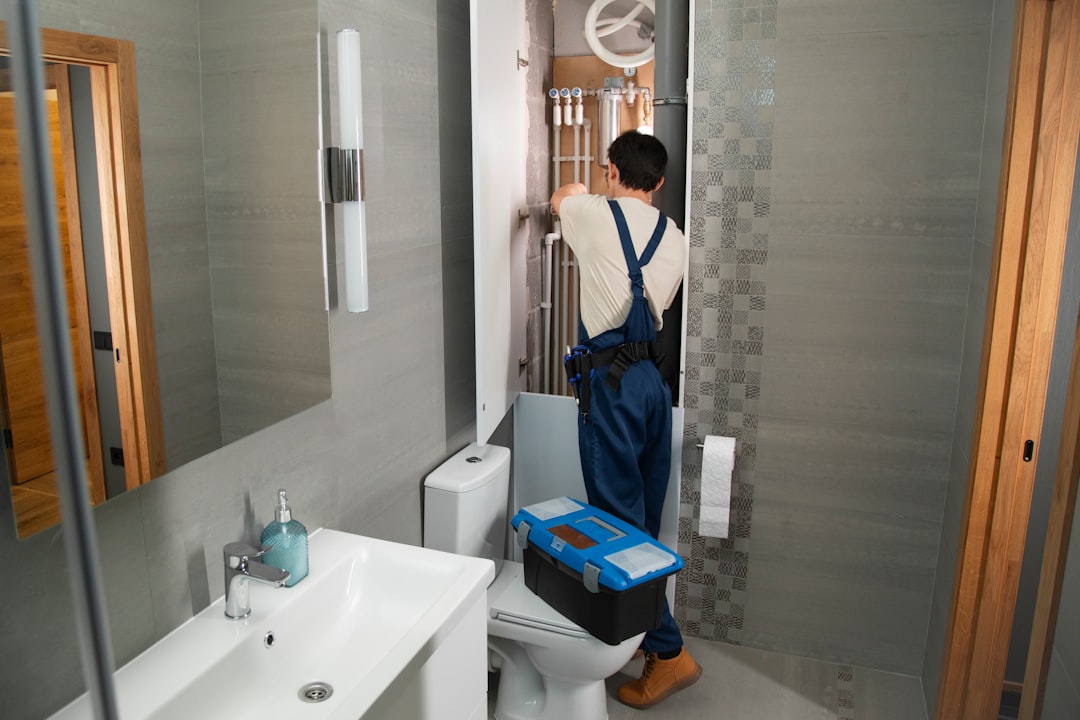
Water leak repair businesses operate in a high-urgency environment where capturing demand at the precise moment of need is crucial. Google Ads allows these teams to directly engage prospects the moment they search for immediate solutions, driving qualified calls and form submissions at the peak of intent.
Targeting high-intent searches ensures that marketing budgets are spent on potential customers who need urgent help, rather than casual browsers. By leveraging keyword-level targeting and negative keyword filters, campaigns focus spend on those most likely to convert, especially during spikes in demand caused by severe weather events or regional emergencies. For more on optimizing spend, see our marketing analytics and revenue operations blog.
Efficient budget use is essential as water leak repair advertising often competes in a crowded local market with fluctuating costs per click. Google Ads bid strategies enable granular control over spend, letting businesses adjust bids by time, geography, or device, and instantly scale campaigns in response to changing local conditions. This responsiveness outperforms traditional media, where campaign changes are slow and untargeted. Discover how visitor identification can help you reveal which companies and people are visiting your site, so you can focus your campaigns on the highest value opportunities.
Real-time response capabilities mean that teams can launch, pause, or optimize ads within minutes, capturing surges in search volume when leaks are most likely to happen. Dynamic campaign adjustments, such as shifting budget to neighborhoods experiencing heavy rainfall, ensure that resources align with real-world demand, increasing the efficiency and ROI of every ad dollar.
Integration with CRM platforms closes the loop between search and sales by connecting Google Ads data to the entire customer journey. Marketers can sync enriched audience segments and conversion events across platforms, track both online and offline leads, and refine targeting based on real purchase signals. This unified approach lets revenue teams identify which campaigns drive the highest-value jobs, automate retargeting for longer B2B sales cycles, and steadily improve pipeline quality.
Common Types of Google Ads Campaigns for Water Leak Repair Services
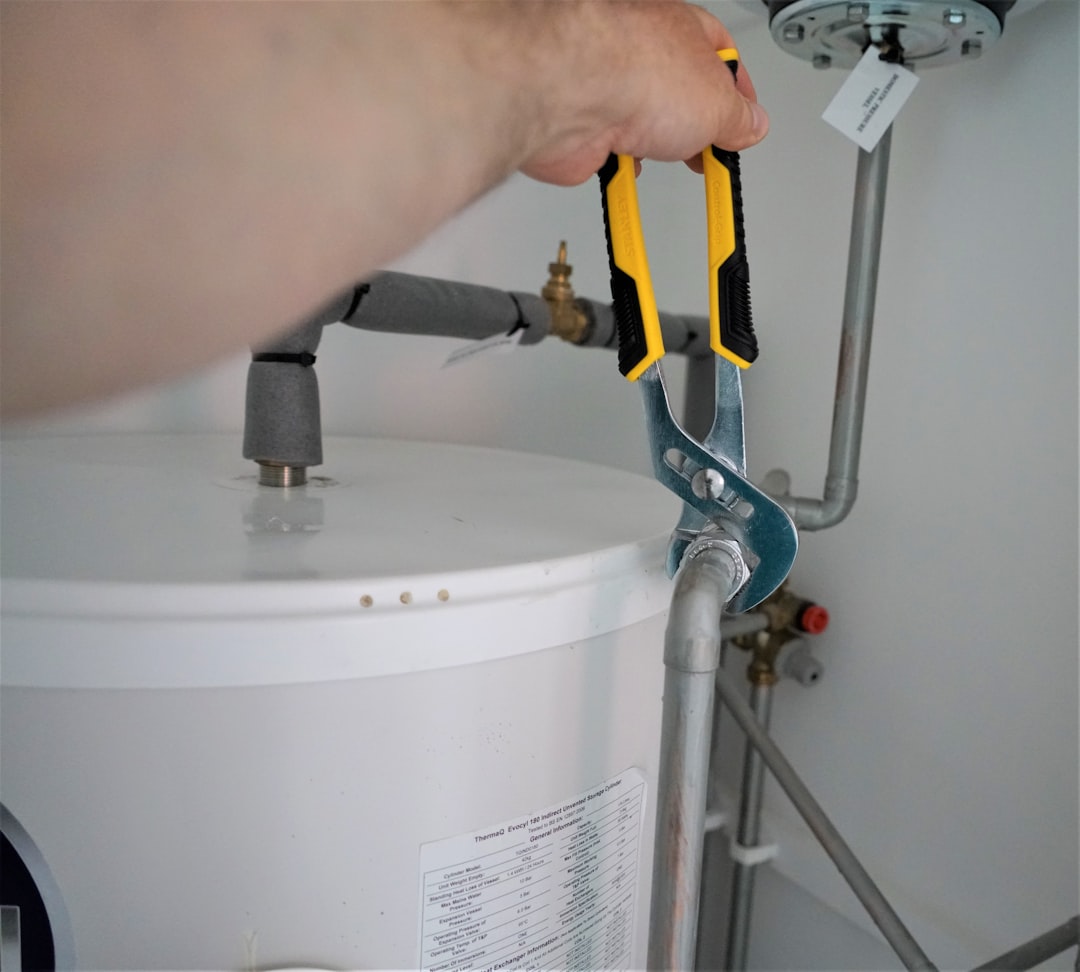
- Search Campaigns: Search campaigns are designed to capture high-intent traffic from property owners experiencing urgent water leak issues. Bidding on keywords like "emergency plumbing repair" and "burst pipe help" targets users ready to act, maximizing immediate conversions. Sona's Identity Resolution moves teams beyond anonymous clicks by identifying the companies and individuals most likely to convert, so spend concentrates on real purchase intent.
- Display Ads: Display campaigns keep water leak repair services top-of-mind by placing visually engaging ads across relevant websites and apps. This approach builds ongoing brand awareness and increases the likelihood that homeowners recall your service when emergencies arise. Leveraging real-time audience data ensures display budgets prioritize users who have recently demonstrated in-market activity, allowing for a more efficient allocation of resources to those with the highest likelihood of engaging.
- Video Ads: Video ads deliver compelling demonstrations of repair expertise or customer testimonials, establishing credibility and fostering trust among potential clients. These formats are particularly effective for educating property owners about the value and urgency of professional water leak intervention. When audience data is dynamically updated, video campaigns can be retargeted to viewers as they progress from awareness to intent, ensuring messaging stays relevant at every touchpoint.
- Remarketing: Remarketing campaigns are essential for re-engaging users who visited your website but did not convert on their initial visit. By presenting personalized offers or service reminders, remarketing helps capture business that may otherwise be lost to competitors. Dynamic audience lists, automatically updated as prospects move through the decision funnel, significantly enhance remarketing effectiveness by delivering the right message at the right stage of the customer journey. For actionable ideas, review tips for improving Google Ads campaigns to drive more water damage restoration leads.
- Call and Location Assets: Call and location assets streamline the path from ad click to service request, making it easy for distressed property owners to connect instantly with your team. These ad enhancements increase conversion rates by reducing friction and highlighting your company's accessibility and local presence. Automated syncing of enriched lead data and CRM integrations ensure every qualified inquiry receives prompt, personalized follow-up, driving higher ROI across campaigns.
Where to Find Growth Opportunities?
Pinpointing growth opportunities in Google Ads for Water Leak Repair requires a layered approach, combining vertical keyword tactics, competitor intelligence, and strategic retargeting. Modern revenue teams can unlock untapped demand by aligning campaign targeting with the most relevant, high-intent signals available in their space. For a deeper dive into strategies that drive water restoration leads, review actionable Google Ads tips for water damage leads that complement your approach.
- Vertical Keyword Targeting: Water leak repair campaigns perform best when built on granular, service-specific keyword groups. Rather than relying on broad terms like "plumber" or "water damage," targeting phrases such as "certified water damage repair experts" and "emergency leak detection" refines ad delivery to those most likely to convert. This level of precision not only reduces wasted spend but also improves lead quality and ad relevance, which are critical for driving strong Google Ads ROI for contractors.
- Competitor Analysis: The competitive landscape in water leak repair marketing is constantly shifting. By leveraging auction insights and tools like SEMrush, B2B marketers can uncover keyword gaps, identify which ad segments are under-served, and surface new growth pockets. Understanding how competitors allocate budget and which terms they prioritize reveals where to double down and where to pivot, ensuring your Google Ads targeting for contractors is always calibrated for maximum impact.
- Content Retargeting: Audiences engaging with educational resources about water damage prevention or the cost of Google Ads for water repair represent prime retargeting opportunities. With advanced visitor identification, marketers can move beyond anonymous traffic to pinpoint exactly which companies and decision-makers are interacting with high-value assets. This enables the delivery of tailored, conversion-focused ads to users already demonstrating interest, increasing the likelihood of capturing leads as they move through the funnel.
Auto-updating CRM audiences eliminate the need for manual uploads or static targeting lists. As prospects interact with campaigns or move through sales stages, enriched audience segments sync directly into ad platforms, so only the freshest, highest-intent profiles receive your water leak repair marketing messages. This dynamic audience management keeps spend efficient and messaging aligned with real-time intent.
How to Apply Audience Segmentation for Water Leak Repair
Effective audience segmentation is foundational for water leak repair campaigns aiming to maximize ROI, capture urgent intent, and eliminate wasted spend. Marketers who segment by customer type and intent can craft tailored messaging that resonates in moments of high need, accelerating the path from search to service booking. For actionable tips on improving Google Ads campaigns to drive water damage restoration leads, check out this external guide.
- Define Segments: Differentiating campaigns by customer type, such as residential versus commercial, unlocks more relevant creative and bid strategies. Residential customers typically prioritize response time and trust, while commercial clients value technical expertise and compliance. Segmenting at this level gives water leak repair marketers the clarity to develop ad groups and landing pages that mirror unique pain points, driving higher conversion rates and reducing cost per qualified lead. Explore more segmentation strategies in our marketing playbooks.
- Overlay Intent Signals: Integrating purchase intent data ensures messaging aligns with where each segment is in its buying journey. High-intent signals, like repeated visits to emergency service pages or recent searches for "24/7 water damage restoration," can trigger budget shifts toward those most likely to convert. Platforms that unify first-party website actions, recent CRM engagement, and behavioral data reveal true in-market buyers, letting teams move beyond guesswork and focus spend on accounts with immediate needs. Sona surfaces intent signals to help prioritize the most engaged prospects in real time.
- Create Ad Groups: Building granular ad groups for each defined segment and intent level allows for precision targeting and message testing. For example, ad groups targeting property managers might highlight bulk service discounts and compliance, while homeowner groups emphasize fast on-site estimates and testimonials. This structure also supports dynamic audience updates as leads progress through the funnel, ensuring ongoing relevance and higher Google Ads Quality Scores. Learn how to build real-time audiences that auto-sync with ad platforms for hyper-targeted outreach.
- Validate Conversion Paths: Tracking and analyzing every touchpoint with robust CRM integration ensures a frictionless customer journey from first ad click to scheduled repair. By mapping how each segment interacts with ads, landing pages, and calls, marketers can quickly spot drop-off points and optimize paths that deliver higher conversion. Real-time syncing between enriched audience segments and Google Ads or CRM environments ensures updates to targeting and creative are reflected instantly, so every campaign adapts to shifting intent and business priorities. Discover best practices for integrating with HubSpot CRM to unify marketing data.
Advanced tools enable further refinement by applying ICP scoring and predictive lead stages, helping prioritize outreach where the likelihood of closing is highest. This data-driven approach lets water leak repair teams allocate resources efficiently and scale campaigns as soon as new high-intent accounts emerge, creating a responsive marketing engine.
This is also where measurement changes the economics. With Sona Marketing Measurement you can identify the companies behind your ad clicks, not just anonymous sessions, and segment audiences by who actually becomes a customer. That lets you build bid adjustments and audience signals around the segments that convert and de-prioritize the ones that don't, so you feed Google's algorithms "this click became a paying water leak repair customer" instead of just "someone filled out a form."
Keyword Strategy & Sample Target Terms
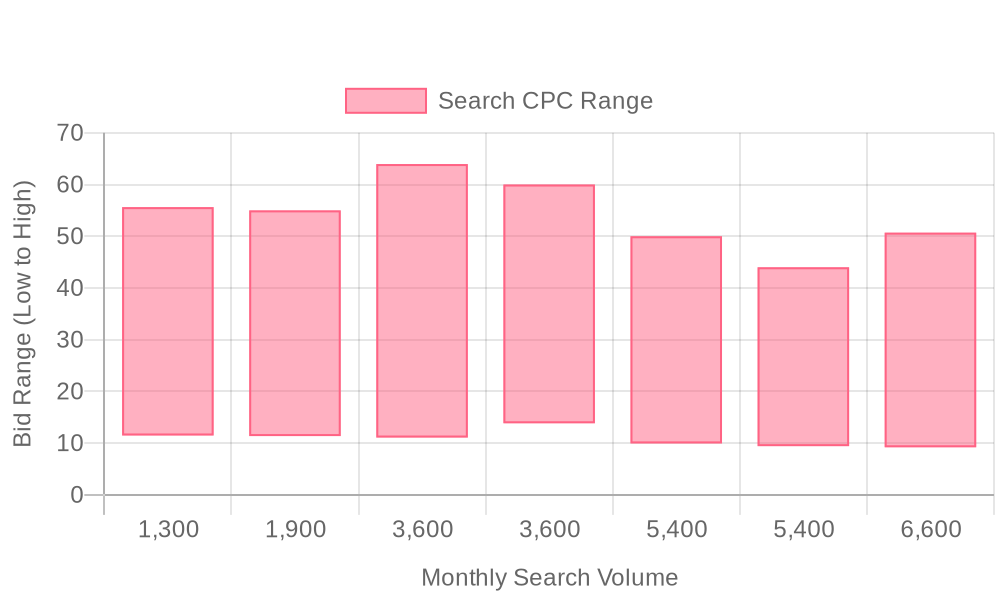
| Industry | Keyword | Monthly Search Volume | Competition Level | Low Bid | High Bid |
| Water Leak Repair | foundation leak repair | 1300 | MEDIUM | 11.48 | 55.63 |
| Water Leak Repair | basement leak repair near me | 1900 | LOW | 11.37 | 55 |
| Water Leak Repair | slab leak detection near me | 3600 | LOW | 11.08 | 63.95 |
| Water Leak Repair | water damage ceiling | 3600 | MEDIUM | 13.85 | 60 |
| Water Leak Repair | basement leak repair | 5400 | LOW | 9.95 | 50 |
| Water Leak Repair | slab leak | 5400 | LOW | 9.42 | 44 |
| Water Leak Repair | water leak repair | 6600 | MEDIUM | 9.2 | 50.69 |
A high-performing Google Ads strategy for water leak repair starts with precision keyword selection that captures urgent, transactional search intent. Effective campaigns focus on keywords like "emergency water leak service," "burst pipe repair," and "plumber 24/7 help," which signal immediate need and high conversion potential. These terms consistently outperform generic plumbing keywords by attracting property owners facing real-time damage, ensuring ad spend is directed toward prospects most likely to convert. Modern marketers leverage integrated solutions to surface high-impact, long-tail phrases that mirror how customers search during a crisis, adapting keyword sets as intent signals shift in real time.
Auction insights provide a competitive edge by revealing the keywords and bidding tactics used by other local water leak repair providers. By analyzing these insights, teams can identify under-served queries or geographic gaps, then adjust their keyword mix to dominate high-value searches that competitors frequently overlook. Dynamic audience enrichment enables marketers to continuously refine targeting as new search trends emerge, keeping campaigns agile and relevant. With platforms that unify search intent and CRM data, revenue teams can rapidly pivot spend toward keywords that drive the best leads and away from terms that underperform.
Negative keyword lists are essential to filter out irrelevant or low-intent traffic, preserving budget for genuine commercial opportunities. By excluding terms such as "DIY plumbing repair," "leak detection tools," and other research-driven queries, marketers minimize wasted clicks and ensure only actionable leads enter the funnel. For actionable keyword ideas, resources like 50 top-performing keywords for plumbing businesses can help build a robust list. When negative keyword management is deeply integrated with visitor identification and real-time intent analysis, campaigns respond instantly to changing patterns, maximizing ROI for Google Ads for Water Leak Repair.
Step-by-Step Campaign Execution Framework
Step 1: Build Targeted Keyword Lists
Success in Google Ads for Water Leak Repair depends on meticulously crafted keyword lists that capture demand at the moment of urgency. Combining core phrases like "emergency water leak repair" with geo-specific modifiers such as "water leak repair in [City]" delivers hyper-targeted reach and minimizes wasted spend on non-serviceable areas. High-intent, location-based keywords consistently produce greater lead quality, as property owners typically search for immediate local assistance during water emergencies. For a list of top-performing keywords that drive results for plumbing and restoration, review 50 keywords for plumbing businesses.
Integrating first-party visitor identification offers a real advantage: teams can pinpoint which companies or high-value accounts are researching water leak solutions, then sync those audiences directly into Google Ads. As leads move through the funnel, dynamic audience segmentation updates automatically, sharpening targeting as intent signals change. This moves spend away from broad targeting and toward the accounts most likely to convert.
The upgrade most water leak repair advertisers miss is going beyond raw keyword volume to layer in intent and identity signals. By connecting website-visitor data and CRM records with Sona Marketing Measurement, you can see which specific search terms bring in the accounts and customers that actually convert, and weight your keyword and bidding strategy toward those rather than the terms with the highest search volume alone.
Step 2: Develop Compelling Ad Copy
Compelling ad copy for water leak repair addresses the urgency and emotional stress of property owners facing unexpected damage. Messaging that highlights 24/7 availability, rapid response times, and third-party certifications builds immediate trust and compels action. Including trust signals such as "Licensed & Insured," "Certified Technicians," or "60-Minute Arrival Guarantee" increases click-through rates and reassures potential clients. For actionable tips on crafting effective Google Ads to generate more water damage leads, see ads tips for water damage leads.
With advanced analytics, creative teams can continuously test variations of headlines and descriptions, correlating ad copy performance to conversion outcomes segmented by audience and intent. By integrating real-time behavioral data, marketers can automatically shift messaging to align with the needs of different user segments, such as homeowners versus property managers, maximizing relevance and response for every impression.
Step 3: Design Effective Landing Pages
Landing pages for water leak repair must seamlessly reinforce the urgency and trust established in ad copy, offering a frictionless path to conversion. Optimized pages display emergency contact forms, direct dial phone numbers, and proof of credentials prominently above the fold. Consistency between ad messaging and landing page content reduces bounce rates and instills confidence, making it easy for distressed users to take action without second-guessing. Fast load times, mobile optimization, and visible customer reviews further increase the likelihood of immediate engagement.
Unified data platforms enable marketers to personalize landing page experiences in real time, showing tailored content or urgency triggers based on the user’s search intent, company profile, or stage in the buying journey. As leads convert, data flows directly into CRM and ad platforms, supporting closed-loop attribution and ongoing nurturing for prospects not yet ready to book.
Step 4: Implement Data-Driven Optimizations
Continuous optimization is essential for maintaining profitable Google Ads for plumbing and water leak repair. Smart bidding strategies, powered by machine learning, automatically adjust bids based on device, location, time of day, and historical conversion rates, ensuring budget is always aligned with high-probability opportunities. For an overview of best practices and updated strategies, explore maximize Google Ads spend in 2024.
Real-time integration between ad platforms, CRM systems, and analytics solutions gives revenue teams the ability to track both online and offline conversions, measuring true ROI for each campaign. As audience segments evolve, enriched lead lists are seamlessly synced back into ad platforms, enabling personalized retargeting and lookalike targeting. This closed feedback loop empowers marketers to rapidly test new strategies, allocate spend to the best-performing segments, and continually improve water leak repair marketing outcomes.
Sona Marketing Measurement closes the gap between clicks and revenue. It captures every ad click with first-party measurement, ties that click through UTM capture and ad-platform APIs to the actual record in your CRM, and reports ROAS by keyword and campaign instead of by last-click form fill. Feeding that revenue signal back into Smart Bidding and Performance Max compounds over time: the algorithms optimize toward booked water leak repair revenue, not cheap leads.
Tips on Expanding Your Water Leak Repair Presence

Expanding the presence of a water leak repair business requires a holistic approach that integrates multiple channels and data-driven targeting. Leading companies build visibility and pipeline by uniting digital advertising, local outreach, and strategic partnerships, ensuring every touchpoint is measurable and optimized for ROI. For more insights on uniting online and offline tactics, visit the Sona blog.
- Leverage Social Media Cross-Promotion: Running complementary campaigns across platforms such as Facebook, Instagram, and Nextdoor elevates brand awareness beyond traditional search. By synchronizing messaging with Google Ads for Water Leak Repair, businesses reinforce their unique value propositions while capturing audiences in both discovery and intent-driven moments. Using visitor identification technology, marketers can connect social engagement data with Google Ads performance, revealing which channels drive the highest-value leads and informing future budget allocations.
- Upsell Related Services: Using CRM segmentation, water leak repair companies can personalize offers for services like pipe insulation, mold remediation, or preventative maintenance. When CRM and ad platforms are synced, real-time audience segments can be automatically created based on customer behaviors and lifecycle stage, enabling timely upsell and cross-sell campaigns. For a step-by-step approach to building strategic campaigns, explore the marketing playbooks.
- Partner with Industry Associations: Forming alliances with local plumbing boards, property management groups, or restoration organizations can extend reach and credibility within target markets. These partnerships provide access to exclusive audiences, collaborative marketing opportunities, and trusted referral networks. Integrating association member lists with advertising platforms, marketers can deliver tailored campaigns to segmented cohorts, tracking engagement and conversions for each partnership using advanced analytics to quantify the value of every initiative.
- Localize Efforts: Hyper-local targeting remains critical for water leak repair marketing. Using city, neighborhood, or even zip code-specific targeting within Google Ads ensures advertising budgets are allocated only to serviceable regions. Advanced analytics platforms enable marketers to measure campaign performance at the neighborhood level, adjusting bids and creative based on real-time demand signals, competitor activity, and local weather events. For actionable tips on optimizing local Google Ads, see this guide for water damage leads.
Advanced analytics allow precise measurement and adaptation of regional strategies, supporting continuous improvement in campaign execution. By consolidating campaign, CRM, and offline conversion data, teams gain visibility into true marketing ROI for every tactic and geography, making it possible to double down on the highest-performing areas and pivot quickly when market dynamics shift. This turns water leak repair marketing from reactive to proactive.
Beyond Google Ads: Winning the AI Answers Water Leak Repair Buyers Now Trust
Paid search captures demand at the moment someone types a query. But a fast-growing share of water leak repair buyers no longer start at Google at all, they ask ChatGPT, Gemini, or Perplexity before they ever run a search, and Google's own AI Overviews increasingly summarize an answer above the traditional results. If your business isn't referenced in those AI answers, you're invisible at the exact moment buyers build their shortlist.
Sona AI Visibility shows where your business shows up across ChatGPT, Gemini, Perplexity, Google AI Overviews, and 10+ engines, and, much like a keyword report, which prompts actually send you buyers, so you can prioritize the ones that convert. Run the two together and you cover the entire buyer path: get cited where buyers research (AI Visibility), then prove which of that demand turns into booked revenue (Marketing Measurement).
Helpful resources
Conclusion
Google Ads works for water leak repair because it matches a business to a homeowner at the exact moment a pipe bursts, not sometime after. That timing advantage, paired with tighter keyword targeting and identity resolution on the traffic already arriving, is what turns ad spend into booked jobs rather than clicks.
The next shift is already underway: buyers researching water damage help are starting that research inside AI chat tools before they ever type a query into Google. Water leak repair businesses that pair sharp Google Ads targeting with visibility in those AI answers will have a real head start on competitors still treating search as the only front door.
To take your advertising strategy further, start for free and see how unifying your go-to-market data drives measurable results.
FAQ
What are the best Google Ads strategies for water leak repair?
Effective strategies include targeting high-intent keywords, using real-time visitor identification to prioritize high-fit accounts, creating compelling ad copy, and optimizing landing pages for conversion. Continuous analysis and refinement based on performance monitoring are also crucial.
How much should I budget for Google Ads in the water repair industry?
Budgeting should be aligned with targeting high-intent searches and adjusted based on local conditions. Efficient budget use is essential due to the competitive nature of the local market, with costs per click fluctuating based on demand.
What keywords should I target for water leak repair ads?
Focus on urgency-related keywords like 'emergency water leak service,' 'burst pipe repair,' and 'plumber 24/7 help' to capture high-intent traffic and ensure ad spend is directed towards prospects most likely to convert.
How can I optimize my Google Ads for better performance in plumbing?
Optimize by using data-driven approaches, such as leveraging audience segmentation, integrating CRM data, implementing advanced conversion tracking, and continuously refining keyword targeting and ad copy.
Are Google Ads effective for generating leads in the water damage sector?
Yes, Google Ads are effective as they allow businesses to engage prospects at the moment of high intent, driving qualified calls and form submissions by focusing on high-intent searches and aligning advertising with real-world demand.







