


A cracked radiator or a dead battery doesn't wait for a convenient time, and the shop that shows up first in search results usually wins the job. For automotive repair businesses, Google Ads bridges the gap between local awareness and capturing leads who are actively looking for help right now. Layered into a broader marketing strategy, it intercepts in-market drivers and sharpens the cohesion of everything else you run. Google Ads lets repair shops target by location and service type, putting your business in front of customers exactly when urgency peaks. Many shops also lose visitors who show real interest but never submit a form; identifying those abandoned sessions and re-engaging them with tailored ads recovers leads that would otherwise disappear. This guide walks through how to build Google Ads campaigns that turn that urgency into booked appointments and measurable ROI.
How to Generate Automotive Repair Leads with Google Ads: A Step-by-Step Guide
A high-performing automotive digital marketing strategy begins with well-defined campaign objectives that align with your business’s revenue goals. Clear KPIs ensure every dollar spent on Google Ads for Automotive Repair is focused on measurable outcomes, whether that means more phone calls, online bookings, or increased walk-in traffic. For additional insights on optimizing campaign measurement, explore our blog on marketing analytics.
Mechanic shop advertising needs targeting sharper than broad keyword lists. Successful automotive PPC campaigns segment audiences by local search intent, vehicle type, and the urgency behind the query, distinguishing a driver Googling "check engine light" on the shoulder of a highway from someone comparing quotes for a scheduled transmission service. By leveraging precise audience intelligence, marketers move past anonymous traffic and connect campaigns to specific companies or households, enabling tailored follow-up and higher conversion rates.
Ad creative is a primary lever for differentiation in auto repair marketing. Strong headlines spotlight your certifications, warranty terms, and turnaround speed, building credibility on first impression. Delays in manual follow-up cost real business; with visitor identification tools that track and flag unconverted visitors, marketers can trigger timely, personalized retargeting to recapture high-intent leads. Real-time intent signals allow budget shifts toward high-potential audiences, so marketing dollars chase the best-fit prospects rather than the broadest ones.
Conversion rates depend heavily on the alignment between your ads and landing pages. Each landing page must directly mirror the ad's promise, reinforcing trust with recognizable certifications, clear service listings, and concise calls to action. Conversion paths are most effective when they integrate online and offline attribution, so both digital form fills and in-shop appointments are captured and attributed. Synchronizing CRM and ad platforms ensures every lead is enriched, routed, and nurtured without manual effort, closing the loop between automotive PPC investment and actual shop revenue. If you're ready to improve lead generation and attribution, get started for free with Sona.
Why does Google Ads Matter for Automotive Repair

Automotive repair businesses rely on instant visibility at moments when customers experience urgent breakdowns or maintenance needs. Google Ads provides the most direct channel to capture these high-intent prospects as they search for solutions, generating qualified leads when the need is immediate and willingness to convert is at its peak.
With Google Ads, automotive repair shops can attract searchers looking for services like "emergency brake repair" or "oil change near me" and convert them directly into calls, appointments, and in-shop visits. Unlike broad-reach channels such as social media or SEO, paid search targets users who are actively seeking help, meaning every click is a potential customer ready to engage. This focus on intent ensures marketing budgets are spent efficiently, producing measurable business outcomes.
- Immediate Demand Capture: Auto repair is often a time-sensitive need. Google Ads places your shop in front of drivers who cannot wait, someone with a dead battery in a parking lot or a check-engine light on the way to work. Showing up fast in that moment builds trust: customers remember which shop answered when they were stuck.
- Precision Targeting for High-Intent Keywords: Google Ads enables you to reach individuals typing specific service queries with intent to purchase. By targeting keywords and phrases unique to your offerings, you minimize wasted spend on irrelevant traffic and maximize the likelihood of landing new service appointments. Tools like Sona’s Audiences enable real-time, signal-based audience segmentation for even more precise targeting.
- Measurable ROI: Every dollar invested in Google Ads is trackable, from initial click to final conversion. Attribution now connects phone calls and in-shop visits back to digital campaigns, giving a complete ROI picture. Sona's Ad Conversions goes further, linking online and offline conversion events to individual ad campaigns so you can see true revenue impact.
- Enhanced Local Visibility: Geotargeting ensures your ads appear in the neighborhoods and communities you serve, allowing you to dominate local search results. This is critical for shops looking to grow in specific service areas or fill capacity in new locations. With advanced audience syncing, automotive repair marketers can update and refine local targeting as new customer data streams in, ensuring ongoing relevance and market share growth.
Ready to see the impact of precise ad targeting and measurement? Get started for free with Sona.
Common Types of Google Ads Campaigns for Automotive Repair Services
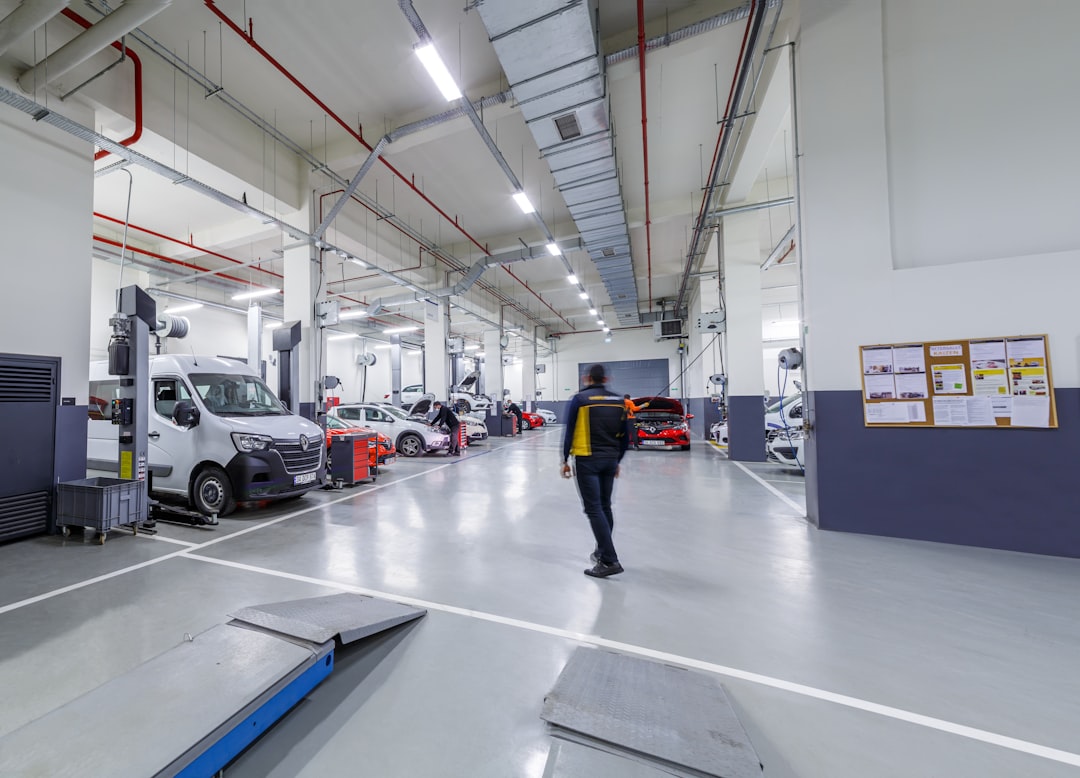
- Search Campaigns: Auto repair businesses drive immediate demand by targeting users actively seeking repair services with location-specific keywords such as "brake repair near me" or "emergency mechanic in [city]." These campaigns prioritize intent-rich queries, ensuring ads reach prospects ready to book service. Responsive Search Ads, a format within Search campaigns, let Google test combinations of headlines and descriptions to find what converts best. When enhanced with advanced visitor identification and CRM-integrated audience sync, marketers can match ad spend to high-converting accounts, focusing budget on the most valuable leads.
- Display Ads: Display campaigns keep automotive brands top-of-mind by presenting visually engaging ads across automotive blogs, forums, and related content sites. These placements reinforce awareness and encourage return visits from non-converting prospects. With real-time intent data, advertisers can dynamically update audiences to include only those showing recent interest in relevant services, maximizing efficiency and ad relevance. For a comprehensive overview of Google Ads strategies for auto repair shops, see this Google Ads best practices guide.
- Video Ads: YouTube campaigns allow repair shops to visually demonstrate expertise, explain complex repairs, or showcase customer testimonials. By educating and engaging viewers, businesses build trust with audiences at various funnel stages. Video ad strategies benefit from behavioral segmentation, where audience lists are automatically refreshed based on video engagement metrics and website activity, ensuring only genuinely interested prospects see follow-up offers.
- Remarketing Ads: Remarketing campaigns re-engage previous site visitors and those who abandoned lead forms with tailored display ads. Targeted messaging, such as service reminders or limited-time discounts, recaptures attention and drives conversions. Integrated attribution systems track both online and offline actions, connecting ad clicks to appointments booked in-store or over the phone, giving a true measure of campaign impact.
- Assets: Call, location, and sitelink assets add frictionless contact points directly within search ads, making it easy for customers to call, get directions, or view key services. When these assets are connected to real-time CRM data, repair shops can prioritize high-value customer segments for instant service bookings, reducing wasted spend and improving Google Ads ROI.
Where to Find Growth Opportunities

Growth in automotive digital marketing depends on precision, speed, and insight. For auto repair marketing leaders, new opportunities arise by identifying untapped segments, leveraging granular data, and orchestrating campaigns that consistently outperform the competition. Explore the latest marketing analytics strategies or get started for free with Sona to unlock tailored growth insights for your shop.
- Vertical Keyword Targeting: Targeting highly specific service keywords lets automotive PPC campaigns attract customers with urgent intent and higher conversion likelihood. Phrases like "wheel alignment near me" or "transmission service for BMW" bring in high-value leads actively searching for solutions, not just general information. By continuously monitoring which vertical terms drive bookings and revenue, marketers can reallocate budget in real time to the highest-performing niches. For a walkthrough on campaign setup and optimization, see this step-by-step guide for auto repair shops using Google Ads.
- Competitor Analysis: Effective car repair advertising requires more than simply bidding on popular auto service terms. Deep competitor analysis uncovers critical keyword gaps: these are high-intent queries your competitors are missing or underbidding, revealing prime real estate for campaign expansion. Using advanced technology to analyze search impression share and auction insights, marketers can spot where competitors' coverage is thin and insert their ads for maximum impact. When visitor identification tools are integrated, the marketing team can see not just aggregate traffic, but the specific companies and segments interacting with landing pages. This actionable intelligence enables precise follow-up, smarter budget allocation, and faster conversion cycles, especially when enriched data flows directly into CRM and Google Ads platforms.
- Smart Content Retargeting: The most successful mechanic shop advertising strategies go beyond simple display retargeting. Retargeting with purpose means using assets like customer testimonials, service explainer videos, or step-by-step maintenance guides as personalized hooks to engage warm leads. When marketers have real-time audience visibility into which audiences are consuming high-value content, such as a how-to guide on brake repairs, they can dynamically update audience pools and serve timely, relevant ads. Synchronized CRM and ad platforms ensure that as leads progress through the funnel, messaging adjusts automatically, making retargeting more relevant and reducing wasted impressions. This unified approach improves Google Ads ROI and keeps auto repair brands top-of-mind until the customer is ready to book an appointment.
How to Apply Audience Segmentation for Automotive Repair
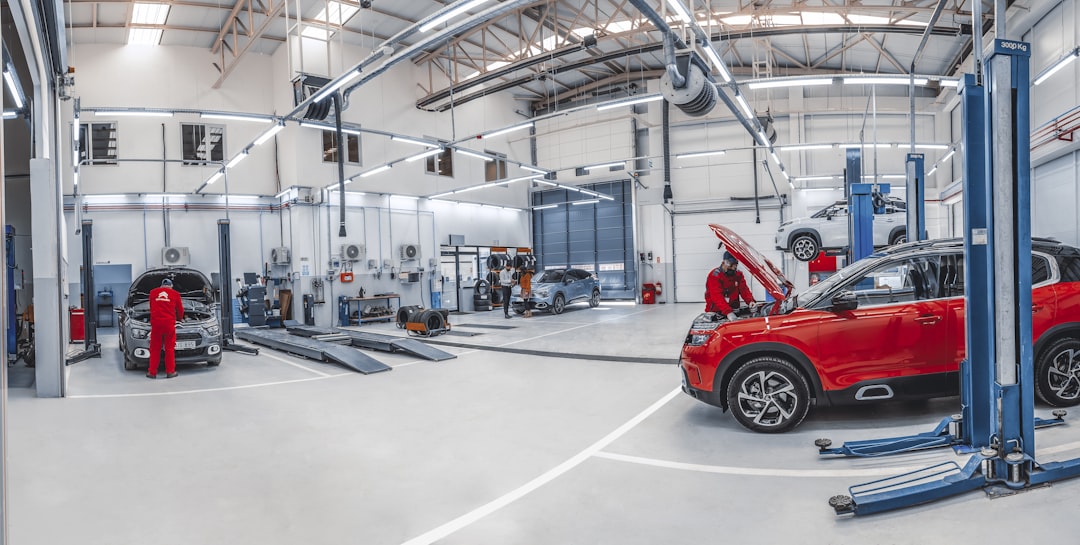
Audience segmentation is a direct path to higher Google Ads ROI in automotive repair marketing. By honing in on user intent and tailoring ad messaging, auto repair shops can stop wasting spend on low-converting, generic campaigns and start engaging the right customers at the right time. To dive deeper into segment-based strategy, explore this step-by-step guide for auto repair shops to generate more leads using Google Ads.
- Define Customer Segments: Start by segmenting your audience into distinct groups such as routine maintenance customers and emergency repair clients. For example, those searching for “oil change near me” are typically in a maintenance mindset, while searches like “brake failure help” indicate urgent need. Creating separate ad groups for these segments allows for focused budget allocation and more relevant messaging, which increases engagement and conversion rates. For additional tactics, review our actionable playbooks to enhance segmentation and campaign performance.
- Overlay Intent Signals: Use behavioral and contextual data to pinpoint where each customer is in their service journey. Integrating real-time intent signals lets marketers identify when a regular customer suddenly shifts to an urgent repair need, prompting a budget shift to capture these high-value opportunities. With advanced data platforms, visitor identification no longer stops at anonymous clickstream data: marketers can see which companies or high-value accounts are actively researching specific services, ensuring budget is deployed where conversion likelihood peaks.
- Ad Creative Customization: Each audience segment benefits from unique ad creative that speaks to their current needs. Emergency repair ads should highlight immediate availability and fast response, while routine service ads can emphasize convenience, loyalty discounts, or certified technicians. Many automotive businesses struggle with generic ads that yield low returns, but with dynamic audience updates, messaging can evolve as users move through the funnel. For example, previous customers flagged in the CRM as due for maintenance can see tailored offers, while new leads who interacted with an emergency landing page receive follow-ups that reflect their latest service inquiry. This personalization is proven to lift click-through rates and maximize budget efficiency in automotive PPC campaigns. If you’re ready to streamline your segmentation and campaign optimization, get started for free with Sona.
This is also where measurement changes the economics. With Sona Marketing Measurement you can identify the companies behind your ad clicks, not just anonymous sessions, and segment audiences by who actually becomes a customer. That lets you build bid adjustments and audience signals around the segments that convert and de-prioritize the ones that don't, so you feed Google's algorithms "this click became a paying automotive repair customer" instead of just "someone filled out a form."
Keyword Strategy & Sample Target Terms
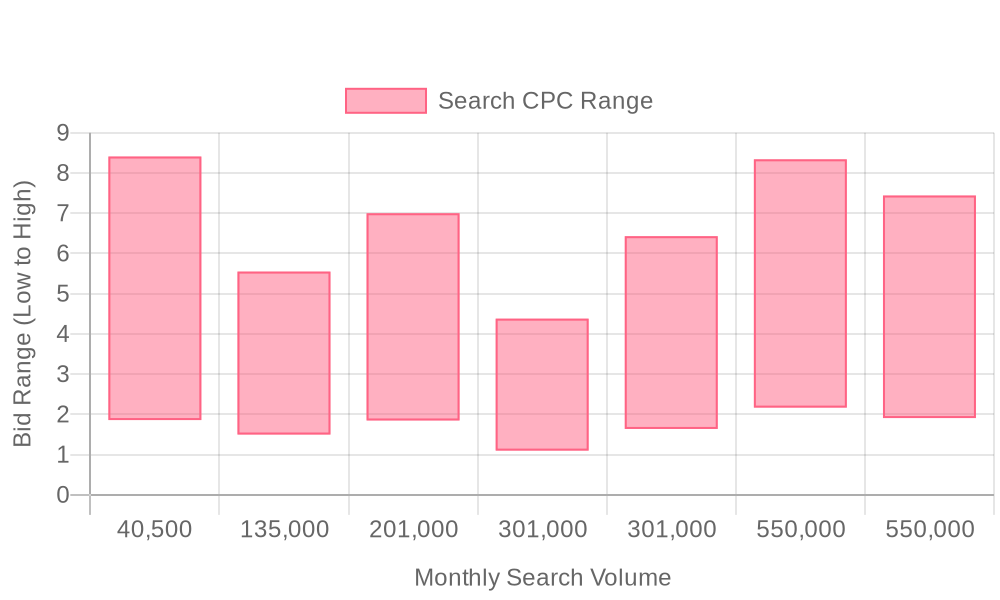
| Industry | Keyword | Monthly Search Volume | Competition Level | Low Bid | High Bid |
| Automotive Repair | transmission repair near me | 40500 | LOW | 1.86 | 8.41 |
| Automotive Repair | car battery replacement | 135000 | LOW | 1.5 | 5.55 |
| Automotive Repair | car repair near me | 201000 | LOW | 1.85 | 7 |
| Automotive Repair | tire repair near me | 301000 | MEDIUM | 1.1 | 4.38 |
| Automotive Repair | auto body shop near me | 301000 | LOW | 1.64 | 6.43 |
| Automotive Repair | automotive repair | 550000 | LOW | 2.17 | 8.34 |
| Automotive Repair | auto repair near me | 550000 | LOW | 1.91 | 7.44 |
Effective automotive repair marketing relies on capturing high-intent searchers at the precise moment they need your services. A strategic keyword approach serves as the foundation for driving qualified leads and maximizing Google Ads ROI in this highly competitive vertical. For a detailed look at how Google Ads can help auto repair shops attract more customers and set up campaigns, review this overview of Google Ads for auto repair. Explore more automotive marketing strategies in our B2B marketing playbooks.
- High-Traffic Keywords: Prioritize core terms like "auto repair near me" and "mechanic shop open now" to intercept urgent prospects. These keywords consistently attract substantial search volume, signaling customers who are actively seeking immediate solutions. By integrating Sona's Identity Resolution, which reveals which companies and people are visiting your website, marketers can allocate spend to accounts most likely to convert, rather than wasting impressions on less valuable clicks.
- Long-Tail Keywords: Expand coverage with specific queries such as "Ford Fiesta brake issues" or "hybrid battery replacement in [city]." These long-tail phrases reveal deeper purchase intent and allow mechanic shop advertising campaigns to reach niche audiences ready to book service. As in-market behaviors are detected in real time, budgets can be shifted toward the most promising leads using Sona Audiences, ensuring resources are used where they matter most.
- Negative Keywords: Maintain rigorous lists that exclude irrelevant or low-value traffic, such as searches for "DIY oil change tips" or "how to fix car at home." Filtering out these terms protects campaign efficiency and ensures that automotive PPC spend is directed only at customers likely to engage. For tips on dynamically updating negative keyword lists based on search trends, check out our guide to optimizing Google Ads.
A modern automotive digital marketing program leverages keyword intelligence alongside audience insights to go beyond anonymous clicks. By recognizing returning visitors and syncing enriched lead profiles with your CRM and ad platforms, marketers create persistent, high-converting audiences that update automatically as prospects move through the funnel. Ready to boost your campaign performance? Get started for free with Sona.
Step-by-Step Campaign Execution Framework

Step 1: Build Targeted Keyword Lists
A successful automotive PPC campaign starts with precise keyword selection. Optimizing for Google Ads for Automotive Repair means focusing on high-intent search terms that local customers use, such as "auto repair near me," "brake service in [city]," or "emergency mechanic [neighborhood]." Including geographic modifiers helps capture nearby demand, ensuring your spend delivers qualified leads who are ready to book appointments. Segmenting keywords by service type, urgency, and location enables you to direct budget toward profitable audience profiles.
Modern revenue teams should use Sona's Identity Resolution to ensure ads reach actual decision-makers and high-value prospects. Identifying website visitors and tying them to CRM records lets marketers prioritize budget on returning fleet customers or business accounts likely to convert. By connecting search data with real visitor profiles, campaigns avoid wasted spend on anonymous clicks and instead focus on those most likely to drive revenue for the shop.
The upgrade most automotive repair advertisers miss is going beyond raw keyword volume to layer in intent and identity signals. By connecting website-visitor data and CRM records with Sona Marketing Measurement, you can see which specific search terms bring in the accounts and customers that actually convert, and weight your keyword and bidding strategy toward those rather than the terms with the highest search volume alone.
Step 2: Develop Compelling Ad Copy
Strong ad copy is critical in auto repair marketing. Headlines that include trust signals, such as “Certified Mechanics Serving [City] for 20+ Years” or “ASE-Certified Emergency Repair,” build immediate credibility. Including urgency with limited-time offers or countdown timers motivates action, especially during peak repair seasons. Descriptions should reinforce unique selling points, such as rapid turnaround times, warranty-backed parts, or special discounts for first-time customers.
For mechanic shop advertising, Sona's Audiences elevates performance. By tailoring messaging to real-time behaviors, like displaying "Exclusive Fleet Discounts" to business visitors or "Same-Day Brake Service" to in-market households, ads become highly relevant to each segment. Automated audience updates ensure that as leads progress from researching to booking, the ad experience aligns with their current intent, maximizing conversion rates and minimizing wasted impressions.
Step 3: Design Effective Landing Pages
An effective landing page must seamlessly extend the promise of your ad while streamlining the path to conversion. Visitors expect to see the advertised service immediately, supported by testimonials, before-and-after photos, and visible calls-to-action like “Get a Free Estimate” or “Book Now.” The most successful auto repair landing pages reduce distractions, eliminate unnecessary fields, and prominently display local trust signals such as Google ratings or industry certifications.
Integrating data from previous ad engagements empowers shops to personalize landing content. For instance, if a visitor clicked on an ad for "European Car Diagnostics," the page can highlight technician expertise with those makes, display relevant testimonials, and pre-fill forms with known company information. This level of personalization, supported by unified data from Sona's Destinations, helps shops convert more leads with less friction.
Step 4: Implement Data-Driven Optimizations
Continuous improvement is the backbone of high-performing automotive digital marketing. Revenue teams need clear attribution between online interactions and offline actions, such as phone calls or walk-in appointments, to measure true Google Ads ROI. Importing offline conversion data enables smarter bidding and budget allocation, letting campaigns prioritize channels and keywords that consistently drive high-value outcomes. For guidance on integrating cost and conversion data, see our Google Analytics cost data import guide.
Sona's Ad Conversions captures every touchpoint, mapping leads from their initial search to final appointment and service completion. By syncing enriched lead and audience data into platforms like Google Ads, HubSpot, or Salesforce, teams can automate retargeting, suppress ads to recent customers, and dynamically update segments as leads mature. The result is a closed-loop system where every dollar spent is traceable to actual business growth, and optimizations are driven by actionable, unified insights.
Sona Marketing Measurement closes the gap between clicks and revenue. It captures every ad click with first-party measurement, then ties that click through UTM capture and ad-platform APIs to the actual record in your CRM, and reports ROAS by keyword and campaign instead of by last-click form fill. Feeding that revenue signal back into Smart Bidding and Performance Max compounds over time: the algorithms optimize toward booked automotive repair revenue, not cheap leads.
Beyond Google Ads: Winning the AI Answers Automotive Repair Buyers Now Trust
Paid search captures demand at the moment someone types a query. But a fast-growing share of automotive repair buyers no longer start at Google at all, they ask ChatGPT, Gemini, or Perplexity before they ever run a search, and Google's own AI Overviews increasingly summarize an answer above the traditional results. If your business isn't referenced in those AI answers, you're invisible at the exact moment buyers build their shortlist.
Sona AI Visibility shows where your business shows up across ChatGPT, Gemini, Perplexity, Google AI Overviews, and 10+ engines, and, much like a keyword report, which prompts actually send you buyers, so you can prioritize the ones that convert. Run the two together and you cover the entire buyer path: get cited where buyers research (AI Visibility), then prove which of that demand turns into booked revenue (Marketing Measurement).
Helpful resources
Conclusion
The shops winning right now are the ones treating Google Ads as one part of a larger visibility system, one that also accounts for how buyers research repairs through AI assistants before they ever type a query into Google. Pair tight campaign execution with real attribution back to booked revenue, and the budget conversation shifts from "how many clicks" to "how many customers." That's the compounding advantage: campaigns that keep getting smarter as they learn which leads actually become paying business.
Ready to elevate your advertising strategy? Start for free to see how identity resolution, intent signals, and marketing measurement work together for your shop.
FAQ
What are the best practices for using Google Ads in automotive repair?
Best practices include defining clear campaign objectives aligned with revenue goals, using precise audience targeting, leveraging strong ad creative, ensuring landing page alignment with ads, and continuously optimizing campaigns using data-driven insights.
How much should I budget for Google Ads for my auto repair shop?
The budget for Google Ads should be determined by aligning with business revenue goals and focusing on measurable outcomes like increased phone calls, online bookings, or walk-in traffic.
What keywords should I target for Google Ads in the automotive repair industry?
Target high-intent keywords such as 'auto repair near me,' 'emergency brake repair,' and long-tail keywords like 'Ford Fiesta brake issues' to reach consumers with urgent service needs.
How can I measure the success of my Google Ads campaigns for auto repair?
Success can be measured by tracking conversion rates, ensuring alignment between ads and landing pages, using online and offline attribution for comprehensive ROI analysis, and monitoring advanced audience and conversion data.
What are the common mistakes to avoid when using Google Ads for automotive services?
Common mistakes include using broad keywords without nuance, failing to segment audiences accurately, neglecting ad creative differentiation, and not synchronizing CRM data for retargeting and lead nurturing.







