


Auto emissions testing is a compliance deadline business: drivers search when a registration renewal or failed inspection forces the issue, not when they feel like browsing. Many shops still lose these high-intent moments because the interaction never makes it into a CRM, so the ad spend that generated the click gets no credit and no follow-up. Google Ads, paired with data that connects a click to an actual booked test, closes that gap by putting your station in front of decision-makers at the instant they need one, and by measuring which clicks turned into revenue rather than just form fills. This guide walks through building and running that kind of campaign for an auto emissions testing business.
How to Generate Auto Emissions Testing Leads with Google Ads: A Step-by-Step Guide

Auto emissions testing businesses operate in a high-intent, compliance-driven market where rapid lead response directly impacts bookings and customer loyalty. Combining precise targeting with real-time audience data ensures marketing teams capture and convert potential customers at the earliest opportunity, minimizing lost leads and maximizing ROI.
Integrating Google Ads enables emissions testing providers to reach local drivers at the exact moments they require state-mandated inspections or urgent retests. For guidance on optimizing campaign performance, explore this official Google Ads best practices guide. Proper data synchronization and automatic CRM integration allow campaigns to dynamically prioritize prospects most likely to convert, creating a seamless path from digital interaction to in-shop service.
Modern digital marketing for emissions testing now relies on granular keyword strategies, robust audience segmentation, and creative assets that highlight regulatory certifications and fast service. When marketers unify their ad data and CRM insights, every campaign touchpoint becomes measurable, and ad spend is continuously optimized for both online and offline conversions. To accelerate your lead generation, get started for free with Sona and turn every ad click into a qualified shop visit.
Why Does Google Ads Matter for Auto Emissions Testing?

Auto emissions testing providers face the challenge of standing out in a crowded market while appealing to customers who often require rapid, compliance-driven service. The typical customer is not browsing casually but is instead searching with immediate intent, often prompted by regulatory requirements or vehicle registration deadlines.
Google Ads delivers measurable advantages to emissions testing businesses by enabling precise audience segmentation and real-time campaign adjustments through geographic targeting. With granular targeting, businesses can capture high-intent searches in their service radius, ensuring every ad dollar is spent reaching those ready to book a test. Integrated data analysis tools allow for comprehensive tracking of both online and offline conversions, empowering decision-makers to optimize for true ROI and not just click volume. For a deeper dive into campaign optimization, refer to this official Google Ads guide.
Audience segmentation is especially impactful for emissions testing marketing. By creating distinct messaging for fleet managers, individual car owners, and commercial clients, campaigns produce stronger engagement and higher conversion rates. Automated workflows further support scalability, especially when dynamic audiences and enriched lead data are synced across platforms. This approach ensures that ads remain relevant as prospects move through the decision journey, directly supporting improved ad relevance and increased appointment bookings.
The ability to unify visitor identification with real-time intent signals means marketers can move beyond surface-level metrics and focus on qualified traffic. As user behavior shifts, such as increased demand around renewal periods, budgets and messaging can be rapidly reallocated to capitalize on peak opportunities. This agility is essential for emissions testing providers aiming to fill appointment slots efficiently and maintain a steady flow of customers year-round. If you're ready to streamline your ad targeting and boost qualified bookings, get started for free with Sona.
Common Types of Google Ads Campaigns for Auto Emissions Testing Services

- Search Campaigns: Search campaigns target customers actively looking for emissions testing, smog checks, or vehicle inspection services. These ads appear when high-intent keywords such as “emissions testing near me” or “smog check same day” are searched, capturing urgent local demand. Marketers can use location assets and certification callouts to establish trust, while integrating Sona's Identity Resolution to connect inbound leads with company records for better follow-up and revenue tracking.
- Display Campaigns: Display campaigns help emissions testing businesses stay visible to local drivers even when they are not searching for services. Banners and image ads placed across relevant websites reinforce brand awareness and keep your station top-of-mind for renewal periods or compliance reminders. With real-time audience data unified across channels, marketers can dynamically target drivers who recently visited auto insurance or DMV-related content, refining spend to those most likely to convert.
- Video Campaigns: Video ads provide a visual way to educate customers about emissions testing requirements and highlight your facility’s expertise. Short, informative videos can show the inspection process, promote special offers, or clarify what makes your station state-certified. By analyzing in-market viewing behavior, marketers can quickly shift budget toward top-performing segments, ensuring ads reach those most likely to need testing soon. For more campaign inspiration, explore our blog articles.
- Remarketing Campaigns: Remarketing re-engages users who have previously visited your website but did not schedule a test or request a quote. Customized ads remind them of pending registration deadlines or exclusive time-sensitive discounts. Connecting digital touchpoints with CRM and offline data allows you to update remarketing audiences in real time as users schedule, reschedule, or complete tests, improving message relevance and campaign ROI.
- Offline Conversion Tracking: Many emissions testing providers struggle to attribute digital ad clicks to actual in-shop visits or completed inspections. Offline conversion tracking bridges this gap by matching ad engagement data with CRM and POS records, helping marketers measure true ROI and optimize bidding for actions that drive revenue. With seamless audience and lead synchronization, every appointment, call, or walk-in triggered by your ads is captured, enabling smarter budget allocation and comprehensive performance reporting. To see how these strategies can streamline your operations, get started for free with Sona.
Where to Find Growth Opportunities?

Auto emissions testing businesses can unlock new growth by expanding their reach with vertical-specific keywords and strategic ad placements. Focused keyword targeting surfaces high-intent customers searching for compliance services, fast certifications, or regulatory information in your local area, see actionable Google Ads best practices for maximizing ROI from these search terms.
Conducting a competitor gap analysis reveals untapped segments within the emissions testing market. By evaluating which search terms and audience segments competitors are underserving, marketers can identify opportunities to capture incremental demand. For deeper insights, explore the essential guide to account identification.
Placing ads on relevant industry sites further diversifies lead acquisition channels. Targeted placements on automotive news outlets, regulatory information hubs, or local government directories reach decision-makers not searching on Google at that moment, increasing brand visibility among both B2B fleet managers and individual consumers. For more on effective campaign execution, review Google Ads best practices.
Content retargeting techniques keep your brand top of mind for visitors who explore emissions compliance guides, FAQs, or cost calculators but don’t convert on their first visit. Advanced visitor identification now enables revenue teams to pinpoint companies and high-value individuals who demonstrate real purchase intent and sync these audiences into ad platforms for personalized outreach.
Technology-driven targeting also enables dynamic audience updates as leads transition through the sales funnel. When a prospect books a test or calls for a quote, their status instantly changes, ensuring ads remain relevant and budget is focused on the next-highest intent prospects. This level of granularity supports precise budget allocation and maximizes campaign efficiency, helping auto emissions testing businesses capture more conversions in a competitive market. To see how you can put these strategies into action, get started for free with Sona.
How to Apply Audience Segmentation for Auto Emissions Testing
Audience segmentation in auto emissions testing advertising creates a sharper competitive edge. By mapping customer journeys, revenue teams reveal patterns behind who books a test, who is simply researching, and which commercial clients require recurring fleet inspections. For more insights on leveraging segmentation, explore this essential guide to account-based marketing, which details strategies to align messaging with the context and urgency of each visitor.
Segmenting by intent signals is essential for Google Ads strategies for emissions testing. Drivers searching for “smog check near me” often need immediate service, while those comparing “STAR certified emissions testing” are likely evaluating compliance or price. Mapping these behaviors allows marketers to allocate larger budgets to high-intent segments, while educational or retargeting ads nurture early-stage prospects. For actionable guidance on campaign optimization, review the official Google Ads best practices.
Demographic segmentation by vehicle type further refines targeting. Owners of older vehicles, high-mileage fleets, or diesel engines have different compliance windows and service needs. Customizing ads for these groups, such as targeting commercial fleet managers with “bulk emissions testing” offers, raises relevance and conversion rates. Using real-time audience data ensures audience lists dynamically update as prospects book tests or move through the funnel, preventing outdated targeting that can drain budgets.
Predictive modeling helps forecast which leads are most likely to convert by weighing signals like recent DMV registration activity, a prior failed test, or the seasonal run-up to renewal deadlines. Real-time behavioral data lets campaigns shift spend toward accounts showing that kind of in-market activity, which lowers acquisition cost and improves booking rates. Integrating CRM data with Google Ads gives a full view of ROI across online conversions and in-shop visits, and shows which segments carry the highest lifetime value. Ready to unlock smarter segmentation? Get started for free with Sona.
This is also where measurement changes the economics. With Sona Marketing Measurement you can identify the companies and buyers behind your ad clicks, not just anonymous sessions, and segment audiences by who actually becomes a customer. That lets you build bid adjustments and audience signals around the segments that convert and de-prioritize the ones that don't, so you feed Google's algorithms "this click became a paying auto emissions testing customer" instead of just "someone filled out a form."
Keyword Strategy & Sample Target Terms
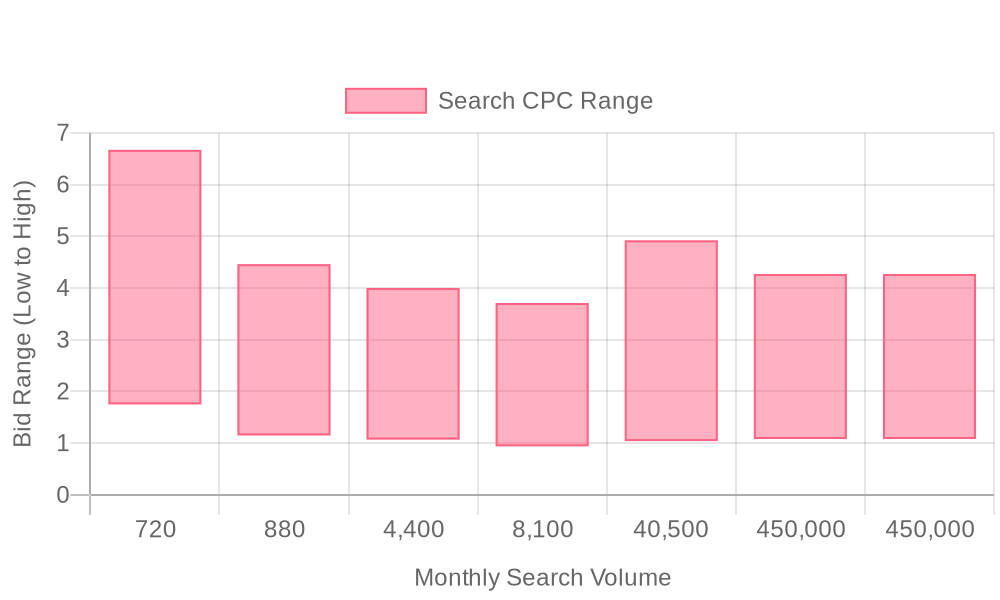
| Industry | Keyword | Monthly Search Volume | Competition Level | Low Bid | High Bid |
| Auto Emissions Testing | oil change and emissions near me | 720 | MEDIUM | 1.75 | 6.67 |
| Auto Emissions Testing | car smoke test near me | 880 | MEDIUM | 1.15 | 4.46 |
| Auto Emissions Testing | auto emissions testing | 4400 | LOW | 1.07 | 4 |
| Auto Emissions Testing | car emissions near me | 8100 | LOW | 0.94 | 3.71 |
| Auto Emissions Testing | car emissions inspection near me | 40500 | LOW | 1.04 | 4.92 |
| Auto Emissions Testing | car emissions test near me | 450000 | LOW | 1.08 | 4.27 |
| Auto Emissions Testing | auto emissions testing near me | 450000 | LOW | 1.08 | 4.27 |
Effective keyword strategy forms the foundation of high-performing Google Ads for auto emissions testing. By identifying and prioritizing search terms that mirror real-world customer intent, marketing teams ensure campaigns reach drivers and fleet managers exactly when compliance or timely vehicle inspection becomes urgent. This targeted approach consistently delivers stronger click-through rates, higher booking volumes, and a measurable reduction in wasted ad spend compared to generic automotive keywords. For more insights on campaign optimization, review the official Google Ads best practices.
To maximize results, prioritize high-intent phrases such as "auto emissions testing near me," "same day smog check," "Google Ads for automotive services," and "certified emissions station [city]." These keywords capture users who are ready to act, often within a short physical radius of the service location, and reflect the pressing need for compliance or renewal. Supplement core terms with location-specific modifiers, regulatory references ("BAR-certified," "STAR station"), and industry-relevant long-tails like "low-emission zones testing services." Explore additional tactics in our marketing playbooks to enhance keyword targeting.
- Decision-stage keywords: Focus on terms signifying immediate action, such as "book emissions test" or "schedule vehicle inspection."
- Compliance-related terms: Include search phrases that reference government standards, ensuring relevance to regulated audiences.
- Service differentiation: Target "fast emissions testing," "fleet emissions inspections," and "diesel emission check" to attract commercial and individual segments alike.
- Negative keywords: Exclude low-value queries such as "DIY emissions test" or "free smog check" to optimize budget allocation.
Marketers using Sona's Identity Resolution can further refine keyword targeting by identifying which search terms drive the highest-value conversions, mapping intent signals to specific companies or accounts, and updating keyword lists as new regulatory terms or service offerings emerge. This dynamic approach keeps paid search investment aligned with how consumers and fleet decision-makers actually search, and improves return on every advertising dollar.
Step-by-Step Campaign Execution Framework
Step 1: Build Targeted Keyword Lists
Precision in building keyword lists is the foundation of high-performing Google Ads for auto emissions testing. Start by mapping core service offerings, such as “smog check,” “emissions test,” and “vehicle inspection”, to local intent modifiers like city names, zip codes, or “near me” queries. Long-tail keywords, including terms like “fast emissions testing in [City]” or “STAR certified smog check appointment,” capture urgent, high-conversion searchers while filtering out generic traffic. Negative keywords are essential to prevent wasted spend; exclude queries related to DIY, unrelated locations, or competitors to ensure only qualified leads see your ads. For additional guidance, reference Google Ads best practices for campaign optimization.
Beyond standard targeting, marketers can use Sona's Identity Resolution to connect anonymous ad clicks with known businesses or high-value accounts. This supports segmentation by commercial fleets versus individual drivers, and lets keyword lists update as new intent signals emerge from Sona Intent Signals. When keyword data is unified across paid and owned channels, budget allocation responds to real market demand instead of guesswork, so every dollar lands where it drives measurable pipeline impact.
The upgrade most auto emissions testing advertisers miss is going beyond raw keyword volume to layer in intent and identity signals. By connecting website-visitor data and CRM records with Sona Marketing Measurement, you can see which specific search terms bring in the accounts and customers that actually convert, and weight your keyword and bidding strategy toward those rather than the terms with the highest search volume alone.
Step 2: Develop Compelling Ad Copy
Effective ad copy for auto emissions testing must address tangible pain points, such as the hassle of registration deadlines or the risk of failed inspections. Use direct, actionable language, “Pass your emissions test today,” “Certified results in 15 minutes,” or “Avoid DMV delays, book now.” Strong calls to action paired with trust signals, like “State-licensed technicians,” quickly differentiate your station from generic listings. Messaging consistency across ads, landing pages, and follow-up outreach reinforces brand credibility and streamlines user journeys. For more on aligning messaging with the buyer’s path, explore strategies to optimize buyer journeys.
To maximize ad relevance, sync audience insights from CRM or offline sources, ensuring that messaging adapts to where a lead is in the decision process. For example, users who previously failed a test can be served with urgency-focused offers or repair guarantees, while repeat fleet customers receive tailored bulk pricing messages. Real-time audience segmentation supports continuous creative testing, letting you rotate headlines and descriptions that resonate best with each segment. This approach not only lifts CTRs but also deepens engagement with in-market prospects.
Step 3: Design Effective Landing Pages
Landing pages optimized for Google Ads for automotive services must mirror the specificity of targeted keywords and ad copy. Each page should address the user’s query directly, if a visitor searches for “emissions test open late,” the landing page needs a visible schedule and after-hours booking option. Embedding trust badges, certifications, and customer reviews builds credibility, while ROI calculators or instant quote tools increase conversion rates by demonstrating value up front. Offline event tracking, such as phone call or appointment form submissions, completes the attribution picture and connects digital ad spend to real-world business outcomes. Learn how to measure marketing’s influence on the sales pipeline for a comprehensive view of campaign impact.
Mobile accessibility is non-negotiable, as a significant share of urgent emissions testing searches occur on smartphones. Calls to action should be prominent, one-click, and tailored to the device, such as “Tap to Call” or “Book Your Test.” Integrating real-time lead enrichment tools on these pages ensures that high-value inquiries are immediately recognized and routed to the right sales or service team, reducing lead response times and increasing booking rates.
Step 4: Implement Data-Driven Optimizations
Continuous optimization transforms Google Ads campaigns for emissions testing from static spend into performance engines. Conversion tracking, both online and offline, provides actionable insights into which keywords, ads, and landing pages are driving actual appointments and revenue. Smart bidding algorithms use this data to automatically shift budget toward the highest-converting segments, adapting in real time to seasonal spikes or regulatory deadlines. See how to track and optimize conversions across all touchpoints.
For advanced teams, integrating CRM and ad platform data enables dynamic audience creation and retargeting. Leads can be automatically moved between nurture streams as they progress from inquiry to scheduled test, ensuring persistent engagement until conversion. Attribution models that blend digital and offline touchpoints reveal true campaign ROI, guiding future budget allocation and creative strategy. By syncing enriched audiences and lead activity into marketing automation and sales platforms, marketers close the loop between advertising and revenue, capturing every opportunity for pipeline growth in a highly regulated, high-intent industry. Ready to streamline your campaigns? Get started for free with Sona.
Sona Marketing Measurement closes the gap between clicks and revenue. It captures ad clicks with first-party, company-level measurement, ties that click through UTM capture and ad-platform APIs to the matching record in your CRM, and reports ROAS by keyword and campaign instead of by last-click form fill. Feeding that revenue signal back into Smart Bidding and Performance Max compounds over time: the algorithms optimize toward booked auto emissions testing revenue, not cheap leads.
Tips on Expanding Your Auto Emissions Testing Presence

Expanding your auto emissions testing presence requires a blend of education, segmented marketing, and local relevance. Modern revenue teams excel by pairing targeted content strategies with adaptive digital touchpoints, ensuring every interaction delivers value and drives measurable outcomes. For more actionable ideas, explore this collection of marketing playbooks designed to help teams drive growth in specialized industries.
Cross-promoting educational resources in your retargeting workflows elevates brand trust while keeping your audience engaged beyond a single transaction. When past visitors see tailored educational pieces, such as the importance of timely emissions checks or new regulatory updates, they are more likely to return and book services. This approach works especially well when layered with dynamic audience segmentation, which automatically groups users based on behavior or lifecycle stage.
Upselling additional services, such as multi-point inspections or expedited certifications, becomes more effective with precise audience segmentation. By leveraging data from each customer interaction, marketers can identify high-value prospects and trigger campaigns aligned with their actual intent. Integration with visitor identification tools reveals not only anonymous website activity but also company-level engagement, unlocking hidden demand within B2B audiences. As new leads move through the funnel, dynamic audiences update in real time, allowing your campaigns to automatically adjust messaging and offers for maximum impact.
Localizing your digital marketing for emissions testing drives higher conversion rates and stronger community relevance. Geo-targeted ads, localized landing pages, and business listings tailored to each service area help you appear in local search results at the exact moment drivers need to book a test. By syncing CRM and ad platforms, enriched audience data seamlessly flows into your Google Ads campaigns, ensuring every location and technician specialty is accurately promoted. This unified approach fuels a continuous feedback loop: real-time search data uncovers new content opportunities, campaigns adapt to seasonal or regulatory shifts, and advanced attribution captures both online conversions and in-shop visits. To streamline your growth and unlock new efficiencies, get started for free with Sona.
Beyond Google Ads: Winning the AI Answers Auto Emissions Testing Buyers Now Trust
Paid search captures demand at the moment someone types a query. But a fast-growing share of auto emissions testing buyers no longer start at Google at all, they ask ChatGPT, Gemini, or Perplexity before they ever run a search, and Google's own AI Overviews increasingly summarize an answer above the traditional results. If your business isn't referenced in those AI answers, you're invisible at the exact moment buyers build their shortlist.
Sona AI Visibility shows where your business shows up across ChatGPT, Gemini, Perplexity, Google AI Overviews, and 10+ engines, and, much like a keyword report, which prompts actually send you buyers, so you can prioritize the ones that convert. Run the two together and you cover the entire buyer path: get cited where buyers research (AI Visibility), then prove which of that demand turns into booked revenue (Marketing Measurement).
Helpful resources
Conclusion
The stations winning in this market treat Google Ads as a measurement problem as much as a media-buying one: they know which keywords and campaigns produce booked tests, not just clicks, and they feed that revenue signal back into their bidding. That's the difference between chasing search volume and building a channel that compounds.
As AI Overviews and chat assistants take a growing share of research, pairing that measurement discipline with visibility in those answers is what will separate emissions testing businesses that keep filling appointment slots from those that quietly lose share to competitors buyers never see.
FAQ
What are the best practices for Google Ads in auto emissions testing?
Best practices include precise targeting, integrating online and offline marketing, using granular keyword strategies, and optimizing ad spend to reach high-intent prospects.
How can I create effective Google Ads for my emissions testing business?
Create effective ads by building targeted keyword lists, developing compelling ad copy, designing specific landing pages, and implementing data-driven optimizations.
What keywords should I target for auto emissions testing ads?
Target high-intent phrases such as 'auto emissions testing near me,' 'same day smog check,' and 'certified emissions station [city]' to capture users ready to act.
What budget should I allocate for Google Ads in emissions testing?
Allocate budget based on high-intent segments and keywords, adjusting spend using data-driven insights to ensure every dollar targets qualified prospects effectively.
How do I measure the success of my Google Ads campaigns for emissions testing?
Measure success by tracking both online and offline conversions, using smart bidding algorithms, and analyzing ROI through integrated CRM and ad platform data.







